In old American kitchens, the cleverest sweets were born from tight times. Desperation pies, Great Depression recipes, and the whole spirit of pioneer baking were never about “going without”, they were about turning pantry basics into something comforting and celebratory.
This vinegar pie recipe is exactly that kind of magic. The name sounds bold, I know, but the result is a bakery-style custard pie that eats like a gentle lemony dream, sweet, creamy, and quietly sophisticated.
Why You’ll Love This Recipe
Brown butter depth: In my kitchen, taking a minute to brown the butter is the difference between “interesting vintage pie” and “where did you buy this?” richness, thanks to the Maillard reaction’s nutty, caramel warmth.
Sweet-tart balance: That little hit of Apple cider vinegar doesn’t shout, it brightens, rounding out the molasses notes in brown sugar so every bite tastes sunny instead of flat.
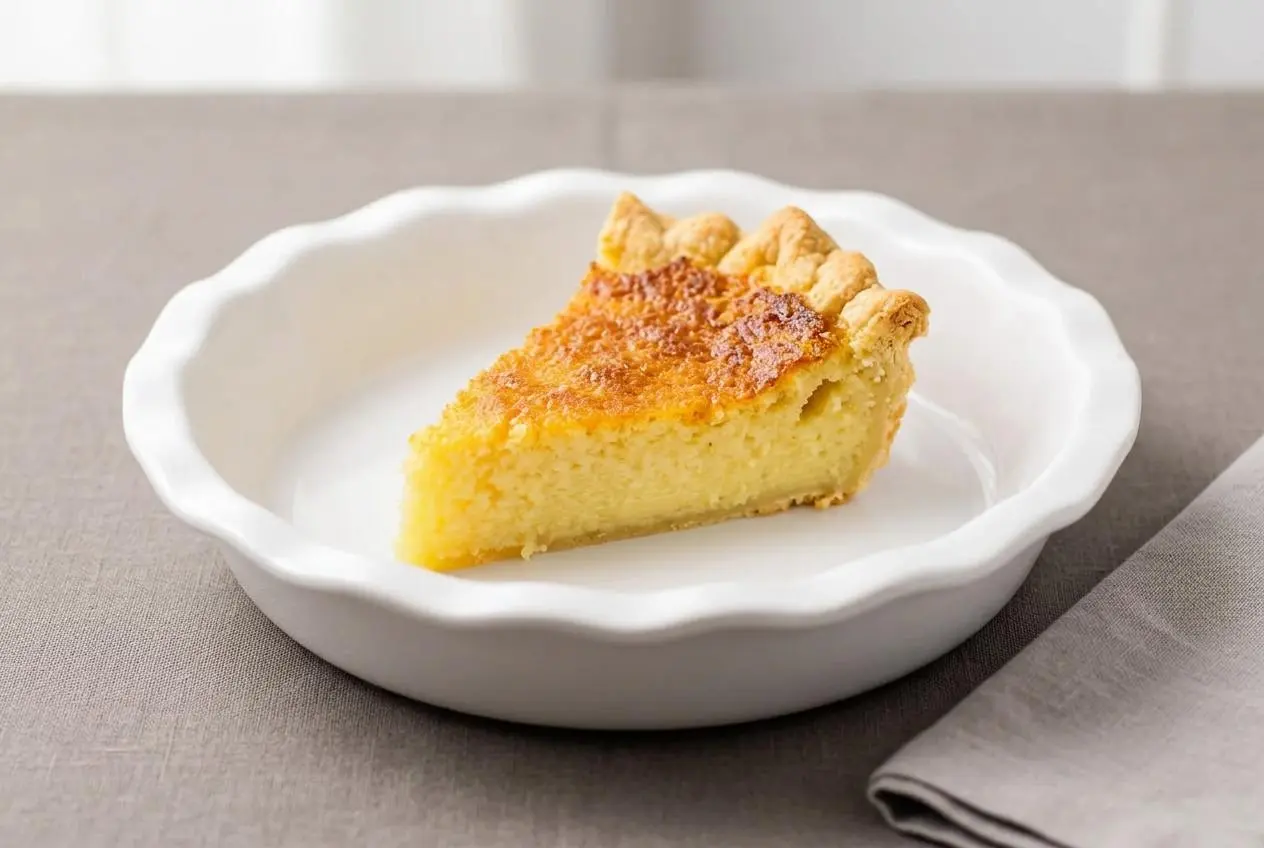
Custard-shop texture: With the right bake and the Internal temperature 165F cue, you get a slice that’s creamy and clean, not runny, not rubbery, just that silky set you expect from a proper custard pie.
Old-fashioned charm, upgraded: A teaspoon of vanilla bean paste (my “bakery whisper”) makes the whole pie smell like warm sugar cookies the second you cut into it.
Ingredients and Substitutions

This is a short list with big payoff. Think flaky crust, a brown-sugar custard base, and a bright little spark from vinegar that makes the flavor feel almost citrusy.
Ingredients
For the Crust:
- 1 single crust pie dough
For the Filling:
- 4 large eggs
- 1 cup packed light brown sugar
- 0.5 teaspoon kosher salt
- 6 tablespoons melted unsalted butter
- 2 tablespoons apple cider vinegar
Ingredient Notes & Substitutions
Apple cider vinegar: It brings a mellow, rounded tang that reads like “lemon” once it meets sugar and butter. Distilled white vinegar can be swapped in for a cleaner, sharper brightness that mimics citrus even more closely.
Eggs (3 vs. 4): Four eggs give you the classic, sliceable set I like for neat wedges and pretty plates. If you prefer a softer, more pudding-like custard, reducing to 3 eggs will loosen the texture.
Brown sugar: Packed light brown sugar adds that gentle molasses note that makes this feel cozy, like a cousin to chess pie and sugar cream pie. For a holiday mood, a pinch of cinnamon and nutmeg turns the aroma into pure sweater weather.
Vanilla bean paste: This is the quiet upgrade that makes the custard smell expensive the moment it warms in the oven. If you only have vanilla extract, it still works, but you’ll miss those little vanilla flecks and that rounded, perfumey finish.
How to make vinegar pie recipe
Prepare the crust
- Set your oven to 350°F. Fit the pastry into a 9-inch pie pan, and make sure it’s not deep dish, then crimp the edge so it holds its shape as it bakes.
- Lay parchment paper (or a large coffee filter) right onto the dough, then fill it with pie weights or dried beans so the bottom stays flat. Bake for 15 minutes at 350°F, until the edges look set and matte instead of raw.
- Lift out the parchment and weights carefully while the crust is hot. Brush the crust with a light egg wash to seal it, then prick the bottom with a sharp knife so steam can escape, and bake another 10 to 15 minutes until the base looks dry and lightly baked, not glossy.
- Let the crust cool slightly so the filling hits a warm shell, not a scorching one.
Whisk the custard base
- In a medium bowl, whisk the eggs with the light brown sugar and kosher salt until the mixture looks completely smooth and unified, with no streaks of egg white and no sugar clumps.
Brown butter twist and finish the filling
- Warm the 6 tablespoons melted unsalted butter in a small pan until it deepens in color and smells nutty, like toasted hazelnuts and caramel. Keep it moving, and pull it off the heat as soon as you see browned bits and smell that toasty aroma.
- While whisking constantly, drizzle the browned butter into the egg mixture in a thin stream so the eggs temper gently instead of scrambling. Stir in 1 teaspoon vanilla bean paste here, it perfumes the custard beautifully.
- Whisk in the apple cider vinegar until the custard looks glossy and fully blended.
Bake and cool
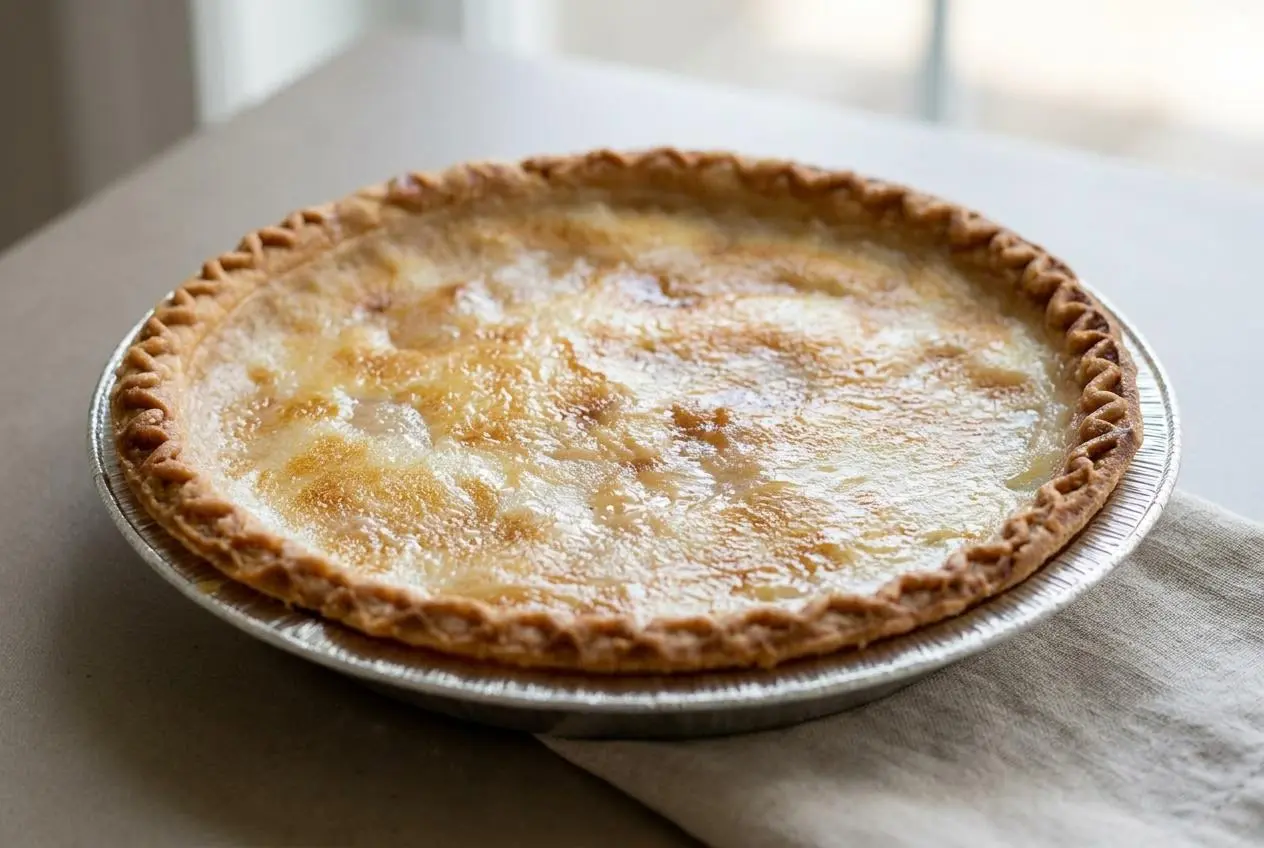
- Pour the filling into the pre-baked crust and bake for about 35 minutes, until the center reaches an internal temperature of 165°F. You’ll see it puff and bronze on top in the oven, then relax and settle as it cools.
- Cool the pie completely to room temperature before slicing, this resting time is when the custard finishes setting into clean, creamy slices. Serve at room temperature or slightly chilled.
Secrets for a Perfect Custard Pie

The big “how can this taste like lemon?” question has a simple answer. Vinegar brings acidity, sugar brings sweetness, and together they nudge your palate toward the same bright lane citrus lives in, even though no lemon ever touched the bowl.
This little kitchen illusion reminds me of pantry-trick classics like mock apple pie, where the brain swears it’s tasting something familiar because the balance of sweet, tangy, and warm spice tells the story.
If your top cracks, it’s almost always heat stress, custard is a delicate thing. Baking until the center hits 165°F keeps the eggs set but not over-tightened, and that’s how you avoid a split, curdled texture.
For serving size, I slice this into 8 wedges. Nutrition will vary by crust and portion, but it’s a classic custard pie profile, eggs and butter for richness, brown sugar for sweetness, so smaller slices feel luxurious, not skimpy.
Pro Tips & Troubleshooting
Pro Tips
- Blind baking is non-negotiable here, and brushing egg wash onto the hot crust creates a barrier that protects you from a soggy bottom once the custard goes in.
- A quick thermometer check is the most reliable finish line, the center is perfectly set at 165°F, which gives you creamy slices without guesswork.
- If you notice butter looking like it’s pooling on the surface during baking, don’t panic, it often reabsorbs as the pie cools and the custard firms.
Common Mistakes to Avoid
- Using a deep-dish pie pan without scaling up the recipe leaves you with a thin layer of filling that bakes up disappointingly shallow.
- Pouring hot butter into cold eggs without whisking constantly can scramble the mixture, slow drizzle and steady whisking are your insurance policy.
- Skipping the blind-bake step almost guarantees an underbaked, gummy crust beneath the custard, even if the top looks done.
Serving & Storage

Serving Ideas
A light dusting of powdered sugar right before slicing makes the top look like a snowy bakery window. I love it with unsweetened whipped cream, because that gentle dairy softness calms the sweet-tart filling.
Fresh raspberries or blackberries on the plate make the flavor feel even brighter. When I want to make it feel a little modern, a thin drizzle of miso caramel sauce plays beautifully with the nutty brown butter notes.
For a truly vintage flourish, a toasted meringue on top gives you that Depression-era lemon meringue “illusion”, dramatic, thrifty, and downright charming.
Storage & Make-Ahead
Because this is an egg-based custard, it needs refrigeration after it cools. The texture is similar to a delicate ginger milk pudding, meaning it’s happiest kept cold and covered.
Store the pie in the fridge and enjoy it within 3 to 4 days for the cleanest flavor and best slice. Freezing is not my favorite move for this one, custard can weep and turn a bit rubbery after thawing, even if it tastes fine.

Old-fashioned Vinegar Pie Recipe

Equipment
- 9-inch pie pan
- Parchment Paper
- Pie Weights
- Whisk
- Small pan
Ingredients
For the Crust
- 1 single crust pie dough
For the Filling
- 4 large eggs
- 1 cup packed light brown sugar
- 0.5 teaspoon kosher salt
- 6 tablespoons melted unsalted butter
- 2 tablespoons apple cider vinegar
Instructions
Prepare the crust
- Set your oven to 350°F. Fit the pastry into a 9-inch pie pan, and make sure it is not deep dish, then crimp the edge so it holds its shape as it bakes.
- Lay parchment paper or a large coffee filter right onto the dough, then fill it with pie weights or dried beans so the bottom stays flat. Bake for 15 minutes at 350°F, until the edges look set and matte instead of raw.
- Lift out the parchment and weights carefully while the crust is hot. Brush the crust with a light egg wash to seal it, then prick the bottom with a sharp knife so steam can escape. Bake another 10 to 15 minutes until the base looks dry and lightly baked, not glossy.
- Let the crust cool slightly so the filling hits a warm shell, not a scorching one.
Whisk the custard base
- In a medium bowl, whisk the eggs with the light brown sugar and kosher salt until the mixture looks completely smooth and unified, with no streaks of egg white and no sugar clumps.
Brown butter twist and finish the filling
- Warm the 6 tablespoons melted unsalted butter in a small pan until it deepens in color and smells nutty, like toasted hazelnuts and caramel. Keep it moving, and pull it off the heat as soon as you see browned bits and smell that toasty aroma.
- While whisking constantly, drizzle the browned butter into the egg mixture in a thin stream so the eggs temper gently instead of scrambling. If using, stir in 1 teaspoon vanilla bean paste here to perfume the custard.
- Whisk in the apple cider vinegar until the custard looks glossy and fully blended.
Bake and cool
- Pour the filling into the pre-baked crust and bake for about 35 minutes, until the center reaches an internal temperature of 165°F. You will see it puff and bronze on top in the oven, then relax and settle as it cools.
- Cool the pie completely to room temperature before slicing. This resting time is when the custard finishes setting into clean, creamy slices. Serve at room temperature or slightly chilled.
Notes
Nutrition
Conclusion
Vinegar pie is pure American ingenuity, a sweet little piece of history from the era of desperation pies, dressed up with brown butter perfume and that vanilla-bean bakery glow. If you bake it once, you’ll understand why these Great Depression recipes endured.
On the days you’re in a nostalgic mood, other penny-wise treats like vintage potato candy carry the same comforting spirit, simple ingredients, big heart, and a story worth passing on.