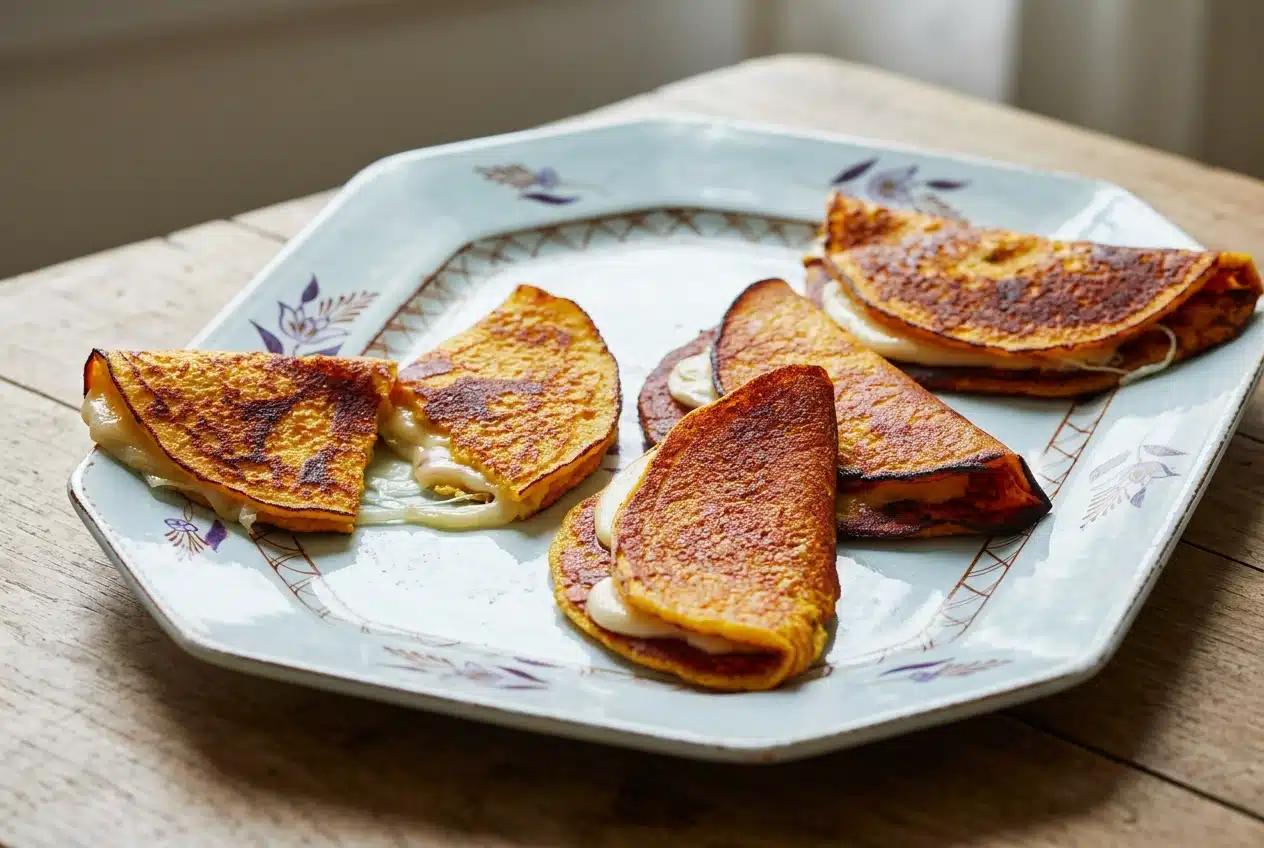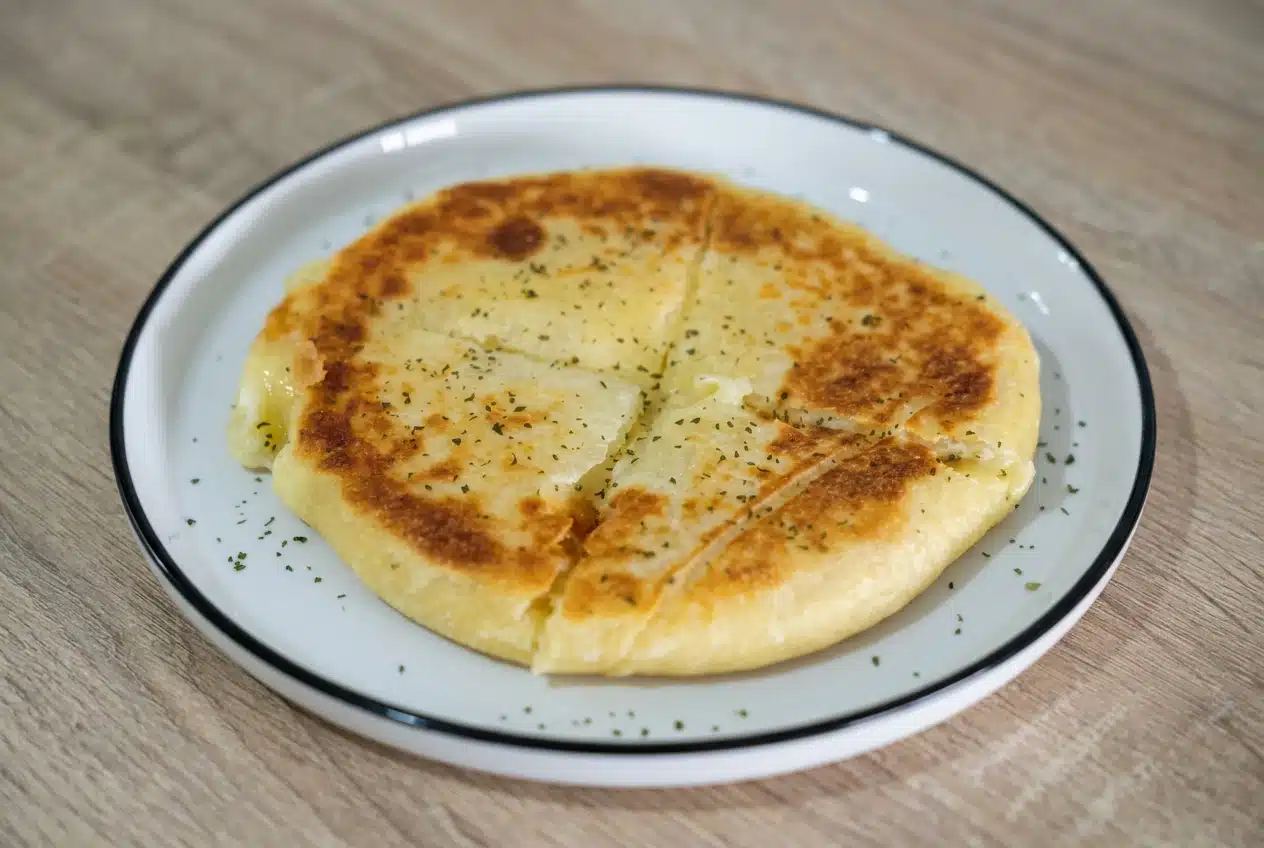
Korean potato cheese bread is a yeast-free, pan-cooked dough pocket filled with seasoned mashed potatoes and stretchy mozzarella. Make it by kneading the wrapper, steaming the potatoes, layering the filling, sealing the edges, and cooking over medium heat until evenly golden.
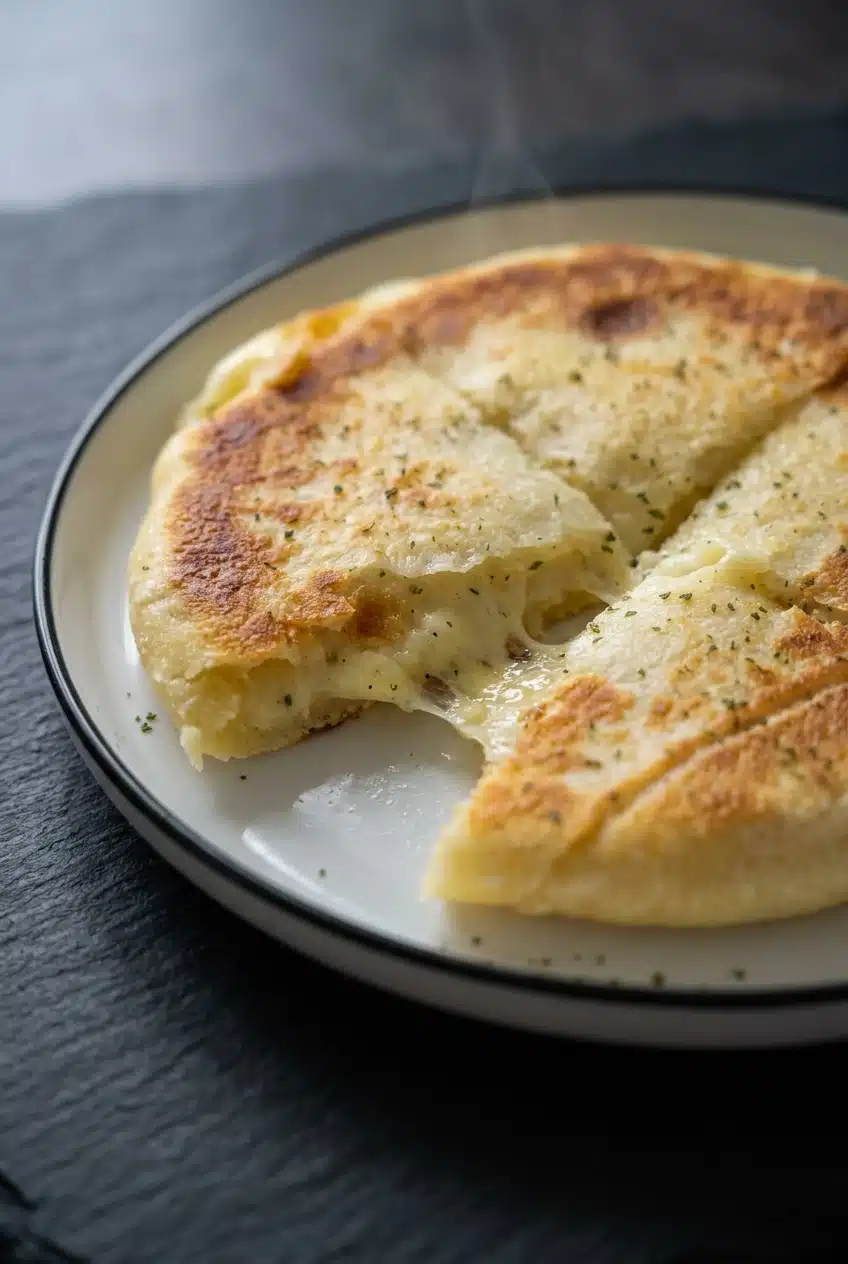
A golden crust gives way to creamy potato and melted cheese, with a lightly chewy wrapper holding everything together. This is filled skillet bread, rather than a fluffy potato loaf or a potato pancake.
The method needs attention to texture more than complicated shaping. Smooth dough, well-mashed potatoes, and a firmly closed edge make the assembly easier to manage. The cheese goes on both sides of the potato.
I look for an even dough surface before rolling; rough patches make it harder to judge where the wrapper might tear.
Ingredients Overview
Flour gives the wrapper structure, oil adds tenderness, and milk supplies moisture. Sugar and salt balance the dough, while potatoes create a creamy filling. Pepper and parsley add seasoning, and mozzarella brings the molten, stretchy center.
- 80 gr high-protein flour
- 1 tbsp oil
- 1 tbsp granulated sugar
- 1 pinch salt
- 60 ml UHT milk
- 2 potatoes
- 30 ml UHT milk
- 1 pinch ground pepper
- 1 pinch parsley
- 100 gr mozzarella cheese
Dough Wrapper Essentials
High-protein flour, commonly labeled bread flour in the US, gives the wrapper its chewy structure. Kneading develops the dough so it becomes smoother and more cohesive, which matters when you roll it around a soft filling.
Oil softens the dough’s bite, while sugar adds sweetness and encourages browning. Salt keeps the wrapper from tasting flat. The dough contains no yeast or baking powder, so expect a close-textured wrapper rather than an airy bread crumb.
UHT describes how the milk has been heat-treated, not its fat percentage. Here, milk moistens the flour and adds richness. The first milk entry belongs in the wrapper; the second belongs in the potato filling. Keep those portions separate as you measure.
Potato and Cheese Filling Components
A starchy potato, such as a Russet, suits a filling that needs to mash smoothly and hold together. Potato size can vary considerably, so watch the texture as well as the ingredient count: the mash should be cohesive, not loose or flowing.
The filling’s milk softens the potato texture, ground pepper adds gentle warmth, and parsley contributes a mild herbal flavor. Mash thoroughly so firm potato lumps don’t press against the dough during assembly.
Shredded mozzarella distributes easily across the filling and provides the characteristic melt and stretch. Keep it separate from the seasoned mash because the bread uses distinct cheese, potato, and cheese layers. The quantities above cover the complete bread.
How to Make Korean Potato Cheese Bread
Work through the wrapper, potato filling, and assembly in that order. There is no rising stage. Use the texture cues below rather than a guessed kneading or cooking time.
- Work the flour, oil, sugar, salt, and wrapper portion of milk into a dough, kneading until the surface becomes even.
The finished dough should look smooth and feel cohesive rather than rough or crumbly. - Prepare the potatoes by steaming until tender enough to mash, then work in the filling portion of milk, ground pepper, and parsley.
A well-mashed filling has a uniform texture without firm potato pieces. - Use a rolling pin to form a flat wrapper, then arrange shredded mozzarella beneath the potato mixture and over its top.
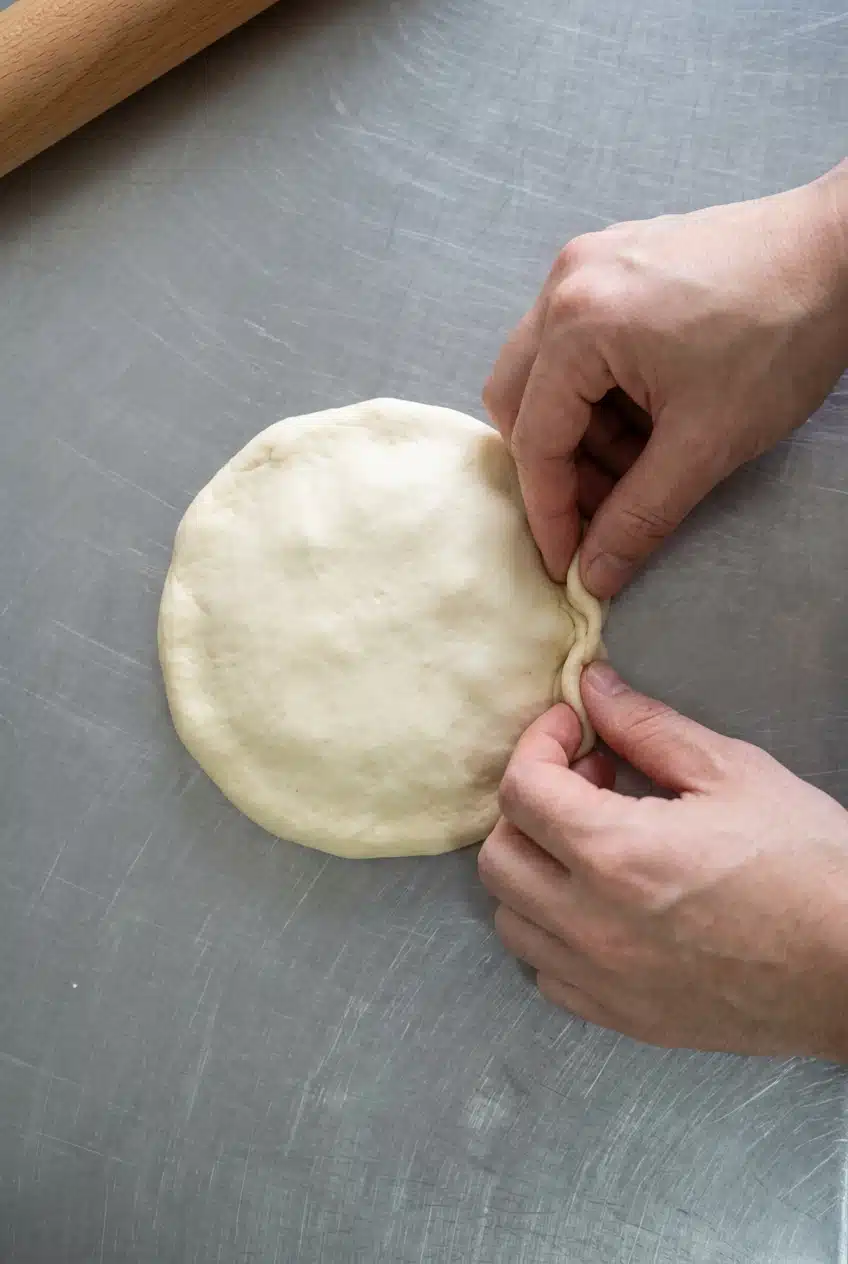
The potato should sit between distinct cheese layers, with dough edges available for closing. - Press the wrapper edges firmly together to enclose the filling, then begin cooking the pocket in a pan over medium heat.
Check that the closure has no open gaps where the filling is exposed. - Turn the bread as it cooks so every side finishes evenly, then serve once the wrapper has cooked through.
Look for a golden exterior without pale, doughy areas and a melted cheese center.
The layering matters: mozzarella sits against the inside of the wrapper above and below the potato. Mixing all the cheese into the mash would create a different filling texture and lose those distinct melted layers.
Expert Tips and Troubleshooting
Most problems begin with dough texture, filling consistency, or an incomplete seal. Check each stage before moving on, because a small assembly issue becomes harder to manage once the cheese melts.
Steam Potatoes for Moisture Control
Steaming cooks the potatoes without immersing them in water. That helps limit excess moisture in a filling that must sit inside dough. The goal is creamy, cohesive mash, not a wet mixture that spreads toward the wrapper’s edge.
- Sticky, rough dough: Incomplete mixing can leave the surface uneven. Continue the prescribed kneading and judge whether the dough becomes smoother before rolling it.
- Lumpy mash: Firm pieces suggest the potatoes needed more steaming, while soft lumps need more thorough mashing. Check tenderness before combining the filling.
- Loose filling: Moisture makes the mash harder to contain. Follow the steaming method and keep the wrapper milk separate from the filling milk rather than combining both portions.
Potato starchiness affects the filling, too. A fluffy, mash-friendly potato makes the intended texture easier to recognize than a firm, waxy variety. Steaming helps manage moisture, but it does not guarantee the same result from every potato.
Seal and Flatten Without Leaks
Roll the wrapper evenly before adding the filling. Thick patches can remain doughy while thinner areas brown, and weak spots may tear as the dough closes around the potato.
- Tearing wrapper: An unevenly rolled or rough dough surface creates vulnerable spots. Focus on smooth kneading and an even wrapper during the rolling stage rather than stretching a weak patch around the filling.
- Edges that won’t meet: Filling near the rim can obstruct the closure. Keep the layers centered so you can press dough directly against dough.
- Cheese leaks: Stray shreds or visible gaps interrupt the seal. Check the full edge as you press it closed, not just the easiest-to-reach section.
The aim is a fully enclosed pocket, not a tightly stretched shell. A neat exterior alone doesn’t confirm a complete seal, so pay particular attention to where the dough edges join.
Skillet Heat and Browning Cues
Keep the pan at the stated medium heat. Fast, dark browning can distract from the real goal: an evenly cooked wrapper surrounding melted mozzarella.
- Dark patches with pale areas: Uneven wrapper thickness or incomplete turning can produce patchy cooking. Roll evenly during assembly and use the flipping stage to check all surfaces.
- Sticking around the edge: Escaped cheese can cling to the pan. Check the closure carefully before cooking rather than relying on browning to hold it shut.
- A golden surface with doughy sections: Exterior color alone is not enough. Continue the prescribed turning and cooking until the wrapper finishes evenly.
Golden-brown patches suit this skillet bread; blackened spots do not. Watch the bread throughout cooking rather than treating the first browned surface as the finish line.
Popular Variations to Try
These optional flavor and format ideas are separate from the dough-wrapped bread above. They change the eating experience, so none belongs in the official ingredient list or method.
Purple or Yellow Sweet Potato Filling
Purple sweet potato brings a deeper color and a sweet-savory contrast with cheese. Yellow sweet potato offers a golden filling and a different sweetness from regular potato. Moisture and starchiness vary, so neither is an automatic one-for-one replacement.
If that flavor combination appeals to you, roasted sweet potatoes with goat cheese offer another way to enjoy sweet potato alongside savory cheese.
Savory Multi-Cheese and Spicy Filling Upgrades
- Cheddar: A sharper flavor direction for a more pronounced savory center.
- Cream cheese: A tangier, creamier direction rather than the same mozzarella-style stretch.
- Jalapeño: A peppery option with a more distinct chile bite.
- Pepper jack: A spicy cheese direction that changes both the flavor and character of the filling.
Potato and Rice-Flour Pancake Format
A potato-and-rice-flour pancake is a different format: the potato mixture forms the surrounding body instead of sitting inside a separate wheat wrapper. Expect a different bite and structure, not an interchangeable version of this bread.
The bread above contains wheat flour. A rice-flour variation’s name alone does not establish its suitability for someone avoiding gluten; the complete ingredient selection still needs checking.
Quick Toasted Sliced-Bread Shortcut
A sliced-bread sandwich version offers a convenience-oriented alternative with a familiar toast-like exterior. It skips the homemade wrapper concept, so its crumb and edges differ from the lightly chewy shell here. Think of it as a separate filled sandwich, not the same bread with a missing step.
Serving Suggestions
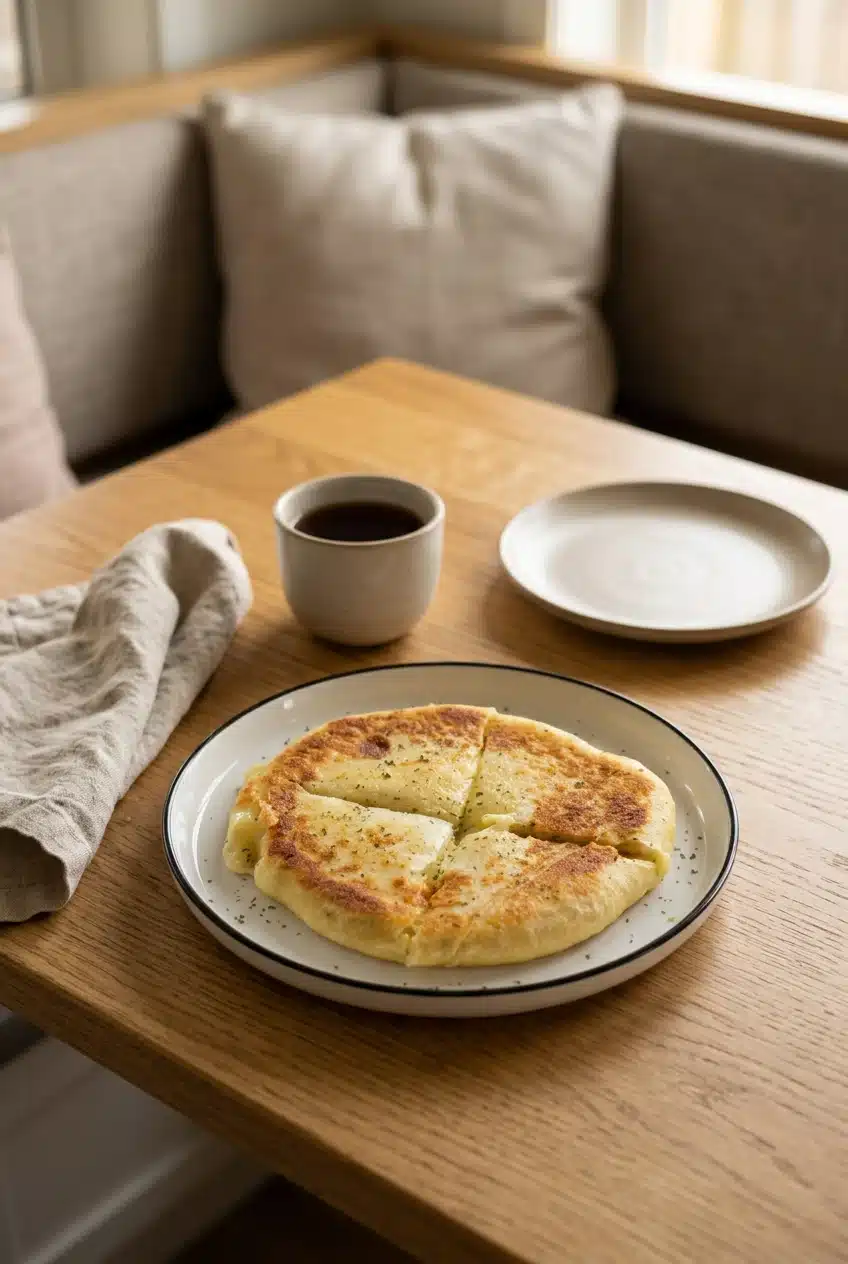
Serve the bread warm for the soft potato center and stretchy mozzarella that contrast with the golden wrapper. Once opened, the cheese should pull between the pieces rather than behave like a firm cheese layer.
- For a café-style snack: Pair it with black tea, green tea, or coffee.
- For a cozy meal: Add creamy corn soup, tomato soup, or a light broth soup.
- For a heartier plate: Serve grilled sausage alongside the bread rather than adding it to the filling.
The filling is mild and milky, so choose pairings that complement it without crowding the plate. A broth soup gives a lighter contrast; a creamy soup makes the meal richer.
Planning Your Cooking Session
Plan your meal around the final pan-cooking stage so you can enjoy the intended warm, melted center. Have drinks or accompanying dishes ready before the bread finishes.
For organization, identify the wrapper ingredients and potato-filling ingredients before starting, especially the separate milk portions. Keep the mozzarella reserved for layering. Treat this as a cook-and-serve project rather than relying on an unverified holding or reheating schedule.
Final Thoughts
This bread brings together a golden, chewy wrapper, creamy seasoned potato, and a molten mozzarella center. Its appeal comes from those distinct textures, with cheese layered on both sides of the mash.
Steam the potatoes, knead until smooth, and give the pressed edges your attention before pan-cooking. Watch for even browning as you turn the bread, then enjoy it while the center is warm and stretchy.
Frequently Asked Questions
Does Korean Potato Cheese Bread Taste Like Regular Bread?
No. It has a close-textured, lightly chewy wrapper rather than the airy crumb of a yeast loaf. Creamy potato, pepper, parsley, and mild melted mozzarella provide much of the flavor.
What Bread Is Famous in Korea?
Garlic cream cheese bread and sweet-filled buns are recognizable examples associated with Korean bakery culture. There isn’t one universal answer; preferences vary by bakery and location, and this filled skillet bread is a different style from a baked loaf.
What Are the Ingredients in Korean Potato Cheese Bread?
The wrapper contains high-protein flour, oil, granulated sugar, salt, and UHT milk. The filling uses potatoes, UHT milk, ground pepper, parsley, and layered mozzarella. The ingredient list above gives the exact quantities.
How Many Calories Are in Two Pieces of Korean Potato Cheese Bread?
There is no verified calorie calculation or defined piece size for this recipe, so a dependable number is not available. An estimate would require the actual potato weights, ingredient nutrition information, and the fraction of the finished bread represented by two pieces.
Is It Better to Steam or Boil the Potatoes for the Filling?
Steam them for this recipe. Steaming avoids immersing the potatoes in water and helps control excess moisture. Check that the potatoes are tender enough to mash smoothly before combining the filling ingredients.
How Do You Prevent the Cheese From Leaking During Pan-Cooking?
Keep the mozzarella and potato layers centered so filling does not obstruct the wrapper’s edge. Press the dough edges together completely and check for gaps before cooking. A complete seal helps contain the cheese, though it cannot guarantee against every leak.
Korean Potato Cheese Bread

Equipment
- Steamer
- Rolling Pin
- Non-stick skillet
Ingredients
- 80 gr high-protein flour
- 1 tbsp oil
- 1 tbsp granulated sugar
- 1 pinch salt
- 60 ml UHT milk
- 2 potatoes
- 30 ml UHT milk
- 1 pinch ground pepper
- 1 pinch parsley
- 100 gr mozzarella cheese
Instructions
- Work the flour, oil, sugar, salt, and wrapper portion of milk into a dough, kneading until the surface becomes even. The finished dough should look smooth and feel cohesive rather than rough or crumbly.
- Prepare the potatoes by steaming until tender enough to mash, then work in the filling portion of milk, ground pepper, and parsley. A well-mashed filling has a uniform texture without firm potato pieces.
- Use a rolling pin to form a flat wrapper, then arrange shredded mozzarella beneath the potato mixture and over its top. The potato should sit between distinct cheese layers, with dough edges available for closing.
- Press the wrapper edges firmly together to enclose the filling, then begin cooking the pocket in a pan over medium heat. Check that the closure has no open gaps where the filling is exposed.
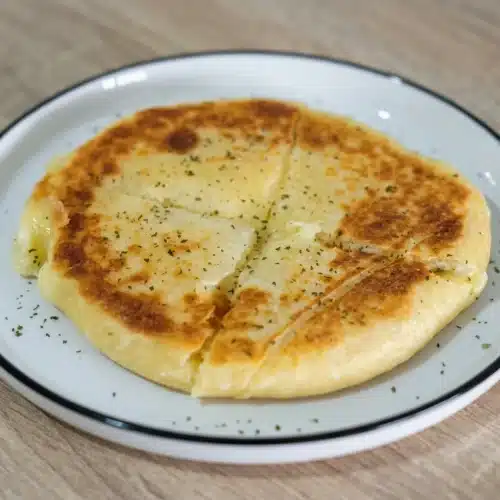
- Turn the bread as it cooks so every side finishes evenly, then serve once the wrapper has cooked through. Look for a golden exterior without pale, doughy areas and a melted cheese center.