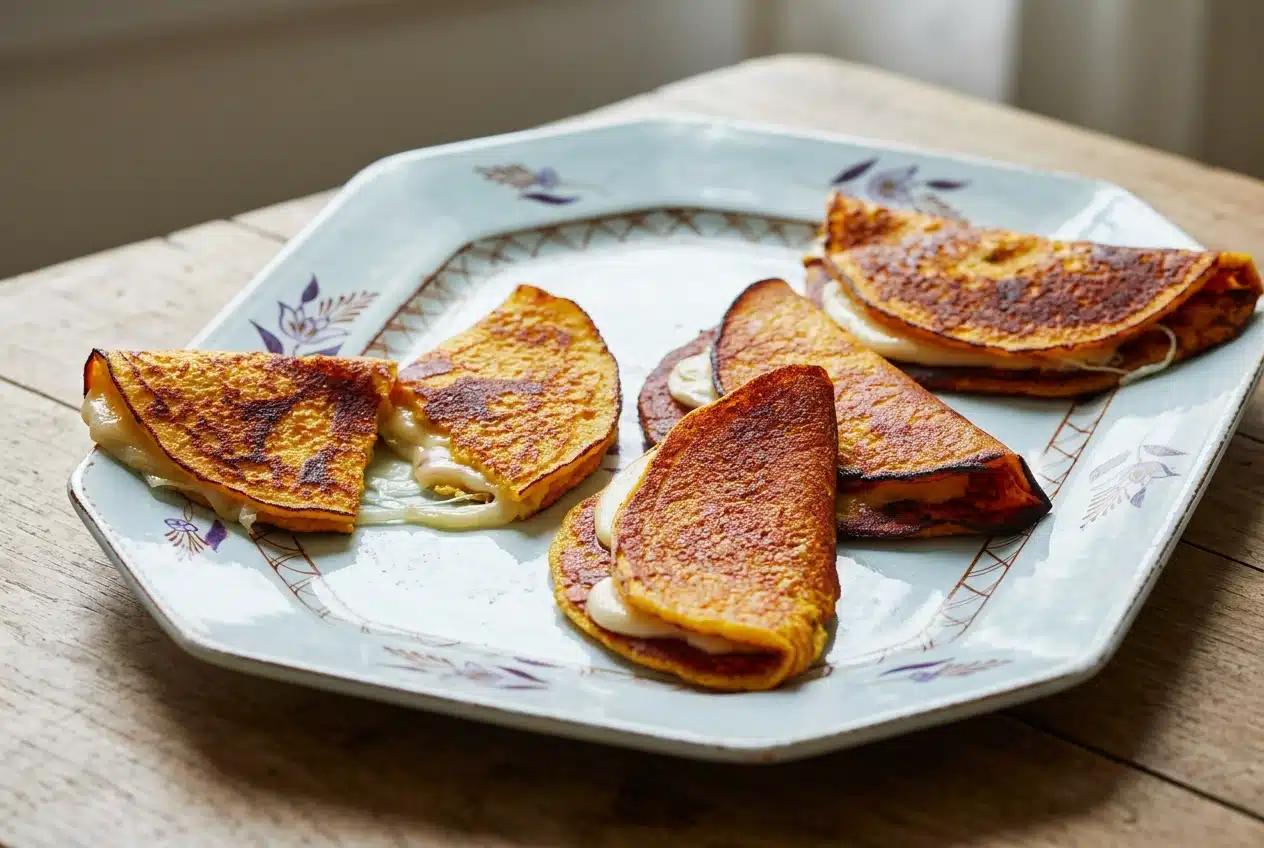
This cachapas recipe makes Venezuelan corn pancakes with golden, crisp edges, tender sweet-corn centers, and melted mozzarella inside. Blend the batter, cook it in a lightly oiled nonstick skillet, then add cheese and fold while warm.
Fresh corn gives these pancakes their distinctive sweetness and soft texture. Unlike breakfast pancakes, cachapas lean sweet and savory at once, with mild white cheese bringing a rich, salty contrast.
The batter comes together in a blender, and the skillet does the rest. Watch for a golden underside and dry spots on top rather than rushing the flip. Those edges are worth the wait.
Keep the shredded mozzarella within reach so you can fill and fold each cachapa while it’s warm.
Cachapas Ingredients and Flour & Cheese Substitutes
Corn supplies sweetness and moisture, egg and flour help the pancakes hold together, and sugar and salt sharpen the flavor. Oil encourages golden edges, mozzarella adds a creamy filling, and optional hot sauce brings contrast.
- 1 large egg
- 2 cups fresh (or frozen, thawed) corn kernels
- ¼ cup (31 g) all-purpose flour
- ¼ cup corn flour (preferably PAN)
- 1 Tbsp. sugar
- ½ tsp. Diamond Crystal or ¼ tsp. Morton kosher salt
- Vegetable oil (for pan)
- 1 cup shredded low-moisture mozzarella (about 4 oz.), divided
- Hot sauce (for serving; optional)
The egg binds the blended corn, while the flour combination gives the tender batter enough structure to flip. The salt choices reflect different crystal sizes, so use the amount listed for your brand.
Fresh, Frozen, or Canned Corn Kernels
Fresh corn offers juicy kernels and a bright corn flavor. Frozen, thawed corn is also an option in this recipe and makes cachapas accessible outside corn season.
Canned sweet corn is an optional variation, not the corn used in the method below. Its moisture, sweetness, and softer texture can change the batter’s behavior; see the variations section before choosing it.
Flour Choices: Masarepa vs. All-Purpose Flour vs. Masa Harina
Corn flour names can be confusing. For this recipe, look for pre-cooked arepa corn flour, often labeled masarepa, rather than assuming every finely ground corn product behaves alike.
- Masarepa: Pre-cooked corn flour absorbs moisture and contributes corn flavor and structure.
- All-purpose flour: Wheat flour strengthens the batter; it works alongside the corn flour here.
- Masa harina: Nixtamalized corn flour has a different flavor and processing history, so it is not an identical substitute for masarepa.
- Cornmeal: Its generally coarser grind changes the texture and does not match the specified flour.
- Cornstarch: This isolated starch lacks the flavor and character of whole corn flour.
Don’t assume a corn-based dish meets gluten-free requirements. Check the complete recipe and verified product labeling rather than relying on the word “corn.”
I’d check the package for “pre-cooked corn flour” or “arepa flour” before buying; the similar names can hide very different products.
Queso de Mano Cheese Substitutes: Mozzarella, Oaxaca, and Queso Fresco
Queso de mano is a traditional soft white cheese filling. Low-moisture mozzarella is the filling used here, with other cheeses offering different textures:
- Low-moisture mozzarella: Mild flavor and a stretchy melt let the sweet corn remain prominent.
- Oaxaca cheese: A mild, stringy melting cheese that offers another soft, stretchy filling.
- Queso fresco: Mild and crumbly, it offers contrast but will not melt into the same stretchy layer.
How to Make Cachapas Step by Step
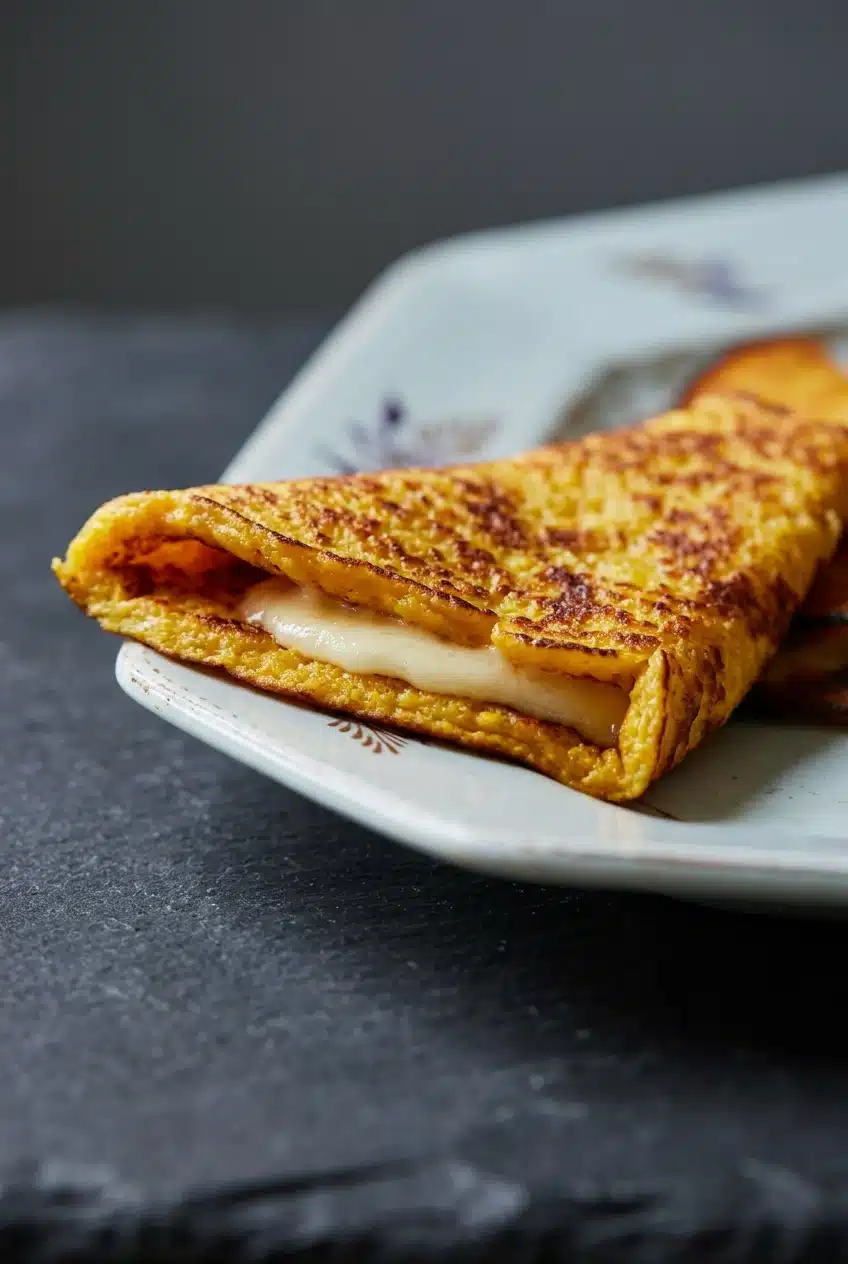
The goal is a mostly smooth batter and pancakes that turn golden on both sides before filling. Makes 4.
- Place the egg, corn, all-purpose flour, corn flour, sugar, your chosen salt amount, and ¼ cup water in a blender, then blend for about 30 seconds, scraping the sides with a rubber spatula as needed.
Stop when the mixture looks mostly smooth, then pour it into a medium bowl. - Set a small nonstick skillet over medium heat and brush its surface with vegetable oil.
A light coating of oil helps the pancake develop golden edges without sitting in a puddle. - Add ⅓ cup batter to the skillet and rotate the pan to form a 6-inch circle, then cook for about 2 minutes.
The first side should look golden underneath, with bubbles and dry patches appearing across the upper surface. - Turn the pancake over and cook the second side for about 1 minute.
Look for golden color on this side as well before moving it to a platter. - Cover the hot pancake with ¼ cup mozzarella and fold it in half, then continue with the remaining batter and cheese, brushing the skillet with more oil between pancakes.
The warm pancake surrounds the shredded cheese, creating a soft filling inside the fold. - Bring the cachapas to the table warm, adding hot sauce if desired.
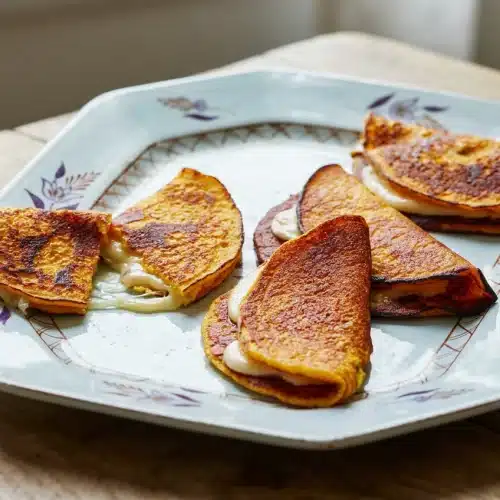
The edges should be golden and the center tender, with warm cheese tucked inside.
What Are Cachapas? Venezuelan Origins and Arepas Comparison
Cachapas are traditional Venezuelan sweet-corn pancakes, often enjoyed folded around soft white cheese. They belong to Venezuela’s corn-cooking traditions and are associated with the budare, a flat cooking surface or griddle.
This version uses a small nonstick skillet, keeping the tender corn-and-cheese combination approachable for a home kitchen.
Cachapas vs. Arepas: What Sets Them Apart?
Cachapas begin with a wet batter made from corn kernels. They cook as soft pancakes and commonly fold around cheese.
Arepas generally begin with a firmer dough made from pre-cooked dried cornmeal. Their thicker patties can be split open to hold fillings, rather than folded like cachapas.
Meaning and Pronunciation of Cachapa
In Venezuelan Spanish, “cachapa” names this corn pancake. Say it kah-CHAH-pah, with the emphasis on the middle syllable; “cachapas” is the plural.
Expert Tips and Troubleshooting Cachapa Batter
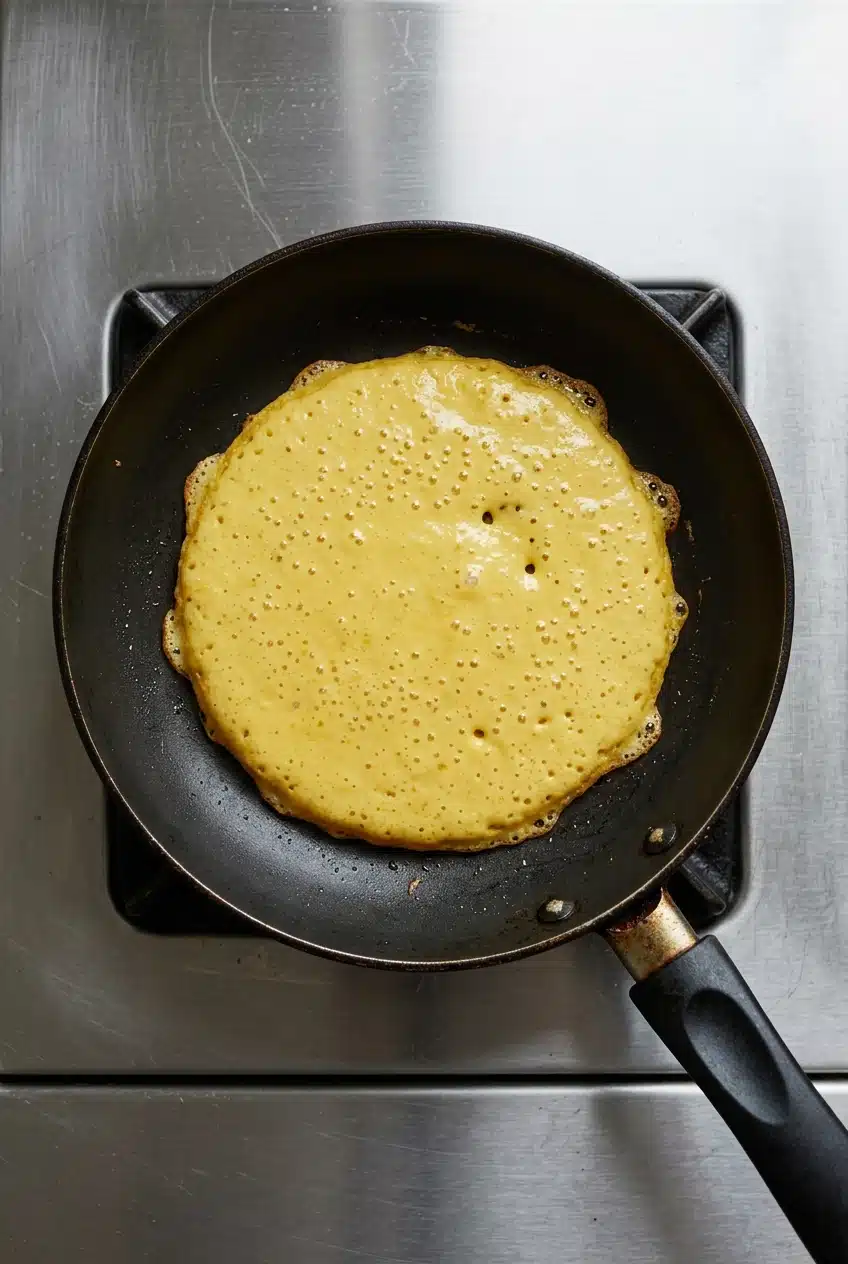
Corn moisture varies, so watch how the batter spreads and how the surface changes as it cooks. These observations are more useful than judging by color alone.
Why Cook a Single Test Cachapa First?
The first cachapa gives you a useful read on the pan: notice how evenly it browns and whether the top develops dry spots before turning. There’s no need for a separate test batch or a changed batter formula.
Fixing Batter That Is Too Runny or Too Thick
- Batter spreads unusually fast: Corn moisture may be contributing; check that the measured corn and water match the amounts above before changing the mixture.
- Batter looks stiff or uneven: Confirm the flour measurements and the mostly smooth blending cue, since coarse corn pieces and excess flour affect how it flows.
The batter should be thick but able to spread when you swirl the pan. Avoid chasing a perfectly silky texture: mostly smooth is the target.
Heat Control and Folding Without Tearing
- Dark underside with a wet top: The pan may be running too hot; keep the cooking heat at medium and watch the surface cues.
- Pancake tears during turning: It may not have set enough; look for bubbles, dry spots, and a golden underside before flipping.
- Pancake resists folding: Follow the warm filling sequence, adding cheese after transferring it to the platter rather than letting it cool first.
Cachapa Variations: Meat Fillings, Canned Corn, and Sweet Styles
These optional directions offer different flavors and textures without changing the corn-and-mozzarella recipe above.
Cachapas With Canned or Frozen Corn
Frozen, thawed corn already fits the listed ingredients. Canned sweet corn is another possible direction, but packing liquid, kernel softness, and added sweetness can affect the result. Expect differences rather than an identical batter.
Savory Meat-Stuffed Cachapas: Carne Mechada or Crispy Pork
Carne mechada, or shredded beef, brings a hearty savory contrast to sweet corn. Chicharrones offer rich pork flavor and crisp texture. Either takes the dish toward a substantial meal rather than a cheese-focused snack.
Spicy Garlic-and-Jalapeño or Sweet Breakfast Variations
- Garlic and jalapeño: This optional flavor direction emphasizes aroma and chile heat.
- Fruit compote or preserves: Fruit leans into the corn’s sweetness; homemade peach jam is another breakfast-style accompaniment.
- Whipped cream: A soft, rich topping gives cachapas a sweeter breakfast character.
How to Serve Cachapas and Traditional Sides
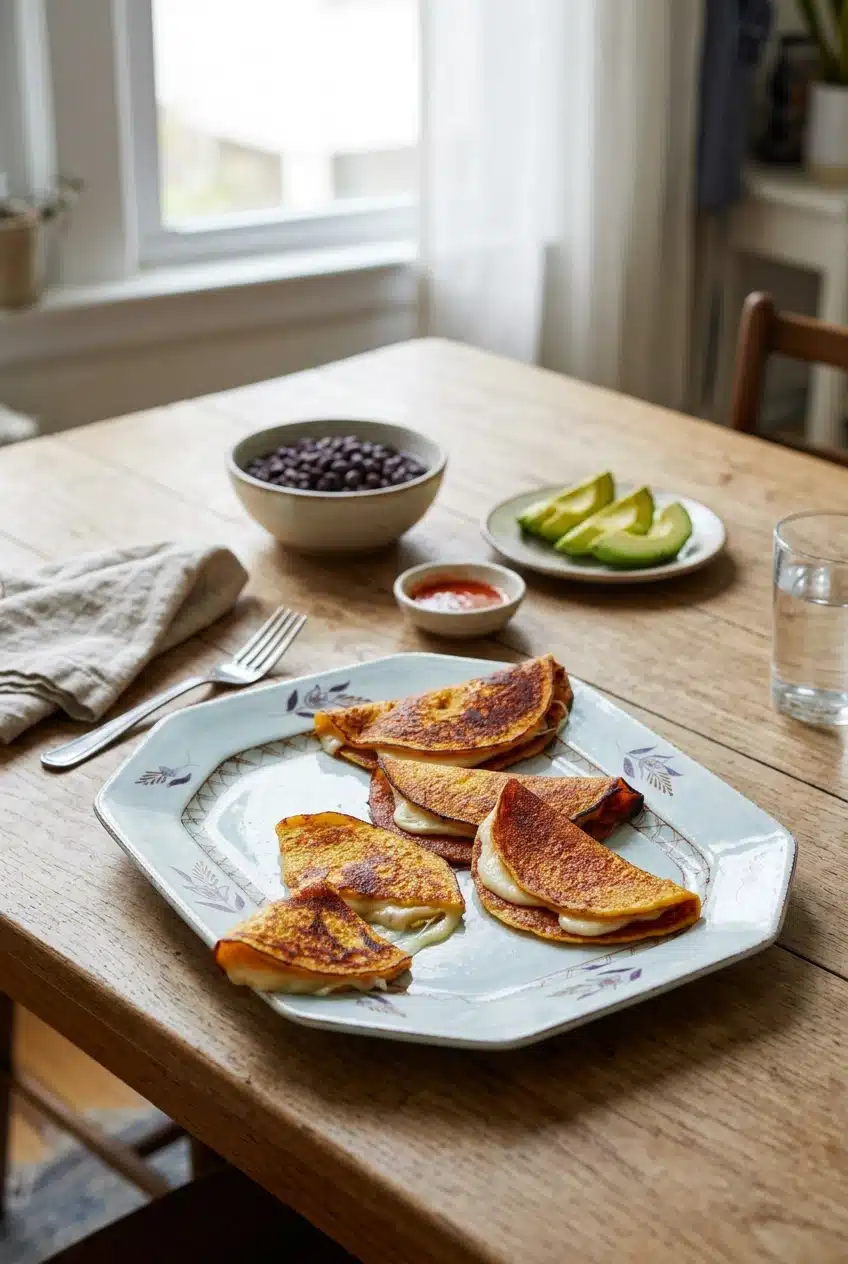
Serve the cheese-filled cachapas warm, with optional hot sauce. Additional accompaniments can make the plate richer, tangier, or more substantial.
- Butter: Adds richness to the warm corn pancake.
- Sour cream or Mexican crema: Offers a cool, tangy contrast.
- Cilantro sauce: Brings a fresh herbal counterpoint.
- Black beans, avocado, and crisp green salad: Offer savory, creamy, and crunchy accompaniments for lunch or dinner.
For another fresh accompaniment, fresh corn salsa echoes the main ingredient while adding a crisp contrast to the melted cheese.
Planning Your Cachapa Meal
Plan to cook the cachapas close to serving, following the warm-serving direction above. Organize the measured ingredients and selected accompaniments before starting so you can focus on browning, filling, and folding.
For leftovers or reheating, use food-handling advice appropriate to cooked egg-and-cheese dishes rather than treating this cooking method as a storage plan.
Final Thoughts on Making Venezuelan Cachapas at Home
Sweet corn and melted mozzarella give cachapas their inviting sweet-savory balance. Golden edges frame a tender center, while the folded shape keeps the cheese tucked inside.
Keep the heat moderate and wait for bubbles and dry spots before flipping. Serve them warm and enjoy that corn-and-cheese contrast.
Frequently Asked Questions
What Is a Venezuelan Cachapa?
A cachapa is a tender Venezuelan pancake made from blended corn kernels. It cooks until golden and commonly folds around soft white cheese.
What Is the Difference Between Arepas and Cachapas?
Cachapas use a wet corn-kernel batter and have a sweeter pancake character. Arepas use firm cornmeal dough and commonly split open for fillings.
Are Cachapas Gluten Free?
This version includes all-purpose wheat flour, so don’t treat it as a gluten-free recipe. For dietary requirements, choose an appropriately formulated recipe and verify every product’s labeling.
Can I Make Cachapas With Canned Corn Instead of Fresh Corn?
Canned sweet corn is a possible variation, though its moisture and texture can change the batter. Fresh or frozen, thawed corn matches the ingredients and method given here.
What Cheese Works Best if I Cannot Find Queso de Mano?
Low-moisture mozzarella is the choice used here for its mild flavor and stretchy melt. Oaxaca is another melting option; queso fresco stays more crumbly.
What Does Cachapa Mean in Spanish, and How Is It Pronounced?
In Venezuelan Spanish, cachapa refers to this corn pancake dish. Pronounce it kah-CHAH-pah, stressing the middle syllable.
Cachapas Recipe

Equipment
- Blender
- Rubber spatula
- Medium bowl
- small nonstick skillet
Ingredients
- 1 large egg
- 2 cups fresh (or frozen, thawed) corn kernels
- ¼ cup all-purpose flour (31 g)
- ¼ cup corn flour (preferably PAN)
- 1 Tbsp. sugar
- ½ tsp. Diamond Crystal or ¼ tsp. Morton kosher salt
- Vegetable oil (for pan)
- 1 cup shredded low-moisture mozzarella (about 4 oz.), divided
- Hot sauce (for serving; optional)
Instructions
- Place the egg, corn, all-purpose flour, corn flour, sugar, your chosen salt amount, and ¼ cup water in a blender, then blend for about 30 seconds, scraping the sides with a rubber spatula as needed. Stop when the mixture looks mostly smooth, then pour it into a medium bowl.
- Set a small nonstick skillet over medium heat and brush its surface with vegetable oil. A light coating of oil helps the pancake develop golden edges without sitting in a puddle.
- Add ⅓ cup batter to the skillet and rotate the pan to form a 6-inch circle, then cook for about 2 minutes. The first side should look golden underneath, with bubbles and dry patches appearing across the upper surface.
- Turn the pancake over and cook the second side for about 1 minute. Look for golden color on this side as well before moving it to a platter.
- Cover the hot pancake with ¼ cup mozzarella and fold it in half, then continue with the remaining batter and cheese, brushing the skillet with more oil between pancakes. The warm pancake surrounds the shredded cheese, creating a soft filling inside the fold.
- Bring the cachapas to the table warm, adding hot sauce if desired. The edges should be golden and the center tender, with warm cheese tucked inside.