In high-end US bakeries right now, the most exciting sweets are the ones that flirt with savory, and this miso caramel recipe is exactly that kind of magic. Think modern Japanese desserts, where a little umami makes sugar taste deeper, warmer, more grown-up.
In my kitchen, I treat caramel like a tiny science experiment you can eat. I will walk you through a foolproof method, the “why” behind caramelization, and the one mistake that turns a silky sauce into a grainy mess.
Why You’ll Love This Recipe
Bakery-level umami: This isn’t just a salted caramel alternative, it’s a velvety sauce with an umami flavor that lingers like toasted nuts and warm toffee.
The secret twist: My favorite upgrade is a Brown Butter and Toasted Miso Emulsion with a Corn Syrup Stabilizer, it gives the sauce a glossy finish and a deeper, almost praline-like aroma.
Smoother, more reliable caramel: A tablespoon of corn syrup (optional, but brilliant) acts like a molecular roadblock against crystallization, so your granulated sugar stays silky instead of turning sandy.
Toasty aromas, not just sweetness: Warming the miso wakes up those Maillard reaction notes, so the final sauce tastes sweet, salty, nutty, and beautifully rounded.
Ingredients and Substitutions

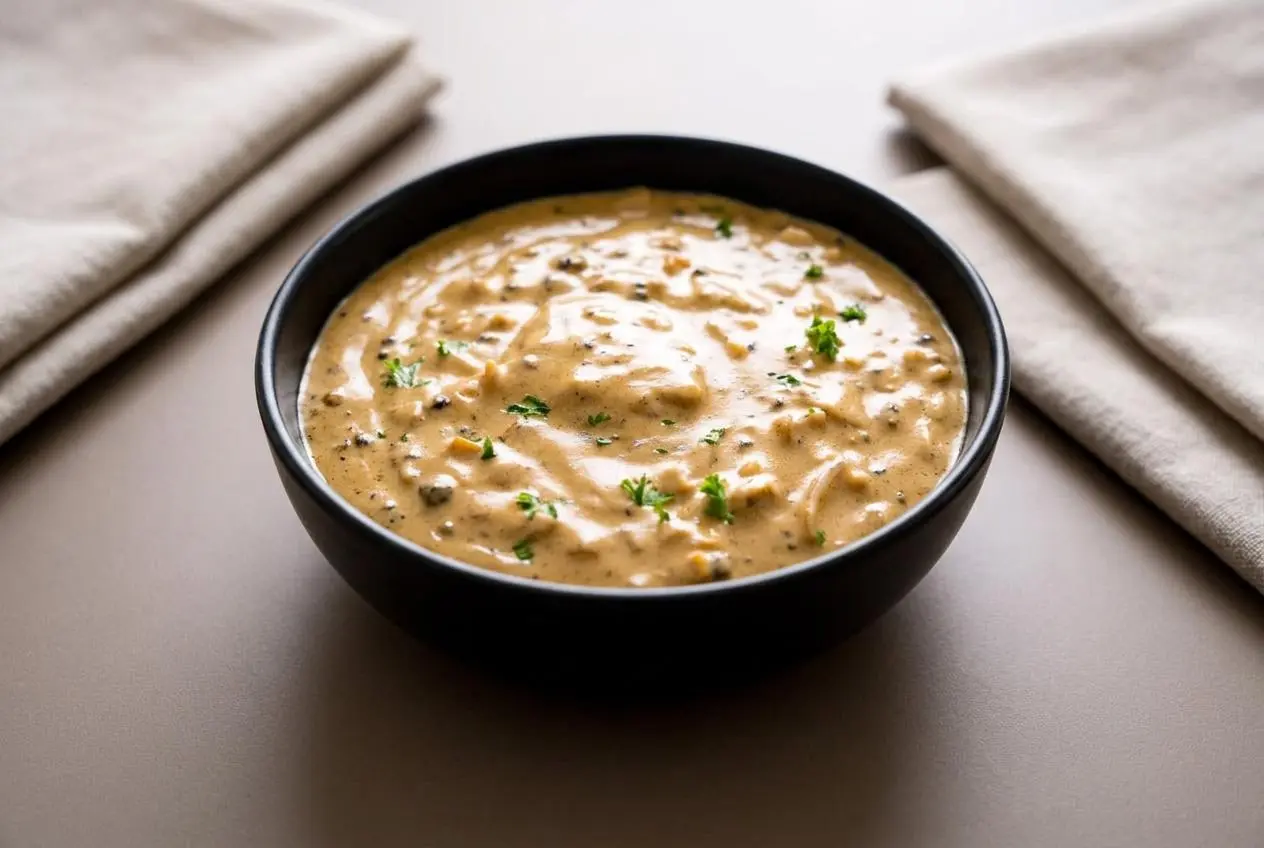
These four ingredients make a bold, balanced caramel, where sugar brings depth, cream brings richness, and miso paste adds that signature savory edge.
Ingredients
- 3/4 cup sugar (150g)
- 1/4 cup water (60ml)
- 1 cup cream (240ml)
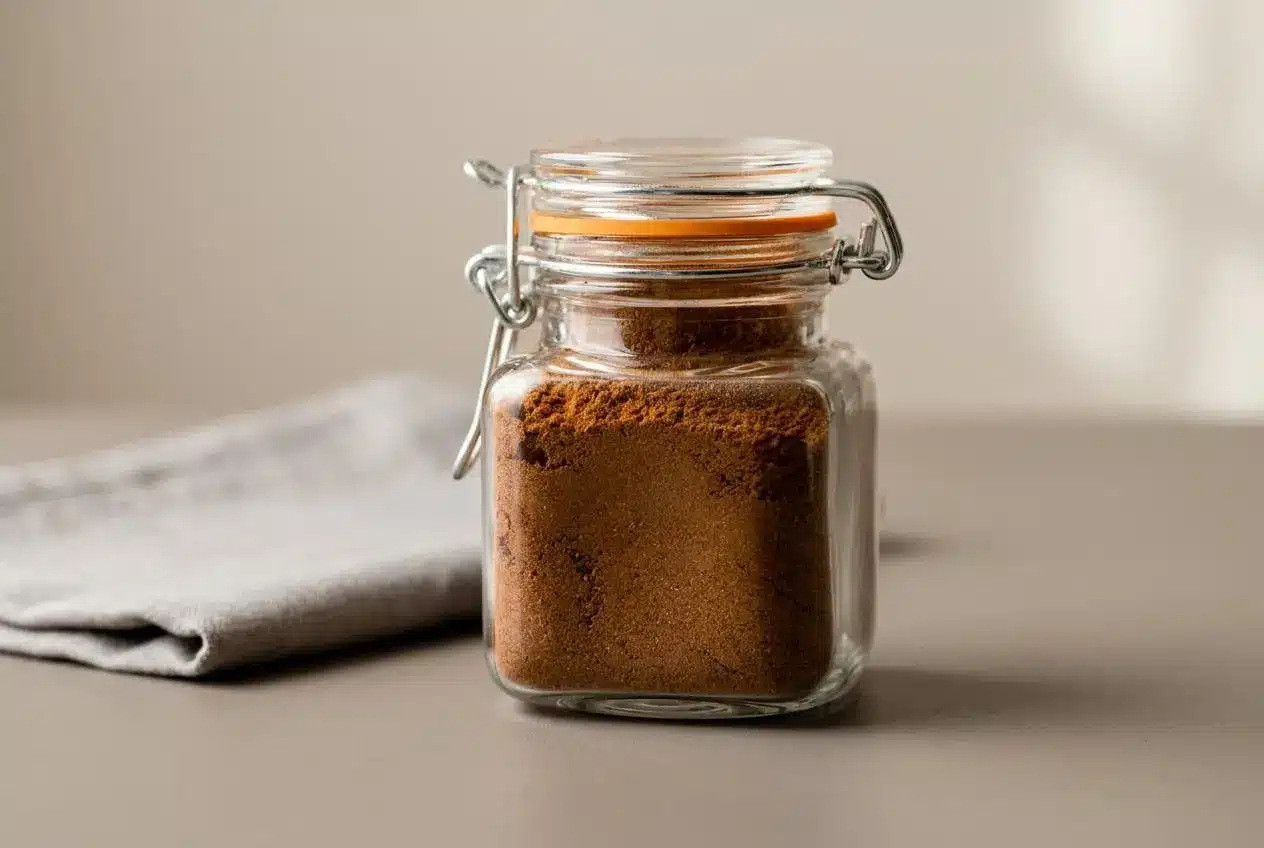
- 2 tbsp miso paste
Ingredient Notes & Substitutions
Granulated sugar: Stick with plain granulated sugar for the cleanest caramel flavor and the easiest color check as it shifts to a deep amber color, dark brown sugar makes that visual cue much harder to judge and can push you into burnt territory fast.
Heavy cream: Use heavy cream if you can, it emulsifies into a thicker, more luxurious sauce than milk, and it is far less likely to split when it hits hot caramel.
White miso paste (Shiro miso): Shiro miso is my go-to for dessert because it’s gentle and slightly sweet, and a tub is a smart pantry buy since leftovers slide right into traditional miso soup with almost no effort.
Corn syrup (optional): Not listed in the base recipe, but a small splash, about 1 tablespoon, is my professional insurance policy against crystallization, especially on humid days or if your pan has any stray sugar grains on the sides.
Butter (optional): Also not listed, but a tablespoon whisked in at the end can help the emulsion feel extra plush, and if you brown it first and warm the miso into it, you’ll get an even toastier finish.
How to make miso caramel recipe
Prep the miso and warm the cream
- In a small bowl, loosen the miso by stirring in 2 tablespoons of water until it turns into a smooth, pourable paste. Push it through a fine-mesh sieve so any little soybean bits stay behind, then set the silky miso mixture aside.
- Pour the cream into a small saucepan and heat it until it is just shy of boiling, you will see steam and tiny bubbles gathering at the edges. Turn the heat off and keep it nearby, warm cream is the difference between smooth caramel and a seized mess.
Cook the caramel base
- Add the sugar and water to a large, deep saucepan and stir briefly, just until the sugar looks evenly moistened and mostly dissolved. If you are using the optional corn syrup trick, this is the moment to add about 1 tablespoon so it can mingle from the start.
- Set the pan over medium heat and bring it to a boil, then stop stirring completely. Let the bubbles do the work as the syrup goes from clear, to pale gold, to a deeper amber, you will smell a warm, almost honeyed aroma as it darkens.
Deglaze safely and finish the emulsion
- When the caramel reaches a golden brown shade, remove the pan from the heat right away, it will keep darkening from residual heat. Take a breath and give yourself space here, this part moves fast.
- Slowly pour in the pre-heated cream a little at a time, whisking as you go. The caramel will bubble up violently and expand, so a deep, heavy-bottomed saucepan is non-negotiable, keep your face back and your hands steady.
- Once the bubbling calms, stir until smooth, then whisk in the loosened miso. The moment warm miso hits the sauce, the aroma shifts into something wonderfully savory and toasty, like browned butter and roasted nuts.
- Return the saucepan to low heat and let it simmer for 1 minute, whisking until the sauce looks glossy and cohesive. This short simmer helps the emulsion settle into that velvety texture you want.
Cool and store
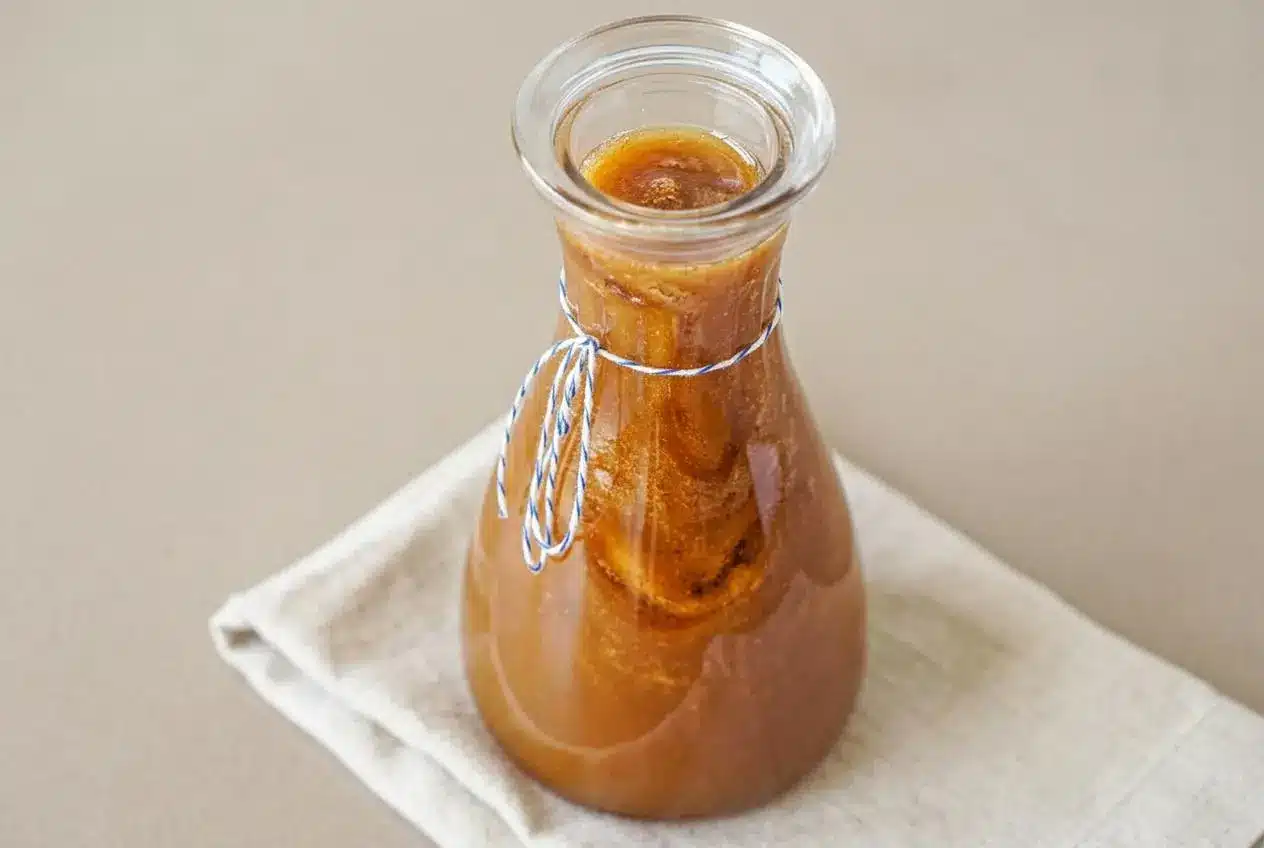
- Let the caramel cool until warm, then pour it into a storage container such as a glass jar. It will thicken as it cools, and the flavor gets even more complex after a rest.
- Store it in the fridge, and warm it gently before serving so it flows like satin.
Secrets for Perfect Caramel

If caramel has ever intimidated you, I promise it is less about bravery and more about paying attention. Keep your eyes on the pan, and trust your senses, color and aroma are your best guides.
A candy thermometer makes this nearly foolproof. I aim for 340 to 350°F right before deglazing, that range gives you a deep caramel flavor without crossing into bitter, burnt sugar.
Miso choice changes everything. Saikyo miso is delicate and slightly sweet, Shiro miso is mild and creamy, Shinshu miso has a deeper fermented edge, and Aka miso is bold, earthy, and funky, delicious if you want the caramel to taste more grown-up and savory-forward.
Safety matters here, because boiling sugar is no joke. When cream hits caramel, the mixture can surge up dramatically, sometimes doubling or tripling in volume for a moment, so use a deep, heavy-bottomed saucepan and add the warm cream gradually.
Pro Tips & Troubleshooting
Pro Tips
- Warm the heavy cream before adding it, cold cream can shock the caramel and make it seize into hard, stubborn lumps.
- Strain the miso paste through a fine-mesh sieve after loosening it with water, that extra minute is what gives you a silky, professional texture.
- An immersion blender at the very end can make the emulsion extra smooth and glossy, especially if your miso is a bit thicker or grainier.
- Use a large, deep saucepan so the bubbling caramel has room to expand without threatening to overflow.
Common Mistakes to Avoid
- Stirring once the mixture boils, that agitation encourages crystallization. After it starts boiling, hands off, just swirl the pan gently if you must.
- Using dark brown sugar, it hides the caramel’s color shift, so it is easy to overshoot and end up with a burnt, bitter sauce.
- Walking away when the syrup starts to turn color, caramel can go from perfect amber to harsh and scorched in seconds.
- Pouring cream straight from the fridge, it can trigger a more violent steam eruption and make the sugar seize.
Once you master this boil-and-no-stir rhythm, other advanced sweets feel much more approachable, including a rich caramel frosting that relies on the same calm, steady technique.
Serving & Storage

Serving Ideas
This sauce loves ice cream, especially vanilla bean or matcha green tea, where the salty-sweet miso caramel tastes almost like toasted marshmallow with a savory finish.
It is also stunning over thick Japanese souffle pancakes or waffles, and that sweet-salty angle is even more fun on fluffy potato waffles when you want brunch to feel a little mischievous.
For chocolate lovers, it works as a filling for lava cakes, and it turns a slice of chocolate mayonnaise cake into something that tastes like a restaurant dessert.
I also keep a small bowl on the counter for dipping fresh apple slices or churros, the contrast is addictive.
Storage & Make-Ahead
Pour cooled caramel into a clean jar, seal it, and refrigerate. It keeps well for up to 2 weeks, and the flavor actually melds nicely after the first day.
To reheat, go gentle. A short microwave burst on low power, stirred between bursts, brings it back to a pourable consistency, or set the jar in a warm water bath and stir until smooth.
If it ever looks a little separated after chilling, whisk while warming, or hit it with an immersion blender for a few seconds. That usually snaps the emulsion right back into a glossy sauce.

Best Miso Caramel Recipe

Equipment
- Fine-Mesh Sieve
- Small saucepan
- Large deep saucepan
- Whisk
Ingredients
- 3/4 cup sugar (150g)
- 1/4 cup water (60ml)
- 1 cup cream (240ml)
- 2 tbsp miso paste
Instructions
Prep the miso and warm the cream
- In a small bowl, loosen the miso by stirring in 2 tablespoons of water until it turns into a smooth, pourable paste. Push it through a fine-mesh sieve so any little soybean bits stay behind, then set the silky miso mixture aside.
- Pour the cream into a small saucepan and heat it until it is just shy of boiling; you will see steam and tiny bubbles gathering at the edges. Turn the heat off and keep it nearby, warm cream is the difference between smooth caramel and a seized mess.
Cook the caramel base
- Add the sugar and water to a large, deep saucepan and stir briefly, just until the sugar looks evenly moistened and mostly dissolved. If you are using an optional corn syrup trick, add about 1 tablespoon now.
- Set the pan over medium heat and bring it to a boil, then stop stirring completely. Let the bubbles do the work as the syrup goes from clear, to pale gold, to a deeper amber.
Deglaze safely and finish the emulsion
- When the caramel reaches a golden brown shade (around 340 to 350°F), remove the pan from the heat right away to prevent it from burning.
- Slowly pour in the pre-heated cream a little at a time, whisking as you go. The caramel will bubble up violently and expand, so keep your face back and your hands steady.
- Once the bubbling calms, stir until smooth, then whisk in the loosened miso until the aroma becomes wonderfully savory and toasty.
- Return the saucepan to low heat and let it simmer for 1 minute, whisking until the sauce looks glossy and cohesive. This helps the emulsion settle into a velvety texture.
Cool and store
- Let the caramel cool until warm, then pour it into a storage container such as a glass jar. It will thicken as it cools.
- Store it in the fridge, and warm it gently in the microwave or a water bath before serving so it flows like satin.
Notes
Nutrition
Conclusion
This miso caramel is the kind of sauce that makes people pause mid-bite, sweet first, then that savory, nutty umami that keeps you coming back. The brown butter and toasted miso idea, plus the optional corn syrup stabilizer, is the little chef move that makes it feel effortless and professional.
That deep savoriness is part of what we love in rich, complex flavors across cooking, and it is exactly why this caramel tastes bigger than its ingredient list. If you make it, I’d love to hear what miso you used and what you poured it on.