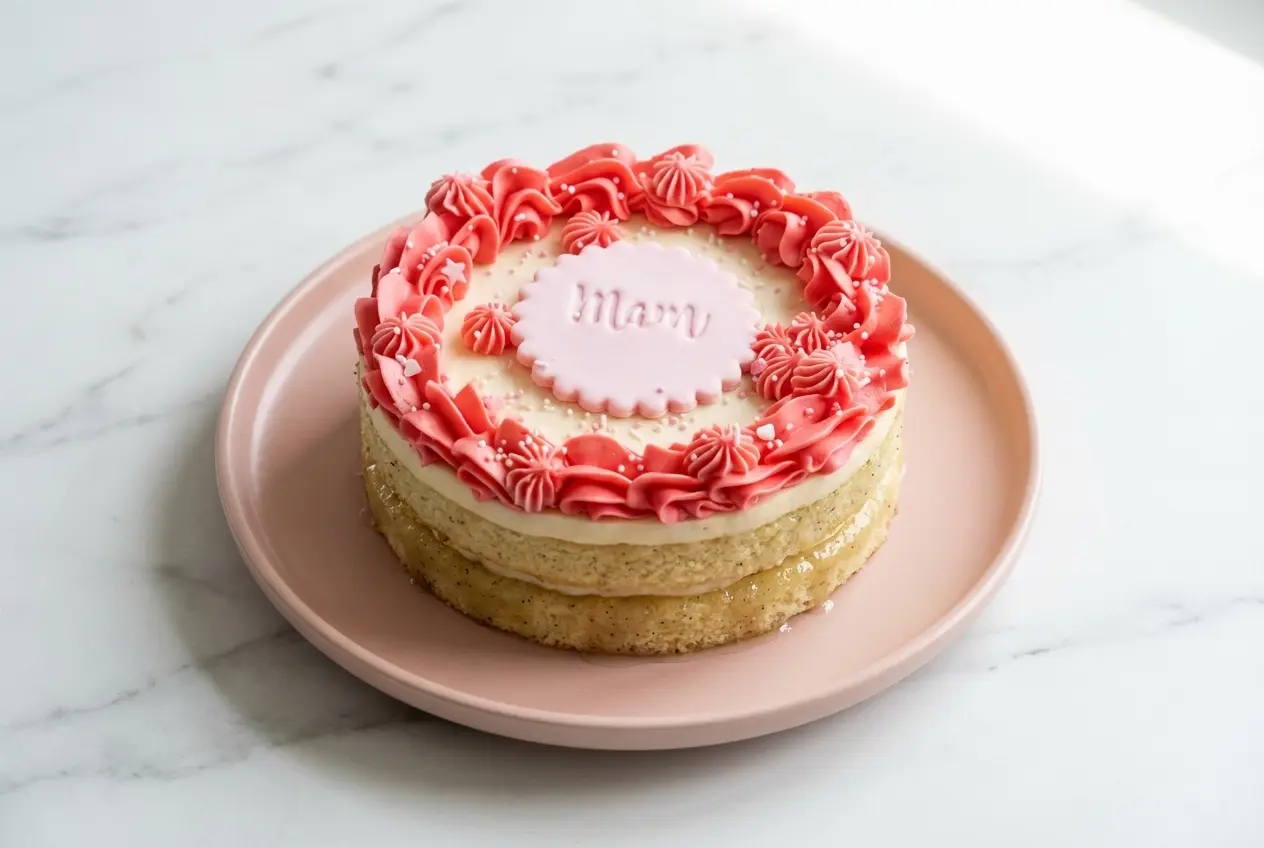
In my kitchen, the bento cake trend from South Korea feels like the best kind of baking magic, a tiny cake tucked into a little box, dressed up with a message and meant to be eaten with a spoon. This Bento Cake Recipe is the one I reach for when I want a light, fluffy crumb that stays sweet and tender, even after a night in the fridge.
If you are a beginner baker, it is forgiving. If you love decorating, it is a miniature cake canvas that practically begs for swirls, borders, and those simple, charming buttercream notes that make lunchbox cake gifts feel personal.
Why You’ll Love This Recipe
Bakery-moist crumb, not dry crumbs: Miniature cake layers dry out fast because there is so much exposed surface, and I learned that the fix is moisture insurance, brushed in on purpose.
The Sheet-Pan & Simple Syrup Method: Baking thin in a half-sheet pan, then using a cookie cutter for perfect rounds, gives you flat layers with no doming drama, and the simple syrup keeps every bite plush.
Sharper stacking, cleaner decorating: Even layers make a neater crumb coat, so your American buttercream goes on smoother, and your piping bag work looks more “tiny patisserie” than “home kitchen scramble.”
Stays soft for days: A vanilla-infused simple syrup soak before frosting helps the lunchbox cake hold onto that tender, bakery-quality feel even after chilling.
Ingredients and Substitutions
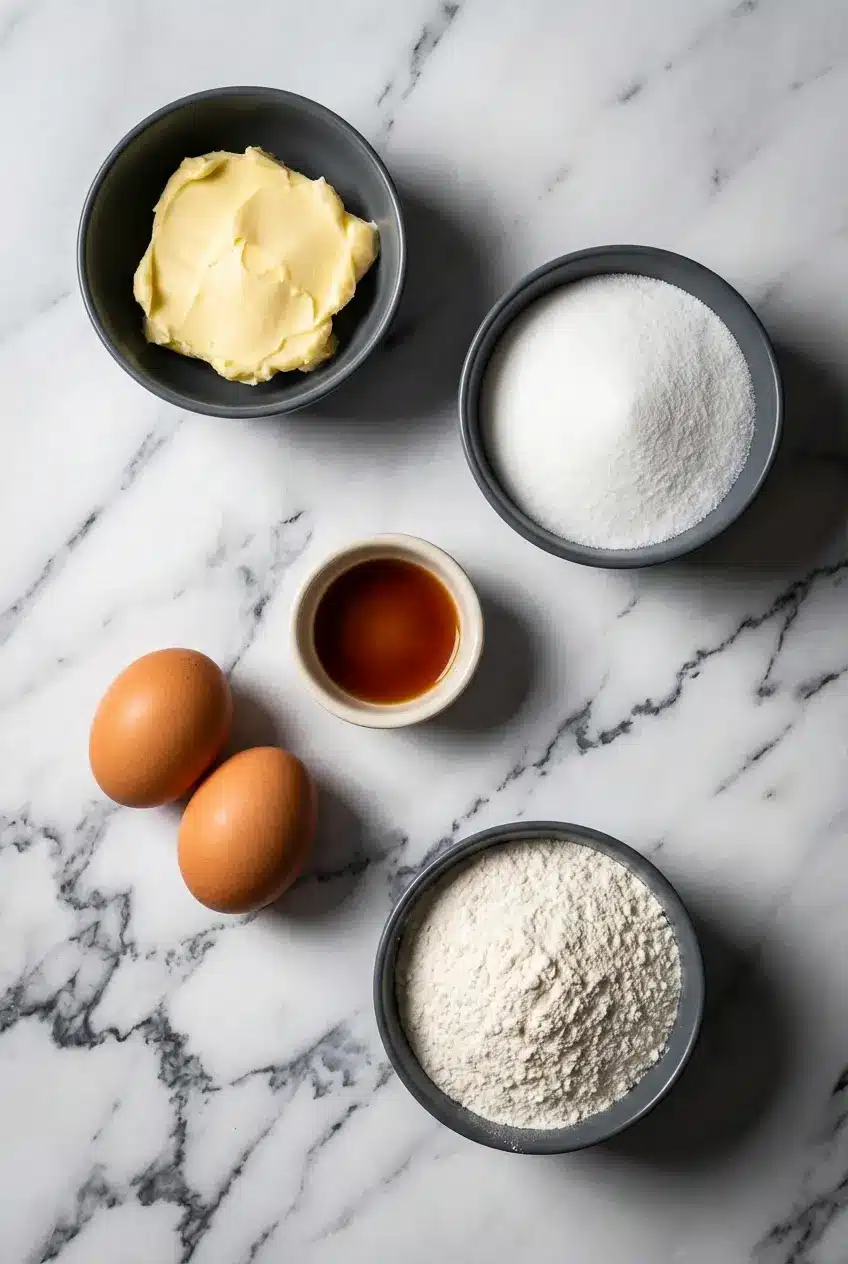
This is a small, classic sponge built on just a handful of staples, the kind that bakes up sweet and airy, then turns luxurious once you add simple syrup and buttercream during assembly.
Ingredients
- 100g flora buttery/margarine
- 100g caster sugar
- 1/2 tsp vanilla extract
- 2 large eggs
- 100g self raising flour
Ingredient Notes & Substitutions
100g flora buttery/margarine: This is your tenderness maker, it creams up smoothly and helps the sponge stay soft rather than bready. If your kitchen is warm, I like it cool but spreadable so it whips lighter instead of turning greasy.
100g self raising flour: This gives the lift, so be gentle once it goes in. For a Chocolate bento cake, swap 1/5th of the self-raising flour for high-quality cocoa powder, and keep the mixing extra light so it stays fluffy.
Rainbow sprinkles: For a Funfetti lunchbox cake, fold rainbow sprinkles into the batter right at the end, and stop as soon as they are evenly dotted so the color does not bleed.
American buttercream: This sponge is meant to be paired with a classic American buttercream for that clean, pipeable finish. I like to keep it silky, not stiff, especially when you are working on a 4-inch cake tin sized surface.
Simple syrup: A quick vanilla simple syrup brushed onto each layer is the quiet trick that makes the cake taste like it came from a bakery case. It matters most with small cakes because every minute in the fridge can steal softness.
How to make Bento Cake Recipe
Prep the Pans and Oven
- Heat the oven first, 160 for fan oven, 180 non fan oven, gas mark 4, so the cake starts baking evenly the moment it goes in. You want steady heat, not a slow warm-up that can dry the edges before the center lifts.
- Line 2 5″ cake tins so the cakes release cleanly, then set them aside while you mix. For the sheet-pan twist, spread the batter thinly in a standard half-sheet pan instead, then later punch out neat 4-inch rounds with a cookie cutter for perfectly flat layers.
Cream, Enrich, and Fold
- Cream the butter and sugar together with a hand mixer until it looks noticeably paler and feels fluffy, almost like it is holding little pockets of air. That lightness is what gives a miniature cake its springy bite.
- Add the eggs gradually, then add the vanilla extract, letting each addition blend in before the next so the mixture stays smooth and glossy. If it looks like it is starting to split, a dusting of flour can bring it back together, but keep it gentle.
- Fold in the flour with a light hand, scraping the bowl so no dry pockets hide at the bottom. Stop as soon as the batter looks uniform, over-mixing is the fastest way to lose that soft, airy lift.
Bake and Cool for Clean Layers
- Divide the batter evenly between the tins, a weighing scale keeps the layers the same height for easy stacking, or spread evenly in your sheet pan. If you are using tins, smooth the top and make a small dip in the center so the sponge bakes level instead of humping up.
- Bake for 25 mins, and look for a lightly golden top with a gentle spring when you tap it. A skewer should come out clear once the cake is fully baked.
- Let the cakes rest for around 10 mins, then turn them out onto a cooling rack so steam does not make the bottoms soggy. Cool completely, then wrap in cling film until you are ready to level and fill, chilled cake is calmer and crumbs less.
Assembly Twist: Syrup Soak, Frost, and Box
Unwrap the chilled cake, and if you used the sheet-pan method, punch out your rounds with a cookie cutter for tidy edges and flat layers. Brush each layer generously with simple syrup to lock in moisture, then stack with buttercream, smoothing with an offset spatula and finishing details with a piping bag so the bento cake looks crisp and personal.
Secrets for Flawless Miniature Cakes
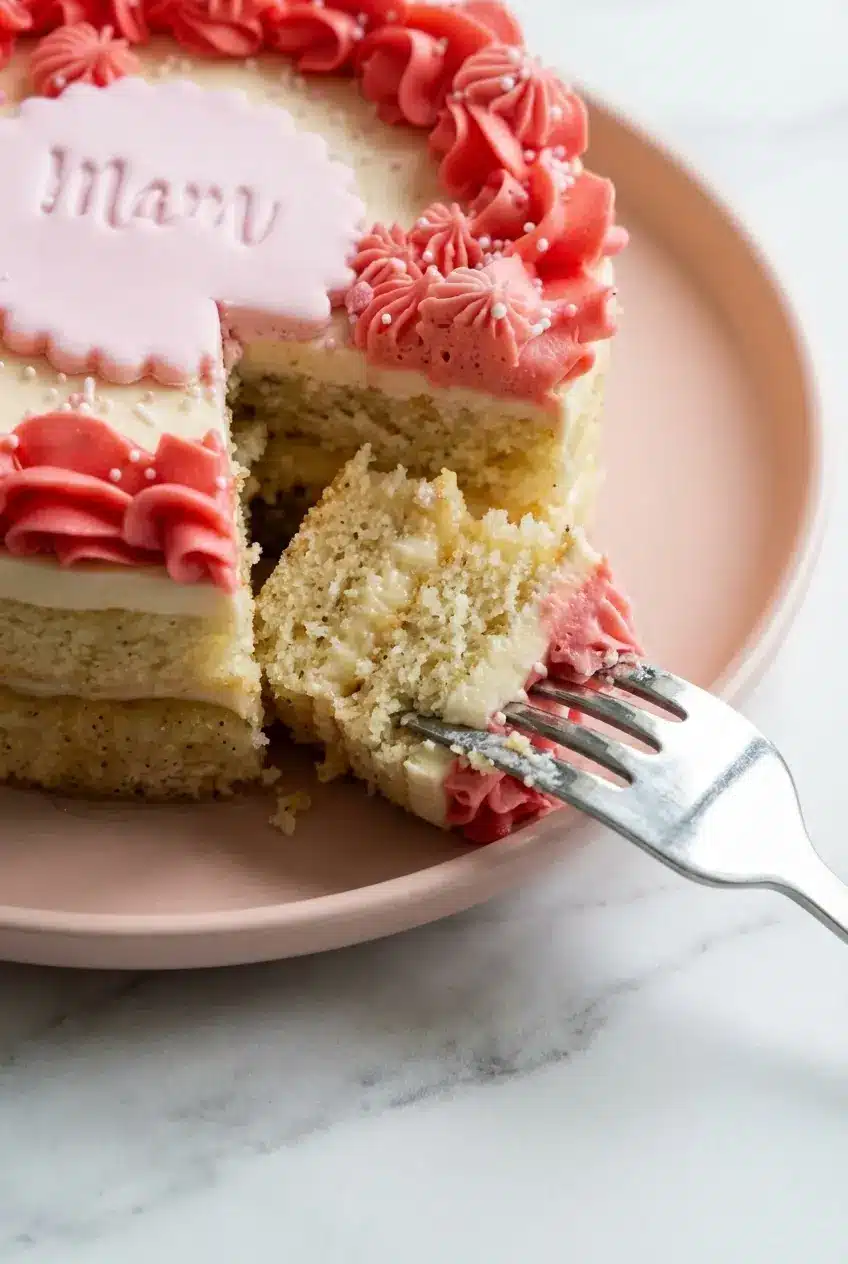
The best part of the sheet-pan cutout method is also the messiest part, the cake scraps. I never waste them, I mix the crumbs with a little leftover buttercream, and a tiny drizzle of miso caramel makes the most grown-up cake pops, salty-sweet and ridiculously snackable.
For box sizing, a 4-inch cake fits most 6-inch clamshell takeout box styles comfortably, with a little breathing room for a border. A 5-inch cake tin cake is tighter, so look for a clamshell with a truly flat base and a bit more headspace, otherwise your lid will kiss the frosting.
For message-writing buttercream, aim for a texture that is smooth enough to pipe without breaks, but firm enough to hold a clean line on a small surface. In my kitchen, if it forms a soft peak on a spoon and the peak slowly bends, it writes well without looking shaky.
Packaging matters more than people think, cardboard clamshell takeout box styles can absorb a bit of fridge humidity, which sometimes protects the cake from condensation puddles, but they can also let aromas sneak in. If you are not gifting right away, an airtight container in the fridge keeps the buttercream tasting fresher and less “fridgey.”
Pro Tips & Troubleshooting
Pro Tips
- The 10-Minute Freeze: After the crumb coat, pop the cake in the freezer for 10 minutes so the buttercream firms up, then the final coat glides on smoother and cleaner.
- The Parchment Transfer Trick: Build the cake on a small square of parchment paper, then you can lift and lower it into the clamshell takeout box without touching the frosted sides.
- Box Decorating: Pipe borders, sprinkles, and your message after the cake is inside the bento box, so the design stays sharp during transfer.
- Use the right tools: An offset spatula helps you smooth without gouging, and a small piping tip gives you legible lettering on a miniature cake.
Common Mistakes to Avoid
- Overbaking: Small layers bake faster than an 8-inch cake, and once they dry, frosting cannot fully save the crumb.
- Over-decorating the sides: Heavy frosting on the sides tends to scrape off when you slide the cake into a tight clamshell.
- Assembling warm: Warm layers melt buttercream, then the stack shifts and your top message starts to lean.
- Skipping the syrup: The moisture boost is what keeps a lunchbox cake tender after chilling, especially when the layers are thin.
Staling is not just “dryness,” it is also structure changing as the cake sits. The science of starch retrogradation and cake staling explains why cooling and storage choices can make yesterday’s cake feel firmer, which is exactly why I lean on simple syrup and smart wrapping for mini layers.
Serving & Storage
Serving Ideas
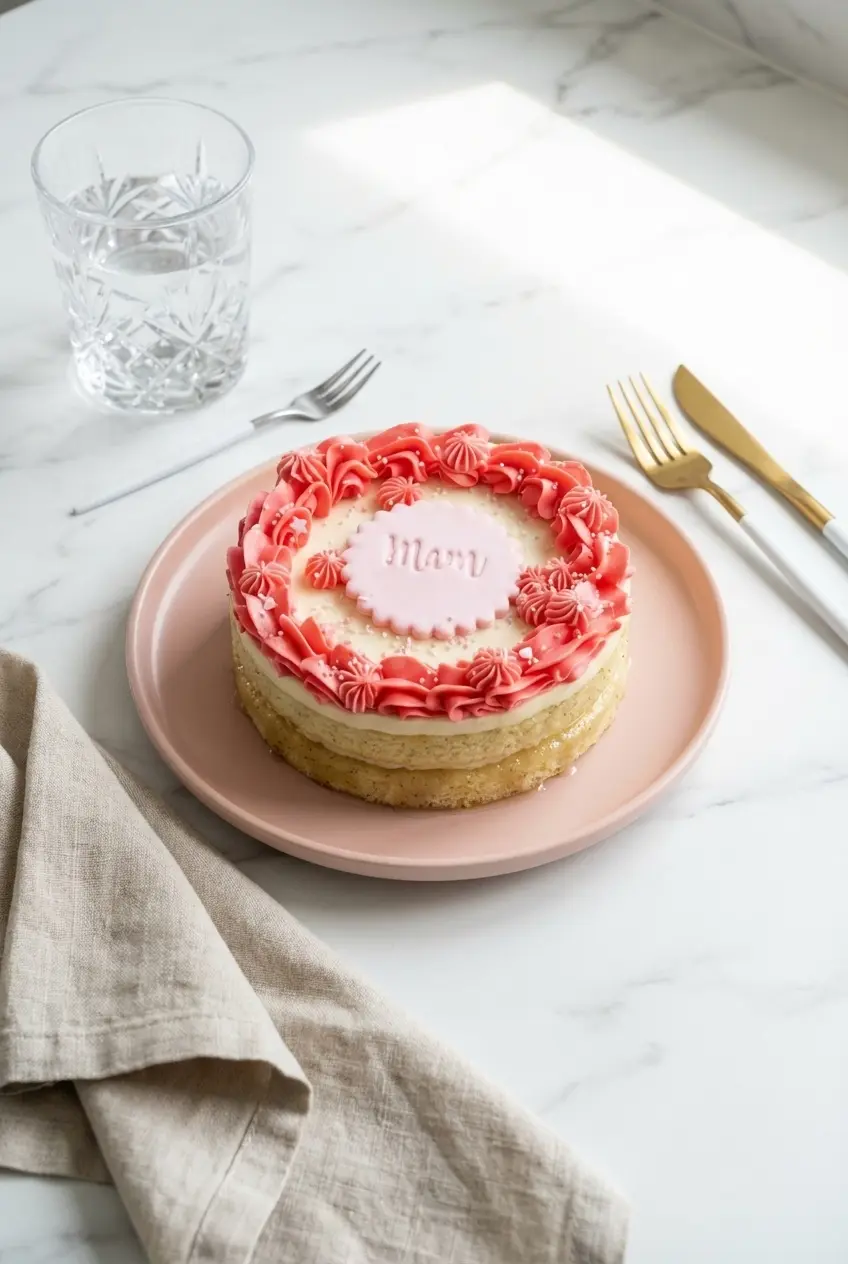
I love serving bento cake right in a 6-inch clamshell burger box lined with cute parchment paper, it feels like a present you can eat. A miniature wooden spoon or fork taped inside the lid with washi tape turns it into a true lunchbox cake moment.
For gifting, a ribbon or baker’s twine around the box makes it feel intentional, even if the message on top is playful and imperfect. On a dessert table, these pair beautifully with airy, modern sweets like a pandan basque cheesecake, especially if you want that Asian-inspired bakery vibe.
Storage Instructions
Once frosted, bento cakes keep well in the fridge for about 3 days, and they slice and spoon best when they are cold-set. If the cake is in a cardboard clamshell takeout box and you are not gifting immediately, wrapping the whole box well helps prevent the buttercream from picking up fridge odors.
For longer holding, move the boxed cake into an airtight container so the crumb stays softer and the frosting stays cleaner tasting. If you have already cut into it, press a little parchment against the cut side before reboxing, it slows drying where the crumb is exposed.
Easy Bento Cake Recipe

Equipment
- 5-inch cake tins or half-sheet pan
- Hand mixer
- 6-inch clamshell takeout box
- Offset spatula
- Piping bag
- Cookie cutter
Ingredients
- 100 g flora buttery/margarine
- 100 g caster sugar
- 1/2 tsp vanilla extract
- 2 large eggs
- 100 g self raising flour
Instructions
Prep the Pans and Oven
- Heat the oven first, 160C for fan oven, 180C non fan oven, gas mark 4, so the cake starts baking evenly the moment it goes in.
- Line 2 5-inch cake tins so the cakes release cleanly, then set them aside while you mix. For the sheet-pan twist, spread the batter thinly in a standard half-sheet pan instead, then later punch out neat 4-inch rounds with a cookie cutter for perfectly flat layers.
Cream, Enrich, and Fold
- Cream the butter and sugar together with a hand mixer until it looks noticeably paler and feels fluffy, almost like it is holding little pockets of air.
- Add the eggs gradually, then add the vanilla extract, letting each addition blend in before the next so the mixture stays smooth and glossy. If it looks like it is starting to split, a dusting of flour can bring it back together.
- Fold in the flour with a light hand, scraping the bowl so no dry pockets hide at the bottom. Stop as soon as the batter looks uniform, over-mixing is the fastest way to lose that soft, airy lift.
Bake and Cool for Clean Layers
- Divide the batter evenly between the tins, smoothing the top and making a small dip in the center so the sponge bakes level instead of humping up. Alternatively, spread evenly in your sheet pan.
- Bake for 25 minutes, and look for a lightly golden top with a gentle spring when you tap it. A skewer should come out clear once the cake is fully baked.
- Let the cakes rest for around 10 minutes, then turn them out onto a cooling rack so steam does not make the bottoms soggy. Cool completely, then wrap in cling film until you are ready to level and fill.
Assembly Twist: Syrup Soak, Frost, and Box
- Unwrap the chilled cake, and if you used the sheet-pan method, punch out your rounds with a cookie cutter for tidy edges and flat layers.
- Brush each layer generously with simple syrup to lock in moisture, then stack with buttercream, smoothing with an offset spatula and finishing details with a piping bag so the bento cake looks crisp and personal.
Notes
Nutrition
Conclusion
Once you feel the rhythm of the Sheet-Pan and Simple Syrup method, bento cakes stop being fussy and start being pure joy, neat layers, moist crumbs, and a tiny stage for your creativity. Keep your designs simple, write your message with confidence, and let the cake be sweet and personal.
If you are on a roll with cute, photo-ready desserts, the cozy caramel notes of a biscoff cheesecake fit right into the same “tiny celebration” mood.