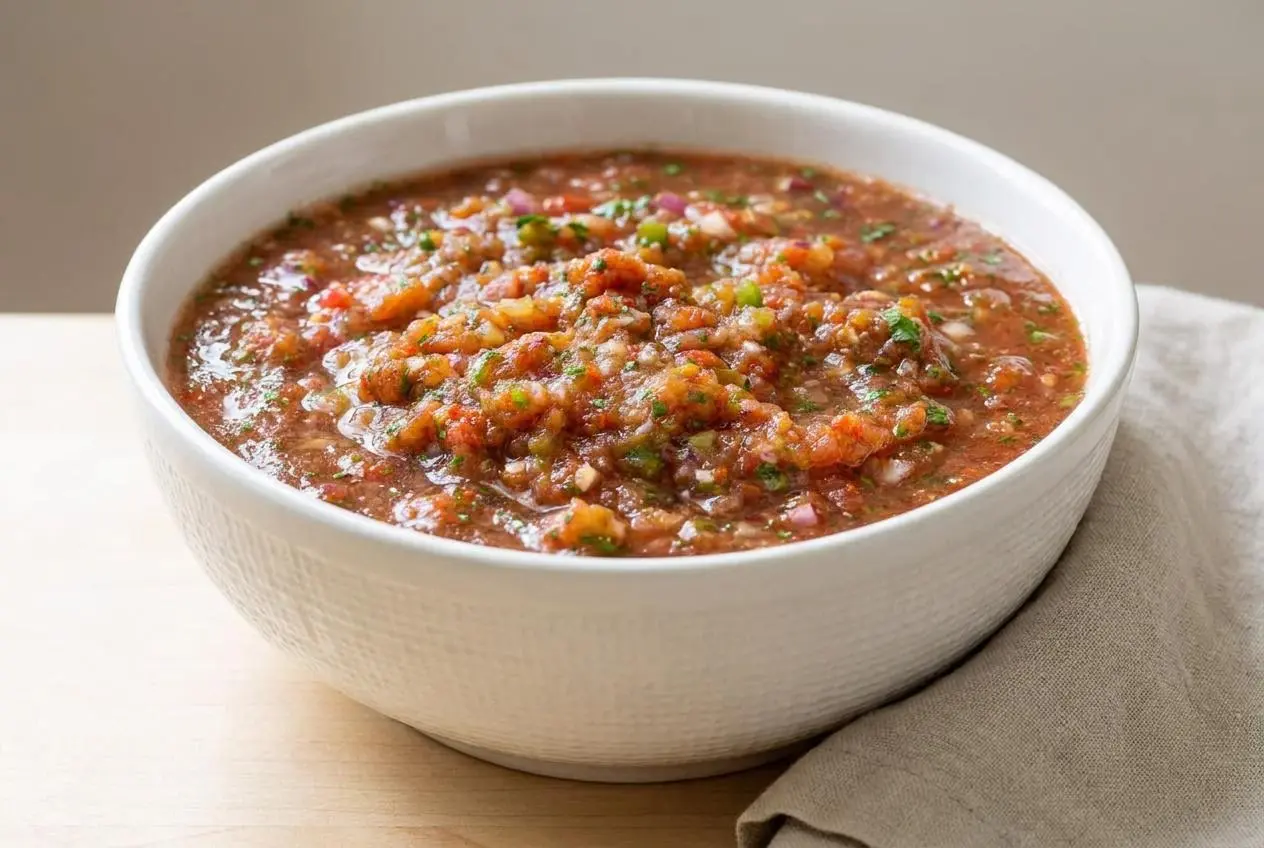
Zesty and vibrant, this salsa combines fresh tomatoes, onion, garlic, jalapeños, cilantro, lime juice, cumin, and canned tomatoes for a restaurant-style dip with better texture and deeper flavor.
This salsa recipe is quick, bright, and built for the kind of scoopable texture that works with chips, tacos, eggs, and burrito bowls. It leans on a smart mix of fresh and canned tomatoes, so it tastes lively without turning thin.
You get fresh lime, cilantro, earthy cumin, and enough chile heat to wake everything up without burying the tomato flavor. The best part is learning where to stop the processor.
If raw onion usually tastes too sharp to you, rinse chopped pieces under cold water before blending to mellow the bite.
Secrets to the Best Homemade Salsa Recipe
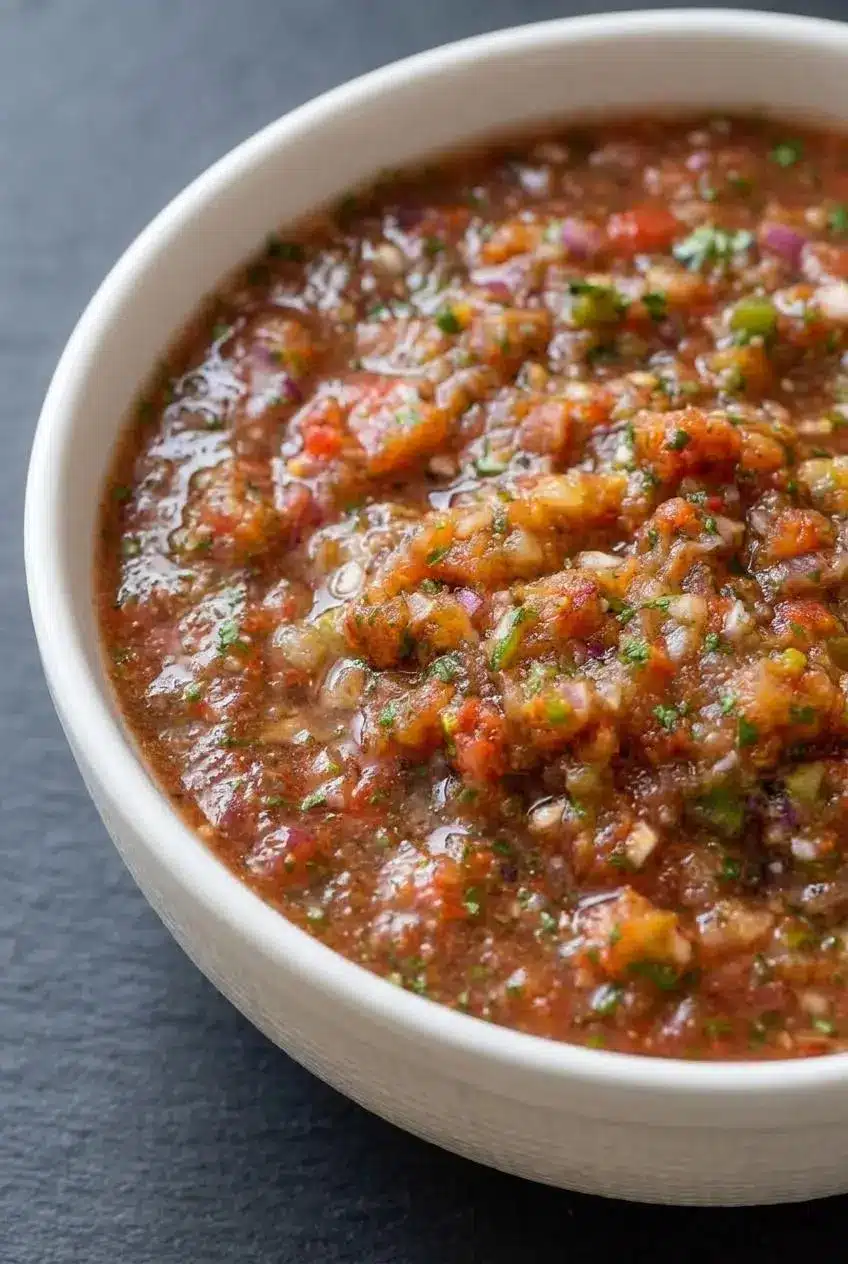
The biggest difference between decent salsa and craveable restaurant-style salsa is texture. Fresh tomatoes bring brightness, but canned tomatoes bring body, consistency, and that smooth, spoonable finish that clings to a chip instead of sliding off.
A good everyday balance is to let the fresh tomatoes handle the clean, juicy top note while the canned crushed San Marzano tomatoes fill in the middle with richer tomato depth. In this version, the fresh tomatoes give you sparkle and the can gives you structure. That mix keeps the salsa from tasting flat or watery.
Roma tomatoes are especially useful here because they usually hold less water than large slicing tomatoes. If all you have are very juicy summer tomatoes, the salsa can still taste great, but you may need to strain off a little excess liquid later.
The canned green chiles matter too. They add gentle heat and a savory, slightly roasted flavor that raw jalapeños alone do not always give. Instead of a one-note sharp burn, you get a rounder heat that feels more like restaurant salsa.
Raw red onion can also bully the whole bowl if it goes in at full strength. A quick cold-water rinse softens that harsh edge and leaves the onion tasting cleaner. The same idea applies to garlic. When it is chopped too aggressively for too long, it can taste bitter instead of fresh.
That is why the pulse technique matters so much. Start by breaking down the harder ingredients first, then bring in the canned tomatoes for the final texture. You want the salsa to move from rough chunks to a loose but still hearty dip, not all the way to tomato soup.
After the bowl chills, the flavor gets noticeably rounder. The lime brightens, the cumin settles in, and the onion and garlic stop shouting over everyone else.
Use it with warm tortilla chips, spoon it over nachos, or turn it into dinner with easy salsa chicken.
Essential Salsa Ingredients Explained
Each ingredient pulls its weight here, shaping the salsa’s freshness, body, heat, aroma, and balance so the final texture tastes lively instead of thin or harsh.
- 4 ripe tomatoes, cored and quartered
- 1 red onion, peeled and quartered
- 3 garlic cloves, peeled
- 3 jalapenos, stemmed and seeded (you can substitute 1-2 habanero or serrano peppers.)
- 1/3 cup fresh cilantro
- 3 tablespoons fresh lime juice
- 2-3 teaspoons ground cumin
- 2-3 teaspoons sugar (optional)
- 1 1/2 teaspoons salt
- 15 ounces crushed San Marzano tomatoes (1 can)
- 4.5 ounces diced green chiles, mild, medium, or hot (1 can)
Ripe fresh tomatoes give the salsa its bright, juicy edge. Roma tomatoes are a strong choice because they tend to be meatier and less watery than big salad tomatoes, which helps the final texture stay thicker.
Crushed San Marzano tomatoes bring body and a deeper cooked tomato flavor. They round out the fresh acidity and help create that classic restaurant-style consistency without any cooking.
Red onion gives sharpness and crunchy bite, while garlic adds punch. Used carefully, both make the salsa taste alive. Overdo the processing, though, and they can turn hot and harsh.
Jalapeños bring fresh chile flavor with flexible heat. Removing the seeds helps you control the spice level more predictably. I always wear gloves when seeding jalapeños because the oils cling to your fingers far longer than you think.
Cilantro adds a green, herbal lift that keeps the salsa tasting fresh. Lime juice wakes up the whole bowl and sharpens the tomato flavor. Once that fresh lime hits the cumin, the aroma turns earthy and bright at the same time.
Ground cumin gives warmth and depth. It should taste subtle, not dusty or heavy. Sugar is optional, but it can help smooth out sharp acidity, especially if the fresh tomatoes are underripe or out of season.
Salt ties it all together and makes the tomato flavor pop. Without enough salt, even good salsa can taste dull.
How to Make Homemade Salsa
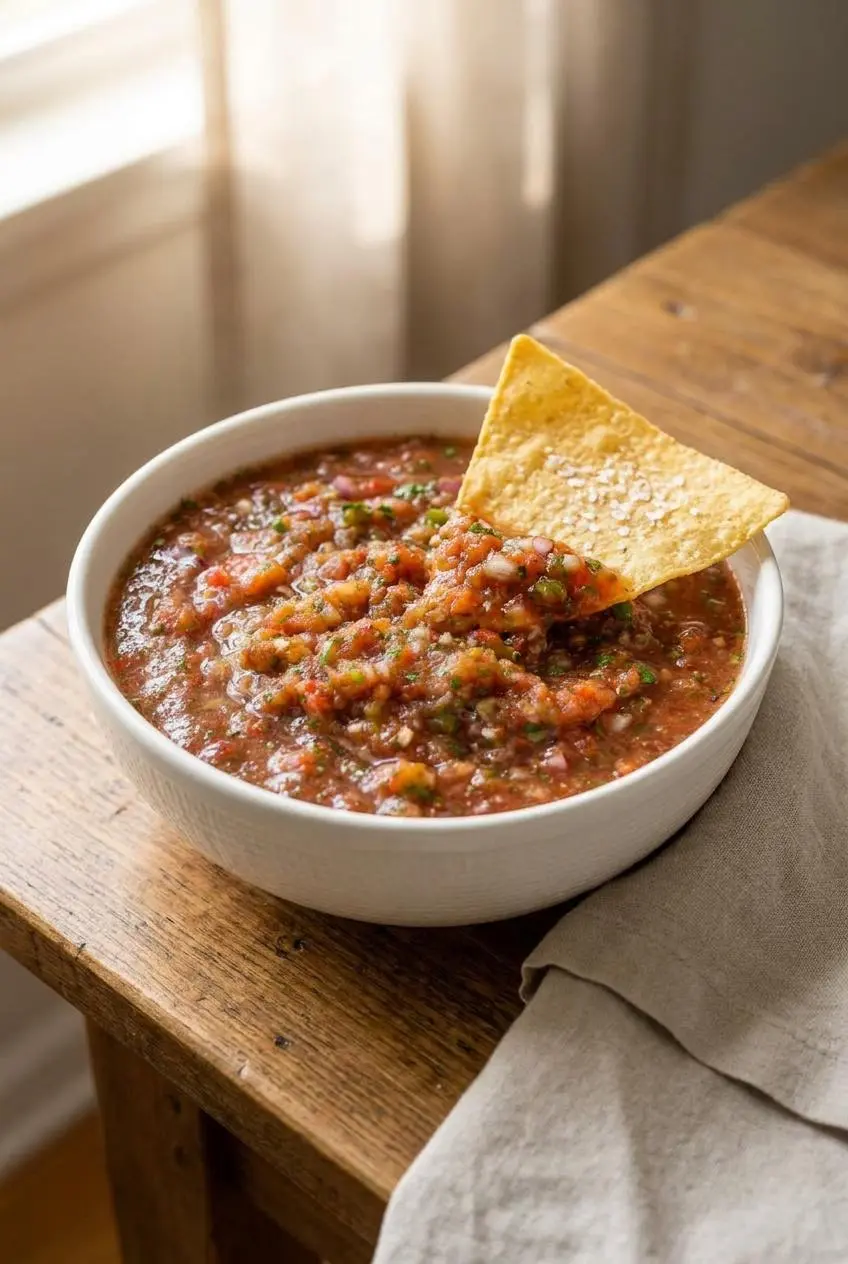
This method is fast, but the order matters. The goal is a blended salsa with body and movement, not a thin puree.
- Add the fresh tomatoes, onion, garlic, jalapenos, cilantro, lime juice, 2 teaspoons ground cumin, 2 teaspoons sugar if using, and salt to a food processor, then pulse in short bursts until the mixture looks finely chopped and evenly combined.
The pieces should look small and loose, with visible texture still left in the bowl. - Add the crushed San Marzano tomatoes and diced green chiles, then process briefly until the salsa is mostly smooth but still has a little texture; taste and add more cumin or sugar if you want before chilling until serving.
Stop as soon as the salsa looks spoonable and cohesive, because one moment later it can slip from chunky dip into watery soup.
If you want the cleanest texture, pulse the onion and garlic a few times before the tomatoes fully break down. That keeps those firmer ingredients from needing extra processing later. It is a small move, but it helps prevent over-blending.
Watch the mixture as it changes. At first it looks rough and chunky. Then it becomes evenly chopped and glossy. Keep going too long and it suddenly loosens into a thin, foamy puree. That quick visual shift is your sign to stop.
Stirring in cilantro and lime at the end is another good option if you want their flavor to stay especially bright and fresh. The official method blends them in from the start, which still works well, but a gentle finish gives slightly more pop.
Once chilled, the flavors settle and the salsa tastes more unified. Even a short rest makes the cumin softer, the onion milder, and the tomato flavor fuller.
Common Salsa Mistakes and How to Avoid Them
Most salsa problems are easy to fix if you catch them early. These are the big ones that trip people up.
- Watery salsa: This usually comes from extra-juicy fresh tomatoes or too much blending. Pour the salsa through a fine strainer for a moment, let some liquid drain off, then stir the thicker portion back together.
- Salsa that turned into puree: The food processor ran too long. Pulse in short bursts next time and stop while you still see some texture. If it is already too smooth, chilling helps it tighten slightly, and serving it with sturdier chips makes the texture feel less loose.
- Harsh onion flavor: Raw onion can taste metallic and lingering when it goes straight in. Rinse chopped onion under cold water first, then drain well before blending.
- Bitter garlic taste: Garlic gets stronger and sharper when over-processed. Break it down briefly, then stop as soon as it disappears into the mix.
- Too spicy: Jalapeños vary a lot. Add extra tomato base from the fresh or canned tomatoes already in the recipe, or soften the edge with a little of the optional sugar.
- Too acidic: Fresh lime and tomatoes can lean sharp, especially out of season. A pinch of the optional sugar can smooth that edge without making the salsa sweet.
- Flat flavor: Salsa often needs either a touch more salt, a touch more cumin, or more chill time. Cold salsa should taste bright, savory, and balanced, not muddy.
If you prefer a very smooth pourable style, a quick blender salsa may suit you better than this thicker food processor version.
Delicious Salsa Variations to Try
These are all optional twists, not changes to the main recipe. Use them when you want a different style, more smoke, or a sweeter finish.
Roasted Charred Salsa Roja
For a deeper, smokier version, broil the fresh tomatoes, onion, garlic, and jalapeños until the edges char and the vegetables soften. Then blend them with the remaining ingredients as directed. The flavor turns darker, richer, and a little sweeter from the caramelized spots.
Classic Fresh Pico de Gallo
This is the hand-chopped cousin of restaurant-style salsa. Instead of blending, dice tomatoes, onion, jalapeño, and cilantro by hand, then toss with lime juice and salt. The texture stays chunky and crisp, and each ingredient stands out more clearly.
Zesty Fruit Salsas
Fruit salsa works best as a separate variation rather than something stirred straight into this batch. Mango, peach, or pineapple add juicy sweetness that plays well with chile heat and lime. If that sounds good, try fresh mango salsa for a tropical version.
- Mango gives a soft, buttery sweetness.
- Peach keeps things fragrant and lightly floral.
- Pineapple adds sharper sweetness and extra tang, like in sweet pineapple salsa.
Smoked Paprika and Herb Adjustments
A pinch of sweet Spanish smoked paprika adds gentle warmth and a faint smoky edge without changing the core salsa into something heavy. Extra cilantro keeps it greener and brighter, while a little fresh oregano makes the finish more savory and herbal.
The Charred Broiler Method
Set the broiler high and spread the tomatoes, onion, garlic, and peppers on a pan in a single layer. Broil until blistered and lightly blackened in spots, then cool them just enough to handle before blending. This fast method gives you charred flavor without turning the recipe into a long project.
Storage Tips and Shelf Life Guidance
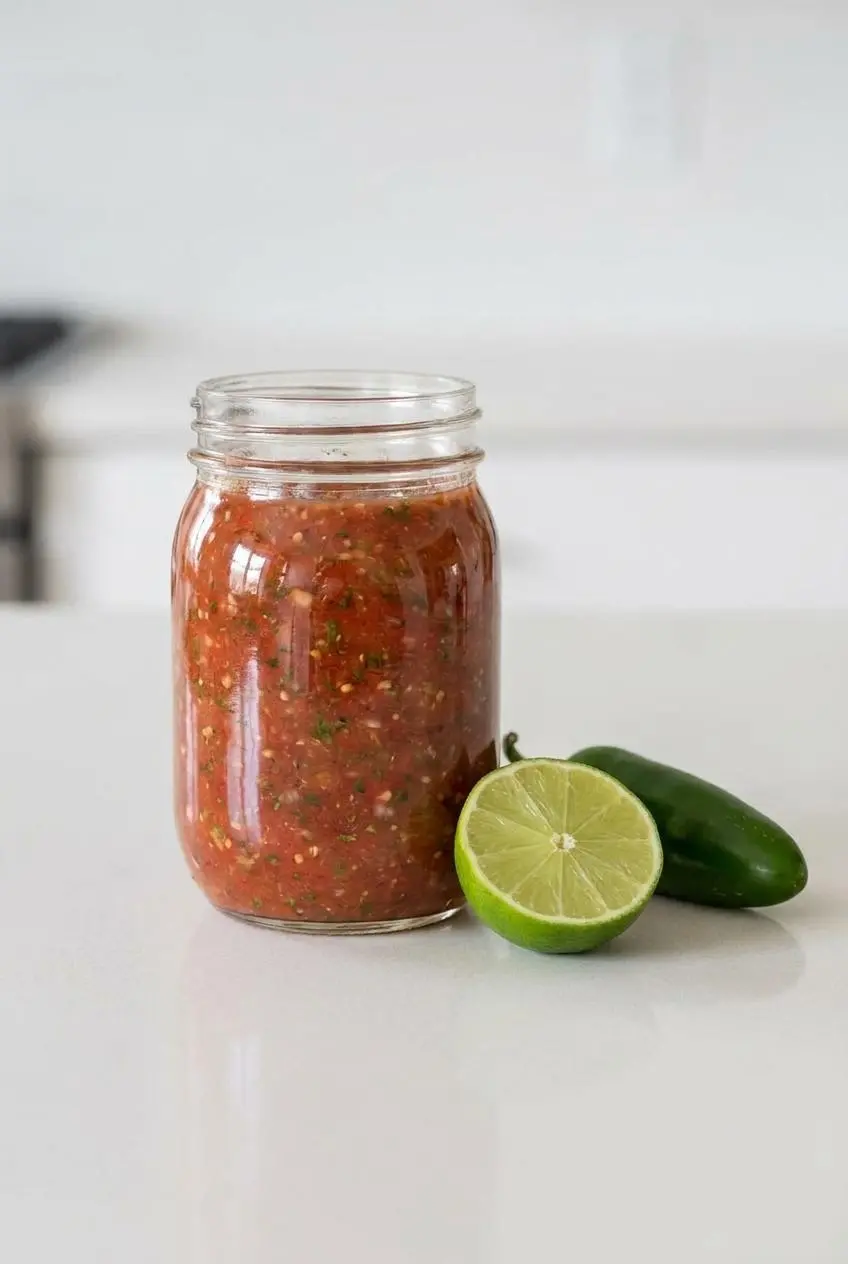
Because this is a fresh salsa with no cooking step, it should go into the refrigerator promptly and stay in an airtight container. For a preservative-free homemade salsa like this, a refrigerated window of three to seven days is a reasonable guide when kept cold in a covered container, and home canning is a separate process that needs a tested formula with controlled acidity, as explained in salsa storage and canning guidance.
Texture changes as salsa sits. The vegetables release more liquid, the onion softens, and the flavors meld. Give it a stir before serving again, and if it looks looser than you like, pour off a little liquid or strain it briefly.
Cooked salsa usually holds its texture and flavor a bit differently from raw salsa because the vegetables have already softened and concentrated. Fresh blended salsa tastes brighter, but it is also more delicate and more likely to separate in the fridge.
If you want to make it ahead for a party, prepare it the same day, chill it well, and stir before serving. Keep leftovers cold and covered.
This recipe is for refrigerator salsa, not for shelf-stable canning. If you want to preserve salsa long term, use a tested canning formula rather than adapting this one freely. Research on home-canned salsa focuses on keeping the mixture below pH 4.6 for boiling water canning, which is why tested ratios matter in home-canned tomato salsa acidification research.
Conclusion
This salsa wins on speed, freshness, and texture. The mix of fresh tomatoes and canned San Marzano tomatoes gives you a brighter flavor than jarred salsa and a fuller body than many all-fresh versions.
Keep the processor on short pulses, chill the bowl before serving, and stop while the texture still has some life to it. That is the move that makes the whole batch taste restaurant ready.
Frequently Asked Questions
What are common ingredients in salsa?
Most homemade salsa starts with tomatoes, onion, garlic, hot peppers, cilantro, lime juice, and salt. This version also uses ground cumin for warmth and canned green chiles for extra depth.
What is the secret to a good salsa?
The best trick is balancing fresh flavor with body. Fresh tomatoes keep it lively, while canned tomatoes make the texture smoother and more restaurant-style. A little optional sugar can also soften sharp acidity, and chilling the salsa helps the flavors come together.
What are common mistakes when making salsa?
The biggest one is over-processing until the salsa turns thin and foamy. Other common issues are skipping the jalapeño seeding, using harsh raw onion without rinsing it, and forgetting to adjust salt or acidity after tasting.
How do you make 5 ingredient salsa?
For a very stripped-down version, blend canned tomatoes, jalapeño, garlic, cilantro, and lime juice, then season with salt. It will be simpler and looser than this full version, but it is fast and works well when you want a quick dip.
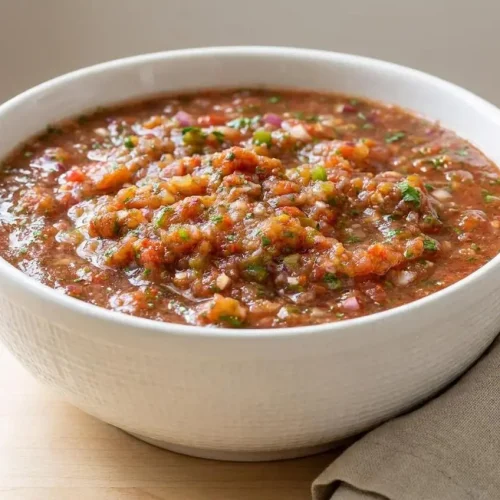
Salsa Recipe

Equipment
- Food processor or blender
Ingredients
- 4 ripe tomatoes cored and quartered
- 1 red onion peeled and quartered
- 3 cloves garlic peeled
- 3 jalapenos stemmed and seeded (you can substitute 1-2 habanero or serrano peppers.)
- 1/3 cup fresh cilantro
- 3 tablespoons fresh lime juice
- 2-3 teaspoons ground cumin
- 2-3 teaspoons sugar (optional)
- 1 1/2 teaspoons salt
- 15 ounces crushed San Marzano tomatoes (1 can)
- 4.5 ounces diced green chiles mild, medium, or hot (1 can)
Instructions
- Add the fresh tomatoes, onion, garlic, jalapenos, cilantro, lime juice, 2 teaspoons ground cumin, 2 teaspoons sugar if using, and salt to a food processor, then pulse in short bursts until the mixture looks finely chopped and evenly combined. The pieces should look small and loose, with visible texture still left in the bowl.
- Add the crushed San Marzano tomatoes and diced green chiles, then process briefly until the salsa is mostly smooth but still has a little texture; taste and add more cumin or sugar if you want before chilling until serving. Stop as soon as the salsa looks spoonable and cohesive, because one moment later it can slip from chunky dip into watery soup.