
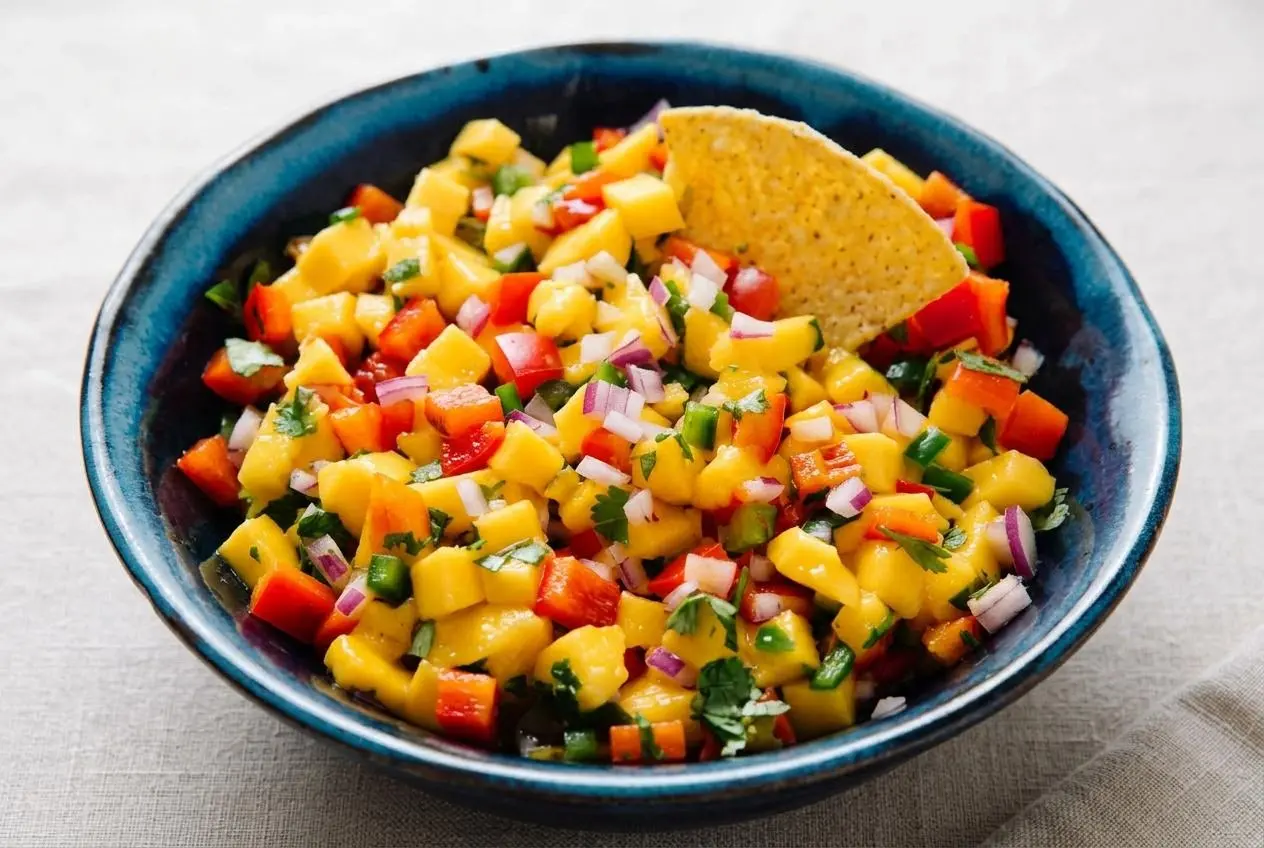
Mango Salsa is a fresh, sweet, tangy, chunky salsa made with ripe mango, bell pepper, red onion, cilantro, jalapeño, lime, and salt. It comes together in 15 minutes and works beautifully with chips, tacos, or grilled mains.
This is the kind of no-cook recipe that tastes bright and lively right away, then gets even better after a short rest. You get juicy fruit, crisp vegetables, and just enough heat to keep things interesting.
I love it because it feels effortless but still tastes like you planned ahead. One bowl, one spoon, big payoff.
Dice everything fairly small and close in size so every scoop gets a little sweet mango, a little crunch, and a little heat.
Ingredients
The ingredient list is short, so each one really matters. I personally look for mangos that smell sweet and floral but still feel a little firm, and I always use fresh lime juice here because the flavor is brighter.
- 3 ripe mangos, diced
- 1 medium red bell pepper, chopped
- ½ cup chopped red onion
- ¼ cup packed fresh cilantro leaves, chopped
- 1 jalapeño, seeded and minced
- 1 large lime, juiced (about ¼ cup lime juice)
- ⅛ to ¼ teaspoon salt, to taste
How to pick mangos that stay chunky
If you want salsa that stays juicy instead of turning soft and sloppy, choose ripe mangos with a gentle give when you press them. They should smell fragrant near the stem, almost floral and sweet. Very soft mangos can still taste great, but they tend to collapse once diced and stirred.
Ataulfo mangos are especially nice if you can find them because they’re sweet and less fibrous. Kent mangos are also a strong choice for smooth texture. Tommy Atkins are common in U.S. grocery stores and work well too, especially when they’re ripe but still firm. Underripe mangos are the opposite problem: hard, bland, and not much fun in a salsa bowl.
Why lime, jalapeño, and onion matter here
Lime juice wakes up the whole bowl. It adds sharp brightness and helps the cut mango stay looking fresher longer. Jalapeño brings a clean little kick that keeps the sweetness from feeling flat, while red onion adds bite and crunch. That mix is what gives the salsa balance instead of making it taste like chopped fruit salad pretending to be salsa.
How to Make Mango Salsa
- I start by adding the diced mango, chopped bell pepper, red onion, cilantro, and minced jalapeño to a serving bowl, then I pour the lime juice over the top.
Right away, the bowl looks colorful and glossy. I like seeing the lime hit the mango first because it gives the fruit that fresh, bright look and starts pulling all the flavors together.
- Then I stir everything with a large spoon until the ingredients are evenly mixed, add salt to taste, and give it one more gentle stir. If I have a few extra minutes, I let it rest for at least 10 minutes before serving.
That short rest makes a real difference. The salsa gets a little juicier, the colors deepen, and the flavor tastes more blended and rounded instead of sharp and separate.
A simple way to add warm citrusy depth
If you want a slightly warmer, zestier flavor, stir in 1 teaspoon of finely minced fresh ginger right before serving. It’s completely optional, but I personally love what it does with sweet mango and lime.
How to cut mango for neat, even pieces
Clean, even pieces make this salsa easier to scoop and better to eat. Similar sizing means every bite tastes balanced instead of giving you one giant chunk of mango followed by a mouthful of onion.
Stand the mango upright and slice down along one flat side of the pit, then repeat on the other side. Score the flesh in a grid without cutting through the skin, then scoop out the cubes with a spoon. Trim the remaining fruit from around the pit and dice it to match the rest.
Keep the pieces small and tidy, especially if you’re serving this with chips or tacos. Honestly, a neat dice makes the whole bowl feel better, even before the first bite.
Mild to hot, how to control the heat
This salsa is easy to adjust. For mild heat, remove the jalapeño seeds and the white membranes before mincing. That gives you the pepper flavor without an aggressive burn.
If you like more kick, leave in a little of the inner membrane. For a hotter version, you can swap in a spicier chile as an optional change, but I think jalapeño gives the nicest balance for most people because it adds warmth without bulldozing the mango.
A lot of home cooks ask how to make mango salsa less spicy after mixing it. The simplest fix is to serve it with something cool and mellow like tortilla chips or spoon it over protein, where the heat spreads out more gently.
If your salsa gets watery, here is how to fix it
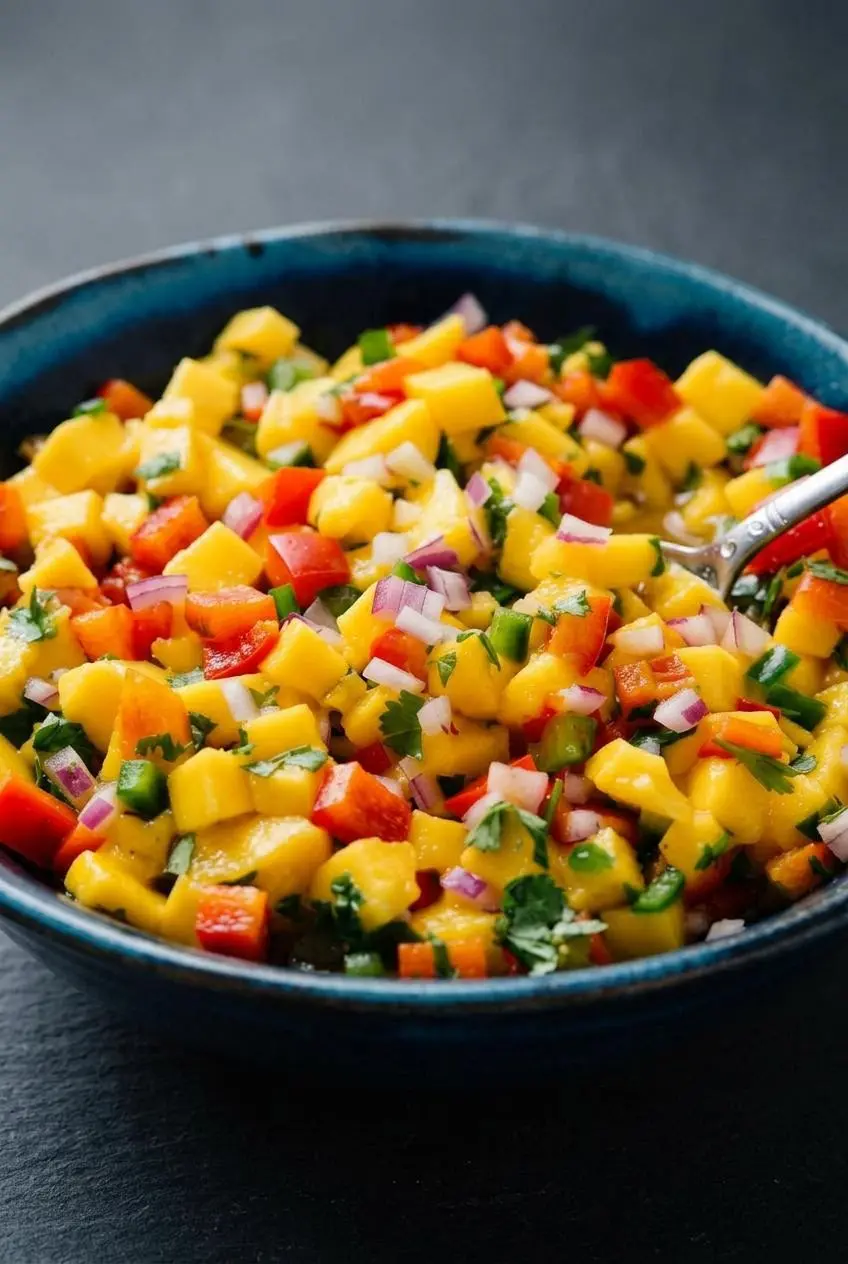
Watery mango salsa usually comes down to the fruit. Very ripe, extra-juicy mangos release more liquid as they sit, especially after the salt and lime are stirred in.
The best prevention is starting with ripe but still firm mango and cutting everything into even pieces. That helps the salsa hold its shape and keeps the texture chunky. Frozen then thawed mango usually turns too soft for this style, so I skip it for fresh salsa every time.
If your bowl already looks loose, don’t panic. You can drain off a little excess liquid or just stir gently right before serving to redistribute it. Sometimes that glossy juice is delicious spooned over grilled chicken or tucked into tacos anyway.
Best ways to serve Mango Salsa
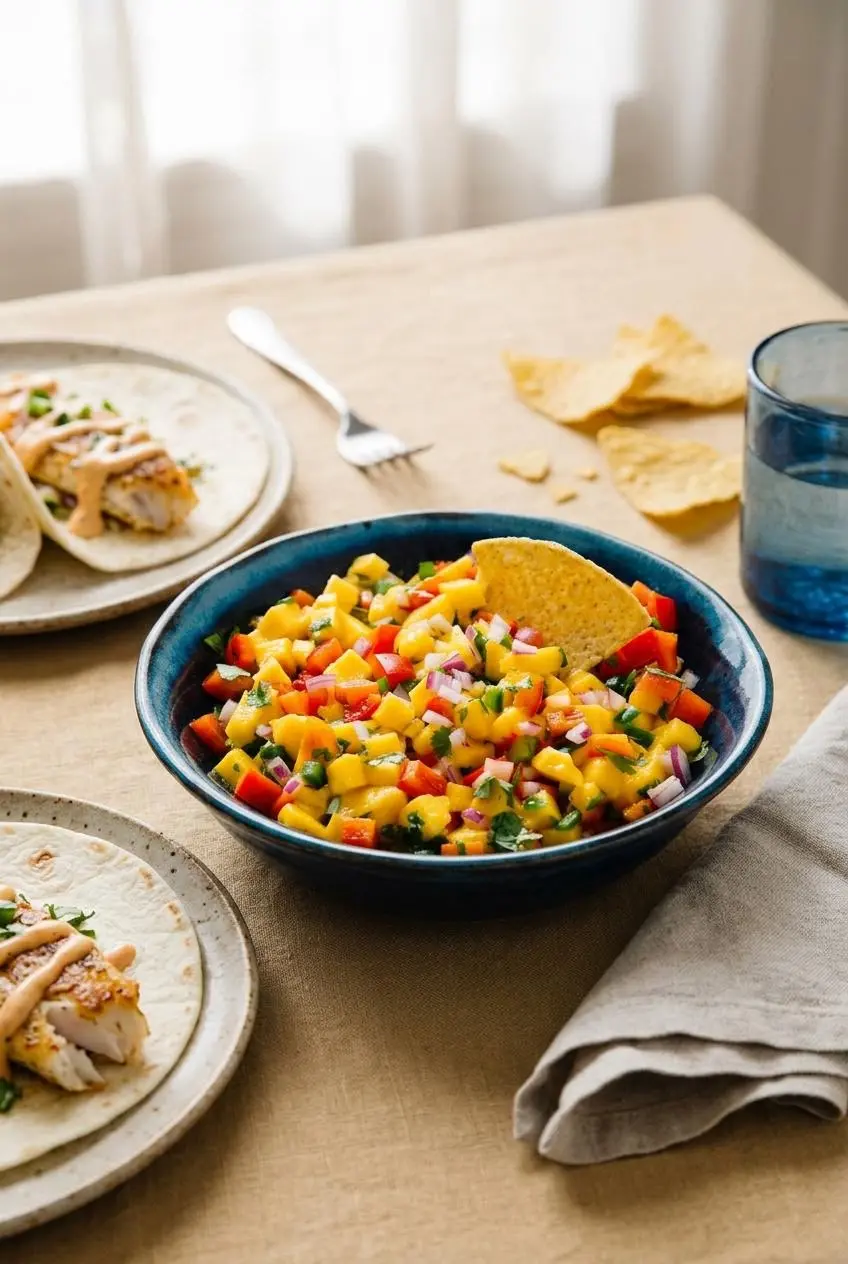
This is where the salsa really earns its keep. It’s excellent with tortilla chips, of course, but it also shines as a topping for fish tacos, shrimp tacos, grilled chicken, salmon, pork chops, burrito bowls, salads, and nachos.
I especially like it with blackened or grilled seafood because the sweet fruit cools down smoky, savory flavors. If you want a specific taco pairing, try it on delicious salmon tacos. The contrast is fantastic.
For parties, spoon it into a small bowl beside chips and grilled meat, then watch it disappear faster than the guacamole. It also works beautifully over a simple rice bowl when dinner needs help in a hurry.
What changes from day 1 to day 3
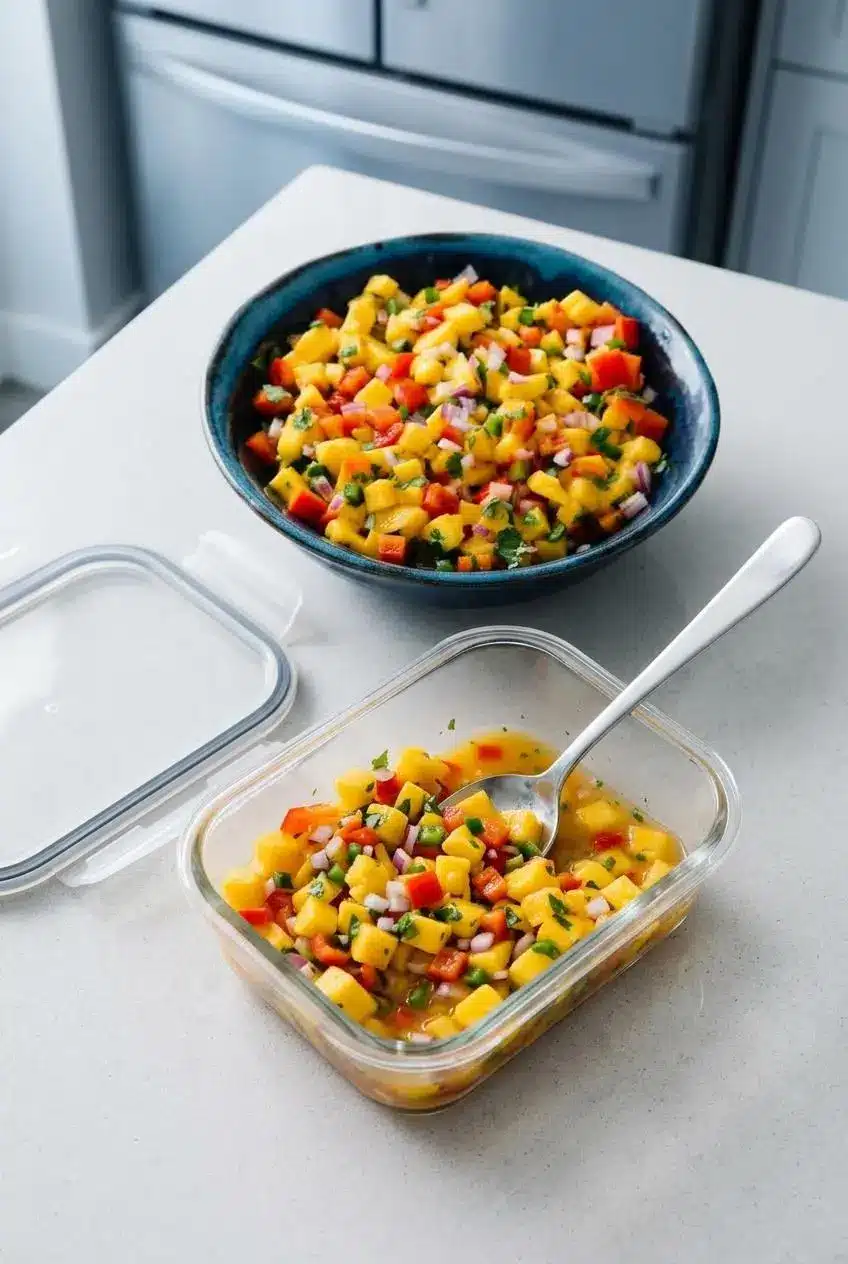
This salsa tastes great soon after mixing, and a short rest improves it even more. Day 1 is usually the sweet spot for texture because the mango and bell pepper still feel firm and distinct.
By day 2, the flavors are more blended and the salsa gets juicier. I like it this way for tacos or spooning over grilled salmon because that extra liquid acts almost like a quick sauce.
By day 3, the fruit softens more and the bowl can look looser. It still tastes good if refrigerated in a covered container, but it won’t be quite as chunky. Freezing usually isn’t a great choice here because fresh salsa loses its best texture after thawing.
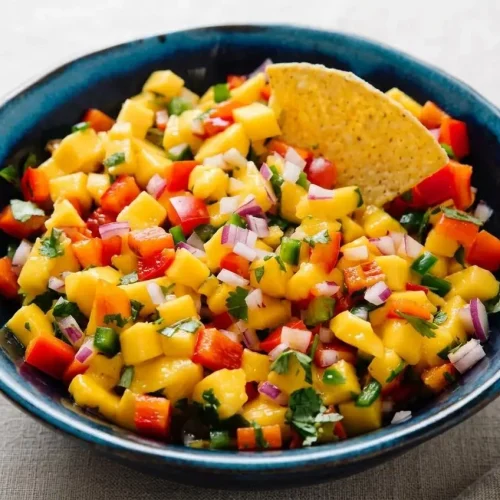
Mango Salsa

Equipment
- Serving bowl
- large spoon
Ingredients
- 3 ripe mangos diced
- 1 medium red bell pepper chopped
- ½ cup chopped red onion
- ¼ cup packed fresh cilantro leaves chopped
- 1 jalapeño seeded and minced
- 1 large lime juiced (about ¼ cup lime juice)
- ⅛ to ¼ teaspoon salt to taste
Instructions
- I start by adding the diced mango, chopped bell pepper, red onion, cilantro, and minced jalapeño to a serving bowl, then I pour the lime juice over the top.
Right away, the bowl looks colorful and glossy. I like seeing the lime hit the mango first because it gives the fruit that fresh, bright look and starts pulling all the flavors together. - Then I stir everything with a large spoon until the ingredients are evenly mixed, add salt to taste, and give it one more gentle stir. If I have a few extra minutes, I let it rest for at least 10 minutes before serving.
That short rest makes a real difference. The salsa gets a little juicier, the colors deepen, and the flavor tastes more blended and rounded instead of sharp and separate.
Notes
Nutrition
Conclusion
This mango salsa brings sweet, tangy freshness to the table with barely any effort. The biggest success tip is simple: choose ripe but still firm mangos so the texture stays chunky and bright.
If you feel like playing a little, that optional ginger adds a lovely warm edge. Otherwise, keep it classic and enjoy every scoop.
FAQ
What is the best way to serve mango salsa?
The best way to serve it is as a dip with tortilla chips or as a topping for tacos and grilled meats. It’s especially good on fish tacos, shrimp tacos, grilled chicken, salmon, pork, bowls, salads, and nachos.
How do I choose the perfect ripe mango for this recipe?
Look for mangos that feel ripe but still slightly firm. A little give is ideal, while very soft fruit can turn mushy. Fragrant mangos usually have better flavor, and Ataulfo, Kent, and Tommy Atkins can all work well.
Can I make mango salsa ahead of time and how long does it last?
Yes, you can make it ahead. A short rest improves the flavor, and the best texture is usually on day 1. It keeps well for a couple of days in the fridge, though the fruit will soften and release more juice over time.
My mango salsa turned out watery. How can I fix it?
Drain off some of the extra liquid or stir it gently before serving. Next time, use ripe but firm mangos and avoid frozen thawed mango, which tends to go soft and watery.
What are some popular variations for mango salsa?
Popular add-ins include avocado just before serving, or black beans and corn for a heartier dip. If cilantro isn’t your thing, parsley or mint can work. You can also swap the mango for pineapple, peach, or strawberry for a different fruity spin.
Is it better to use fresh or frozen mango for salsa?
Fresh mango is better for salsa. It gives you the bright flavor and chunky texture this recipe needs, while frozen thawed mango usually turns softer and more watery.




1 thought on “Mango Salsa”