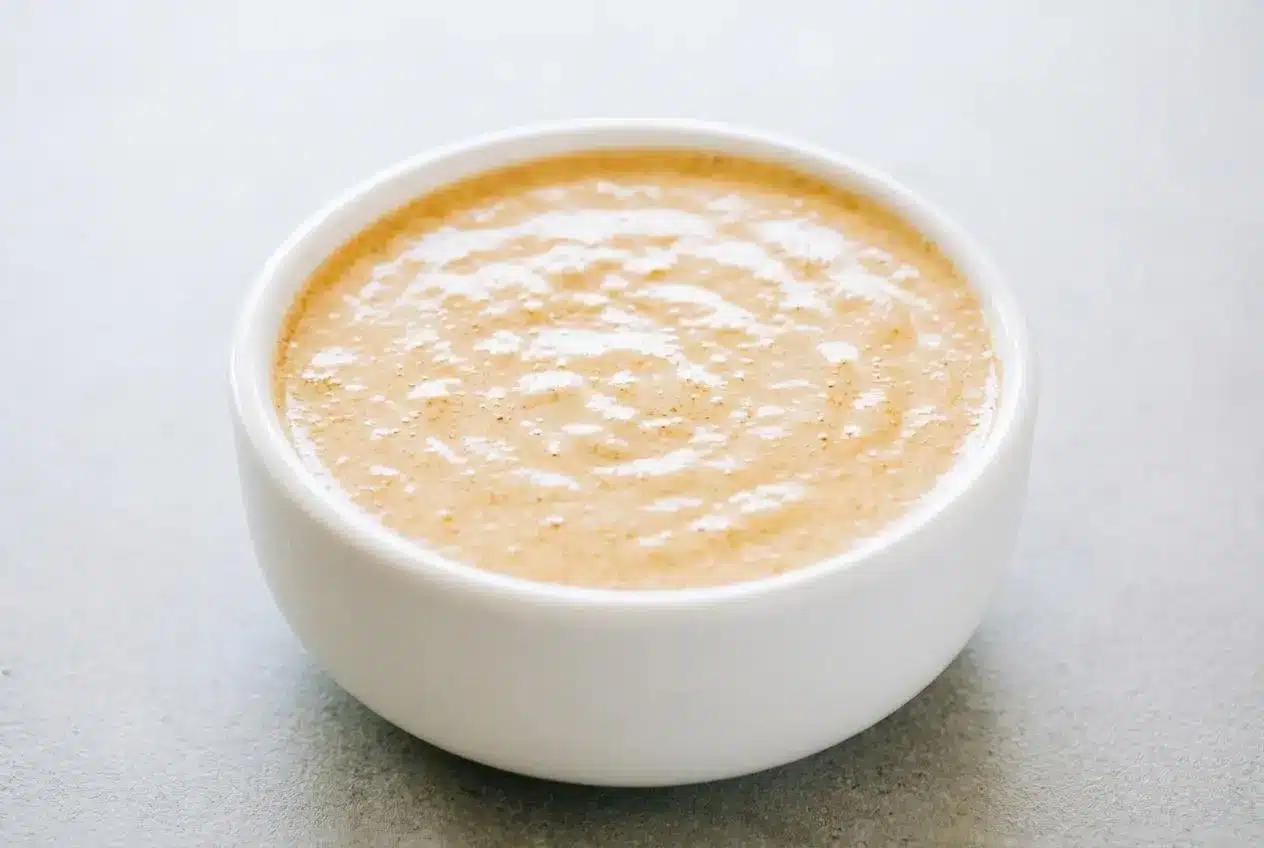
Cottage cheese queso is a warm, protein-rich dip made by blending cottage cheese with taco seasoning until smooth, then melting in pepper jack cheese. Thorough blending and gentle heating give it a creamy texture without noticeable curds.
A spoonful of warm cottage cheese queso brings savory taco spices, mellow dairy richness, and a little pepper heat together. Unlike a cold cottage cheese dip, this version gets its cheesy finish from real melted pepper jack.
It’s a convenient snack for two, with room to adjust the spice or turn it into a heartier topping. The microwave handles the melting, while the blender does the important texture work. Smoothness starts before the heat.
Set out your blender and a microwave-safe bowl before starting so the smooth mixture can go straight into gentle warming.
Essential Ingredients for Silky Queso
Cottage cheese supplies moisture and creamy body, pepper jack adds melted-cheese richness and gentle heat, and low-sodium taco seasoning brings savory spice while helping balance the salt already present in the cheeses.
- 1 cup Cottage Cheese, (low fat)
- 1/4 cup Shredded Pepper Jack Cheese (or 1 oz cubed)
- 1 tablespoon Taco Seasoning, (low sodium)
Cottage cheese: Low-fat cottage cheese is the choice here. Blending breaks its curds into smaller particles, creating a creamy mixture rather than actually melting the cottage cheese. Small or large curds can work; judge the result by smoothness, not the label.
Moisture matters as much as fat content. A container with noticeable loose liquid can produce a thinner dip. Check it before measuring and drain obvious excess liquid if needed, without pressing the curds dry. Full-fat cottage cheese offers a richer mouthfeel as an optional swap, while fat-free versions can taste leaner and need closer attention to moisture.
Pepper jack: This melting cheese gives the dip body, richness, and pepper flavor. Shreds incorporate readily because their small size helps them warm evenly. The listed cubed option works too; stir until no pieces remain. Monterey Jack makes a milder optional alternative.
Taco seasoning: Low-sodium seasoning helps prevent the cheeses and spice blend from becoming overwhelmingly salty together. Blends vary, so expect differences in chili heat, cumin flavor, and garlic intensity. Taste the finished dip before adding any extra salt, especially if you’re serving salty chips.
I check for loose liquid around the curds before measuring the cottage cheese into the blender.
How to Make Cottage Cheese Queso Step by Step
Blend first, then warm just enough to melt the pepper jack. Allow about 5 minutes for preparation; microwave cooking takes about 1 minute, depending on your appliance and the cheese’s starting temperature. This makes 2 servings.
- Process the cottage cheese and taco seasoning together at high speed until no visible curds remain.
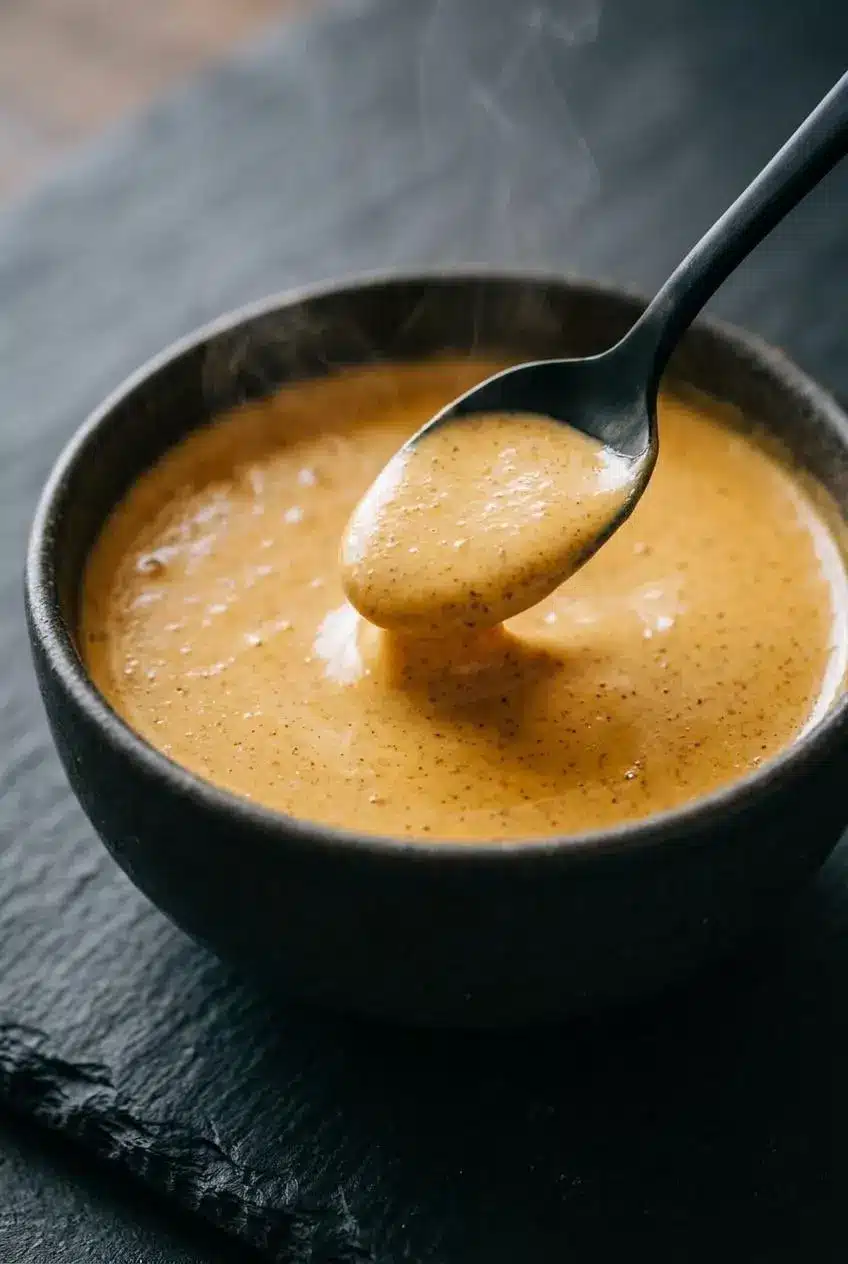
The mixture should look creamy and fall from a spoon in a smooth ribbon. - Transfer the puree to a microwave-safe bowl, fold in the pepper jack, and heat in 30-second bursts, stirring between bursts, for about 1 minute or until the cheese melts.
Look for softened cheese throughout the bowl rather than bubbling around the edges. - Take the bowl out of the microwave and stir briskly until the melted cheese fully incorporates.
The dip should have an even texture without separate cheese strands or oily patches. - Serve the queso warm.
It should coat a spoon while remaining soft enough to scoop.
Microwave Quick-Melt Technique
The microwave is the most convenient option for this small batch, but don’t treat the cooking time as an uninterrupted stretch. Stir after each 30-second burst, reaching around the sides and across the bottom of the bowl. That redistributes heat instead of letting the edges overcook while the center stays cool.
If your microwave heats aggressively, use medium-high power or shorten later bursts to 15 seconds as an optional adjustment. Stop when the pepper jack has softened enough to incorporate with stirring. Gentle steam is fine; vigorous bubbling is a signal to stop heating.
A few stretchy cheese strands don’t necessarily mean the dip needs another full burst. Stir first. Residual warmth may finish melting them without exposing the cottage cheese to more heat.
Stove Top Skillet Method
For an optional stove top method, blend the cottage cheese and seasoning exactly as above, then place the puree and pepper jack in a small nonstick skillet over low heat. Stir or whisk continuously, sweeping the bottom and corners, until the cheese incorporates and the dip becomes evenly warm.
The skillet gives you direct control over the heat, although it requires more attention than the microwave. Remove it from the burner as soon as the cheese melts. Don’t wait for a simmer or a browned edge.
For an aromatic variation, you can sauté garlic separately before adding the blended mixture. Keep any tomatoes well-drained and fold them in after melting so their liquid doesn’t dilute the queso.
Texture Troubleshooting and Kitchen Tips
Check whether the problem started before heating or afterward. Visible curds usually need better blending; newly formed grit, water, or oil often points to excessive heat.
- Visible curds before heating: Continue blending on high, scraping down the container as needed. A high-power blender works well, or use an immersion blender in a narrow container that keeps its head submerged.
- A thin but otherwise smooth dip: Excess liquid in the cottage cheese or wet add-ins may be responsible. Stir in a little additional shredded melting cheese as an optional thickening fix, using only gentle warmth to incorporate it.
- Water pooling after heating: Stop applying heat and stir thoroughly. If the texture has begun to break, whisking in a small splash of warm milk off the heat may help it come together, though a badly overheated batch may not recover completely.
- Oil floating on top: The melting cheese may have overheated. Remove the bowl from the heat and whisk gently with a splash of warm milk; avoid adding more cheese immediately, which can contribute more fat.
- Fine grit after heating: Additional blending won’t reliably reverse heat-damaged dairy proteins. Stop heating, stir, and accept that the texture may remain less silky.
- Too salty: Salty cheese, seasoning, and chips can stack up quickly. Serve with unsalted vegetables, or optionally blend in more unseasoned cottage cheese to soften the seasoning.
Don’t boil the dip to reduce it. High heat can make the dairy proteins tighten and release liquid, leaving a thinner-looking sauce with a grainier texture. Preventing that damage is easier than repairing it.
Flavor Variations and Add-Ins
Customize the finished queso after the cheese has melted so you can judge its thickness first. Drain wet additions well, and cook meat or sautéed aromatics separately before folding them in.
- Fire-roasted green chile and tomato: Fold in drained fire-roasted green chilies and drained diced tomatoes for smoky flavor and tender pieces without a puddle of tomato juice.
- Smoky spice: Add ground cumin or chipotle for earthy warmth; chipotle also increases the heat, so taste as you go.
- Nutritional yeast: Stir in nutritional yeast for savory, cheesy depth without adding more melting cheese. It won’t provide pepper jack’s stretchy texture, and the dip still contains dairy.
- Lactose-free dairy options: If needed, choose products specifically labeled lactose-free for both cheeses. Their moisture and melting behavior can vary, so use the same blending and gentle-heating cues.
Loaded Beef Cottage Cheese Queso
Fold warm, fully cooked ground beef into the finished dip for a hearty variation. Ground turkey works too. Season the meat separately with cumin and chili powder if desired, remembering that the queso already contains taco seasoning.
Drain the cooking grease thoroughly before combining. Add the meat gradually so the mixture stays scoopable rather than becoming mostly meat with a cheese coating. For a richer party-dip alternative, try chili queso dip.
Mild Versus Extra-Spicy Profiles
For a milder variation, replace pepper jack with Monterey Jack or mild cheddar and use a mild taco seasoning. Diced bell peppers add crunch without chile heat. Keep fresh vegetable additions separate until the dip has melted.
For more heat, choose one optional addition at a time: finely chopped serrano, drained pickled jalapeños, or habanero jack in place of pepper jack. Pickled peppers contribute tang and salt as well as heat, so taste before adding more seasoning.
Serving Ideas and Crunchy Pairings
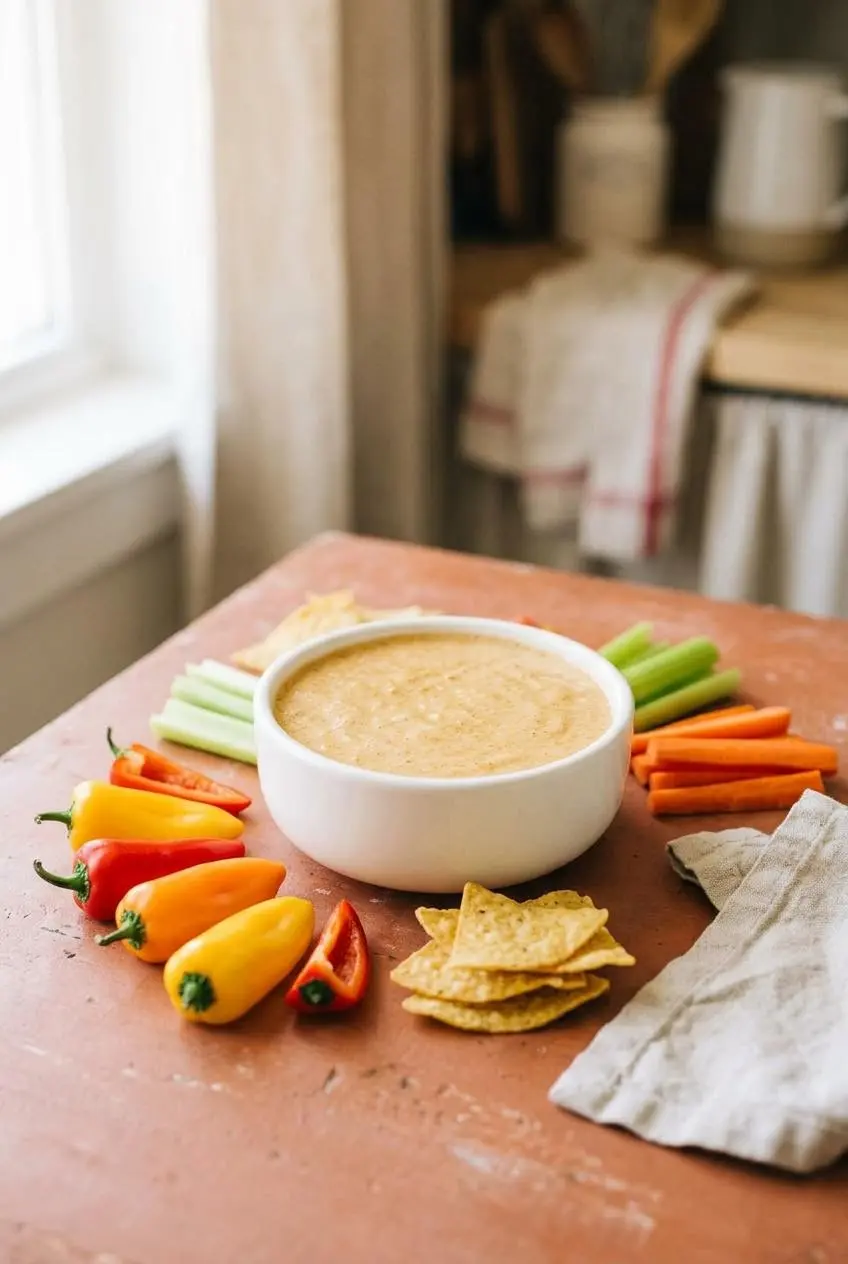
Choose sturdy dippers that contrast with the warm, creamy cheese. Dry washed vegetables well so they don’t carry extra water into the bowl.
- Fresh vegetables: Mini bell pepper wedges, celery sticks, cucumber rounds, and carrot planks provide crisp bites with a fresh finish.
- Crunchy chips: Baked tortilla chips or protein crisps work well; choose less salty options if the seasoning already tastes bold.
- Meal toppings: Spoon the warm dip over a taco bowl or split baked potato, adding it just before serving.
For another homemade crunchy option, serve cottage cheese chips alongside the vegetables. Keep dippers separate from the queso until you’re ready to eat so they retain their crunch.
Storage and Reheating Guidelines
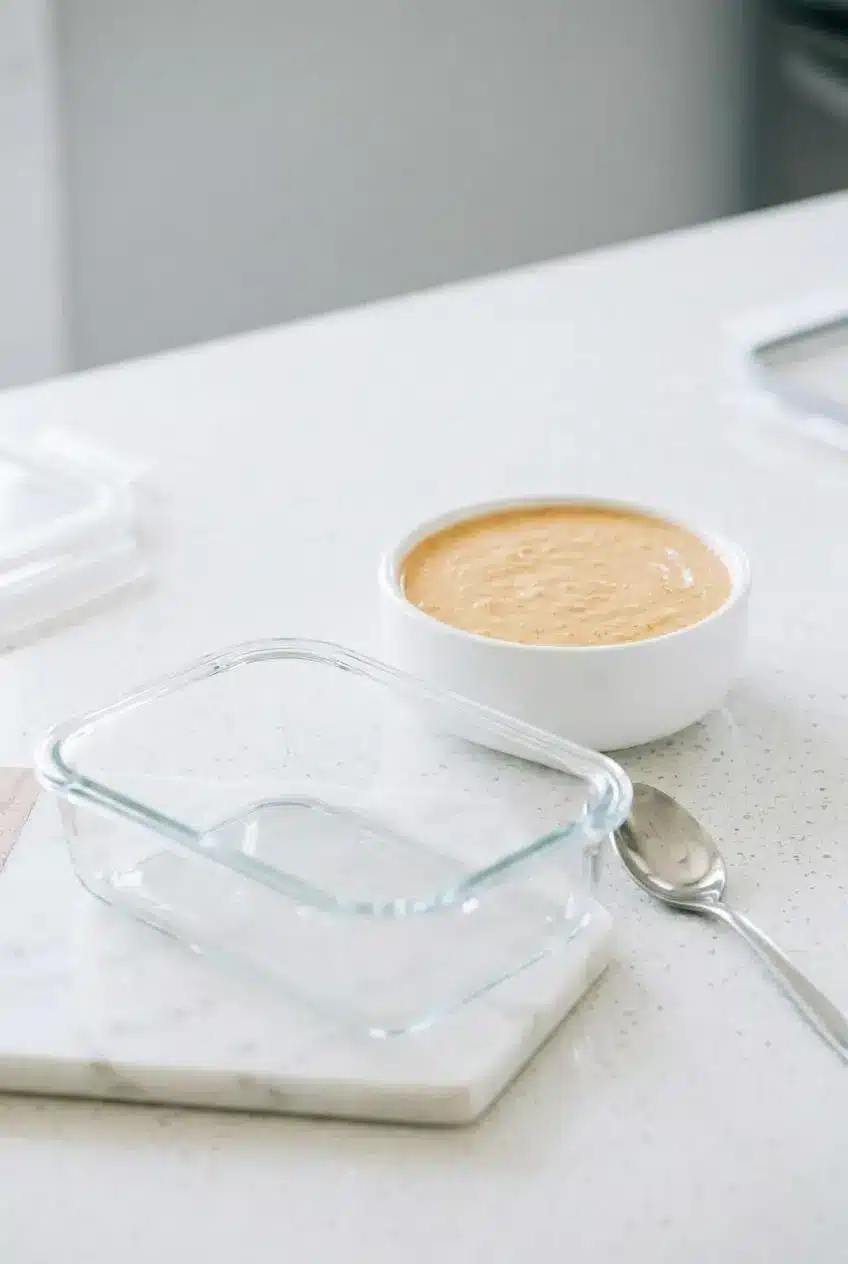
Transfer leftovers to a clean, covered container and refrigerate promptly rather than leaving the dip out to cool completely. Keep your refrigerator at 40 °F or below to help maintain proper chilled storage.
Keep chips and cut vegetables in separate containers. Use clean utensils to portion the dip, and consider the freshness and handling of the dairy ingredients rather than assuming every batch has an identical refrigerator life.
When reheating, warm only the portion you plan to serve. Use low stove top heat or brief microwave bursts, stirring frequently and stopping once the dip warms through. Don’t boil it in an attempt to restore creaminess. A splash of warm milk is an optional texture adjustment if it has become too thick.
Conclusion
This warm queso brings together cottage cheese, melted pepper jack, and taco seasoning for a creamy, protein-rich snack. The microwave makes preparation convenient, while the skillet offers an alternative with hands-on heat control.
Blend until the curds disappear, then stop heating as soon as the melting cheese comes together. Set out something crunchy and enjoy it while it’s warm and scoopable.
Frequently Asked Questions
Is Cottage Cheese Queso Actually Good?
Yes, especially if you enjoy savory cheese dips with a little tang. Thorough blending removes the noticeable curds, while pepper jack and taco seasoning give it a familiar Tex-Mex flavor. Expect creamy queso with a lighter cottage cheese character, rather than an exact copy of restaurant queso.
Can I Make Queso Out of Cottage Cheese on the Stove?
Yes. Put the blended cottage cheese mixture and pepper jack in a small nonstick skillet over low heat. Stir continuously until the cheese melts and incorporates, then remove it from the burner before it bubbles vigorously.
Why Did My Cottage Cheese Queso Separate or Turn Watery?
Overheating can make dairy proteins tighten and release liquid; watery cottage cheese or undrained additions can also thin the dip. Stop heating and stir. For a split texture, an optional splash of warm milk whisked in off the heat may help, but severe overheating isn’t always reversible.
How Long Does Cottage Cheese Queso Last in the Fridge?
A fixed refrigerator life depends on the ingredients’ freshness and how the dip was handled. Keep it covered and chilled, refrigerate leftovers promptly, and follow the storage guidance above. Don’t rely on smell or appearance alone to decide whether poorly stored leftovers are suitable to eat.

Cottage Cheese Queso

Equipment
- Blender
- Microwave-safe Bowl
Ingredients
- 1 cup Cottage Cheese (low fat)
- 1/4 cup Shredded Pepper Jack Cheese (or 1 oz cubed)
- 1 tablespoon Taco Seasoning (low sodium)
Instructions
- Process the cottage cheese and taco seasoning together at high speed until no visible curds remain. The mixture should look creamy and fall from a spoon in a smooth ribbon.
- Transfer the puree to a microwave-safe bowl, fold in the pepper jack, and heat in 30-second bursts, stirring between bursts, for about 1 minute or until the cheese melts. Look for softened cheese throughout the bowl rather than bubbling around the edges.
- Take the bowl out of the microwave and stir briskly until the melted cheese fully incorporates. The dip should have an even texture without separate cheese strands or oily patches.
- Serve the queso warm. It should coat a spoon while remaining soft enough to scoop.