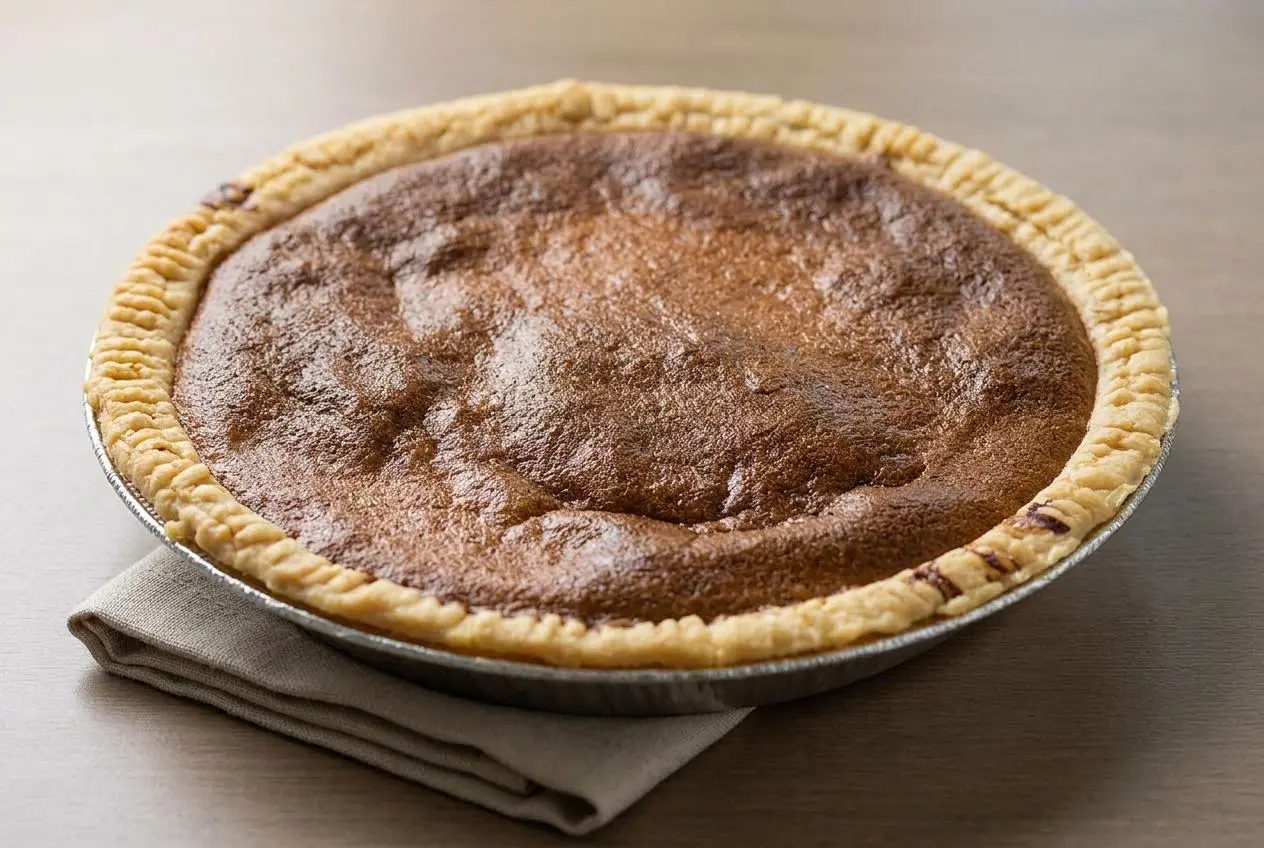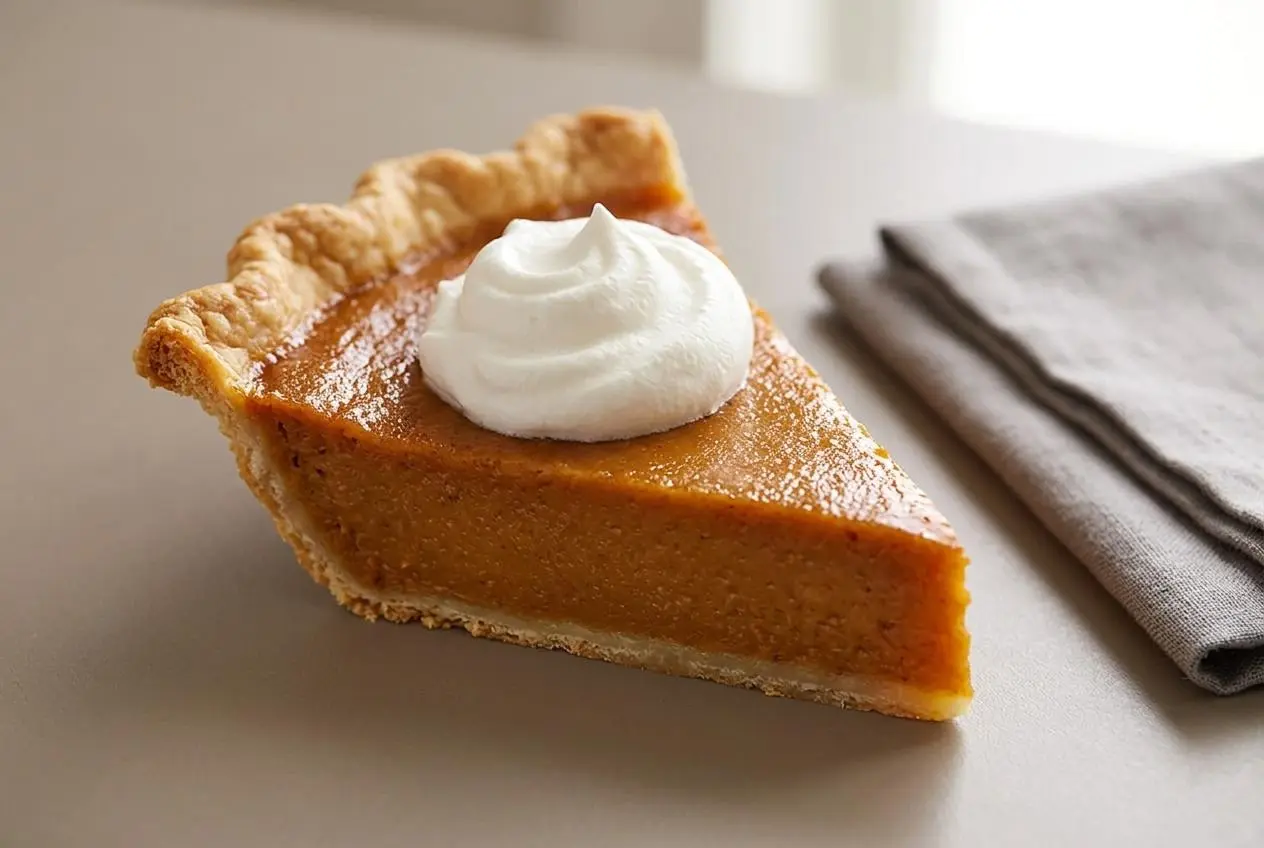
Classic sweet potato pie combines roasted sweet potato puree, brown sugar, eggs, melted butter, evaporated milk, and warm spices in a deep-dish crust baked until gently set.
This sweet potato pie recipe delivers a velvety custard with caramelized sweet potato flavor, mellow brown sugar, and a warmly spiced finish.
Roasting the potatoes fills the kitchen with a sweet, toasty aroma and keeps the filling from becoming watery. The gentle center wobble is the cue to watch for.
Let the roasted potatoes cool until they are comfortable to handle before peeling, so the flesh stays warm enough to mash smoothly without burning your hands.
Ingredients for Sweet Potato Pie
Each ingredient has a distinct job: sweet potatoes bring body and color, eggs set the custard, butter adds richness, and spices create warm aromatic balance.
- 1 pound sweet potatoes
- 1 cup firmly packed light brown sugar
- 2 large eggs
- 1/2 cup butter (melted)
- 1 (5-ounce) can evaporated milk
- 1 teaspoon ground cinnamon
- 1/4 teaspoon ground nutmeg
- 1/4 teaspoon ground ginger
- 1/4 teaspoon salt
- 1 teaspoon vanilla extract
- 1 (9-inch) unbaked deep dish pie crust
Choose firm, medium-sized orange-fleshed sweet potatoes, such as Beauregard or Jewel varieties, when possible. They tend to give the filling a rich color and balanced moisture, without needing extra liquid.
Evaporated milk gives the filling a fuller, creamier texture than regular whole milk because it is more concentrated. Light brown sugar adds a gentle molasses flavor that suits the earthy sweetness of roasted potatoes without overpowering them.
Cinnamon leads the spice blend, nutmeg adds a rounded, woodsy warmth, and ginger keeps the custard from tasting overly sweet or heavy. Freshly grated nutmeg has the most fragrance, but ground nutmeg works well when measured carefully.
I like to rub a little warm whipped sweet potato between my fingertips before adding the dairy; it should feel smooth and plush, with no noticeable strings.
How to Make Sweet Potato Pie
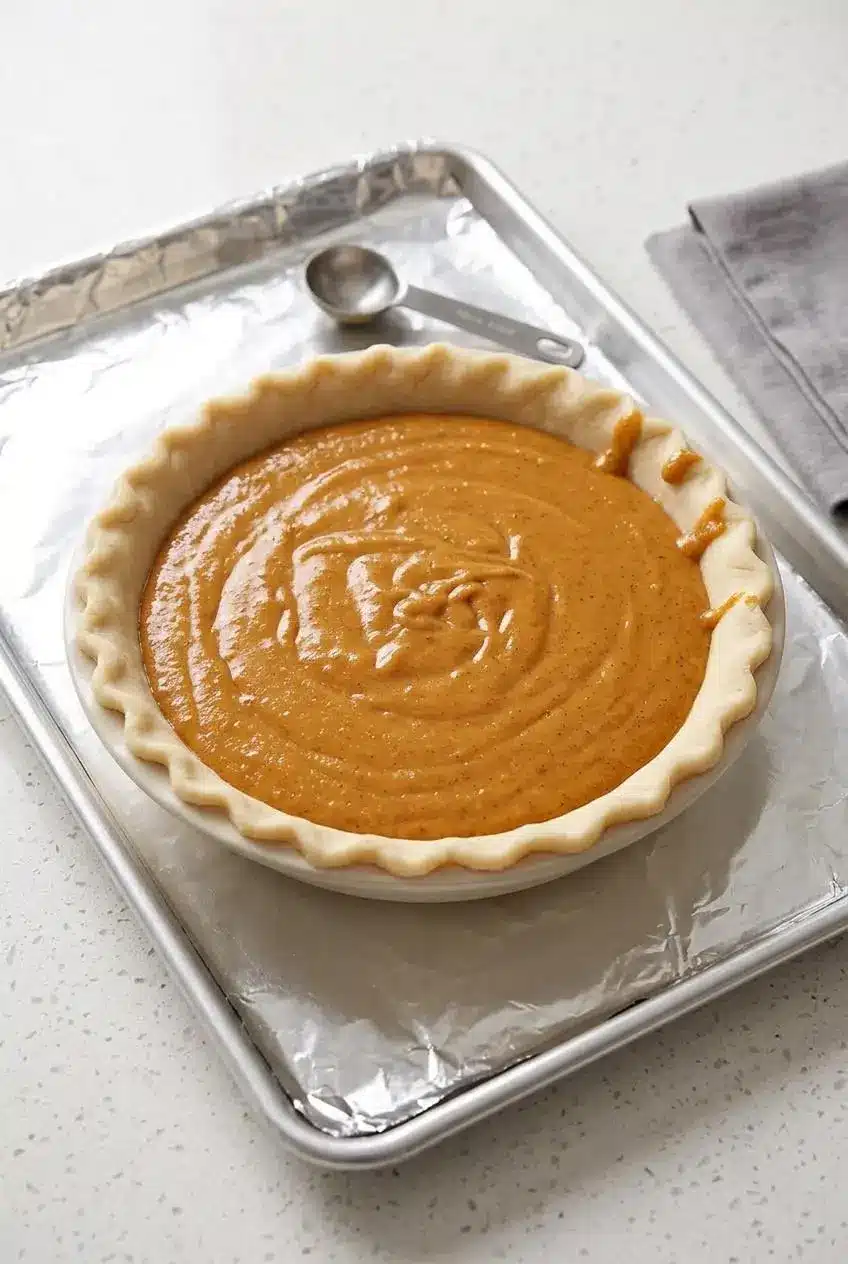
Roasting, thorough mixing, and patient cooling are what turn this filling into a clean-cut custard rather than a soft scoopable pudding.
- Heat the oven to 425°F, line a rimmed baking sheet with aluminum foil, then wash and prick the sweet potatoes several times with a fork before setting them on the pan.
Roast for about 45 minutes, until a fork slides into the center easily and the skins smell sweet and caramelized. - Cool the potatoes until they can be handled, peel them, and beat the flesh with an electric mixer until smooth before mixing in the brown sugar, eggs, and melted butter.
The puree should become creamy and form silky ribbons around the beaters instead of looking fibrous or lumpy. - Mix in the evaporated milk, cinnamon, nutmeg, ginger, salt, and vanilla, then lower the oven to 350°F and pour the filling into the unbaked deep dish pie crust set on a foil-lined rimmed baking sheet.
Bake for 55 to 60 minutes, until the filling is set and a toothpick near the center comes out mostly clean with a slight center wobble remaining.
Cool the pie completely before cutting it. A custard pie often settles a little as it cools, which is normal and helps the center firm into neat slices. Serve it plain or add whipped cream or toasted marshmallow cream, if desired.
Baking Versus Boiling Sweet Potatoes
For pie, roasting whole sweet potatoes is the more dependable choice because it concentrates their flavor while keeping excess water out of the custard.
- Roasting: The dry oven heat softens the potatoes in their jackets, deepens their natural sweetness, and lets moisture escape gradually. They are ready when the skins loosen and pull away easily from the tender flesh.
- Boiling: Cut potatoes can absorb water as they cook. That added moisture can dilute the flavor, make the puree loose, and leave the crust struggling beneath a wetter filling.
- Texture: Roasted flesh mashes into a dense, creamy puree that holds the eggs and evaporated milk evenly. A thin puree can bake up soft in the middle even when the top looks done.
- Dry-heat alternative: An air fryer sweet potato uses the same moisture-conscious approach when oven space is crowded.
Skip the temptation to peel and boil the potatoes for speed. The initial roasting step does more than cook them. It builds the sweet, concentrated base that makes the finished pie taste rounded rather than flat.
Troubleshooting Common Custard Mistakes
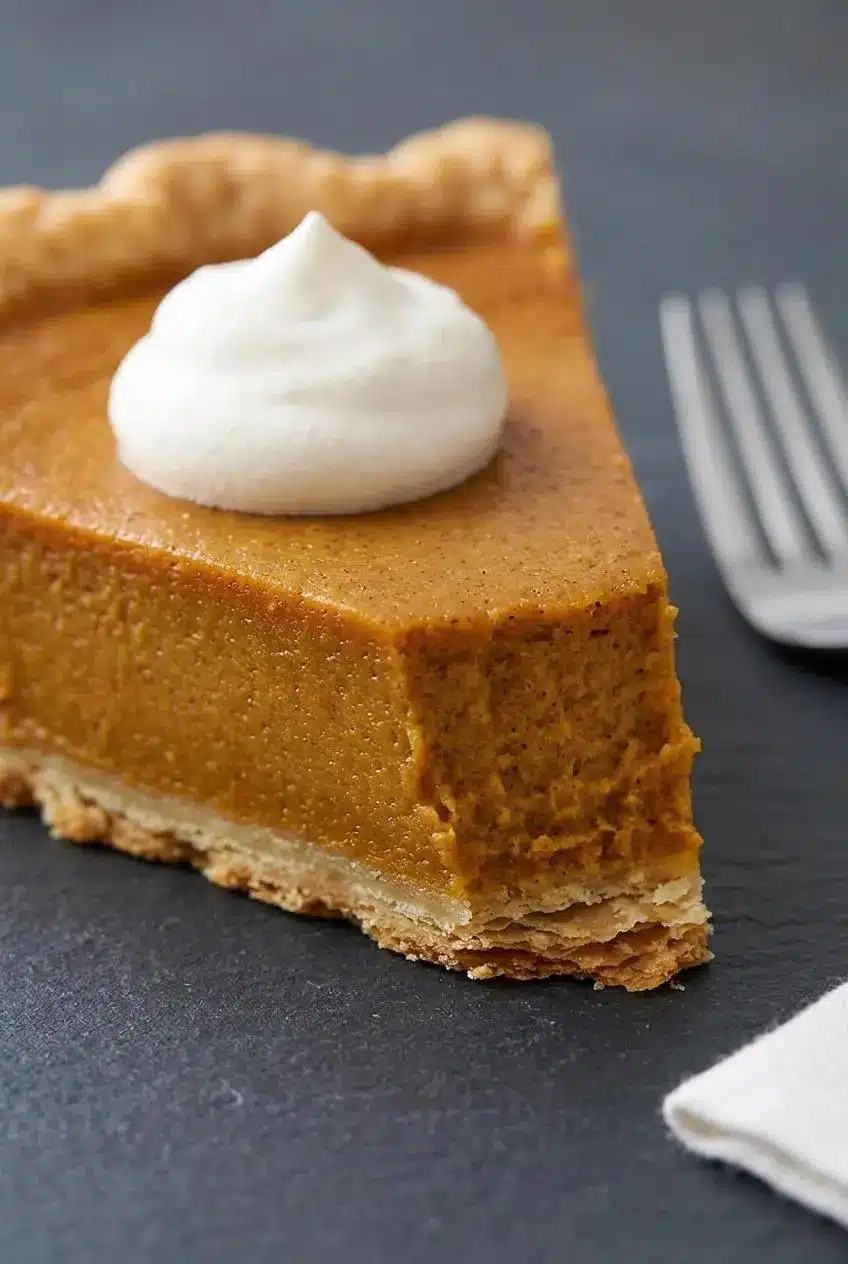
Custard pies reward a little attention near the end of baking. Watch the filling, not just the clock, and let residual heat finish the center gently.
How to Avoid a Watery or Runny Center
- Likely cause: The potatoes held too much moisture, or the pie came out before the custard had set.
- Fix: Roast rather than boil the potatoes, then whip the warm flesh until smooth before adding the remaining filling ingredients.
- Doneness cue: Look for puffed, set edges and a small center area that trembles softly like set gelatin when the pan is nudged. The surface should no longer look wet or shiny.
- After baking: Let the pie cool fully before slicing. Cutting while warm releases a filling that has not yet finished settling.
Preventing Unsightly Surface Cracks
- Likely cause: The eggs tighten too much when the custard stays in a hot oven after it has already set.
- Fix: Bake on the middle rack and remove the pie while that gentle center movement remains. The custard continues to firm as it cools.
- If cracks appear: They do not change the flavor. Cool the pie completely, then cover the top with whipped cream or a toasted marshmallow finish for an easy, polished presentation.
Keeping a Crisp Flaky Bottom Crust
- Likely cause: A cold pan and a moisture-heavy filling can leave the bottom pastry pale and soft.
- Fix: For a future bake, heat a heavy baking sheet on the lower-middle rack while the oven preheats, then carefully set the pie pan on it to encourage heat beneath the crust.
- Extra protection: Shield the crust edge with foil if it browns too quickly while the center finishes baking.
Flavor Twists and Custom Variations
These optional changes keep the same cozy sweet potato character while shifting the pie toward a nuttier, sweeter, or more nostalgic finish.
Brown Butter Sweet Potato Pie
Brown the butter until the milk solids turn golden and smell nutty, then let it cool slightly before using it in place of the melted butter. The result has a deeper toasted flavor that pairs beautifully with cinnamon and nutmeg. Keep a close eye on the pan because the butter can move from amber to burnt quickly.
Sweetened Condensed Milk Version
For a denser, sweeter Southern-style custard, sweetened condensed milk can replace evaporated milk as an optional variation. Reduce the brown sugar to keep the filling balanced, since condensed milk brings substantial sweetness of its own. Expect a firmer, richer slice rather than the lighter finish of the original filling.
Toasted Marshmallow Topping
Top a fully cooled pie with marshmallow cream or marshmallow meringue, then toast it lightly just before serving. It brings a familiar holiday flavor and makes a fun change from whipped cream. For another marshmallow-forward holiday favorite, try this marshmallow sweet potato casserole.
Storing and Serving Sweet Potato Pie

Because the filling contains eggs and dairy, cool the pie completely, cover it loosely with foil, and keep it chilled rather than leaving it out for extended periods. For the best texture, add whipped cream or marshmallow topping only when ready to serve.
To serve a chilled pie, let it lose its refrigerator chill briefly on the counter so the spices become more fragrant. For a warm slice, heat individual portions gently until just warmed through; overheating can soften the custard and dull the crust.
If you are planning a holiday meal, bake the pie ahead only when you can cool and refrigerate it promptly. Keep it in its pie pan to protect the crust, and avoid covering it tightly while it is still warm, since trapped steam can make the pastry soft.
Conclusion
This pie earns its silky texture from roasted sweet potatoes, evaporated milk, and a filling whipped until completely smooth. Cooling it fully before slicing is just as important as the time in the oven.
For an extra toasty finish, try the optional brown butter variation. A patient roast and a gentle bake will reward you with a fragrant, beautifully set holiday dessert.
Frequently Asked Questions
Is It Better to Bake or Boil Sweet Potatoes for Pies?
Bake them. Roasting concentrates the potatoes’ natural sweetness and lets excess moisture escape, while boiling can leave the puree watery and dilute the filling’s flavor.
How Do You Know When Sweet Potato Pie Is Done Baking?
The edges should look puffed and set, while the center has a small, gentle jiggle when the pie pan is moved. The top should look dull rather than wet, and a toothpick near the center should come out mostly clean.
Can Sweet Potato Pie Sit Out Overnight?
No. This is an egg and dairy custard, so it is better to cool it completely and keep it chilled rather than leaving it out overnight.
Why Did My Sweet Potato Pie Turn Out Stringy?
Stringiness usually comes from fibrous sweet potatoes or puree that was not beaten thoroughly enough. Whip the warm potato flesh with an electric mixer until smooth before adding the dairy and spices, stopping to check for stubborn strands.
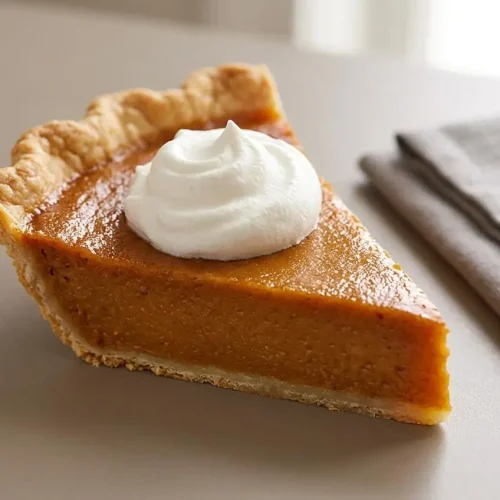
Sweet Potato Pie Recipe

Equipment
- Rimmed baking sheet
- Aluminum Foil
- Electric Mixer
- deep dish pie pan
- Toothpick
Ingredients
- 1 pound sweet potatoes
- 1 cup firmly packed light brown sugar
- 2 large eggs
- 1/2 cup butter melted
- 1 5-ounce can evaporated milk
- 1 teaspoon ground cinnamon
- 1/4 teaspoon ground nutmeg
- 1/4 teaspoon ground ginger
- 1/4 teaspoon salt
- 1 teaspoon vanilla extract
- 1 9-inch unbaked deep dish pie crust
Instructions
- Heat the oven to 425°F, line a rimmed baking sheet with aluminum foil, then wash and prick the sweet potatoes several times with a fork before setting them on the pan. Roast for about 45 minutes, until a fork slides into the center easily and the skins smell sweet and caramelized.
- Cool the potatoes until they can be handled, peel them, and beat the flesh with an electric mixer until smooth before mixing in the brown sugar, eggs, and melted butter. The puree should become creamy and form silky ribbons around the beaters instead of looking fibrous or lumpy.
- Mix in the evaporated milk, cinnamon, nutmeg, ginger, salt, and vanilla, then lower the oven to 350°F and pour the filling into the unbaked deep dish pie crust set on a foil-lined rimmed baking sheet. Bake for 55 to 60 minutes, until the filling is set and a toothpick near the center comes out mostly clean with a slight center wobble remaining.