Out here in the US, I’ve watched a quiet little wellness shift happen at the breakfast table. People who used to reach for a second cup of coffee are now craving something steadier, gentler, and a bit more intentional, functional mushrooms have stepped right into that role.
This Mushroom Tea recipe is the one I make when I want calm, clean energy with a cozy, earthy mug in my hands. I’ll walk you through not only how to brew it, but also how to get more out of every sip using a simple bioavailability trick, plus a few adaptogen and nootropics pointers I’ve learned the hard way.
Why You’ll Love This Recipe
Comfort in a cup: The flavor lands earthy, nutty, and softly savory, with ginger warmth and a bright lemon lift that keeps it from tasting “muddy.”
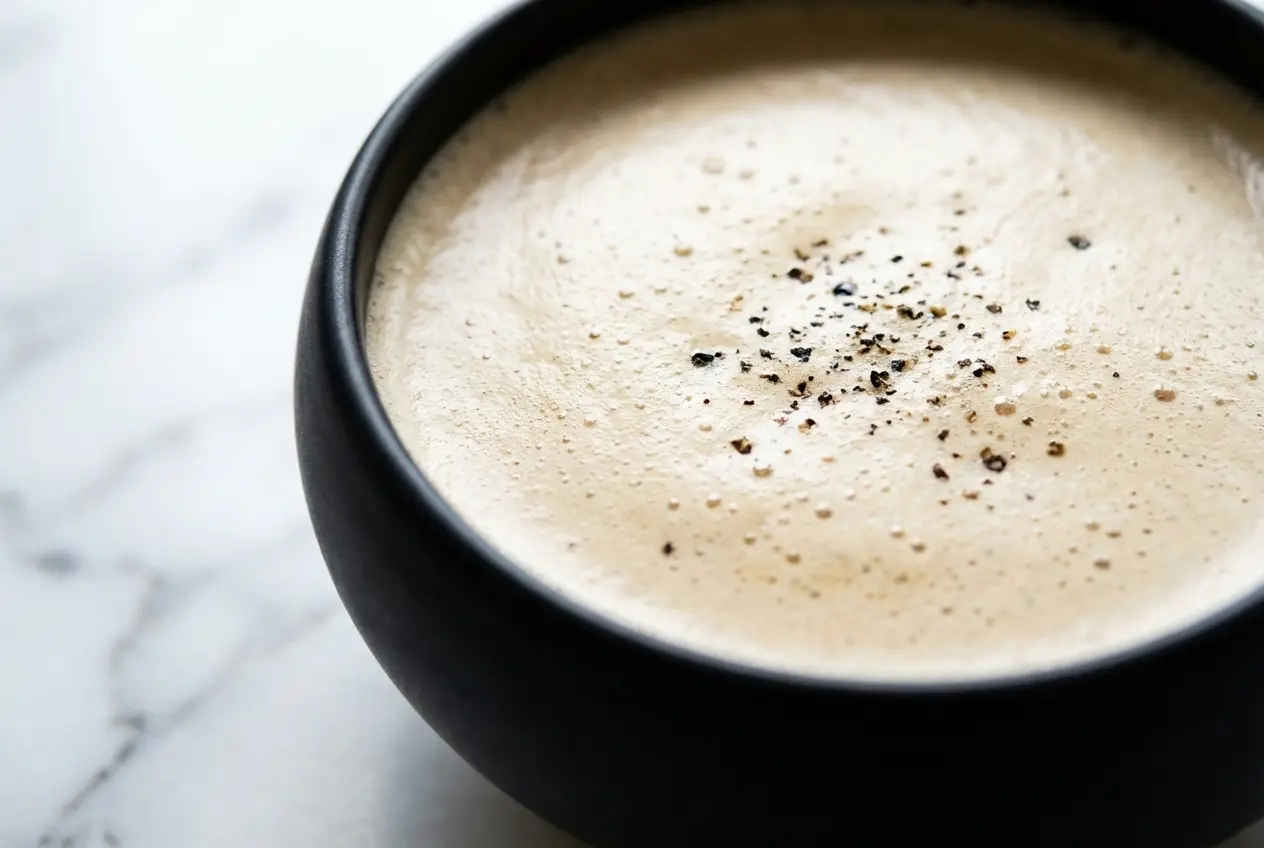
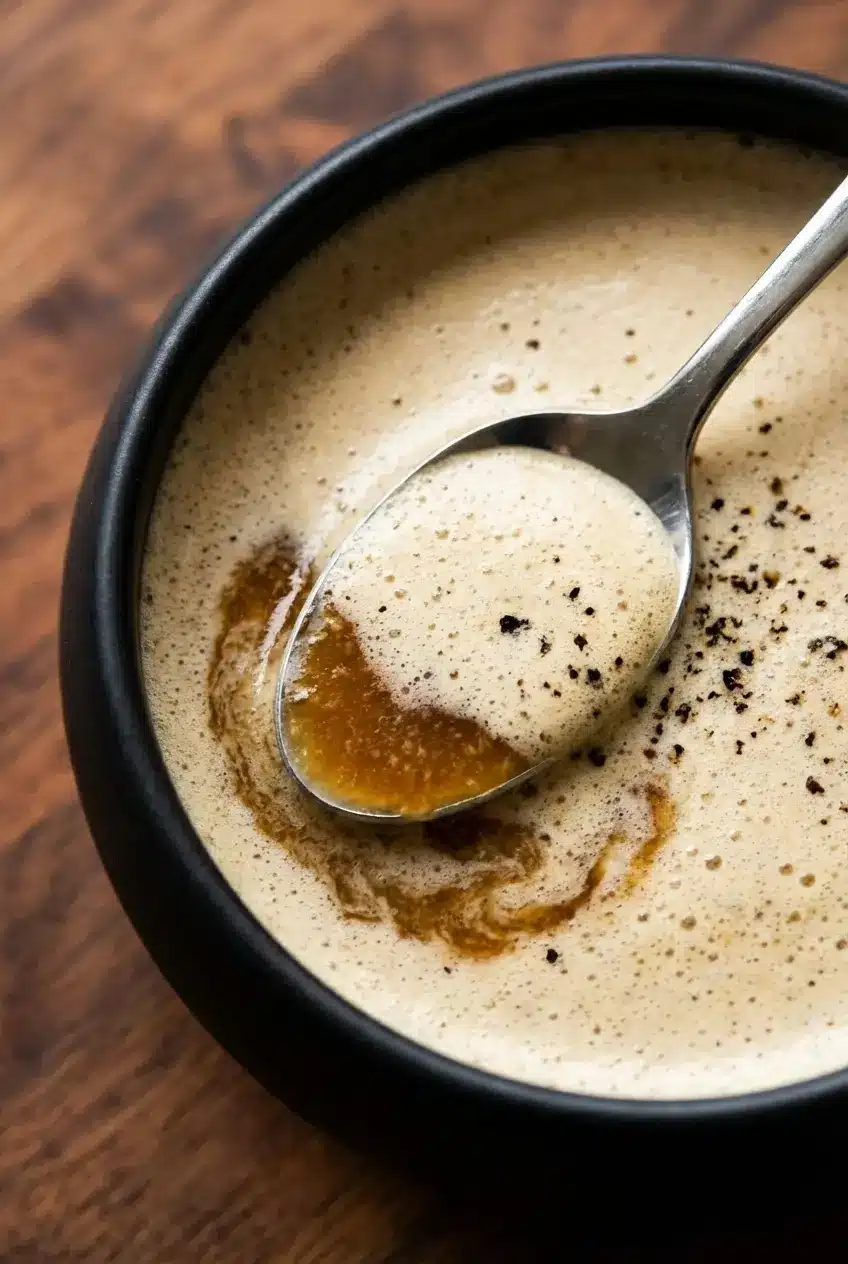
The secret twist: The Fat-Soluble Bioavailability Hack, stir in 1 teaspoon of virgin coconut oil (or MCT oil) and a tiny pinch of black pepper, then froth, turns it silky like a café latte and makes the drink feel more satisfying.
Smarter absorption: In my kitchen, this is where functional mushrooms start to shine. Beta-glucans are water-friendly, while triterpenes lean fat-soluble, so that little bit of healthy fat helps with bioavailability, and the piperine in pepper can further support absorption.
Steady energy, not jitters: Cordyceps sinensis is famous in the adaptogens world for its “get up and go” reputation, and I love how it pairs with citrus and ginger for a clean, awake finish.
Ingredients and Substitutions
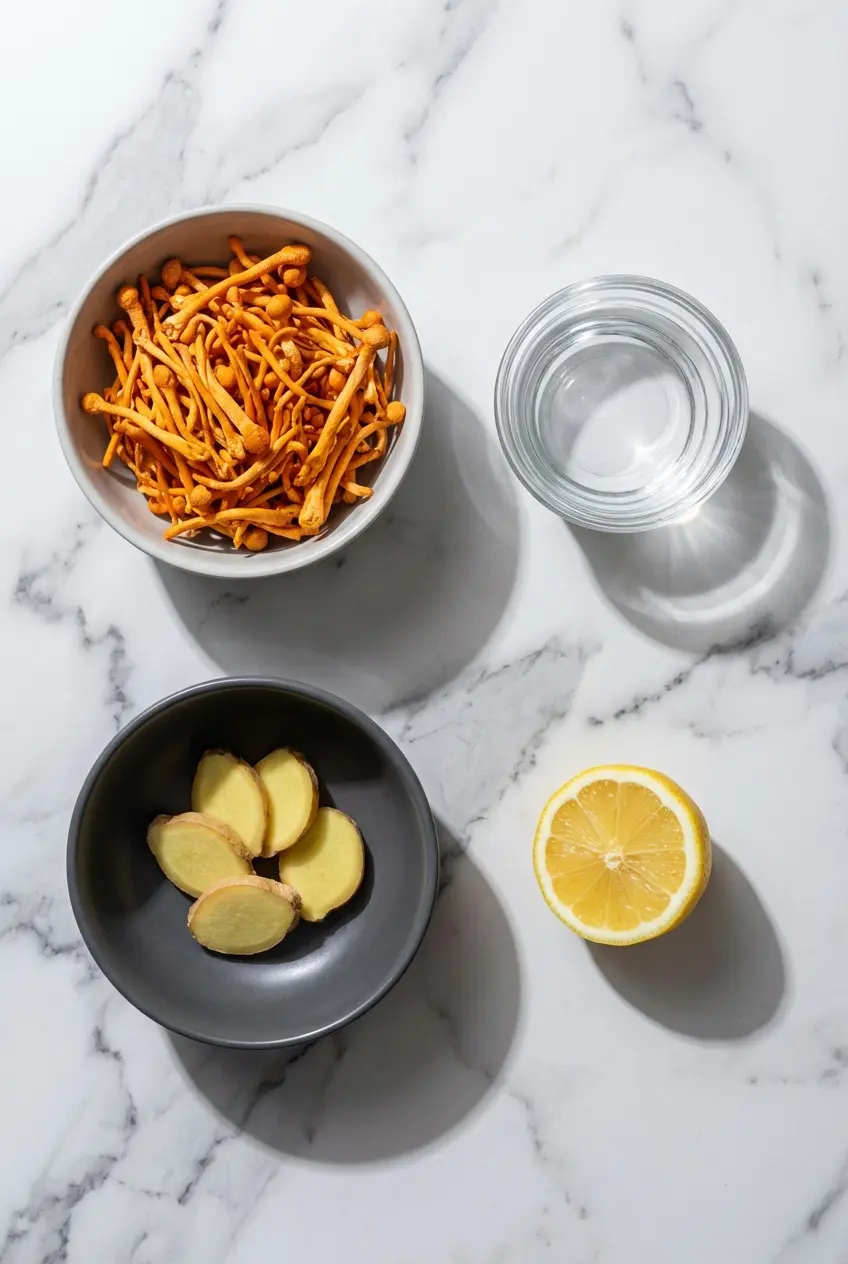
This is a short list with a lot of impact, cordyceps for that functional backbone, ginger for warmth, lemon for balance, and good water so the earthy notes taste clean and smooth.
Ingredients
- 7 grams Cordyceps mushrooms (or 1 tbsp mushroom powder)
- 1.5 cups Water
- 4 slices Fresh ginger
- 0.5 Lemon (or 2 tsp lemon juice)
Ingredient Notes & Substitutions
Cordyceps sinensis: Whole fruiting bodies tend to brew a deeper, more “woodsy” cup, while extract powders dissolve faster and act more like an instant infusion. If you use powder, whisking well and straining isn’t always necessary, but I still like a quick pass through a fine mesh for a cleaner sip.
Water: Filtered or purified water really matters here. Tap water with noticeable chlorine can flatten the aroma and make the earthy profile taste dull instead of nutty and clean.
Fresh ginger: Four slices give a gentle heat that doesn’t bully the mushrooms. If your ginger is super spicy, thinner slices keep it fragrant without turning the tea sharp.
Lemon: Lemon brightens and “lifts” the savory notes, especially if your cordyceps are strong. Bottled lemon juice works, but fresh tastes more floral and less harsh.
How to make Mushroom Tea recipe
Build the hot base
- Pour the 1.5 cups water into a large pot and bring it up to a rapid boil on the stove. You’re looking for vigorous bubbles and steady steam, the kind that fogs your glasses when you lean in.
- Add the cordyceps mushrooms (or mushroom powder) and let it steep for 10 minutes. The color should deepen slightly and the aroma will shift toward warm, earthy, and toasted-grain-like.
Layer in brightness and spice
- Reduce the heat to medium, then add the fresh ginger slices and lemon juice. Keep it at a gentle, active steep for 5 additional minutes, you should smell ginger’s zing immediately, with lemon softening the edges.
Strain and finish with the frothy twist
- Pour the tea through a fine mesh strainer to catch the ginger and cordyceps pieces, then return the liquid to the pot or a heat-safe pitcher. The brew should look clear-ish and amber-golden with an earthy tint, not gritty.
- Right before pouring, stir in 1 teaspoon of virgin coconut oil (or MCT oil) and a tiny pinch of black pepper. Use a hand-held milk frother to blend until the surface looks creamy and lightly foamed, then serve immediately in a warm mug while the aroma is at its brightest.
Secrets for Brewing Perfection
The recipe begins with a rapid boil because it jump-starts extraction and gets everything moving quickly. But once the mushrooms go in, I treat the pot more gently, because many delicate compounds do better when the water settles closer to about 176°F (80°C) during steeping.
With extract powders, you’re essentially making an infusion, quick steeping pulls flavor and active compounds fast. With tougher whole mushrooms like Chaga or Reishi, think decoction instead, a long, slow simmering pull that can take 1 to 2 hours to coax out the deeper notes and benefits.
For daily use, I keep portions modest and consistent rather than chasing intensity. Many people do well cycling functional mushrooms, for example, a few weeks on, then a short break, so your routine stays effective and you avoid building tolerance.
If you’re sensitive, start with a smaller serving and pay attention to how you feel, especially if you’re also using other adaptogens or nootropics. This is food, not a dare, and the best cup is the one your body enjoys.
Pro Tips & Troubleshooting
Pro Tips
- Non-metallic cookware like ceramic, clay, or glass can be a smart choice for functional mushrooms, because it avoids any worry about reactivity with active fungal compounds.
- If you’re using dried whole mushrooms, chop them into smaller pieces or grind them a bit to increase surface area, it noticeably improves extraction.
- Warm your mug with hot water first, then dump it out, that little step keeps the tea hot longer and preserves the aroma.
- If you want a richer “latte” feel, froth for a few extra seconds until the top looks glossy and lightly capped with foam.
Common Mistakes to Avoid
- Boiling mushrooms aggressively for extended periods can flatten flavor and may degrade heat-sensitive compounds, keep it strong at first, then gentler during steeping.
- Letting bitter mushrooms like Reishi go too long without a balancing flavor can make the cup harsh, citrus, ginger, or a touch of honey can help.
- Using low-quality mushroom powders with fillers leads to weak flavor and unpredictable results, look for 100% fruiting body extracts when possible.
Serving & Storage
Serving Ideas
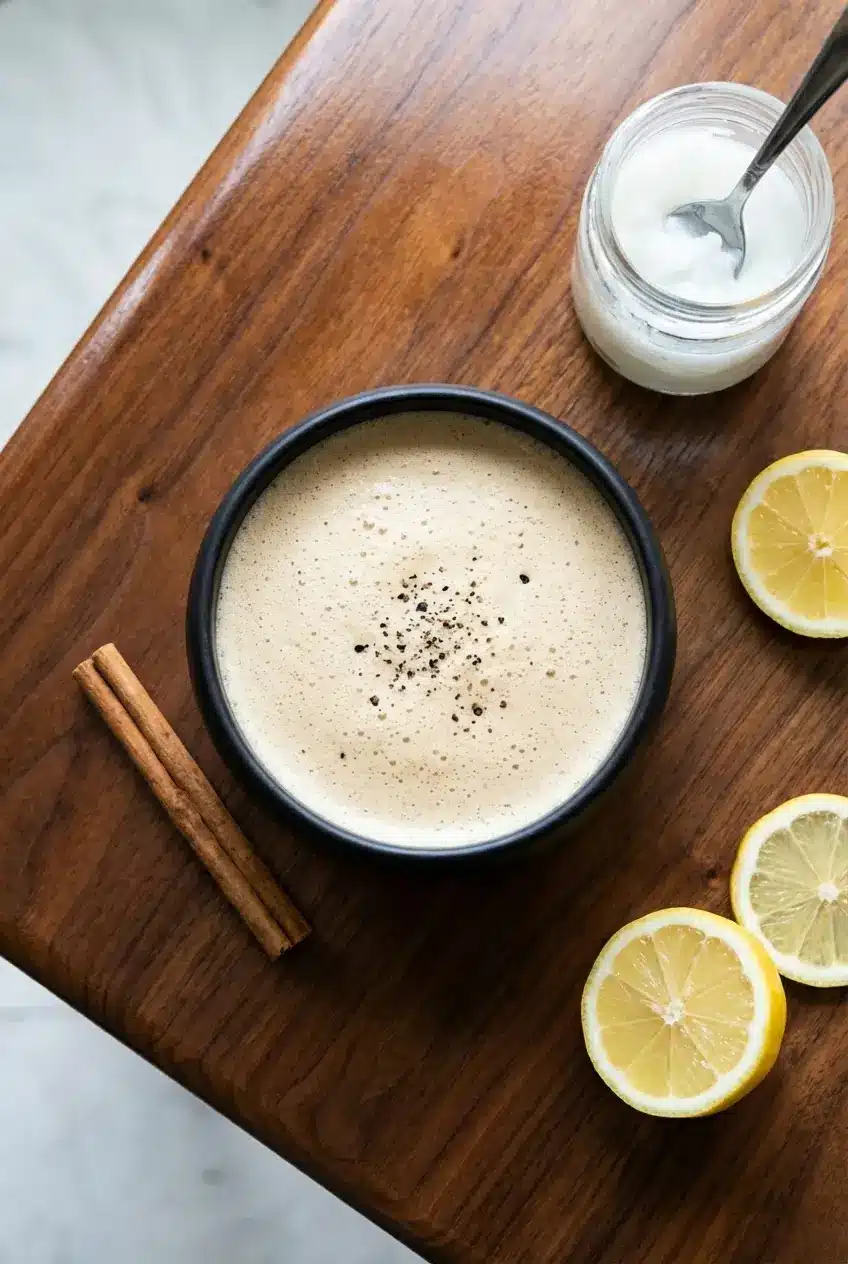
For a summer tonic, I chill the brewed tea in the fridge for 3 hours, then pour it over ice so it tastes clean and bright. A cinnamon stick, a slice of fresh lemon, or a little extra frothed oat milk makes it feel special without complicating anything.
If you love cozy, toasty drinks with that frothed top, the hojicha latte recipe is a nice cousin in the “earthy and nutty” family. It’s a different vibe than functional mushrooms, but it scratches the same comforting itch on slower mornings.
For future variations, Lion’s Mane Chai is dreamy with coconut milk, cinnamon, cardamom, and clove. Sweetened Reishi is also lovely with raw honey and fresh marjoram when you want something more evening-leaning and calming.
Storage Instructions
Store leftover brewed mushroom tea in a sealed glass jar in the refrigerator. For best flavor and functional quality, I like it within 2 days, after that it still tastes fine, but the aroma fades.
Cold storage supports texture over time, and refrigeration helps maintain the stability and solubility of beta-glucans. In practical kitchen terms, keeping it properly chilled helps your tea stay pleasant and consistent rather than turning flat or oddly viscous.
To reheat, warm gently on the stove until steaming, not boiling hard. Add the coconut oil, pepper, and froth only after reheating, because the foam is best fresh.
Embrace the Wellness Journey
This tea is one of my favorite ways to support the immune system while chasing that steady, vital energy feeling, without the coffee crash. The frothy coconut oil and black pepper finish is the small step that makes it taste luxurious and helps the body make use of more of what functional mushrooms offer.
If you’re exploring coffee alternatives, the mushroom coffee recipe fits the same morning ritual in a different format. I like having both options on hand, tea for gentle days, coffee-style for extra drive.
Comforting Mushroom Tea Recipe

Equipment
- Large Pot
- Fine mesh strainer
- Hand-held milk frother
Ingredients
- 7 grams Cordyceps mushrooms (or 1 tbsp mushroom powder)
- 1.5 cups Water
- 4 slices Fresh ginger
- 0.5 Lemon (or 2 tsp lemon juice)
Instructions
Build the hot base
- Pour the 1.5 cups water into a large pot and bring it up to a rapid boil on the stove. You are looking for vigorous bubbles and steady steam, the kind that fogs your glasses when you lean in.
- Add the cordyceps mushrooms (or mushroom powder) and let it steep for 10 minutes. The color should deepen slightly and the aroma will shift toward warm, earthy, and toasted-grain-like.
Layer in brightness and spice
- Reduce the heat to medium, then add the fresh ginger slices and lemon juice. Keep it at a gentle, active steep for 5 additional minutes. You should smell ginger’s zing immediately, with lemon softening the edges.
Strain and finish with the frothy twist
- Pour the tea through a fine mesh strainer to catch the ginger and cordyceps pieces, then return the liquid to the pot or a heat-safe pitcher. The brew should look clear-ish and amber-golden with an earthy tint, not gritty.
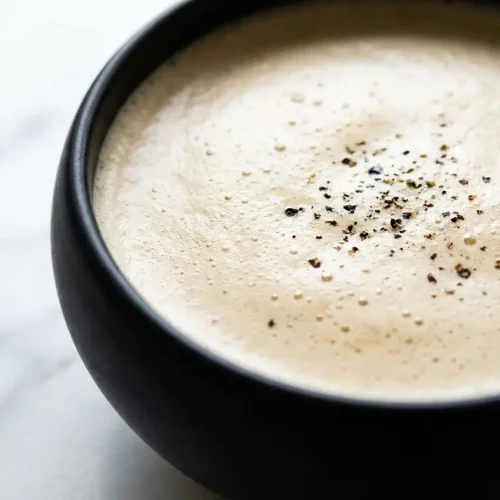
- Right before pouring, stir in 1 teaspoon of virgin coconut oil (or MCT oil) and a tiny pinch of black pepper. Use a hand-held milk frother to blend until the surface looks creamy and lightly foamed, then serve immediately in a warm mug while the aroma is at its brightest.