When my kitchen needs a softer kind of comfort, I reach for Japanese roasted green tea instead of the bright, grassy punch of matcha. Hojicha has this toasty warmth, like toasted nuts and a whisper of cocoa, and it makes the whole room feel calmer.
This hojicha latte recipe is my favorite low caffeine alternative to coffee for late afternoons and cozy evenings. The little twist is simple but magical, a natural sweetener plus a tiny pinch of savory seasoning that coaxes out a hidden caramel note in the tea.
Why You’ll Love This Recipe
The Salted Maple Enhancement: In my kitchen, swapping plain sweetness for maple syrup makes hojicha’s roasted aroma taste deeper and rounder. A tiny pinch of sea salt in the tea shot turns those nutty notes into a salted caramel vibe without anything artificial.
Low Caffeine Comfort: Because hojicha is roasted green tea made from more mature leaves, it sips gently and feels soothing. I love it when I want something cozy that will not feel like a jolt.
Calm Focus, No Jitters: Hojicha still carries naturally occurring L-Theanine and Catechins, so it feels grounding and steady for many people. Think of it as a warm blanket of flavor, not a sharp wake-up call.
Ingredients and Substitutions
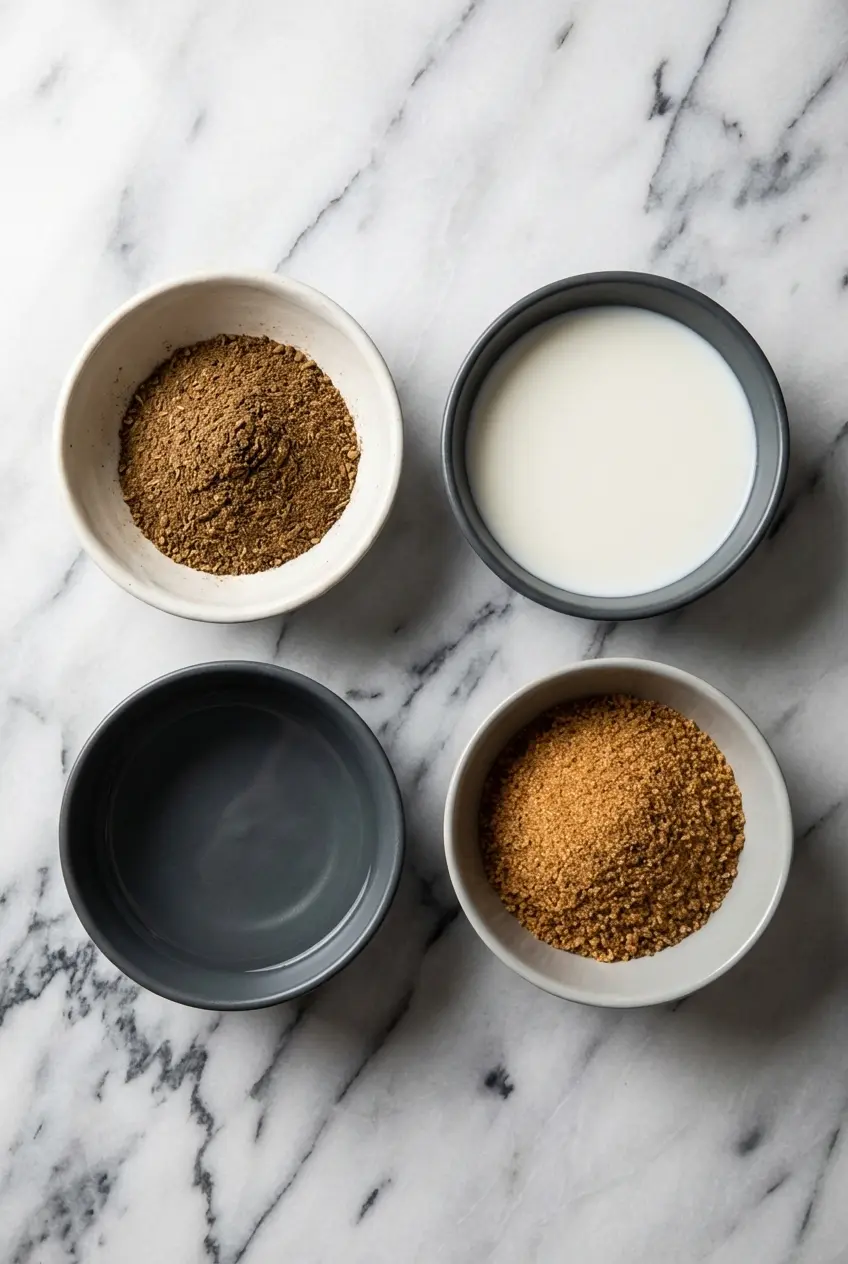
These four ingredients keep the drink pure and fast, letting the roasted hojicha powder shine while milk brings creaminess and a touch of sweetness smooths the finish.
Ingredients
- 2 tsp Hojicha powder
- 6 oz/180 ml milk
- 2 oz/60 ml hot water at 190F or (90C)
- 1 tsp of brown sugar (or your preferred choice of sweetener)
Ingredient Notes & Substitutions
Hojicha powder: For a silky latte, use hojicha powder, not loose leaf, because it dissolves into a smooth “tea shot.” Good powder looks reddish-brown from roasting and smells like toasted wood and cocoa the moment you open the bag.
The sweetener (the twist): The recipe lists brown sugar, and it absolutely works, especially if you like a molasses edge. For the salted maple profile, I strongly prefer maple syrup, it melts in instantly and highlights hojicha’s caramel-like roast.
Milk: Dairy milk gives classic café richness, but oat milk is my favorite for plant-based froth because it turns creamy and stable when warmed. Almond milk works too, just expect a lighter foam and a slightly nutty finish.
Sea salt: This is not in the ingredient list, but it is the tiny “chef move” in the method, added as a pinch to the hojicha shot. It should never taste salty, it should taste more like roasted sweetness.
How to make hojicha latte recipe
Make the hojicha shot
- Set a small bowl (a chawan if you have one) on the counter and take a moment to warm it with a splash of hot water, then discard the water. A warm bowl helps the hojicha powder blend smoothly instead of grabbing onto the sides.
- Sift 2 tsp Hojicha powder into the bowl so it falls like fine, cocoa-colored dust. This one step is the difference between velvety and gritty.
- Pour in 2 oz/60 ml hot water at 190F or (90C). As the water hits the powder, you should smell roasted wood, toasted nuts, and a caramel-like warmth blooming up immediately.
- Add a tiny pinch of sea salt, then whisk with a bamboo whisk (chasen) in a quick zig-zag W motion until the surface looks lightly foamy and the drink looks uniform, no speckles or dry pockets.
No whisk option
If you do not have a chasen, shake the hojicha powder and hot water in a bottle for about 30 seconds. Stop when it looks smooth and glossy, with no clumps hiding at the bottom.
Sweeten, froth, and assemble
- Heat 6 oz/180 ml milk to about 150F or (65C), it should feel hot but not scalding, and smell sweet and creamy. Stir in 1 tsp of brown sugar (or your preferred choice of sweetener) so it fully dissolves, then froth with a machine, whisk, or handheld frother until you see fine microfoam on top.
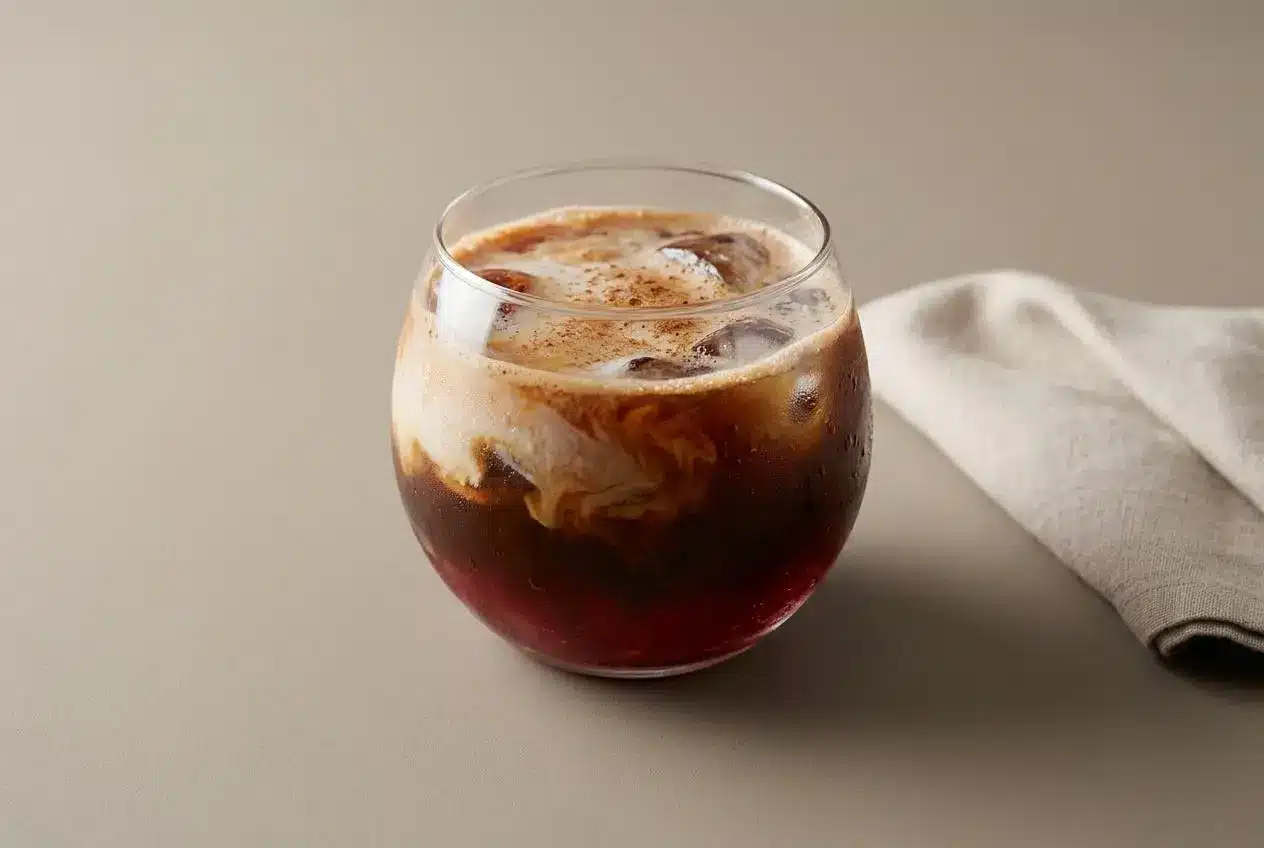
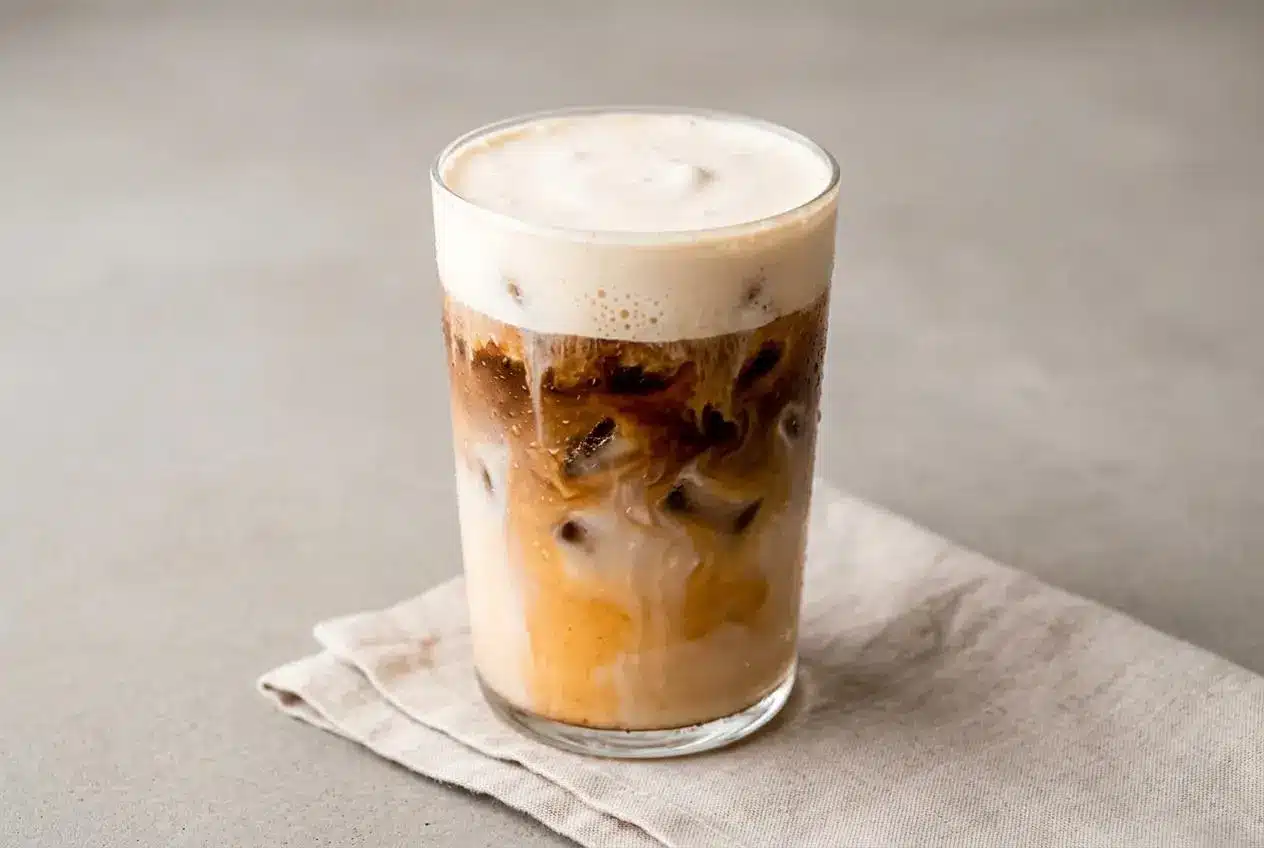
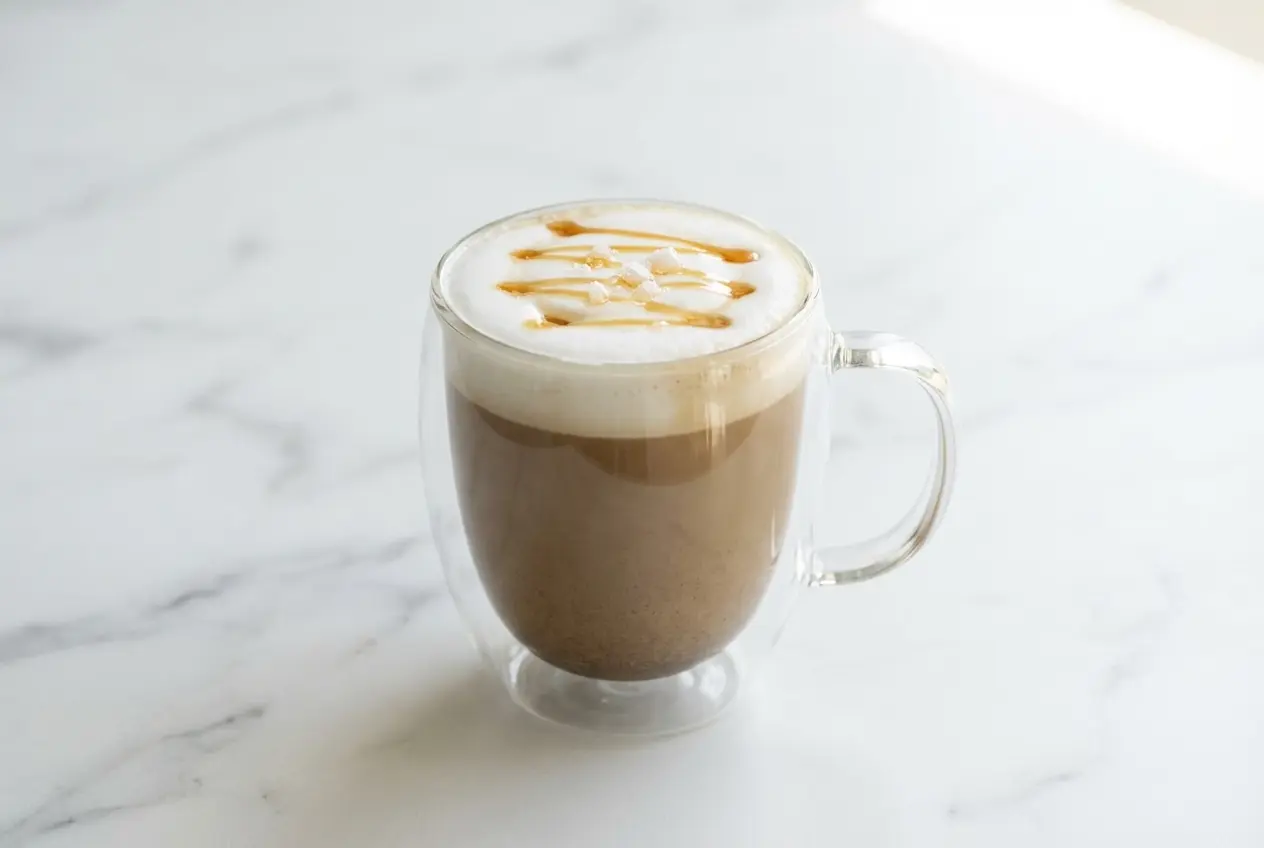
- Pour the milk into an empty glass first, then slowly pour the hojicha shot over the milk. For that pretty layered look, pour gently and aim for the center, you will see the toasted tea color settle in ribbons through the pale milk.
Secrets to a Perfectly Smooth Sip
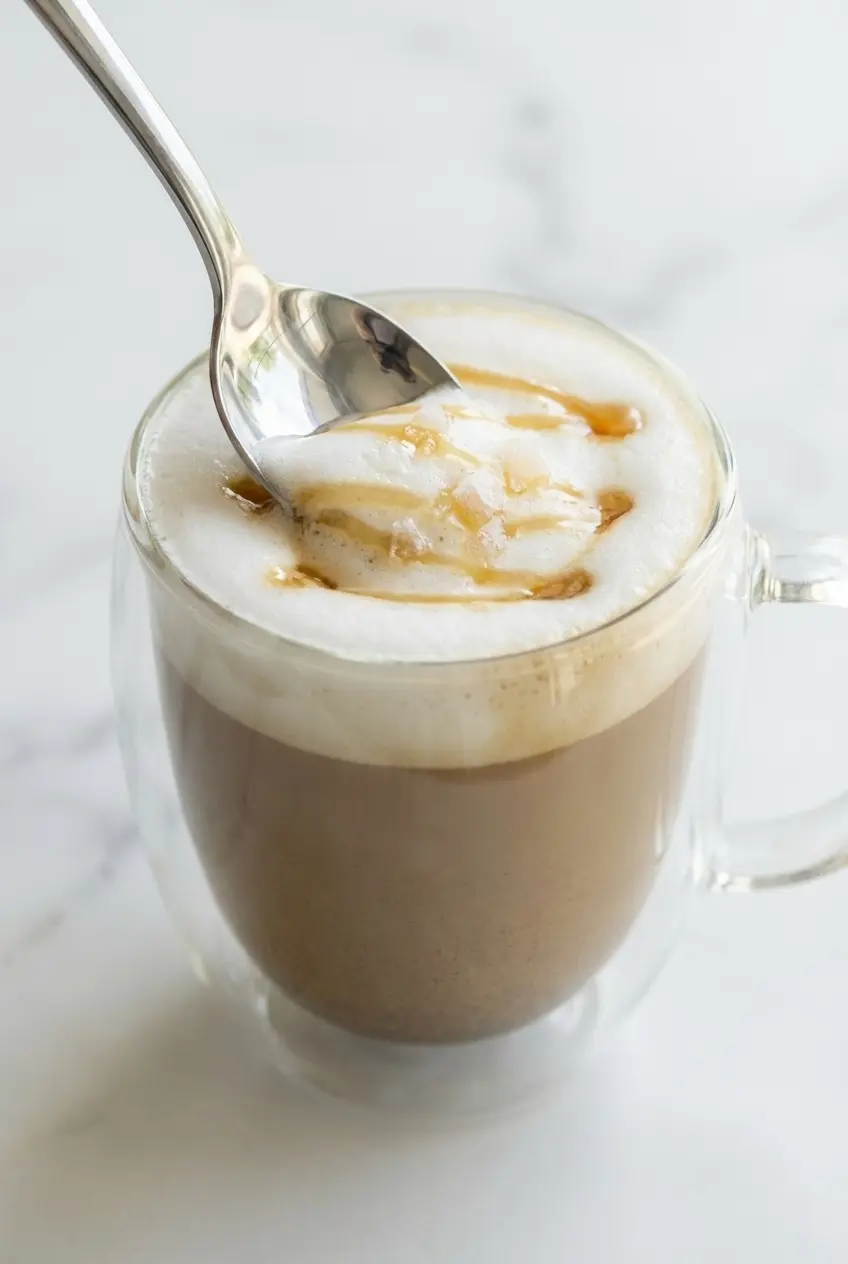
Temperature control: 190F (90C) is the upper limit I stick to for hojicha powder. Boiling water at 212F can push the roast into bitterness, but the right temperature keeps the flavor sweet, nutty, and rounded.
The sifting rule: Sifting hojicha powder is non-negotiable if you hate grit. Those tiny clumps are what create the sandy mouthfeel that makes a homemade latte feel “off,” even when the flavor is good.
Making your own powder: If you only have loose leaf hojicha, you can grind it in a spice grinder or use a mortar and pestle until it becomes as fine as you can manage. It will still be a touch more rustic than store-bought hojicha powder, but it gets you surprisingly close for a quick latte.
Pro Tips & Troubleshooting
Pro Tips
- A bamboo whisk (chasen) gives the smoothest texture, but a handheld electric frother is the next best tool for emulsifying hojicha powder fast.
- For an iced version, dissolve the powder in the hot water first, then pour over ice and cold milk so you avoid stubborn clumps.
- If you love sweet-salty desserts, this flavor balance feels as deep as miso caramel. That same sweet-savory contrast is what makes hojicha taste extra “caramelly” with just a pinch of salt.
Common Mistakes to Avoid
- Grainy texture usually means the powder was not sifted, or the water was too cool to fully dissolve it into a smooth shot.
- Weak flavor happens when the milk overwhelms the tea, especially if you pour in extra milk “just because.” If you want a stronger tea kick, keep the ratio tight and focus on whisking the hojicha shot thoroughly.
- Flat foam can come from older powder that has lost aroma, or milk that was not warmed to about 150F (65C) before frothing.
Serving & Storage
Serving Ideas
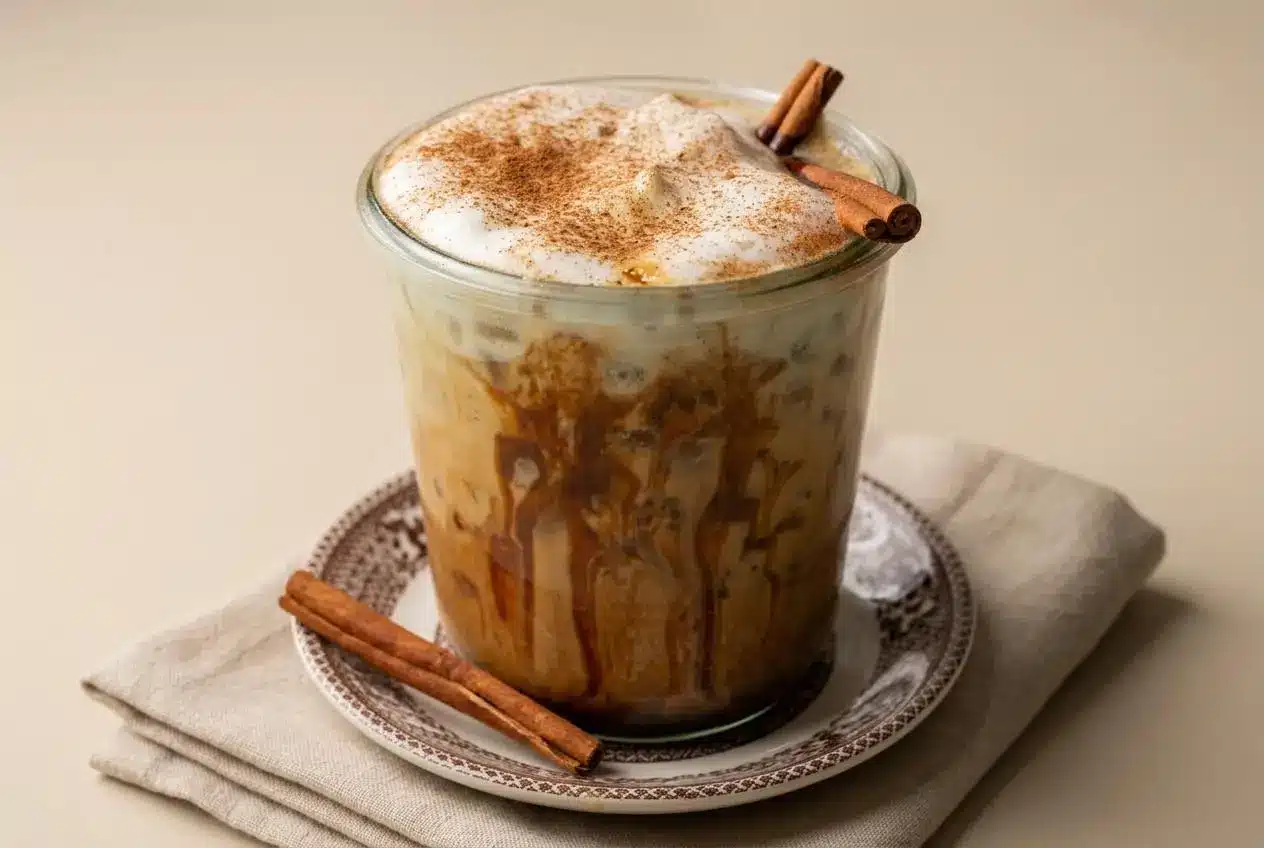
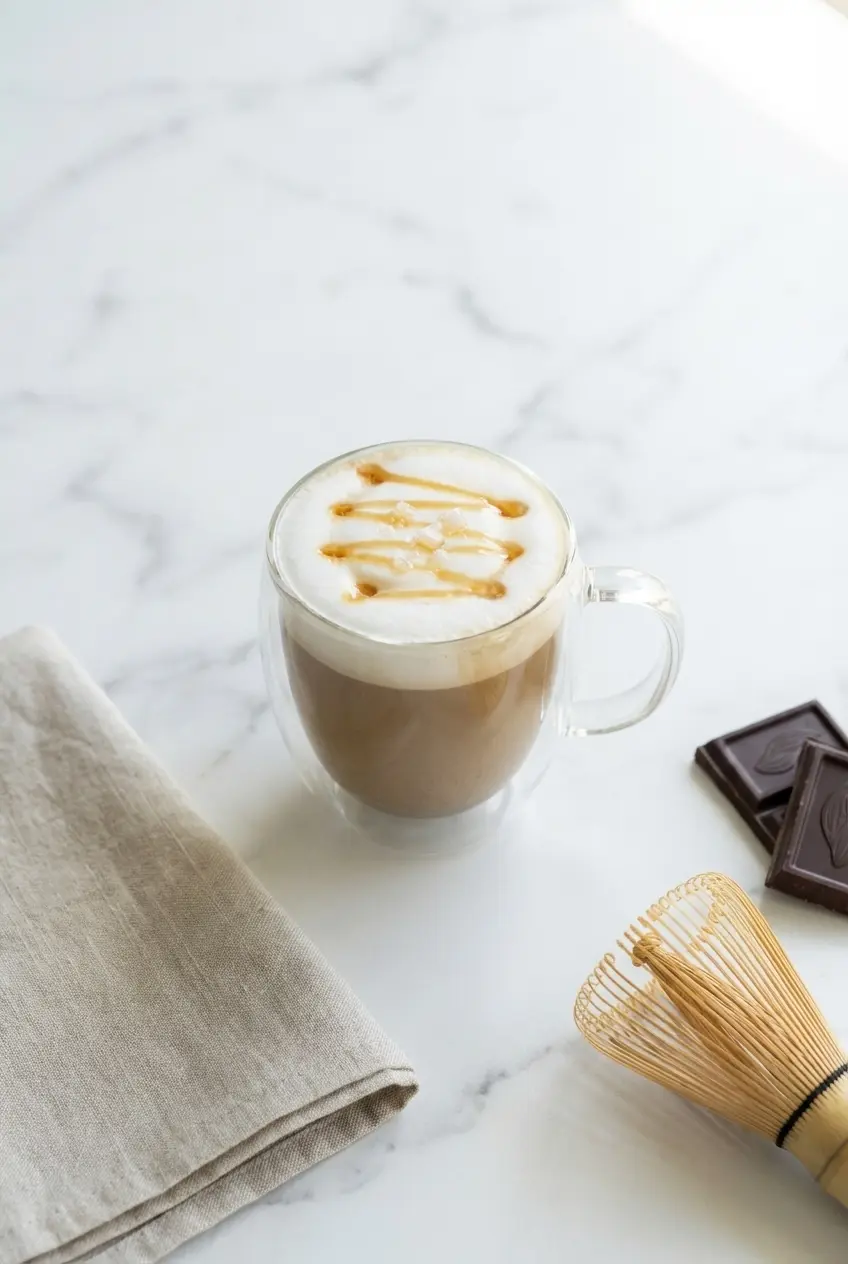
I like a tiny dusting of hojicha powder on the foam, or a pinch of cinnamon for a bakery-style aroma. The roasted green tea notes also pair beautifully with dark chocolate or butter cookies, especially when you want that cozy, bittersweet contrast.
Something creamy and spiced alongside is pure comfort, and a slice of biscoff cheesecake plays up hojicha’s caramel roast in the most satisfying way. The cookie-like spice makes the latte taste even toastier.
Storage & Make-Ahead
Hojicha powder loses its aroma faster than matcha because of the roasting, so I keep it airtight in a cool, dark place. The fridge seems smart, but moisture and food odors can dull the flavor.
This drink is best fresh, since foam collapses as it sits and the layers blur. If you need a head start, you can pre-measure the hojicha powder, but whisk it only when you are ready to drink.
Cozy Hojicha Latte Recipe

Equipment
- Bamboo whisk (Chasen)
- Small bowl (chawan)
- Milk frother
Ingredients
- 2 tsp Hojicha powder
- 6 oz milk 180 ml
- 2 oz hot water at 190F or (90C) 60 ml
- 1 tsp brown sugar (or your preferred choice of sweetener)
Instructions
Make the hojicha shot
- Set a small bowl (a chawan if you have one) on the counter and take a moment to warm it with a splash of hot water, then discard the water. A warm bowl helps the hojicha powder blend smoothly instead of grabbing onto the sides.
- Sift 2 tsp Hojicha powder into the bowl so it falls like fine, cocoa-colored dust. This one step is the difference between velvety and gritty.
- Pour in 2 oz/60 ml hot water at 190F (90C). As the water hits the powder, you should smell roasted wood, toasted nuts, and a caramel-like warmth blooming up immediately.
- Add a tiny pinch of sea salt, then whisk with a bamboo whisk (chasen) in a quick zig-zag W motion until the surface looks lightly foamy and the drink looks uniform, no speckles or dry pockets. If you do not have a whisk, shake the hojicha powder and hot water in a bottle for about 30 seconds until smooth and glossy.
Sweeten, froth, and assemble
- Heat 6 oz/180 ml milk to about 150F (65C), it should feel hot but not scalding, and smell sweet and creamy. Stir in 1 tsp of brown sugar (or your preferred choice of sweetener) so it fully dissolves, then froth with a machine, whisk, or handheld frother until you see fine microfoam on top.
- Pour the milk into an empty glass first, then slowly pour the hojicha shot over the milk. For that pretty layered look, pour gently and aim for the center, you will see the toasted tea color settle in ribbons through the pale milk.
Notes
Nutrition
Conclusion
This hojicha latte is the kind of cozy that feels like lowering your shoulders after a long day, all toasted, creamy warmth in a glass. If you lean into the salted maple twist, you will taste that caramel glow hiding inside the roast.
Keep it simple the first time, then adjust the sweetness and milk choice to fit your mood. Once you fall for hojicha, it becomes a small daily ritual, quiet, fragrant, and completely yours.