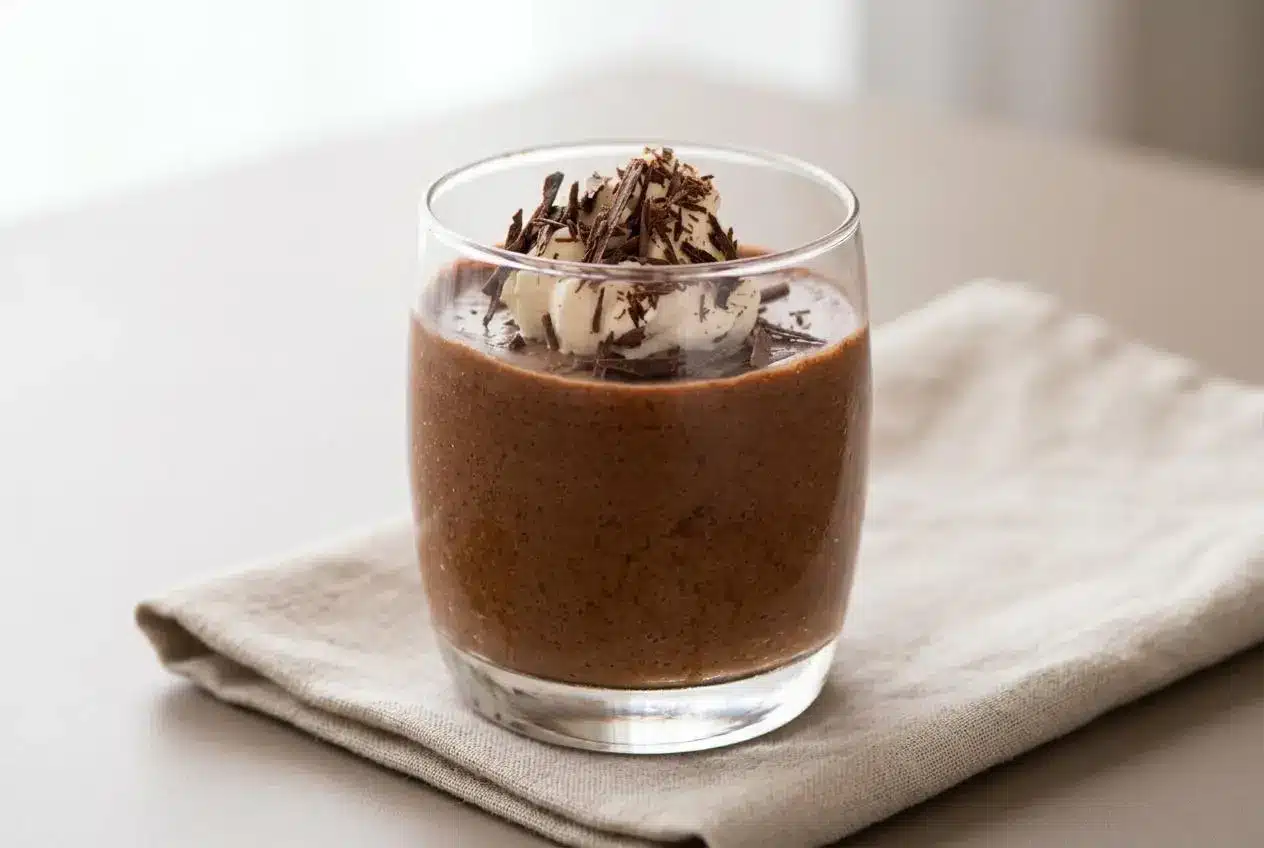
Classic French mousse combines melted dark chocolate, whipped cream, egg yolks, and firm egg whites, then chills for at least 6 hours into a rich dessert with a light, airy texture.
This chocolate mousse has a deep cocoa flavor and a delicate spoonable texture that feels rich without becoming heavy. The key is keeping the chocolate fluid and folding gently so the trapped air stays put.
Each bite should feel silky at first, then melt into a soft chocolate cloud. The folding is where the magic happens.
Set out a clean, dry bowl and beaters for the egg whites, since even a trace of grease can weaken their volume.
Ingredients and the Science Behind Mousse Structure
Every ingredient contributes to the mousse’s structure: chocolate provides firmness, eggs create lift, cream adds silkiness, butter enriches the base, and sugar supports the whipped egg whites.
- 3 eggs (~55g/2 oz each)
- 125g / 4.5 oz 70% cocoa chocolate or bittersweet chocolate, break or cut into small 1 cm / 0.2" pieces
- 10g / 0.3 oz unsalted butter
- 1/2 cup cream, full fat
- 3 tbsp caster sugar (superfine white sugar)
Decorations
- More whipped cream
- Chocolate shavings
The chocolate and butter make the base smooth and rich. Whipped cream softens the dark chocolate’s intensity, while yolks add body. Whipped egg whites supply the airy structure that gives classic French mousse its signature lift.
I look for a 70% chocolate bar that snaps cleanly and melts glossy, since that usually gives the mousse a balanced flavor and dependable set.
Choosing the Right Chocolate and Cocoa Percentage
Dark chocolate around 70% cocoa gives this mousse enough cocoa butter to firm up in the refrigerator without gelatin. Cocoa butter sets as it cools, creating a texture that holds on a spoon while still melting smoothly on the tongue.
Bittersweet baking chocolate works well because it melts evenly and has a clean chocolate flavor. Candy bars can contain extra sugars, fillings, or fats that change the structure. Some chocolate chips also resist melting smoothly, which can leave the mousse loose, oily, or grainy.
If you prefer a less intense dessert, choose a bittersweet chocolate closer to 60% cocoa. It will taste sweeter and set a little softer than a 70% bar.
Cold Separation Versus Room Temperature Whipping for Eggs
Separate the eggs while they are cold from the refrigerator. Cold yolks are firmer and less likely to break into the whites, which matters because yolk fat can prevent the whites from reaching full volume.
Let the whites sit while preparing the chocolate and cream. Slightly warmer whites whip with more volume, giving the mousse a lighter finish. For anyone avoiding raw or lightly cooked eggs, use pasteurized shell eggs. The FDA specifically lists chocolate mousse among foods that may contain raw eggs and advises using pasteurized products or heating egg mixtures when adapting these dishes for higher-risk diners. Pasteurized egg options for chocolate mousse can reduce the concern around uncooked eggs.
Heavy Cream Fat Ratios for Stiff Aeration
Use full-fat heavy cream, not milk, half-and-half, or lower-fat pouring cream. The fat in heavy cream stabilizes the whipped structure and gives the finished mousse its plush, silky body.
Whip the cream only to stiff peaks. At that stage, it should hold a peak when the beaters lift away but still look smooth and glossy. Overworking it pushes the fat together, turning the cream grainy and eventually buttery.
How to Make Chocolate Mousse Step by Step
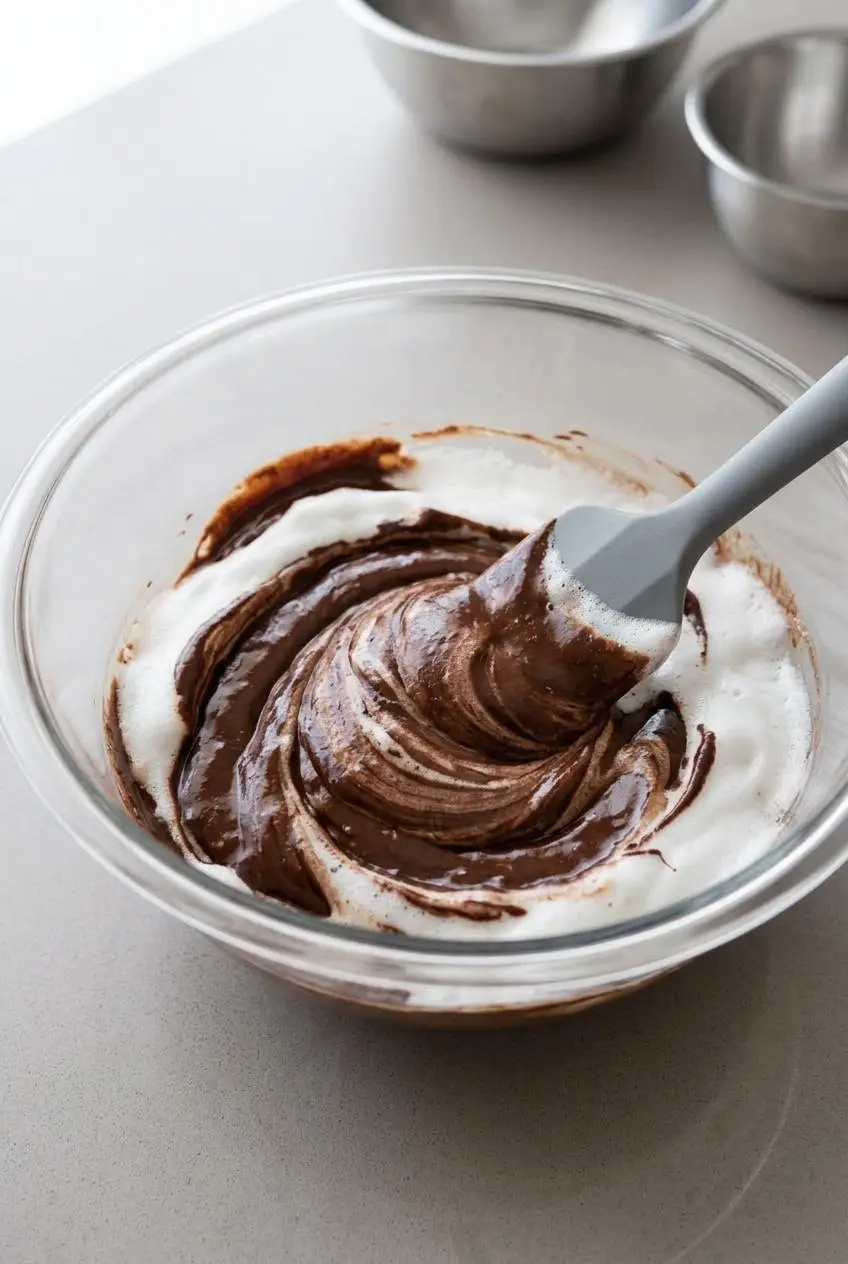
This method works because each airy component is prepared separately, then folded together with a light hand. Keep the bowl movements calm and deliberate. Beating after the mixtures meet will knock out the air you worked to build.
Preparation and Whipping
- Separate the cold eggs, placing the whites in a large bowl and the yolks in a small bowl.
Keep the yolks intact and leave the whites on the counter while preparing the remaining components. - Whisk the egg yolks until they become evenly blended.
The mixture should look smooth and uniform, with no separate streaks of yolk. - Put the chocolate and butter in a microwave-proof bowl, then heat in 20-second intervals, stirring after each interval.
Stop when the mixture is glossy and smooth, then let it cool while remaining fluid enough to pour. - Beat the full-fat cream until it holds stiff peaks.
The peak should stand when the beaters are lifted, while the cream still looks smooth rather than curdled. - Wash and dry the beaters, then add the caster sugar to the egg whites and whip them to firm peaks.
The whites should stand tall with tips that bend gently over, like the end of a floppy hat.
Fold Together All Ingredients
- Use a rubber spatula to fold the whisked yolks into the whipped cream, stopping after no more than 8 folds.
A few pale streaks are fine and show that the cream has not been overworked. - Check that the melted chocolate is between 35°C / 95°F and 40°C / 104°F, warming it in 5-second microwave bursts if it has thickened.
It should flow in a ribbon from the spatula rather than fall in heavy clumps. - Pour the fluid chocolate into the cream and yolk mixture, then fold no more than 8 times.
Leave a few streaks behind rather than trying to make the mixture perfectly uniform at this stage. - Add 1/4 of the whipped egg whites to the chocolate mixture and fold until incorporated, aiming for about 10 folds.
Sweep the spatula across the bowl surface to break up any dense clusters of egg white. - Transfer the chocolate mixture to the remaining egg whites and fold until no obvious white patches remain, using no more than about 12 folds.
The mousse should feel light against the spatula, with a faint crackly sound from the airy foam. - Divide the mousse among 4 small glasses or pots and refrigerate for at least 6 hours, preferably overnight.
The surface will become gently firm while the center stays soft and spoonable. - Finish each portion with more whipped cream and chocolate shavings before serving.
The contrast of pale cream and dark shavings makes the deep chocolate color stand out.
Melting Chocolate and Managing Critical Temperatures
Chocolate that is too hot can tighten the mixture, cook the yolks, and soften the whipped cream. Chocolate that is too cool can set into tiny flecks before it blends. Aim for the 95°F to 104°F range so it remains pourable without shocking the cold dairy and eggs.
A microwave is convenient here, but brief heating intervals matter. Stir well after each burst because chocolate can hold its shape even when the center has melted. Stop as soon as the last pieces dissolve into a glossy mixture.
Whipping Whites to the Floppy Elf Hat Cue
Firm peaks with soft, curved tips are the sweet spot. When you lift the beaters, the whites should stand upright, but the very tip should curl over rather than point straight up.
Dry, over-whipped whites look dull, clumpy, and cottony. They resist folding and can leave stubborn white bits in the mousse. Stop before that stage, when the foam is smooth, resilient, and still slightly flexible.
Mastering the Gentle Folding Sequence
Start by folding only a quarter of the whites into the chocolate mixture. This loosens the dense base so it can accept the remaining foam without crushing it. Use the spatula to cut down the center, sweep along the bottom, and turn the mixture over itself.
The fold limits are useful guardrails: about 8 folds for the yolks and cream, 8 folds after adding chocolate, 10 folds for the first portion of whites, and up to 12 folds for the final combination. Stop as soon as the color is even and white streaks disappear.
Essential Troubleshooting for Runny or Grainy Mousse
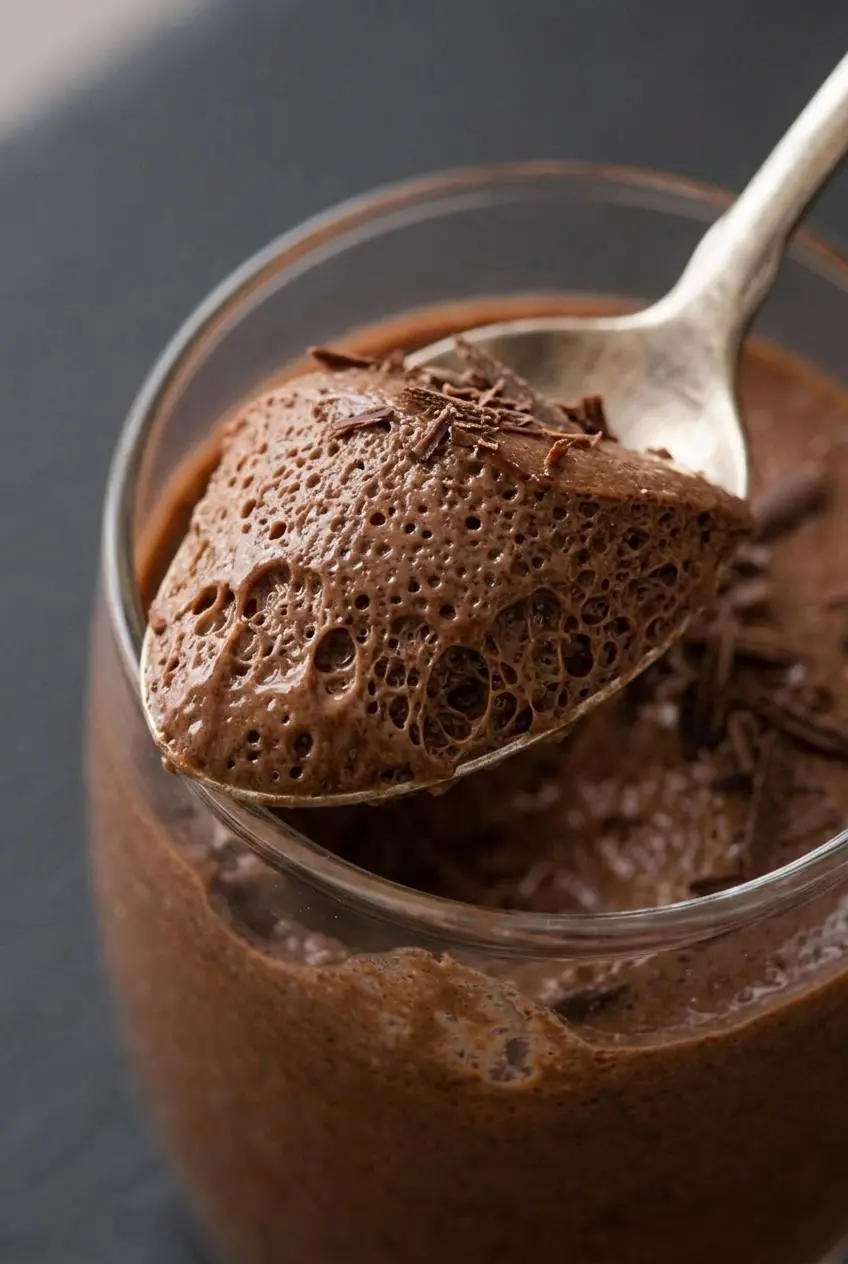
Most mousse problems come down to temperature, whipping, or folding. These fixes can help you identify what happened before the mousse reaches the refrigerator.
- Seized or thick chocolate: Chocolate can seize when overheated or exposed to a sudden temperature change. Warm it very gently with a little of the butter already used in the mousse until it becomes fluid again. For future batches, focus on melting chocolate smoothly before it meets the cream.
- Grainy mousse: Graininess often means the chocolate was too cool and began setting in flakes, or the cream was whipped past its smooth peak stage. Keep the chocolate fluid at the stated temperature range and stop whipping cream as soon as it holds its shape.
- Runny mousse: The egg whites may have been under-whipped, the chocolate may have been too warm, or the mixture may simply need its full chilling period. Give the mousse at least 6 hours to let the cocoa butter firm and the air bubbles stabilize.
- Dense mousse: Aggressive stirring deflates the egg whites. Fold with broad, patient turns of a rubber spatula, scraping along the bowl bottom so the heavier chocolate base rises through the foam.
- Dry egg white lumps: Whites whipped too far can turn stiff and clumpy. Smear the spatula gently across the side of the bowl during the first fold to disperse small lumps without pressing all the air out.
Easy Variations for Egg-Free and Quick Mousse Options
These optional alternatives satisfy a different kind of chocolate craving. They are convenient and delicious, but their texture differs from the light, egg-aerated structure of classic French mousse.
Egg-Free Three Ingredient Quick Mousse Option
For an egg-free option, melt chocolate chips until smooth, let them cool until fluid, then fold them into freshly whipped heavy cream. The chocolate needs to be cool enough that it does not melt the whipped cream, yet loose enough to blend without forming flecks.
This version tastes rich and creamy, with a denser, more truffle-like mouthfeel than the classic mousse. It works well when pasteurized eggs are unavailable or when you prefer to avoid eggs entirely. For another fast dessert direction, try chocolate marshmallow mousse.
Five Minute Cocoa Powder Whipped Mousse Hack
For a very fast dessert, whip cold heavy cream with sifted cocoa powder and powdered sugar until it reaches stiff peaks. Sifting matters because cocoa powder can form bitter lumps that are hard to break apart once the cream thickens.
This creates chocolate whipped cream rather than a traditional mousse. It is lighter in cocoa butter, softer in structure, and best enjoyed soon after whipping. It is a handy option when you want a chocolate dessert without melting a bar.
White or Milk Chocolate Adaptations
Milk and white chocolate contain more sugar than dark chocolate, so reduce the added sugar when adapting the flavor. Their sweeter profile also benefits from a small pinch of flaky sea salt or tart berries at serving time.
- Milk chocolate: Expect a sweeter, softer mousse with a mild cocoa flavor.
- White chocolate: Expect a creamy vanilla-like sweetness and a pale, richer finish.
- Layered desserts: White chocolate works especially well in a white chocolate mousse cake, where its sweetness can balance a more bitter layer.
Make-Ahead Timeline, Storage, and Serving Ideas
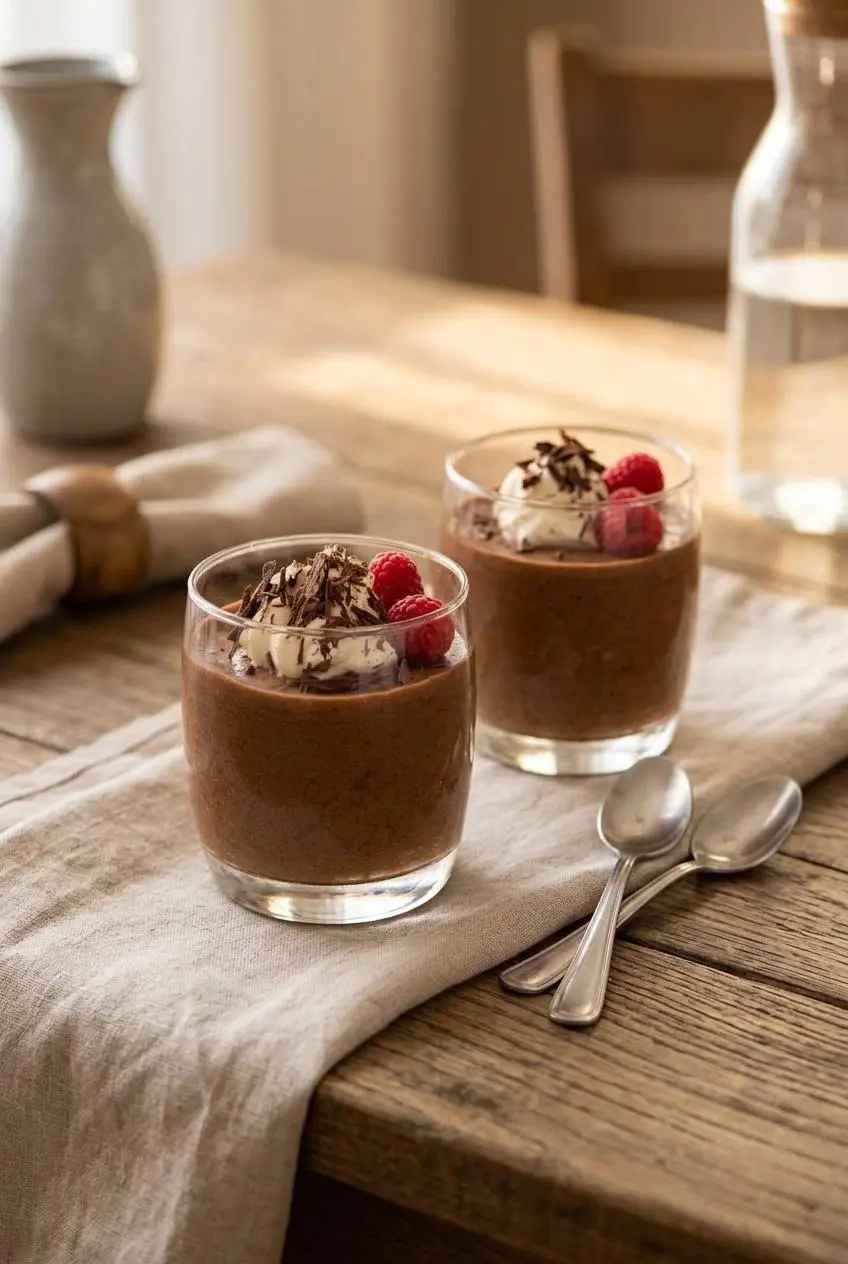
Chill the filled mousse cups for at least 6 hours, preferably overnight, so the chocolate structure can settle fully. Cover each cup tightly while it chills to protect the delicate flavor from refrigerator odors and to keep the surface from drying out.
This mousse is at its airiest during the first couple of days after chilling. Keep it refrigerated until serving, especially because it contains eggs and dairy. Avoid leaving individual cups sitting out for extended periods, and use pasteurized eggs if serving people who may be more vulnerable to foodborne illness.
For serving, add the whipped cream and chocolate shavings just before bringing out the cups. Fresh raspberries or strawberries cut through the richness beautifully. Flaky sea salt adds contrast, while a tiny amount of ground cardamom or orange zest stirred into warm chocolate can give the dessert a fragrant edge.
The mousse is sturdy enough to use as a chilled filling between sponge cake layers, although it will be softer than a buttercream-style filling. For a more structured layered dessert, chocolate mousse cheesecake is a natural next project.
Conclusion
This chocolate mousse delivers deep dark-chocolate flavor with a light, silky finish. Keep the melted chocolate fluid but not hot, and fold the egg whites gently to protect every bit of lift.
Give the cups a proper chill, then finish them with cream, chocolate shavings, and a bright berry if you like. A little patience turns a bowl of chocolate into something wonderfully elegant.
Frequently Asked Questions
Is It Safe to Make Chocolate Mousse With Raw Eggs?
Raw or lightly cooked eggs can be a concern for pregnant people, young children, older adults, and anyone with a weakened immune system. Pasteurized shell eggs are a practical alternative for this mousse. Keep the finished dessert chilled and serve it promptly. Good handling reduces risk, but no raw egg preparation is entirely risk-free.
Why Is My Chocolate Mousse Runny and Not Setting?
Runny mousse usually comes from under-whipped egg whites, chocolate that was too hot when combined, or folding that deflated the foam. The mousse also needs at least 6 hours of refrigeration to set properly. For the next batch, whip whites to firm peaks with curved tips, cool the chocolate to 95°F to 104°F, and fold only until the mixture is evenly combined.
What Is the Best Chocolate Percentage to Use for Mousse?
Chocolate between 60% and 70% cocoa gives a balanced result. A 70% dark chocolate is especially good for a mousse that tastes deeply chocolatey and sets with a clean, silky texture. Very sweet chocolate can make the mousse softer and less intense, while extra-dark chocolate can become more bitter and firmer as it chills.
How Long Does Homemade Chocolate Mousse Last in the Fridge?
Keep the mousse covered tightly and refrigerated until serving. Its texture is lightest soon after it has fully chilled, so it is a good dessert to prepare close to the time you plan to serve it. Because this version contains eggs and dairy, keep portions chilled and use careful food-handling practices.
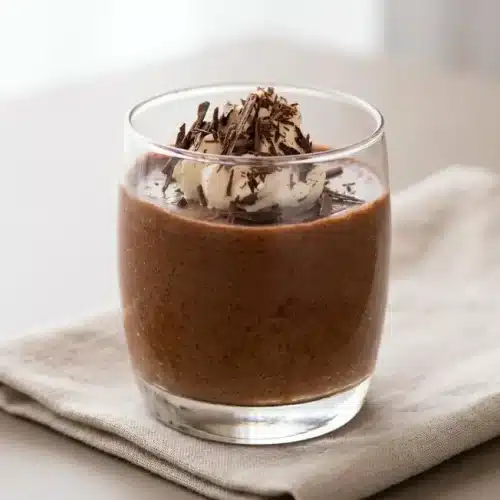
Chocolate Mousse

Equipment
- Microwave-proof bowl
- large bowl
- Small bowl
- electric whisks
- Rubber spatula
- small glasses or pots
Ingredients
- 3 eggs (~55g/2 oz each)
- 125 g / 4.5 oz 70% cocoa chocolate or bittersweet chocolate break or cut into small 1 cm / 0.2″ pieces
- 10 g / 0.3 oz unsalted butter
- 1/2 cup cream full fat
- 3 tbsp caster sugar superfine white sugar
Decorations
- More whipped cream
- Chocolate shavings
Instructions
Preparation and Whipping
- Separate the cold eggs, placing the whites in a large bowl and the yolks in a small bowl. Keep the yolks intact and leave the whites on the counter while preparing the remaining components.
- Whisk the egg yolks until they become evenly blended. The mixture should look smooth and uniform, with no separate streaks of yolk.
- Put the chocolate and butter in a microwave-proof bowl, then heat in 20-second intervals, stirring after each interval. Stop when the mixture is glossy and smooth, then let it cool while remaining fluid enough to pour.
- Beat the full-fat cream until it holds stiff peaks. The peak should stand when the beaters are lifted, while the cream still looks smooth rather than curdled.
- Wash and dry the beaters, then add the caster sugar to the egg whites and whip them to firm peaks. The whites should stand tall with tips that bend gently over, like the end of a floppy hat.
Fold Together All Ingredients
- Use a rubber spatula to fold the whisked yolks into the whipped cream, stopping after no more than 8 folds. A few pale streaks are fine and show that the cream has not been overworked.
- Check that the melted chocolate is between 35°C / 95°F and 40°C / 104°F, warming it in 5-second microwave bursts if it has thickened. It should flow in a ribbon from the spatula rather than fall in heavy clumps.
- Pour the fluid chocolate into the cream and yolk mixture, then fold no more than 8 times. Leave a few streaks behind rather than trying to make the mixture perfectly uniform at this stage.
- Add 1/4 of the whipped egg whites to the chocolate mixture and fold until incorporated, aiming for about 10 folds. Sweep the spatula across the bowl surface to break up any dense clusters of egg white.
- Transfer the chocolate mixture to the remaining egg whites and fold until no obvious white patches remain, using no more than about 12 folds. The mousse should feel light against the spatula, with a faint crackly sound from the airy foam.
- Divide the mousse among 4 small glasses or pots and refrigerate for at least 6 hours, preferably overnight. The surface will become gently firm while the center stays soft and spoonable.
- Finish each portion with more whipped cream and chocolate shavings before serving. The contrast of pale cream and dark shavings makes the deep chocolate color stand out.