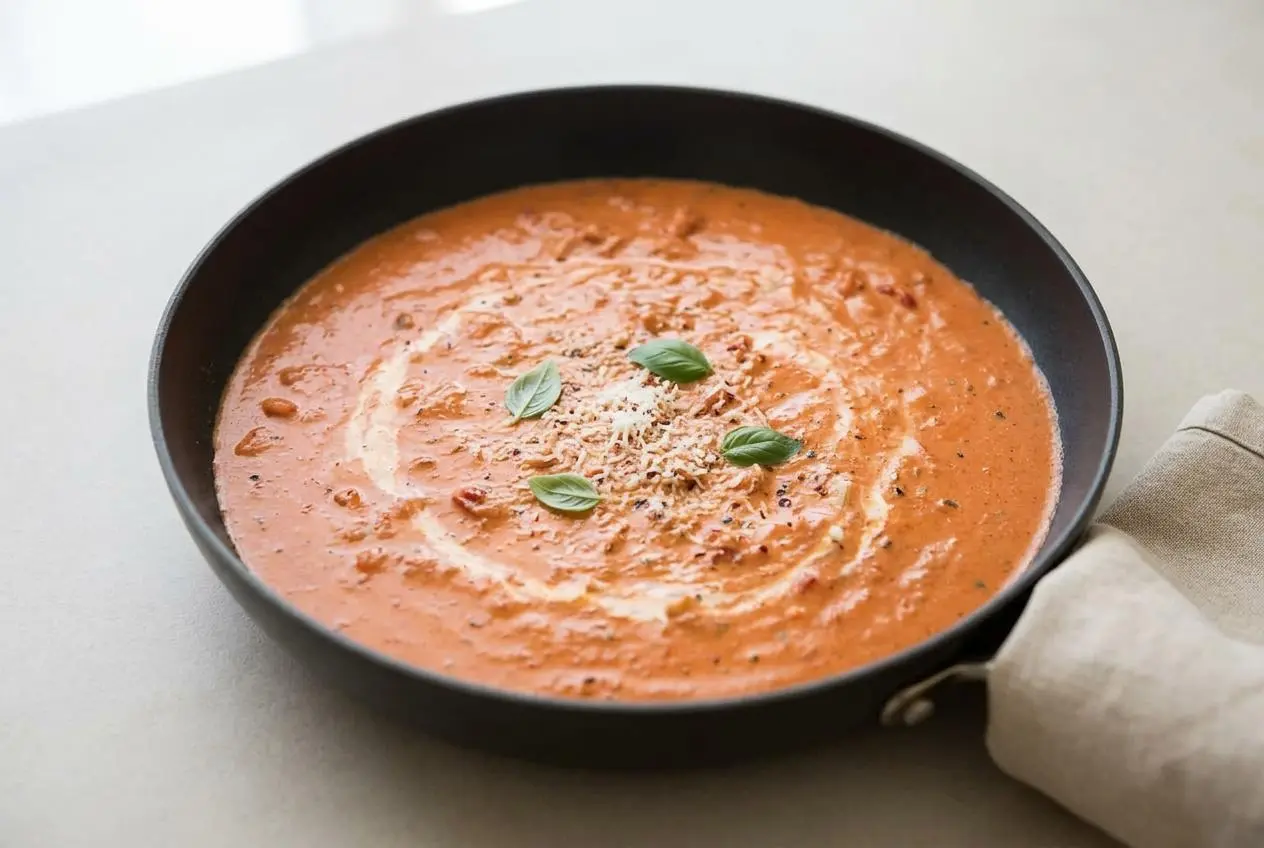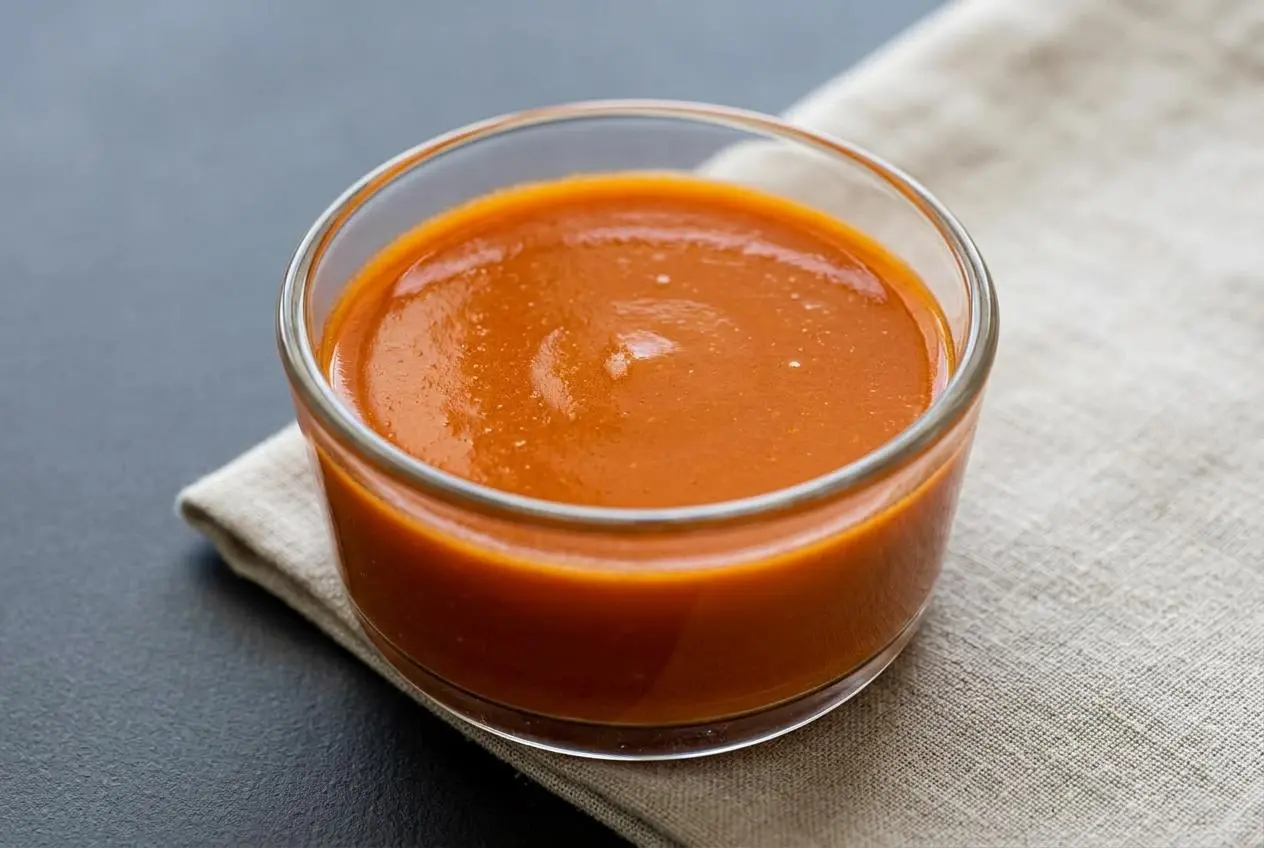
Buffalo sauce is a buttery, tangy emulsion made by warming cayenne pepper hot sauce and whisking in cold butter off the heat so it stays smooth and clingy instead of greasy.
Good buffalo sauce should taste sharp, peppery, and rich at the same time. The key difference between decent and restaurant-style comes down to heat control and how the butter is added.
This version stays velvety, glossy, and easy to drizzle, with enough savory depth to taste finished instead of flat. The cold-butter trick is the whole game.
Keep the butter cold and cubed until the second you need it.
The Difference Between Hot Sauce and Buffalo Sauce
If you have ever wondered whether these are the same thing, the short answer is no. Hot sauce is the base, and buffalo sauce is what happens when that base turns into a richer coating.
Hot sauce is usually a thin chili and vinegar liquid. It brings heat, acidity, and that sharp cayenne snap. On its own, it splashes and runs easily.
Buffalo sauce is a butter-based emulsion built from hot sauce. When the butter is whisked in properly, the sauce turns glossy, slightly thicker, and much rounder in flavor. The butter softens the vinegar edge, tones down the raw burn, and helps the sauce cling to wings, cauliflower, wraps, or pizza instead of sliding into an orange puddle at the bottom of the plate.
That cling matters. A good buffalo sauce should coat food in a thin, velvety layer, not separate into spicy liquid and floating oil.
Ingredients Explained: Choosing Your Base
Each ingredient has a job here, from heat and tang to body, aroma, and that smooth finish that makes the sauce feel complete.
- 1 1/4 cup Franks RedHot Sauce (or cayenne pepper sauce)
- 1 tablespoon apple cider vinegar
- 1/2 teaspoon garlic powder
- 1/2 teaspoon onion powder
- 1/2 teaspoon Worcestershire sauce
- 1/2 cup cold unsalted butter, cubed
- Salt to taste
Frank’s RedHot gives the classic buffalo flavor profile: tangy, cayenne-forward, and bright. Apple cider vinegar sharpens that flavor without making the sauce harsh. Garlic powder and onion powder fill in the middle so the sauce tastes savory, not one-note. Worcestershire adds dark, salty depth, while cold unsalted butter creates the body and sheen that make the sauce feel silky rather than thin.
I like to cut the butter into small cubes and keep it in the fridge right up until whisking time, because even a few minutes at room temperature makes the sauce slightly more likely to break.
The Role of Unsalted Butter
Cold unsalted butter is what turns hot sauce into buffalo sauce. As the cubes melt gradually into the warm liquid, they form a creamy emulsion that looks glossy and unified instead of oily.
Using unsalted butter also gives you better control over seasoning. Hot sauce and Worcestershire already bring salt, so starting with unsalted butter keeps the final balance easier to adjust.
This gentle whisking method is closely related to beurre monté, a classic way of suspending butter in warm liquid so it stays smooth. The finished sauce should look softly shiny and pour in a ribbon from a spoon or squeeze bottle.
If you want an optional stabilizing nudge, a tiny pinch of dry mustard powder can help support the emulsion. Keep it optional, though. The main recipe works without it.
Why Powdered Spices Trump Granulated
Fine powders dissolve more cleanly than coarse granulated seasonings, which matters in a smooth sauce like this. Garlic powder and onion powder blend into the liquid almost invisibly, so the texture stays silky.
Granulated garlic or onion tends to leave tiny bits behind. In a chunky rub that can be useful. In buffalo sauce, it often reads as gritty, especially once the sauce cools slightly.
If you want the sauce hotter, reach for cayenne powder instead of adding more hot sauce. It boosts heat without thinning the texture or pushing the vinegar too far.
The Secret Touch of Worcestershire
Worcestershire is the quiet ingredient that makes the sauce taste more rounded. It adds umami, a little fermented depth, and a savory bass note that balances the sharpness of the vinegar and cayenne.
Without it, the sauce can taste bright but slightly hollow. With it, the flavor lands with more depth and feels closer to what many people think of as restaurant-style buffalo sauce.
How to Make Buffalo Sauce
- Add the hot sauce, apple cider vinegar, garlic powder, onion powder, and Worcestershire sauce to a saucepan and warm the mixture over medium-low heat while whisking.
Stop the heat as soon as the sauce reaches a gentle simmer and looks evenly blended. - Take the pan off the burner and whisk in a few cubes of cold butter at a time, adding more only after the previous pieces have mostly melted.
The sauce should turn glossy, slightly thicker, and evenly orange with no oil slick on top. - Taste and adjust with salt if needed, then add cayenne powder if you want more heat.
Using cayenne keeps the flavor bold without making the sauce looser or more vinegary. - Transfer the finished sauce to a covered container and refrigerate it, preferably in a squeeze bottle for easy use.
Once chilled, it will firm up slightly but should loosen again with gentle reheating.
The Cold-Butter Method: How to Prevent Separation
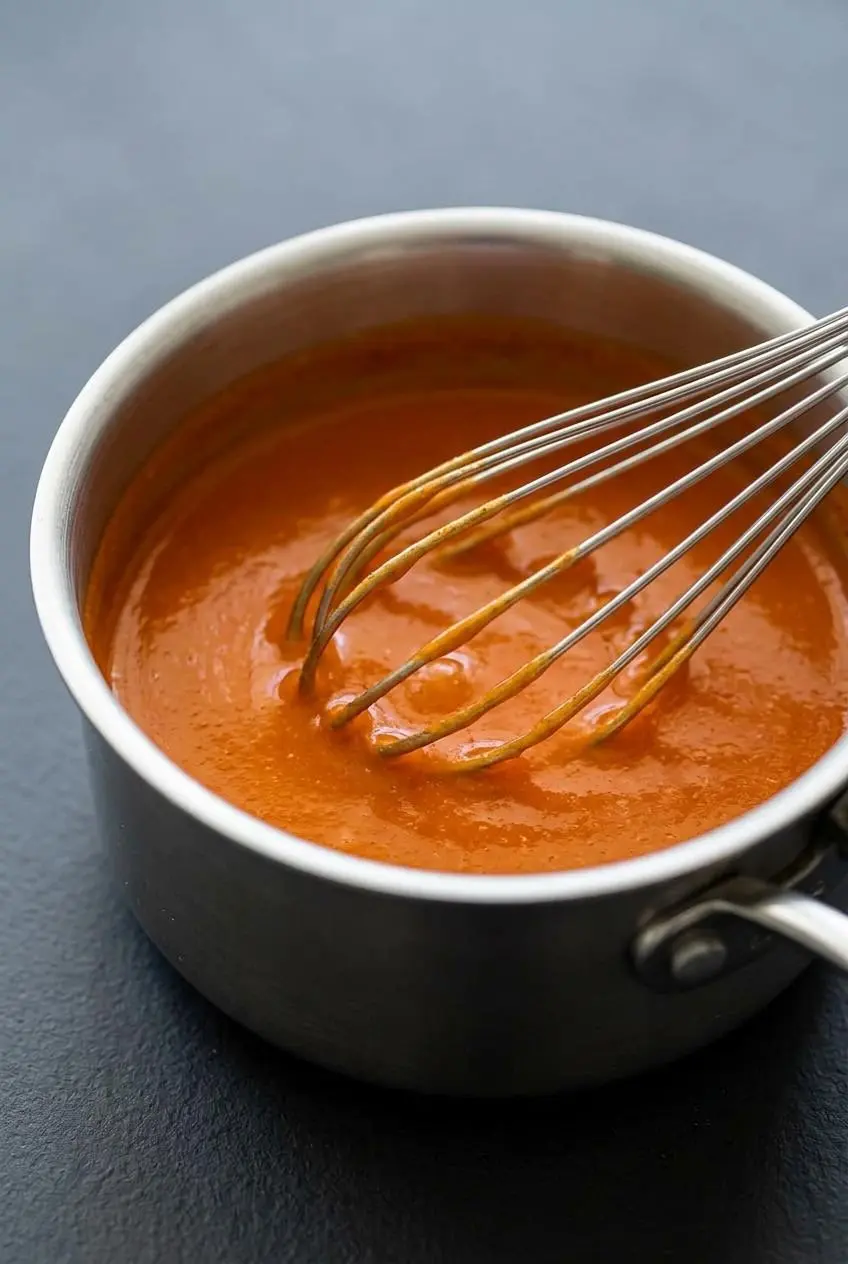
This is the part that saves the sauce. Buffalo sauce separates when the butter gets hotter than the emulsion can handle, so the fat breaks away and you end up with orange oil instead of a smooth coating.
The easiest way to prevent that is to use a beurre monté style approach. Warm the hot sauce base first, then turn off the heat and whisk in cold butter cubes gradually. Because the butter melts slowly into warm, not boiling, liquid, the fat droplets stay suspended through the sauce instead of pooling on top.
In practical kitchen terms, the burner should be off before the butter goes in. That moment matters more than any fancy whisking trick. If the pan keeps bubbling while you add the butter, the sauce is headed toward a split.
Look for these signs that the emulsion is working:
- The sauce looks glossy instead of greasy.
- It coats the back of a spoon in a thin, even film.
- When drizzled, it flows smoothly rather than breaking into streaks of oil.
- The color shifts to a more opaque orange instead of a clear red-orange.
A balloon whisk helps because it breaks the butter into smaller droplets more quickly. Slow, steady additions help too. Dumping in all the butter at once is one of the fastest ways to lose that smooth texture.
If you want more heat, do not pour in extra hot sauce after the emulsion is built. That can throw off both texture and flavor balance. A pinch of cayenne powder keeps the sauce thick and focused.
How to Fix a Broken Buffalo Sauce
If the sauce splits, it can usually be rescued. The goal is to cool it slightly and give the fat something to rejoin.
- Take the pan completely off the heat. If it is still on the burner, the sauce will keep breaking instead of coming back together.
- Whisk in a single tablespoon of ice-cold butter. Start with that small addition and whisk hard until the sauce turns glossy again.
- If it still looks oily, keep whisking before adding anything else. Often the emulsion needs agitation more than more ingredients.
- If the sauce regains a smooth, unified look, stop there. Overworking and reheating it right away can break it a second time.
Skip flour and cornstarch here. They may thicken the liquid, but they dull the clean buffalo flavor and do not solve the actual problem, which is a broken emulsion.
A rescued batch may look slightly softer than one that never broke, but it can still coat wings beautifully. The main thing is to reheat it gently after fixing it.
Storage and Reheating Guidelines
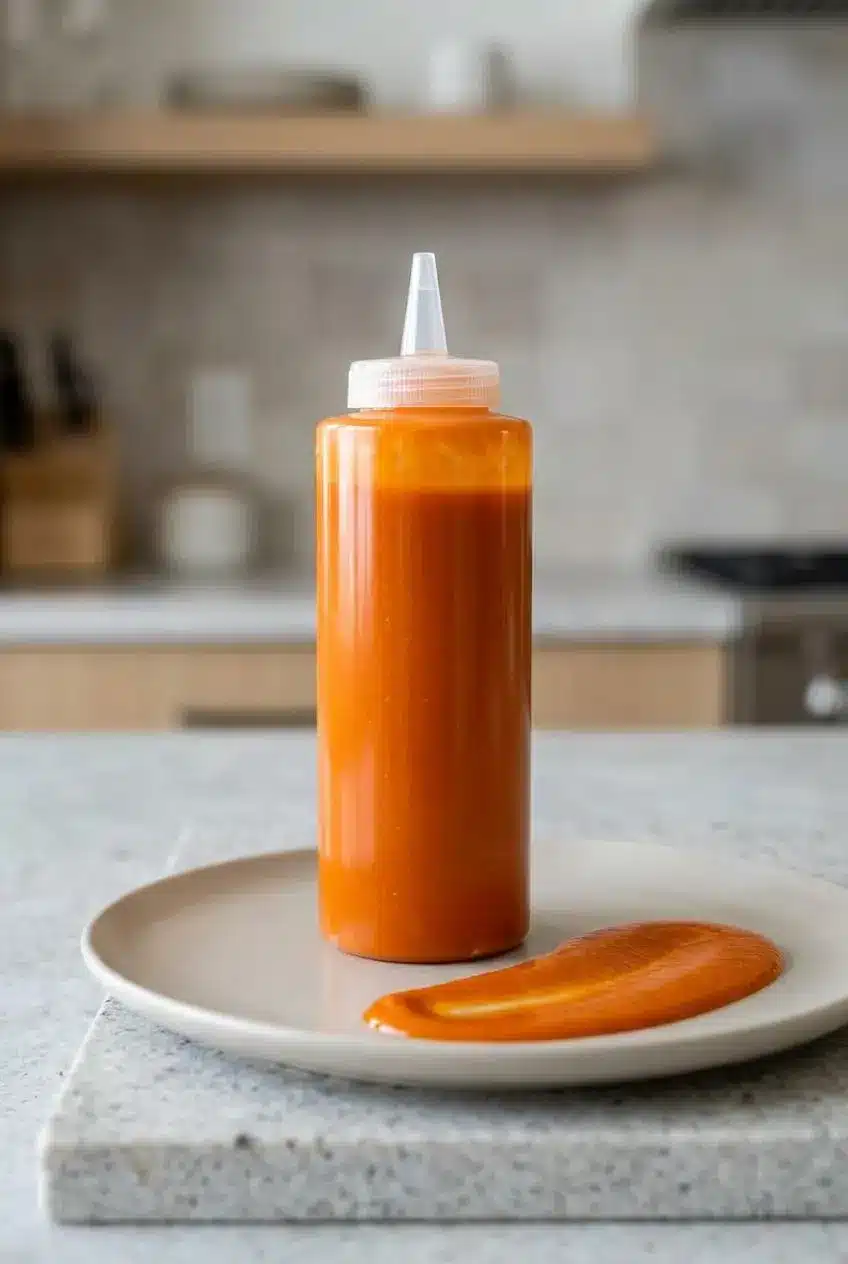
Once the sauce cools, store it covered in the refrigerator. A squeeze bottle works especially well because it makes drizzling and portioning much easier than reheating the whole batch every time.
The official recipe keeps it for up to 2 weeks. During that time, the butter will firm up in the cold, so the sauce may look thicker or slightly solid when you pull it from the fridge.
To bring it back, reheat gently either on the stovetop over low heat or in the microwave at low power. Whisk as it warms so the emulsion loosens evenly. Do not boil it during reheating, or the butter can split back out.
If you only need a little, warm a small portion instead of the whole container. That makes it easier to keep the texture smooth.
Flavor Variations to Try
Sweet Honey Buffalo Sauce
For a sweeter edge, whisk in a little honey after the sauce is finished and off the heat. Honey softens the sharp vinegar bite and gives the sauce a rounder sweet-spicy balance.
Because honey adds body as well as sweetness, this variation can feel slightly thicker and stickier on wings. Start small and taste as you go so the sauce still reads as buffalo first, sweet second.
Vegan Buffalo Sauce Swaps
A firm block-style plant-based butter is the best swap for a vegan version. It behaves more like dairy butter than a soft tub spread, so the sauce has a better chance of emulsifying smoothly.
Use the same cold-cube approach and keep the heat gentle. Some plant-based butters contain more water or oils, so the texture may be a little looser, but the method still works best when the butter goes in off the heat.
Pairing and Serving Ideas

This sauce shines most when it hits hot, crisp food. The warmth helps it spread in a thin glossy layer, while the butter keeps the coating from tasting sharp or watery.
Classic Chicken Wings
Toss warm crispy wings with the sauce right before serving so the coating stays shiny and light instead of soaking in too long. It works especially well on baked, fried, or air-fried wings with a craggy surface that catches every bit of sauce.
If you want a full meal idea, these boneless buffalo wings are a natural match for a fresh batch.
Vegetarian Cauliflower Wings
Buffalo sauce also works beautifully with roasted or battered cauliflower. The contrast is great: crisp edges, tender centers, and a spicy buttery coating that settles into all the little nooks.
For the best texture, sauce the cauliflower while it is still hot, but not so early that the crust goes soft.
Dips and Drizzles
Stir a spoonful into warm dip for extra tang, drizzle it inside wraps, or zigzag it over pizza and grain bowls. It is especially good in a creamy buffalo chicken dip, where the sharp heat cuts through rich cheese.
It also makes a great finishing drizzle for buffalo chicken wraps. In a squeeze bottle, the sauce flows in a smooth ribbon that is easy to control and hard to resist.
Conclusion
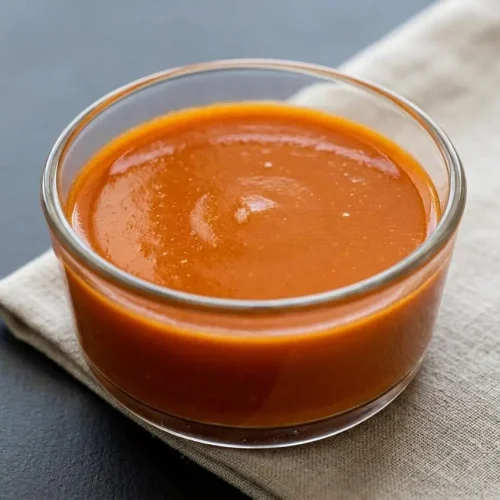
Homemade buffalo sauce gives you better flavor, better texture, and better control over the heat than a rushed butter-and-hot-sauce mix. The difference is especially clear once you see that glossy, velvety finish.
Keep the burner low, turn it off before the butter goes in, and whisk patiently. That one habit makes the sauce smooth enough to coat just about anything.
Frequently Asked Questions
What is buffalo sauce made of?
It is made from cayenne pepper hot sauce and butter. This version also uses apple cider vinegar, garlic powder, onion powder, and Worcestershire sauce for more depth. Those extra seasonings make the sauce taste rounder and more savory.
Why does my buffalo sauce separate?
It usually separates because the butter got too hot and broke into oil. Boiling after the butter goes in is the most common cause. Whisking cold butter into the warm sauce off the heat helps prevent the split.
Is buffalo sauce the same as hot sauce?
No. Hot sauce is the thin chili and vinegar base. Buffalo sauce is made by emulsifying that base with butter. The result is richer, smoother, and better at coating food.
How can I thicken buffalo sauce naturally?
Whisk in a little more cold butter while the sauce is off the heat. You can also let it cool slightly, which naturally firms the butter and thickens the texture. If you want more heat, use cayenne powder instead of extra hot sauce so the sauce does not get thinner.
Buffalo Sauce

Equipment
- Saucepan
- balloon whisk
- Squeeze bottle
Ingredients
- 1 1/4 cup Franks RedHot Sauce or cayenne pepper sauce
- 1 tablespoon apple cider vinegar
- 1/2 teaspoon garlic powder
- 1/2 teaspoon onion powder
- 1/2 teaspoon Worcestershire sauce
- 1/2 cup cold unsalted butter cubed
- Salt to taste
Instructions
- Add the hot sauce, apple cider vinegar, garlic powder, onion powder, and Worcestershire sauce to a saucepan and warm the mixture over medium-low heat while whisking. Stop the heat as soon as the sauce reaches a gentle simmer and looks evenly blended.
- Take the pan off the burner and whisk in a few cubes of cold butter at a time, adding more only after the previous pieces have mostly melted. The sauce should turn glossy, slightly thicker, and evenly orange with no oil slick on top.
- Taste and adjust with salt if needed, then add cayenne powder if you want more heat. Using cayenne keeps the flavor bold without making the sauce looser or more vinegary.
- Transfer the finished sauce to a covered container and refrigerate it, preferably in a squeeze bottle for easy use. Once chilled, it will firm up slightly but should loosen again with gentle reheating.