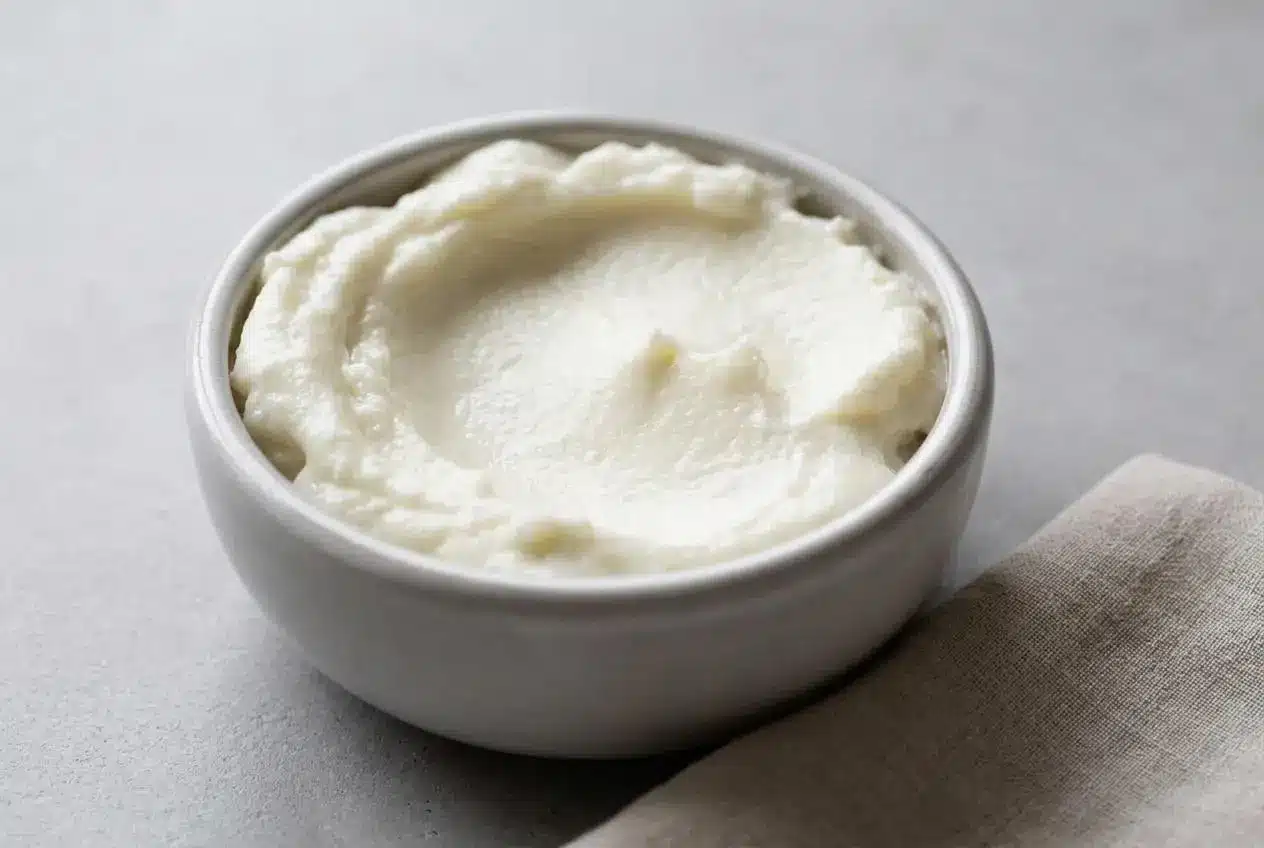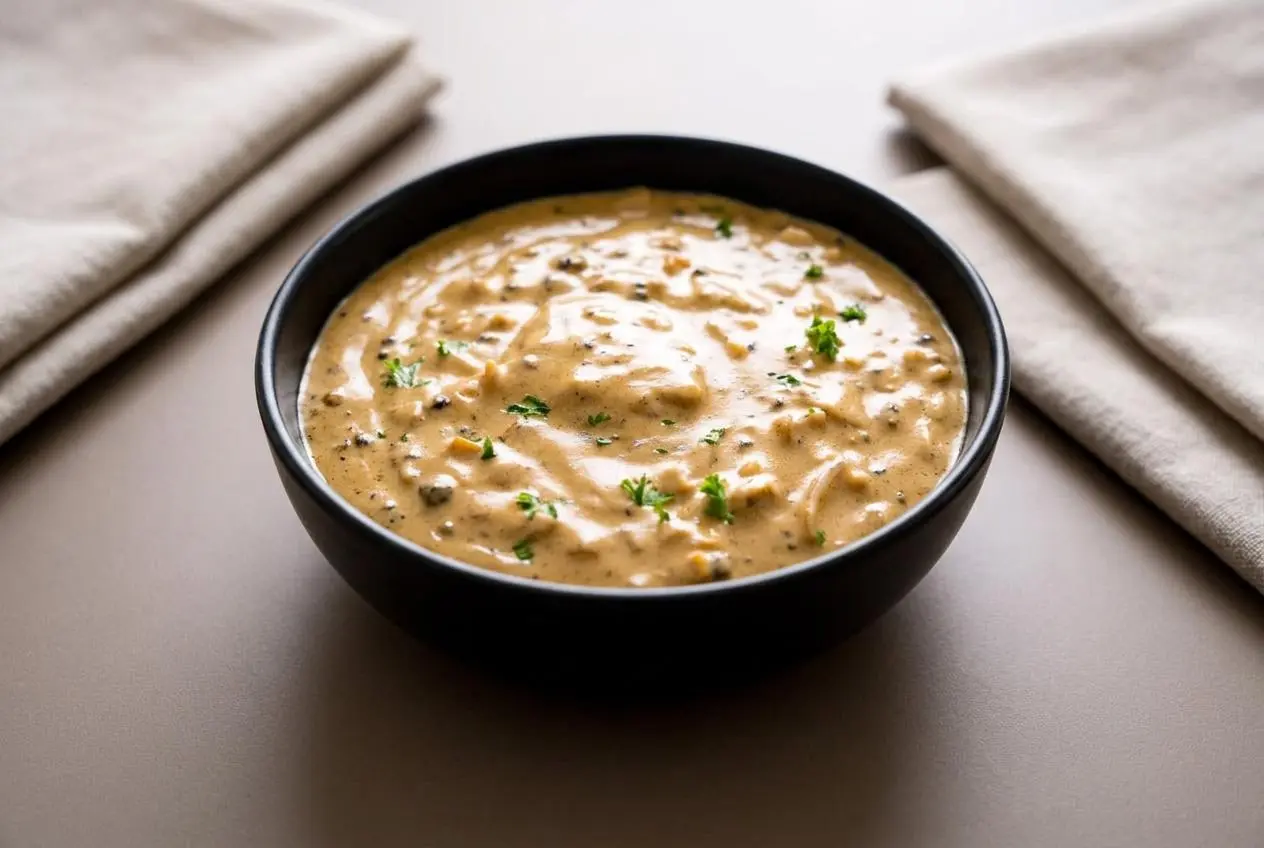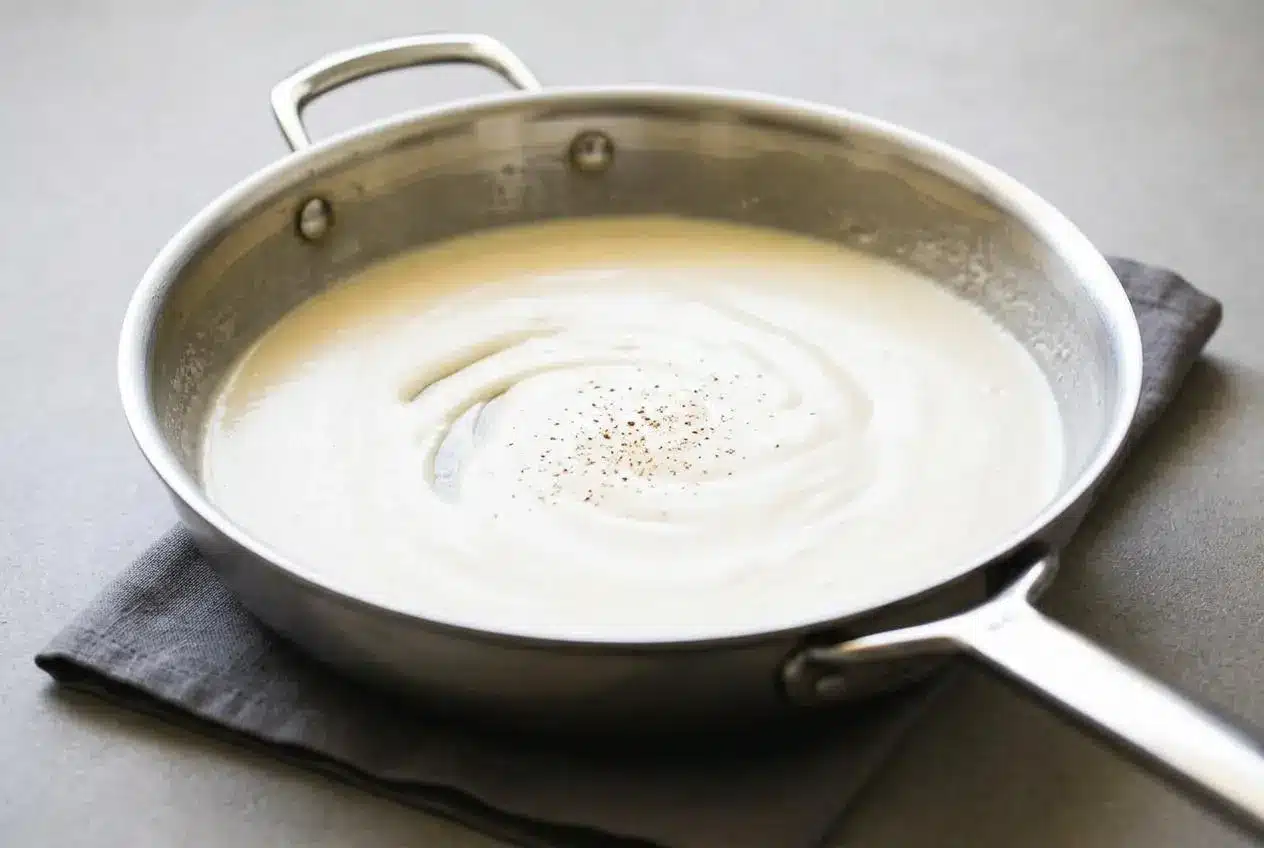
Bechamel sauce turns silky and smooth when you whisk warm milk into a pale butter and flour roux, then cook it gently until it coats a spoon.
Bechamel sauce is the classic white sauce that brings body, richness, and moisture to lasagna, gratins, casseroles, and plenty of weeknight pasta dishes.
It tastes buttery, mild, and lightly sweet, and once you know what the roux should look and smell like, it stops feeling fussy. The spoon test is the trick.
Warm the milk before you start, and keep a whisk nearby from the first pour to the last simmer.
Core Ingredients for Classic Bechamel
Each ingredient has a job here, from building the roux to creating a velvety texture, gentle richness, and balanced seasoning.
- 80 g (6 tbsp) unsalted butter
- 80 g (2/3 cup) all purpose flour
- 800 ml (3 1/3 cups) whole milk
- 1/4 tsp fine sea salt
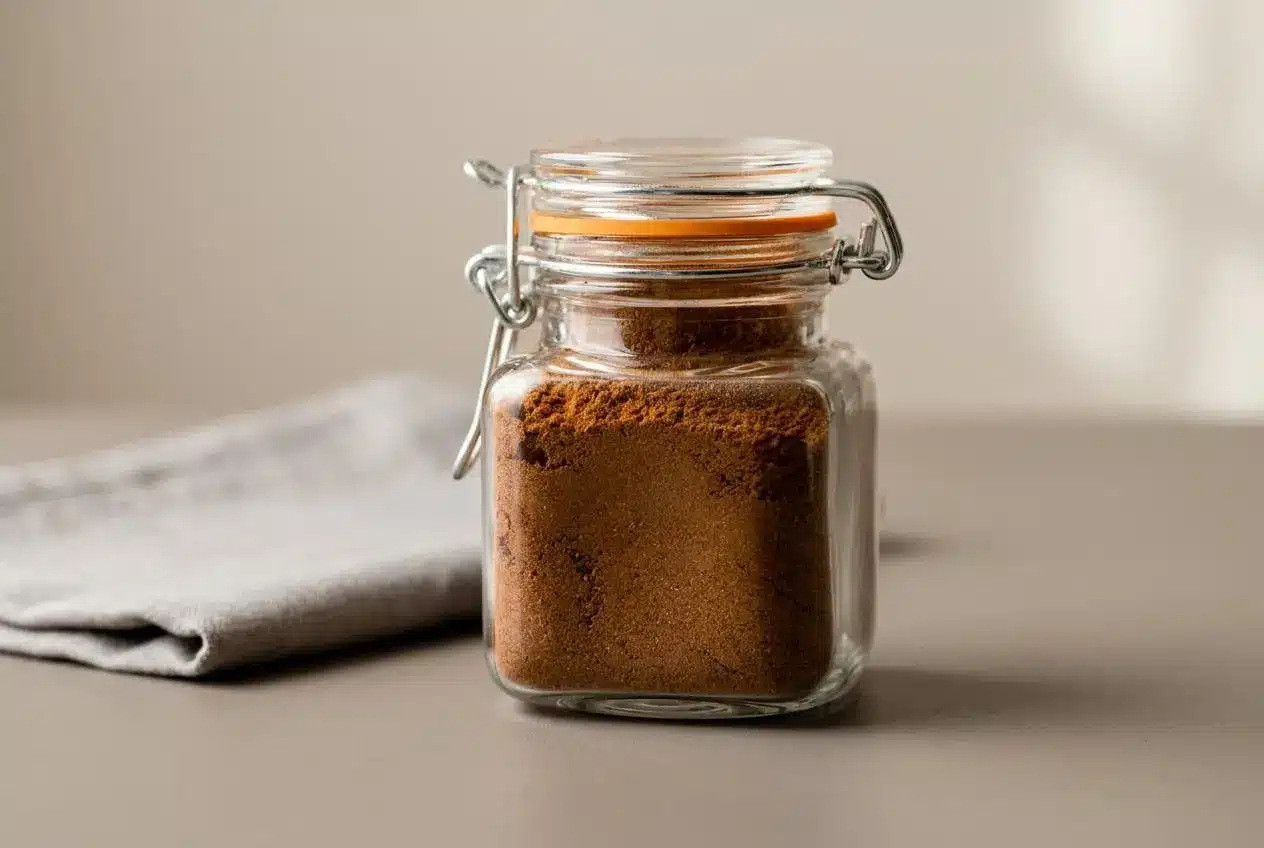
- Pinch of nutmeg (optional)
- Parmesan cheese (optional)
Unsalted butter gives the sauce its rich base and lets you control the final seasoning instead of guessing around salty butter. All purpose flour is the ideal starch here because it cooks into a stable roux and thickens the milk smoothly without turning gummy.
Whole milk gives classic bechamel its creamy body and soft, velvety finish. Fine sea salt sharpens the flavor, while a pinch of nutmeg adds warmth in the background. Parmesan is optional, but it nudges the sauce toward a richer cheese sauce.
I like to set the milk out while I measure everything else, because milk that is warm or even just not fridge-cold blends into the roux much more smoothly.
The Golden Ratio: Flour, Butter, and Milk
This sauce is easy to scale once you know the backbone ratio: 1 part butter, 1 part flour, and about 10 parts milk by weight. In this batch, that means 80 g butter, 80 g flour, and 800 ml milk.
That balance matters because the butter coats the flour, the flour thickens the milk, and the milk sets the final body. With this ratio, you get a medium bechamel that works for lasagna, vegetable gratins, and baked pasta without turning stiff or gluey.
Before the milk goes in, the roux should shift from loose flour and melted butter into a soft paste that looks sandy, pale blonde, and glossy. If it darkens too much, the sauce loses its classic white color and starts tasting more like gravy.
Selecting the Best Milk Fat Percentage
Whole milk is the best pick if you want the sauce to feel full, smooth, and naturally creamy. It rounds out the starch from the flour and helps the finished sauce coat pasta and vegetables beautifully.
You can use low-fat milk if needed, but expect a lighter texture and a thinner finish. It still works, though the sauce will taste less rich and may need a little more simmering to reach the same spoon-coating consistency.
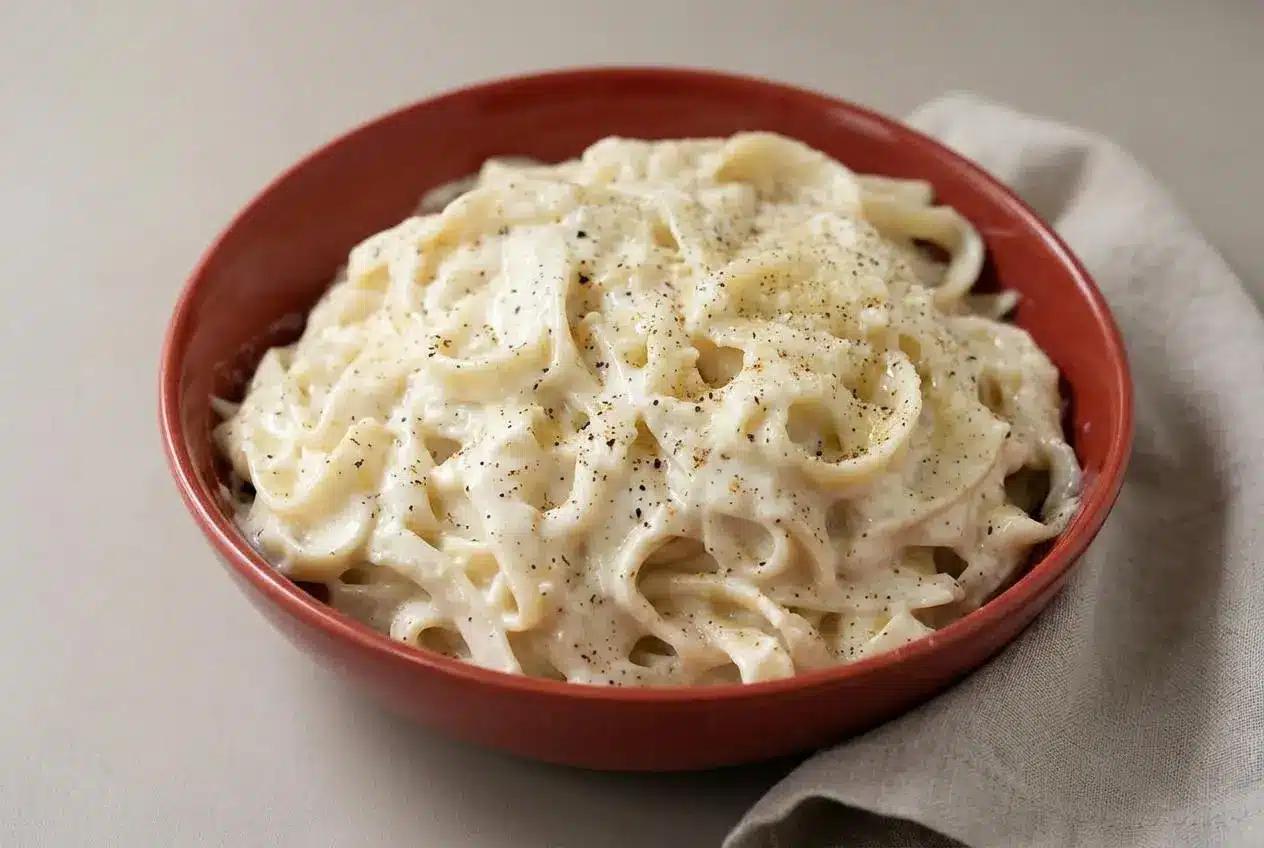
If you have ever wondered how this differs from a creamy alfredo sauce, the big difference is the thickening method. Alfredo leans on dairy and cheese, while bechamel starts with a roux.
Dietary Substitutions and Adaptations
If you need a gluten-free option, keep it as a variation rather than changing the main formula. A 1-to-1 gluten-free baking flour usually gives the closest result because it behaves more like standard flour in a roux.
You can also use a starch-based thickener variation, but the texture may feel a little glossier and less traditional. Whichever route you choose, cook the fat and flour or starch mixture gently first so the sauce does not taste raw.
How to Make a Classic Bechamel Sauce Step-by-Step
- Melt the butter in a large skillet or high-sided braiser over low heat, then stir in the flour until a smooth paste forms.
The mixture should look pale, thick, and a little sandy, and after 30 seconds to 1 minute it should smell buttery with a faint sweet, nutty aroma but no browning. - Take the pan off the heat and whisk in 1/2 cup milk until the paste loosens and turns creamy.
Once that first addition is smooth, pour in the remaining milk slowly while whisking constantly so no flour clumps settle on the bottom. - Return the pan to medium-low heat and cook the sauce, whisking often, until it thickens to the texture of runny sour cream, about 12 to 20 minutes or more depending on pan size.
A wider pan can reduce and thicken a bit faster, while a deeper narrower pan may take longer, so watch the texture more than the clock. - Season with salt, then add the nutmeg or Parmesan if using and continue stirring until the sauce is fully smooth.
It is ready when it coats the back of a wooden spoon and a finger dragged across the spoon leaves a clean line.
This is the point where bechamel becomes useful fast. Spoon it into lasagna layers, pour it over roasted cauliflower or broccoli for a gratin, or use it as the creamy base for baked macaroni and cheese.
Classic Mornay and Cheese Sauce Variations
To turn this into Mornay sauce, stir in grated Cheddar or Gruyere right at the end, off the heat or over very low heat. Add it gradually and whisk until melted so the sauce stays smooth instead of turning stringy.
If you want another way to use a seasoned white sauce, it can also branch into white pizza sauce for a richer, creamy topping.
Troubleshooting: How to Fix Lumps and Separation
Most bechamel problems are fixable, and usually the sauce only needs calmer heat and a better rescue move.
- If the sauce is lumpy, pour it through a fine-mesh sieve while it is still warm. This removes flour clumps without wasting the whole batch.
- If the sauce separates and looks greasy, use an immersion blender briefly to pull it back together. Then return it to low heat and whisk gently.
- If the bottom of the pan starts to scorch, stop stirring immediately into the burnt area and transfer the unburned sauce to a clean pan. Even a little scraping can spread that bitter flavor everywhere.
- If the sauce thickens too much as it cools, whisk in a small splash of milk over low heat until it loosens. Add the milk gradually so it returns to a silky texture instead of going thin.
Preventing and Fixing Common Bechamel Lumps
Lumps usually start when the milk goes in too fast or the roux is too hot and tight. Slow pouring matters here more than speed. A steady stream and constant whisking make a huge difference.
- Use warm or room-temperature milk when possible. Cold milk can make the roux seize and create stubborn little bits.
- Whisk, do not rely on a spoon, once the milk starts going in. A whisk reaches the corners of the pan better and breaks up paste before it sets.
- Start with that first small addition of milk and smooth it out completely before adding the rest. That first loosened mixture is your insurance policy against lumps.
- If lumps have already formed, do not toss the sauce right away. Whisk hard first, then strain or blend if needed.
Make-Ahead, Storage, and Reheating Guide
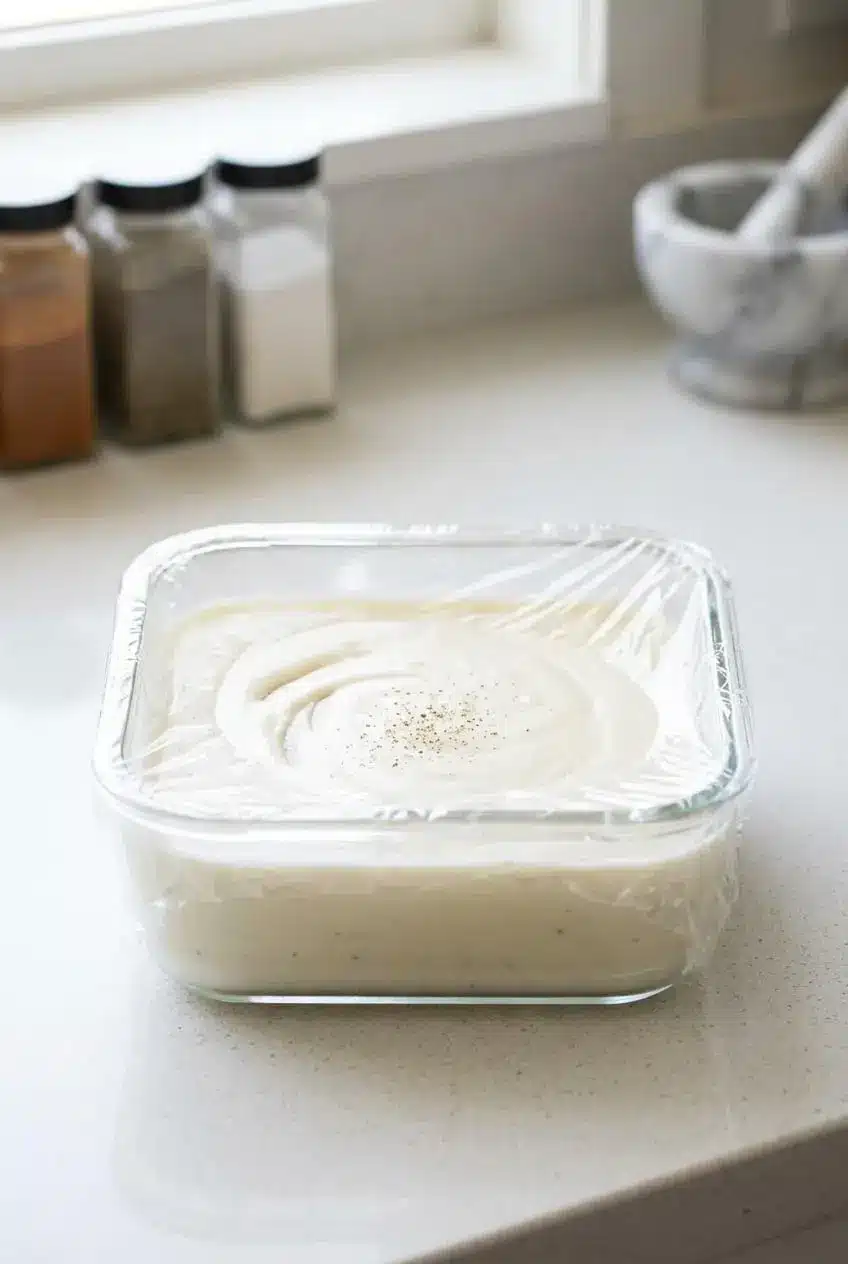
If you are not using the sauce right away, press plastic wrap directly onto the surface to prevent a skin from forming. A thin splash of milk over the top can also help protect the surface.
You can refrigerate the sauce for up to 3 days when it is cooled and covered, in line with safe refrigeration and storage practices for dairy ingredients. Keep it in an airtight container so it does not pick up other fridge odors.
To reheat, warm it slowly over low heat and whisk in a small splash of milk until smooth again. Avoid high heat, because dairy sauces can catch on the bottom or separate if pushed too hard.
If you want to make it ahead for lasagna, prepare the sauce, cool it with the surface covered, and rewarm it gently before layering. It will usually seem thicker when cold, so plan on whisking it loose again before using.
How to Infuse Milk for Dynamic Flavor Profiles
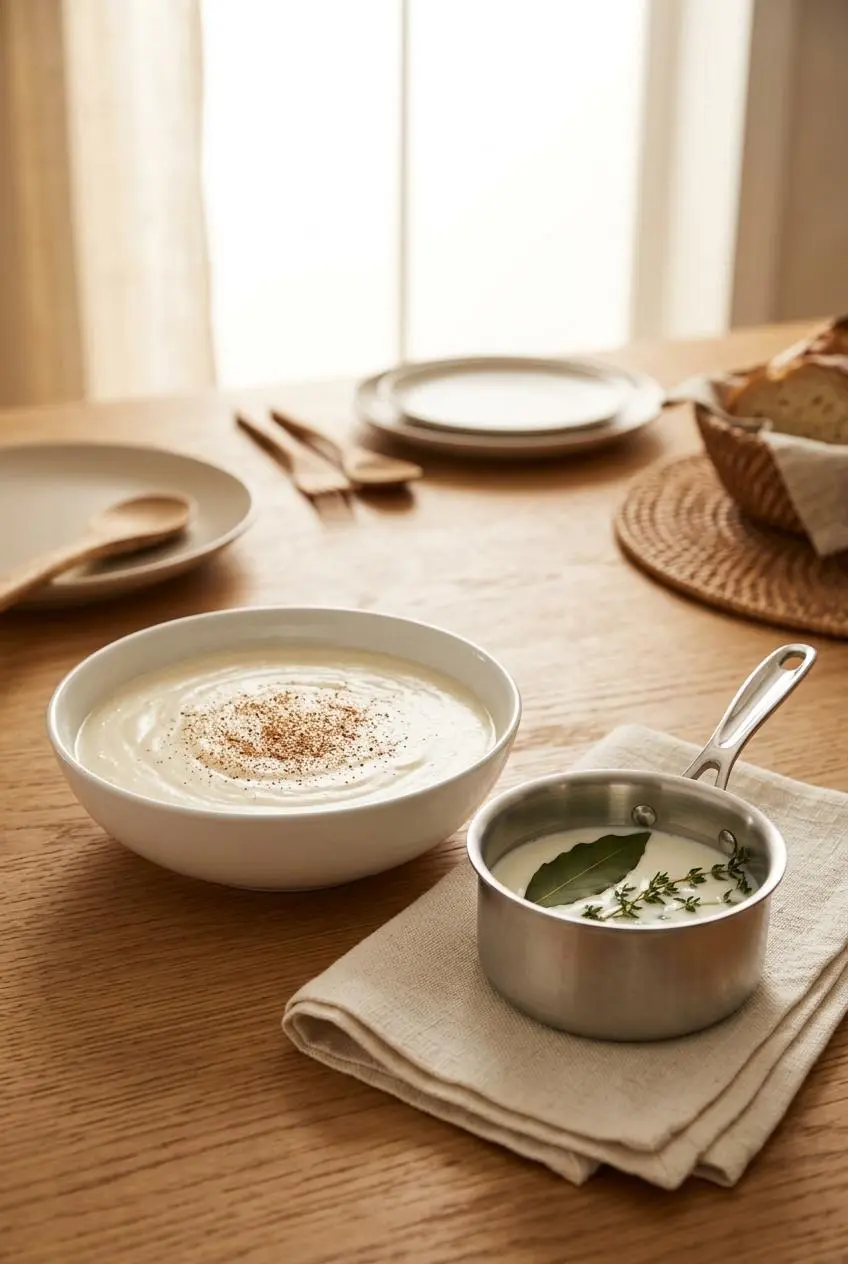
Infusing the milk is an easy upgrade when you want a little more depth without changing the core sauce. You warm the milk with aromatics first, strain them out, and then use that flavored milk in the same method.
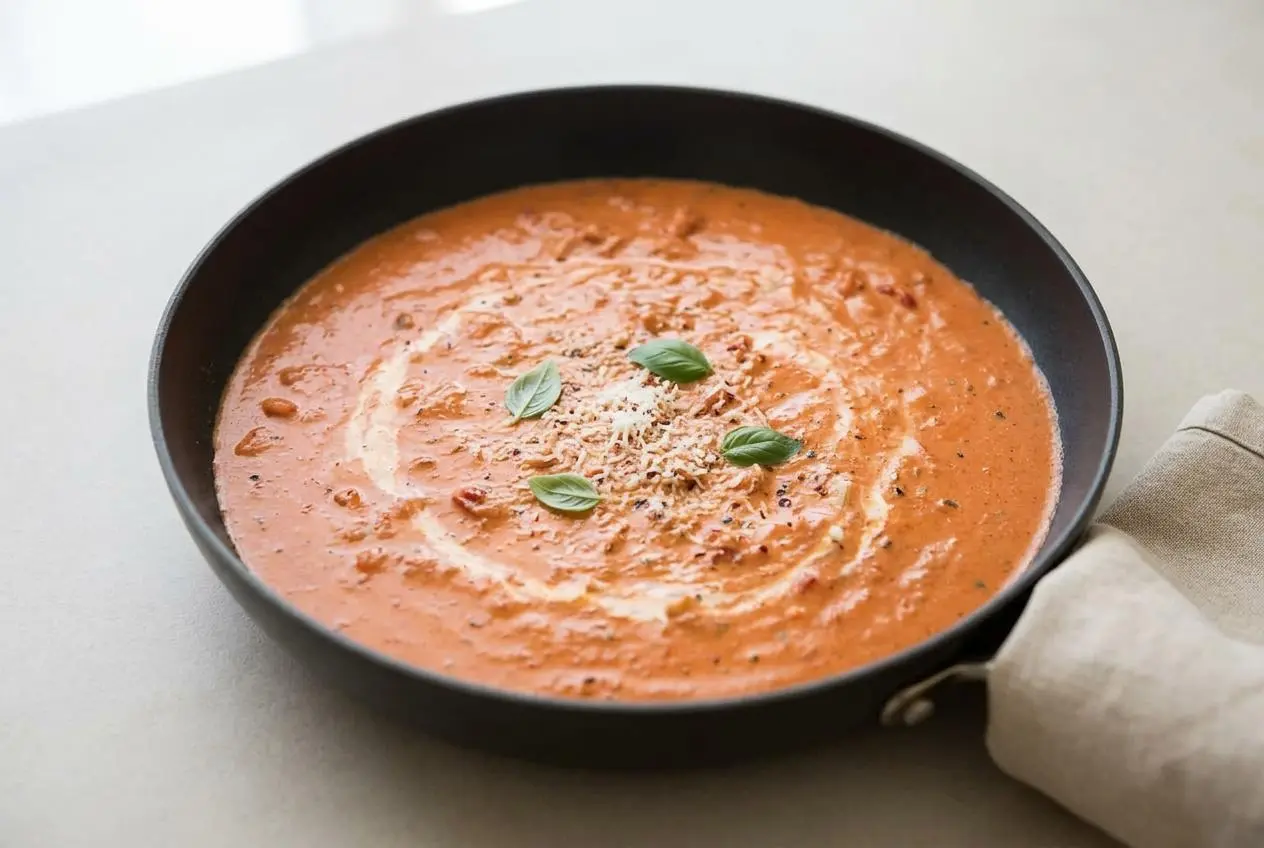
This works especially well for lasagna, gratins, and baked pasta where a plain white sauce can use a little quiet background flavor. If you have extra and want a tomato-cream style dinner later, it can also lead naturally into pink pasta sauce.
Classic Aromatic Onion and Bay Leaf Infusion
For the traditional route, gently heat the milk with a piece of onion and a bay leaf until the milk is steaming and aromatic, then let it sit briefly before straining. The flavor should stay subtle, not perfume the whole kitchen like soup.
This version adds a savory backbone that feels especially right in lasagna or a vegetable gratin. Keep the infusion gentle so the milk does not reduce too much before it even meets the roux.
Savory Garlic and Herb Variations
A crushed garlic clove with a fresh thyme sprig gives the sauce a warmer, more savory edge. Simmer them gently in the milk, then strain before whisking the milk into the roux.
You can also use a soft herb note such as parsley stems or a small pinch of black peppercorns for extra depth. Keep the flavors restrained, since bechamel is meant to support a dish, not take over the room.
Conclusion
Homemade bechamel rewards a little attention with a sauce that is silky, creamy, and far more useful than its modest ingredient list suggests. Once you know the roux should stay pale and the milk should go in slowly, the process feels straightforward.
Keep the heat gentle, whisk steadily, and trust the spoon test over the clock. A smooth white sauce is never far away.
Frequently Asked Questions
Why does my bechamel taste like flour?
The roux probably did not cook long enough before the milk went in. Give the butter and flour paste a full 30 seconds to 1 minute so the raw taste cooks off. The roux should smell buttery and lightly nutty, not dusty or chalky.
Can I use low-fat milk for this recipe?
Yes, it will still work. The sauce will be lighter and less creamy than one made with whole milk. For the classic velvety texture, whole milk is the better choice.
How do I prevent a skin from forming on top?
Press plastic wrap directly onto the hot surface while the sauce cools. You can also add a very thin splash of milk over the top before covering. Both methods help block air from drying the surface.
Can you freeze bechamel sauce?
Yes, many cooks do freeze it, especially for make-ahead pasta bakes. For best texture, thaw it in the refrigerator and reheat it slowly on the stovetop while whisking well, since dairy sauces can loosen unevenly after thawing.

Bechamel Sauce

Equipment
- large skillet or high-sided braiser
- Wooden Spoon
- Whisk
Ingredients
- 80 g unsalted butter (6 tbsp)
- 80 g all purpose flour (2/3 cup)
- 800 ml whole milk (3 1/3 cups)
- 1/4 tsp fine sea salt
- 1 pinch nutmeg (optional)
- Parmesan cheese (optional)
Instructions
- Melt the butter in a large skillet or high-sided braiser over low heat, then stir in the flour until a smooth paste forms. The mixture should look pale, thick, and a little sandy, and after 30 seconds to 1 minute it should smell buttery with a faint sweet, nutty aroma but no browning.
- Take the pan off the heat and whisk in 1/2 cup milk until the paste loosens and turns creamy. Once that first addition is smooth, pour in the remaining milk slowly while whisking constantly so no flour clumps settle on the bottom.
- Return the pan to medium-low heat and cook the sauce, whisking often, until it thickens to the texture of runny sour cream, about 12 to 20 minutes or more depending on pan size. A wider pan can reduce and thicken a bit faster, while a deeper narrower pan may take longer, so watch the texture more than the clock.
- Season with salt, then add the nutmeg or Parmesan if using and continue stirring until the sauce is fully smooth. It is ready when it coats the back of a wooden spoon and a finger dragged across the spoon leaves a clean line.