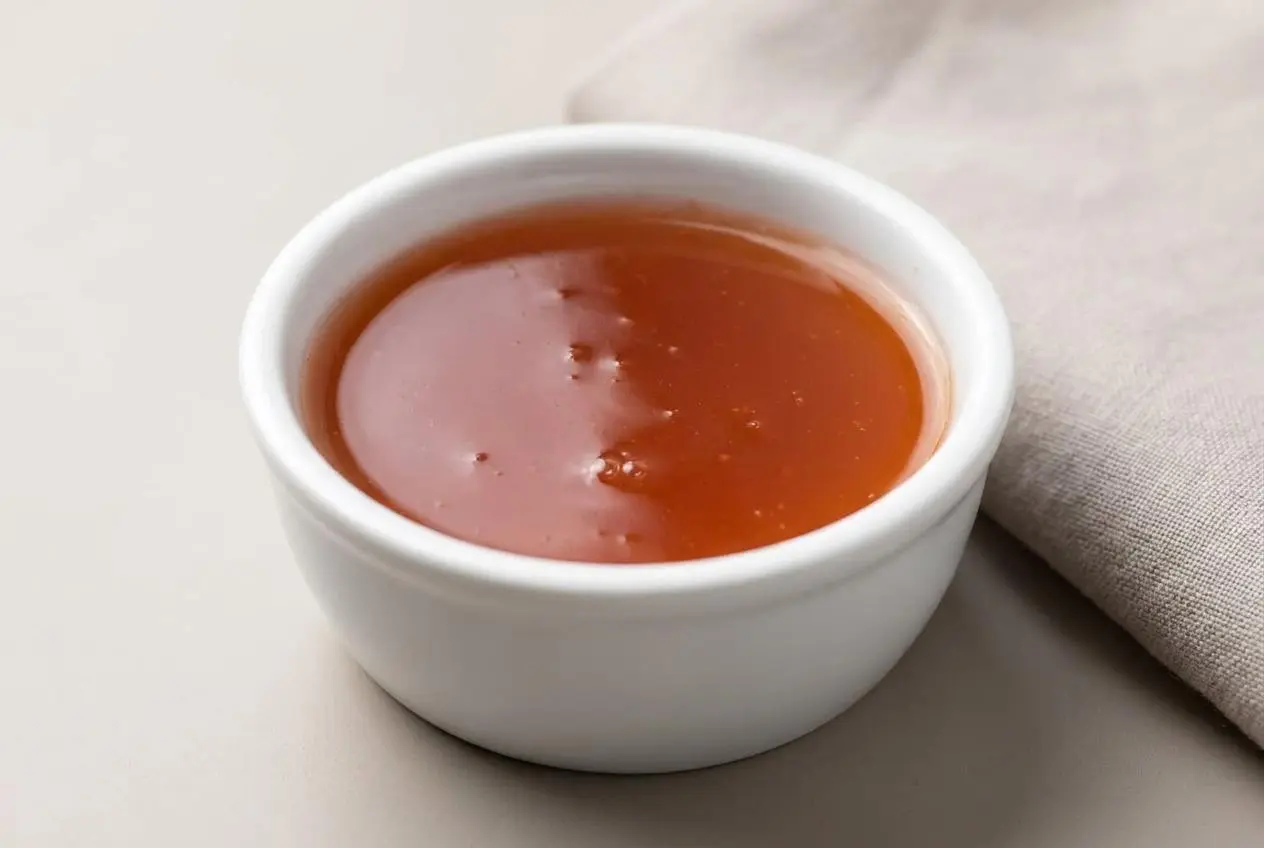
Learn how to make a quick 5-ingredient sweet and sour sauce at home. Combine sugar, water, vinegar, ketchup, and cornstarch in a saucepan, then boil for about 3 minutes until thick, glossy, and ready for dipping or glazing.
This sweet and sour sauce recipe gives you that bright takeout-style balance of sharp vinegar, clean sweetness, and a shiny red finish without opening a bottled sauce.
It comes together fast, and the texture is easy to judge once you know what to look for. The cloudy mixture turns clear and glossy in front of you.
Whisk steadily once the pan starts to boil so the sauce thickens smoothly instead of catching on the bottom.
Why This Sweet and Sour Sauce Recipe Beats Store-Bought
Homemade wins here because you get full control over the flavor. If you like your sauce a little sharper, you can lean into the vinegar next time. If you want it rounder and more mellow, the ketchup and sugar already give it a softer edge.
It also moves quickly. In about 8 minutes, you can make a bright, tangy sauce with a glossy finish that works as both a dip and a glaze.
The flavor is clean and direct. You taste the sweet first, then the sour kick, and finally that subtle tomato note that makes it feel familiar in the best way.
This is a quick home style version, not a claim to restaurant authenticity. It is simply a dependable way to get that classic sweet-tart red sauce when the craving hits.
Ingredients and Their Roles
Each ingredient pulls its weight here, building sweetness, sharpness, body, shine, and that signature red color that makes the sauce feel complete.
- 1 cup granulated sugar
- ¾ cup water
- ½ cup white vinegar
- 2 tablespoons cornstarch
- 2 tablespoons ketchup
Granulated sugar creates the sweet backbone, while white vinegar brings the punch that keeps the sauce from tasting flat. Cornstarch gives it that clingy glaze texture, and ketchup adds tomato depth, body, and the vibrant red tone naturally.
I like to whisk the cornstarch into the cold liquid until I cannot see any dry spots before the heat goes on. That small step makes a much smoother sauce.
The Sweetener
Granulated sugar does more than make the sauce sweet. It softens the harsh edge of the vinegar so the final flavor lands in that familiar sweet-tart middle instead of swinging too sour.
It also helps the sauce look glossy once it cooks down. That shine is part of why the finished glaze looks so good on nuggets, wings, or stir-fried vegetables.
The Acid
White vinegar gives this sauce its classic sharp zip. It is bright, clean, and direct, which is exactly what you want in a sweet and sour sauce that needs to cut through fried food or rich meat.
If you want a gentler tang, apple cider vinegar works well and adds a slightly fruitier finish. Rice vinegar is another good option when you want the sourness to taste a little softer.
The Thickener
Cornstarch is the thickening agent that transforms the mixture from watery and cloudy into a smooth glaze. As it boils, the starch swells and sets the sauce so it coats food instead of running off.
The key is even mixing before the heat rises. If cornstarch hits hot liquid in clumps, it grabs instantly and can leave little gummy bits behind.
The Flavor and Color Booster
Ketchup does double duty here. It adds a mild tomato base that rounds out the sharp sweetness, and it brings the reddish color that makes the sauce look bright and classic without any artificial coloring.
It also gives the finished sauce a touch more body. That is why the flavor feels fuller than a plain sugar-and-vinegar glaze.
How to Make Sweet and Sour Sauce Step-by-Step
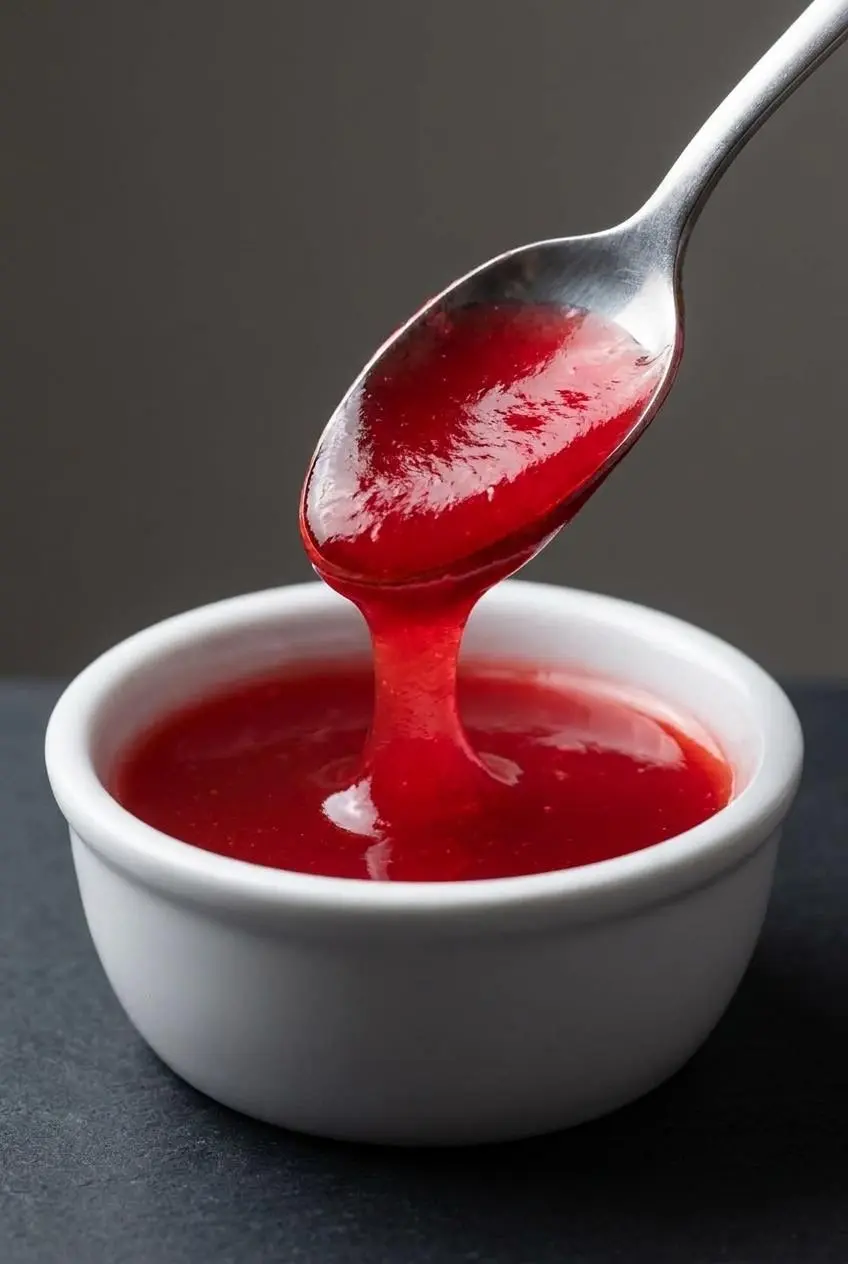
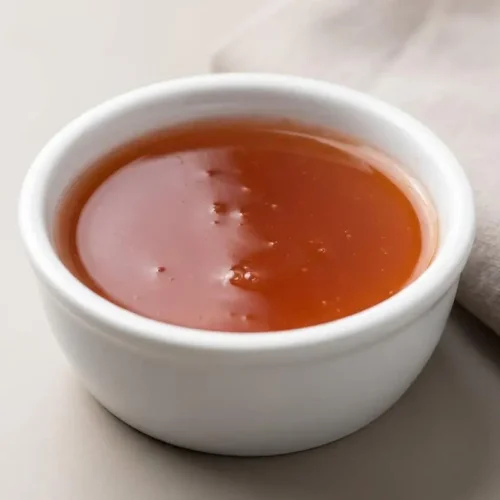
This method is straightforward, but the visual cues matter. The biggest one is the change from cloudy pink-red liquid to a translucent, glossy red sauce that resists the whisk slightly as it thickens.
- Add the sugar, water, white vinegar, cornstarch, and ketchup to a medium saucepan, then whisk until the mixture looks evenly blended.
The liquid will start out thin and cloudy, and you should not see dry pockets of cornstarch sitting on the bottom. - Set the pan over medium-high heat and cook, whisking continuously, until the sauce comes to a boil and thickens, about 3 minutes.
Watch for the color to shift from cloudy to glossy translucent red, and feel for a little drag on the whisk as the glaze forms. - Take the pan off the heat and let the sauce cool completely before transferring it to an airtight container and refrigerating it.
The sauce will continue to set a bit as it cools, so it should look slightly looser in the pan than it will later.
If you want a more savory edge, stir in a little low-sodium soy sauce and a tiny pinch of garlic powder while the sauce simmers. Keep that as an optional add-on, not part of the core formula, so the original sweet-tangy balance stays front and center.
The secret to a good texture is steady whisking during the boil. Once the starch activates, the sauce thickens quickly, so this is not the moment to walk away and answer a text.
Tangy Variations to Try
This base is easy to adjust when you want a different mood from the same fast method. Keep every change optional so the original sauce stays reliable.
Pineapple Sweet and Sour Sauce
For a fruitier version, replace 1/4 cup of the water with pineapple juice. It adds tropical sweetness and a rounder finish that works especially well with fried appetizers or pork.
If you enjoy that kind of flavor profile, sweet mango chili sauce is another fun direction to try.
Spicy Sweet and Sour Sauce
Add a pinch of red pepper flakes or a small dash of hot sauce during the boiling step if you want some heat behind the sweetness. The sauce should still taste balanced, with the spice arriving at the end instead of taking over.
This variation is great for wings, crispy tofu, or anything that benefits from a little extra kick.
Troubleshooting Common Sauce Issues
Most problems with this sauce come down to starch handling or boiling time. The good news is that nearly all of them are fixable.
- If the sauce is too thick, it likely reduced a bit too far or cooled more than expected. Whisk in a splash of warm water until it loosens to the texture you want.
- If the sauce is too thin, the cornstarch may not have fully activated yet. Return it to a steady boil and whisk for another minute so the starch can finish thickening.
- If the sauce looks lumpy, cornstarch probably clumped before it dispersed. Pour it through a fine-mesh strainer, then whisk the smooth sauce again in the pan if needed.
- If the sauce tastes too sweet, add a little more vinegar next time or serve it with savory food so the balance lands better.
- If the sauce tastes too sour, a slightly bigger touch of ketchup next time can round it out without changing the character too much.
- If the sauce stays cloudy, it usually needs a little more boiling. Cornstarch turns clearer and glossier after it has boiled long enough.
One fix to avoid is adding raw cornstarch straight into hot sauce. It clumps almost immediately and makes the texture harder to rescue.
Storage and Reheating Guidelines
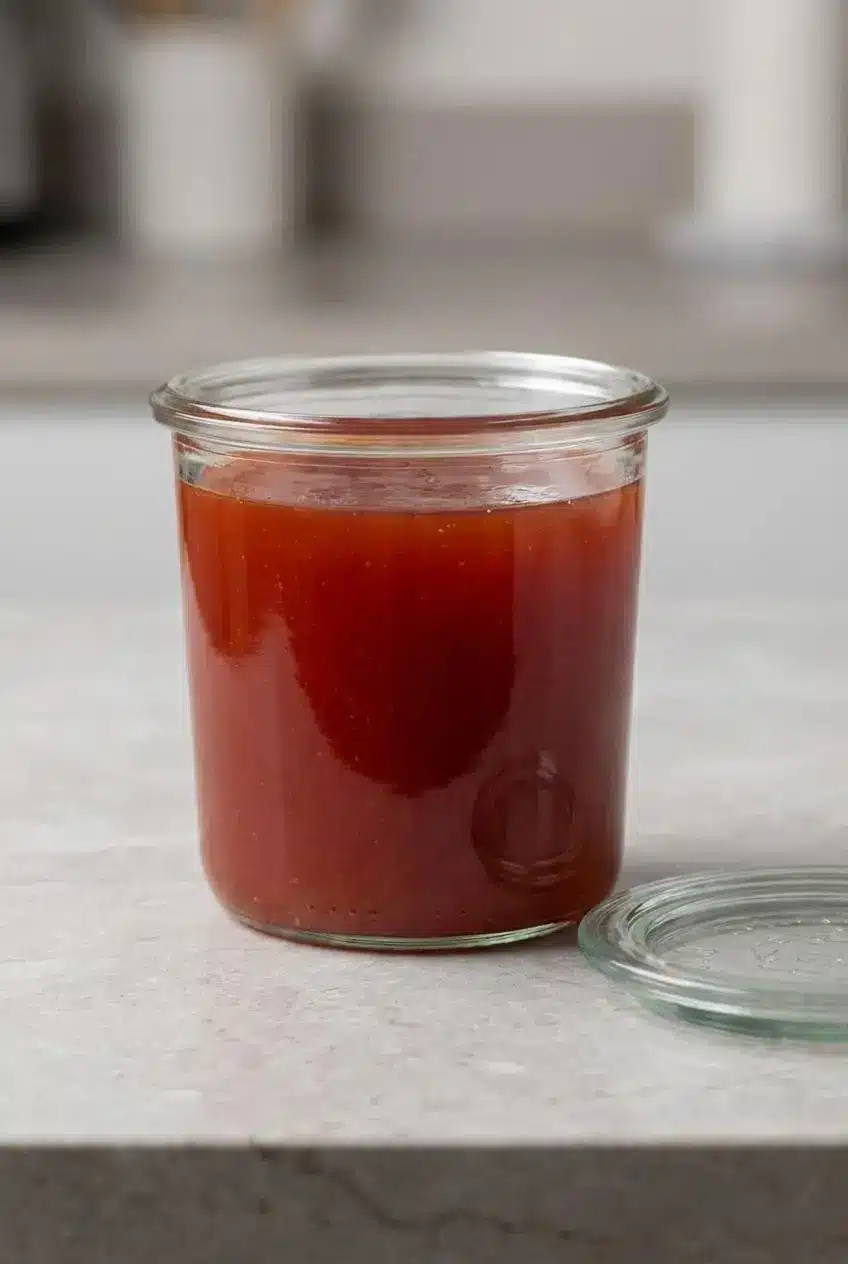
Once fully cooled, transfer the sauce to an airtight container and keep it in the refrigerator. A glass jar is especially nice here because it handles the acidic vinegar well and does not hold onto odors.
The official recipe stores it in the refrigerator for up to 3 weeks. As it chills, expect it to thicken more, which is normal for a starch-based sauce.
For reheating, warm it slowly on the stovetop over low heat and whisk in a tiny splash of water if it feels too tight. Gentle heat helps the texture smooth back out without scorching the sugar.
Freezing is not a great fit for this sauce. Cornstarch-thickened mixtures often separate after thawing and can turn watery instead of glossy.
Serving Suggestions and Pairings

This sauce earns its keep because it works in more than one role. Use it as a dip, brush it on as a glaze, or toss it with hot food right before serving.
- Serve it as a dip for chicken nuggets, egg rolls, and spring rolls.
- Toss it with crispy pieces of sweet and sour chicken for a classic takeout-style dinner at home.
- Use it as a quick glaze for pork, tofu, or vegetables in a skillet.
- If you enjoy saucy weeknight stir-fries, a good stir-fry sauce recipe is useful alongside this one for a more savory option.
- Brush it over wings as a tangy alternative to barbecue sauce.
Because the sauce is bold and shiny, it is best added near the end when using it as a glaze. That keeps the flavor bright and the coating sticky instead of overcooked.
Conclusion
Making this sauce at home is satisfying because it is fast, flexible, and easy to tune to your taste. Once you see that glossy red finish and feel the whisk start to drag, you will know it is ready.
Keep the whisk moving during the boil, let the sauce cool so it can set properly, and try the optional savory boost if you want a little more depth. It is a small recipe with a lot of range.
Frequently Asked Questions
Why is my sweet and sour sauce cloudy?
The sauce is usually cloudy because the cornstarch has not boiled long enough yet. Once it boils for 1 to 2 minutes, the starch activates and the sauce turns clearer and glossier. If it still looks dull, keep whisking over the heat briefly and watch for that translucent red look.
Can I replace white vinegar with apple cider vinegar?
Yes, apple cider vinegar works well in this sauce. It gives the sauce a milder, slightly fruity tang compared with white vinegar. Rice vinegar is another good substitute if you want a softer, less sharp sour note.
How do I fix lumpy sweet and sour sauce?
Pour the sauce through a fine-mesh strainer to catch the clumps. Then whisk the strained sauce until smooth again. Next time, make sure the cornstarch is fully dispersed in the cold liquid before the pan heats up.
Can I freeze homemade sweet and sour sauce?
You can, but the texture usually suffers after thawing. Cornstarch-thickened sauces tend to separate and release water once frozen and thawed. For the smoothest glossy finish, refrigerated storage works better than freezing.
Sweet and Sour Sauce Recipe

Equipment
- Medium saucepan
- Whisk
Ingredients
- 1 cup granulated sugar
- 3/4 cup water
- 1/2 cup white vinegar
- 2 tablespoons cornstarch
- 2 tablespoons ketchup
Instructions
- Add the sugar, water, white vinegar, cornstarch, and ketchup to a medium saucepan, then whisk until the mixture looks evenly blended. The liquid will start out thin and cloudy, and you should not see dry pockets of cornstarch sitting on the bottom.
- Set the pan over medium-high heat and cook, whisking continuously, until the sauce comes to a boil and thickens, about 3 minutes. Watch for the color to shift from cloudy to glossy translucent red, and feel for a little drag on the whisk as the glaze forms.
- Take the pan off the heat and let the sauce cool completely before transferring it to an airtight container and refrigerating it. The sauce will continue to set a bit as it cools, so it should look slightly looser in the pan than it will later.