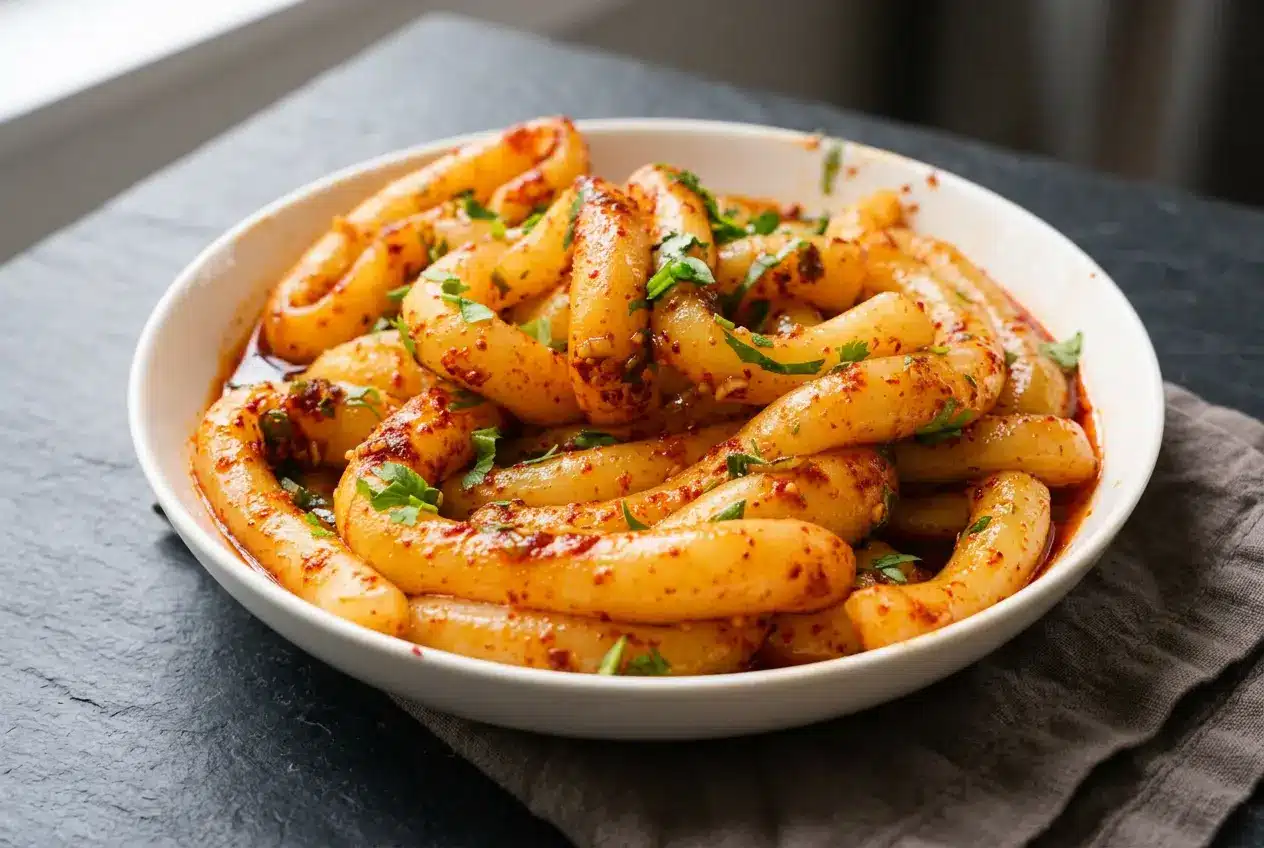
Spicy potato noodles are thick, chewy strands made from hot mashed potatoes, potato starch, and warm water. Roll the dough into ropes, boil, cool in cold water, then coat with sizzling garlic chili oil for a bouncy bite and fiery flavor.
These homemade spicy potato noodles bring together tender potato dough and a punchy sauce of garlic, chili, soy sauce, and black vinegar. They’re substantial enough to enjoy as a meal, with plenty of sauce clinging to every strand.
The shaping takes some attention, but you don’t need pasta-making equipment. Warm dough makes the work much easier. That’s where the bounce begins.
Set out your potato starch and heatproof mixing bowl before draining the potatoes so you can mix while they’re still hot.
Key Ingredients & Smart Substitutions
Potatoes provide body, potato starch builds chew, and warm water makes the dough pliable. Soy sauce, vinegar, sugar, and salt balance the chili heat, while garlic, green onion, oil, and cilantro bring aroma, richness, and freshness.
- 1.1 pounds russet potato (peeled and cut into 1 inch pieces (gold potato is fine too))
- ½ teaspoon salt
- 1½ cup potato starch
- ½ cup water (warm)
- 2 tablespoons regular soy sauce
- 2 tablespoons Chinese black vinegar
- 2 tablespoons gochugaru (coarse) (or fine ground (or Chinese chili powder))
- 1¼ teaspoons granulated sugar
- ⅛ teaspoon salt
- 2 tablespoons garlic (minced)
- 1 stalk green onion (sliced)
- 3 tablespoons oil (any neutral oil such as avocado, sunflower, grapeseed, etc)
- ⅓ cup cilantro (roughly chopped)
The quantities above make 3 servings. Keep the dough salt separate from the smaller amount used in the sauce.
- Potatoes: Russets mash into a fluffy texture; yellow potatoes are creamier and can differ in moisture. Both work, but boil them plain without butter, milk, or cream.
- Potato starch: This provides the springy structure. Cornstarch and wheat flour won’t reproduce the same chew, and potato flour is a different product.
- Chinese black vinegar: Also called Chinkiang vinegar, it adds rounded, malty acidity. Rice vinegar or white vinegar can substitute, though the sauce will taste sharper and less complex.
- Gochugaru: Korean chili flakes contribute color and heat. Chinese chili powder is another option, but heat levels vary between products.
- Neutral oil and aromatics: Hot oil blooms the chili and garlic without adding a competing flavor. Sugar rounds out the vinegar, and cilantro freshens the finish.
How to Make Spicy Potato Noodles Step-by-Step
Work through the dough stages while the potatoes retain their heat. Hot potatoes partially gelatinize the starch, helping the mixture hold together rather than crumble.
- Boil the potato pieces for about 10 to 15 minutes, testing a piece with a fork before draining.
The fork should slide through the center without resistance. - Transfer the thoroughly drained potatoes to a heatproof bowl, add the ½ teaspoon salt, and crush with a fork.
Continue until the mash has no visible lumps that could interrupt a noodle strand. - Work the potato starch into the hot mash, then knead once the mixture feels comfortable to handle.
The powder should gather into a cohesive mass as it absorbs the potato’s heat and moisture. - Incorporate the warm water and knead until the dough absorbs it.
A nearly smooth, moldable dough is the goal, rather than the elastic stretch of bread dough. - Bring a wide pot of water to a boil, arrange your rolling space nearby, and fill a large bowl with cold water.
The pot should offer enough room for the ropes to enter the water without sharp bends. - Portion the dough into 14 equal pieces and roll each into a rope about ½ inch thick, keeping waiting pieces beneath a damp towel.
A well-hydrated rope should hold together with a mostly smooth surface. - Lower a manageable batch of ropes completely into the boiling water and gently stir to release them from the bottom.
Leave enough space for the delicate noodles to move without crowding or tangling. - Cook until the noodles rise to the surface, continue boiling for 1 additional minute, then lift them into the cold water and repeat with the remaining ropes.
The cold bath firms the soft strands into slick, bouncy noodles. - Combine the soy sauce, black vinegar, gochugaru, sugar, remaining salt, garlic, and green onion in a heatproof bowl, then carefully pour over the oil heated in a small pan just until it begins to smoke.
Expect vigorous sizzling, then stir once the bubbling subsides and the aromatics smell fragrant. - Toss the well-drained noodles in a clean serving bowl with the chili oil mixture and chopped cilantro, then serve warm.
Each strand should carry a glossy coating of sauce without excess bath water diluting it.
For an optional garlic variation, finely grate part of the measured garlic and mince the rest. The grated portion disperses through the sauce, while the minced pieces provide distinct garlicky bites.
What Are Spicy Potato Noodles? (Chinese vs. Korean Styles)
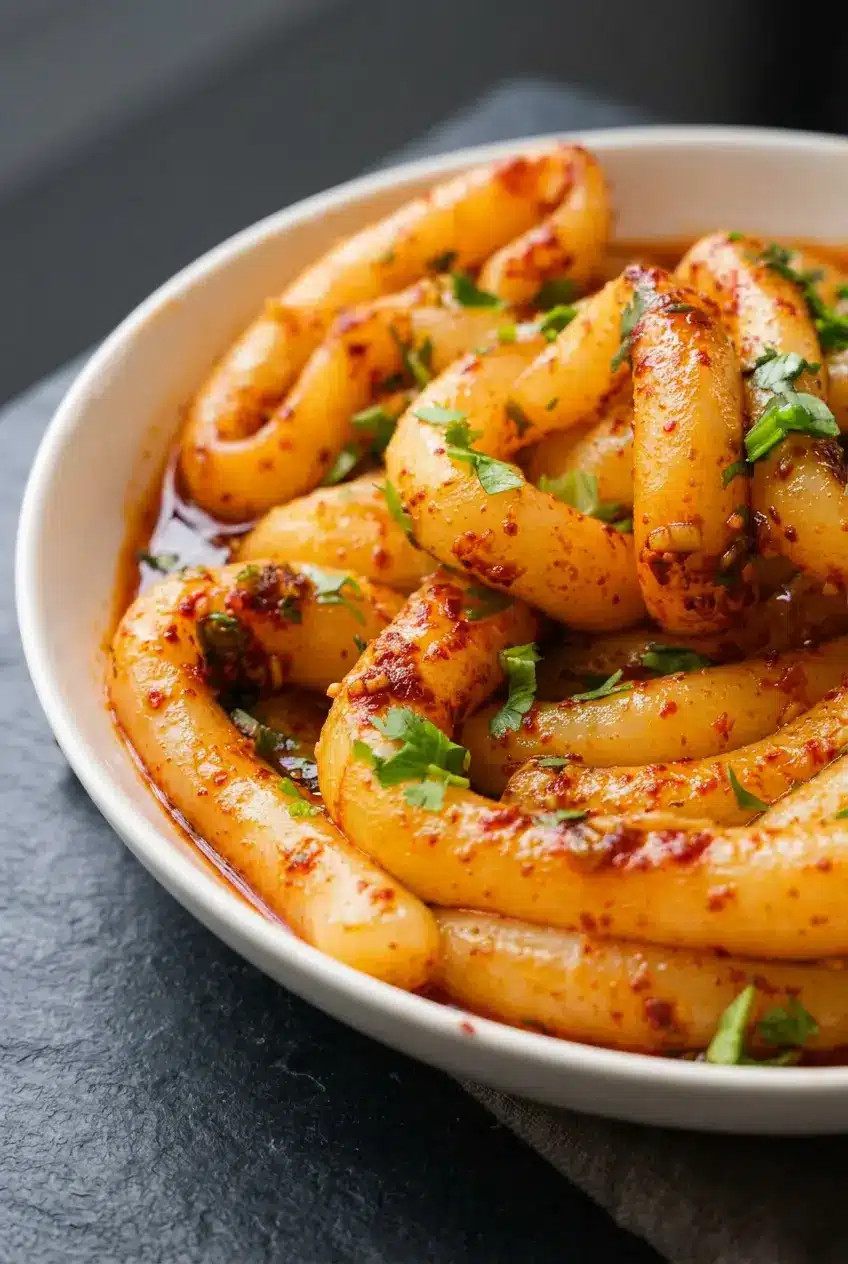
These mashed-potato-and-starch noodles have a thicker, more resilient bite than wheat noodles. The potato dough invites comparisons to gnocchi, while the pronounced chew can feel closer to tteokbokki rice cakes.
The Chinese-style version here uses sizzled chili oil with garlic, soy sauce, and black vinegar. Korean-inspired versions favor a savory-sweet gochujang glaze. Neither should be confused with translucent starch-only noodles or store-bought sweet potato glass noodles, called dangmyeon.
Pro Tips & Troubleshooting Dough Problems
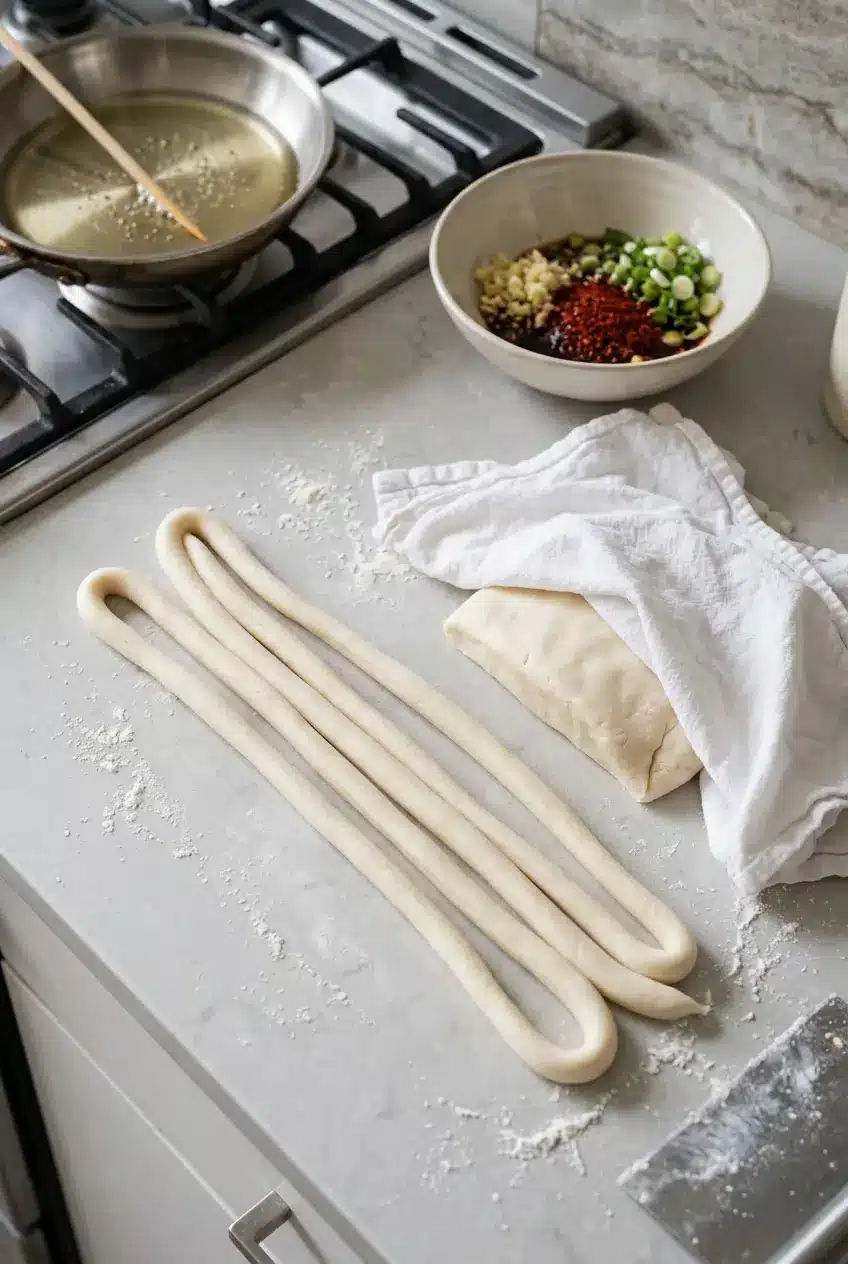
Most shaping problems begin with moisture loss or cooling dough. Check the dough’s feel before forcing a cracking piece into a longer rope.
- Crumbly or cracked dough: Knead in a small splash of warm water and reassess before adding more. Keep unused portions under a damp towel.
- Dough cooling during shaping: Roll and cook in batches rather than shaping everything first. A station close to the stove reduces handling and keeps the work moving.
- Sticky dough: Incorporate the measured water gradually and check that it has fully absorbed before adding more. Drain the potatoes thoroughly at the start to avoid unnecessary moisture.
- Broken noodles: Use a wide pot and lower each rope fully into the water. Avoid bending a noodle over the rim or stirring roughly.
- Burnt garlic or chili: Have the sauce bowl ready before heating the oil. Steady bubbles around a dry wooden chopstick offer a rough heat cue, but don’t keep heating beyond the first sign of smoke.
Butter-and-milk mixtures such as classic mashed potatoes suit a side dish, not this dough. Their added fat and moisture change how the starch binds, making the result less predictable.
I aim for dough that bends without splitting, not dough that stretches like pizza dough; that distinction makes shaping much less frustrating.
Flavor Variations & Customizations (Korean Gochujang, Mushroom Shapes & Veggies)
Keep these optional changes separate from the ingredient list and method above. Each gives the noodles a different flavor or shape.
Korean Gochujang Spicy Potato Noodles
For a Korean-inspired direction, choose a glaze built around gochujang, soy sauce, sweetener, and sesame seeds instead of the sizzled chili oil. It delivers a thicker, savory-sweet coating rather than a vinegar-forward sauce.
Viral Mushroom-Shaped Potato Noodles
Instead of long ropes, shape the dough into small balls and press the opening of a clean bottle into their centers. The resulting cap-and-stem shape creates grooves that catch chili oil; treat it as an alternative shape, not an identical cooking-time substitution.
Vegetarian & Veggie-Loaded Potato Noodles
- Broccoli or bok choy: Add cooked vegetables for a fresh contrast to the rich sauce.
- Mushrooms or crispy tofu: Bring savory flavor and a different texture to the bowl.
- Milder flavor: Reduce the chili flakes or choose a sesame-garlic sauce direction instead.
Quick Starch-Only Translucent Potato Noodles
Potato starch and boiling water can form a separate style of translucent noodle. Those ribbons look glassier and have a firmer, more uniform chew than these opaque mashed-potato ropes; they require a different dough formula.
Dietary Adaptations (Vegan, Gluten-Free & Soy-Free Options)
The dough contains no dairy, eggs, or wheat, and the listed recipe uses plant-based ingredients. For dietary restrictions, check sauce labels rather than assuming the finished dish meets the same needs as the dough.
- Gluten-free: Choose labeled gluten-free tamari in place of regular soy sauce and suitable rice vinegar instead of black vinegar, which may contain gluten-bearing grains.
- Soy-free: Consider coconut aminos instead of soy sauce, checking the product label and adjusting seasoning to taste.
- Ingredient sensitivities: Check chili powders, sauces, and optional garnishes individually, including any cross-contact information relevant to your needs.
What to Serve with Spicy Potato Noodles
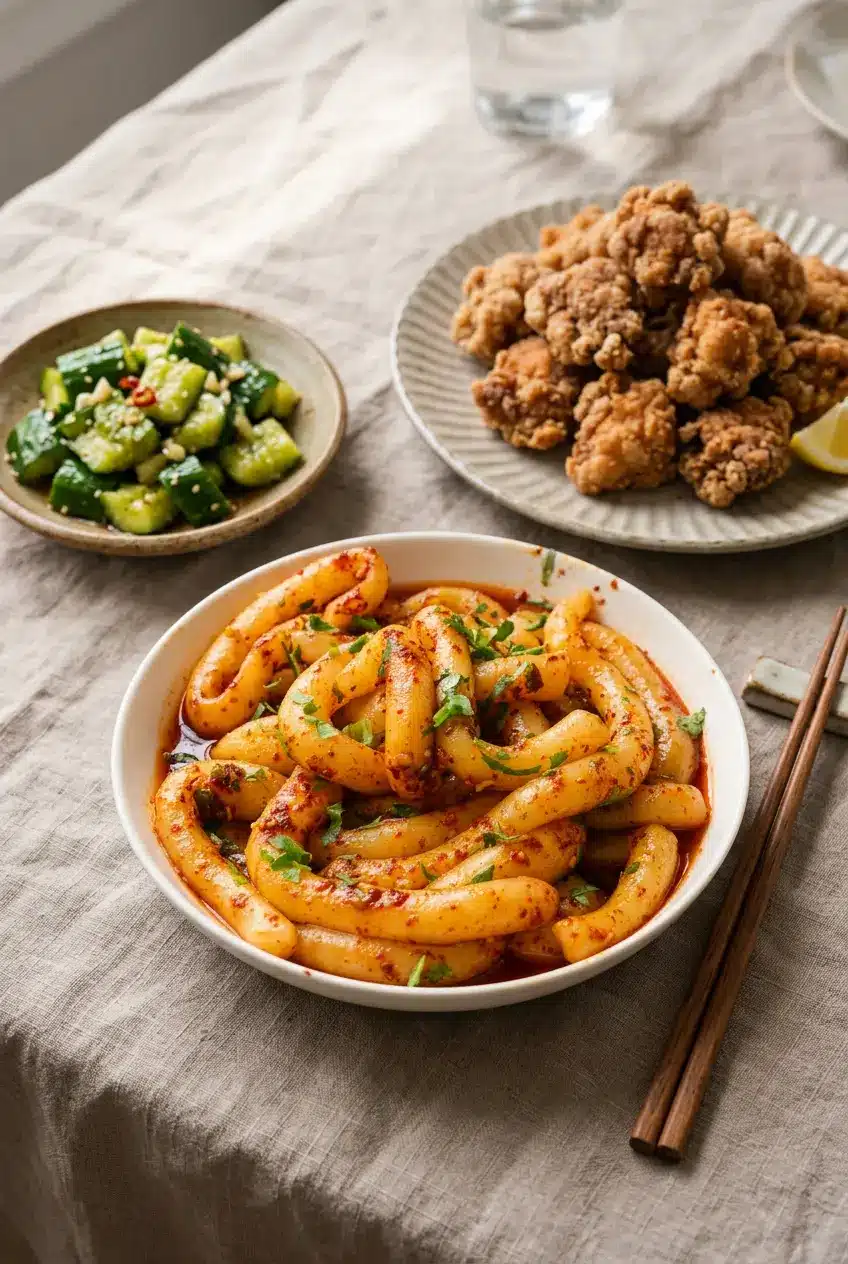
Contrast the chewy noodles with something crisp or cooling so the meal doesn’t feel heavy.
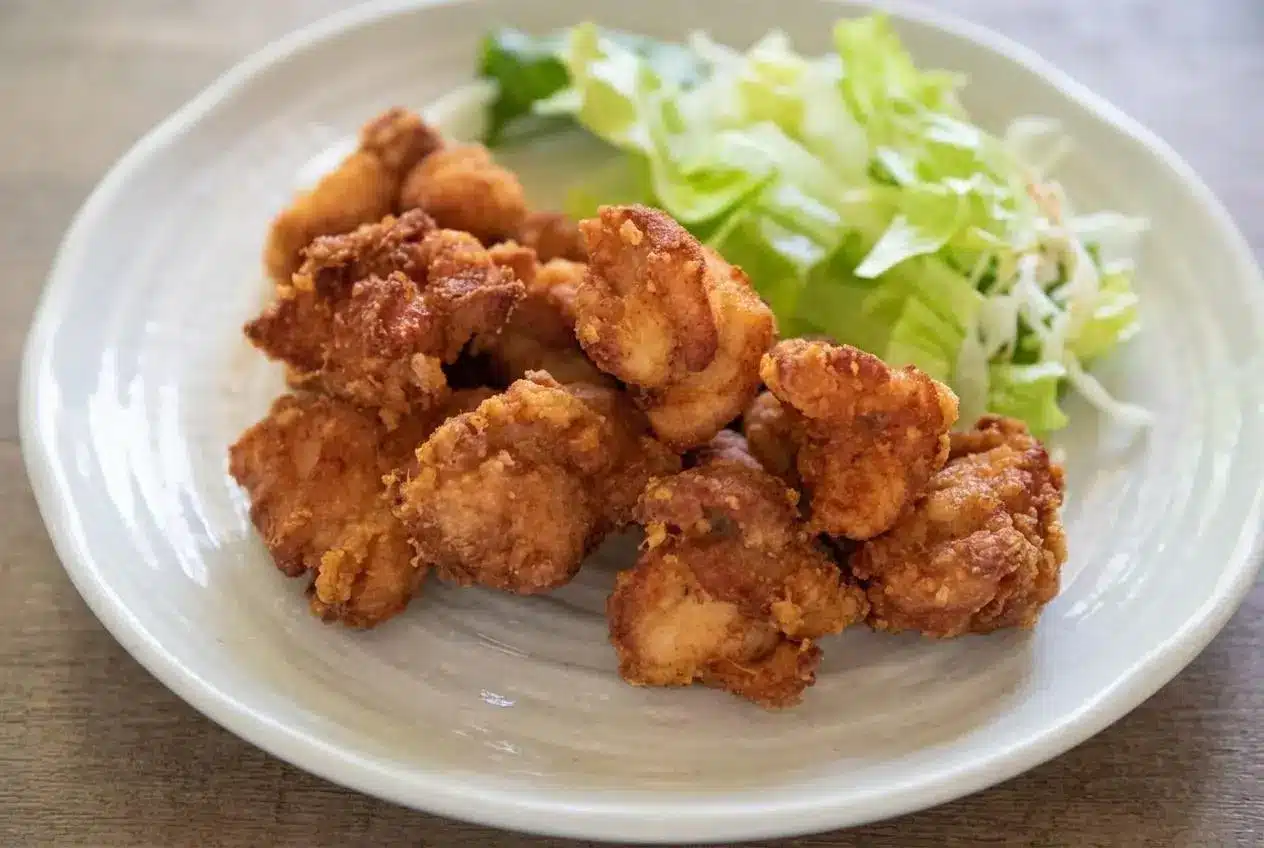
- Crispy accompaniment: Chicken karaage, Taiwanese popcorn chicken, or crispy tofu adds crunch.
- Refreshing side: Chinese smashed cucumber salad balances the garlicky heat; steamed broccoli offers a gentler pairing.
- Finishing toppings: Try toasted sesame seeds, extra cilantro, scallions, or chili crisp for added texture and aroma.
Storage, Make-Ahead & Reheating Guide
Freshly cooked noodles offer the best bounce. For easier preparation, measure the sauce ingredients and arrange the shaping station before cooking the potatoes rather than holding the warm dough.
Keep leftovers covered in an airtight container in the refrigerator. If keeping components separate, reserve cilantro for serving and avoid leaving cooked noodles sitting in their cooling water.
For texture, gently rewarm sauced noodles in a covered microwave-safe bowl, checking and tossing as needed. Unsauced noodles can soften again in simmering water; drain well before adding sauce.
Final Thoughts on Homemade Spicy Potato Noodles
Hot-potato mixing, a cold-water bath, and sizzled aromatics give these noodles their defining combination of chew, bounce, and garlicky heat.
Adjust the chili to suit your table and choose a crisp or cooling accompaniment. Share how you served yours, especially if you found a favorite topping.
Frequently Asked Questions
Can I Use Leftover Mashed Potatoes to Make Spicy Potato Noodles?
Freshly boiled, plain potatoes are the better choice because the dough needs their heat. Butter, milk, cream, and heavy seasoning change the dough’s moisture and binding behavior.
Can I Use Cornstarch Instead of Potato Starch for Potato Noodles?
Stick with potato starch for the intended bouncy texture. Cornstarch and all-purpose flour aren’t interchangeable substitutes for this dough.
What Can I Use Instead of Chinese Black Vinegar?
Rice vinegar or white vinegar can provide the needed acidity. Start with less and taste, since they lack black vinegar’s rounded, malty flavor.
Why Is My Potato Noodle Dough Cracking and Falling Apart?
The dough may have dried out or cooled too much during shaping. Knead in a small splash of warm water and keep waiting portions covered.
Are Russet or Yellow Potatoes Better for Homemade Potato Noodles?
Either works; russets are fluffier, while yellow potatoes tend to be creamier. Judge hydration by a smooth, pliable dough rather than expecting every potato batch to absorb water identically.
Are Potato Starch Noodles Healthy?
Potato starch alone doesn’t determine whether a dish suits your dietary needs; consider the portion, sauce, and accompaniments. Don’t assume cooling these noodles gives them special blood sugar or digestive benefits.
Spicy Potato Noodles

Equipment
- Wide pot
- Heatproof mixing bowl
- Small pan
Ingredients
- 1.1 pounds russet potato (peeled and cut into 1 inch pieces (gold potato is fine too))
- ½ teaspoon salt
- 1½ cup potato starch
- ½ cup water (warm)
- 2 tablespoons regular soy sauce
- 2 tablespoons Chinese black vinegar
- 2 tablespoons gochugaru (coarse) (or fine ground (or Chinese chili powder))
- 1¼ teaspoons granulated sugar
- ⅛ teaspoon salt
- 2 tablespoons garlic (minced)
- 1 stalk green onion (sliced)
- 3 tablespoons oil (any neutral oil such as avocado, sunflower, grapeseed, etc)
- ⅓ cup cilantro (roughly chopped)
Instructions
- Boil the potato pieces for about 10 to 15 minutes, testing a piece with a fork before draining. The fork should slide through the center without resistance.
- Transfer the thoroughly drained potatoes to a heatproof bowl, add the ½ teaspoon salt, and crush with a fork. Continue until the mash has no visible lumps that could interrupt a noodle strand.
- Work the potato starch into the hot mash, then knead once the mixture feels comfortable to handle. The powder should gather into a cohesive mass as it absorbs the potato’s heat and moisture.
- Incorporate the warm water and knead until the dough absorbs it. A nearly smooth, moldable dough is the goal, rather than the elastic stretch of bread dough.
- Bring a wide pot of water to a boil, arrange your rolling space nearby, and fill a large bowl with cold water. The pot should offer enough room for the ropes to enter the water without sharp bends.
- Portion the dough into 14 equal pieces and roll each into a rope about ½ inch thick, keeping waiting pieces beneath a damp towel. A well-hydrated rope should hold together with a mostly smooth surface.
- Lower a manageable batch of ropes completely into the boiling water and gently stir to release them from the bottom. Leave enough space for the delicate noodles to move without crowding or tangling.
- Cook until the noodles rise to the surface, continue boiling for 1 additional minute, then lift them into the cold water and repeat with the remaining ropes. The cold bath firms the soft strands into slick, bouncy noodles.
- Combine the soy sauce, black vinegar, gochugaru, sugar, remaining salt, garlic, and green onion in a heatproof bowl, then carefully pour over the oil heated in a small pan just until it begins to smoke. Expect vigorous sizzling, then stir once the bubbling subsides and the aromatics smell fragrant.
- Toss the well-drained noodles in a clean serving bowl with the chili oil mixture and chopped cilantro, then serve warm. Each strand should carry a glossy coating of sauce without excess bath water diluting it.