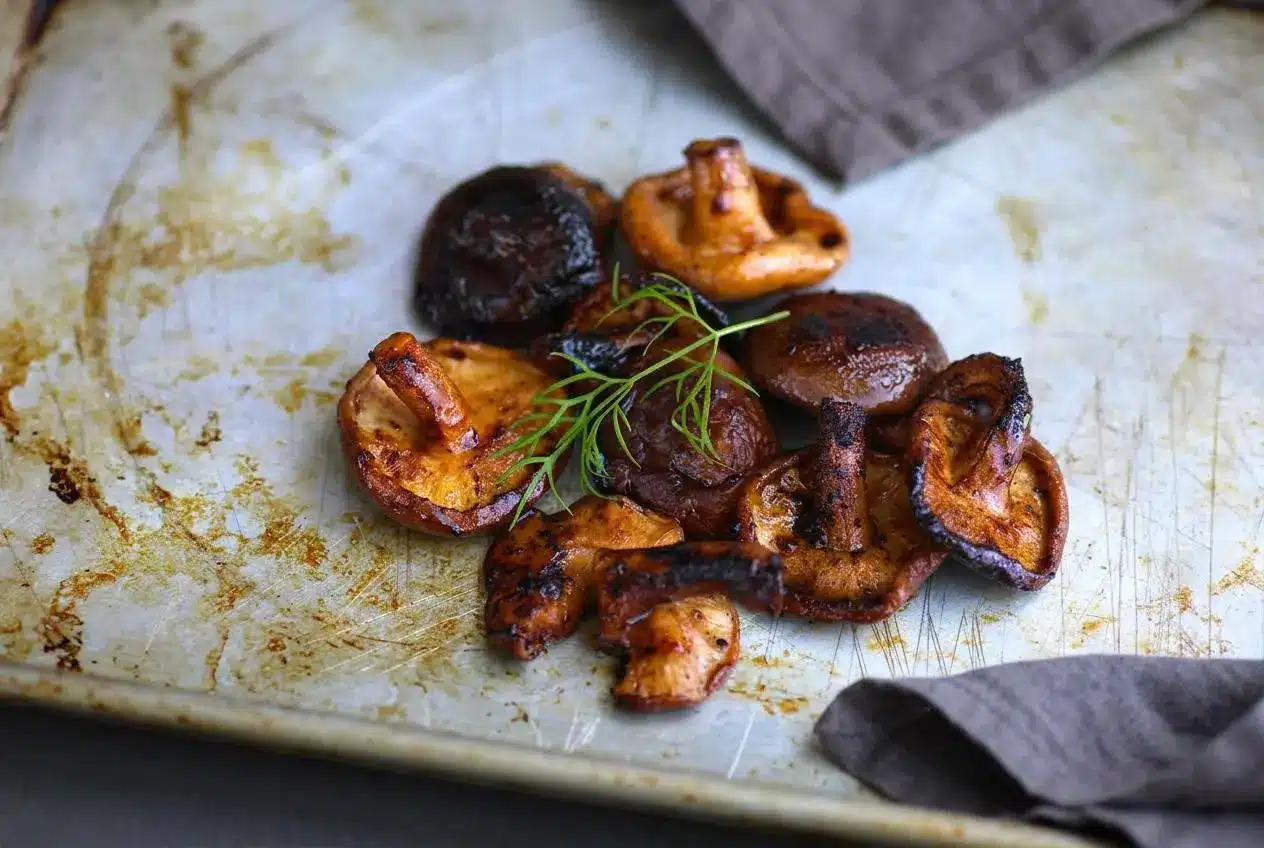
Miso butter mushrooms are a four-ingredient skillet side made by cooking shiitakes in butter and red miso until browned and tender, then finishing with lime juice. The result is a glossy, deeply savory glaze with a bright citrus finish.
Warm miso butter has a rich, almost nutty aroma that suits shiitakes’ meaty bite. These miso butter mushrooms bring that flavor to the table without a separate sauce to prepare.
Serve them beside dinner or spoon them over toast for something more substantial. Careful heat control keeps the glaze savory rather than bitter. Watch those golden edges.
Set the quartered limes within reach before heating the skillet so you can finish the mushrooms while they’re warm.
Key Ingredients and Smart Substitutions
Shiitakes provide a firm bite, butter carries the glaze, red miso supplies concentrated savory flavor, and lime adds acidity to balance the richness. Each ingredient contributes to both the coating and the finished flavor.
- 3 C Markon First Crop Shiitake Mushrooms
- 1/4 C unsalted butter
- 2 tsp. red miso paste
- MFC Limes. quartered
The mushrooms give the dish its substance, while melted butter helps distribute the miso over their surfaces. Lime juice does double duty: it loosens flavorful residue from the skillet and gives the rich coating a fresher finish. This recipe serves four as a side dish.
I pat mushrooms dry after cleaning, especially around the undersides where moisture can linger.
Best Mushroom Varieties to Use
Shiitakes are the choice here, but other sturdy mushrooms offer useful optional variations. Pick based on the texture you enjoy rather than expecting every variety to cook identically.
- Shiitake: Firm caps deliver a meaty bite that stands up to the glaze; remove tough, woody stems during preparation.
- Oyster: Broad surfaces give the butter plenty of contact, while thinner edges can brown sooner than the thicker centers.
- Maitake: Loose clusters offer delicate, ruffled edges; separate them into manageable pieces without breaking every frond apart.
- Cremini: Sturdy caps make a practical alternative, especially when cut into reasonably even pieces.
- Beech: Small caps and slender stems provide a different bite; separate the cluster and trim away the firm attached base.
Keep pieces reasonably similar in thickness. Tiny fragments can darken while larger pieces are still firm, making the pan harder to manage.
Red Miso vs. White Miso Paste
Red miso generally tastes deeper and more assertive; white miso typically has a milder, slightly sweeter character. Red miso remains the choice for this recipe, with white miso an optional flavor change.
Salt content varies by product, so color alone won’t tell you how salty a paste tastes. Unsalted butter gives you better control over the finished seasoning. Taste the cooked glaze before considering any additional salt.
Lime balances richness and perceived saltiness, but it doesn’t remove sodium. Lemon is an optional citrus alternative with a different flavor. If you’re looking for another use for the miso container, homemade miso soup is a useful next dish.
How to Make Miso Butter Mushrooms Step by Step
Use a large skillet and a whisk, and follow the mushrooms’ texture rather than a timer. They should finish tender, with browned edges and a coating that clings instead of pooling.
- Melt the butter in a large skillet, whisk the red miso into it until evenly dispersed, then add the mushrooms and turn them through the mixture as they cook.
Continue until the mushrooms feel tender and show browned surfaces, with the savory coating distributed over every piece. - Pour lime juice into the skillet, loosening the flavorful residue from the bottom, then transfer the mushrooms for warm serving.
The finished mushrooms should look glossy, with a bright citrus aroma against the rich miso butter.
Melt the Butter and Whisk in the Miso
Whisking breaks up concentrated pockets of paste so one mushroom doesn’t get all the seasoning. Look for an evenly blended mixture rather than distinct lumps of miso floating in butter.
Moderate heat is helpful here, with medium as a practical starting point rather than a fixed setting. The mixture should smell savory and lightly nutty, not acrid. Avoid deliberately darkening the miso before adding the mushrooms.
Cook Until Browned and Tender, Then Finish with Lime
Turn the mushrooms through the butter to coat them, then give their surfaces time against the pan. Constant stirring makes it harder to judge where browning is developing. Check the undersides as you turn them.
Look for browned patches and a tender bite, not a uniformly dark crust. Add the lime juice while the skillet is still hot, working loose the browned residue without scraping up blackened bits. The juice should mingle with the coating rather than leave the mushrooms swimming in liquid.
Expert Tips for Golden, Never-Soggy Mushrooms
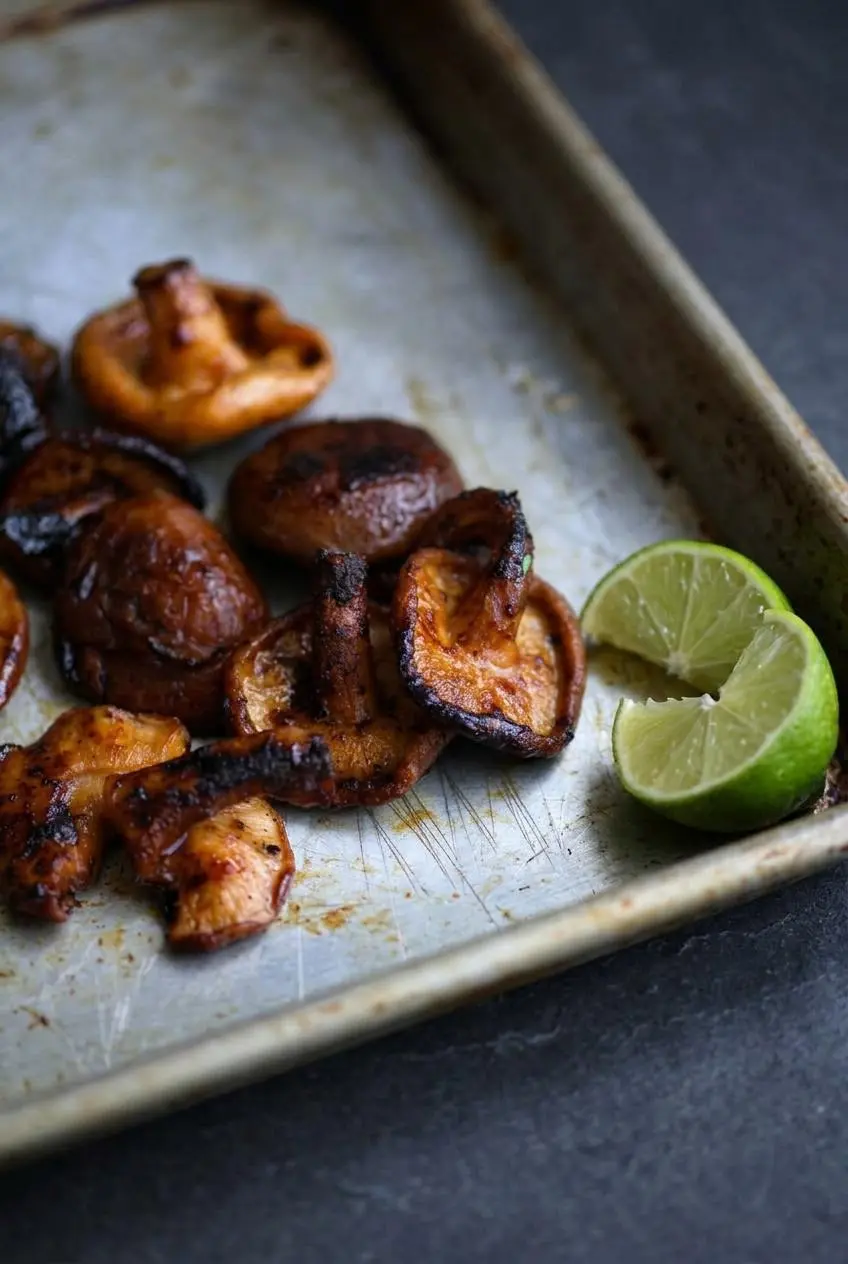
Start with dry surfaces and enough pan space to keep the mushrooms from sitting in a deep, wet pile. Wipe away loose dirt with a dry or barely damp towel, and avoid soaking.
A brief rinse doesn’t automatically ruin browning. If you rinse, dry thoroughly before cooking. An uncrowded skillet gives moisture room to escape; for an optional larger batch, use additional pan space or cook in batches rather than packing everything together.
Listen as well as look. A wetter sizzle may ease into a gentler crackle as the pan becomes less watery. Confirm progress with browned surfaces, since sound alone won’t tell you whether the glaze is getting too dark.
Keep the Miso Butter from Scorching
Stay beside the skillet once the miso goes in. Pan material and burner strength change how quickly the butter and paste darken, even at the same dial setting.
If the butter colors rapidly, lower the heat or move the pan off the burner briefly. A heavy cast iron skillet retains heat after you turn the burner down, so moving it can help you regain control. An acrid smell means you need to act, not stir faster.
Optional Dry-Searing for Wetter Mushrooms
Dry-searing is an alternate technique, not part of the two-step method above. Cook the mushrooms in an ungreased skillet first, allowing released moisture to evaporate before adding butter and miso.
This changes the cooking order and can help with particularly wet mushrooms. The trade-off is a hotter, drier pan when the miso arrives. Reduce the heat before adding the butter and paste, and watch closely to avoid scorching them.
Fix a Watery Pan or an Overly Salty Glaze
- Watery coating: Crowding or surface moisture may be the cause; spread the mushrooms out and let excess liquid evaporate without turning the heat high enough to burn the miso.
- Bitter, burnt flavor: Scorched paste won’t recover with more cooking; avoid stirring blackened residue into the mushrooms, and start again if bitterness dominates.
- Too salty: Prevent excess salt with unsalted butter, then serve strongly seasoned mushrooms with plain rice or pasta to balance each bite; citrus brightens the flavor but doesn’t remove salt.
Serving Miso Mushrooms on Toast, Pasta, and Rice
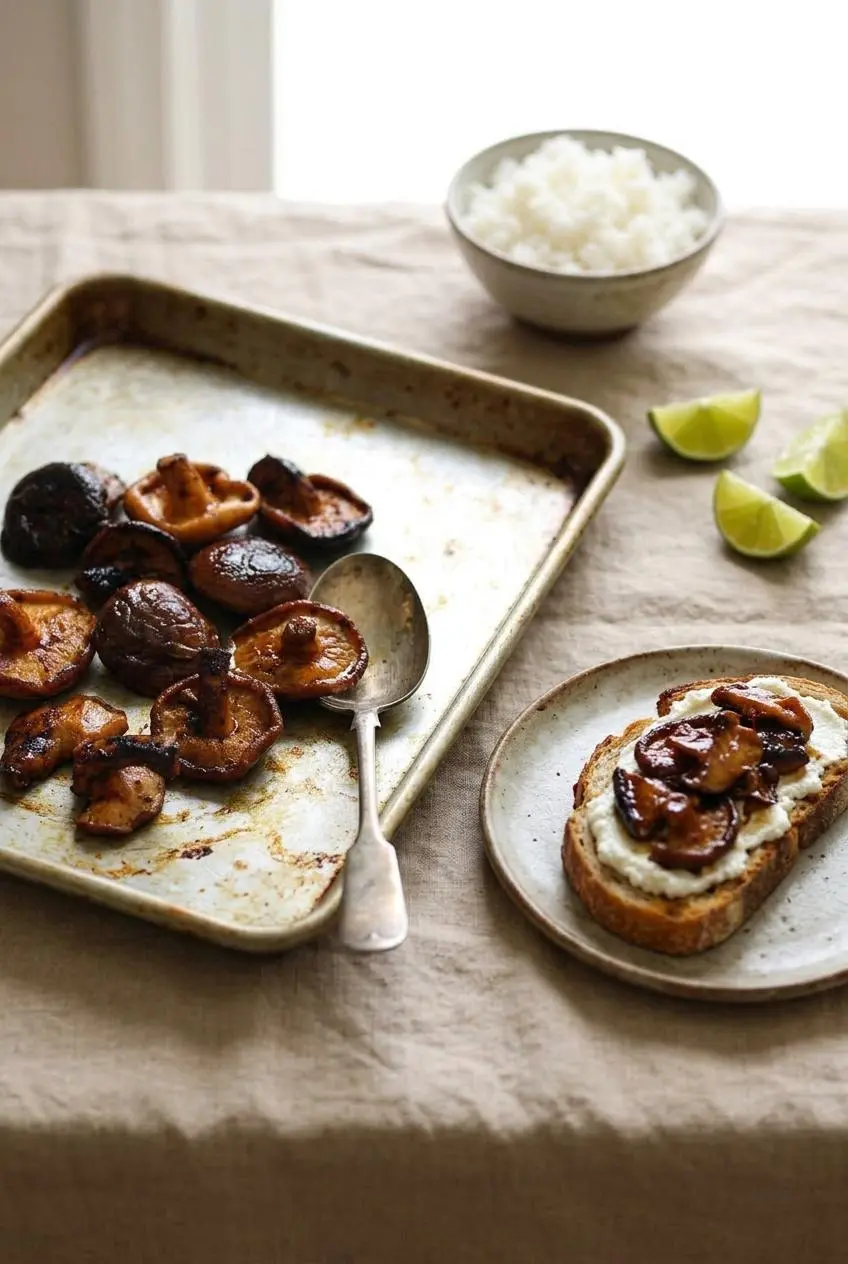
The savory glaze works especially well with an accompaniment that can catch it. As a side, these mushrooms complement steak, roasted chicken, or a burger without needing another rich sauce.
Miso Butter Mushrooms on Ricotta Toast
Spoon warm mushrooms over toasted sourdough spread with ricotta. The creamy cheese softens the miso’s intensity, while crisp toast contrasts with the tender mushrooms.
Add the mushrooms close to serving so the toast keeps some crunch. Spoon over the coating that clings to them rather than soaking the bread with pooled pan liquid.
Easy Miso Mushroom Pasta and Rice Bowls
Toss the finished mushrooms with warm pasta, or spoon them over steamed rice so the glaze seasons each bite. For a richer pasta option, pair them with garlic butter pasta, keeping any additional seasoning restrained.
Grain bowls and noodles work too. Optional sliced green onions add freshness, while sesame seeds provide a little texture. Remember that this quantity serves four as a side, not necessarily four as a main dish.
For larger meals, scale the mushroom, butter, and miso amounts proportionally. Adjust lime to taste rather than calculating from an unspecified amount. Increase pan space along with the ingredients so a larger meal doesn’t become a crowded skillet.
White Miso and Fresh Herbs
- White miso: Use it as an optional alternative for a gentler, slightly sweeter glaze, checking the product’s saltiness.
- Fresh thyme: Choose it for an herbal direction that complements the mushrooms’ earthy flavor.
- Garlic: Consider it a separate optional flavor addition for a more aromatic dish, rather than a required part of the red miso and lime combination.
Keeping Leftover Miso Mushrooms Tender
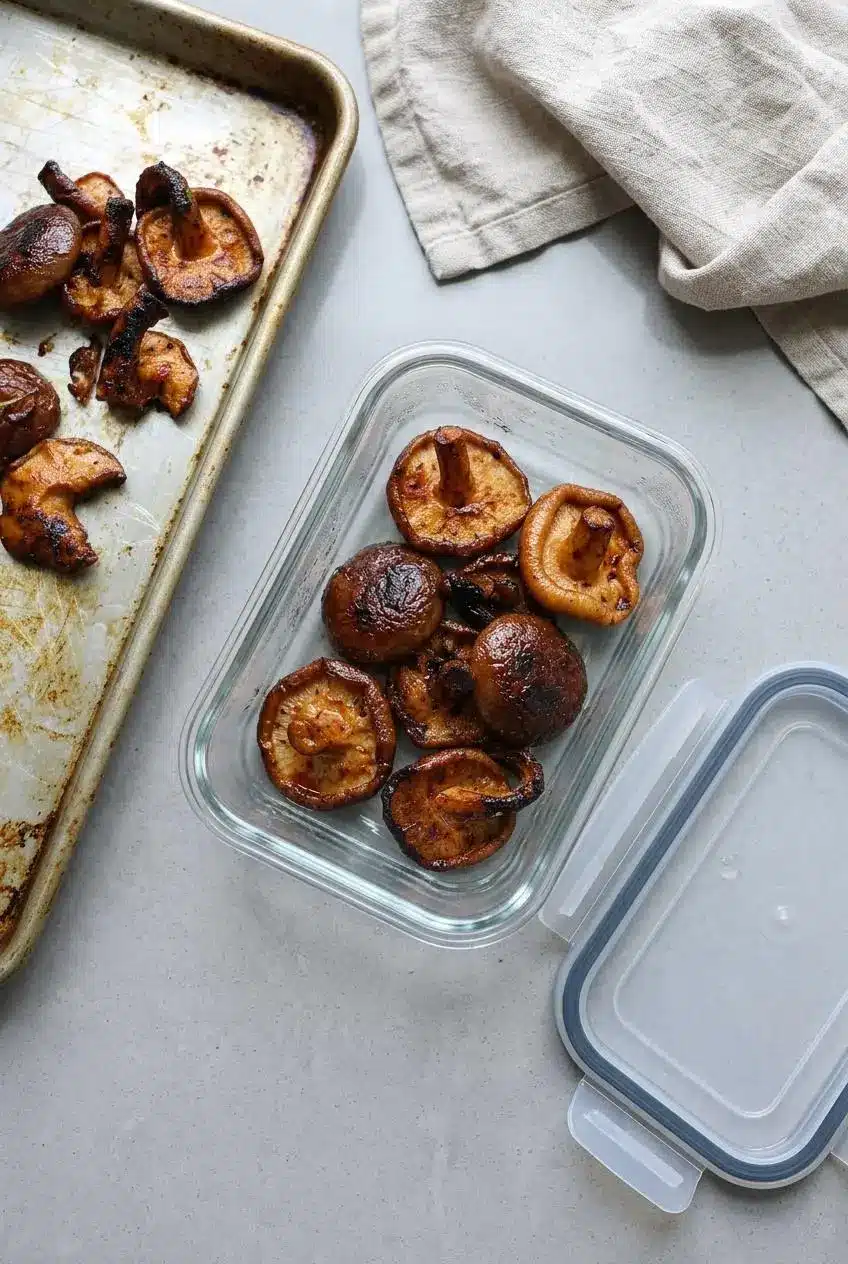
These mushrooms have their best texture served warm from the skillet. If you prepare them ahead, keep cleaned and sliced mushrooms refrigerated until cooking rather than leaving them on the counter.
Transfer cooked leftovers to a shallow airtight container and refrigerate promptly; don’t wait for them to cool completely at room temperature. Store any toast or other crisp accompaniment separately.
Reheat gently in a skillet, turning the mushrooms so they warm evenly without prolonged cooking. Watch the coating closely: excessive heat can scorch it, and overcooking can make the mushrooms chewy. A skillet gives you more control over released moisture than a microwave, though it won’t necessarily restore freshly browned edges.
Conclusion
Rich butter, deep red miso, and bright lime give these mushrooms a glossy coating with plenty of savory character. Browned surfaces and a tender bite matter more than chasing a dark crust.
Keep the heat controlled, stay near the skillet, and finish while everything is warm. Spoon them over toast or serve them beside dinner, letting that lime finish do its work.
Frequently Asked Questions
Which Mushrooms Work Best for Miso Butter Mushrooms?
Shiitakes are the choice here for their firm, meaty caps. Oyster, maitake, cremini, and beech are optional alternatives with different textures and browning patterns; judge doneness individually rather than assuming identical cooking times.
Should I Use Red Miso or White Miso Paste?
Use red miso for the deeper savory flavor of this recipe. White miso is an optional milder, slightly sweeter alternative; saltiness varies by brand and product, not just color.
How Do You Clean Mushrooms Without Making Them Soggy?
Wipe away dirt with a dry or barely damp towel, and avoid soaking. If you briefly rinse them, dry thoroughly before cooking; wet surfaces can leave the pan steaming before browning develops.
Can You Make Miso Butter Mushrooms Ahead of Time?
For the best texture, prepare the mushrooms ahead and keep them refrigerated, then cook close to serving. Refrigerate cooked leftovers promptly in a shallow airtight container and reheat carefully in a skillet, allowing for softer edges than freshly cooked mushrooms.
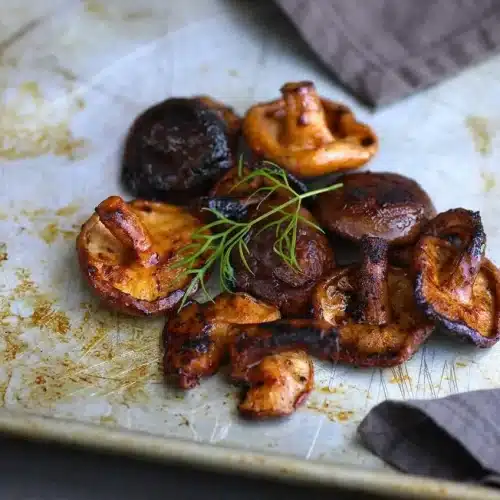
Miso Butter Mushrooms

Equipment
- Large Skillet
- Whisk
Ingredients
- 3 C Markon First Crop Shiitake Mushrooms
- 1/4 C unsalted butter
- 2 tsp. red miso paste
- MFC Limes. quartered
Instructions
- Melt the butter in a large skillet, whisk the red miso into it until evenly dispersed, then add the mushrooms and turn them through the mixture as they cook. Continue until the mushrooms feel tender and show browned surfaces, with the savory coating distributed over every piece.
- Pour lime juice into the skillet, loosening the flavorful residue from the bottom, then transfer the mushrooms for warm serving. The finished mushrooms should look glossy, with a bright citrus aroma against the rich miso butter.