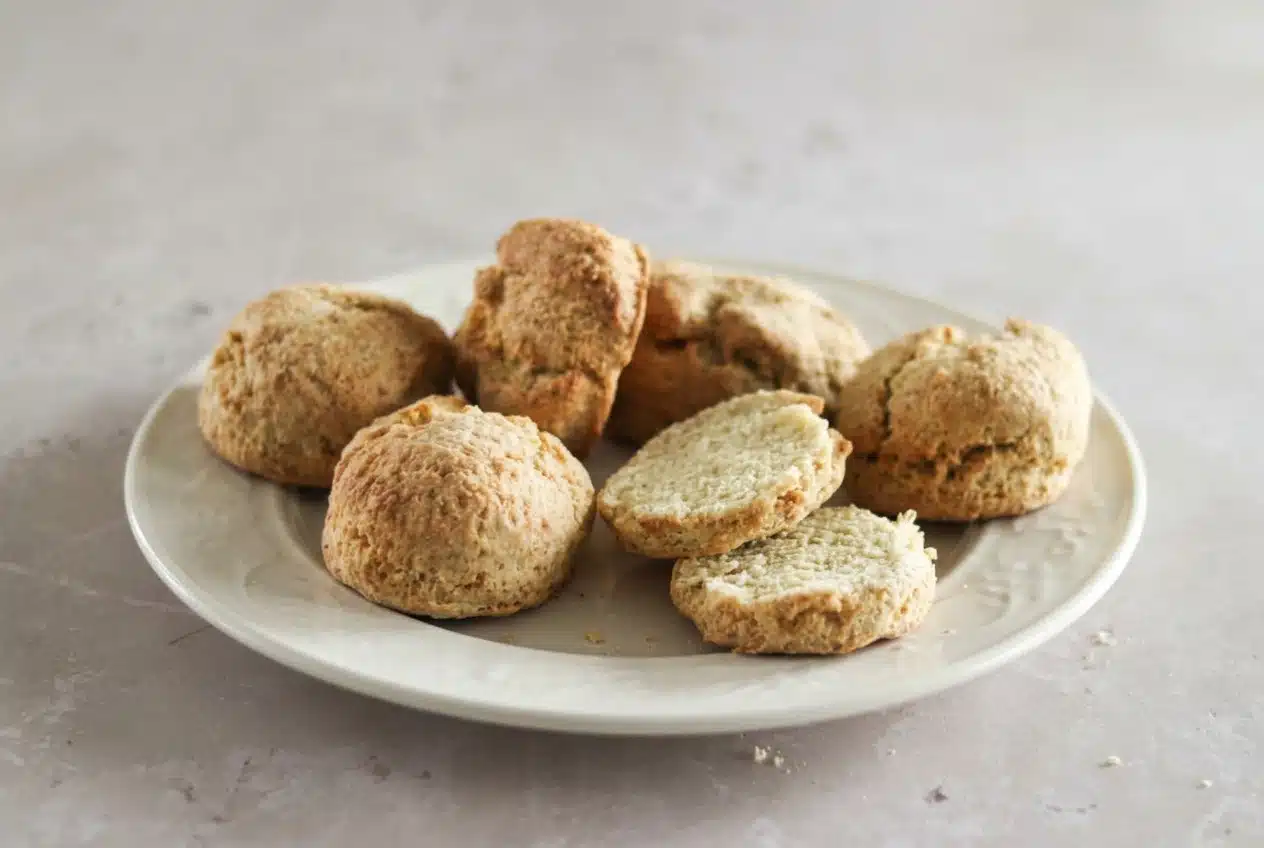
This sourdough scones recipe makes six buttery, flaky scones with a light tang from discard. Baking powder gives them lift without a long rise. Work cold butter into the flour, bring the dough together gently, and bake until the tops turn golden.
Plain scones let the butter and vanilla come through. They’re lightly sweet, with a tender center that splits open for a spoonful of jam.
If you’re used to kneading bread dough, the trickiest part is knowing when to stop. A few cracks around the edge of the dough are fine. Trust the feel more than the finish.
I leave the butter in the fridge while measuring the flour so it’s still firm when it meets my fingertips.
Ingredients for Sourdough Scones
Flour gives the scones structure, milk brings the dough together, and cold butter creates flaky pockets. Discard adds tang, baking powder supplies lift, and sugar, salt, and vanilla balance the buttery flavor.
- 2 1/2 cups flour
- 1/4 cup sugar
- 1/4 teaspoon salt
- 1 teaspoon baking powder
- 1 stick unsalted butter
- 1/2 cup sourdough discard
- 1 teaspoon vanilla extract
- 1/2 cup milk
Discard is the portion of sourdough starter you remove when you feed the rest. You don’t need to feed that portion or wait for it to bubble before making these scones. The baking powder does the lifting, so the discard can go straight into the milk.
The butter’s texture matters as much as its flavor. Firm butter breaks into little flour-coated pieces. Soft butter smears under your fingers, making it harder to get distinct flakes in the baked scones.
How to Make Sourdough Scones
Allow about 10 minutes for prep, 20 to 25 minutes for baking, and time for the scones to cool. Unlike dough for sourdough bread, this dough goes from shaping to baking without a proof.
- Set the oven to 400 °F (200 °C).
While it heats, cover the baking sheet with parchment so it’s ready for the cut dough. - Stir the flour, sugar, salt, and baking powder together in a large bowl.
Distribute the baking powder evenly so each scone gets lift. - Use cool fingertips to rub the cold butter into the dry mixture.
Stop when you feel coarse crumbs between your fingers, before the butter starts to smear. - Blend the milk and discard in a second bowl.
Once no thick streaks of starter remain, pour the smooth liquid over the buttery crumbs. - Knead lightly, gathering the damp crumbs into a rough mass.
When the dough holds together, move it to a well-floured work surface. - Pat or roll the dough into a disk 1 inch thick, then cut six wedges or rounds.
Keep the disk even from center to edge so the pieces are similar in thickness. - Brush the tops lightly with milk, then transfer the pieces to the parchment.
A thin sheen of milk is enough to help the tops brown. - Bake on the center rack for 20 to 25 minutes.
Start checking at 20 minutes and take the scones out when the tops are golden. - Leave the scones whole until they cool completely.
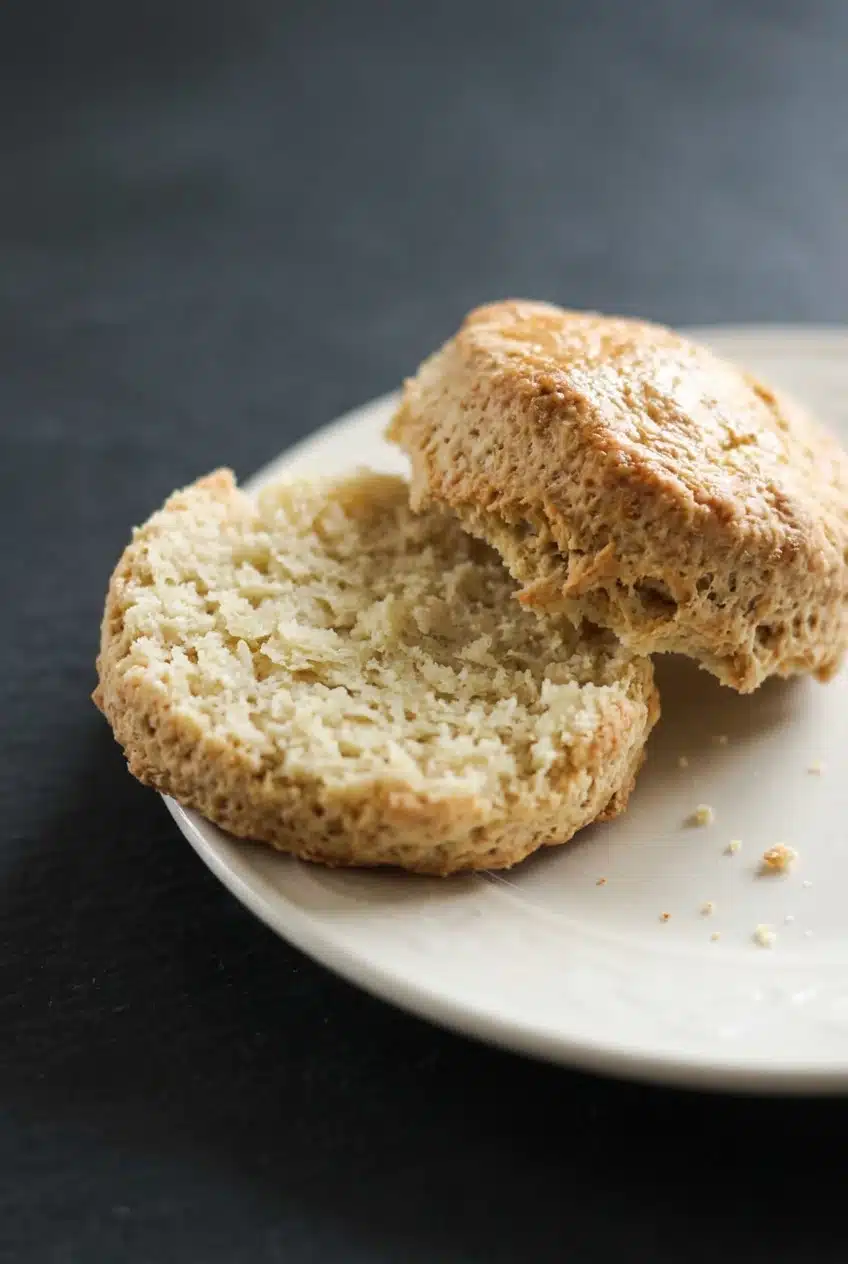
When you split one, look for tender flakes just beneath the golden top.
Why Scones Turn Out Dry, Dense, or Flat
A ragged edge on raw dough and a dry center after baking are different problems. Here’s how to tell which stage needs attention.
- The dough looks too dry to shape. Gently press a loose edge toward the center. If it stays put when you lift your fingers, start shaping. If it falls back into crumbs, gather the loose bits into the damp dough. Don’t add milk just to smooth the surface.
- The baked center is dry and crumbly. The scones may have stayed in the oven too long. Check at the early end of the baking window rather than waiting for a deep brown crust.
- The crumb feels dense. Kneading past the point where the dough holds together can make it tough. Leave the little ridges alone instead of working them out.
- The scones spread. If the flour mixture felt greasy, the butter may have softened too much. Start with firm butter and use your fingertips rather than your palms.
- The rounds rise unevenly. Turning a cutter as you lift it can press the edges together. For a clean edge, push the cutter straight down and lift it straight up.
Blueberry, Chocolate Chip, and Other Variations
Choose fruit for juicy pockets or chocolate for a sweeter bite. Both are optional; the plain dough holds its own without a mix-in.
Blueberry with Optional Lemon
Fresh blueberries bring little bursts of juice, so handle them gently to keep them whole. Frozen berries tend to leave purple streaks in the dough; there’s no need to work the color in evenly. Lemon zest adds a bright citrus aroma without adding more juice. For quantities tailored to the fruit, try these blueberry scones.
Chocolate Chip
Chocolate chips add sweetness without the extra juice from berries. The pockets of chocolate stand out against the lightly tangy crumb, especially if you serve the scones plain rather than with jam.
Planning Your Bake and Packing Leftovers
For a breakfast batch, measure the dry ingredients and line the baking sheet before you handle the butter. Leave the milk and discard separate from the flour until you’re ready to mix, shape, and bake.
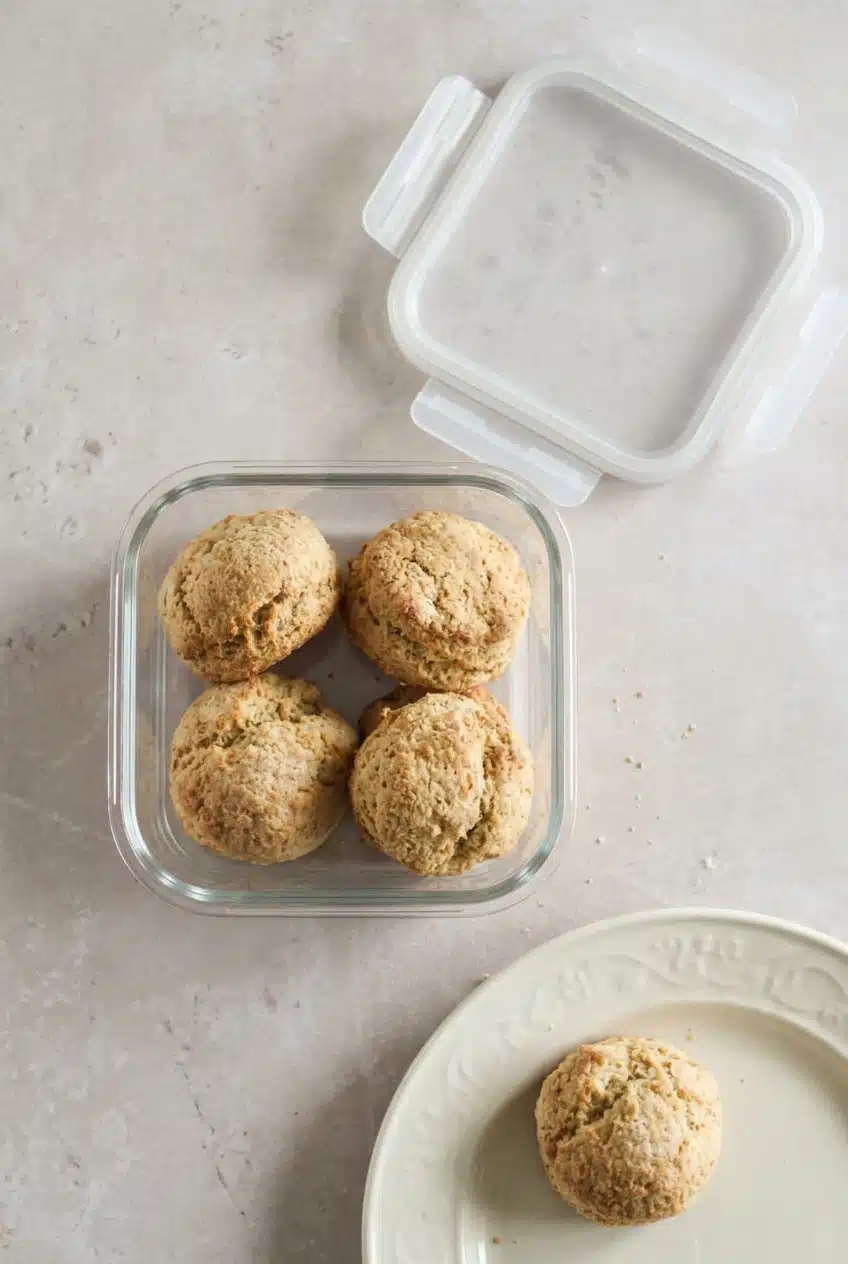
For baked leftovers, wait until the scones cool completely before closing them in an airtight container. Trapped steam can soften the golden tops. Keep jam and cream separate so the cut sides stay dry until serving.
What to Serve with Sourdough Scones
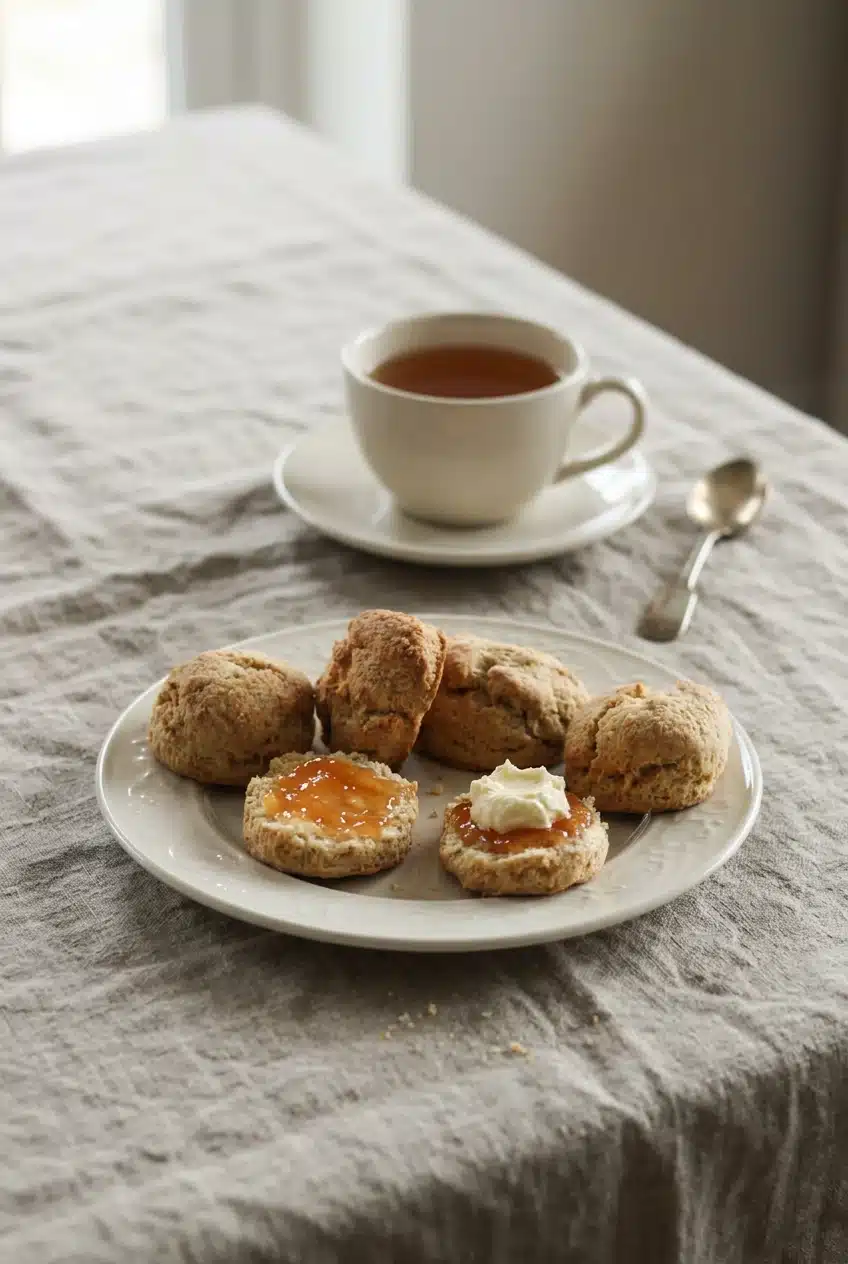
Split a plain scone across the middle and spread each half with peach jam. Add a spoonful of clotted cream for afternoon tea, or leave the scone unadorned and enjoy the buttery crumb with your morning coffee.
Conclusion
Plain discard scones get their light tang from the starter and their flaky texture from cold butter. Once the dough holds together, you’ve kneaded enough.
Let the golden scones cool, then ease one apart along its natural split. That tender middle is just the place for a little jam.
Frequently Asked Questions
What Is the Secret to Making Good Scones?
Keep the butter cold enough to form crumbs rather than a paste. Once the wet ingredients go in, handle the dough only until it holds its shape.
Is There a Difference Between Sourdough Starter and Sourdough Discard?
They come from the same culture. Discard is the portion you remove at feeding time; the starter you keep gets fresh flour and water. Use the removed portion here without feeding it again.
Are Sourdough Scones Supposed to Be Dry or Fluffy?
Aim for a tender, flaky center rather than the springy fluffiness of a dinner roll. A few crumbs when you split a scone are normal, but the whole middle shouldn’t crumble away.
Should I Plan Around Unbaked Dough or Baked Scones?
For freshly baked scones, have the ingredients ready and mix the dough when you can put the shaped pieces straight into the oven. If you’d rather finish the baking before guests arrive, leave time for the whole scones to cool and split them at the table.
Are Sourdough Scones Healthier Than Regular Scones?
Don’t assume so from the name alone. For a meaningful comparison, look at the ingredients and nutrition information for equal portions of the two finished scones. The reason to choose discard here is its flavor.
What Else Can I Make with Sourdough Discard?
Try discard muffins or cookies. Choose a recipe written for discard so it already accounts for the flour and water in your starter.
Sourdough Scones Recipe

Equipment
- Baking Sheet
- Parchment Paper
- Large Mixing Bowl
- Second mixing bowl
- Knife or round cutter
- Pastry brush
Ingredients
- 2 1/2 cups flour
- 1/4 cup sugar
- 1/4 teaspoon salt
- 1 teaspoon baking powder
- 1 stick unsalted butter
- 1/2 cup sourdough discard
- 1 teaspoon vanilla extract
- 1/2 cup milk
Instructions
- Set the oven to 400 °F (200 °C). While it heats, cover the baking sheet with parchment so it’s ready for the cut dough.
- Stir the flour, sugar, salt, and baking powder together in a large bowl. Distribute the baking powder evenly so each scone gets lift.
- Use cool fingertips to rub the cold butter into the dry mixture. Stop when you feel coarse crumbs between your fingers, before the butter starts to smear.
- Blend the milk and discard in a second bowl. Once no thick streaks of starter remain, pour the smooth liquid over the buttery crumbs.
- Knead lightly, gathering the damp crumbs into a rough mass. When the dough holds together, move it to a well-floured work surface.
- Pat or roll the dough into a disk 1 inch thick, then cut six wedges or rounds. Keep the disk even from center to edge so the pieces are similar in thickness.
- Brush the tops lightly with milk, then transfer the pieces to the parchment. A thin sheen of milk is enough to help the tops brown.
- Bake on the center rack for 20 to 25 minutes. Start checking at 20 minutes and take the scones out when the tops are golden.
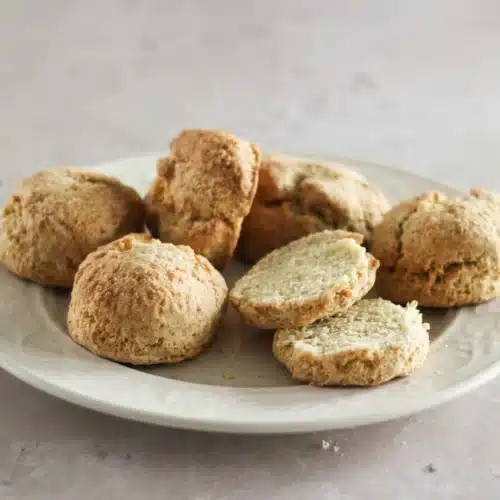
- Leave the scones whole until they cool completely. When you split one, look for tender flakes just beneath the golden top.