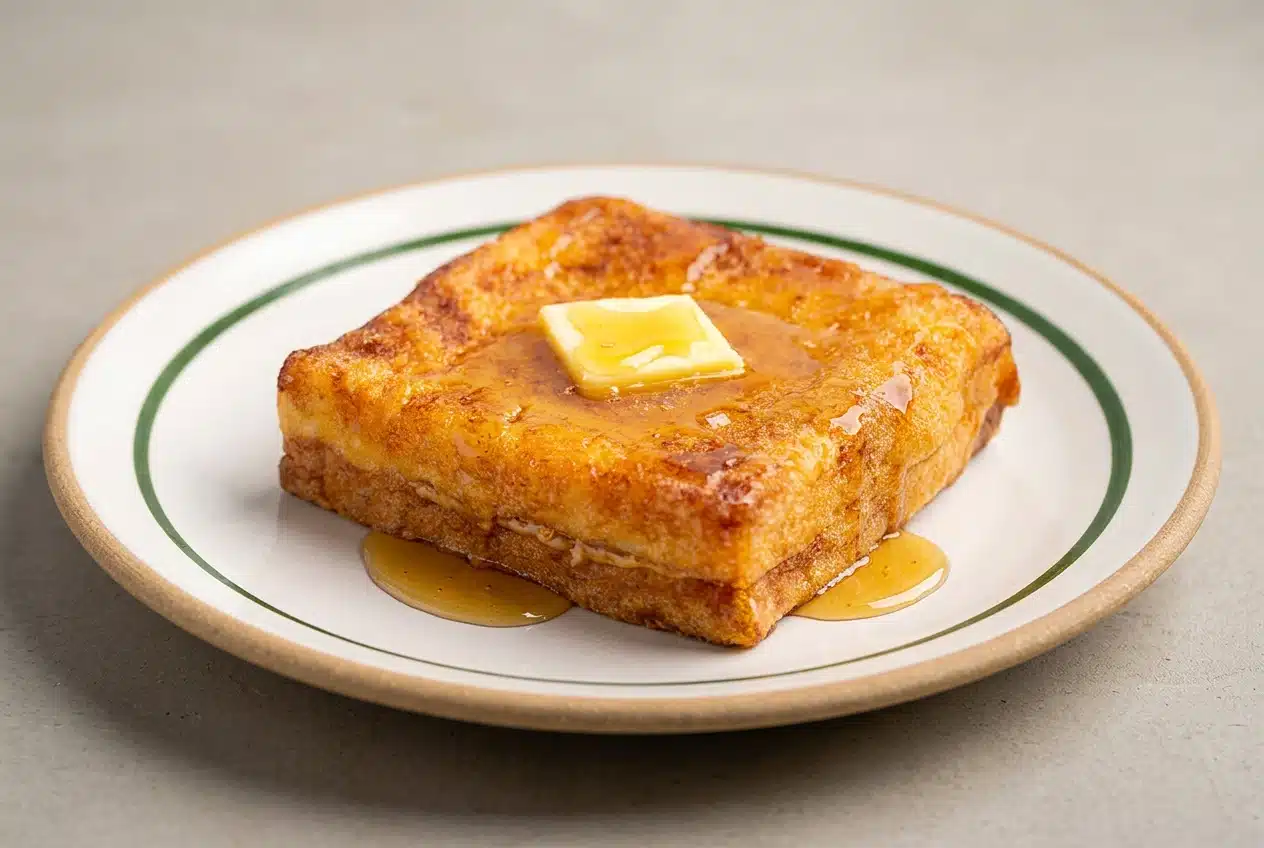
Hong Kong French toast is a crustless peanut butter sandwich coated in egg, fried until crisp and golden, and served hot with butter and syrup. Foaming the egg white before adding the yolk helps create a light coating around the soft, creamy center.
This Hong Kong tea-cafe favorite turns soft white bread into a stuffed afternoon snack. Unlike custardy breakfast toast, it gets its character from an egg-only coating and hot-oil basting.
The appeal is all about contrast: crisp edges, pillowy bread, warm peanut butter, and butter melting over the top. Watch for those tiny egg-white bubbles.
Choose slightly dried-out bread that still bends without crumbling, so the sandwich holds together during dipping.
Essential Ingredients and Smart Substitutions
Bread gives the sandwich structure, peanut butter supplies a creamy center, and egg forms the golden coating. Neutral oil crisps the exterior, while finishing butter adds richness and syrup balances the savory peanut flavor with sweetness.
- 2 slices soft white bread ((preferably 2 days old))
- 2 teaspoons creamy peanut butter
- 1 large egg
- ¼ cup vegetable oil or any neutral oil
- 1 thin slice unsalted butter
- Golden syrup or pancake syrup
Choosing the Right Bread (Asian White Bread, Shokupan, or Brioche)
Soft Asian bakery white bread or shokupan offers a fine, pillowy crumb that suits this stuffed toast. Slightly dried-out slices absorb the egg without becoming as fragile as very moist, freshly baked bread.
Standard white sandwich bread is an accessible substitute. Brioche also works as a richer alternative, though its buttery flavor makes the result more dessert-like. If you prefer a custard-soaked version, try brioche French toast.
I’d choose a soft, close-textured slice over an airy artisan loaf here; an even crumb makes the filling and coating easier to manage.
Creamy Peanut Butter, Eggs, and Neutral Frying Oil
Creamy peanut butter spreads evenly and gives the warm center a cohesive texture. Chunky peanut butter introduces crunch rather than the smooth filling intended here.
The egg does two jobs: it coats the sandwich and forms the browned exterior. Whisking the white separately incorporates air without adding milk or cream. Vegetable oil or another neutral frying oil lets the peanut flavor come through; the unsalted butter belongs on top after frying.
Golden Syrup vs. Sweetened Condensed Milk
Golden syrup gives the toast a rounded, caramel-like sweetness. Pancake syrup is the other listed topping option and offers an easy substitute with a different flavor.
Sweetened condensed milk is an optional cafe-style alternative, not part of the ingredient list above. It adds a thicker, milky sweetness rather than golden syrup’s caramel character.
How to Make Crispy Hong Kong French Toast
Have everything within reach before frying, especially the spoon and draining plate. The key cues are fine bubbles in the egg white, bubbling around the oil-test droplet, and a golden underside before flipping.
Prep: 12 minutes · Cook: 5 minutes · Total: 17 minutes · Servings: 1
- Build the sandwich on a cutting board by covering one face of a bread slice with peanut butter and placing the second slice over it, then remove every brown crust with a serrated knife.
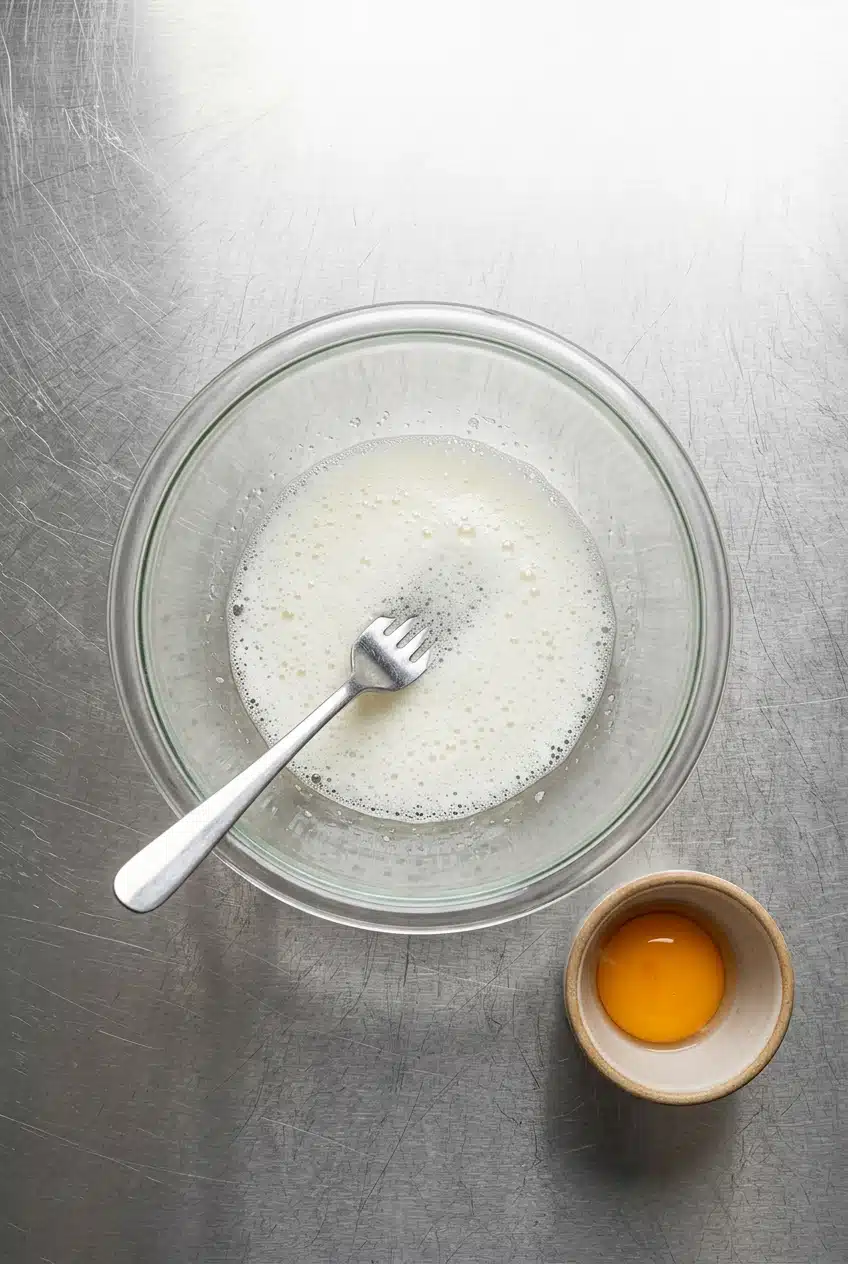
Set the trimmed sandwich aside with its soft edges exposed. - Separate the egg, reserving the yolk, and beat the white with a fork in a clean, dry, grease-free medium bowl.
Stop when fine bubbles fill the white and its volume has doubled, without taking it to soft peaks. - Blend the reserved yolk into the foamy white, then pour the coating into a rimmed plate.
Mix only until the yolk and white come together. - Warm the oil in a small, heavy-bottomed skillet over medium-high heat.
The oil needs to be ready for the egg-droplet test before the sandwich goes in. - Line a separate plate with a paper towel and keep it beside the skillet.
This gives the fried sandwich an absorbent surface for its brief draining rest. - Dip the sandwich edges into the egg first, coat both broad faces, and allow 1 minute for absorption.
The egg should cover the perimeter as well as the top and bottom. - Drop a little egg coating into the oil to check its readiness.
Bubbling around the droplet is the signal to begin frying. - Carefully lower the coated sandwich into the skillet, reduce the heat to medium, and use a large spoon to bathe its upper face and edges with hot oil.
Continue until the underside develops a golden-brown crust. - Turn the sandwich carefully, cook the second face until golden brown, and move it to the paper-towel-lined plate for 10 seconds.
Both broad faces should now have an evenly browned egg coating. - Move the drained toast to a serving plate, add the unsalted butter and syrup, and serve hot.
The butter will soften against the freshly fried crust.
What Makes Cha Chaan Teng Toast Unique
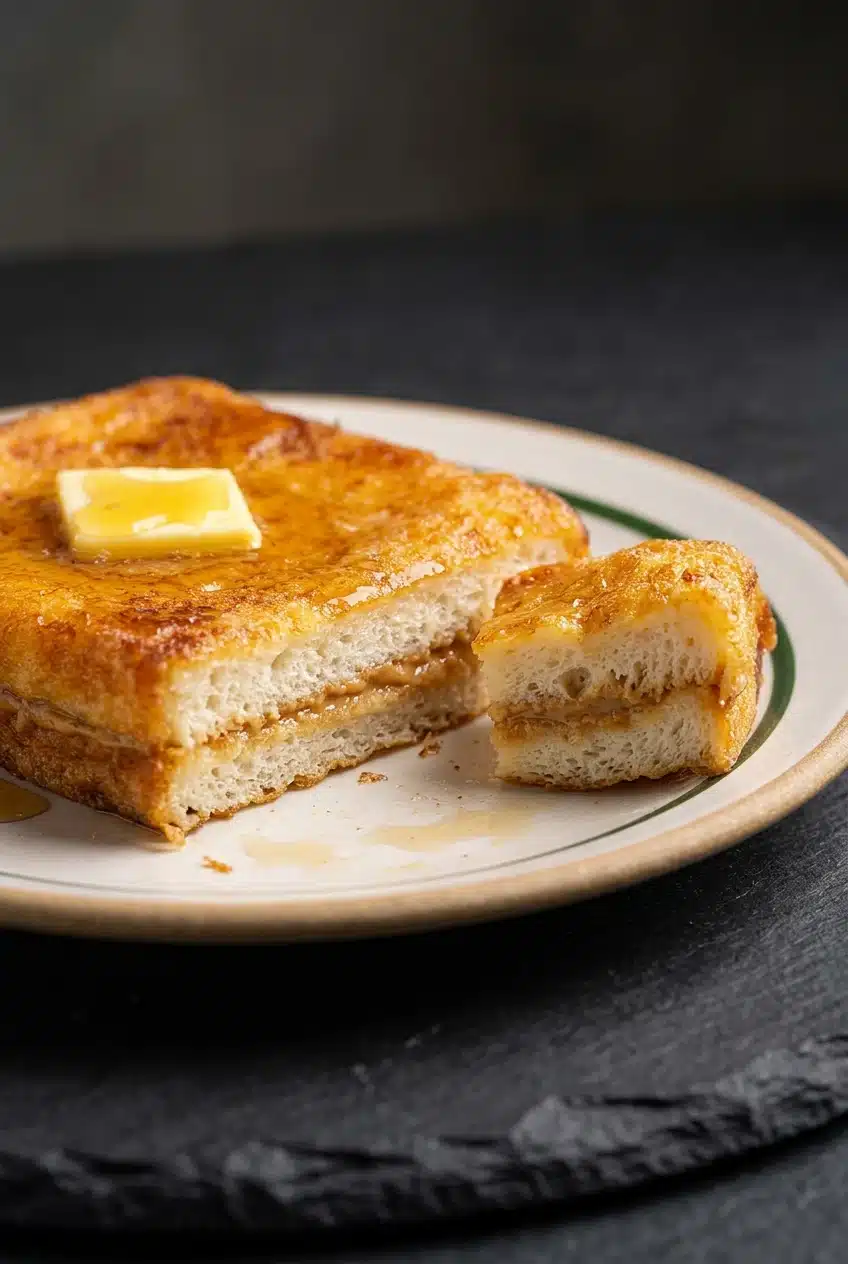
This stuffed toast, also called sai dor si, is a familiar afternoon-tea indulgence in Hong Kong’s cha chaan teng tea cafes. Its crisp shell and creamy filling make it quite different from a custardy breakfast slice.
Where classic French toast typically uses individual slices soaked in milk-and-egg custard and cooked on a buttered surface, this version uses a crustless sandwich, an egg-only coating, and hot neutral oil.
Deep-fried versions exist, but this skillet method uses spoon-basting to bring hot oil over the top and edges. Butter and a sweet drizzle complete the contrast between the golden exterior and soft peanut butter center.
Expert Frying Tips and Common Mistakes to Avoid
Most problems start with fragile bread, exposed filling, or heat that browns the coating too quickly.
- Leaking peanut butter: As an optional assembly adjustment, concentrate the spread toward the center and leave a narrow clean border to help limit filling escaping at the edges.
- Weak egg foam: Grease or yolk residue can interfere with aeration; use a clean, dry bowl and keep the yolk separate until the white looks foamy.
- Torn, soggy bread: Very moist bread and prolonged soaking make the sandwich harder to lift; choose slightly dried-out slices and follow the stated dipping time.
- Dark coating: Excessive heat can brown the outside before the filling warms; remember to reduce the heat after adding the sandwich.
- Greasy exterior: Don’t skip the bubbling-droplet check or the brief paper-towel drain, both of which support the intended crust.
For several sandwiches, plan around repeating the same cooking sequence rather than crowding the skillet. Give each sandwich room for spoon-basting, and check the browning cues instead of assuming every round will behave identically.
Popular Fillings and Sweet Drizzle Variations
Keep these optional flavor directions separate from the peanut butter, butter, and syrup version above.
Sweetened Condensed Milk Finish
- Sweetened condensed milk: Gives the toast a creamy, milky finish.
- Golden syrup: Keeps the topping rounded and caramel-like.
- Maple syrup: Adds a distinct maple flavor for a different brunch-style finish.
- Honey: Brings floral sweetness that varies with the variety.
- Flaky sea salt: Offers an optional sweet-salty accent against rich spreads and syrup.
Kaya (Coconut Jam) and Fruit Jam Fillings
- Kaya: Coconut jam gives the center a fragrant, creamy character.
- Strawberry jam: Adds bright fruit flavor against the egg coating.
- Plum jam: Offers a tart counterpoint to the buttery finish.
- Peach jam: Sweet peach jam provides another fruit-forward filling option.
- Peanut butter combinations: Jam adds tangy sweetness, while condensed milk takes the filling in a milkier direction.
Chocolate-Hazelnut or Dessert Spread Stuffed Toast
Chocolate-hazelnut spread makes a cocoa-rich, dessert-leaning filling. Pistachio spread offers a different nut flavor and a creamy center. Neither should be treated as an allergy-friendly substitute for peanut butter.
Air Fryer Adaptation
Air frying is a separate adaptation, not an interchangeable step in this stovetop method. Expect a different exterior: circulating hot air does not reproduce the same oil-basted coating.
For the crust described here, use the skillet method. An air-fryer version needs its own tested directions rather than borrowed stovetop cooking times.
Authentic Cha Chaan Teng Serving Ideas
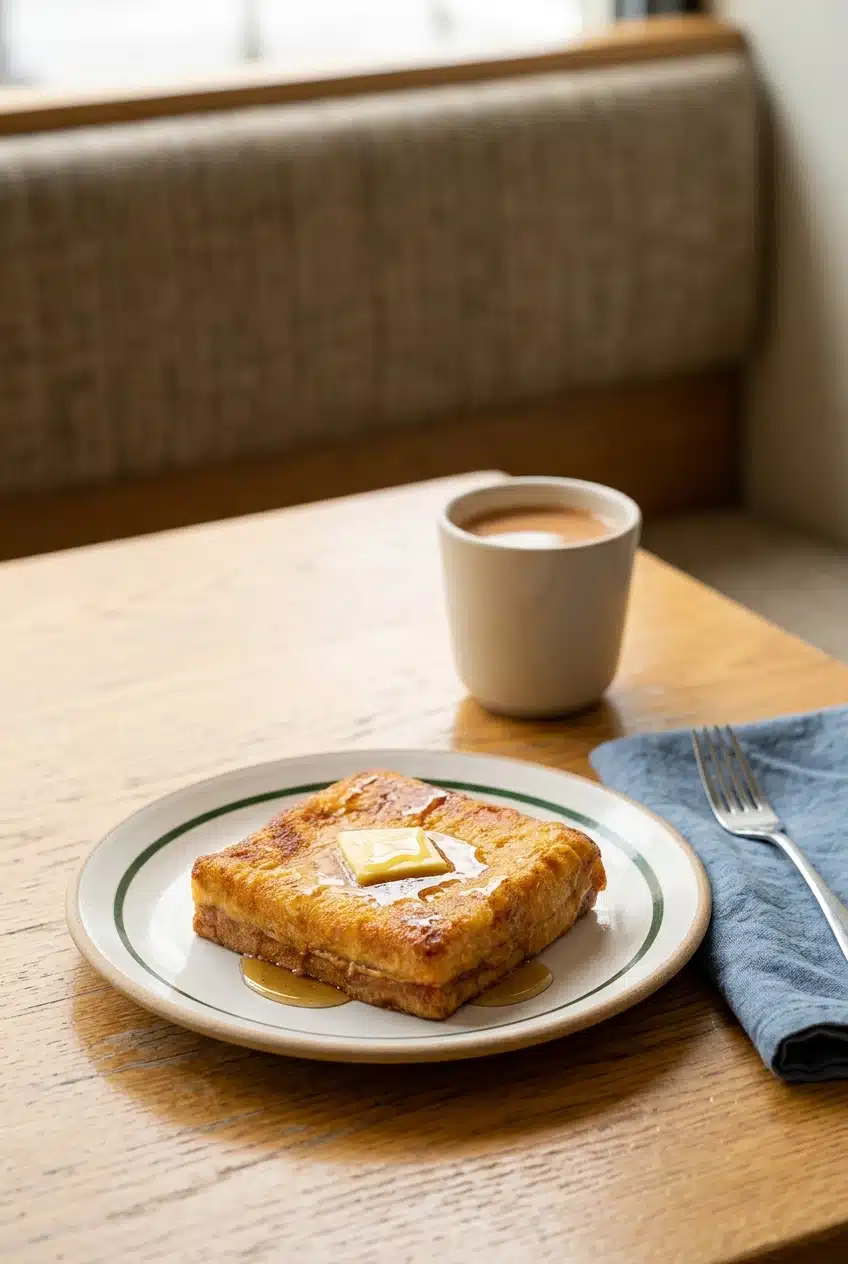
Serve the toast hot with its butter and syrup so the topping meets the crisp coating immediately. A cold butter slice gives a pleasing melting contrast; condensed milk is an optional alternative finish.
Hong Kong-style milk tea or strong coffee fits the tea-cafe setting and contrasts with the sweet, rich toast. For sharing, cut the sandwich into bite-sized squares at the table, keeping some golden edge with each piece where possible.
Fresh Serving and Leftover Planning
Plan to fry this toast when you’re ready to eat rather than treating it as a make-ahead dish. Fresh serving gives you the intended contrast between the crisp coating and warm filling.
If you have leftovers, keep the plain toast covered and chilled, with toppings separate. Storage and reheating change the texture, so don’t expect the same freshly fried crust or use this recipe as a fixed shelf-life guide.
Conclusion
The reward is a golden egg crust around soft bread and creamy peanut butter, finished with melting butter and syrup. Fine bubbles in the egg white are an early sign that the coating is on track.
Choose the finish you enjoy, but keep your attention on the golden-brown frying cues. Have your plate ready and enjoy the toast hot.
Frequently Asked Questions
What Is the Difference Between French Toast and Hong Kong French Toast?
Western versions typically use individual bread slices soaked in milk-and-egg custard. This Hong Kong version stuffs crustless bread with peanut butter, coats it in egg, and fries it with hot-oil basting.
What Is HK Style French Toast Traditionally Topped With?
Butter and golden syrup are classic toppings. Pancake syrup is included as an alternative here; sweetened condensed milk is another cafe-style option.
What Is the Best Bread Substitute if I Cannot Find Asian Milk Bread?
Soft white sandwich bread is the most direct substitute. Sliced brioche is a richer alternative; slightly dried-out bread is easier to handle than very moist slices.
Can I Make Hong Kong French Toast in an Air Fryer?
It’s an optional adaptation, but this recipe provides stovetop directions only. Use separately tested air-fryer directions rather than transferring these cooking times.
What Nut-Free Fillings Work Well in Hong Kong Style French Toast?
Fruit jams or kaya offer filling directions without deliberately adding peanut butter. They are not automatic allergy-safe replacements; suitability depends on the particular product and your needs.
How Should Leftover Hong Kong French Toast Be Stored and Reheated?
Keep plain leftovers covered and chilled, with butter and syrup separate. This recipe is intended for fresh, hot serving and does not establish a storage limit or tested reheating schedule.
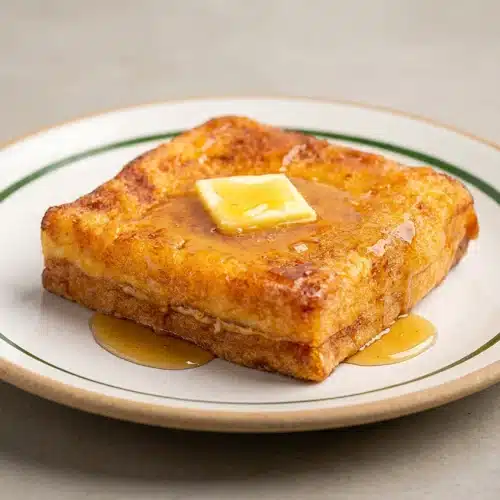
Hong Kong French Toast

Equipment
- Cutting board
- Serrated Knife
- Medium bowl
- Heavy-bottomed skillet
- large spoon
Ingredients
- 2 slices soft white bread ((preferably 2 days old))
- 2 teaspoons creamy peanut butter
- 1 large egg
- ¼ cup vegetable oil or any neutral oil
- 1 thin slice unsalted butter
- Golden syrup or pancake syrup
Instructions
- Build the sandwich on a cutting board by covering one face of a bread slice with peanut butter and placing the second slice over it, then remove every brown crust with a serrated knife. Set the trimmed sandwich aside with its soft edges exposed.
- Separate the egg, reserving the yolk, and beat the white with a fork in a clean, dry, grease-free medium bowl. Stop when fine bubbles fill the white and its volume has doubled, without taking it to soft peaks.
- Blend the reserved yolk into the foamy white, then pour the coating into a rimmed plate. Mix only until the yolk and white come together.
- Warm the oil in a small, heavy-bottomed skillet over medium-high heat. The oil needs to be ready for the egg-droplet test before the sandwich goes in.
- Line a separate plate with a paper towel and keep it beside the skillet. This gives the fried sandwich an absorbent surface for its brief draining rest.
- Dip the sandwich edges into the egg first, coat both broad faces, and allow 1 minute for absorption. The egg should cover the perimeter as well as the top and bottom.
- Drop a little egg coating into the oil to check its readiness. Bubbling around the droplet is the signal to begin frying.
- Carefully lower the coated sandwich into the skillet, reduce the heat to medium, and use a large spoon to bathe its upper face and edges with hot oil. Continue until the underside develops a golden-brown crust.
- Turn the sandwich carefully, cook the second face until golden brown, and move it to the paper-towel-lined plate for 10 seconds. Both broad faces should now have an evenly browned egg coating.
- Move the drained toast to a serving plate, add the unsalted butter and syrup, and serve hot. The butter will soften against the freshly fried crust.