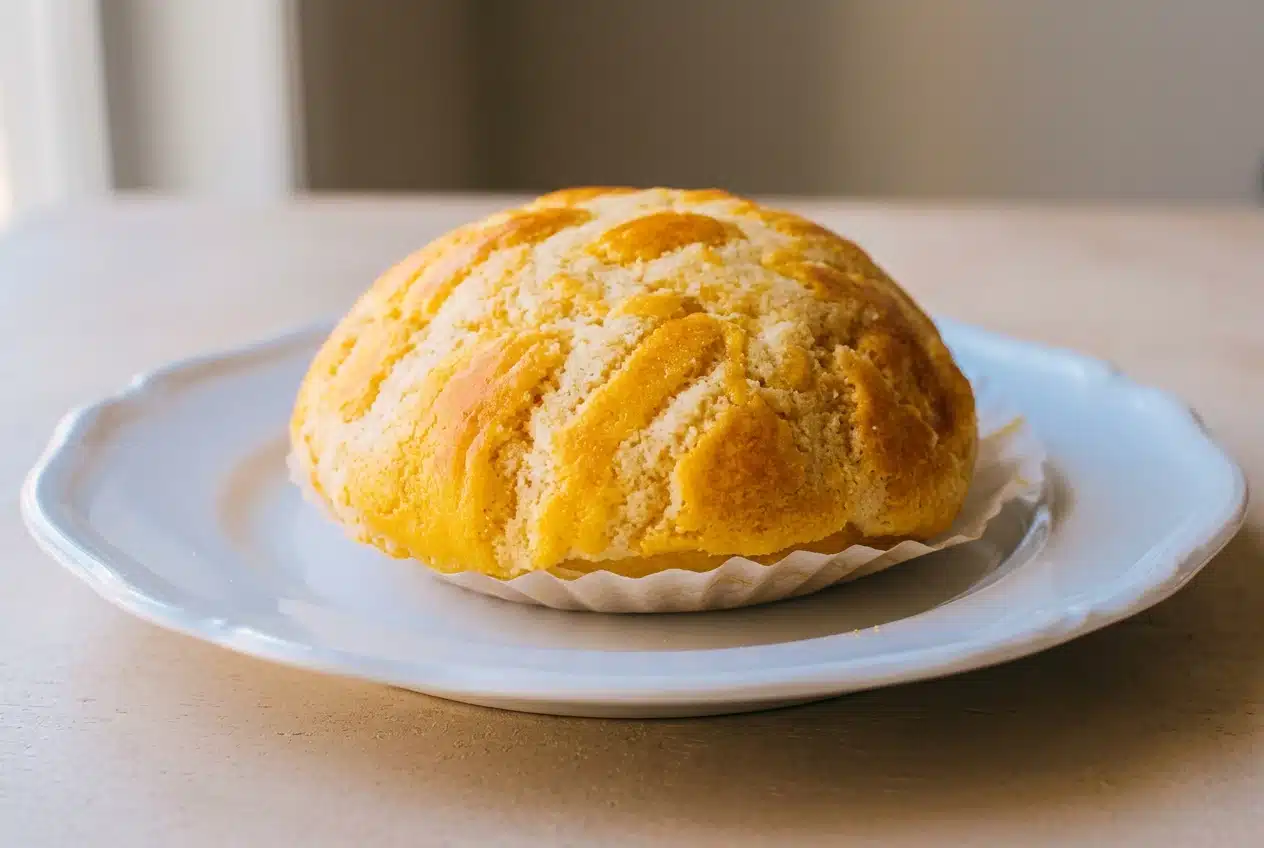
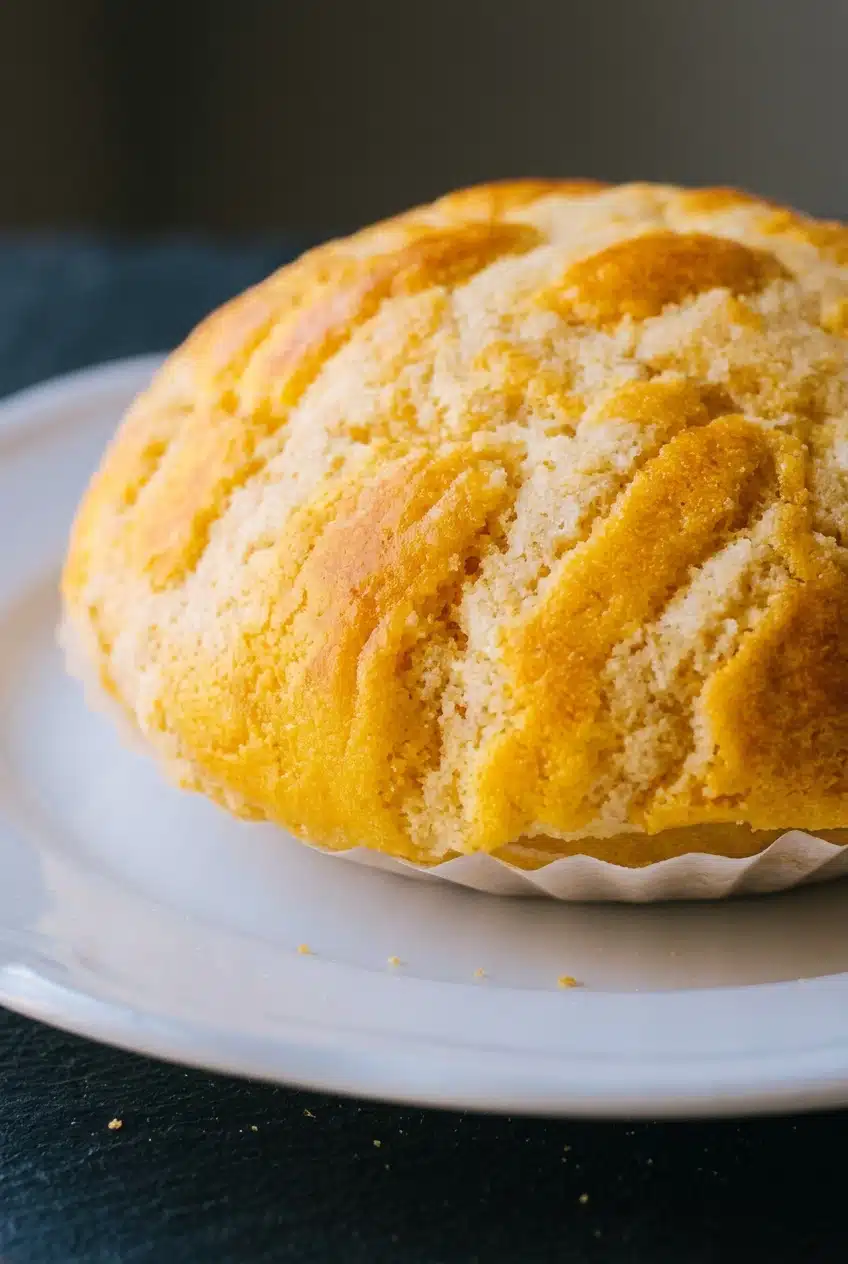
Chinese pineapple buns, or bolo bao, are fluffy milk bread rolls with a sweet, crackly cookie topping. They contain no pineapple: the golden crust resembles pineapple skin. This recipe makes 12 buns using a yeast dough and a separate hand-mixed topping.
The pleasure is in the contrast: tender bread underneath, crumbly sweetness on top. Both components come together without cooking a separate flour paste.
The dough needs two rises, but you can mix the topping during the second. Give the delicate cookie rounds a little care, and the oven handles the crackle. That golden crust is worth the wait.
Set out the cream, milk, and whole egg so they reach room temperature before mixing.
Key Ingredients for Authentic Bolo Bao
Dairy and egg enrich the bread, flour provides structure, and yeast gives it lift. The topping combines sugar, fat, milk powder, and leaveners for a sweet, crumbly crust, while vanilla adds aroma and egg yolk contributes color.
- 2/3 cup heavy cream ((at room temperature))
- 1 cup milk ((at room temperature))
- 1 large egg ((at room temperature))
- 1/3 cup sugar
- 1/2 cup cake flour
- 3 1/2 cups bread flour
- 1 tablespoon active dry yeast
- 1 1/2 teaspoons salt
- ¼ cup dry milk powder
- 1¼ cups all-purpose flour
- ½ teaspoon baking soda
- ¼ teaspoon baking powder
- 2/3 cup superfine sugar ((it’s very important that it’s superfine))
- ¼ cup vegetable shortening ((can subsitute lard or butter))
- 2 tablespoons milk
- 1 egg yolk
- 1/8 teaspoon vanilla extract
For the Enriched Milk Bread Dough
The first eight ingredients, through the salt, belong to the bread dough. Cream, milk, and egg supply richness and moisture. Bread flour provides strength, cake flour moderates that strength, and sugar sweetens the crumb. Salt balances the sweetness.
For the Crackly Cookie Topping
Everything from dry milk powder onward belongs to the topping. Superfine sugar has smaller crystals than regular granulated sugar, helping it distribute evenly. Crush gritty milk-powder clumps between your fingers before mixing so they don’t remain as lumps in the cookie dough.
Smart Flour and Fat Substitutions
Butter or lard can replace the shortening, as noted in the ingredient list. Butter adds its own flavor; shortening keeps the flavor more neutral. Don’t expect every fat to spread identically.
All-purpose flour is an optional alternative when you don’t have both bread and cake flours, although the dough’s handling and crumb may differ. The flour blend listed above remains the clearest starting point for this recipe.
Step-by-Step Guide to Making Chinese Pineapple Buns
Keep the bread dough and topping separate until both rises are complete. The topping rests while the shaped buns become puffy.
- Load the mixer bowl with the heavy cream, milk, whole egg, sugar, cake flour, bread flour, yeast, and salt in that sequence, then knead with the dough hook on “stir” for 15 minutes, pausing occasionally to gather the dough together.
The enriched mixture should gradually form a more cohesive dough. - Leave the bowl in a warm place for 1 hour beneath a damp towel.
Look for the dough to reach about 1.5 times its starting size. - Run the mixer on “stir” for another 5 minutes to knock back the trapped air.
The dough should look smoother as the larger bubbles disappear. - Turn the dough onto a lightly floured work surface, divide it into 12 equal portions, and round each portion into a bun.
Aim for evenly shaped rounds so the batch rises consistently. - Arrange the rounds on a baking sheet and cover them with a clean, dry kitchen towel for a second 1-hour rise.
The buns should become visibly fuller and puffy. - During this rise, place the dry milk powder in a separate mixing bowl and rub any clumps apart with your fingertips.
The powder should feel uniform rather than pebbly. - Mix the all-purpose flour, baking soda, baking powder, and superfine sugar into the milk powder, then work in the shortening, milk, egg yolk, and vanilla by hand.
The mixture should gather into a dough rather than remain loose and sandy. - Add more milk only if needed, working in a teaspoon at a time, then cover the topping tightly with plastic wrap and leave it at room temperature.
Stop adding milk as soon as the dough holds together. - After the second rise, set the oven to 350°F and divide the topping into 12 equal portions, rolling each into a ball.
Each bun should have a matching portion of cookie dough. - Flatten the topping balls into circles on a clean surface and lay one circle over each risen bun.
Let the topping rest over the dome without pressing down the bread. - Brush the tops with egg yolk and bake at 350°F for 12–13 minutes.
Look for golden tops with cracks opening across the cookie crust.
Mixing and Proofing the Bread Dough
Don’t rush the initial mixing just because the ingredients have combined. Enriched dough takes time to pull together. For the first rise, use the stated expansion as a useful check alongside the clock.
Shaping the Buns for the Second Rise
The brief remix removes larger air pockets before portioning. Handle the rounded buns more gently after their second rise, when they’re airy and easier to flatten accidentally.
Preparing and Draping the Cookie Crust
Mix the topping by hand so you can feel whether it holds together. It should form a workable dough, not a pourable mixture. Keep it covered while the buns finish rising.
Egg Yolk Wash and Baking Cues
The yolk wash gives the topping its golden finish. Brush with a light hand rather than dragging firmly across the fragile circles, then watch for color and fissures during baking.
Troubleshooting & Pro Tips for a Crackly Topping
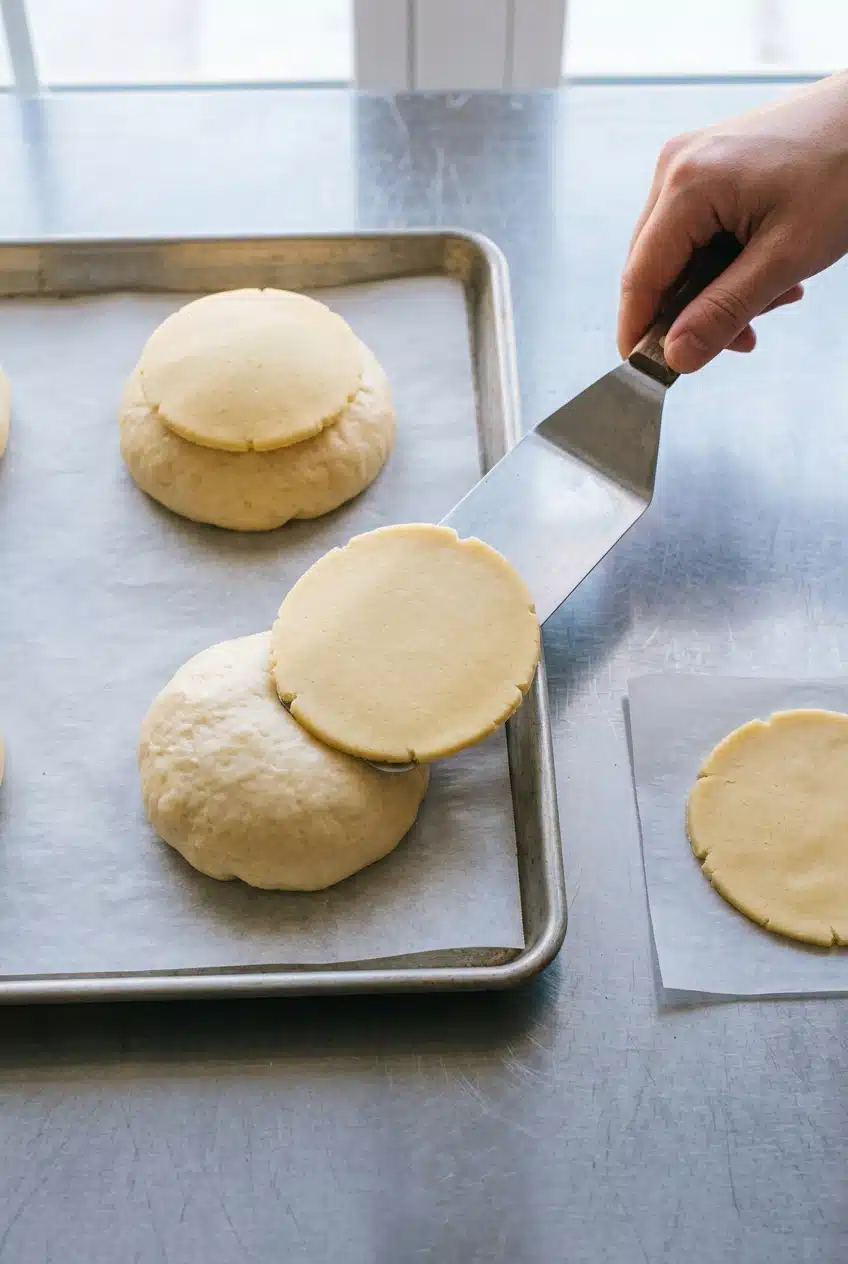
Most topping trouble starts during flattening or transfer, before the buns reach the oven.
Preventing Sticky or Torn Topping Discs
- Sticking: Delicate topping can cling to the work surface. Optionally flatten it between parchment sheets or plastic wrap instead.
- Tearing: An unsupported circle can break during lifting. A wide spatula can support it during transfer.
- Crumbling: Dry topping won’t hold a clean circle. Use the gradual milk adjustment in the method rather than pouring in extra liquid at once.
I favor supporting the whole topping circle during transfer rather than lifting it by one edge; it puts less strain on the fragile dough.
Keeping the Crust from Sliding or Burning
- Burnt edges: Oversized circles can reach the hot baking sheet. Keep the topping slightly smaller than the risen bun and clear of the pan.
- Sliding: An off-center circle or rough brushing can shift the topping. Center it gently and apply the wash without pushing it sideways.
Natural Crackle vs. Scored Diamond Pattern
This method lets the crust crack naturally as the bun expands. A scored diamond pattern is an optional decorative style, not a requirement for successful bolo bao. An irregular, golden patchwork is welcome here.
How to Serve Pineapple Buns (Hong Kong Style)
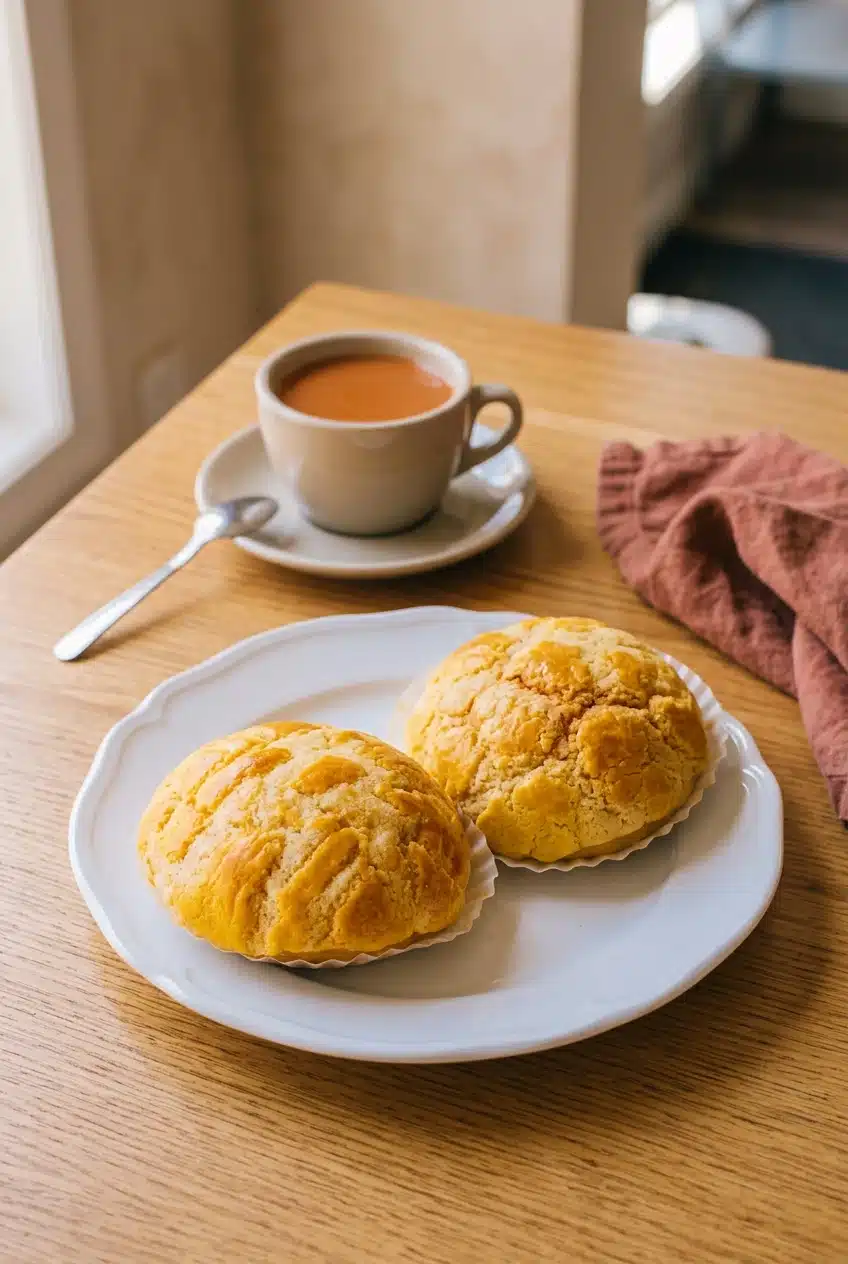
Enjoy these as a breakfast bun or afternoon snack with Hong Kong milk tea, black tea, or coffee. Their sweet topping pairs especially well with a less-sweet drink.
Bolo Yau (Hong Kong Style with Cold Butter)
Bolo yau is the optional Hong Kong cafe-style serving with cold salted butter. The butter brings a cool, salty contrast to the sweet bread and crumbly crust, turning a plain bun into something richer.
Fresh-Baked Crunch vs. a Softer Crust
Fresh-baked buns emphasize the contrast between a crackly shell and yielding bread. A softer, crumbly topping offers a different bakery-style texture; it isn’t the same eating experience as that first crisp bite.
Popular Chinese Bakery Variations
The recipe above makes unfilled buns. These filled bakery styles are optional alternatives, not additions to the ingredient list or method.
Custard-Filled Pineapple Buns
Vanilla pastry cream adds a creamy center beneath the sweet cookie shell. Choose a dedicated custard-filled recipe for the filling and assembly details rather than treating this unfilled dough as complete instructions for that version.
Char Siu Pork Pineapple Buns
Chinese barbecue pork gives char siu bolo bao its savory-sweet contrast. The saucy filling changes the shaping and baking considerations, so use a recipe developed specifically for filled buns.
Storing and Refreshing Leftover Buns
For plain buns, let them cool completely before placing them in a well-sealed container. Keep moisture away from the topping, and expect storage to change the fresh-baked texture. If you warm a bun, do so gently and check frequently rather than assuming warming will restore the original crunch.
Keep optional custard- or pork-filled versions separate from plain buns, and follow the storage and warming directions for the filling recipe. Don’t apply the same handling assumptions to every version.
Final Thoughts on Homemade Pineapple Buns
The signature result is tender milk bread beneath a golden, crackly cookie crust. Keeping the two mixtures distinct makes the process easier to follow.
Watch for the dough’s expansion, handle the risen buns gently, and let the crust develop its own pattern. Enjoy that first warm, crumbly bite.
Frequently Asked Questions
Do Chinese Pineapple Buns Actually Contain Pineapple?
No. This recipe contains neither pineapple fruit nor pineapple flavoring. The name refers to the golden, textured topping, which resembles pineapple skin.
What Does “Bolo Bao” Mean?
“Bolo bao,” also spelled “bo lo bao,” means “pineapple bun” in Cantonese. “Bo lo” means pineapple, and “bao” means bun.
What Is a Pineapple Bun Made Of?
The bread is an enriched yeast dough made with dairy, egg, sugar, flour, yeast, and salt. The separate cookie topping contains flour, milk powder, sugar, fat, milk, egg yolk, vanilla, and leaveners.
Can I Substitute All-Purpose Flour for the Cake Flour and Bread Flour?
All-purpose flour is an optional alternative for the bread dough. Expect possible differences in handling and texture; the listed flour blend is the more precise starting point.
How Many Calories Are in a Pineapple Custard Bun?
There isn’t a calculated calorie count here for a custard-filled bun. Use nutrition information for the specific filled recipe or bakery product, including its serving size.
Why Did My Pineapple Bun Topping Slide Off or Not Crack?
For sliding, check that the circle sits centered and that brushing hasn’t pushed it sideways. For uneven crust texture, check the superfine sugar, crush milk-powder clumps, and avoid adding more milk than needed to bind the topping. Natural cracks vary from bun to bun; they don’t need to form a regular diamond pattern.
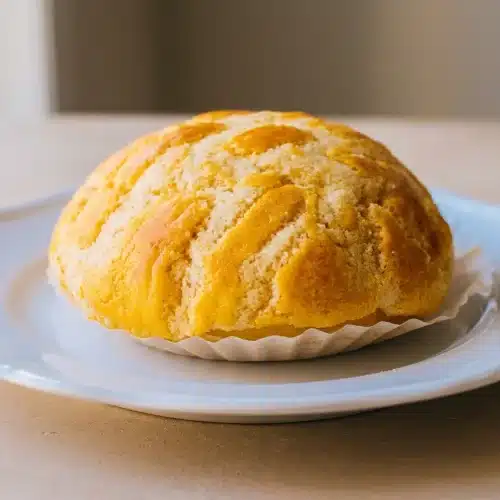
Chinese Pineapple Buns

Equipment
- Stand mixer with dough hook
- Mixing Bowl
- Baking Sheet
- Kitchen towel
- Plastic wrap
- Pastry brush
Ingredients
- 2/3 cup heavy cream at room temperature
- 1 cup milk at room temperature
- 1 large egg at room temperature
- 1/3 cup sugar
- 1/2 cup cake flour
- 3 1/2 cups bread flour
- 1 tablespoon active dry yeast
- 1 1/2 teaspoons salt
- ¼ cup dry milk powder
- 1¼ cups all-purpose flour
- ½ teaspoon baking soda
- ¼ teaspoon baking powder
- 2/3 cup superfine sugar it’s very important that it’s superfine
- ¼ cup vegetable shortening can subsitute lard or butter
- 2 tablespoons milk
- 1 egg yolk
- 1/8 teaspoon vanilla extract
Instructions
- Load the mixer bowl with the heavy cream, milk, whole egg, sugar, cake flour, bread flour, yeast, and salt in that sequence, then knead with the dough hook on “stir” for 15 minutes, pausing occasionally to gather the dough together. The enriched mixture should gradually form a more cohesive dough.
- Leave the bowl in a warm place for 1 hour beneath a damp towel. Look for the dough to reach about 1.5 times its starting size.
- Run the mixer on “stir” for another 5 minutes to knock back the trapped air. The dough should look smoother as the larger bubbles disappear.
- Turn the dough onto a lightly floured work surface, divide it into 12 equal portions, and round each portion into a bun. Aim for evenly shaped rounds so the batch rises consistently.
- Arrange the rounds on a baking sheet and cover them with a clean, dry kitchen towel for a second 1-hour rise. The buns should become visibly fuller and puffy.
- During this rise, place the dry milk powder in a separate mixing bowl and rub any clumps apart with your fingertips. The powder should feel uniform rather than pebbly.
- Mix the all-purpose flour, baking soda, baking powder, and superfine sugar into the milk powder, then work in the shortening, milk, egg yolk, and vanilla by hand. The mixture should gather into a dough rather than remain loose and sandy.
- Add more milk only if needed, working in a teaspoon at a time, then cover the topping tightly with plastic wrap and leave it at room temperature. Stop adding milk as soon as the dough holds together.
- After the second rise, set the oven to 350°F and divide the topping into 12 equal portions, rolling each into a ball. Each bun should have a matching portion of cookie dough.
- Flatten the topping balls into circles on a clean surface and lay one circle over each risen bun. Let the topping rest over the dome without pressing down the bread.
- Brush the tops with egg yolk and bake at 350°F for 12–13 minutes. Look for golden tops with cracks opening across the cookie crust.