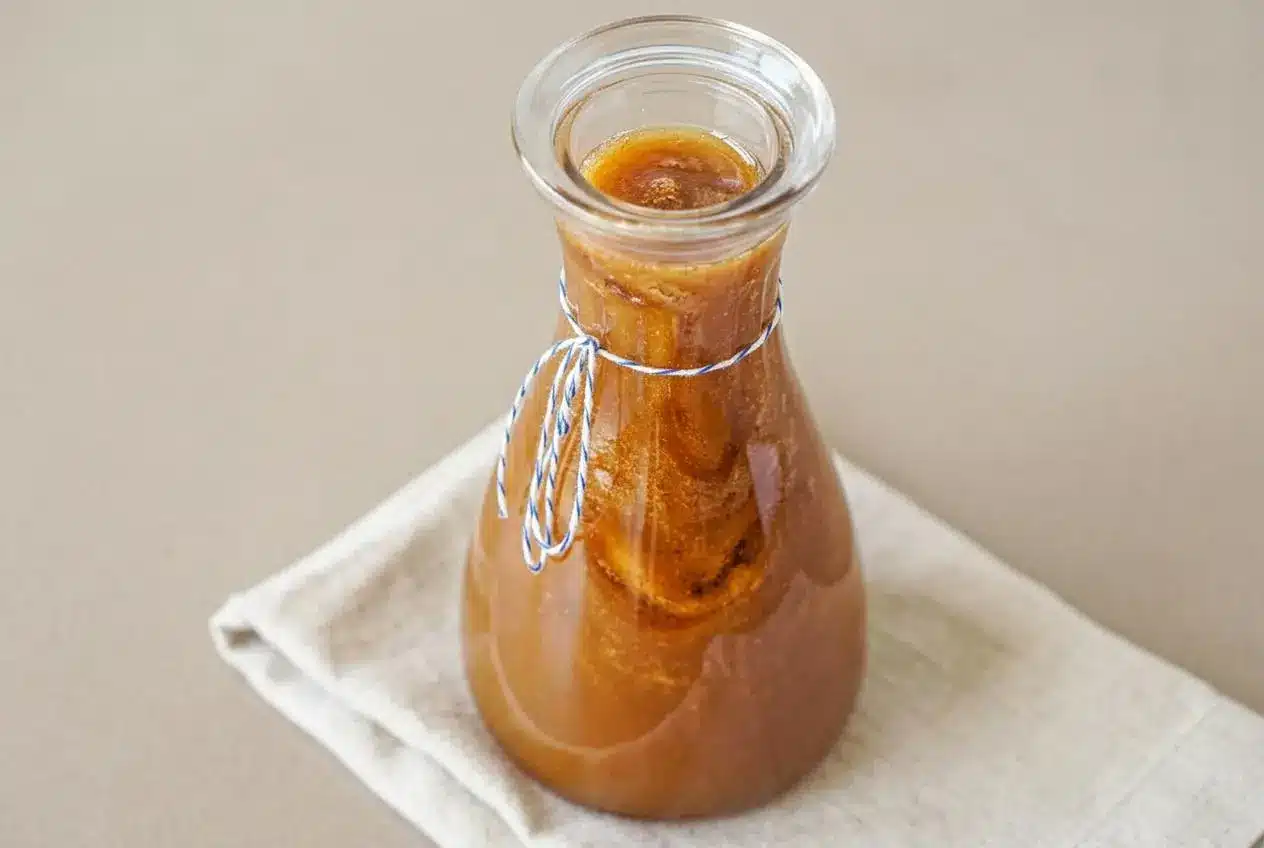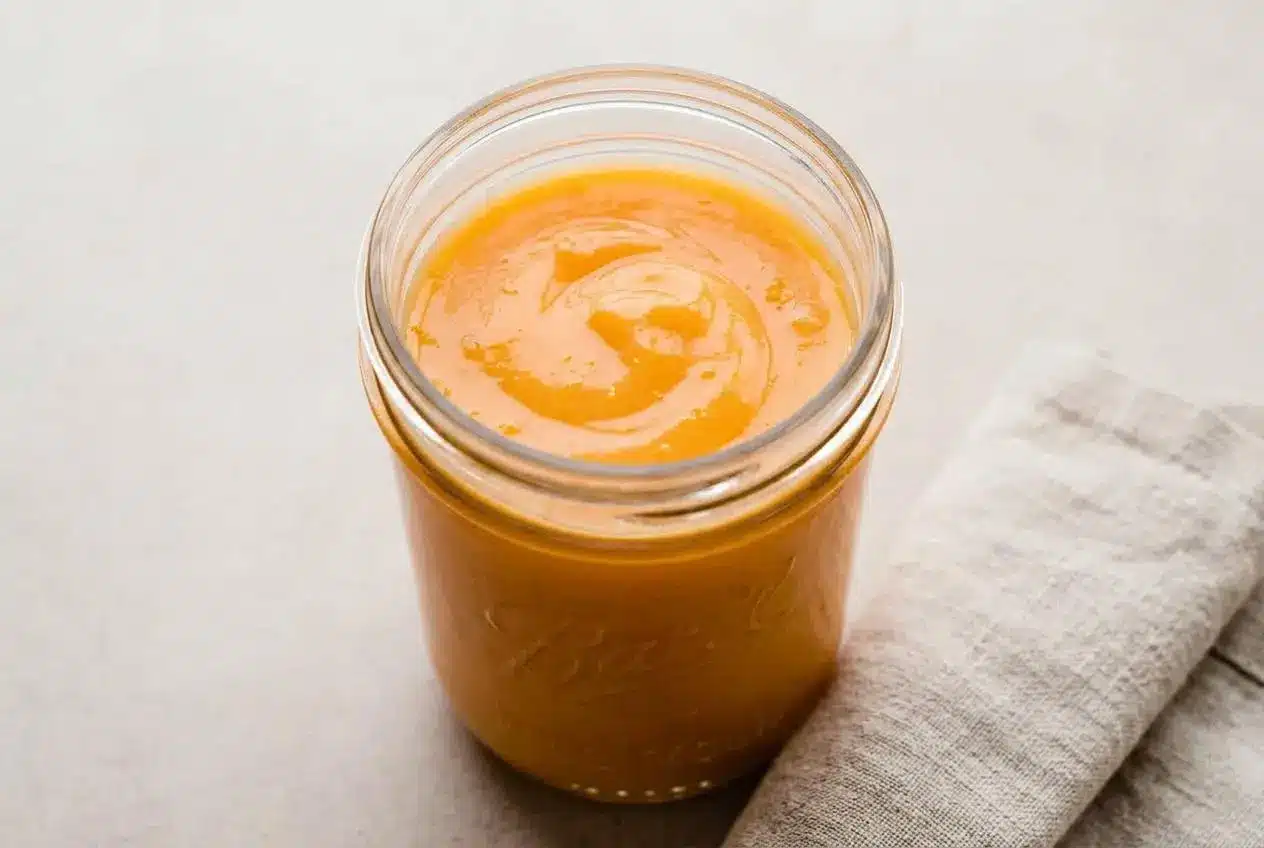
This Orange Curd Recipe makes a silky, bright, sweet-tart spread with fresh orange flavor, a reliable stovetop method, and clear cues for getting the texture just right.
Orange curd is a smooth citrus custard made with orange juice, zest, eggs, sugar, and butter. It’s rich enough for dessert but easy enough for a weekend baking project.
You’ll love how vibrant and glossy it turns out, and the method stays approachable even if homemade curd sounds a little fussy. The payoff is very good.
Set out your sieve, bowl, and butter before you turn on the heat, because the curd moves quickly once it reaches the thickening stage.
Why You’ll Love This Orange Curd Recipe
This one earns a spot in your regular dessert rotation because it tastes fresh and feels luxurious without requiring fancy technique.
- Bright orange flavor from both fresh juice and fragrant zest
- Silky, glossy texture that works as a spread, filling, or topping
- Clear temperature and visual cues, so it’s beginner-friendly
- Balanced sweetness with a little lemon juice to keep the flavor lively
- Versatile enough for toast, cakes, tarts, yogurt, and more
Essential Ingredients for Orange Curd
Each ingredient pulls its weight here, building citrus aroma, rich body, smooth structure, shine, and that clean sweet-tart balance that makes curd taste lively instead of flat.
- 2 and 1/2 large oranges, zested
- 3/4 cup + 1 tbsp orange juice, freshly squeezed, 194 grams
- 2 tbsp lemon juice, freshly squeezed, 30 grams
- 2/3 cup granulated sugar, 140 grams
- 2 large egg yolks, at room temperature
- 2 large whole eggs, at room temperature
- pinch of salt
- 1/2 tsp vanilla extract
- 6 tbsp salted butter, at room temperature & cubed, 85 grams
I always rub the zest into the sugar first because it wakes up the orange oils and makes the whole batch smell brighter before it even hits the stove.
The oranges do double duty. Zest brings concentrated aroma and a deeper citrus character, while the juice gives the curd its main flavor and body. Fresh juice matters here because bottled juice often tastes flatter or sweeter, which can make the finished curd less vibrant.
Sugar sweetens, of course, but it also helps the curd feel smoother on the tongue. The lemon juice keeps the orange flavor from drifting into candy territory, and a pinch of salt rounds everything out.
Eggs are where the texture magic happens. Egg yolks alone make a richer, denser curd. Whole eggs make a lighter curd that can feel less plush. This recipe uses both yolks and whole eggs, which gives you a balanced result: thick enough for a cake filling, but still soft and spoonable.
Butter finishes the curd with creaminess and gloss. Vanilla is subtle here, but it softens the sharper citrus edges and gives the final flavor a fuller, rounder finish.
How to Make Orange Curd
- Put the granulated sugar in a medium non-reactive saucepan and rub in the orange zest with your fingertips before adding any heat.
The sugar should look damp and sandy, and you’ll notice a strong burst of orange aroma almost immediately. - Juice the oranges and lemon, then strain both juices to remove pulp and seeds; set the cubed butter, a fine-mesh sieve over a medium bowl, and an instant-read thermometer nearby.
Having everything ready now keeps the curd smooth later, when it needs to be strained and finished right away. - Whisk the orange juice, lemon juice, egg yolks, whole eggs, and salt into the zesty sugar until the mixture is fully combined.
At this stage it will look thin and glossy, more like a citrus custard base than a finished curd. - Cook over low heat for 14 to 18 min, whisking constantly, until the curd thickens and reaches 180 to 190 °F for a softer set or 195 to 200 °F for a thicker set.
For the first 8 to 10 min it may seem unchanged, then it will start steaming, smell more citrusy than eggy, and thicken more quickly. - Check for doneness by dipping a spoon into the curd and drawing a finger through the back of it.
If the line stays clear without the curd running back together, it’s ready to come off the heat. - Pour the hot curd through the sieve into the waiting bowl and press it through with a spatula.
This catches any tiny bits of cooked egg or zest and leaves the texture much smoother. - Stir the butter into the strained curd until completely melted, then mix in the vanilla extract.
The curd will turn glossier and silkier as the butter emulsifies into it. - Cool the curd to room temperature, then transfer it to an airtight jar or container and refrigerate.
It will look a little looser while warm, but it firms up noticeably as it chills.
Once it’s chilled, orange curd is excellent as a spread, a pastry filling, or a spoonful straight from the jar when nobody’s looking.
Expert Tips for Silky Smooth Curd
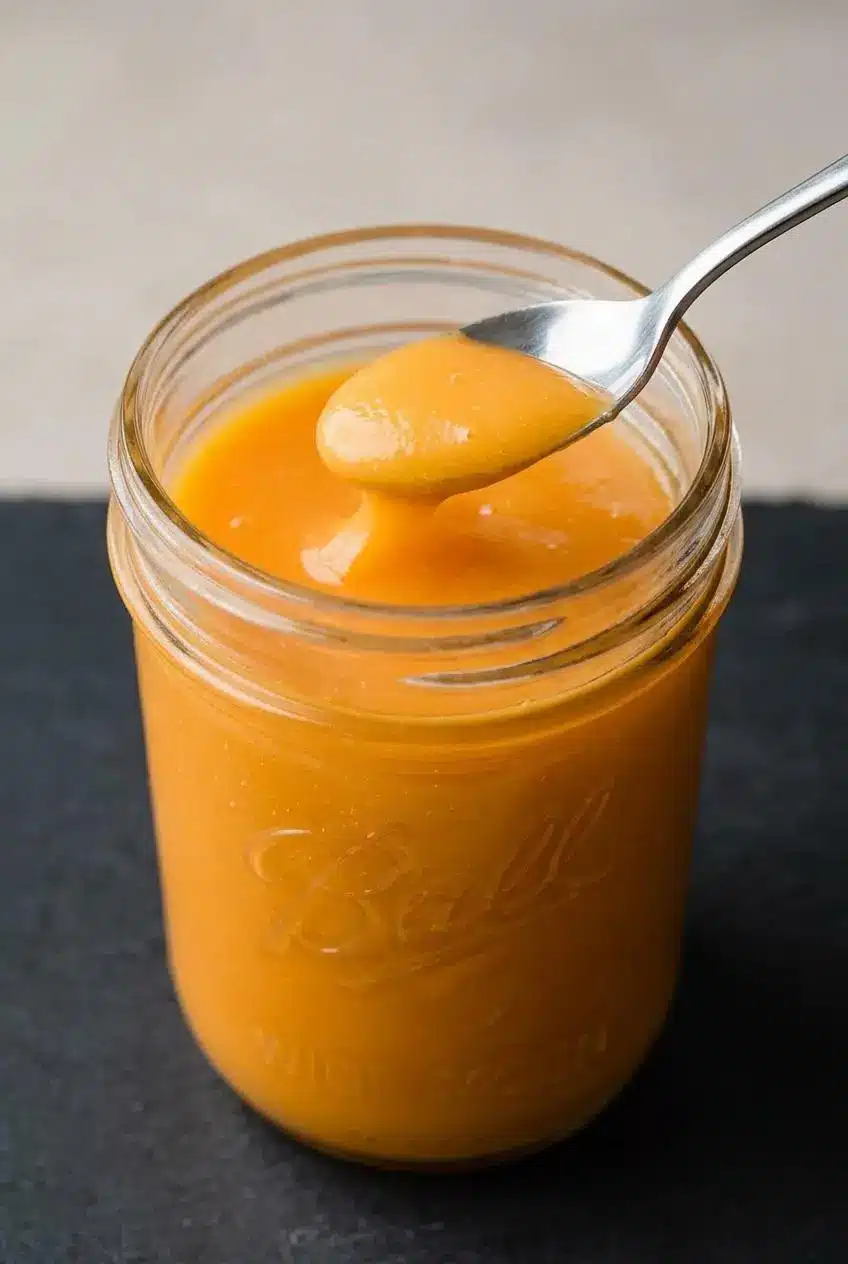
This is where most home cooks save themselves from texture problems. A few small choices make a big difference.
- Use a non-reactive pan. Citrus is acidic, and reactive pans such as aluminum can leave an off metallic taste.
- Keep the heat low. Curd thickens gradually, and rushing it is the fastest way to get scrambled egg bits.
- Whisk the whole time. Constant movement helps the eggs cook evenly instead of setting on the bottom of the pan.
- Use a thermometer if you have one. It takes the guesswork out of doneness and helps you choose a softer or thicker finish.
- Always strain the curd. Even a well-made batch can have tiny cooked bits, and the sieve fixes that in seconds.
- Add the butter after straining. That keeps the finish velvety and glossy instead of greasy.
- Don’t panic if it looks a little loose while hot. Curd thickens a lot as it cools and chills.
The biggest challenge home cooks face here is patience. Honestly, the first stretch of cooking feels suspiciously uneventful, then suddenly it starts acting like curd.
For egg-based mixtures, thorough cooking matters as much as texture, and official guidance supports cooking egg mixtures thoroughly while keeping them properly chilled afterward.
Troubleshooting Common Curd Problems
A lot of home cooks ask the same questions about curd, and most issues come down to heat, timing, or pan choice. This table makes the fixes easy to spot.
| Problem | Likely Cause | Solution/Prevention |
|---|---|---|
| Runny curd | It wasn’t cooked long enough or never reached the thickening stage. | Keep cooking over low heat, whisking constantly, until it coats a spoon and reaches the target range. Remember that it thickens more after chilling. |
| Lumpy or lightly scrambled curd | The heat was too high or the mixture sat too long without whisking. | Strain it right away to smooth it out. Next time, stay on low heat and whisk continuously from start to finish. |
| Metallic taste | The citrus reacted with a reactive pan. | Use stainless steel, enamel, ceramic-coated cookware, or glass for mixing and cooking acidic curds. |
| Too sweet | The oranges were especially sweet or low in acidity. | Use a tarter orange next time or lean on the lemon juice for balance. Blood oranges and Cara Cara oranges usually taste sweeter than Navel oranges. |
| Too tart | The oranges had a sharper flavor than expected. | Choose sweeter fruit next time or increase the sugar slightly to taste in a future batch rather than changing this batch mid-cook. |
Creative Ways to Use Homemade Orange Curd
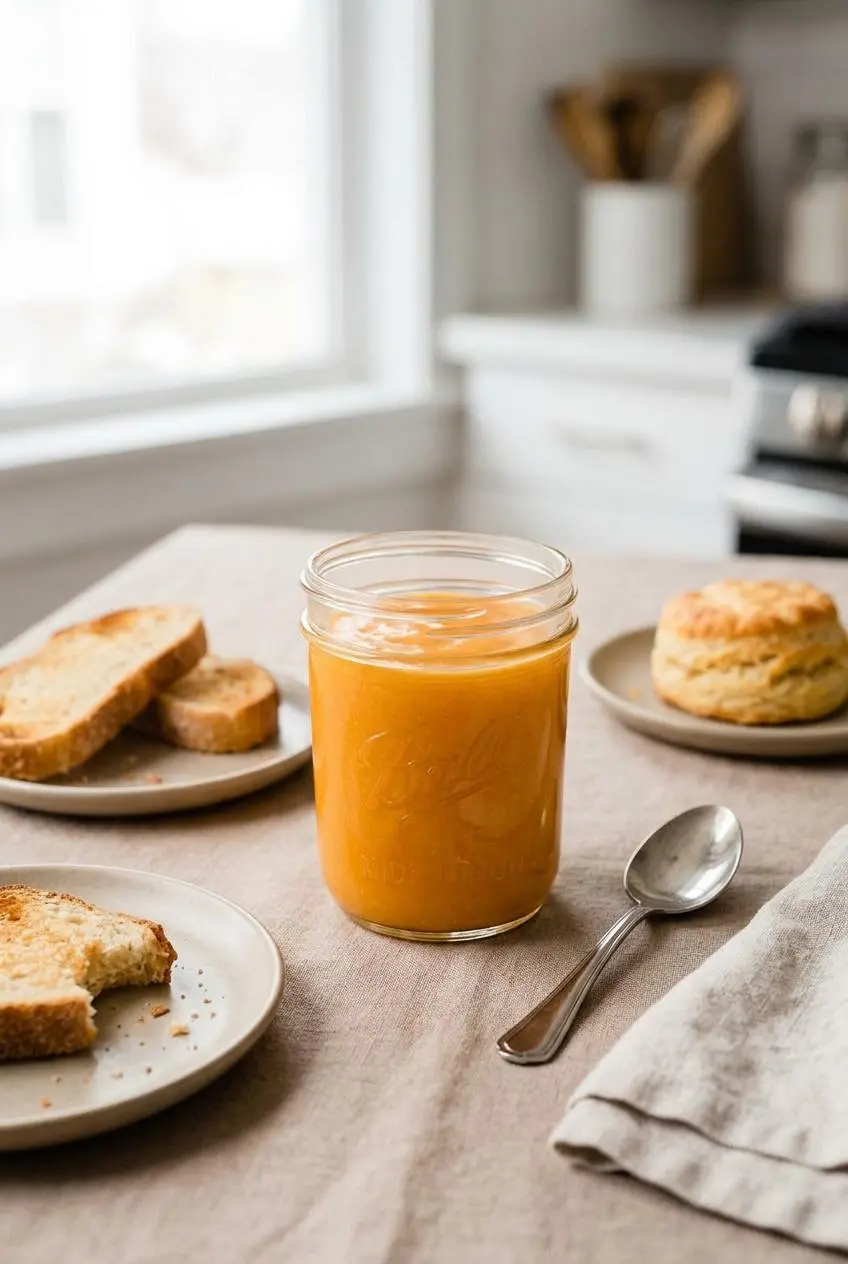
Once you have a jar of this in the fridge, the hard part is deciding where it goes first.
For breakfast and brunch: Spread it on toast, biscuits, English muffins, pancakes, waffles, or warm fluffy orange scones. It’s also great spooned over yogurt or swirled into oatmeal.
In desserts: Use it as a filling for layer cakes, cupcakes, macarons, tart shells, or pavlova. It also slips beautifully between cake layers, especially in an orange-and-vanilla style dessert like orange creamsicle cake.
Simple treats: Spoon it over vanilla ice cream, fold it into whipped cream or mascarpone, or layer it into parfaits for something fast and fancy-feeling. It works especially well in an orange pretzel parfait where the sweet-tart curd balances the creamy and salty layers.
If you want a flavor pairing shortcut, orange curd loves vanilla, dark chocolate, almond, raspberry, and lightly tangy dairy like yogurt or cream cheese.
Flavor Variations and Alternative Methods
This curd is easy to customize once you know the base method. Keep every change optional, and make the standard version first if you want a feel for the texture.
Choosing the Best Oranges for Your Curd
The type of orange changes the sweetness, color, and overall mood of the curd more than you might expect.
| Orange variety | Flavor | Color | Sugar adjustment tip |
|---|---|---|---|
| Navel | Balanced and classically orange, with mild tartness | Golden yellow-orange | Usually works well as written |
| Cara Cara | Sweeter and softer, with lower acidity | Warm pink-orange | If you prefer a brighter finish, reduce the sugar slightly next time |
| Blood orange | Sweeter with a deeper, berry-like note | Sunset orange to rosy red | Taste your juice first and consider a slight sugar reduction in a future batch |
Blood orange curd is the prettiest variation here, with a deeper color and a slightly more complex flavor. It’s especially nice when you want the curd to stand out in a tart or cake filling.
Microwave Orange Curd Method
If you want a faster option, the microwave can work well, but it needs attention. Whisk the sugar, zest, juices, eggs, and salt together in a large microwave-safe bowl, then microwave in short bursts, whisking very thoroughly after each one, until the curd thickens. Once it’s thick enough to coat a spoon, strain it and stir in the butter and vanilla just as you would with the stovetop method.
This method is quicker, but the texture can go from thin to overcooked fast. So keep the intervals short and don’t wander off.
Using a Double Boiler
If direct heat makes you nervous, a double boiler is the gentlest route. Set a heatproof bowl over a saucepan of simmering water, making sure the bottom of the bowl does not touch the water, then cook the curd mixture while whisking until it thickens.
It takes a little longer, but the softer heat gives you more control and lowers the chance of curdled eggs. For a first batch, that extra cushion can be very welcome.
Herb and Spice Infusions
A small flavor twist can make the curd feel bakery-worthy. Ground cardamom adds warmth and a subtle floral edge, while a sprig of rosemary or thyme gives the citrus a more savory, aromatic finish. If you use herbs, steep them during cooking and strain them out with the curd.
Vanilla keeps things classic, but herbs and spices are fun when you want the curd to pair with shortbread, tea cakes, or holiday desserts.
Storage, Freezing, and Thawing
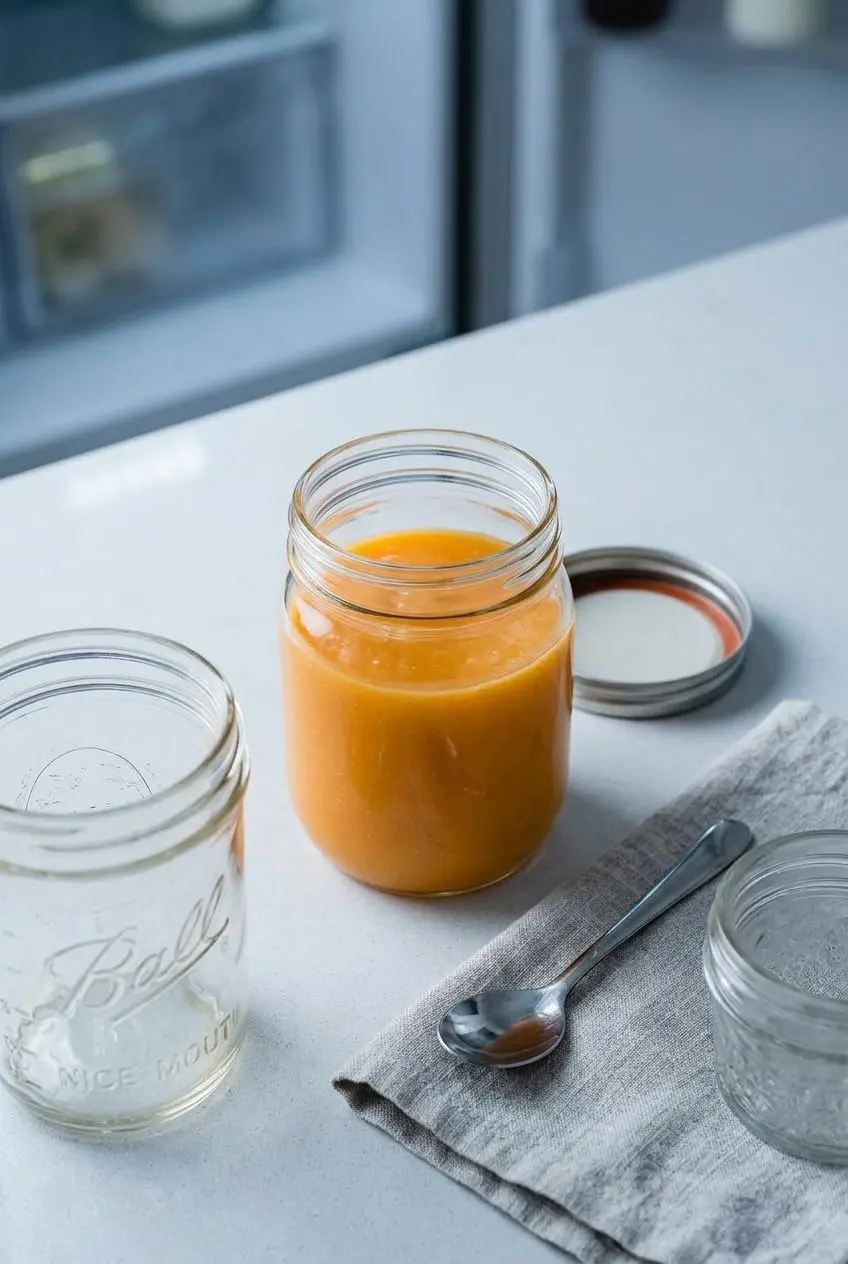
Good storage keeps the texture smooth and the flavor fresh. Because this is an egg-and-butter curd, it belongs in the refrigerator or freezer once cooled.
How to Store in the Refrigerator
Transfer the cooled curd to an airtight container or a sterilized jar with a secure lid. It keeps in the refrigerator for 1 to 2 weeks, and using a clean spoon each time helps protect the quality. For egg-based foods, chilled storage and clean handling matter, and university extension guidance supports keeping eggs refrigerated to reduce the risk of bacterial growth.
How to Freeze Orange Curd
Let the curd cool completely before freezing. Spoon it into a freezer-safe airtight container, leave a little headspace for expansion, seal well, and freeze for up to one year.
If you want to portion it, freeze smaller containers instead of one large tub. That way you can thaw only what you need and keep the rest undisturbed.
Thawing and Using Frozen Curd
Thaw frozen curd in the refrigerator for 24 hours before using it. After thawing, give it a good stir to bring the texture back together.
If it looks a touch separated at first, don’t worry. A firm stir usually smooths it right out.
Conclusion
Homemade orange curd is one of those kitchen projects that feels fancy but is actually very manageable once you know the cues. Low heat, constant whisking, and a final strain do most of the heavy lifting.
After one batch, you’ll have a bright, silky spread ready for toast, cakes, tarts, and spoonfuls straight from the jar. That’s a pretty delicious problem to have.
Frequently Asked Questions
What is the difference between orange curd and orange marmalade?
Orange curd is a creamy, custard-like spread made with orange juice, eggs, sugar, and butter. Marmalade is a fruit preserve made from citrus juice and peel, so it has a jelly-like texture with pieces of rind.
Why is my orange curd runny?
It’s usually undercooked. Keep cooking over low heat until it coats the back of a spoon and falls within the curd’s target temperature range, then chill it fully because it thickens more as it cools.
Can I freeze orange curd?
Yes. Cool it completely, freeze it in an airtight freezer-safe container, and thaw it in the refrigerator before using. Stir after thawing to smooth the texture.
Why does my orange curd taste metallic?
That usually happens when acidic citrus reacts with a reactive pan, such as aluminum or unlined copper. Use a non-reactive saucepan like stainless steel, enamel, or ceramic-coated cookware instead.
Can I make this recipe with bottled orange juice?
You can, but fresh juice gives a much brighter flavor and better balance. Bottled juice may taste sweeter or flatter, so the curd can lose some of its fresh citrus edge.
How do I make the curd without a thermometer?
Watch for the spoon test. The curd is ready when it thickly coats the back of a spoon and a line drawn through it with your finger stays clear instead of filling back in.
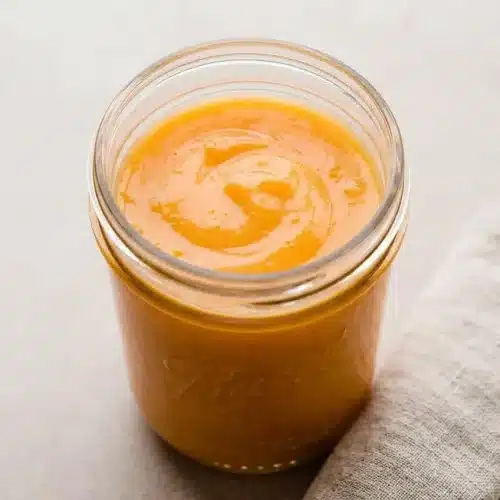
Orange Curd Recipe

Equipment
- Heavy saucepan
- Whisk
- Instant-read thermometer
Ingredients
- 2 1/2 large oranges, zested
- 194 grams orange juice, freshly squeezed (about 3/4 cup + 1 tbsp)
- 30 grams lemon juice, freshly squeezed (about 2 tbsp)
- 140 grams granulated sugar (about 2/3 cup)
- 2 large egg yolks, at room temperature
- 2 large whole eggs, at room temperature
- 1 pinch of salt
- 1/2 tsp vanilla extract
- 85 grams salted butter, at room temperature & cubed (about 6 tbsp)
Instructions
- Put the granulated sugar in a medium non-reactive saucepan and rub in the orange zest with your fingertips before adding any heat. The sugar should look damp and sandy, and you’ll notice a strong burst of orange aroma almost immediately.
- Juice the oranges and lemon, then strain both juices to remove pulp and seeds; set the cubed butter, a fine-mesh sieve over a medium bowl, and an instant-read thermometer nearby. Having everything ready now keeps the curd smooth later, when it needs to be strained and finished right away.
- Whisk the orange juice, lemon juice, egg yolks, whole eggs, and salt into the zesty sugar until the mixture is fully combined. At this stage it will look thin and glossy, more like a citrus custard base than a finished curd.
- Cook over low heat for 14 to 18 min, whisking constantly, until the curd thickens and reaches 180 to 190 °F for a softer set or 195 to 200 °F for a thicker set. For the first 8 to 10 min it may seem unchanged, then it will start steaming, smell more citrusy than eggy, and thicken more quickly.
- Check for doneness by dipping a spoon into the curd and drawing a finger through the back of it. If the line stays clear without the curd running back together, it’s ready to come off the heat.
- Pour the hot curd through the sieve into the waiting bowl and press it through with a spatula. This catches any tiny bits of cooked egg or zest and leaves the texture much smoother.
- Stir the butter into the strained curd until completely melted, then mix in the vanilla extract. The curd will turn glossier and silkier as the butter emulsifies into it.
- Cool the curd to room temperature, then transfer it to an airtight jar or container and refrigerate. It will look a little looser while warm, but it firms up noticeably as it chills.