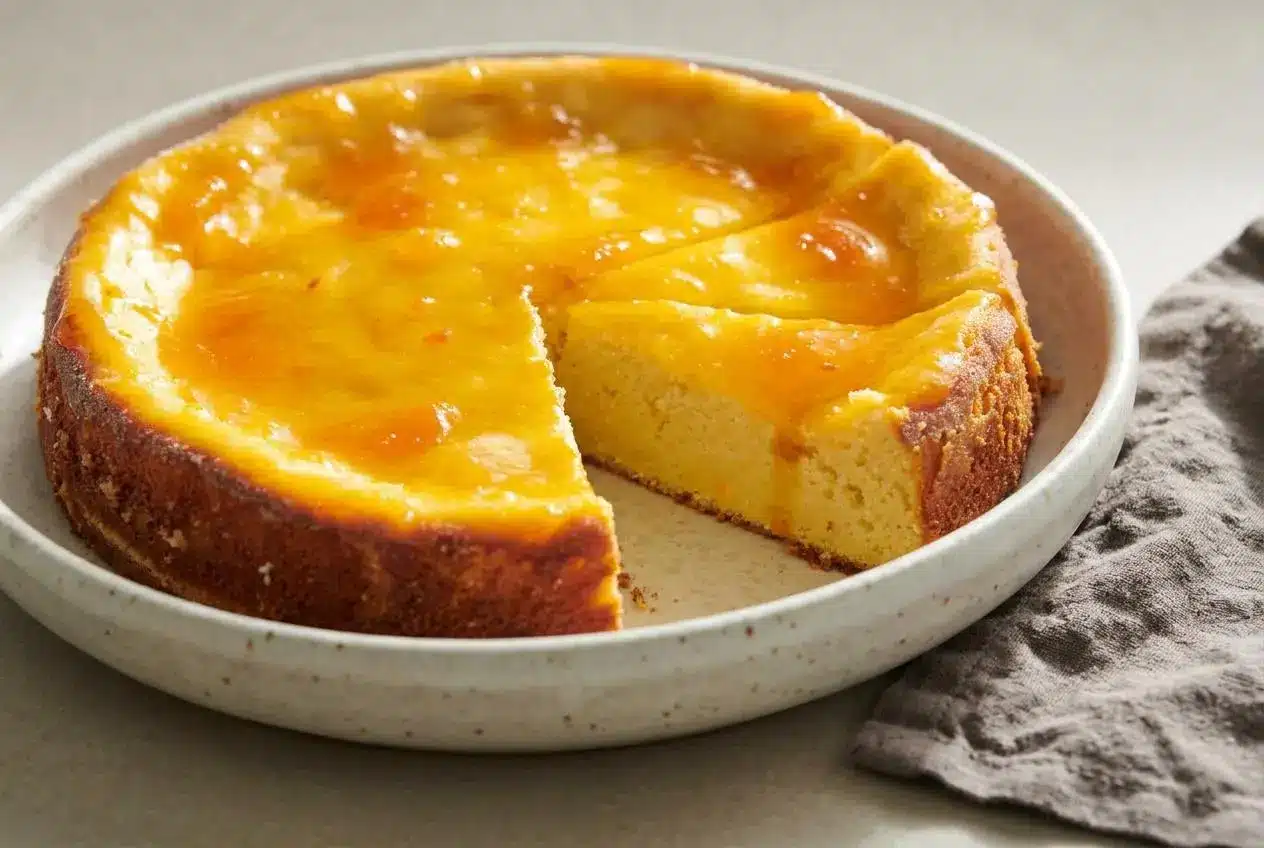
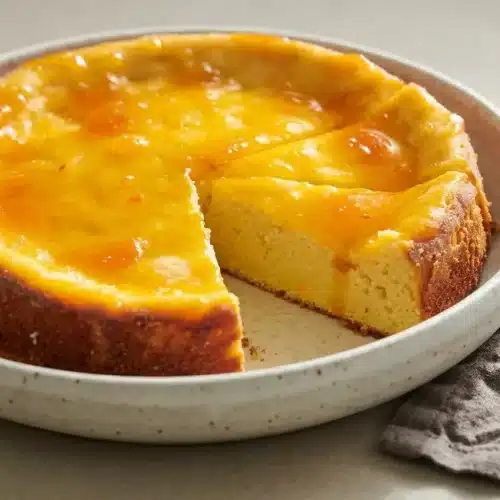
This lemon ricotta cake combines drained whole-milk ricotta, fresh lemon zest, and lemon juice for a moist, tender crumb. A buttered, sugar-coated springform pan gives it a delicate golden edge, while a thin apricot jam glaze adds a glossy, fruity finish.
Rich with dairy but still distinctly cake-like, lemon ricotta cake sits somewhere between a buttery afternoon cake and the creamy richness you might associate with cheesecake. Almond extract rounds out the citrus without taking over.
It’s a lovely dessert for a dinner party or an afternoon coffee break. The mixing method includes one slightly surprising stage, but there’s no need to fuss over it. That curdled-looking batter belongs here.
Check the ricotta before you start: pooled liquid needs draining, not mixing back into the cheese.
Key Ingredients and Their Roles
Ricotta brings moisture and richness, butter and eggs support the tender crumb, and flour gives it structure. Lemon supplies brightness, almond extract adds a rounded aroma, and the sugar and apricot jam balance the citrus with sweetness.
- 12 tablespoons/170 grams salted butter, cubed, softened, plus more for greasing the pan
- 1 cup/200 grams plus 2 tablespoons sugar, divided
- 1 pound/454 grams whole-milk ricotta, drained
- 4 large eggs
- 1 teaspoon almond extract
- Grated zest and juice of 2 lemons (about ¼ cup juice and 1 tablespoon zest)
- 1 ½ cups/192 grams all-purpose flour
- ½ teaspoon baking powder
- ½ teaspoon baking soda
- Apricot jam, for topping
Whole-milk ricotta provides milky richness and a plush texture. Draining removes excess whey so that moisture doesn’t overwhelm the flour’s ability to support the cake. Keep the whole-milk version here rather than assuming part-skim will produce the same result.
Softened butter and sugar form the starting structure through creaming. The butter should yield to pressure but shouldn’t look melted or oily. Use the 1 cup of sugar in the batter; reserve the separate 2 tablespoons for coating the buttered pan. That coating creates a delicate, lightly crisp edge.
Eggs and flour hold everything together. Eggs help bind the dairy-rich batter, while flour supplies the framework that sets during baking. Once flour enters the bowl, gentle mixing protects tenderness.
Lemon zest and juice have different jobs. Zest carries fragrant peel oils, while juice supplies tartness and acidity. Almond extract adds a soft, nutty counterpoint. The acidic wet ingredients can make the mixture look separated, which doesn’t mean the cake has failed.
Baking soda and baking powder both contribute lift. Baking soda reacts with acidic ingredients, including lemon juice; baking powder supplies additional leavening. Keep both, in their listed amounts, rather than treating them as interchangeable.
I stop zesting as soon as the yellow peel gives way to white; that pale pith adds bitterness rather than lemon fragrance.
How to Make the Lemon Ricotta Cake Step by Step
Build air into the butter and ricotta mixture first, then handle the flour gently. This contrast matters more than making the wet batter look perfectly smooth.
Yield: 10 to 12 servings. Equipment: a 10-inch springform pan, stand mixer or hand mixer with a large bowl, spatula, wire rack, small pan, and brush.
- Set the oven to 350°F, grease a 10-inch springform pan with butter, and coat its interior with the reserved 2 tablespoons sugar.
A thin layer of sugar should cling to the butter across the bottom and sides. - Beat the softened butter with the remaining 1 cup sugar on high speed using a stand mixer or hand mixer, then beat in the drained ricotta, scraping the bowl with a spatula as needed.
Look for a pale butter mixture before adding the cheese and a fluffy consistency afterward. - Add the eggs, almond extract, lemon zest, and lemon juice, then run the mixer on high speed for 5 minutes.
The mixture should become aerated, although small curds or visible separation may remain. - Stir the flour, baking powder, and baking soda together in another bowl, then mix them into the wet ingredients on low speed just until incorporated.
Stop when no dry flour remains, without continuing to beat the thick batter. - Scrape the batter into the prepared springform pan and bake for 45 minutes, checking the center with a toothpick.
The cake is ready when the toothpick has no wet batter or damp crumbs attached. - Set the pan on a wire rack and let the cake cool before releasing the springform and moving the cake onto a serving plate.
The cooled cake should hold its shape during unmolding. - Gently heat apricot jam in a small pan, adding a little water only if it needs thinning, then brush or spread a thin coating over the cooled cake.
A loose, spreadable consistency gives the surface an even sheen without a heavy layer of jam.
The full 5-minute beat happens before adding flour. It helps aerate the rich wet mixture, even if the lemon juice and eggs leave it looking uneven. Don’t add corrective flour or shorten that beating stage because the mixture appears curdled.
Flour incorporation helps bring the batter together, but perfect smoothness isn’t the goal. Once the dry streaks disappear, stop the mixer. At the baking check, test the center rather than relying on golden edges alone, since the outer portion sets first.
Pro Tips and Troubleshooting for a Plush Crumb
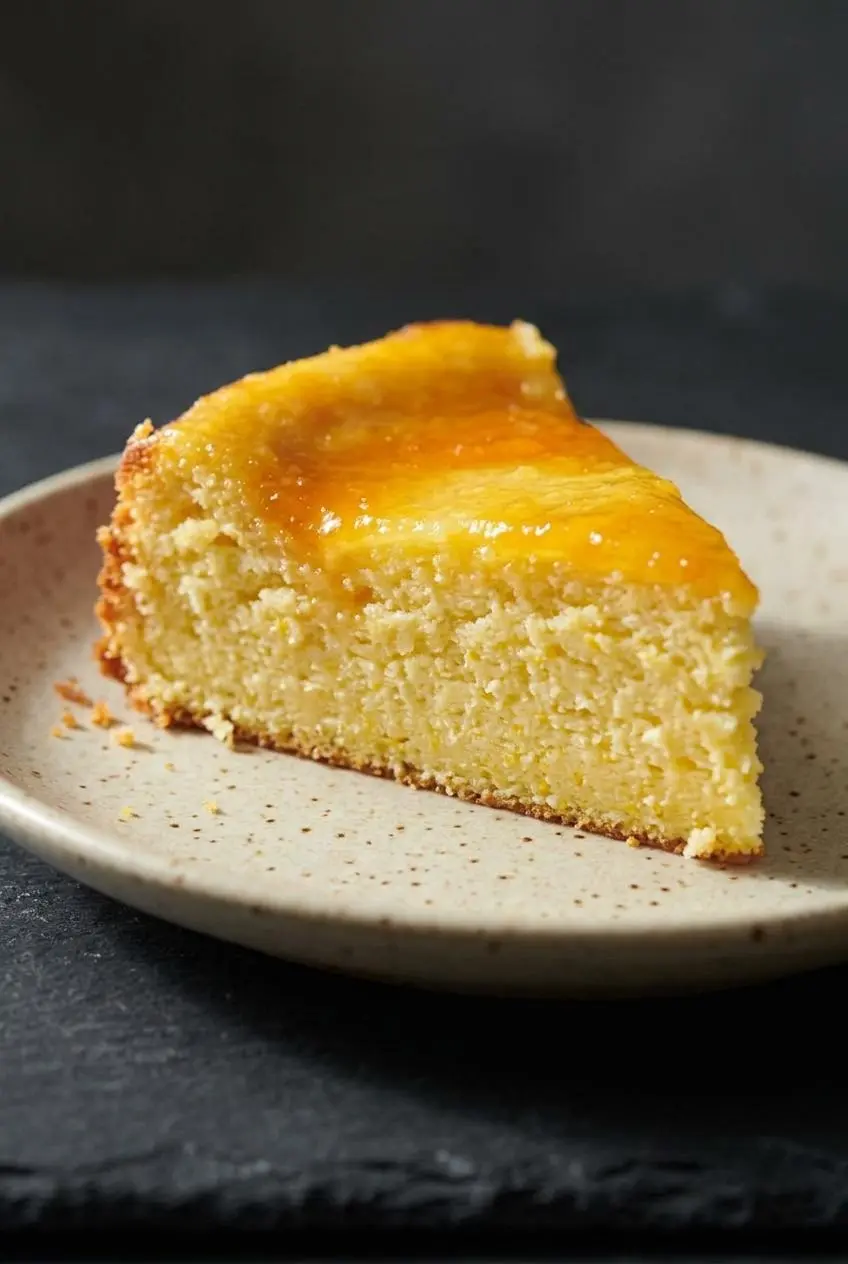
Moisture, pan choice, and mixing each affect the finished crumb. These adjustments help prevent a wet center without sacrificing the cake’s characteristic richness.
How to Drain Ricotta Properly
Look for liquid pooled around the cheese or a loose consistency that slumps and releases whey. Place watery ricotta in a cheesecloth-lined strainer over a bowl, keeping the strainer above the collected liquid.
For overly wet ricotta, about 30 minutes is a useful starting point, but texture matters more than the clock. Aim for thicker cheese without free-flowing liquid. Keep it chilled while draining, and don’t try to press it completely dry. The listed amount remains 1 pound/454 grams whole-milk ricotta, drained.
If you enjoy baking with ricotta, blueberry ricotta breakfast cake offers another direction for a morning or brunch bake.
More Lemon Aroma Without Extra Juice
As an optional technique, rub the grated zest into the batter sugar with your fingertips before creaming. The sugar becomes fragrant as it picks up oils from the peel, boosting aroma without adding liquid.
Keep the pan-coating sugar separate. This is an alternative flavor-building technique, not an extra requirement in the method above, which adds zest with the eggs and juice. Extra lemon juice isn’t an equivalent adjustment because it also changes the batter’s moisture and acidity.
9-Inch vs 10-Inch Springform Pan Adjustments
- 10-inch springform: This is the specified pan, with a 45-minute bake at 350°F and a clean, dry toothpick as the finishing cue.
- 9-inch springform: The same batter makes a taller cake and may need roughly 5 to 10 additional minutes. Treat 50 to 55 minutes as an approximate checking range, not a guaranteed finish time.
A light-colored metal springform pan is a helpful choice because dark metal can brown the edges faster. With either size, let the center’s doneness guide you rather than removing the cake simply because its rim looks golden.
Common Mistakes to Avoid
- Dense or gummy center: Excess ricotta moisture or insufficient baking may be responsible. Drain watery cheese and check the center carefully before taking the cake out.
- Dark, dry edges: Dark metal or prolonged baking can overbrown the perimeter. Choose a light-colored pan when possible and begin checking at the specified time.
- Bitter citrus flavor: White pith can overpower the fragrant zest. Grate only the colored peel.
- Tough crumb: Extended mixing after adding flour develops more gluten. Use low speed and stop once incorporated.
- Separated wet batter: Slight curdling is expected at the egg-and-lemon stage. Continue as directed rather than adding ingredients to “fix” it.
Italian Finishes and Fresh Fruit Pairings
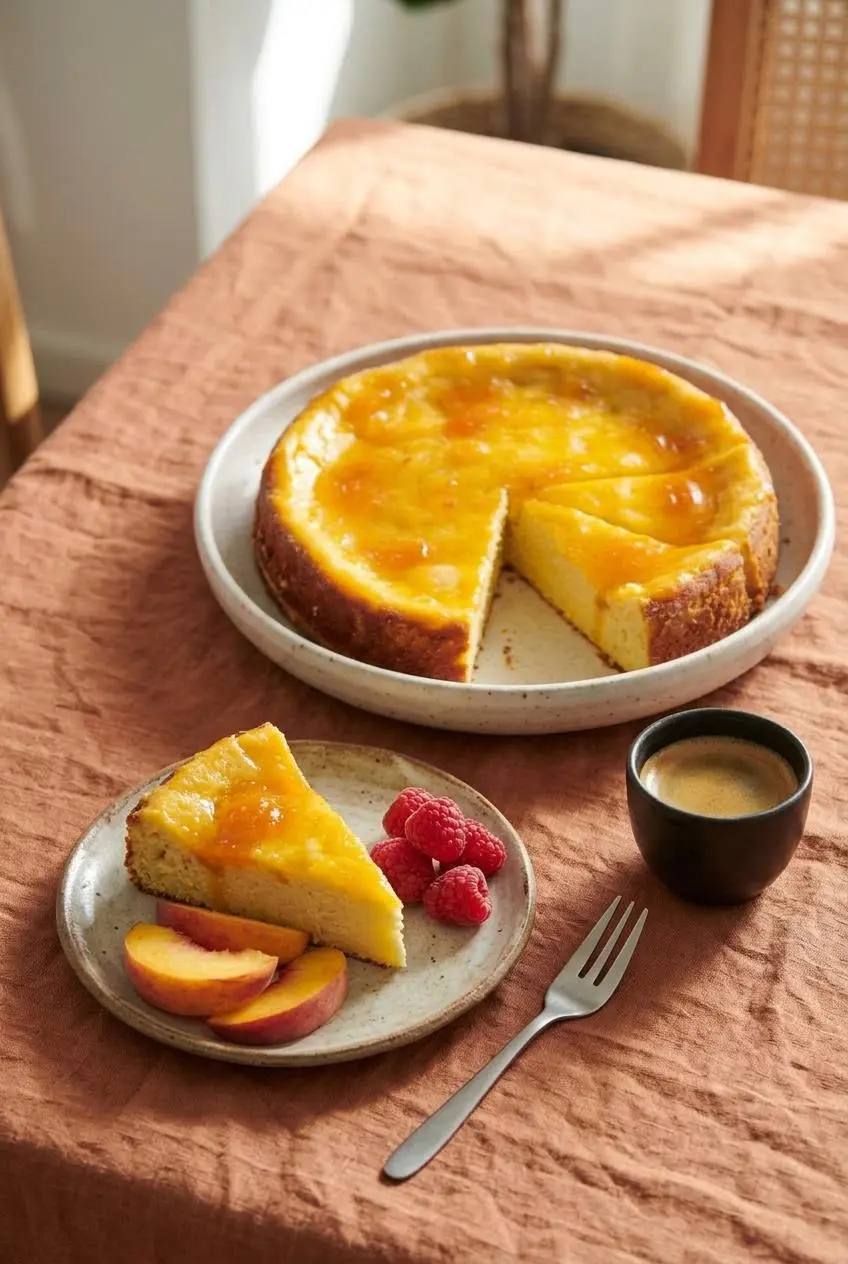
Choose a finish to suit the occasion rather than layering every topping onto one cake.
- Apricot jam: The featured finish adds a glossy surface and gentle fruit sweetness.
- Powdered sugar: An optional dusting keeps the presentation understated and lets the lemon crumb stand out.
- Lemon glaze: An optional drizzle brings a sweeter, sharper citrus finish.
Warm Apricot Jam Finish
Warming the jam makes it easier to spread without tugging at the tender surface. Keep the layer thin so it complements the cake rather than becoming a thick topping. The fruity sweetness softens the lemon’s tartness and gives the cake a polished finish.
Classic Italian Powdered Sugar Finish With Vanilla
For an optional Italian-style presentation, replace the jam finish with powdered sugar and choose vanilla instead of almond extract. Vanilla gives a softer aromatic contrast, while the dusting leaves the cake’s texture front and center.
Apply powdered sugar near serving so it looks fresh rather than disappearing into the moist surface. For another citrus dessert suited to afternoon coffee, try Italian lemon pound cake.
Tangy Lemon Glaze Drizzle
An optional glaze of powdered sugar, fresh lemon juice, and grated zest makes the finish more assertively lemony. Stir toward a consistency that falls from a spoon in a ribbon, then drizzle it over the cooled cake.
Choose this instead of the apricot topping rather than adding it by default. Compared with jam, it delivers a more concentrated sweet-tart contrast.
Best Fresh Fruit Pairings
Serve sliced peaches or nectarines alongside the cake for a juicy contrast, or choose raspberries and other summer berries for tartness. Keeping fruit beside the slice preserves the cake’s surface and lets each person choose the balance.
Espresso or hot tea makes a natural afternoon pairing. Room-temperature slices have a softer texture than chilled ones, but serving preference shouldn’t become prolonged unrefrigerated storage.
Making Ricotta Cake Ahead and Keeping Slices Moist
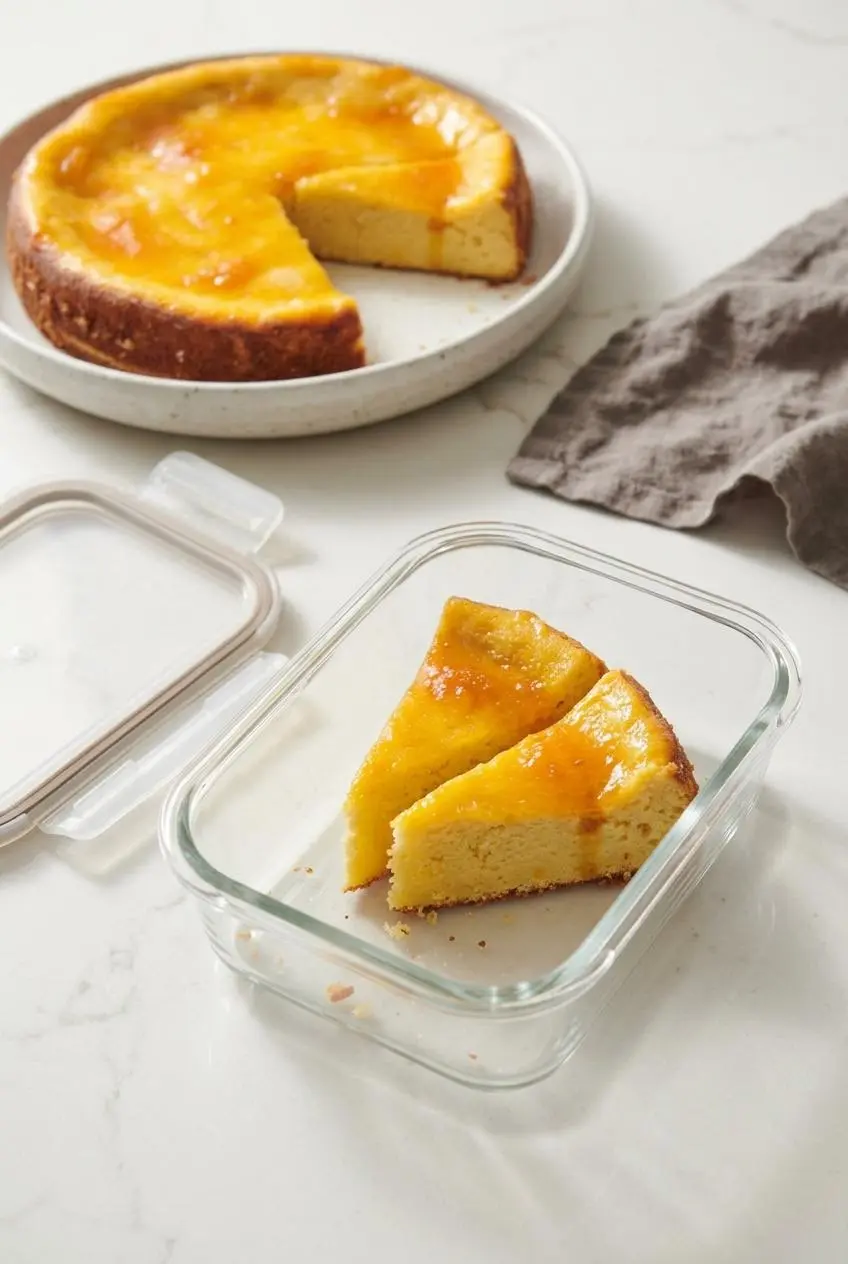
Protecting the cut surfaces helps preserve the cake’s soft crumb. Let the cake cool as directed, complete the apricot finish, then cover it for refrigerated storage rather than leaving it exposed.
Keep perishable dairy ingredients and covered leftovers refrigerated at 40°F or below. For this dairy-rich cake, chilled storage is the cautious choice; the guidance does not establish a cake-specific storage duration.
Use a covered cake container or a sealed container for slices, protecting exposed crumb from drying. Avoid pressing wrapping directly into the jam if you want to preserve its sheen. A duller glaze or firmer chilled crumb is a presentation or texture change, not a measure of food safety.
For planning, separate the baking and cooling from final presentation. If you choose the optional powdered sugar finish, wait until serving to dust it. Keep the cooling-then-glazing sequence unchanged when using apricot jam.
Conclusion
Drained ricotta gives this cake its moist, plush crumb, while lemon zest and juice keep the flavor bright. The thin apricot finish adds just enough fruit sweetness and shine.
Pay attention to watery ricotta, give the wet mixture its full beating time, and stop mixing once the flour disappears. Those details leave you with a tender slice worth settling down to enjoy.
Frequently Asked Questions
What Happens if You Add Lemon Juice to Ricotta?
Lemon juice adds acidity and can affect dairy proteins, making the wet mixture look slightly curdled or separated. In this batter, continue with the specified beating and flour incorporation without adding corrective ingredients; some unevenness may remain.
What Does Adding Ricotta to Cake Do?
Whole-milk ricotta adds moisture and richness, creating a tender, plush crumb. The flour-supported structure still makes this a cake, despite its creamy dairy richness.
Do I Need to Drain Ricotta Before Baking Lemon Ricotta Cake?
Yes, use drained ricotta as listed, paying particular attention to cheese with pooled whey or a loose, watery texture. A cheesecloth-lined strainer removes excess liquid; thick ricotta may release less whey than a wetter product.
Can I Use a 9-Inch Springform Pan Instead of a 10-Inch Pan?
The specified pan is 10 inches; a 9-inch pan produces a taller cake. It may need approximately 5 to 10 extra minutes, but this is an estimated adaptation rather than a tested guarantee for this batter. Check for a clean, dry toothpick in the center.
Can I Make Lemon Ricotta Cake Ahead of Time?
Plan for the required cooling stage, then keep the finished cake covered and refrigerated until serving. Apply the apricot jam after cooling as directed, or save an optional powdered sugar dusting for serving.
Lemon Ricotta Cake

Equipment
- 10-inch springform pan
- Stand mixer
- Hand mixer
- Spatula
- Wire rack
- Small pan
- brush
Ingredients
- 12 tablespoons/170 grams salted butter cubed, softened, plus more for greasing the pan
- 1 cup/200 grams plus 2 tablespoons sugar divided
- 1 pound/454 grams whole-milk ricotta drained
- 4 large eggs
- 1 teaspoon almond extract
- 2 Grated zest and juice of lemons about ¼ cup juice and 1 tablespoon zest
- 1 ½ cups/192 grams all-purpose flour
- ½ teaspoon baking powder
- ½ teaspoon baking soda
- Apricot jam for topping
Instructions
- Set the oven to 350°F, grease a 10-inch springform pan with butter, and coat its interior with the reserved 2 tablespoons sugar. A thin layer of sugar should cling to the butter across the bottom and sides.
- Beat the softened butter with the remaining 1 cup sugar on high speed using a stand mixer or hand mixer, then beat in the drained ricotta, scraping the bowl with a spatula as needed. Look for a pale butter mixture before adding the cheese and a fluffy consistency afterward.
- Add the eggs, almond extract, lemon zest, and lemon juice, then run the mixer on high speed for 5 minutes. The mixture should become aerated, although small curds or visible separation may remain.
- Stir the flour, baking powder, and baking soda together in another bowl, then mix them into the wet ingredients on low speed just until incorporated. Stop when no dry flour remains, without continuing to beat the thick batter.
- Scrape the batter into the prepared springform pan and bake for 45 minutes, checking the center with a toothpick. The cake is ready when the toothpick has no wet batter or damp crumbs attached.
- Set the pan on a wire rack and let the cake cool before releasing the springform and moving the cake onto a serving plate. The cooled cake should hold its shape during unmolding.
- Gently heat apricot jam in a small pan, adding a little water only if it needs thinning, then brush or spread a thin coating over the cooled cake. A loose, spreadable consistency gives the surface an even sheen without a heavy layer of jam.