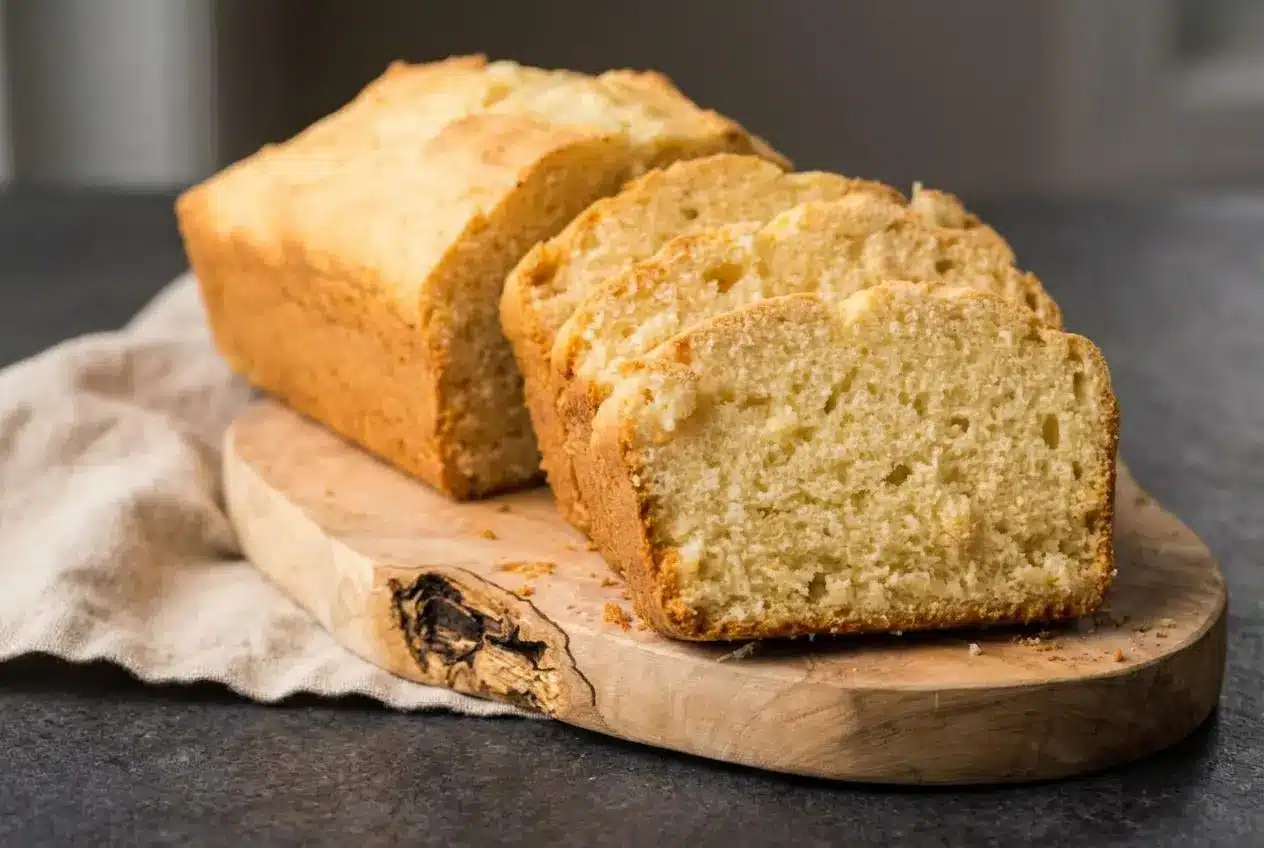
This ice cream bread recipe turns 1 pint of softened full-fat ice cream and 1 ½ cups of self-rising flour into a lightly sweet, tender loaf. Bake it in a greased 9×5 loaf pan at 350°F for 40 minutes, then check the center with a wooden toothpick.
A softened pint becomes something entirely different in the oven: a soft quick bread with golden edges and a cake-like crumb. There’s no yeast or kneading, and your chosen ice cream supplies the flavor.
The batter takes about 5 minutes to prepare, making this a useful bake when you want a treat without a lengthy mixing session. Choose a favorite flavor, but expect gentler sweetness than a frosted cake. The tender center is the draw.
Let the ice cream become easy to stir before mixing; it should feel cool and creamy, not hot.
What to Expect From This Ice Cream Bread Recipe
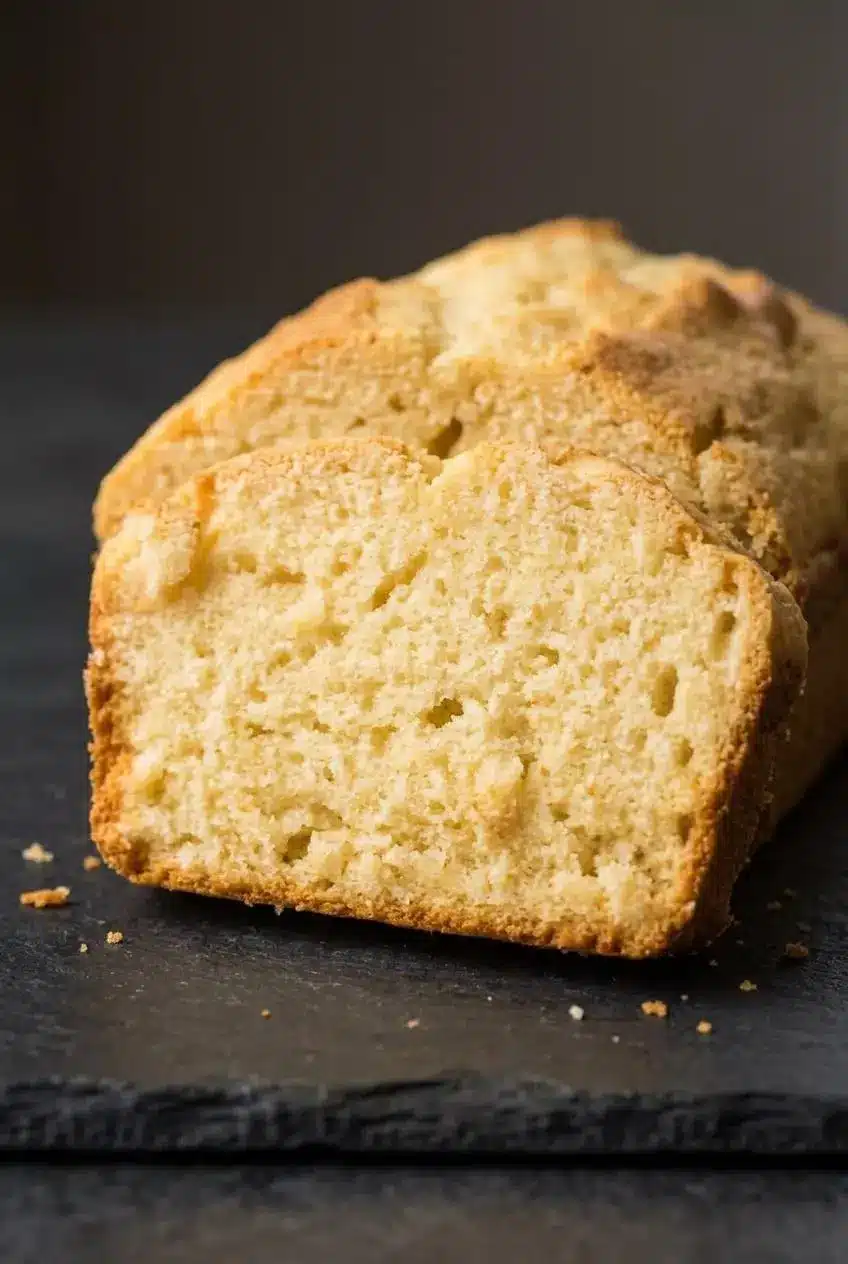
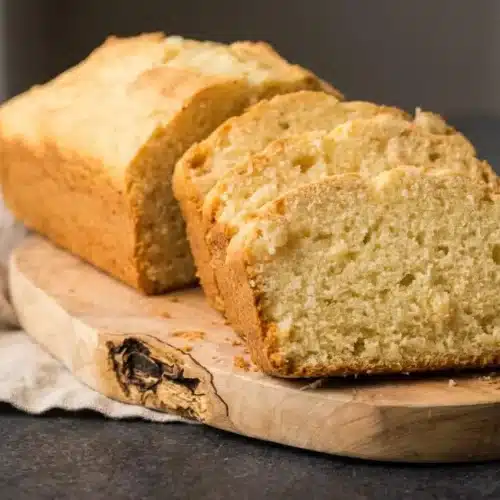
Expect a lightly sweet quick bread that slices like a loaf cake, rather than fluffy sandwich bread. The crumb should feel soft and tender, with enough structure to hold a spread.
The combination works because ice cream contributes fat, sugar, and moisture. Self-rising flour supplies the flour structure, baking powder for lift, and salt for balance. You don’t need to add separate butter, sugar, or eggs, although some ice cream flavors already contain eggs.
Flavor becomes subtler as the ice cream mixes with flour and bakes. Vanilla makes a mellow loaf, while chocolate, fruit flavors, and existing chunks give it more character. Full-fat dairy ice cream provides the most dependable starting point because its richness helps keep the crumb tender.
Ingredients Explained and Smart Substitutions
Ice cream brings moisture, sweetness, and richness; self-rising flour gives the loaf structure and lift. Baking spray helps the tender bread release from the pan without leaving its edges behind.
- 1 pint ice cream (any full-fat flavor, softened)
- 1 ½ cup self-rising flour
- baking spray
The two-ingredient description refers to the batter. The baking spray prepares the pan, so it belongs on the shopping list even though it doesn’t go into the mixing bowl.
Measure the flour without packing it down. Compressed flour can make the batter heavier and the finished loaf drier. The ice cream should soften enough to combine evenly with the flour rather than remain in frozen lumps.
I prefer ice cream that yields easily to a spoon but still feels cool, so it blends without needing prolonged beating.
Choosing Full-Fat Ice Cream for a Tender Loaf
Choose the flavor first, then consider how its texture will affect the bread. Smooth vanilla or chocolate gives a more uniform crumb. Butter pecan and other chunky flavors add pockets of crunch, while fruit flavors can produce a gentler aroma after baking.
- Full-fat dairy ice cream: The starting choice for a rich, tender crumb.
- Low-fat or light ice cream: Different fat and water balances can produce a denser or drier loaf.
- Frozen yogurt: Its acidity and composition differ from ice cream, so don’t expect an identical result.
- Dairy-free ice cream: Full-fat coconut-milk versions may work, but formulas vary considerably between brands.
- Sorbet: It lacks the richness of dairy ice cream and isn’t a recommended direct replacement.
How to Make Ice Cream Bread Without Self-Rising Flour
Use a homemade self-rising flour blend only with a dependable formula, such as one provided on your flour manufacturer’s packaging. It needs all-purpose flour, baking powder, and salt, thoroughly whisked together before measuring the amount needed for the loaf.
Plain all-purpose flour alone won’t supply the required lift. Baking soda also isn’t a direct replacement for baking powder. If you don’t have a confirmed substitute formula, packaged self-rising flour is the more dependable choice for this recipe.
How to Make Ice Cream Bread Step by Step
Prepare the pan first, mix the batter next, and pour it only after everything has combined. An electric mixer brings the mixture together quickly, but there’s no benefit to continuing once the flour has incorporated.
Prep: 5 minutes. Bake: 40 minutes. Total: 45 minutes, plus a separate 10-minute cooling period. Servings: 8.
- Set the oven to 350°F and coat the inside of a 9×5 loaf pan with baking spray.
Cover the corners as well as the bottom to help the loaf release cleanly. - Combine the softened, melted ice cream and self-rising flour in a large bowl using an electric mixer, stopping as soon as they form an even batter.
Expect a thick, slightly aerated mixture resembling muffin batter, without visible dry flour. - Transfer the combined batter into the prepared loaf pan.
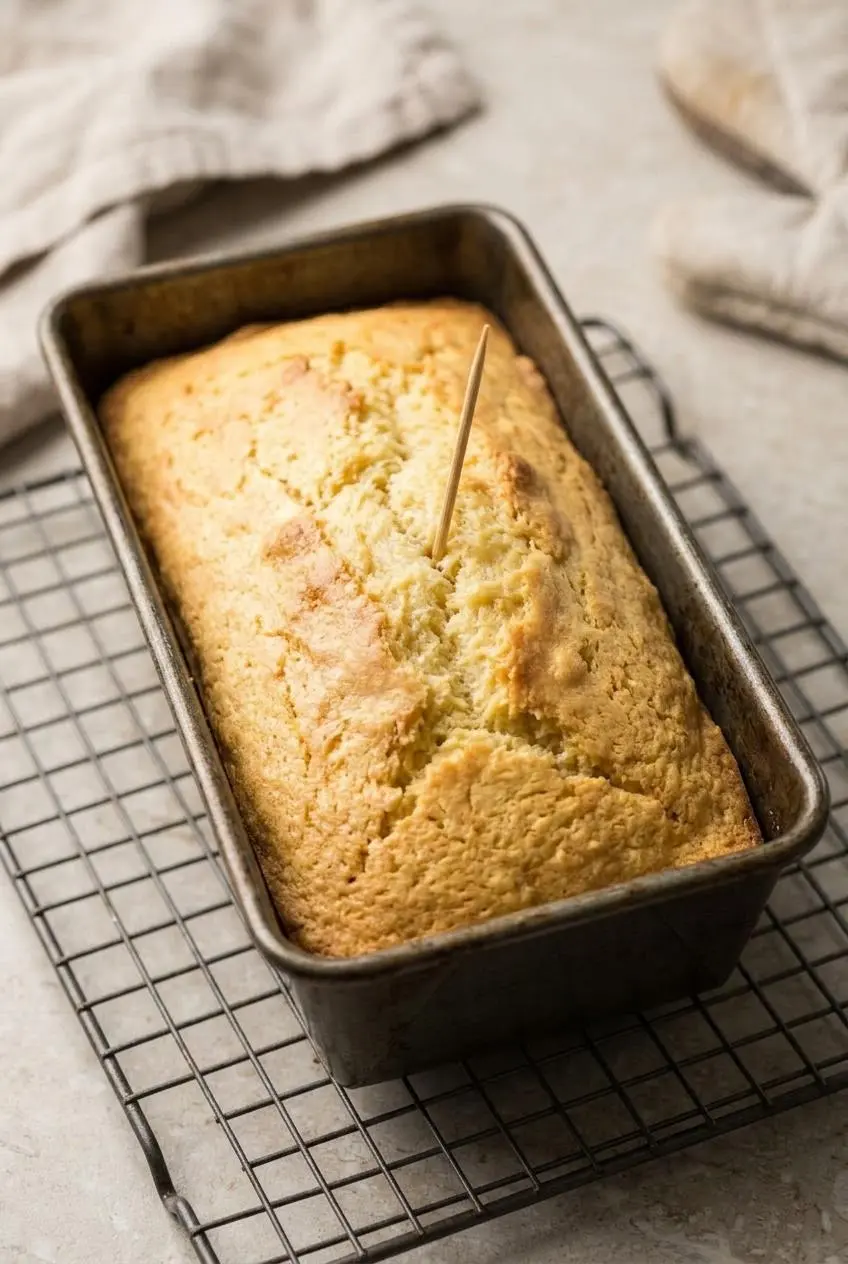
The mixture should settle into a thick layer rather than pour like a thin liquid. - Bake for 40 minutes, then test the middle of the loaf with a wooden toothpick.
A clean toothpick indicates that the center has set, while wet batter means it needs further baking. - Leave the baked loaf in its pan for 10 minutes before removing it.
The warm crumb is delicate, and this cooling period helps it hold together during removal.
“Softened” describes the ingredient before mixing; by then, it may have melted enough to stir smoothly. It doesn’t need heating. Batter thickness varies with the ice cream, so don’t automatically add liquid or extra flour to change its consistency.
Expert Tips for Avoiding Dense, Gummy Ice Cream Bread
Check the center before blaming the ingredients: a browned crust can hide an underbaked middle. These cues help separate mixing problems from baking problems.
- Uneven or separated ice cream: Microwave heating can create hot spots or separation; let it soften naturally until stirrable instead, then mix promptly.
- Tough or rubbery crumb: Prolonged beating can develop too much gluten; keep the electric mixer, but stop at the well-combined stage.
- Gummy center: The middle may need more baking; check there rather than relying on crust color alone.
- A misleading toothpick: Melted chocolate or a fruit chunk can coat the tester; check a nearby spot to distinguish a mix-in from wet batter.
- A top that darkens too quickly: Loosely tent the pan with foil after 30 minutes if necessary, allowing the center to finish without excessive browning.
- Tearing during removal or slicing: Warm quick bread breaks easily; respect the pan-cooling period and handle the loaf gently.
- A pale top: Golden edges are helpful supporting cues, but don’t keep baking a set loaf solely to deepen its color.
Chocolate Chip Loaves, Two-Flavor Swirls, and Ice Cream Bread Muffins
Keep these changes optional and separate from the loaf method. Start with the same ice cream-to-flour ratio rather than increasing the batter to accommodate extra flavors.
Three-Ingredient Chocolate Chip or Nut-Topped Loaves
- Chocolate chips: Add them as an optional third batter ingredient for chocolate pockets, especially with vanilla or chocolate ice cream.
- Nuts: Use them as an optional addition or topping for crunch, remembering that butter pecan and similar flavors already contain pieces.
- Sprinkles: Add a playful finish, though some colors may bleed into the batter.
- Cinnamon sugar: A light optional topping before baking adds sweetness and a lightly crunchy surface, an appealing direction if you enjoy cinnamon donut bread.
- Flaky sea salt: An optional light scattering before baking contrasts with the sweet, soft crumb.
Two-Flavor Swirled Ice Cream Loaf
- Divide the total 1 pint of ice cream between two flavors, and divide the total 1 ½ cups of self-rising flour in the same proportions.
- Mix each flavor separately, then alternate scoops of the two batters in the prepared pan for a marbled effect.
- Keep the standard loaf quantity; a doubled batch needs separate consideration of pan capacity and baking time.
How to Bake Ice Cream Bread Muffins
- For an optional conversion, portion the batter into a greased or lined standard 12-cup muffin pan.
- Bake at 350°F and begin checking within an estimated 18-to-22-minute range, using a center toothpick test rather than treating the range as a guaranteed finish.
- The muffin yield depends on portioning; don’t apply this timing to mini muffins or mini cakes.
Serving and Saving Slices of Ice Cream Bread
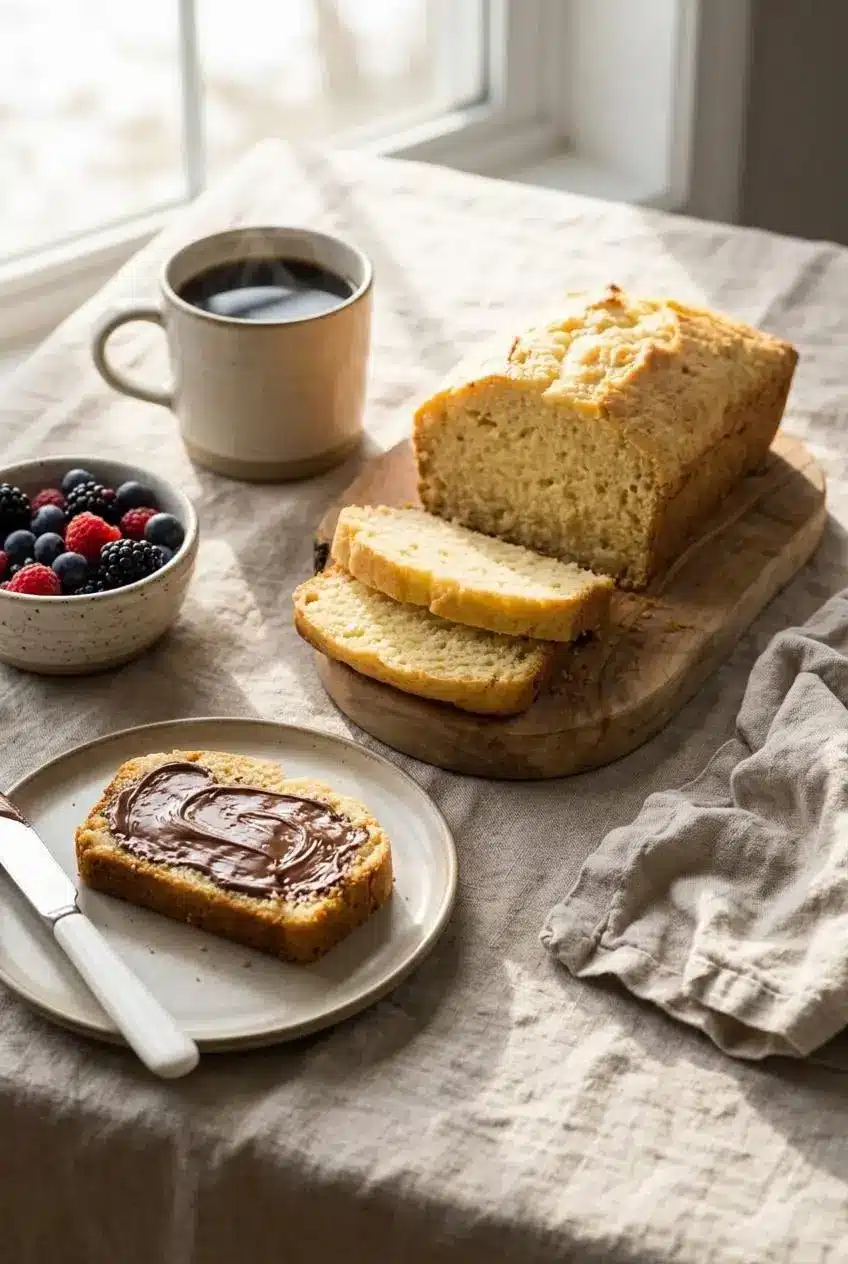
Choose toppings based on how sweet you want the finished slice. The loaf itself leaves room for a richer spread or fresh fruit.
- Afternoon snack: Add Nutella, peanut butter, or jam to a warm slice.
- Breakfast: Pair a slice with fresh fruit and coffee.
- Dessert: Lightly toast a slice and add a scoop of ice cream.
- Leftover slices: Use thick slices for French toast when you want a more substantial brunch.
For another breakfast loaf that welcomes fruit and spreads, try easy pancake bread.
Let leftover bread cool completely before placing it in an airtight container, then keep it refrigerated. Cover cut surfaces well to protect the crumb from drying out, and avoid sealing warm bread, which traps condensation.
Conclusion
Ice cream bread turns two main batter ingredients into a tender, lightly sweet loaf with plenty of room for flavor choices. Full-fat ice cream gives it a dependable starting point.
Mix just until combined and check the center before taking it out of the oven. Whether you choose vanilla or a chunky favorite, give that delicate crumb time to settle before enjoying a slice.
Frequently Asked Questions
What Does Ice Cream Bread Taste Like?
It tastes like a lightly sweet quick bread with a soft, cake-like crumb. Your chosen ice cream supplies the flavor and any existing chunks, but the result is usually less sweet than frosted cake.
How Do I Make Ice Cream Bread Without Self-Rising Flour?
Use a confirmed homemade self-rising flour formula containing all-purpose flour, baking powder, and salt. Follow the flour manufacturer’s proportions rather than substituting plain flour alone, which lacks the necessary leavening.
Can I Use Frozen Yogurt, Low-Fat, or Dairy-Free Ice Cream?
Full-fat dairy ice cream is the most dependable choice. Frozen yogurt and low-fat versions can change the texture; full-fat coconut-milk ice cream may work, but dairy-free products vary and won’t necessarily give the same result.
How Do I Make Ice Cream Bread Into Muffins Instead of a Loaf?
Use a greased or lined standard 12-cup muffin pan at 350°F. Treat 18 to 22 minutes as an estimated checking range, then confirm doneness with a wooden toothpick in the center; the range doesn’t guarantee completion or a particular yield.
Ice Cream Bread Recipe

Equipment
- 9×5 loaf pan
- Electric Mixer
- wooden toothpick
Ingredients
- 1 pint ice cream (any full-fat flavor, softened)
- 1 ½ cup self-rising flour
- baking spray
Instructions
- Set the oven to 350°F and coat the inside of a 9×5 loaf pan with baking spray. Cover the corners as well as the bottom to help the loaf release cleanly.
- Combine the softened, melted ice cream and self-rising flour in a large bowl using an electric mixer, stopping as soon as they form an even batter. Expect a thick, slightly aerated mixture resembling muffin batter, without visible dry flour.
- Transfer the combined batter into the prepared loaf pan. The mixture should settle into a thick layer rather than pour like a thin liquid.
- Bake for 40 minutes, then test the middle of the loaf with a wooden toothpick. A clean toothpick indicates that the center has set, while wet batter means it needs further baking.
- Leave the baked loaf in its pan for 10 minutes before removing it. The warm crumb is delicate, and this cooling period helps it hold together during removal.