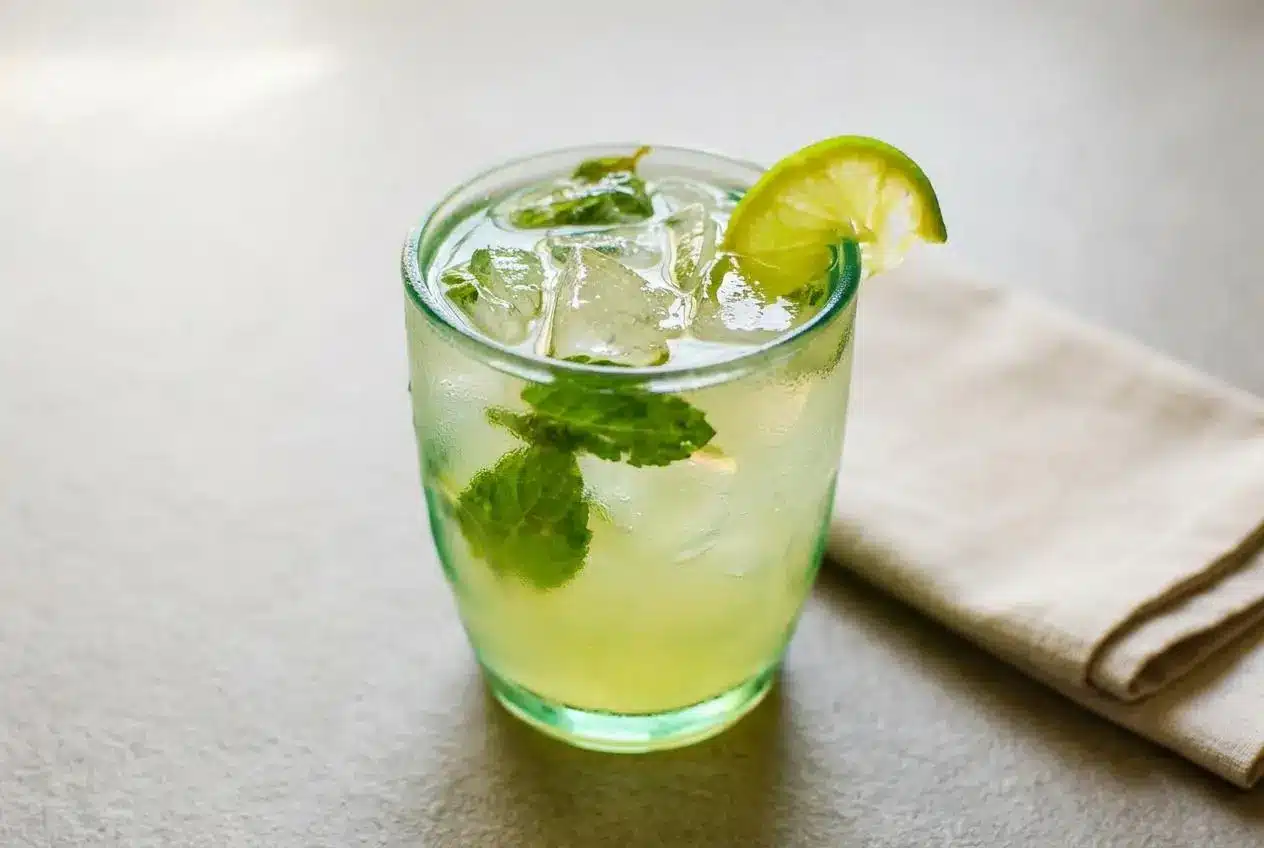
On sticky summer days in my kitchen, I’ve watched a simple drink turn an exhausted, salty-faced athlete into someone who can finally smile again. This homemade gatorade is my “clean bottle” answer to the neon stuff, bright, citrusy, and actually refreshing instead of syrupy.
It’s built for gym sessions, long runs, yard work, or those afternoons when you just cannot stop sweating. The little twist that makes it taste “finished” is a quick citrus-zest honey maceration that perfumes the whole batch like a fancy sports drink, minus the lab-coat vibe.
Why You’ll Love This Recipe
The Zest-Maceration Secret: I whisk citrus zest into honey and let it sit, and the aroma turns deep and fragrant. Those peel oils bloom fast, giving a more “expensive” citrus profile without piling on extra glucose.
Hydration That Actually Drinks Easy: A pinch of sodium chloride, plus a bit of sweetness, helps your body take in fluids efficiently. It’s the kind of electrolyte balance that feels steady, not sloshy.
Real-World Electrolytes: Coconut water brings potassium and a touch of magnesium naturally, which is exactly what I want after a hard, sweaty workout. The flavor stays bright and clean instead of tasting like salt water.
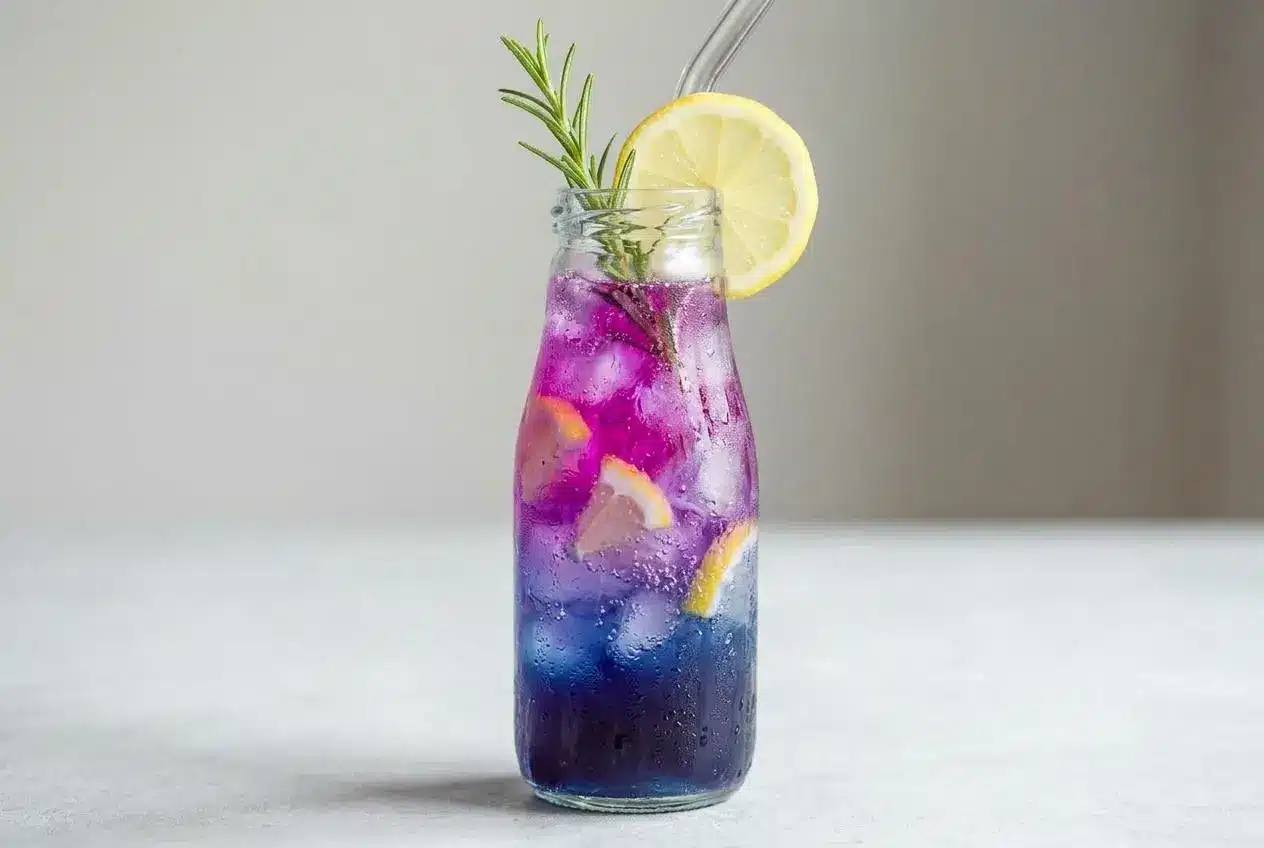
That Iconic Blue, Naturally: Blue spirulina gives you the “blue sports drink” look without artificial dyes. The color alone makes it feel fun, especially over a glass packed with ice.
Ingredients and Substitutions

This homemade gatorade uses coconut water, citrus, salt, and a touch of sweetener to build a balanced, isotonic-style drink. Aloe adds a gentle, silky feel that makes it go down smoothly.
Ingredients
For Orange Gatorade:
- 16 oz Coconut water
- 2 Lemons juiced
- 2 Limes juiced
- 2 Mandarin oranges or clementines juiced
- 1 Pinch Himalayan salt
- 0.5 inch Fresh aloe peeled or 2 oz aloe juice
- 2 tablespoons Honey
- Ice to serve
- Orange wedge for garnish
For Blue Gatorade:
- 16 oz Coconut water
- 2 Lemons juiced
- 2 Limes juiced
- 1 Pinch Himalayan salt
- 0.5 inch Fresh aloe peeled or 2 oz aloe juice
- 2 tablespoons Honey
- 0.25 teaspoon Blue spirulina powder
- Ice to serve
Ingredient Notes & Substitutions
Himalayan salt: That pinch is doing real work, not just flavoring, because sodium helps with fluid retention during heavy sweating. If you tend to under-salt homemade electrolyte drinks, they often taste great but hydrate poorly.
Coconut water: This is the potassium powerhouse that makes the base feel “sports drink” legit. The numbers vary by brand, but coconut water is known for high potassium levels, which is why it pairs so well with citrus and a pinch of salt.
Honey: Honey brings sweetness plus a round, floral finish that plays beautifully with citrus oils. For a vegan version, swap in maple syrup or agave nectar, but keep the same maceration idea so the peel aroma carries through.
Aloe: Aloe adds a soothing, lightly silky body that makes the drink feel less sharp and more “sip-able.” If you use fresh aloe, peel it carefully so none of the bitter yellow sap sneaks in.
Blue spirulina powder: A little goes a long way, and too much can taste “pondy.” I keep it at the exact amount listed, blend thoroughly, then let the foam settle so the color looks clean and electric.
How to make homemade gatorade
Citrus-Zest Honey Maceration
Before anything hits the blender, I like to zest one lemon or lime right into the 2 tablespoons of honey. Whisk it until the honey looks glossy and perfumed, then let it sit for 10 minutes so the citrus oils bloom.
Blend and Emulsify
- Add all ingredients for either version to your blender, including the honey that’s been sitting with zest. Blend on high for 30 to 60 seconds, until the drink looks evenly cloudy, the salt is fully dissolved, and the aloe is completely integrated with no slippery bits.
- Give it a quick smell before you stop the blender, you want bright citrus, not just sweetness. If you’re making the blue version, the spirulina should look fully dispersed with a smooth, uniform color.
Settle, Then Serve
- Let the mixture settle for 1 to 2 minutes so the foam calms down. You’ll see bubbles rise and the surface turn clearer and smoother.
- For the orange version, strain into a glass filled with ice for that classic sports drink mouthfeel, then garnish with an orange wedge. For the blue version, skip straining, pour directly over ice, and enjoy that bright color right away.
The Science of Superior Hydration

Hydration is not just “drink more water,” it’s water plus electrolytes in a balance your body can use. In sweaty situations, sodium chloride matters because it helps you hold onto the fluid you’re drinking instead of flushing it straight through.
Coconut water is naturally rich in potassium, which supports normal muscle function and helps explain why this homemade gatorade feels so steady after exercise. When you pair potassium with a small amount of sodium, you’re building a more complete electrolyte picture than juice alone.
The sweetness is not only there for taste, it helps with the sodium-glucose cotransport effect, meaning water absorption can be more efficient when sodium and glucose are present together. The key is restraint, too much sweetener can slow gastric emptying and leave you feeling heavy mid-workout.
For athletes who like numbers, think of this as a potassium-forward drink with a controlled pinch of sodium, closer to an isotonic drink than plain flavored water. On easier days or short walks, you can lean hypotonic by using a bit more ice and sipping slowly, but for long, sweaty sessions this balanced approach shines.
When I’m also focused on recovery food, the pink gelatin recipe fits nicely as a gentle snack. Aloe and simple proteins can feel especially comforting after you’ve pushed hard.
If you enjoy functional, real-ingredient tonics, a good jamu juice recipe belongs in the same conversation. It’s a different lane than sports drinks, but it scratches that “kitchen-made and powerful” itch.
And for performance-minded mornings, mushroom coffee can be a smart companion beverage. I like to separate it from intense training hydration, but the pairing can support an overall routine.
Pro Tips & Troubleshooting

Pro Tips
- Use room-temperature liquids when blending so the honey dissolves smoothly instead of clinging to the blender walls.
- Strain the orange version if you plan to use a sports bottle nozzle, pulp loves to clog them at the worst moment.
- For a shelf-stable DIY option, grind freeze-dried fruit into powder and whisk it into your base when you need it.
- If your drink tastes “flat,” a tiny pinch of citric acid can brighten it and mimic that commercial tang.
- Keep the sweetener modest for mid-workout sipping, it helps absorption without feeling heavy.
Common Mistakes to Avoid
- Using standard table salt and wondering why the flavor feels one-note, trace minerals add nuance.
- Over-sweetening, which can make the drink feel thick and slow to absorb.
- Skipping the short settling time, foam can make the texture seem oddly airy.
- Not blending long enough, aloe and spirulina need that full 30 to 60 seconds.
Serving & Storage
I love this homemade gatorade ice-cold, poured over a tall glass of ice so the citrus hits first. For a fun recovery treat, freeze it into popsicle molds, it’s basically hydration you can chew.
If you want a little “stadium snack” vibe, rim the glass with the tiniest touch of salt and a whisper of chili powder. A sprig of mint or basil also makes it feel like a patio drink without changing the core flavor.
For storage, keep it in a sealed bottle in the fridge and aim to finish it within 2 to 3 days for the freshest citrus flavor. If it separates, that’s normal, just shake gently and you’re back in business.
When I’m leaning hard into citrus desserts, the same bright oil aroma shows up in lemon ice cream. That citrus-peel perfume is exactly why the honey maceration trick works so well.
This drink does not freeze perfectly smooth in a bottle, but it freezes beautifully as ice pops. If you do freeze it, leave headspace because liquids expand and cracked containers are no fun.
The best part of this homemade gatorade is how quickly it fits into real life, blender, glass, done. Keep the maceration trick in your back pocket and you’ll never go back to “just juice and water.”
Once you’ve made it once, it’s easy to play, orange one day, blue spirulina the next, maybe mango when the fruit bowl is overflowing. Your body and your taste buds both notice the difference.

Homemade Gatorade Natural Electrolyte Drink

Equipment
- Blender
- Zester
- Fine mesh strainer
Ingredients
For Orange Gatorade:
- 16 oz Coconut water
- 2 Lemons juiced
- 2 Limes juiced
- 2 Mandarin oranges or clementines juiced
- 1 Pinch Himalayan salt
- 0.5 inch Fresh aloe peeled or 2 oz aloe juice
- 2 tablespoons Honey
- Ice to serve
- Orange wedge for garnish
For Blue Gatorade:
- 16 oz Coconut water
- 2 Lemons juiced
- 2 Limes juiced
- 1 Pinch Himalayan salt
- 0.5 inch Fresh aloe peeled or 2 oz aloe juice
- 2 tablespoons Honey
- 0.25 teaspoon Blue spirulina powder
- Ice to serve
Instructions
Citrus-Zest Honey Maceration
- Zest one lemon or lime directly into the 2 tablespoons of honey. Whisk until the honey is glossy and fragrant, then allow it to sit for 10 minutes so the natural citrus oils can bloom.
Blend and Emulsify
- Place all ingredients for your chosen version into a blender, including the macerated honey. Blend on high speed for 30 to 60 seconds until the mixture is uniform, the salt is dissolved, and the aloe is fully integrated.
- Check the aroma and color. For the blue version, ensure the spirulina is fully dispersed with a smooth, electric blue color.
Settle, Then Serve
- Allow the mixture to rest in the blender for 1 to 2 minutes. This settling time lets the foam dissipate and results in a clearer, smoother liquid texture.
- For the orange version, strain the liquid into a glass filled with ice and garnish with an orange wedge. For the blue version, skip the straining and pour directly over ice to enjoy the vibrant color.