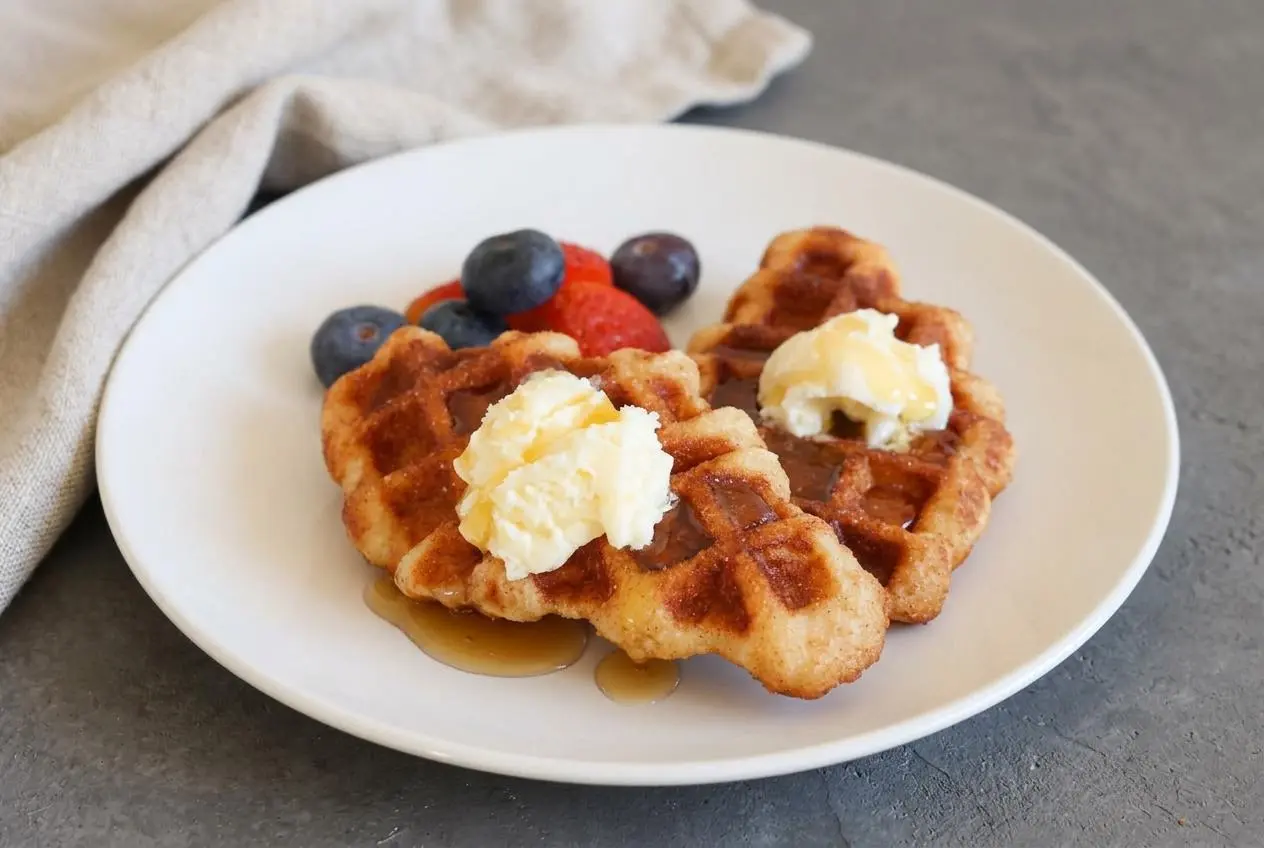
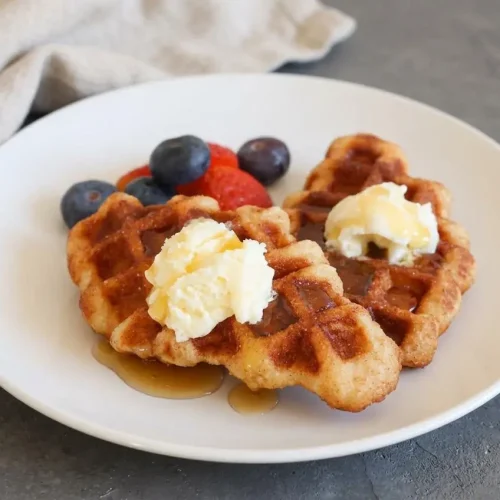
A croffle is a croissant-waffle hybrid with a crisp exterior and layered center. Make one by rolling crescent dough in cinnamon sugar, then pressing it in a preheated waffle maker for 1½ to 3 minutes, until golden and caramelized.
This croffles recipe turns refrigerated crescent rolls into golden pastries with buttery layers and cinnamon sweetness. As the coating melts against the waffle grids, the warm aroma of caramelizing sugar tells you breakfast is getting close.
There’s no batter to mix or yeast dough to proof. Serve them with butter and syrup, or add fruit and whipped cream for a cafe-style treat. The finishing trick is a brief cool-down for extra crunch.
Set a wire rack beside the waffle maker before cooking so each croffle has somewhere to release steam.
What You Need to Make Croffles
Crescent dough provides the layered center, sugar creates the caramelized coating, and cinnamon adds warm spice. Neutral oil helps the pastry release from the grids, while butter and syrup bring richness and sweetness to the finished croffles.
- ¼ cup granulated sugar
- 2 teaspoons ground cinnamo
- 8 ounce tube refrigerated crescent rolls
- vegetable oil or canola oil
- butter
- syrup
The cinnamon-sugar coating goes on before cooking, while butter and syrup finish the warm pastries. Brush the waffle plates lightly rather than pouring oil into the wells, where it can collect.
I keep the crescent dough chilled until the iron is ready so the triangles separate cleanly without stretching or sticking to the counter.
Core Ingredients Explained
Granulated white sugar gives the coating its delicate, brittle crunch. It melts against the hot plates, then firms as the croffles cool. A freshly lifted croffle can feel softer than expected, so don’t keep cooking it simply because the sugar hasn’t hardened yet.
Cinnamon spreads through the sugar and adds warmth to every ridge. Mix the coating thoroughly before rolling the dough through it so you don’t get pockets of concentrated spice.
Use vegetable or canola oil on the plates rather than butter. Both have a neutral flavor, and butter’s milk solids can scorch against the hot grids. Save the butter for serving, where its flavor comes through without burning.
Refrigerated crescent rolls offer a tender, lightly layered interior. They’re a convenient shortcut, though they won’t have the same honeycomb structure as laminated croissant dough.
Choosing the Best Dough: Crescent Rolls vs Croissant Dough vs Puff Pastry
The main method uses refrigerated crescent dough. Other options work differently, so treat them as adaptations rather than direct timing swaps.
- Refrigerated crescent rolls: Use them straight from the tube without proofing. They cook quickly and produce a tender center beneath the crisp coating.
- Frozen raw croissant dough: Follow the package directions for preparing and proofing it before pressing. Products differ, and skipping a required rise can leave the center dense.
- Puff pastry: Prepare it following the package directions until pliable enough to shape. It needs no yeast proofing and gives a more brittle, flaky crunch rather than a breadlike center.
- Baked bakery croissants: Brush lightly with melted butter, dust with sugar, and press for about 1 to 2 minutes, checking early. Expect a flatter, toasted texture rather than the expansion of raw dough.
For raw yeast croissant dough, look for the package’s readiness cues rather than relying on a universal proofing time. Crescent dough requires no rise, so keep it chilled until you’re ready to roll.
How to Make Croffles Step by Step
Start with medium heat and use the first batch to judge your waffle maker. The listed prep time is 5 minutes and cook time is 5 minutes; cooking all eight croffles may take longer if your iron holds only one or two at a time.
Yield: 8 servings. You’ll need a waffle iron and a shallow, wide bowl.
- Stir the cinnamon into the sugar in a broad, shallow bowl, then heat the waffle maker to medium and lightly brush its plates with oil if needed.
The coating should look evenly speckled, and the plates should have a thin sheen without puddles. - Separate the opened crescent dough into eight triangles and curl each one from its broad edge toward the point, pressing the tip against the roll.
Each piece should form a compact crescent with its narrow end secured rather than hanging loose. - Turn each shaped crescent through the cinnamon sugar to coat the outside.
A light, even coating should cling to the dough without thick clumps. - Arrange one or two coated rolls on the hot grids, leaving room for expansion, then lower the lid and cook for 1½ to 3 minutes.
Look for golden-brown ridges and a fragrant caramel aroma, beginning your check around the 90-second mark. - Lift each cooked croffle out carefully with a utensil suitable for the waffle maker and transfer it to a plate.
The pastry should hold together with browned edges, although the hot sugar coating may still feel soft.
For a crisper finish, let the croffles rest on a wire rack for about a minute before plating. Air can circulate underneath, helping the melted sugar set without trapping steam against the bottom.
Finish with soft butter and warm syrup. A dusting of powdered sugar is another option if you prefer a lighter topping.
Expert Tips and Troubleshooting for Crispy Croffles
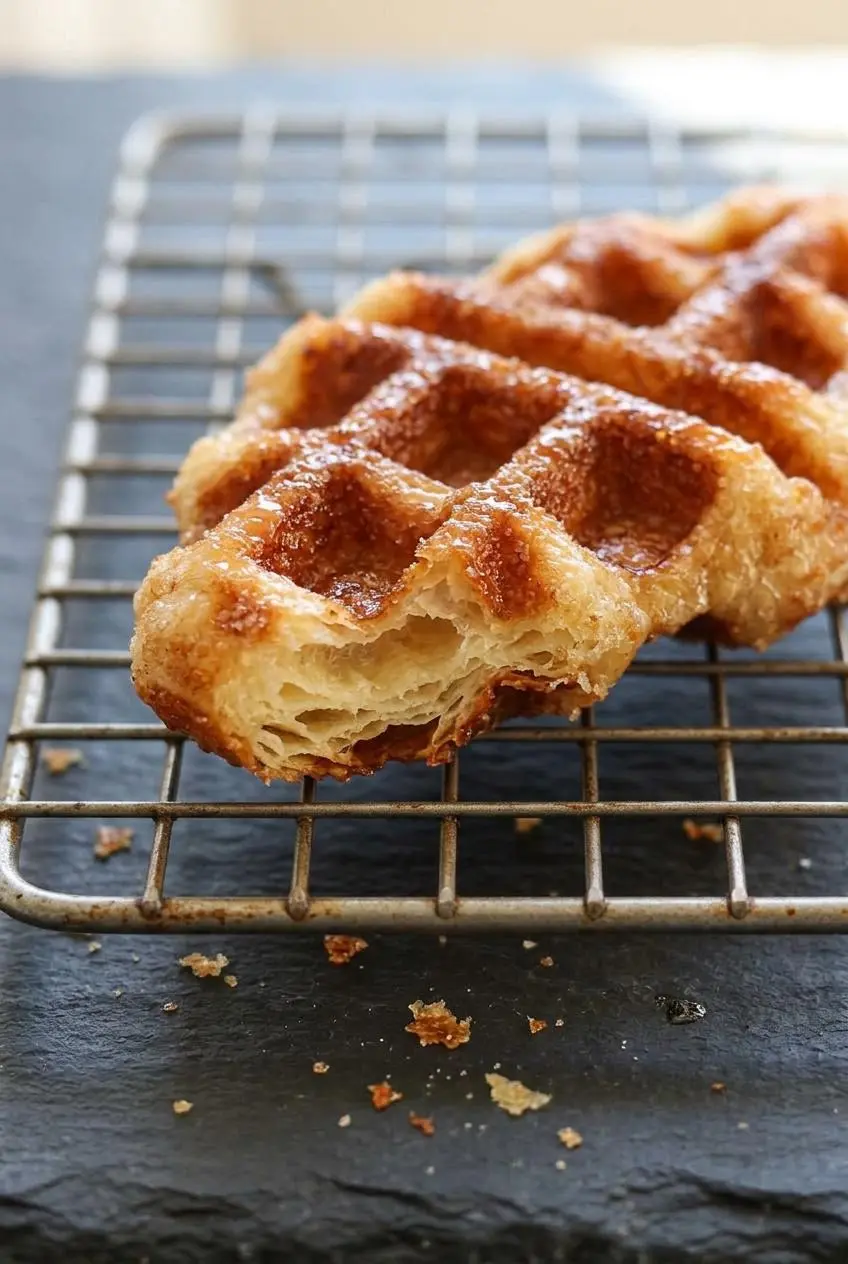
Most croffle problems come from heat that’s too aggressive, crowded plates, or steam trapped after cooking. Small adjustments usually help more than a longer cooking time.
How to Keep Sugar from Burning
- Dark crust with a doughy middle: Lower the heat. The sugar is browning before the center cooks, so use medium heat and inspect the next batch early.
- Soft exterior after cooking: Give the coating a chance to set on a rack. Stacking hot croffles traps steam and softens the ridges.
- Uneven color: Leave space between the dough pieces. Crowding can prevent the lid from closing evenly and create pale areas beside overbrowned edges.
- Uncurling dough: Press the pointed end firmly into the crescent before coating. A loose tip can unfold as the lid comes down.
- Leaking stuffed croffles: If you try an optional cream cheese or chocolate filling, keep it away from the edges and pinch the dough closed before coating. Overfilling makes a sealed roll harder to achieve.
Thin waffle irons may finish closer to the early end of the cooking range, while deeper grids may need longer. Color and a cooked center matter more than the appliance’s ready light, which may be calibrated for waffle batter rather than pastry dough.
Don’t force the lid shut with extra pressure. Lower it normally and let the hot plates do the work.
Easy Waffle Iron Cleanup
Check the appliance’s care instructions before cleaning. Sugar residue is easier to remove while slightly warm, but the plates should no longer be hot enough to scorch a towel.
- Pooled fat between batches: Pause cooking and cautiously blot excess fat with a dry paper towel held in tongs, keeping your hands away from the grids.
- Sticky caramel residue: Unplug the iron and let it cool until just warm, then gently wipe the plates with a barely damp paper towel held in tongs.
- Hardened spots: Let the damp towel soften the residue before wiping again, provided the manufacturer permits this cleaning method.
- Stubborn crumbs: Use a nonabrasive brush or utensil suitable for the coating rather than scraping with metal.
Keep moisture away from electrical parts, and never immerse the waffle maker in water.
Best Croffle Toppings and Variations
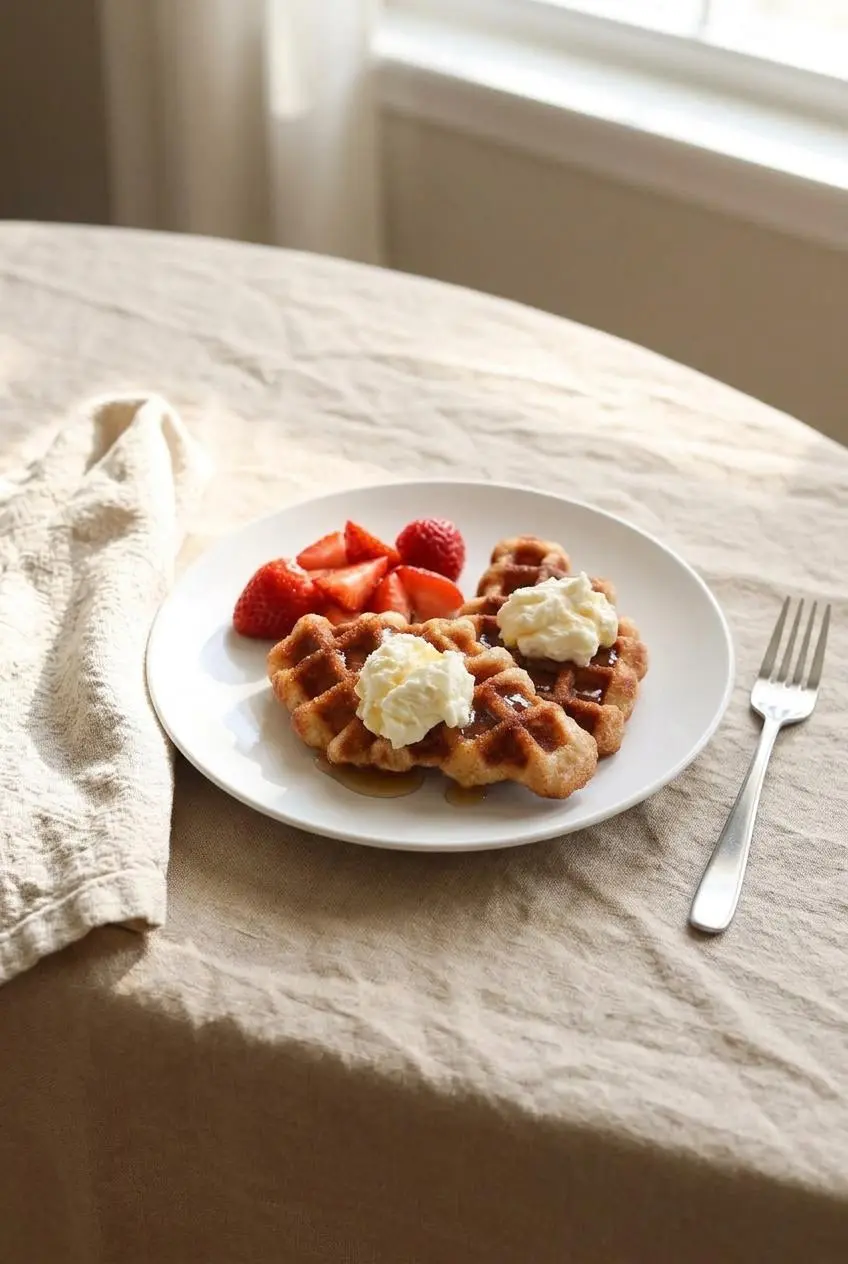
Add toppings just before serving so the grid pockets stay crisp. These optional variations are separate from the cinnamon-sugar recipe above.
Korean Whipped Croffle Cream
For a Korean cafe-inspired topping, beat ½ cup cold heavy cream, 2 tablespoons mascarpone, 2 tablespoons powdered sugar, and ½ teaspoon vanilla extract until stiff peaks form. Softened cream cheese can replace the mascarpone for a tangier finish.
If using cream cheese, smooth it with the sugar first so it blends without lumps. Stop whipping once the cream holds its shape; continued beating can make it grainy.
Spoon or pipe the cream onto croffles after their brief cooling rest, then add sliced strawberries. Letting the surface cool slightly helps the cream hold its shape instead of melting immediately.
Biscoff and Nutella Dessert Croffles
- Biscoff croffle: Warm cookie butter just until pourable, drizzle it over the grids, and scatter crushed speculoos biscuits on top for a spiced crunch.
- Chocolate-hazelnut croffle: Add a warm Nutella drizzle, sliced bananas, and toasted hazelnuts for contrasting creamy and crunchy textures.
- Ice cream dessert: Finish either version with vanilla bean ice cream and serve immediately, before the cold topping softens the warm pastry.
Use a restrained drizzle at first. The croffle already has a sweet coating, and the buttery layers taste best when the topping doesn’t overwhelm them.
Quick Berry Compote Topping
Simmer 2 cups fresh or frozen mixed berries with 2 tablespoons sugar, a squeeze of lemon juice, and a pinch of cinnamon for 5 to 7 minutes. Stir occasionally and stop when the fruit releases its juices and the liquid looks syrupy.
The berries’ tartness balances the caramelized crust. Spoon the compote on just before eating, or serve it alongside for dipping to preserve more crunch.
For a fruit spread without stovetop cooking, try homemade peach jam. Spread it lightly so the pastry’s crisp ridges still come through.
Savory Egg, Cheese, and Bacon Croffles
For a savory brunch variation, leave off the cinnamon-sugar coating and press plain rolled crescent dough in the lightly oiled waffle iron. Top the cooked pastry with melted cheddar, cooked crispy bacon or ham, and a fried egg.
Add the egg last so its moisture doesn’t sit on the croffle while you finish the other toppings. This version has a toasted pastry exterior rather than the brittle sugar shell of the sweet version.
How to Store and Reheat Croffles
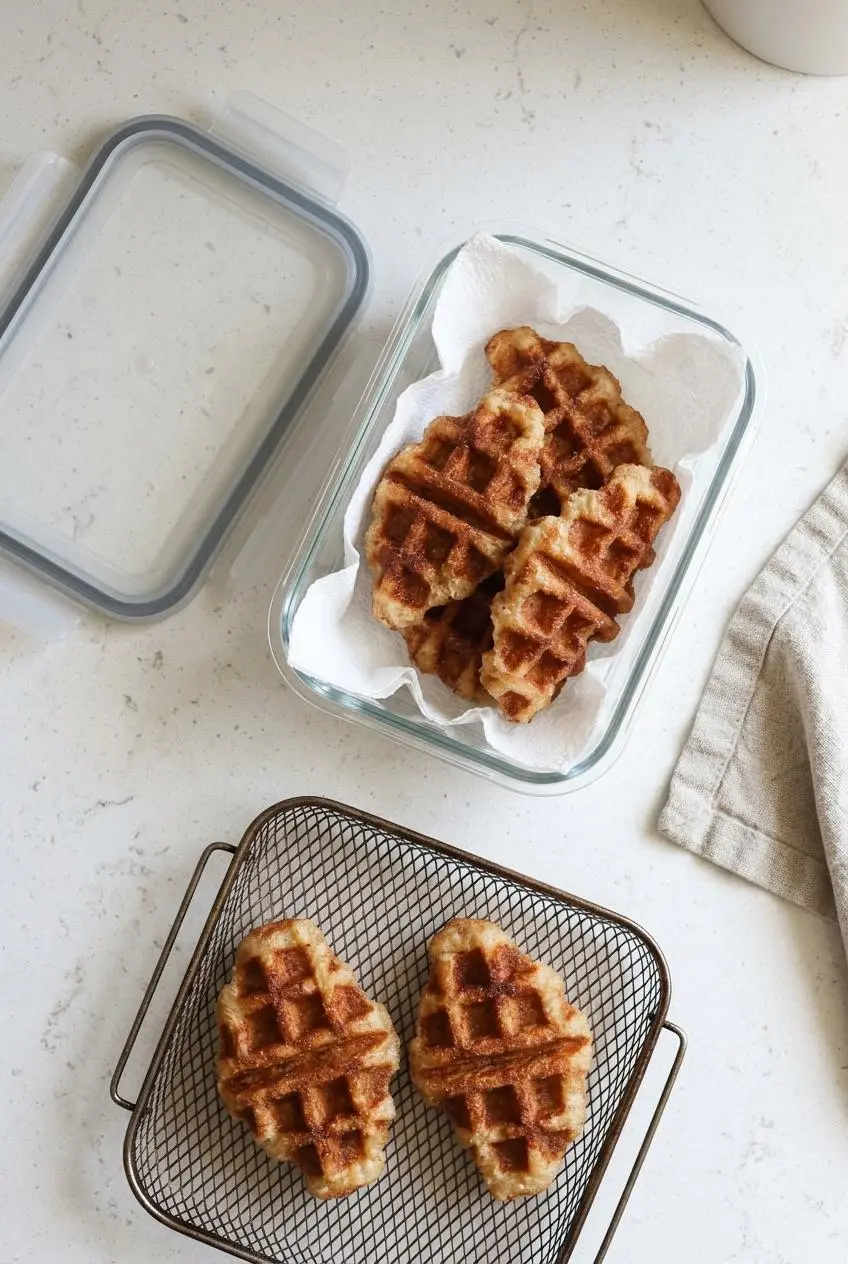
Store croffles without toppings whenever possible. Cream, fruit juices, and syrup soften the crust, making it harder to restore the original crunch.
Let untopped croffles release their steam, then place them in a covered container in the refrigerator. Keep whipped cream and fruit toppings in separate containers, and add them only after reheating.
Keep dairy toppings chilled in covered containers and maintain a refrigerator temperature of 40°F or below. Return the cream to the refrigerator rather than leaving it beside the waffle maker during cooking.
To refresh the pastry, use a toaster oven or air fryer and check frequently until the surface feels crisp again. Follow the appliance’s instructions and watch the sugar coating closely, since it can darken quickly.
A microwave can warm the center, but it won’t restore the crisp shell well. Reheat only the portions you plan to serve, then finish with your chosen toppings.
Conclusion
Cinnamon-sugar croffles turn refrigerated crescent rolls into a warm treat with golden ridges and tender layers. Moderate heat gives the pastry time to cook before its coating gets too dark.
Let each batch release steam before adding butter and syrup. For a cafe-style finish, try the whipped mascarpone cream and strawberries, then serve while the edges still have their crunch.
Frequently Asked Questions
What Are Croffles Made Of?
Croffles use unbaked croissant dough or refrigerated crescent rolls pressed in a waffle iron. This version coats crescent rolls in cinnamon sugar for a caramelized exterior and tender, layered center.
Can You Use Store-Bought Baked Croissants to Make Croffles?
Yes. Brush a baked croissant lightly with melted butter, dust with sugar, and press for about 1 to 2 minutes, checking early. It will turn out flatter and more toasted than a croffle made from raw dough.
How Do You Make Sweet Cream Topping for Croffles?
Beat ½ cup cold heavy cream with 2 tablespoons mascarpone or softened cream cheese, 2 tablespoons powdered sugar, and ½ teaspoon vanilla until stiff peaks form. Spoon onto briefly cooled croffles so it doesn’t melt immediately.
Why Is My Croffle Burnt on the Outside but Raw Inside?
The waffle iron is too hot, so the sugar chars before the dough cooks through. Lower the heat to medium and check within the 1½ to 3 minute cooking range, using golden color and a cooked center as your cues.
Croffles Recipe

Equipment
- Waffle iron
- shallow, wide bowl
Ingredients
- ¼ cup granulated sugar
- 2 teaspoons ground cinnamo
- 8 ounce tube refrigerated crescent rolls
- vegetable oil or canola oil
- butter
- syrup
Instructions
- Stir the cinnamon into the sugar in a broad, shallow bowl, then heat the waffle maker to medium and lightly brush its plates with oil if needed. The coating should look evenly speckled, and the plates should have a thin sheen without puddles.
- Separate the opened crescent dough into eight triangles and curl each one from its broad edge toward the point, pressing the tip against the roll. Each piece should form a compact crescent with its narrow end secured rather than hanging loose.
- Turn each shaped crescent through the cinnamon sugar to coat the outside. A light, even coating should cling to the dough without thick clumps.
- Arrange one or two coated rolls on the hot grids, leaving room for expansion, then lower the lid and cook for 1½ to 3 minutes. Look for golden-brown ridges and a fragrant caramel aroma, beginning your check around the 90-second mark.
- Lift each cooked croffle out carefully with a utensil suitable for the waffle maker and transfer it to a plate. The pastry should hold together with browned edges, although the hot sugar coating may still feel soft.