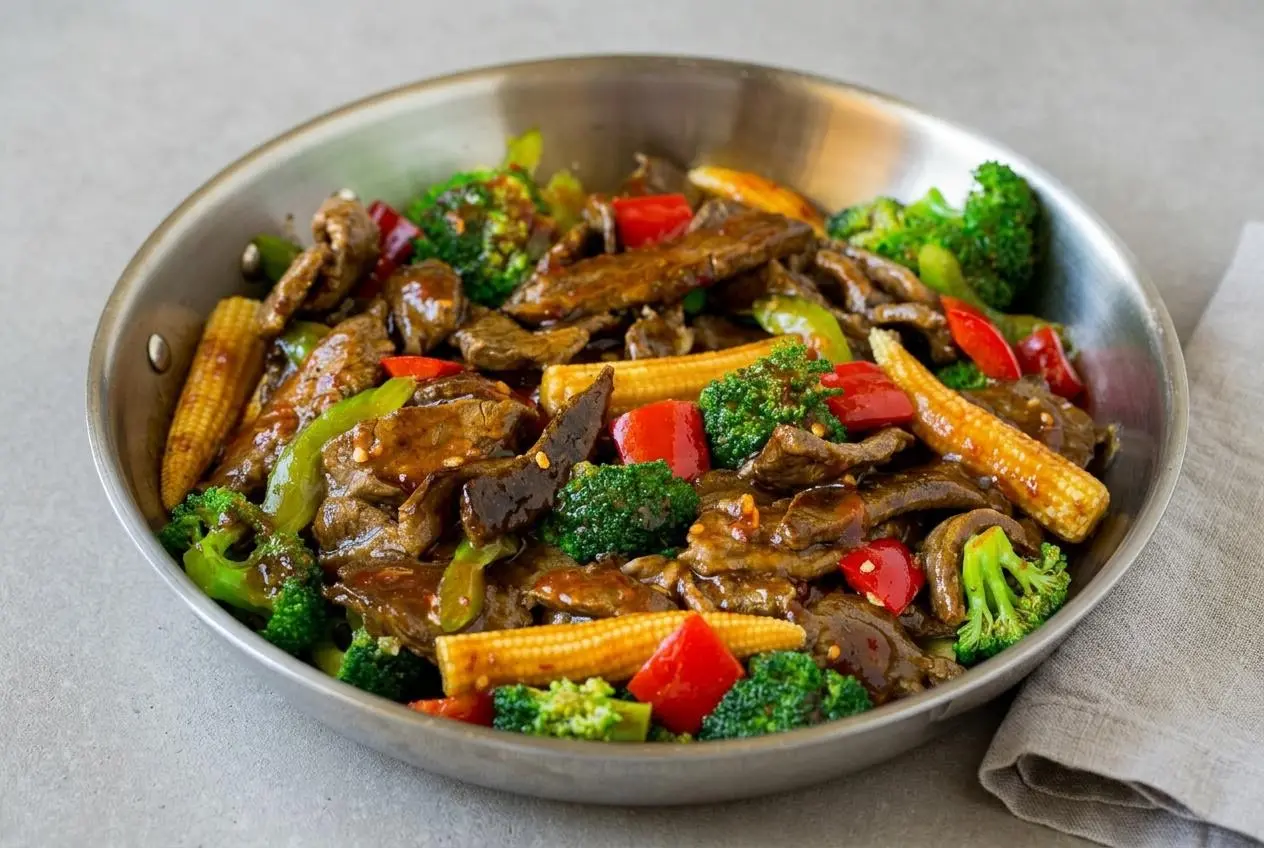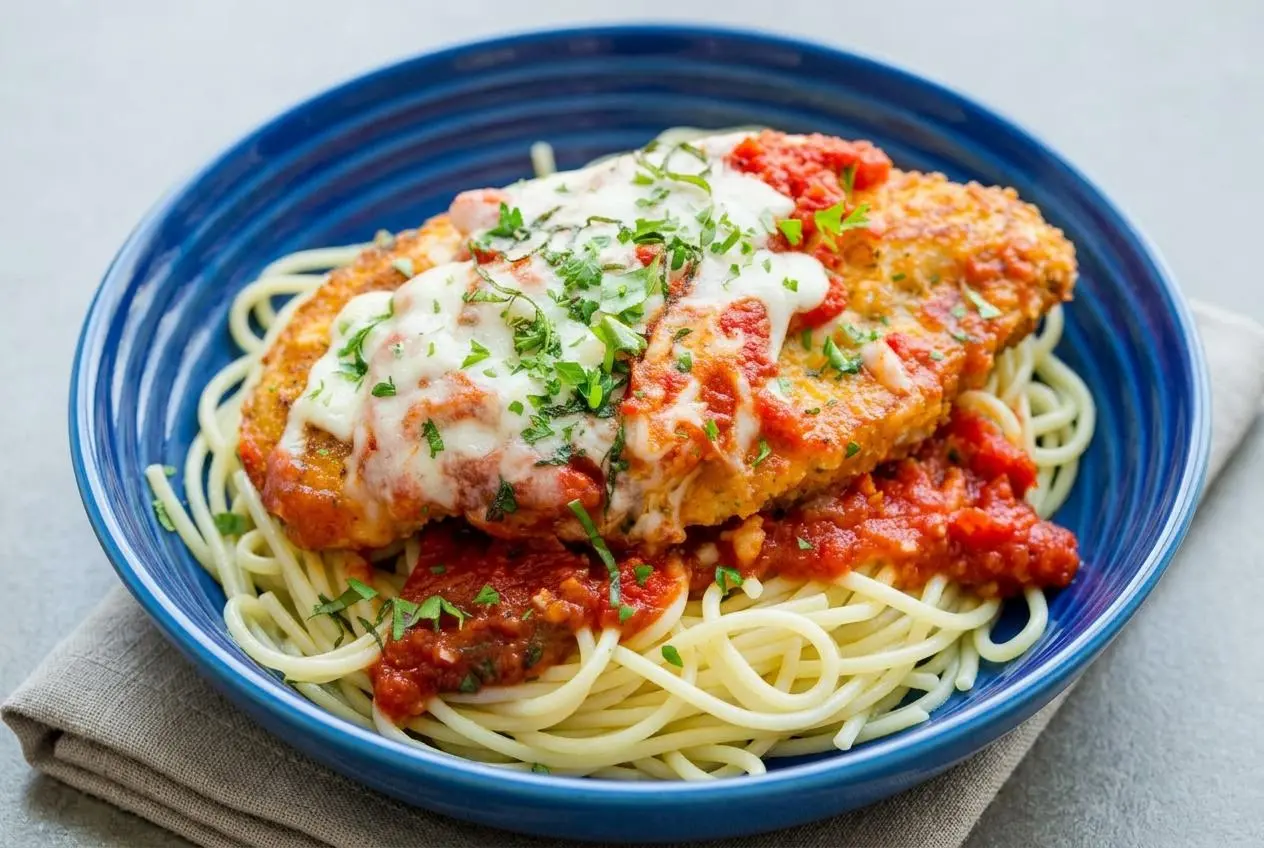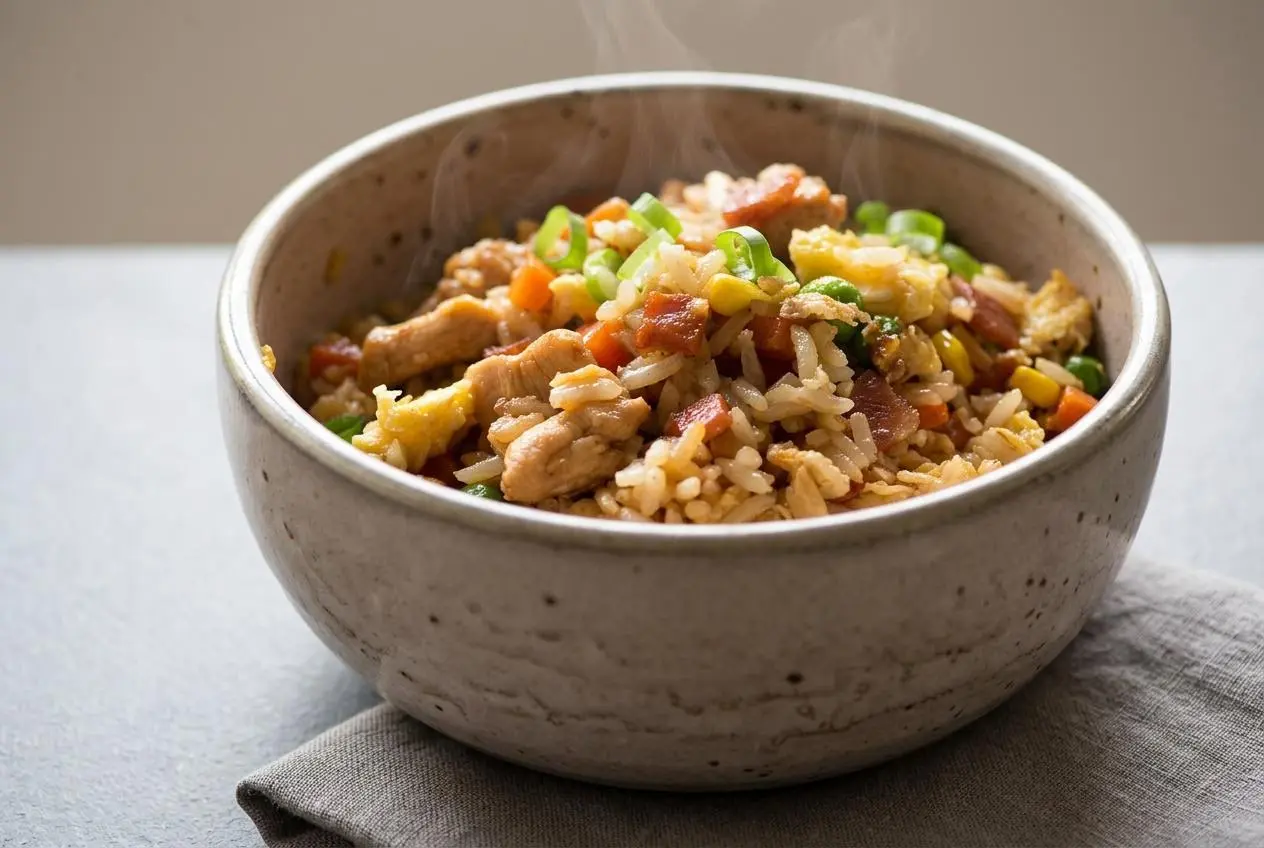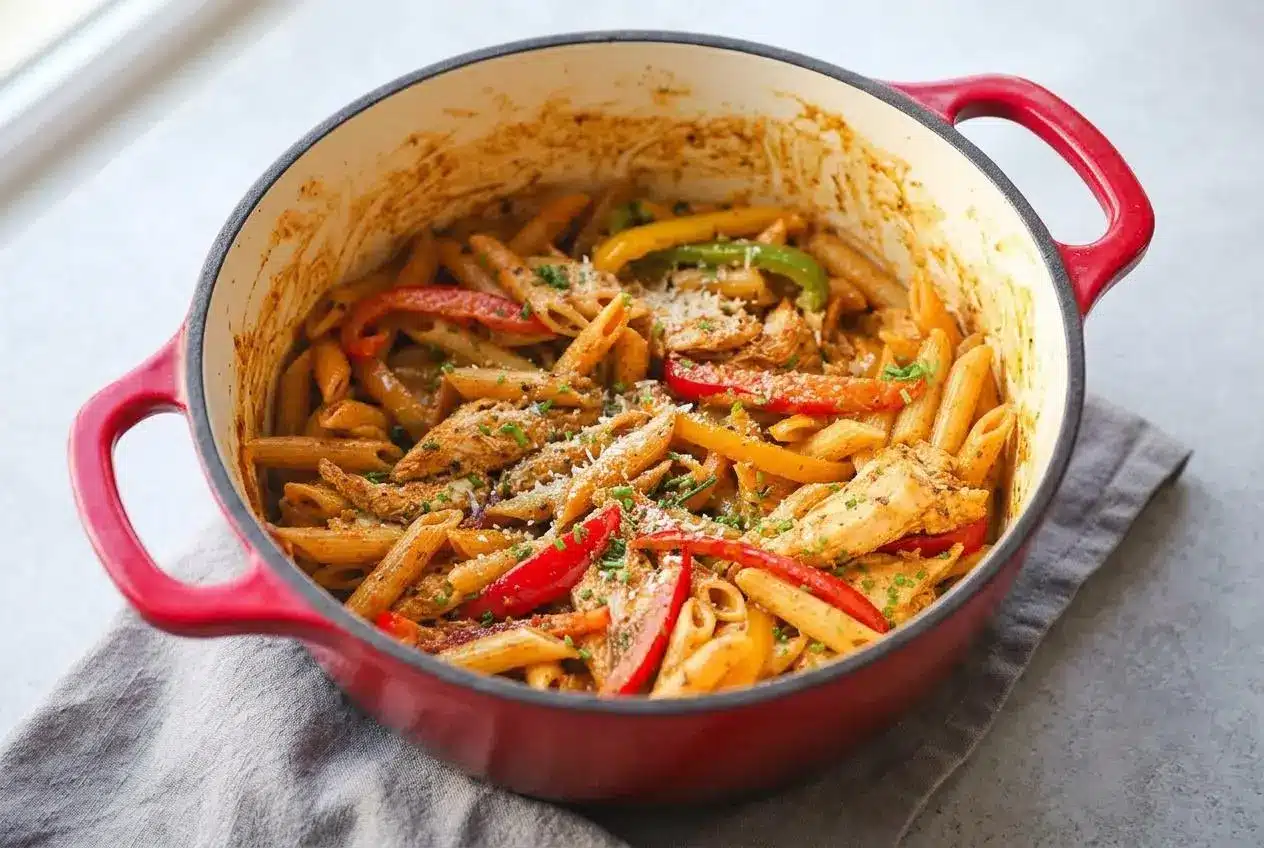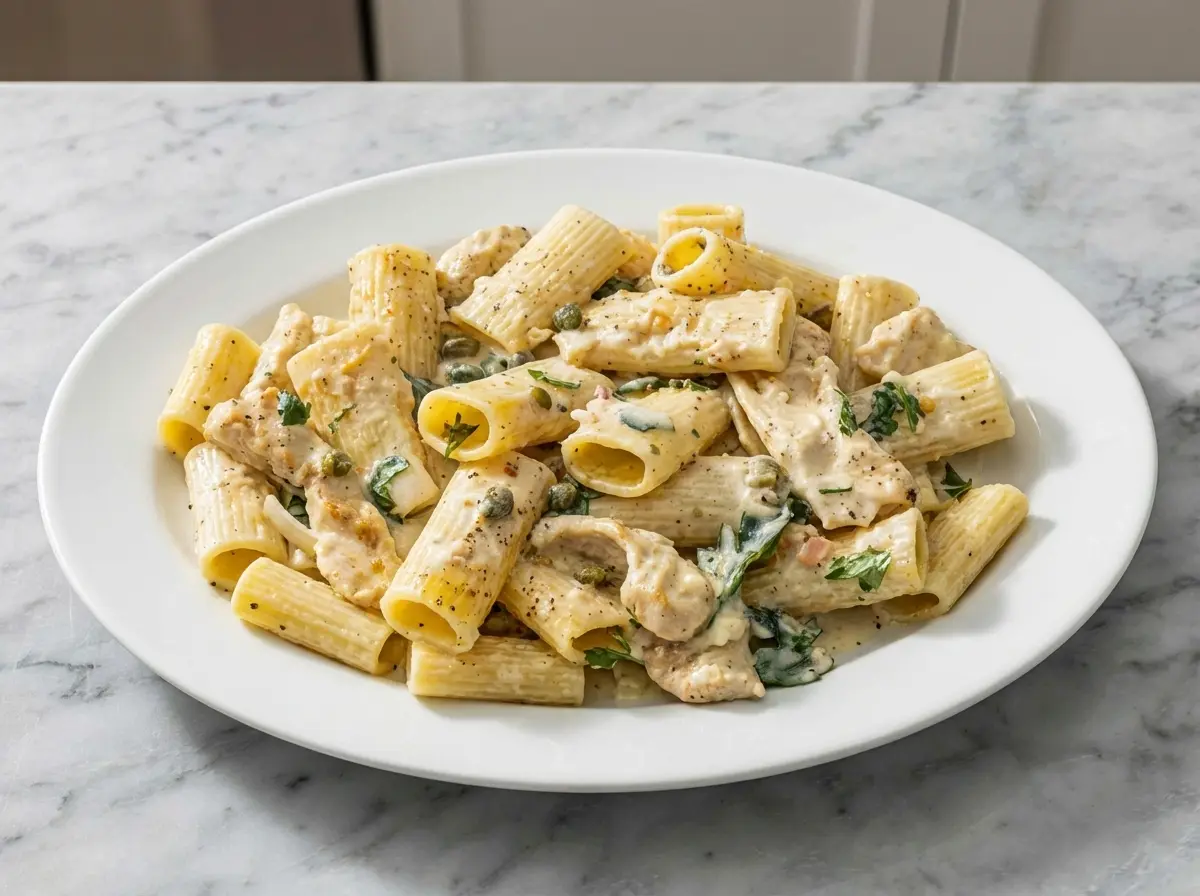
Some nights call for something that tastes like it came from your favorite neighborhood Italian-American spot, but still fits neatly into a busy weeknight. That is exactly where Chicken Piccata Pasta shines, with tender chicken, briny capers, and a silky creamy lemon sauce that feels a little fancy without asking much from the cook.
In my kitchen, the little details are what turn a good pasta into one you crave again next week. Browning the butter and working lemon zest into the chicken coating give this dish an extra layer of flavor, so every forkful lands bright, savory, and deeply satisfying.
Why You’ll Love This Recipe
Weeknight magic: Most of the action happens in one skillet after the pasta cooks, so cleanup stays manageable and dinner gets on the table fast.
The secret twist: I love browning the butter for the chicken because it adds a toasted, nutty depth that plain melted butter just cannot match. A little lemon zest in the dredge perfumes the chicken itself, so the citrus flavor runs through the whole dish instead of sitting only in the sauce.
Velvety sauce: This creamy lemon sauce clings beautifully to Rigatoni, sliding into the tubes and coating every ridge without feeling heavy or greasy.
Big flavor, simple method: The capers, lemon juice, shallot, and parsley bring that classic piccata personality, but the steps are straightforward enough for any home cook.
Comfort with character: If you enjoy clever, cozy skillet dinners that riff on familiar flavors, dishes like French Onion Chicken have that same easygoing charm, but this one brings a brighter, more lemony finish that feels especially fresh.
Ingredients and Substitutions
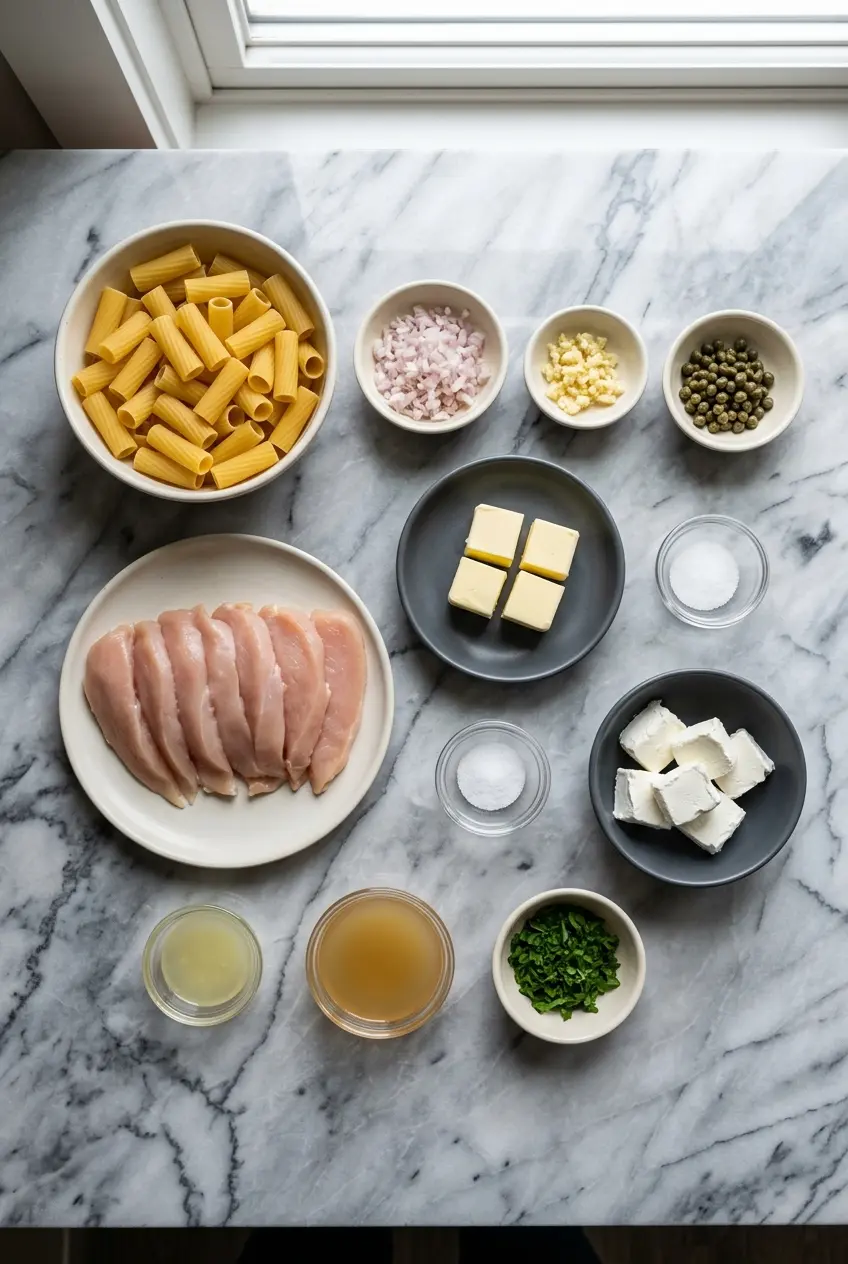
These ingredients keep the dish balanced, bright, and creamy, with just enough richness to make it feel special and just enough acid and brine to keep every bite lively.
Ingredients
- 12 ounces rigatoni
- 4 tablespoons unsalted butter, divided
- 1 pound boneless, skinless chicken breasts, trimmed and sliced crosswise ¼ inch thick
- 1 teaspoon table salt, divided, plus salt for cooking pasta
- ¼ teaspoon pepper, plus extra for serving
- 1 large shallot, minced
- 1 tablespoon minced garlic
- ⅛ teaspoon red pepper flakes
- ¼ cup lemon juice
- ½ cup chicken broth
- 4 ounces ⅓ less fat cream cheese (neufchatel), softened and cut into 12 pieces
- ¼ cup capers
- ¼ cup minced fresh parsley, plus extra for serving
Ingredient Notes & Substitutions
Neufchâtel cheese: This is a soft, mildly tangy cheese that behaves a lot like cream cheese, but with a slightly lighter feel. In this sauce, it melts smoothly and gives the creamy lemon sauce a pleasant tang, and regular full-fat cream cheese works too if you do not mind a somewhat richer finish.
Chicken: Thin chicken cutlets are ideal because they cook quickly and stay tender. If you prefer dark meat, gently pounded boneless chicken thighs can work well, though they may need a little longer in the skillet to cook through.
Capers: Capers are the sharp little spark that gives piccata its signature salty, briny pop. I always taste one first, because some jars are much saltier than others, and a quick rinse can soften that edge if needed.
Pasta: Rigatoni is my favorite here because the creamy pan sauce catches inside the tubes and around the ridges. Penne, fusilli, or even pappardelle also work nicely if that is what you have in the pantry.
Lemon juice: Fresh lemon juice matters more than people think. Bottled juice can taste flat or slightly bitter, while fresh juice keeps the sauce bright, clean, and lively.
Easy variations: If you want to lean more classic, a splash of dry white wine can go into the skillet before the broth. You can also fold in spinach at the end or cook mushrooms with the shallot for a fuller, more rustic bowl.
How to Make Chicken Piccata Pasta
Cook the Pasta
- Bring 2 quarts of water to a rolling boil in a large saucepan and season it with 1½ teaspoons of table salt. Add the rigatoni and cook, stirring often, until it is al dente, tender but still with a little bite in the center.
- Before draining, scoop out 1½ cups of the starchy pasta water and set it aside. Drain the pasta, then return it to the pot so it is ready for the sauce later.
Sear the Chicken and Build the Base
- While the pasta cooks, warm 1 tablespoon of the unsalted butter in a 12-inch skillet over medium-high heat. Let it go just until it smells nutty and turns lightly golden, then add the sliced chicken along with ½ teaspoon of salt and ¼ teaspoon of pepper.
- Cook the chicken for 4 to 6 minutes, turning as needed, until the pieces are golden on the outside and cooked through. Move the chicken to a bowl, keeping any juices that collect, because they add flavor later.
- Lower the heat to medium and add the minced shallot, garlic, red pepper flakes, the remaining ½ teaspoon of salt, and the remaining 3 tablespoons of butter to the empty skillet. Stir frequently for about 2 minutes, until the shallot softens and everything smells fragrant and savory.
Make the Creamy Lemon Sauce
- Pour in the lemon juice and scrape the bottom of the skillet to loosen all the browned bits. That fond is where the deep, savory flavor lives, and it should dissolve into the liquid almost immediately.
- Stir in the chicken broth and bring the mixture to a gentle simmer. Once it is lightly bubbling, reduce the heat to medium-low and whisk in the softened cream cheese pieces until the sauce turns smooth and creamy, about 1 minute.
- Turn off the heat and stir the cooked chicken back in, along with any juices from the bowl. The sauce should look glossy and lightly thickened, not stiff.
Finish and Serve
- Add the chicken and sauce mixture, the capers, parsley, and ½ cup of the reserved pasta water to the pot with the cooked pasta. Set the pot over low heat and stir constantly for about 1 minute, until the pasta is evenly coated in the creamy lemon sauce.
- If the sauce looks too tight, loosen it with a little more reserved pasta water until it turns silky and clings to the rigatoni. Taste, adjust with salt and pepper as needed, then transfer to a platter, scatter over extra parsley, and serve right away.
Secrets to a Perfect Pan Sauce
Brown butter is one of those small kitchen moves that changes the whole mood of a dish. As the milk solids toast, the butter develops a warm, nutty flavor that gives the bright lemon juice and capers something deeper to play against.
A light coating on the chicken does more than help it brown. It protects the meat, encourages a delicate crust, and leaves just enough starch behind in the skillet to help the pan sauce come together with a soft, velvety body.
The browned bits on the bottom of the skillet are not something to fear. They are fond, and once the lemon juice hits the pan, that concentrated savory layer lifts into the sauce and gives the whole dish its restaurant-style depth; classic cooking texts explain this technique beautifully if you want a broader foundation, and that is where Learn more fits naturally into the conversation.
Pasta water is the quiet hero here. Its starch helps the butter, broth, lemon juice, and cheese stay unified, which is why the finished sauce looks glossy and coats the pasta instead of sliding off and pooling underneath.
Mastering the Creamy Lemon Sauce
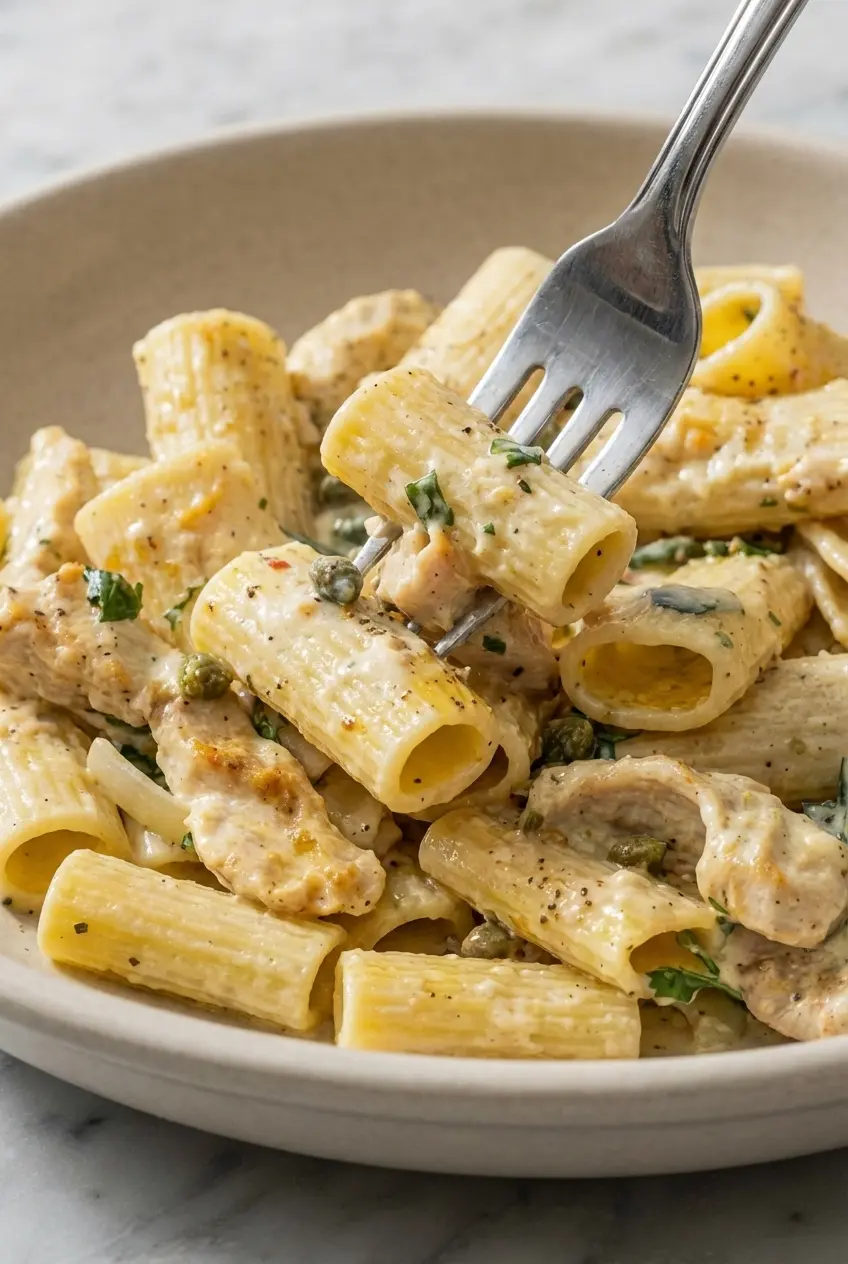
When a lemon cream sauce breaks, heat is almost always the culprit. Once the cheese goes in, keep the sauce at medium-low or lower, and never let it boil, because that sudden blast of heat can push the fats and liquids apart.
Neufchâtel cheese works especially well in this kind of Italian-American skillet pasta because it melts into the broth and lemon juice without making the sauce feel too dense. It gives you creaminess and tang in one ingredient, which is exactly what this style of piccata pasta needs.
Starchy pasta water is what makes the whole thing behave like a real sauce instead of a mix of separate parts. The science behind that creamy, emulsified finish is surprisingly fascinating, and a clear explanation of why starch helps pasta sauces cling better can be found here.
If your sauce ever seems too thick, add pasta water a splash at a time while stirring. If it looks a little loose, keep it over low heat for that final minute with the pasta, and it will usually tighten into a smooth coating.
How to Get Perfectly Tender Chicken Cutlets
Even thickness is the real secret to juicy chicken cutlets. If one end is thick and the other is thin, the skinny side dries out before the thicker part has time to cook through.
If you are starting with full chicken breasts, place one between two sheets of plastic wrap or inside a zip-top bag. Gently pound from the thickest part outward until it reaches an even ¼-inch thickness, using a meat mallet, rolling pin, or a heavy skillet.
If pounding is not your style, you can slice the breast horizontally like opening a book, then continue cutting through to create thinner cutlets. This method is quick, tidy, and especially handy for a fast Weeknight Dinner.
Give the chicken room in the pan. When pieces are crowded together, they steam instead of sear, which means less color, less fond, and a rubberier texture in the finished dish.
Because the cutlets are thin, they only need a hot, quick cook to stay moist. Pan-searing is the best choice for this recipe because it creates the fond needed for the sauce, but for everyday meal prep I also think mastering air fryer chicken is a useful trick when you want tender chicken without pulling out a skillet.
Pro Tips & Troubleshooting
Expert Tips for Success
- Reserve the full 1½ cups of pasta water, even if you think you will not need it. Extra is better than wishing you had saved more once the sauce starts tightening up.
- Use a 12-inch skillet if you can. The extra surface area helps the chicken brown properly and gives the sauce enough room to reduce evenly.
- Let the Neufchâtel sit out for 20 to 30 minutes before cooking. Softened cheese melts faster and more smoothly into the pan sauce.
- Taste right before serving. Sometimes the final bowl wants one more squeeze of lemon, a pinch of salt, or a few turns of black pepper to really wake everything up.
Common Mistakes to Avoid
- Do not let the sauce boil after adding the cheese. High heat is the fastest road to a grainy or separated creamy lemon sauce.
- Do not overcook the chicken. Thin pieces cook quickly, and they will warm again in the sauce, so pull them once they are just done.
- Do not forget the fond in the skillet. Those browned bits are the backbone of a flavorful pan sauce.
- Do not rely on bottled lemon juice if you can help it. Fresh juice gives the cleanest, brightest flavor and keeps the dish tasting fresh rather than harsh.
Serving & Storage
Serving Suggestions
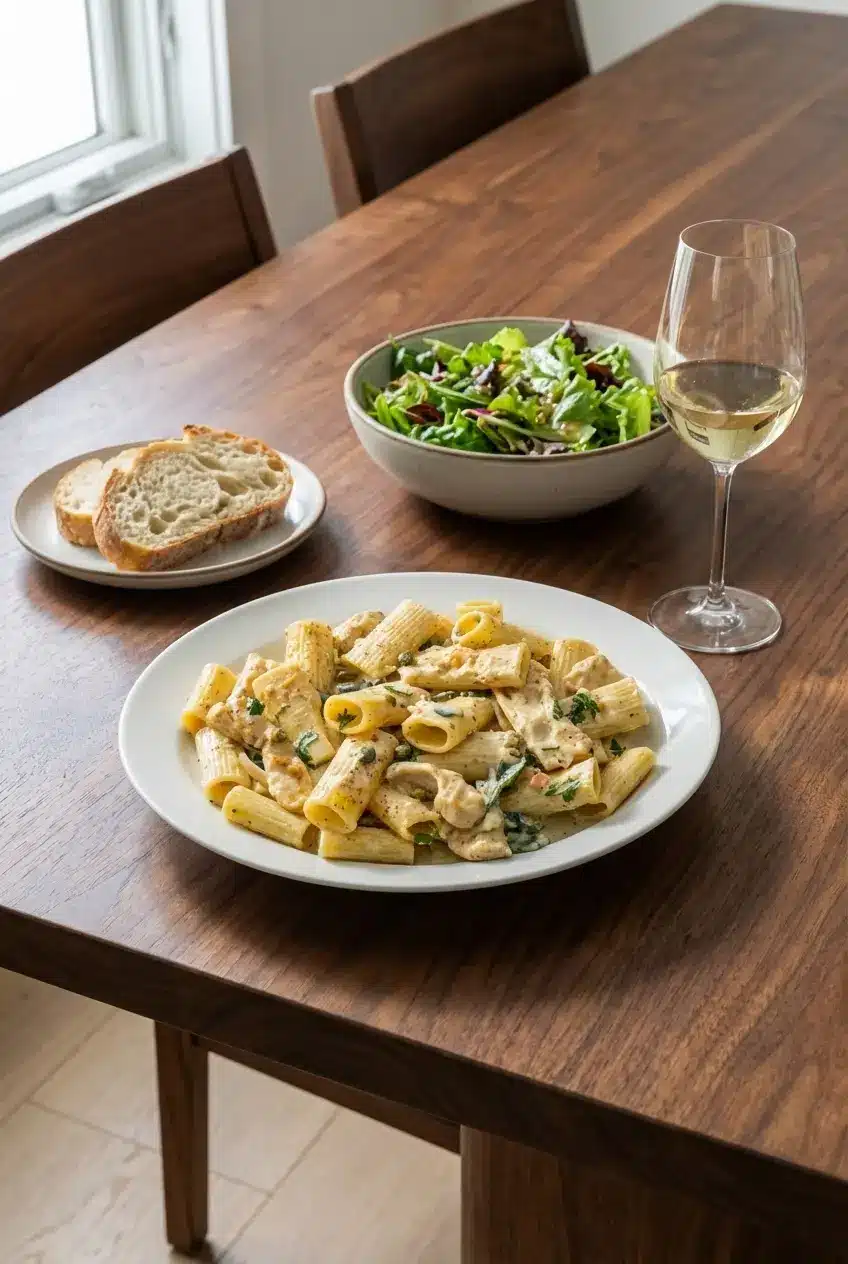
A simple green salad with a sharp vinaigrette is exactly what I want beside a bowl this rich. The fresh crunch balances the buttery, tangy sauce and keeps dinner from feeling too heavy.
Crusty bread is never a bad idea here, because the last spoonfuls of creamy lemon sauce are too good to leave behind. If lemony chicken-and-pasta dinners are your thing, a bowl of creamy lemon orzo has a similar cozy brightness, just with a softer, spoonable feel.
For garnish, I like extra parsley, a little Parmesan, and a pinch of red pepper flakes. A crisp white wine such as Pinot Grigio or Sauvignon Blanc also works beautifully, since the acidity cuts through the richness and echoes the lemon.
Storage, Freezing, and Reheating
Store leftovers in an airtight container in the refrigerator for up to 3 days. The flavors stay lovely, though the pasta will naturally absorb some of the sauce as it sits.
I do not recommend freezing this one. Cream-based sauces tend to separate after thawing, and the pasta texture usually turns soft and a little tired.
For reheating, warm the pasta gently in a skillet over low heat with a splash of milk or chicken broth, stirring often until the sauce loosens and turns creamy again. The microwave can work in a pinch, but it heats unevenly and makes it much easier for the sauce to break.
If you want a head start, slice the chicken, mince the shallot and garlic, and squeeze the lemon a day ahead. Keep everything separate in the fridge, and dinner comes together much faster the next night.
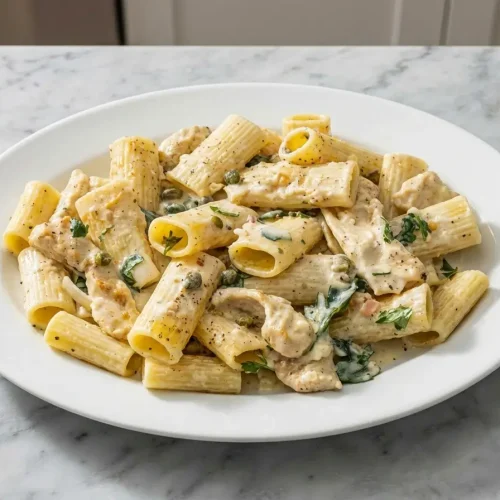
Creamy Chicken Piccata Pasta

Equipment
- Large saucepan
- 12-inch skillet
Ingredients
- 12 ounces rigatoni
- 4 tablespoons unsalted butter, divided
- 1 pound boneless, skinless chicken breasts, trimmed and sliced crosswise ¼ inch thick
- 1 teaspoon table salt, divided, plus salt for cooking pasta
- ¼ teaspoon pepper, plus extra for serving
- 1 large shallot, minced
- 1 tablespoon minced garlic
- ⅛ teaspoon red pepper flakes
- ¼ cup lemon juice
- ½ cup chicken broth
- 4 ounces ⅓ less fat cream cheese (neufchatel), softened and cut into 12 pieces
- ¼ cup capers
- ¼ cup minced fresh parsley, plus extra for serving
Instructions
Cook the Pasta
- Bring 2 quarts of water to a rolling boil in a large saucepan. Season generously with salt, add the rigatoni, and cook according to package directions until al dente.
- Before draining, reserve 1½ cups of the starchy pasta water. Drain the pasta and return it to the empty pot.
Sear the Chicken and Build the Base
- While the pasta cooks, melt 1 tablespoon of butter in a 12-inch skillet over medium-high heat until lightly browned and nutty. Add the sliced chicken, ½ teaspoon of salt, and ¼ teaspoon of pepper.
- Cook, turning occasionally, for 4-6 minutes, until the chicken is golden and cooked through. Transfer the chicken and any accumulated juices to a bowl and set aside.
- Reduce the heat to medium. Add the remaining 3 tablespoons of butter, minced shallot, garlic, red pepper flakes, and the remaining ½ teaspoon of salt to the skillet. Cook, stirring frequently, for about 2 minutes until the shallot is softened and fragrant.
Make the Creamy Lemon Sauce
- Pour in the lemon juice and use a wooden spoon to scrape up any browned bits (fond) from the bottom of the pan.
- Stir in the chicken broth and bring to a simmer. Reduce heat to medium-low and whisk in the softened cream cheese pieces until the sauce is completely smooth and creamy, about 1 minute.
- Turn off the heat. Stir the cooked chicken and its juices back into the sauce.
Finish and Serve
- Pour the chicken and sauce mixture into the pot with the cooked pasta. Add the capers, parsley, and ½ cup of the reserved pasta water.
- Set the pot over low heat and stir constantly for 1 minute, until the pasta is well-coated and the sauce is glossy. If the sauce is too thick, add more reserved pasta water, a splash at a time, until it reaches a silky consistency. Season to taste with additional salt and pepper, garnish with extra parsley, and serve immediately.
Notes
Nutrition
Conclusion
This dish takes everything people love about piccata, bright lemon, savory chicken, and briny capers, and folds it into a creamy pasta that feels both comforting and a little bit special. The brown butter and that extra touch of citrus are small moves, but they make every bite taste more layered and complete.
It is the kind of dinner that proves a Weeknight Dinner can still feel generous and restaurant-worthy. Make it once, then play with the details, maybe a handful of spinach or a splash of white wine, and it is likely to earn a regular place in your kitchen.
Frequently Asked Questions
What is the best kind of pasta for chicken piccata pasta?
How do I prevent my creamy lemon sauce from curdling?
Can I use heavy cream or regular cream cheese instead of Neufchâtel?
Can I use chicken thighs for this recipe?
What is the best way to store and reheat leftovers?
Can this recipe be made gluten-free?