Every February in the U.S., my kitchen turns into a little Valentine’s Day workshop, music on, butter softening on the counter, and someone asking, “Can we make it heart-shaped?” This valentine’s cake is my answer when you want something sweet that feels personal, but you do not want to buy a special pan or wrestle with a fragile store-bought cake.
You’ll get a moist, tender vanilla crumb with that bakery-style aroma, plus a simple heart assembly that looks downright professional. It’s the kind of cake that makes people linger at the table, even after the candles are out.
Why You’ll Love This Recipe
Tangy Salted Vanilla Magic: In my kitchen, swapping 1/2 cup milk for full-fat sour cream and adding 1/2 teaspoon fine sea salt gives this valentine’s cake a brighter, deeper vanilla flavor.
Sweetness That Feels Grown-Up: That gentle tang and salt keep the buttercream frosting from tasting one-note sweet, so every bite feels balanced and intentional.
Moist Cake Crumb, Not Heavy: Sour cream helps protect tenderness, so the all-purpose flour bakes up soft and plush instead of tight and bready.
The No-Fancy-Pan Heart Trick: A simple square and round cake become a heart with one clean cut, and it looks like you planned it for days.
Ingredients and Substitutions

This is a classic pantry cake with simple icing, where good vanilla and proper mixing do most of the heavy lifting. The texture comes from a gentle batter and a patient cool-down before frosting.
Ingredients
Cake:
- 2 cups white sugar
- 1 cup butter, softened
- 4 eggs, beaten
- 1 tablespoon vanilla extract
- 1 teaspoon almond extract (Optional)
- 2 teaspoons baking powder
- 1 teaspoon baking soda
- 3 cups all-purpose flour
- 2 cups milk
Icing:
- 4 cups confectioners’ sugar
- 1 cup butter, softened
- 2 teaspoons vanilla extract
Ingredient Notes & Substitutions
All-purpose flour: This is the baseline for a tender, reliable crumb, it holds structure without getting cakey-dry when mixed gently.
Almond extract (Optional): Even a small amount gives that “bakery box” aroma, especially alongside vanilla extract, but you can skip it if you prefer pure vanilla.
Milk: For the Tangy Salted Vanilla upgrade, set aside 1/2 cup of the milk and use 1/2 cup full-fat sour cream instead, then whisk them together until smooth before adding.
Sea salt: Add 1/2 teaspoon fine sea salt to the dry ingredients, it wakes up the vanilla and keeps the buttercream frosting tasting lively.
Canola oil: If you like an extra silky bite, 2 teaspoons canola oil in the batter helps the cake stay plush, especially after refrigeration.
Dairy-free swaps: A neutral unsweetened non-dairy milk can replace the milk, but the “tang” is harder to mimic, so the flavor will be simpler and less rounded.
How to make valentine’s cake
Preparation and Pan Prep
- Heat your oven to 350 degrees F (175 degrees C). Grease one 8-inch square pan and one 8-inch round pan, then take an extra moment to coat corners and edges so the cakes release cleanly.
- While the oven warms, let your butter, eggs, and milk sit out briefly, batter behaves better when it is not shocked by cold ingredients.
The Creaming Method and Building the Batter
- In a large bowl, beat the butter and sugar until it looks pale, creamy, and a bit fluffy, you want it to feel lighter than it started. This is the creaming method, and it sets you up for a softer crumb.
- Blend in the beaten eggs, then add vanilla extract and almond extract (Optional). The batter should smell sweet and fragrant, and look smooth rather than broken.
- Stir in the baking powder and baking soda until they disappear into the batter, then stop once it looks evenly mixed. If you are doing the salty twist, this is also where that 1/2 teaspoon sea salt belongs.
Alternating Flour and Milk for a Velvety Texture
- Add 1 cup of the flour and mix just until it no longer looks dry. Pour in 2/3 cup milk and mix until the batter loosens and turns glossy.
- Repeat the same rhythm, 1 cup flour, then 2/3 cup milk, until all the flour and milk are used and the batter looks smooth and thick, like satin ribbon when it falls off the spoon.
- Divide the batter between the prepared pans, smoothing the tops so they bake evenly, then tap each pan once on the counter to pop big air bubbles.
Baking, Cooling, Heart Assembly, and Icing
- Bake until the cakes look set and lightly golden, and a toothpick in the center comes out clean, 30 to 40 minutes. Your kitchen should smell like warm vanilla and butter.
- Cool the cakes completely before removing them from the pans, at least 2 hours, or the cake can tear and the frosting will melt on contact.
- For the icing, beat confectioners’ sugar, butter, and vanilla until fluffy and smooth, it should look cloud-like and hold soft peaks.
- Turn the cakes out, then place the square cake like a diamond on your work surface. Cut the round cake in half, then nestle one half against the top left edge and the other half against the top right edge to form a heart.
- Spread icing over the entire heart, pushing frosting gently into the seams so the shape looks seamless and sculpted.
Secrets for a Flawless Heart Shape

Leveling for perfection: If either cake domes, trim the top so both layers match in height, a long serrated knife and slow sawing motion keeps crumbs under control.
Crumb coat calm: A thin first layer of frosting traps loose crumbs, then 30 minutes of chilling sets it up so your final coat looks clean and confident.
The science of tenderness: The scientific logic of using sour cream explains why acidity helps a softer crumb. I also like 2 teaspoons canola oil for a silkier bite.
Pro Tips & Troubleshooting
Pro Tips
- Room temperature ingredients: Eggs and milk at room temp blend into a smoother batter, reducing curdling and helping the cake rise evenly.
- Creaming method: The technique of beating butter and sugar until light and fluffy is what gives lift before the oven even starts working.
- Offset spatula: An offset spatula glides without digging, which is the easiest way to get neat sides on a heart shape.
- Flavor balance: A pinch of salt in the frosting keeps sweetness from shouting. For an even tangier finish, a silky cream cheese glaze brings a lovely contrast.
Common Mistakes to Avoid
- Overmixing after flour: Once flour goes in, mix only until combined, too much mixing builds gluten and turns tender cake tough and dense.
- Icing a warm cake: If the layers are even slightly warm, buttercream frosting can slide and split, patience here is the difference between pretty and messy.
- Uneven batter levels: If one pan is fuller, one cake will bake taller, and the heart will look lopsided, eyeball the batter heights before baking.
Serving & Storage
Creative Serving Ideas
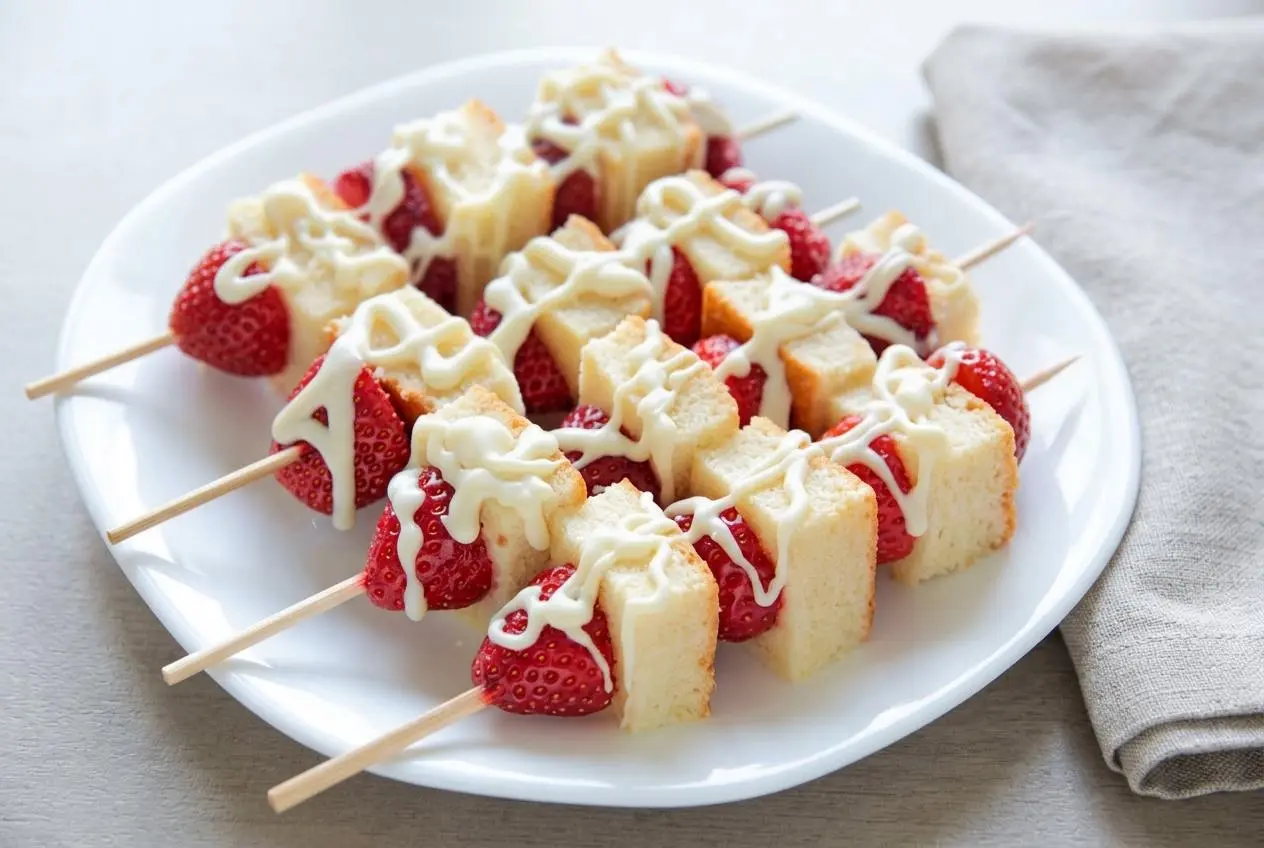
Fresh raspberries or sliced strawberries look naturally romantic, and they cut the richness with a bright pop. A chilled rainbow fruit salad alongside keeps the plate feeling light and celebratory.
Conversation hearts or a piped border of frosting pearls leans classic Valentine’s Day, especially if you keep the center smooth and let the edges do the decorating.
Storage and Make-Ahead Instructions
At room temperature, keep the cake covered so the crumb stays soft, it is best within 2 to 3 days. If your kitchen runs warm or sunny, the fridge is safer for the buttercream.
In the refrigerator, cover tightly to prevent dryness, and let slices sit out 20 to 30 minutes before serving so the butter softens and the flavor blooms.
To freeze the unfrosted layers, wrap each layer in plastic wrap, then a tight layer of foil, and freeze up to a month. Thaw overnight in the fridge, then level and assemble when fully defrosted.

Homemade Valentine’s Heart Cake

Equipment
- 8-inch square cake pan
- 8-inch round cake pan
- Electric hand mixer or stand mixer
- Offset spatula
Ingredients
Cake
- 2 cups white sugar
- 1 cup butter, softened
- 4 eggs, beaten
- 1 tablespoon vanilla extract
- 1 teaspoon almond extract Optional
- 2 teaspoons baking powder
- 1 teaspoon baking soda
- 3 cups all-purpose flour
- 2 cups milk
Icing
- 4 cups confectioners’ sugar
- 1 cup butter, softened
- 2 teaspoons vanilla extract
Instructions
Preparation and Pan Prep
- Preheat your oven to 350 degrees F (175 degrees C). Thoroughly grease one 8-inch square pan and one 8-inch round pan, making sure to coat the corners and edges for an easy release.
- Allow the butter, eggs, and milk to sit at room temperature briefly before starting to ensure the batter emulsifies properly.
The Creaming Method and Building the Batter
- In a large mixing bowl, beat the softened butter and white sugar together until the mixture is pale, creamy, and fluffy.
- Mix in the beaten eggs, followed by the vanilla extract and almond extract (if using) until the batter is fragrant and smooth.
- Gently stir in the baking powder and baking soda until they are completely incorporated into the wet mixture.
Alternating Flour and Milk
- Add 1 cup of the all-purpose flour and mix until just combined. Pour in 2/3 cup of milk and mix until the batter becomes glossy.
- Repeat this alternating process with the remaining flour and milk until all ingredients are used and the batter is smooth and thick.
- Divide the batter evenly between the prepared pans, smooth the tops, and tap the pans on the counter to remove air bubbles.
Baking, Cooling, and Heart Assembly
- Bake for 30 to 40 minutes, or until the cakes are golden and a toothpick inserted into the center comes out clean.
- Cool the cakes in their pans completely for at least 2 hours. This prevents tearing and keeps the frosting from melting.
- Prepare the icing by beating confectioners’ sugar, butter, and vanilla until the mixture is fluffy and holds soft peaks.
- Place the square cake as a diamond on your surface. Cut the round cake in half and place each flat side against the top left and top right edges of the diamond to form a heart.
- Apply a thin crumb coat of icing to seal the edges, chill for 30 minutes, then apply the final layer of frosting to create a seamless heart shape.
Notes
Nutrition
Conclusion
This valentine’s cake is my favorite kind of holiday baking, simple batter, a clever heart shape, and a finish that looks like love. The sour cream tang and that little pinch of sea salt make it taste less like sugar, and more like a real bakery treat.
If you’re building a dessert table, something bite-sized like rolo cookies fits right in next to a slice of vanilla heart cake.