This taco seasoning recipe is a quick homemade blend of chili powder, cumin, garlic, oregano, salt, and pepper that comes together in minutes and works as an easy swap for a store-bought packet.
It gives you that warm, savory taco flavor with spices you can actually taste, instead of a dusty blend that has been sitting too long in the cabinet. You can also adjust the heat and salt exactly how you like it.
The biggest upgrade is freshness. When the cumin and chili powder still smell lively, the whole mix tastes deeper and richer.
Before you mix, rub a pinch of chili powder and cumin between your fingers and smell them. If the aroma feels flat, the finished blend will too.
Essential Ingredients for Homemade Taco Seasoning
Each ingredient has a job here, from earthy depth and color to gentle heat and balance, so the blend tastes rounded instead of sharp or one-note.
- 1 tablespoon chili powder
- 1 teaspoon ground cumin
- 1 teaspoon garlic powder
- 1/2 teaspoon paprika (or smoked paprika)
- 1/2 teaspoon oregano
- 1/2 teaspoon kosher salt
- 1/4 teaspoon black pepper
- pinch of red pepper flakes or cayenne pepper (optional)
Chili powder is the backbone of the blend. It brings the deep reddish color and the broad chile flavor that makes taco meat taste familiar and full instead of sharply spicy. Quality matters here. Fresh chili powder smells warm and slightly sweet, while stale chili powder tends to smell dusty and muted.
Ground cumin is the ingredient that gives classic taco seasoning its earthy, warm signature. Without it, the blend can taste more like generic chile spice than taco filling. Even in a small amount, cumin rounds out the sharper edges of chili powder and gives the mix that unmistakable Tex-Mex personality.
Garlic powder adds savory depth that spreads through the whole blend. Paprika supports color and sweetness, and if you use smoked paprika, it shifts the seasoning in a slightly campfire direction. Oregano lifts everything with a dry herbal note that keeps the blend from tasting heavy.
Kosher salt and black pepper sharpen the flavor and help the spices pop once they hit warm meat and liquid. The optional red pepper flakes or cayenne add a little extra heat, but they should sit in the background unless you want a spicier finish.
I always smell oregano and chili powder before mixing because they fade faster than most people expect, and that one check can save a whole jar of bland seasoning.
The Role of Oregano: Mexican vs. Mediterranean
Oregano seems like a small player, but it changes the personality of the blend more than you might expect. Mediterranean oregano tastes woodsy and familiar, with a slightly minty note. It works well here and still gives the seasoning a balanced finish.
Mexican oregano has a brighter, more citrusy edge. In taco seasoning, that brightness cuts through rich ground beef and makes the whole blend taste a little more vivid. If you already keep Mexican oregano around for chili or pozole, it fits beautifully here.
If all you have is regular oregano, use it. The recipe still works well. If you want a slightly livelier, more classic Mexican-style herbal note, Mexican oregano is the better choice.
Selecting Your Chili Powder Base
The chili powder you choose sets the tone for the whole mix. Standard American chili powder is usually mild and blended, so it gives balanced heat and a familiar taco flavor. That is the easiest everyday option.
If you want a darker, fruitier chile flavor, ancho powder is a great swap for part of the chili powder. It tastes richer and a little raisiny without turning the blend aggressively hot. Chipotle powder brings smoke and more punch, so use it when you want bolder tacos instead of classic weeknight taco meat.
If your goal is high heat, standard chili powder may disappoint. It is usually more about flavor than fire. For a spicier blend, keep the base as written and increase the optional cayenne or red pepper flakes to taste after you cook the meat.
Onion Powder and Savory Enhancements
Onion powder is a common addition in taco seasoning because it builds a fuller savory base and makes the blend taste a bit more rounded. This recipe does not require it, but if you like a slightly deeper onion note, it is an easy optional add-in for future batches.
You can also customize the blend in a more earthy direction with a pinch of ground coriander or a tiny bit of unsweetened cocoa powder. Those are purely optional ideas, but they can add a subtle mole-like depth behind the cumin and chili. Keep those changes small so the seasoning still tastes like taco seasoning and not a spice experiment gone rogue.
How to Make Taco Seasoning
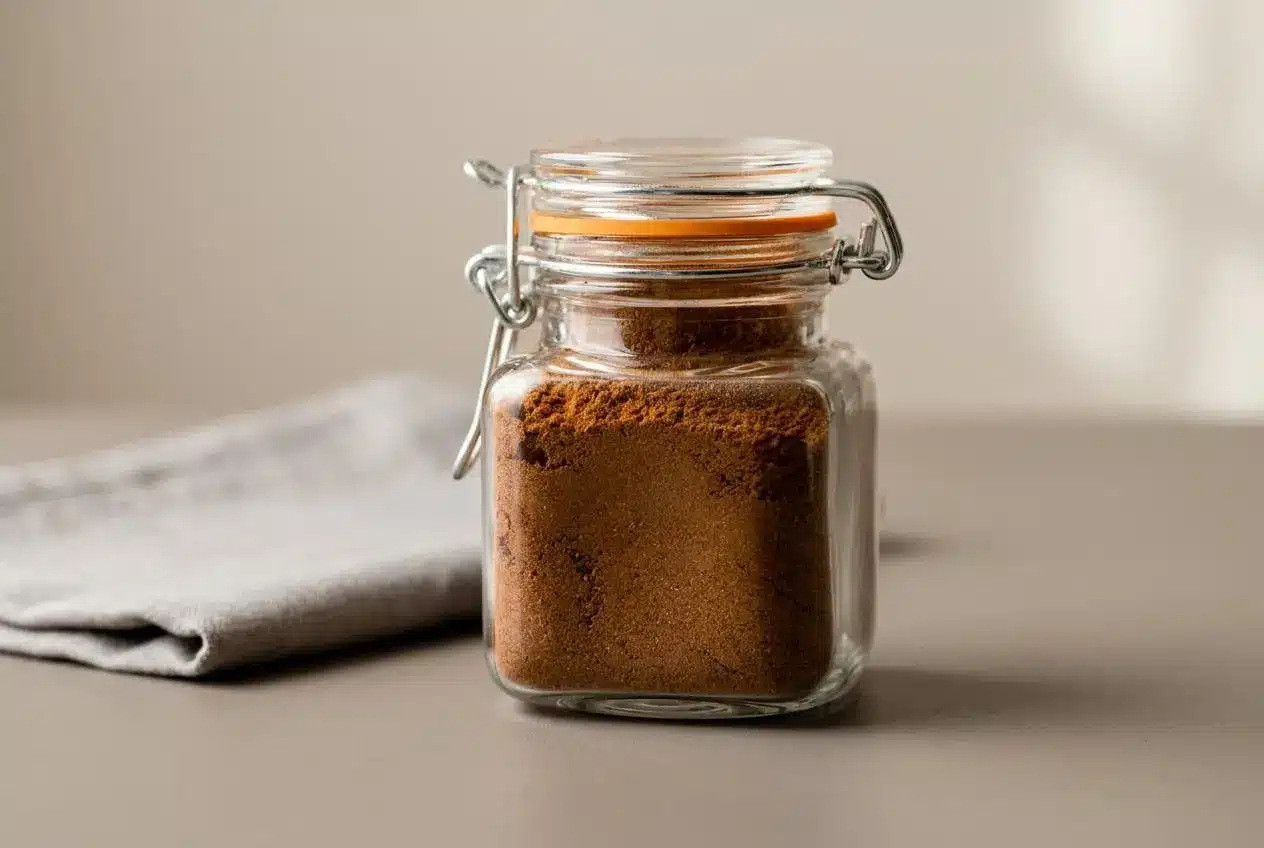
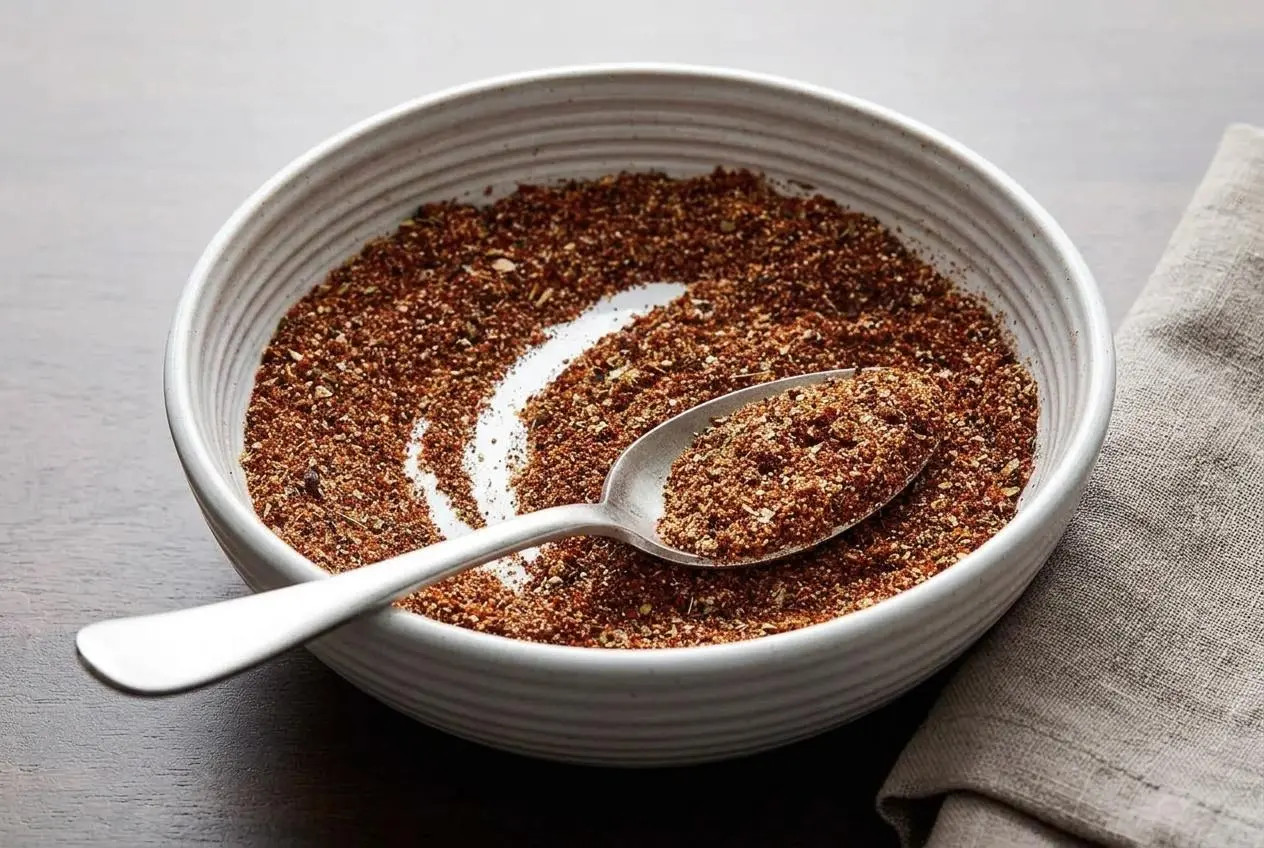
This is one of the fastest homemade mixes you can keep in rotation, but freshness still matters. Once the spices are evenly combined, the color should look deep reddish-brown and the aroma should smell warm, earthy, and savory.
- Combine the chili powder, cumin, garlic powder, paprika, oregano, kosher salt, black pepper, and optional red pepper flakes or cayenne in a small bowl.
The blend should look evenly colored with no streaks of lighter or darker spice left behind. - Stir until the seasonings are fully mixed, then use the blend right away or transfer it to an airtight container.
When it is well combined, the aroma should smell balanced, with cumin and chili coming through first.
If you are mixing a batch to use immediately, give it one last stir right before adding it to warm meat. Fine spices settle fast, and that quick toss keeps the salt and heat evenly distributed.
How to Use Taco Seasoning (Water and Meat Ratios)
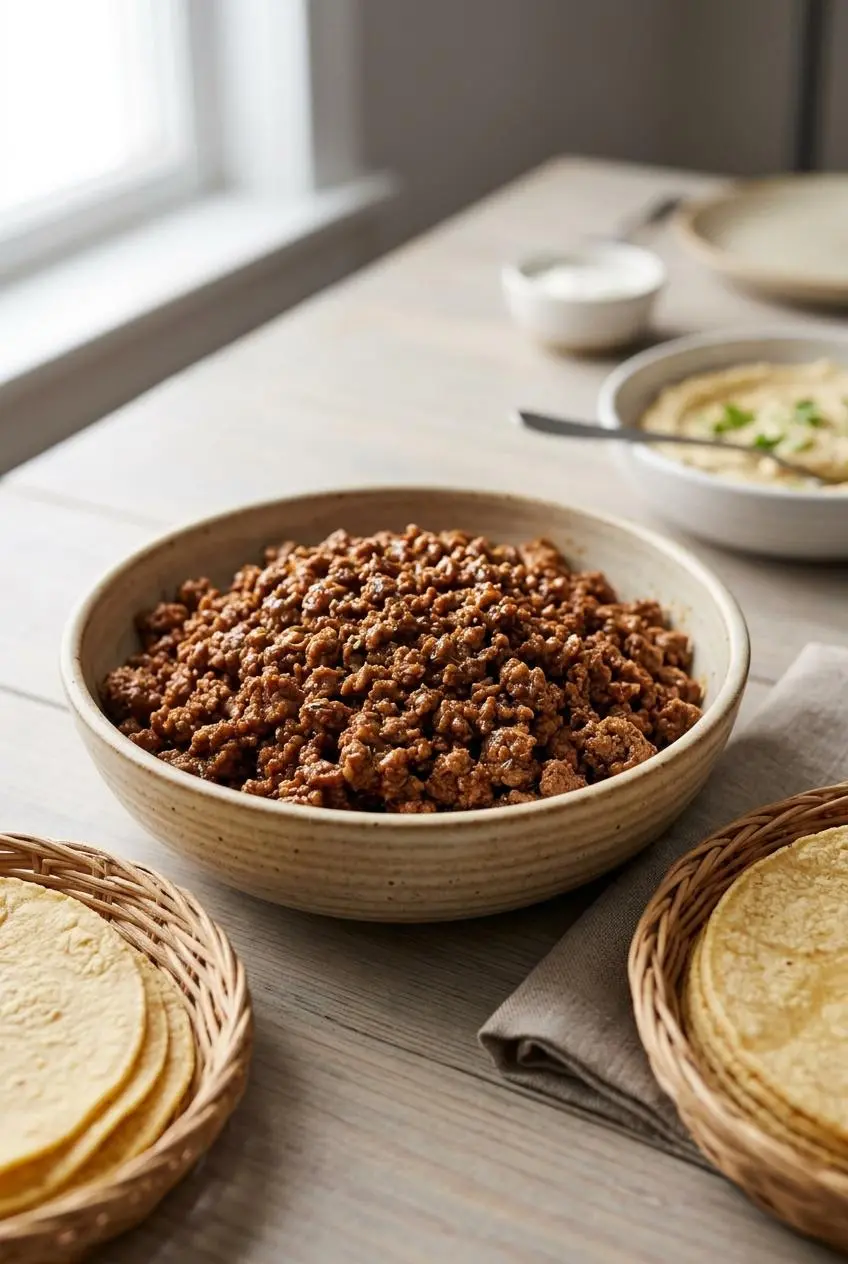
This is the section most home cooks actually need at dinnertime. Use 2 tablespoons of seasoning for 1 pound of ground meat, and add 1/2 cup of water or broth so the spices coat the meat evenly instead of sitting dry on the surface.
That 2-tablespoon amount equals one standard store-bought packet, so the swap is easy. It works well with ground beef, turkey, or chicken. Beef gives the richest result, turkey stays a little lighter, and chicken tends to benefit from broth because it adds extra savoriness as the sauce forms.
For ground beef, brown the meat first, then drain off excess grease before adding the seasoning and liquid. This matters more than it sounds. Too much fat can make the spices slide around instead of clinging to the meat, and the final filling can taste greasy rather than bold.
With lean turkey or chicken, you may not need to drain anything at all. Once the meat is cooked through, sprinkle in the seasoning, pour in the water or broth, and stir well. Let it simmer until the liquid reduces and the spices bloom into a glossy coating. The meat should look evenly tinted a rich reddish brown, not watery or pale.
For a classic taco-night use, this ratio works perfectly in ground beef tacos. The same blend also stirs nicely into sour cream for a quick party dip or into a pot of soup when you want taco flavor without opening a packet.
If you are cooking poultry, handle doneness with the same care you would for any weeknight skillet meal. For U.S. kitchens, ground beef should reach 160 °F and ground poultry should reach 165 °F, as outlined by safe handling and cooking temperatures for ground meat.
Thickening Your Taco Sauce: Starch vs. Reduction
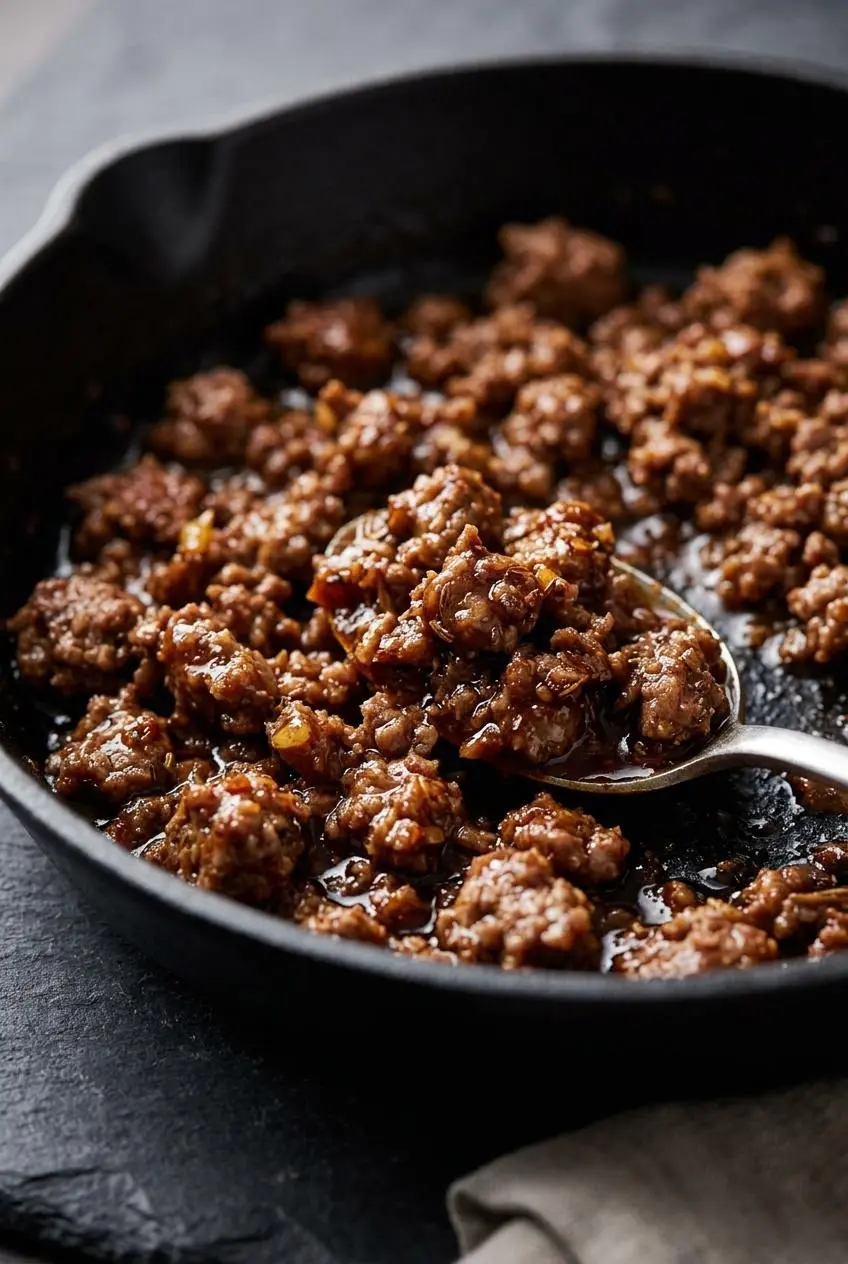
Once the seasoning hits liquid, you can decide whether you want a light coating or a thicker, restaurant-style sauce. Both approaches work, but they give very different results.
Reduction is the easiest method. After you add the seasoning and water or broth, simmer the meat until some of the liquid cooks off. This gives you a looser, cleaner finish where the spices cling to the meat without becoming saucy. It is great for tacos, burrito bowls, or anything where you do not want extra moisture pooling in the shell.
If you want a glossy, thicker coating, use a starch such as cornstarch or arrowroot. First mix the starch with a little cold water until smooth, then stir that slurry into the simmering meat. This helps the sauce tighten evenly around the crumbles.
Do not add raw starch straight into hot meat. It tends to clump immediately, and then you are chasing gummy little lumps around the skillet. Not a fun dinner problem.
Use reduction when you want a lighter finish. Use starch when you want more body, especially for fillings that need to hold together well. That thicker style also works nicely in dishes like easy taco pasta, where you want the sauce to cling instead of sliding to the bottom of the bowl.
- If the meat looks watery, simmer a little longer before adding more seasoning.
- If the sauce turns gluey, too much starch went in or it cooked too hard after thickening.
- If the flavor seems dull after adding liquid, the spices may be old or the mixture needs a pinch more salt at the end.
Sodium Control and Salt-Free Modifications
Making your own blend gives you far more control over salt than any packet does. That is especially helpful if you like to season the meat separately or if different people at the table prefer different salt levels.
The easiest adjustment is to omit the salt from the spice mix and add salt directly to the meat while it cooks. That gives you more control over the final taste because you can season in layers instead of all at once. It also keeps your jar flexible for other uses, like roasted vegetables, beans, or chickpeas.
If you do keep salt in the blend, remember that kosher salt and finer salts do not measure the same way by volume. So if you switch salts, season gradually and taste after the meat simmers. That is the safest way to avoid overdoing it.
A fully salt-free version still tastes bold when the chili powder and cumin are fresh. Smoked paprika, oregano, and garlic help fill out the flavor so the mix does not feel flat.
The Science of Salting: When and How to Salt Your Meat
Salt timing changes both flavor and texture. If you salt ground meat early during browning, it seasons the meat more evenly from the start. If you rely only on the seasoning blend at the end, the taco filling can still taste good, but the flavor often sits more on the surface.
For ground beef, a good middle ground is to brown the meat first, drain excess fat if needed, then add the seasoning blend and liquid. This keeps the spices from frying in too much grease and helps them spread through the meat as the liquid simmers down.
If you are using a salt-free blend, salting the meat during browning makes even more sense. It gives the crumbles a head start on flavor and helps the final filling taste more integrated.
If your meat tastes dry rather than seasoned, the issue is often overcooking after the liquid has reduced. Pull the pan off the heat once the sauce lightly coats the meat. That is the sweet spot.
Bulk Batch Prep and Conversion Guide
If you use taco seasoning often, scaling up saves time and keeps taco night moving. The easiest way is to mix the base recipe once, then repeat it directly into the bowl instead of trying to eyeball a giant batch from memory.
For a half-cup jar, make several batches and stop when the seasoning reaches the level you want in the container. For a full-cup jar, keep the same proportions and build it the same way. This method sounds almost too obvious, but it is much less error-prone than rushing through a large bulk mix and forgetting whether you already added the cumin.
When you scale up, whisk thoroughly so the smaller ingredients do not settle in pockets. Salt, pepper, and any optional cayenne can drift to the bottom if the mix is not blended well. A quick shake before each use fixes that too.
Label the jar with the basic use ratio: 2 tablespoons seasoning plus 1/2 cup water or broth for 1 pound of meat. Future you will appreciate that.
Best Storage Practices for DIY Spice Blends
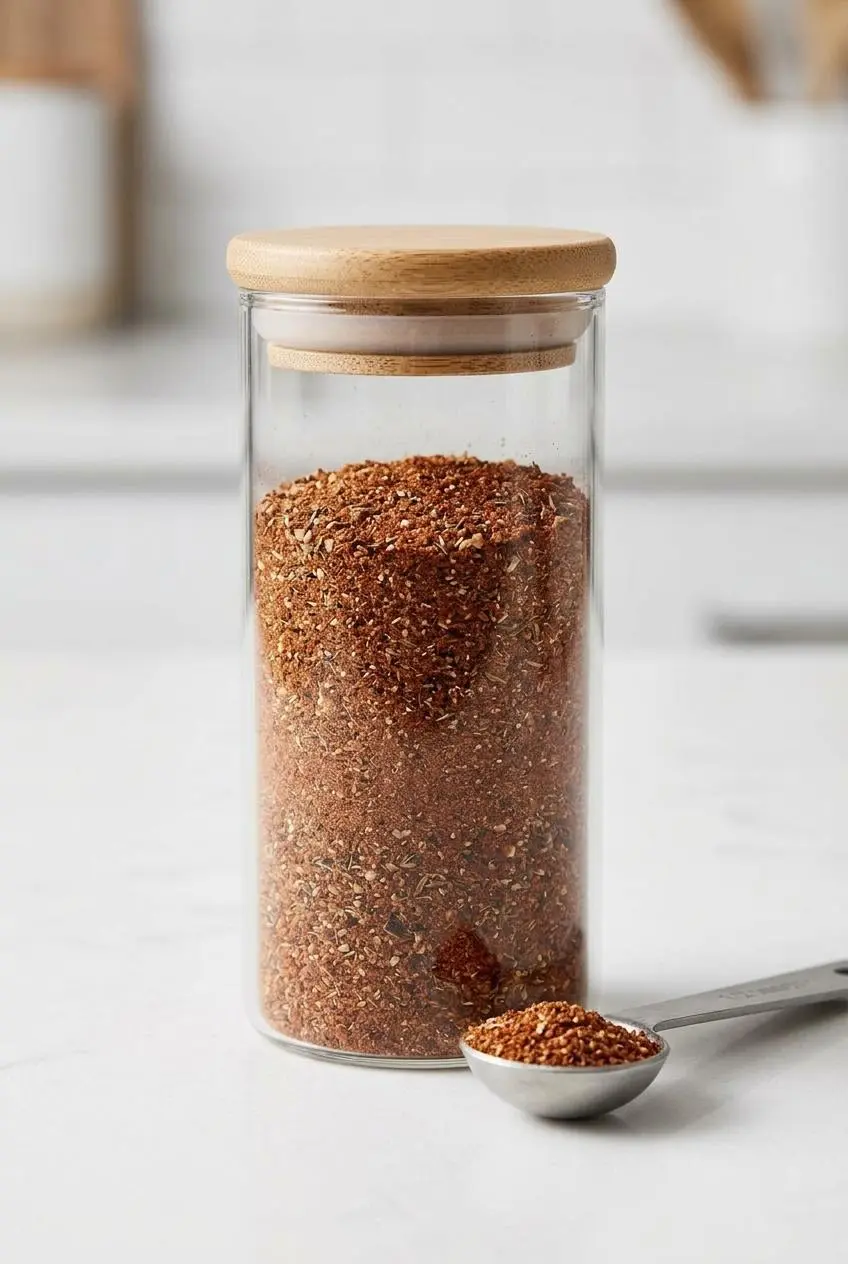
Good storage keeps the blend tasting bold instead of tired. Use a tightly sealed glass jar and store it in a cool, dark, dry spot away from the stove, dishwasher steam, and direct sunlight.
Glass works better than plastic because it does not hold onto old odors as easily, and it protects the blend from picking up stale cabinet smells. Heat and light slowly break down the essential oils in spices, which is why a jar kept beside the range fades faster than one tucked into a pantry or drawer.
The shelf life of the mix depends on how fresh each spice was when you started. If you want a practical benchmark, keep it in an airtight glass jar in a cool, dark place for up to one year. After that, or sooner if the spices were already old, check aroma and color before using. If the blend smells weak and the reddish tone looks dull brown, it is time to replace it.
Smoky Chipotle Variation
For a smoky version, use smoked paprika and replace part of the chili flavor with chipotle powder. The result tastes deeper, darker, and a bit bolder, with more heat and a faint campfire note. This is especially good with beef, black beans, and roasted sweet potatoes.
Mild Kids Version
For a gentler blend, reduce or skip the red pepper flakes and cayenne. Keep the cumin, garlic, and paprika in place so the seasoning still tastes warm and savory rather than flat. If your chili powder already runs spicy, choose a mild one for the base.
Salt-Free Modification
To make it completely salt-free, leave the kosher salt out of the mix and season the cooked meat separately if needed. Fresh chili powder, cumin, garlic powder, and oregano still give plenty of personality, especially when the meat simmers long enough for the spices to bloom.
Conclusion
Homemade taco seasoning gives you better control over flavor, heat, and salt, and it takes only a few minutes to mix. The biggest difference comes from fresh spices, especially the chili powder and cumin.
Keep the ratio handy, drain overly fatty beef before seasoning, and trust your nose when checking the jar. Once you make it this way, packets start feeling a little unnecessary.
Frequently Asked Questions
How much homemade taco seasoning equals one packet?
Use 2 tablespoons of homemade taco seasoning. That equals one standard 1.25-ounce store-bought packet. If you are cooking 1 pound of ground meat, that is the right amount to start with.
How much water do I add to the taco seasoning?
Add 1/2 cup of water or broth for each 1 pound of ground meat. This helps dissolve the spices so they coat the meat evenly. Then simmer until the liquid reduces to the texture you like.
How do I store DIY taco seasoning?
Keep it in an airtight glass jar in a cool, dark, dry place. You can store it for up to one year when the spices were fresh to begin with. If the aroma fades or the color looks dull, replace it for better flavor.
Is homemade taco seasoning gluten-free?
Yes, this blend is naturally gluten-free as written. It uses herbs and spices only, with no wheat starch or filler ingredients in the recipe itself. If you buy packaged spices, it is still smart to check labels if gluten is a concern in your kitchen.
Taco Seasoning Recipe

Equipment
- Glass Spice Jars
- Small mixing bowl
- Spoon
Ingredients
- 1 tablespoon chili powder
- 1 teaspoon ground cumin
- 1 teaspoon garlic powder
- 1/2 teaspoon paprika (or smoked paprika)
- 1/2 teaspoon oregano
- 1/2 teaspoon kosher salt
- 1/4 teaspoon black pepper
- pinch red pepper flakes or cayenne pepper (optional)
Instructions
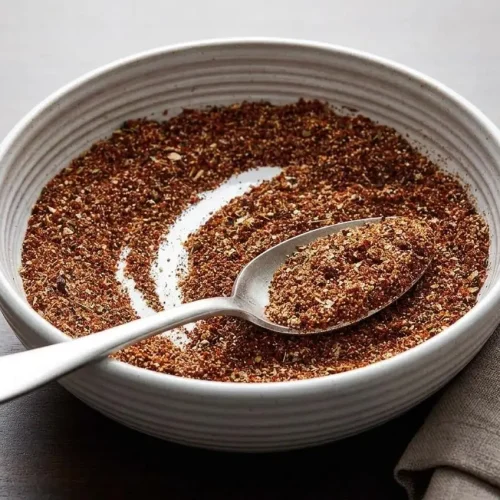
- Combine the chili powder, cumin, garlic powder, paprika, oregano, kosher salt, black pepper, and optional red pepper flakes or cayenne in a small bowl. The blend should look evenly colored with no streaks of lighter or darker spice left behind.
- Stir until the seasonings are fully mixed, then use the blend right away or transfer it to an airtight container. When it is well combined, the aroma should smell balanced, with cumin and chili coming through first.