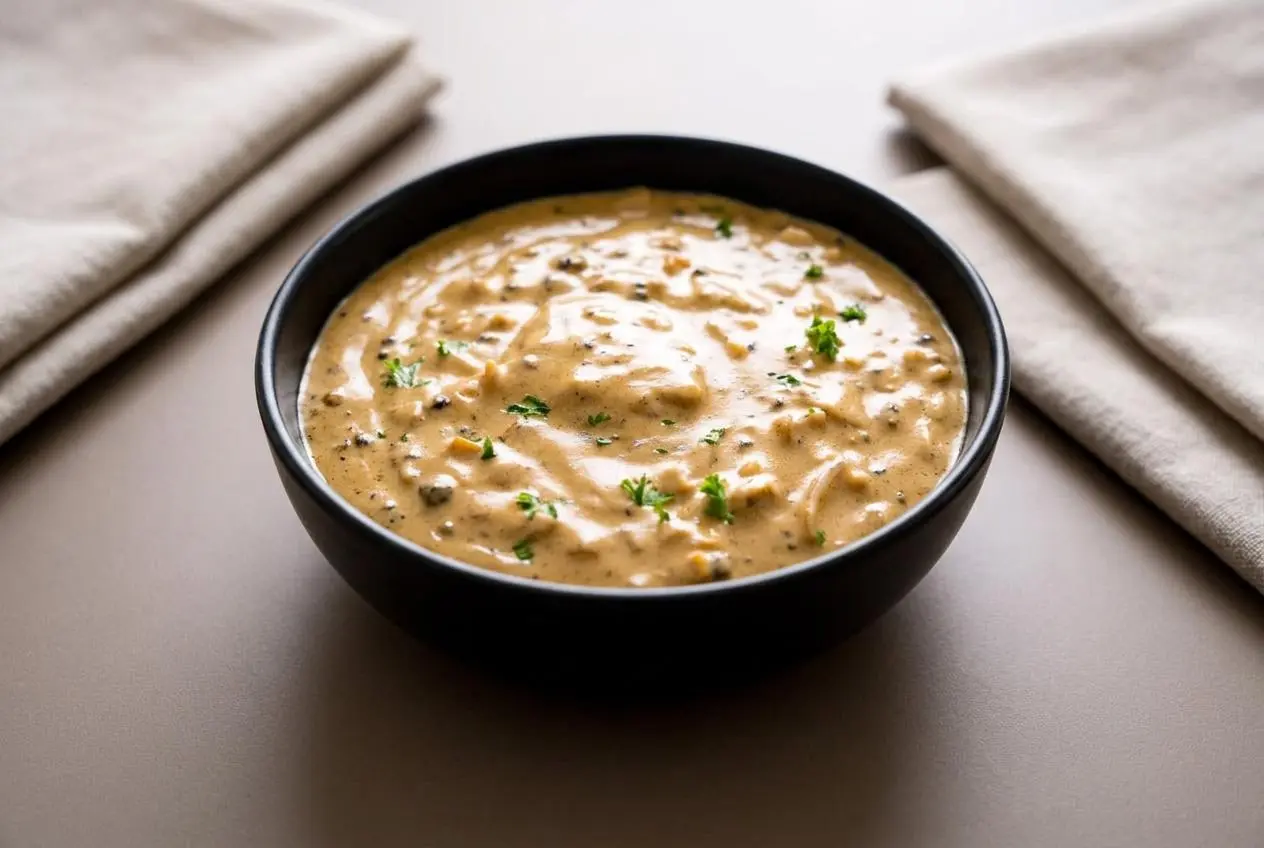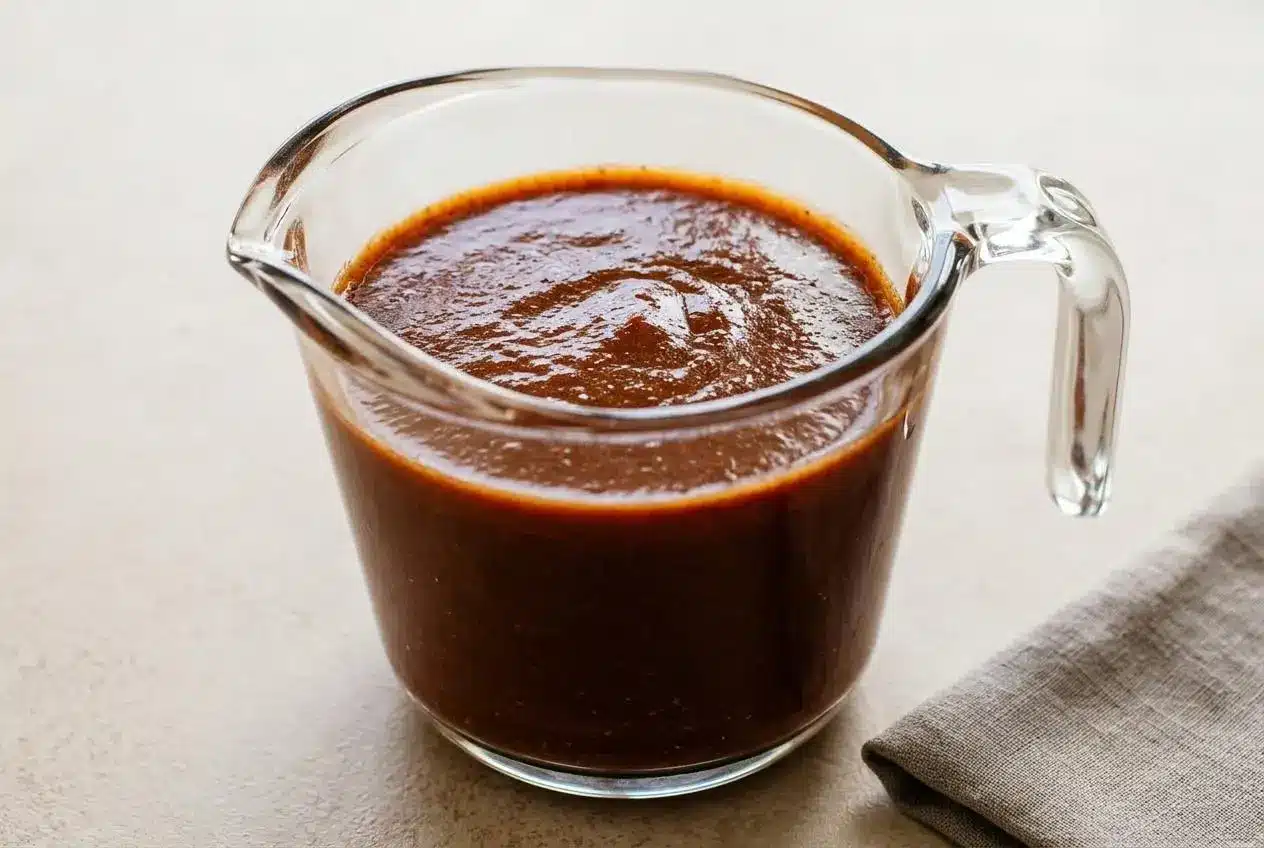
Enchilada Sauce comes together fast with oil, flour, chili powder, broth, and a short simmer for a rich, smooth, deeply savory sauce that tastes far fresher than canned.
Homemade enchilada sauce is a quick red sauce built on a simple roux, pantry spices, tomato paste, broth, and a splash of vinegar for balance. It is especially handy when you want bold flavor on a weeknight without opening a can.
As the flour and spices toast, the pot starts to smell nutty, earthy, and warm in the best way. That little minute at the stove changes everything.
Measure the spices before you heat the oil, because this sauce moves quickly once the whisk is in your hand.
Why Homemade Is Better Than Canned
If you have ever tasted enchilada sauce straight from the pot, the difference is obvious. You control the salt, the heat, and the balance of smoky, savory, and tangy flavors.
Homemade sauce also skips that flat canned taste that can read slightly metallic. And because you build it yourself, you can keep out additives you do not want and adjust it to fit the dinner in front of you.
Quick vs. Authentic: Which Sauce Should You Make?
Both styles have a place. The quick version uses chili powder and pantry ingredients, while the authentic-style version starts with whole dried chiles such as Ancho and Pasilla for deeper, more layered flavor.
| Factor | Quick Sauce (15-Min) | Authentic Sauce |
|---|---|---|
| Time | About 10 to 15 minutes | Longer because the chiles need to be toasted, softened, and blended |
| Effort | Easy, very weeknight-friendly | More hands-on, better for a slower cooking session |
| Flavor Profile | Rich, savory, smooth, and familiar | Deeper, more complex, more chile-forward and smoky |
Choose the quick sauce when dinner needs to happen soon and you want reliable flavor fast. Choose the dried-chile version when you want a more traditional sauce with extra depth and do not mind a few more steps.
Essential Ingredients for Red Enchilada Sauce
Once you know what each ingredient does, the recipe makes perfect sense. This is not just a list of seasonings thrown into broth. Each part pulls real weight.
The oil and flour form a roux, which gives the sauce body and keeps it from tasting watery. As that mixture cooks, the raw flour flavor fades and the texture becomes smoother and fuller.
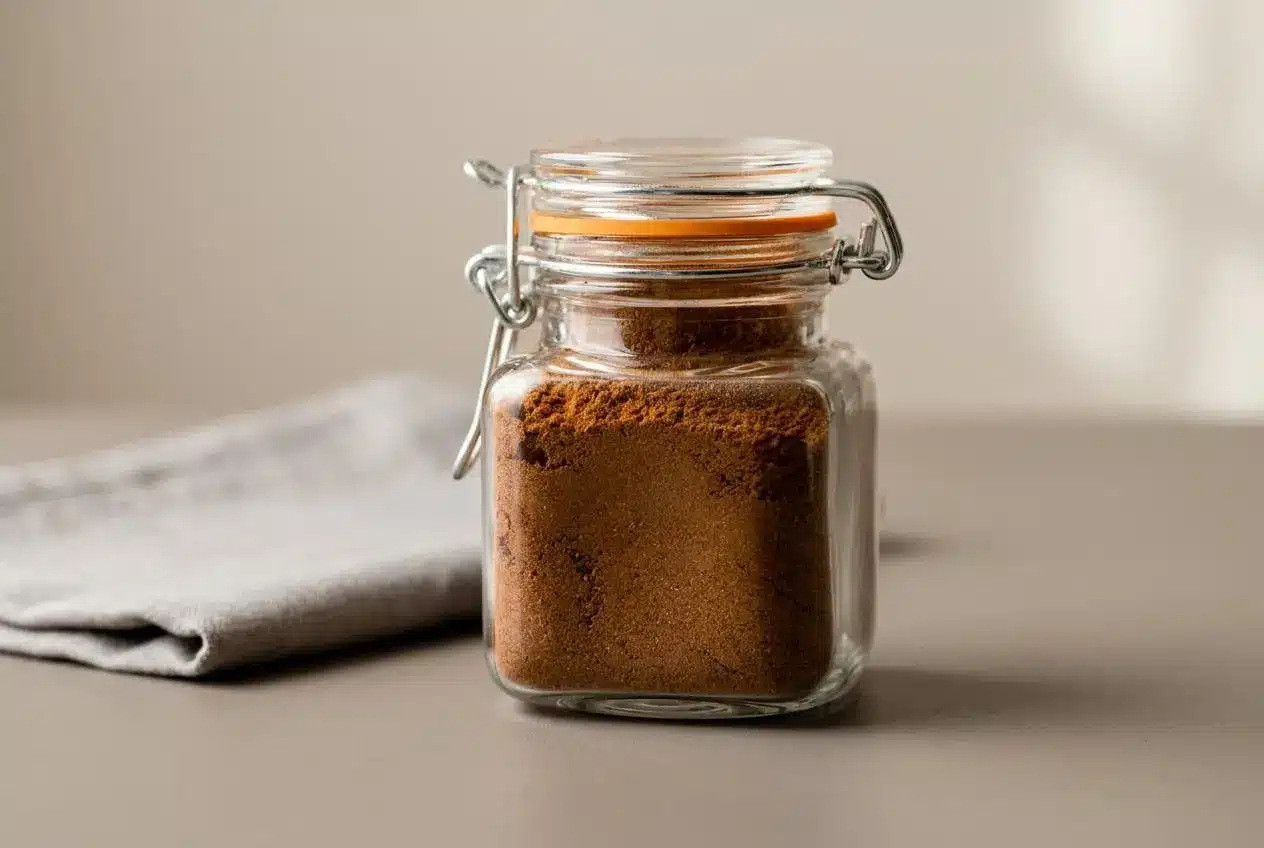
Chili powder is the main flavor in the quick version, so the kind you use matters. In the U.S., standard chili powder is usually a blend, not pure ground chile, which is why it brings rounded flavor instead of sharp heat alone.
Cumin and oregano build the background notes. Cumin adds earthy warmth, while oregano gives the sauce a slightly herbal edge that keeps it from tasting flat. If you have Mexican oregano, it works well here, but the recipe still works with regular dried oregano.
Tomato paste adds color, a little sweetness, and enough acidity to round out the chile flavor. Broth gives the sauce a savory base and a better finished taste than plain water. The last teaspoon of vinegar wakes everything up so the sauce tastes lively instead of heavy.
Ingredients
Each ingredient shapes the sauce, from the roux that creates body to the spices, broth, and vinegar that build depth, color, and balance.
- 3 tablespoons olive oil
- 3 tablespoons flour (whole wheat flour, all-purpose flour and gluten-free flour blends all work!)
- 1 tablespoon ground chili powder
- 1 teaspoon ground cumin
- ½ teaspoon garlic powder
- ¼ teaspoon dried oregano
- ¼ teaspoon salt, to taste
- Pinch of cinnamon (optional but recommended)
- 2 tablespoons tomato paste
- 2 cups vegetable broth
- 1 teaspoon apple cider vinegar or distilled white vinegar
- Freshly ground black pepper, to taste
I like to measure the flour and spices into one small bowl before turning on the heat, because the roux stage moves fast and it is much easier to stay in control that way.
The olive oil carries the spices and helps the roux toast evenly. Flour thickens the sauce, tomato paste deepens the red color, and broth gives the finished sauce a rounder savory taste. The optional pinch of cinnamon is subtle, but it adds a faint warmth that makes the sauce taste a little more complete.
How to Make Easy Enchilada Sauce (15-Minute Recipe)
This is the main version to make when you want dependable homemade red enchilada sauce fast. The key is to build flavor in the roux, then whisk in the broth slowly so the sauce stays smooth.
- Combine the flour, chili powder, cumin, garlic powder, oregano, salt, and optional cinnamon in a small bowl, and set the tomato paste and broth near the stove.
The sauce cooks quickly once the pot is hot, so having everything ready keeps the roux from overcooking. - Heat the olive oil in a medium pot over medium heat until a small pinch of the flour mixture sizzles when it hits the oil.
This usually takes a couple of minutes, and the oil should look hot and fluid but not smoky. - Whisk the flour and spice mixture into the hot oil and cook for about 1 minute, then whisk in the tomato paste.
The mixture should smell nutty and warm, and the color will darken slightly as the flour cooks and the spices bloom. - Pour in the vegetable broth gradually while whisking constantly until the sauce looks smooth and fully combined.
If you add the liquid slowly, the whisk should move through a lump-free sauce with no dry pockets clinging to the pot. - Bring the sauce to a simmer over medium-high heat, then lower the heat as needed and cook for 5 to 7 minutes, whisking often.
It is ready when the color looks deeper and a spoon or whisk leaves a brief trail with a little resistance on the bottom of the pot. - Take the pot off the heat and whisk in the vinegar, then season with black pepper and more salt if needed.
The finished sauce should taste bright, rich, and smooth, and it will thicken a bit more as it cools.
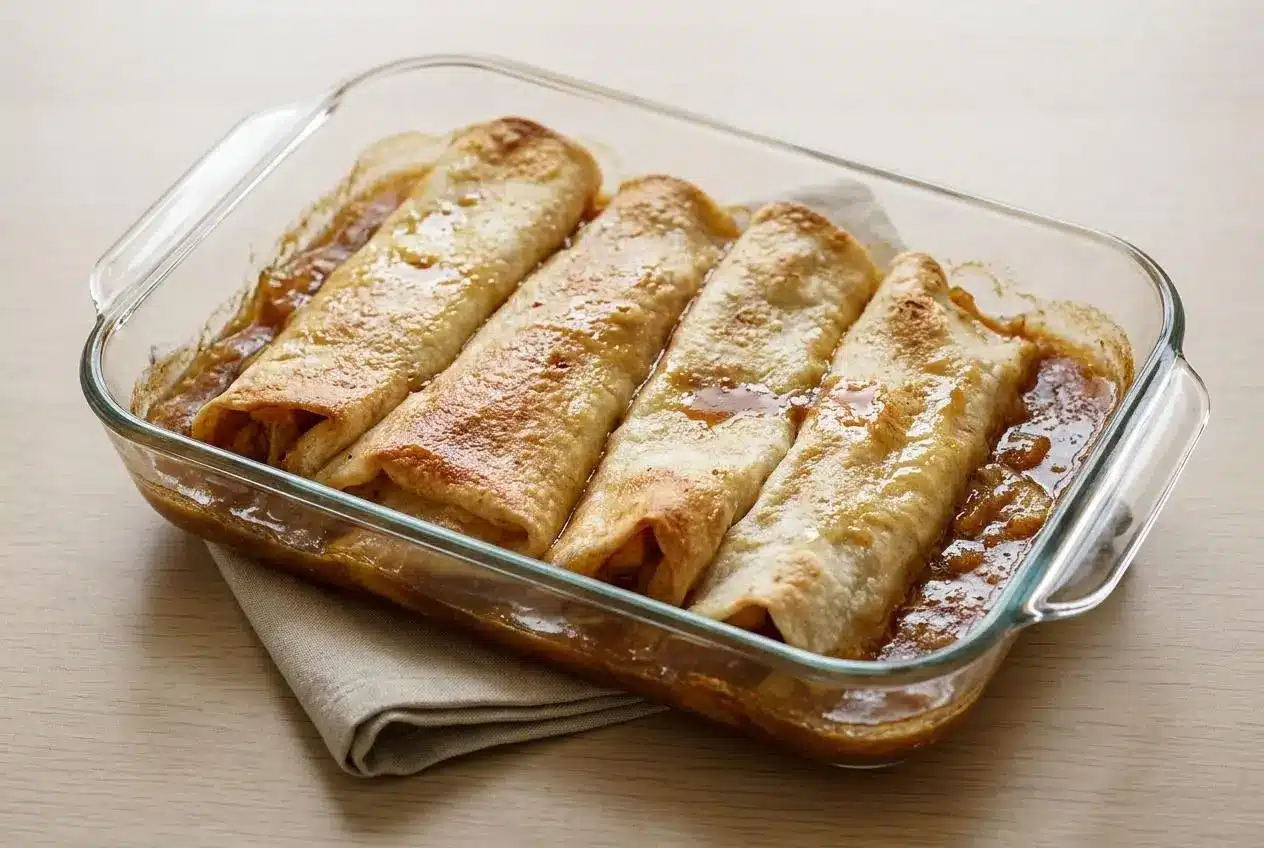
If your goal is classic enchiladas, this sauce is great with chicken, beef, or cheese fillings. It also works beautifully in a chicken enchilada casserole when you want the same cozy flavor in a baked layered dish.
How to Make Authentic Enchilada Sauce (from Dried Chiles)
If you want a more traditional flavor, dried chiles are the move. This method takes longer, but it gives you a sauce with deeper chile character and a less blended-spice flavor than the quick version.
Start with dried chiles such as Ancho and Pasilla. Wipe them clean, remove the stems and seeds, then toast them briefly in a dry skillet just until fragrant. Do not let them darken too much, because over-toasted chiles can turn bitter fast.
After toasting, cover the chiles with hot water and let them soften until pliable. While they soak, char onion and garlic in a skillet or under a broiler until they pick up dark spots and a sweet roasted aroma.
Blend the softened chiles with the charred aromatics and enough broth to keep the blender moving. Then strain the mixture if you want a smoother sauce, simmer it in a pot, and season to taste. The flavor lands deeper, smokier, and more complex, with the chile itself taking center stage.
Tips for the Best Enchilada Sauce
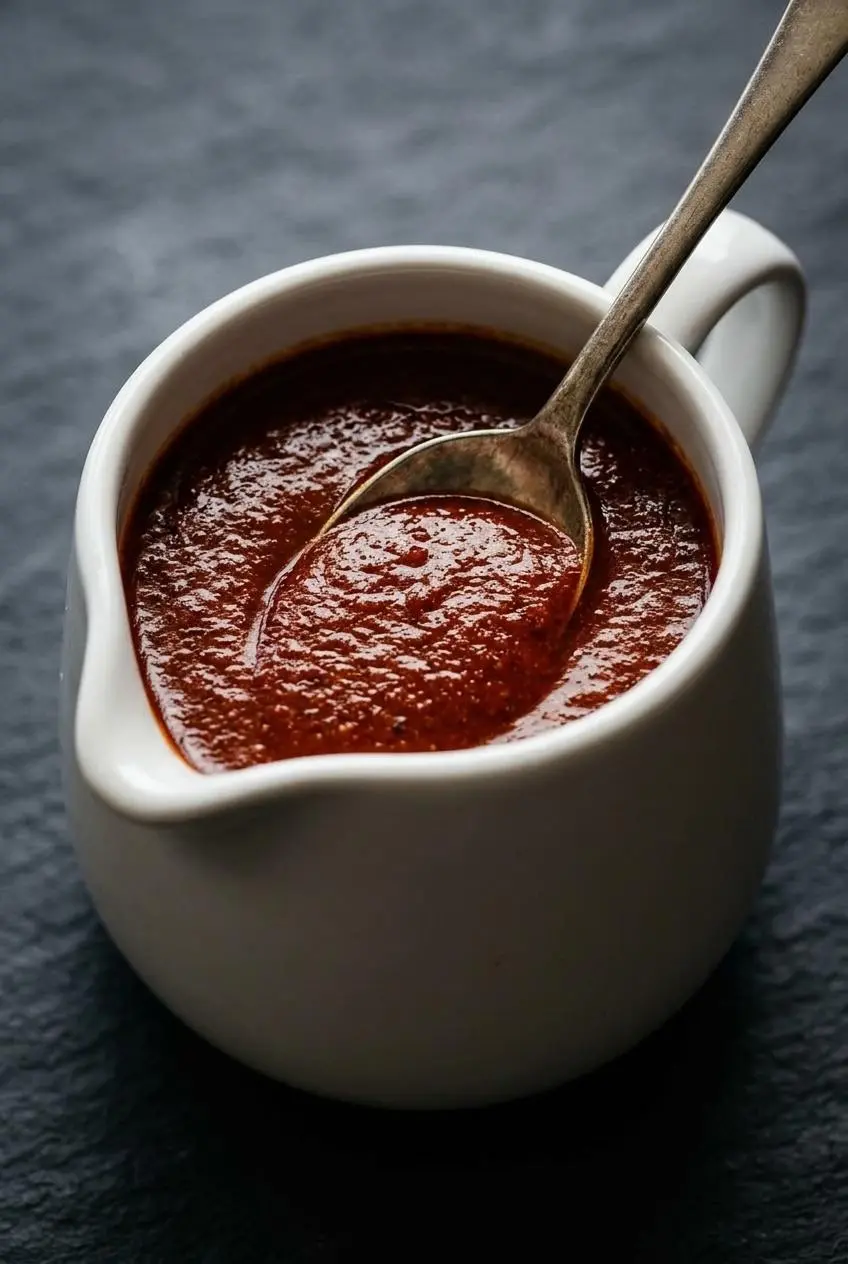
A few small technique choices make a big difference here, especially because the recipe is fast.
Toast the spices in the hot oil and flour long enough for them to smell fragrant. That quick minute builds a fuller flavor and removes the raw taste from the flour.
Use a good American-style chili powder blend for the quick sauce. Since it is the main flavor driver, a dusty or overly hot blend can throw off the whole pot.
Whisk constantly when you add the broth. This is the simplest way to keep the sauce silky instead of lumpy.
Do not skip the vinegar at the end. It does not make the sauce taste sour. It simply sharpens the other flavors so the finished sauce tastes brighter and less heavy.
Troubleshooting: How to Fix Common Sauce Problems
Most enchilada sauce issues are easy to correct once you know what caused them. Here is the quick fix guide.
| Problem | Likely Cause | Easy Solution |
|---|---|---|
| My sauce is bitter | The roux or spices cooked too hard, or dried chiles were over-toasted | Lower the heat next time and watch the pot closely. For a slightly bitter batch, a tiny pinch of sugar or a little extra salt can soften the edge. |
| My sauce is lumpy | The broth went in too quickly | Whisk vigorously to smooth it out. If needed, blend briefly with an immersion blender. |
| My sauce is too thin | It has not simmered long enough | Keep it at a gentle simmer a little longer, whisking often, until it leaves more resistance behind the spoon. |
| My sauce is too thick | It reduced too much or cooled down | Whisk in a small splash of broth at a time until it loosens to the texture you want. |
Variations and Substitutions
This sauce is easy to tweak without changing the heart of the recipe. Keep all of these as optional adjustments, not required changes.
Making It Spicier or Smokier
For more heat, add a pinch of cayenne with the dry spices. For a smokier finish, use chipotle powder or smoked paprika. Both work well, but chipotle brings more heat while smoked paprika leans mellow and woodsy.
Gluten-Free Option
A gluten-free all-purpose flour blend works well in place of the regular flour in the roux. If you prefer not to make a roux, you can simmer the sauce base first and then whisk in a cornstarch slurry made from 1 tablespoon cornstarch and 2 tablespoons cold water until the sauce thickens.
For a Deeper, Mole-Like Flavor
For a darker, more layered taste, whisk a little unsweetened cocoa powder or a small piece of Mexican chocolate into the sauce with the spices. Keep it subtle so the chocolate supports the chile flavor instead of taking over.
If you want a more chile-forward version, you can also leave out the tomato paste. And if you like a softer, richer finish, stir in a splash of heavy cream right at the end.
How to Use Your Enchilada Sauce
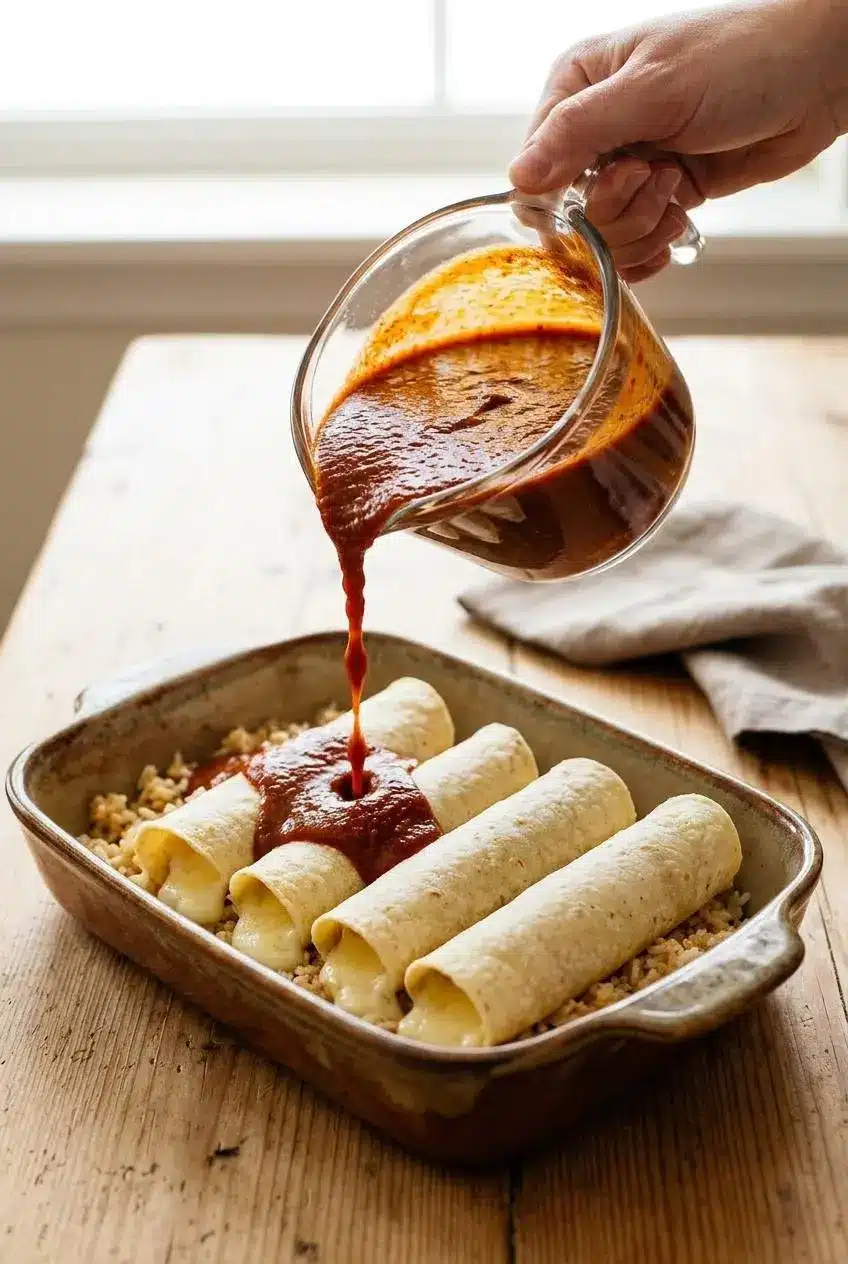
Once you have a warm pot of this in the kitchen, it rarely stops at enchiladas. It is useful anywhere you want bold red chile flavor and a smooth texture.
- Spoon it over chicken, beef, or cheese enchiladas before baking.
- Pour it over wet burritos or chimichangas.
- Use it as the sauce base in a quick ground beef enchilada skillet.
- Stir it into soup for a richer red chile version of chicken enchilada soup.
- Drizzle it over huevos rancheros or breakfast tacos.
- Mix it into shredded chicken for tacos, bowls, or stuffed peppers.
Storage Instructions
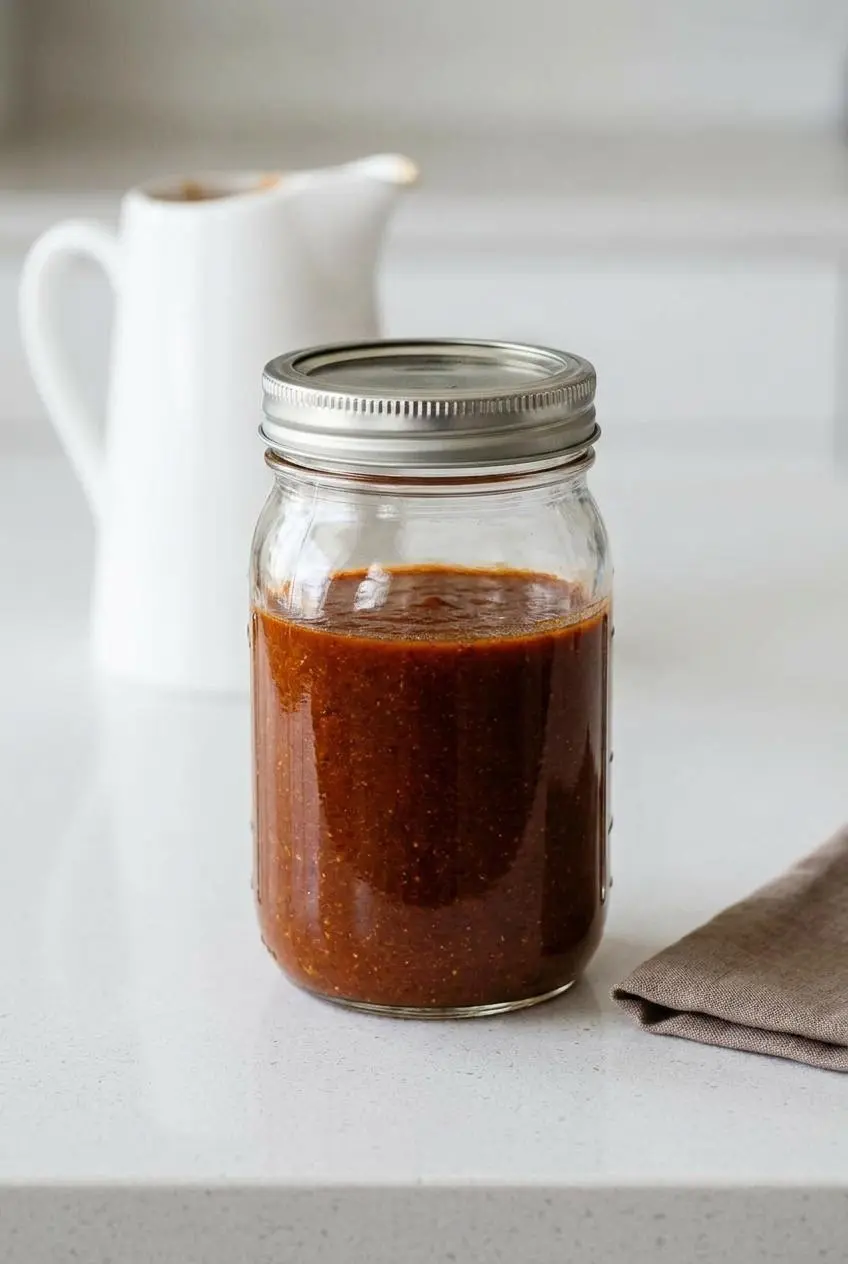
Let the sauce cool before transferring it to a clean airtight container. Store it in the refrigerator and use it while it still smells fresh and tastes bright.
If it thickens after chilling, warm it gently on the stove and whisk in a little broth or water to loosen it. Reheat only until smooth and hot, not hard-boiling, so the texture stays pleasant.
Conclusion
This sauce proves that homemade can still be fast. In about 10 minutes, you get a richer, smokier, smoother result than most canned versions can offer.
Whether you make the quick chili powder version or try the dried-chile route, taste at the end and adjust the salt and pepper before serving. That final little check makes the whole pot sing.
Frequently Asked Questions
How long does homemade enchilada sauce last in the fridge?
Keep it in an airtight container in the refrigerator once it has cooled. Because there is no approved exact timeline here, the safest approach is to use it while it still smells fresh, looks smooth, and tastes clean.
Can I freeze this enchilada sauce?
If you want to try freezing it, cool it completely first and use a freezer-safe container with a little room at the top. Texture can change slightly after thawing, so whisk it well while reheating. Since there is no approved exact freezing timeline here, it is best to label it and use it promptly for the best quality.
What’s the best chili powder to use for enchilada sauce?
Use a standard American-style chili powder blend for the quick version. That style usually includes ground chiles plus other spices, so the sauce tastes balanced rather than sharply hot. Avoid pure cayenne or other straight hot chile powders unless you want a much spicier result.
My enchilada sauce is bitter. How can I fix it?
Bitterness usually means the roux, spices, or dried chiles were cooked too aggressively. Use medium heat and watch closely during the toasting stage. If the bitterness is mild, a tiny pinch of sugar can help soften it.
What can I use instead of flour to thicken the sauce?
A cornstarch slurry is the easiest swap. Mix 1 tablespoon cornstarch with 2 tablespoons cold water, then whisk it into the simmering sauce until it thickens.
How can I make this sauce less spicy?
Start with a mild chili powder blend, since that ingredient controls most of the heat in the quick version. You can also use a little less chili powder at first and adjust after simmering, when the flavor is easier to judge.
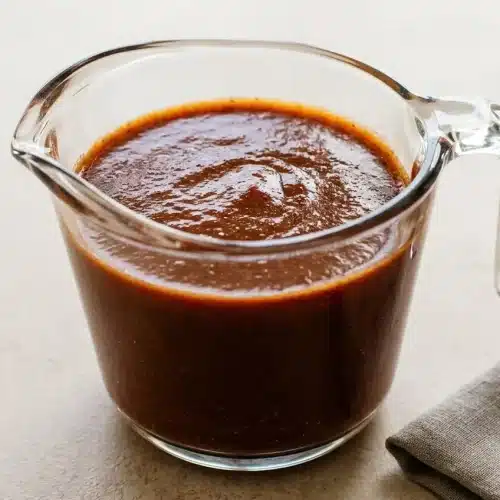
Enchilada Sauce

Equipment
- Medium pot
- Whisk
Ingredients
- 3 tablespoons olive oil
- 3 tablespoons flour whole wheat flour, all-purpose flour and gluten-free flour blends all work!
- 1 tablespoon ground chili powder
- 1 teaspoon ground cumin
- ½ teaspoon garlic powder
- ¼ teaspoon dried oregano
- ¼ teaspoon salt to taste
- 1 pinch cinnamon optional but recommended
- 2 tablespoons tomato paste
- 2 cups vegetable broth
- 1 teaspoon apple cider vinegar or distilled white vinegar
- Freshly ground black pepper to taste
Instructions
- Combine the flour, chili powder, cumin, garlic powder, oregano, salt, and optional cinnamon in a small bowl, and set the tomato paste and broth near the stove. The sauce cooks quickly once the pot is hot, so having everything ready keeps the roux from overcooking.
- Heat the olive oil in a medium pot over medium heat until a small pinch of the flour mixture sizzles when it hits the oil. This usually takes a couple of minutes, and the oil should look hot and fluid but not smoky.
- Whisk the flour and spice mixture into the hot oil and cook for about 1 minute, then whisk in the tomato paste. The mixture should smell nutty and warm, and the color will darken slightly as the flour cooks and the spices bloom.
- Pour in the vegetable broth gradually while whisking constantly until the sauce looks smooth and fully combined. If you add the liquid slowly, the whisk should move through a lump-free sauce with no dry pockets clinging to the pot.
- Bring the sauce to a simmer over medium-high heat, then lower the heat as needed and cook for 5 to 7 minutes, whisking often. It is ready when the color looks deeper and a spoon or whisk leaves a brief trail with a little resistance on the bottom of the pot.
- Take the pot off the heat and whisk in the vinegar, then season with black pepper and more salt if needed. The finished sauce should taste bright, rich, and smooth, and it will thicken a bit more as it cools.