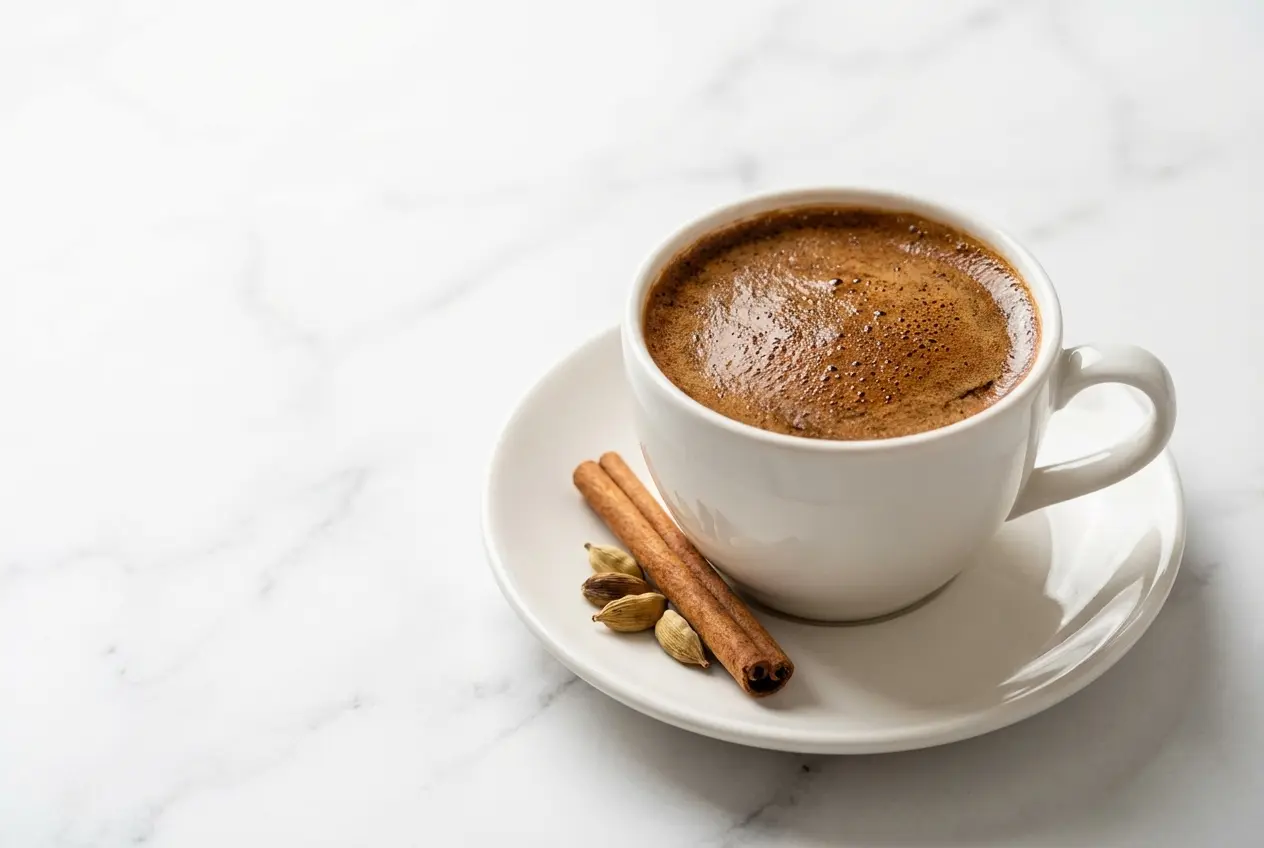
In my kitchen, the scent of Yemeni coffee always feels like a little time travel, back to the days when Arabica coffee first sailed out of Yemen’s ports and into the wider world. This yemeni coffee recipe is the kind of cup that makes you slow down, warm in the hands, boldly aromatic, and gently spiced in a way that lingers on the breath.
You’ll learn two traditional paths, Qishr made from coffee husks, and Bun made from Yemeni coffee beans, each with its own character. Both rely on a fragrant spice ritual and a patient stovetop brew that turns a simple pot of water into something deeply comforting.
Why You’ll Love This Recipe
The spice-toasting secret: In my kitchen, briefly warming cardamom and ginger before grinding wakes up their essential oils, so the pot smells instantly more vivid and perfumed, even before the coffee touches the water.
Velvety, not bitter: The “triple boil and rest” rhythm lets Yemeni Black Coffee build a thicker mouthfeel and fuller extraction without that harsh edge you get from a nonstop rolling boil.
Two authentic styles: Qishr has a lighter, tea-like body from coffee husks, while Bun leans deep, earthy, and bold from finely ground Yemeni coffee beans, both anchored by cardamom and warmth.
Small-pot friendly: You do not need fancy equipment, a humble Cezve or Ibrik style pot makes the traditional foam-and-settle method feel effortless once you’ve done it once.
Ingredients and Substitutions
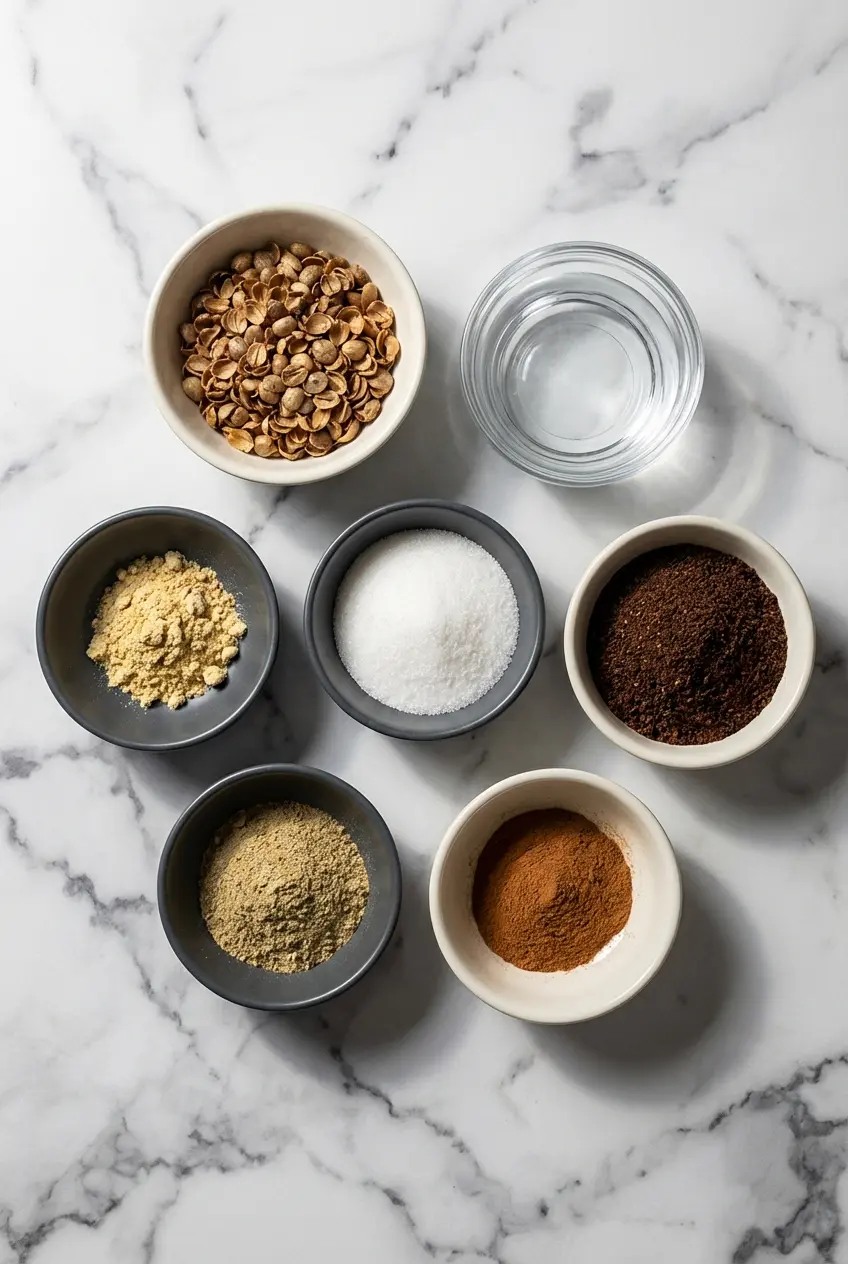
These are pantry-simple ingredients, but each one matters, the water quality, the spice freshness, and the balance of sweetness all shape that classic Yemeni aroma.
Ingredients
The Authentic Yemeni Qishr (Spiced Coffee):
- 2 tablespoons Yemeni coffee husks (or light roasted coffee beans)
- 2 cups water
- 1 to 2 teaspoons ground ginger
- 1 to 2 teaspoons sugar
- 1 pinch cinnamon or cardamom
Yemeni Black Coffee (Bun):
- 1 tablespoon finely ground Yemeni coffee beans
- 1 cup water
- 1/4 teaspoon ground cardamom
- 1/4 teaspoon ground cinnamon
- Sugar to taste
Ingredient Notes & Substitutions
Qishr vs. Bun: Qishr is brewed from coffee husks, so it tastes lighter, gently fruity, and spice-forward, almost like a warm infusion. Bun is brewed from the actual coffee bean, so it’s darker, richer, and more intense, especially when you use a Turkish-fine grind.
Yemeni coffee beans: If you can source them, regional beans make a real difference, Al-Hayma often reads more floral and lifted, while Haraz can lean deeper, fruity, and winey. I keep the roast light to medium so those delicate notes survive the simmer.
Cardamom and ground ginger: Freshness is everything here, stale spices taste dusty instead of bright. When I can, I toast whole spices quickly, then grind right before brewing, it makes the aroma bloom the moment the pot heats.
Sugar and honey: If you like a rounder sweetness, white sugar can be swapped for a tablespoon of natural honey, which brings a soft floral finish that pairs beautifully with cinnamon or cardamom.
How to make yemeni coffee recipe
Toast and Prep Your Aromatics
Before the water even goes on, I like to dry-toast whole cardamom pods and dried ginger in a bare pan just until fragrant, not dark, about the moment your kitchen smells sweet and citrusy. Grind them right away so the volatile oils stay in your cup instead of disappearing into the air.
Qishr, Spiced Coffee Husk Brew
- Bring the 2 cups water to a boil in a small saucepan, you want lively bubbles, not a raging storm that splashes up the sides.
- Add the coffee husks, ground ginger, and the pinch of cinnamon or cardamom, then give it a gentle stir so everything hydrates and perfumes the water.
- Lower the heat and let it simmer for about 5 to 7 minutes, the liquid will deepen in color and smell warmly spiced, with a light, tea-like body.
- Strain into cups right away, then sweeten with sugar to your liking while it’s steaming hot so it dissolves smoothly.
Bun, Yemeni Black Coffee with the Boil-and-Rest Method
- Heat the 1 cup water in a small pot or Cezve until it starts to boil, watch for tiny bubbles racing up from the bottom and a shimmer on the surface.
- Add the finely ground coffee beans plus the cardamom and cinnamon, then stir briefly to wet the grounds so they do not clump or float dry on top.
- Reduce the heat and let it simmer for 3 to 5 minutes, keeping it gentle so the cup stays bold but not bitter, the surface should look glossy with a little foam forming at the edges.
- Stir occasionally and adjust the sweetness with sugar, then strain into your cup and sip while the aroma is at its loudest.
Master the Perfect Stovetop Brew

If you love precision, measuring by grams makes your results repeatable, especially when switching between Qishr and Bun. Two tablespoons of husks often land around 10 to 14 g depending on how dry and light they are, and 1 tablespoon of Turkish-fine coffee is commonly around 6 to 7 g, so you can aim for roughly 500 g water to 10 to 14 g husks for Qishr, and about 240 g water to 6 to 7 g coffee for Bun.
Grind size is the quiet make-or-break detail for this method. For Bun, I go Turkish-fine, powdery between the fingers, because the simmer is short and you want full extraction without pushing heat too hard, while an espresso-fine grind can taste sharp if the pot runs too hot.
Roast level matters more than people think with Yemeni coffee beans. Light to medium roasts preserve the floral, dried fruit character that’s famous in origins like Al-Hayma and Haraz, while a very dark roast can bulldoze those notes and leave you with bitterness that no amount of cardamom can politely cover.
A Moka pot can work in a pinch for strong coffee, but it will not give the same spice-forward infusion or the foam-and-settle texture you get from a Cezve-style simmer. When I want the traditional experience, I keep it on the stovetop and let the aroma fill the room.
Pro Tips & Troubleshooting
Pro Tips
- Grind your coffee beans and spices right before brewing, the aroma is noticeably louder and cleaner.
- Keep the heat moderate so the pot simmers gently, a calm surface protects you from harsh, over-extracted flavors.
- A small Turkish Ibrik or Cezve is ideal for the boil-and-rest style, because the narrow neck helps build foam without boiling over.
- For Qishr, strain promptly after simmering, letting husks sit too long can dull the bright, spicy lift.
Common Mistakes to Avoid
- Using pre-ground coffee and pre-ground spices, which often tastes flat and slightly dusty instead of fragrant.
- Boiling hard on high heat, a vigorous boil tends to pull bitterness fast, especially with very fine grounds.
- Adding milk to traditional Qishr or Bun, the classic cup relies on spices and technique for body, not dairy.
Serving & Storage
Serving Ideas
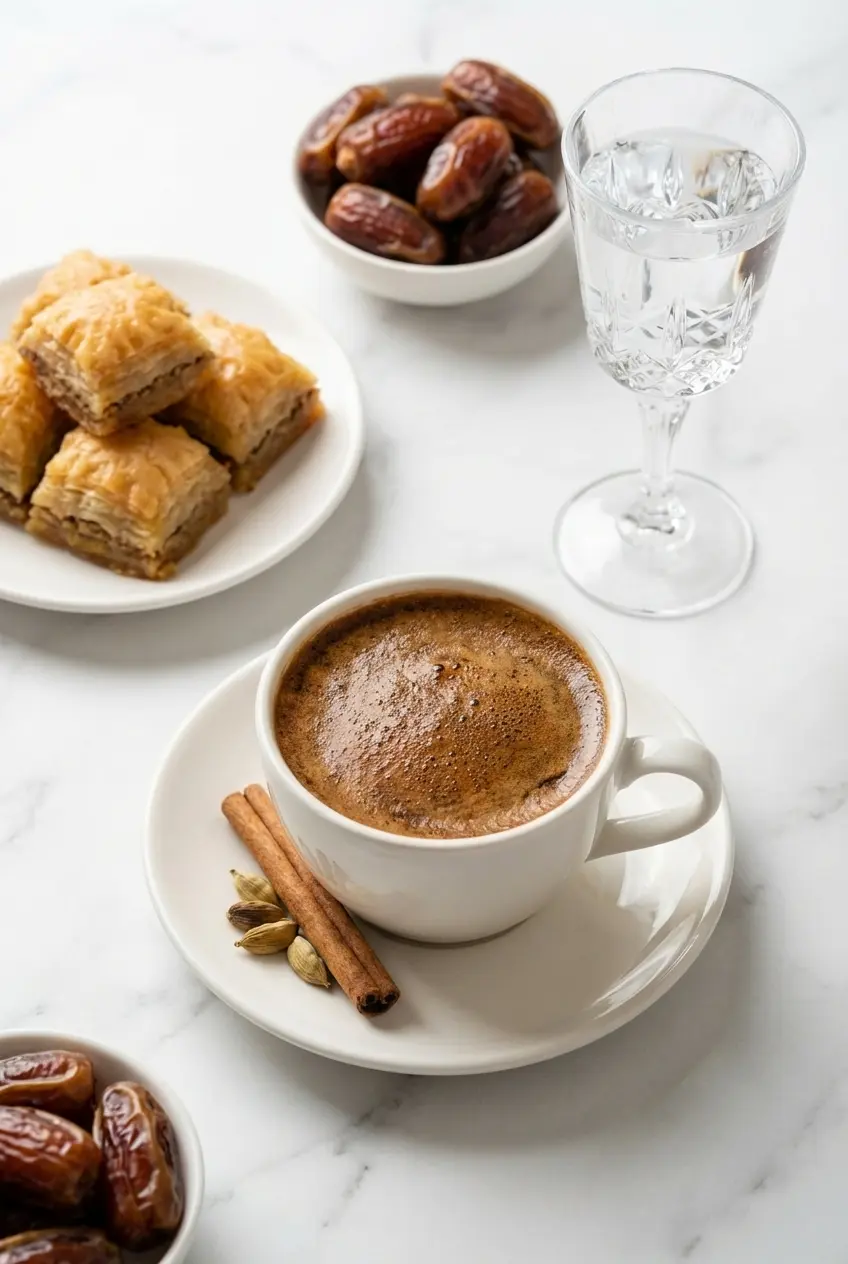
I love serving Yemeni coffee in small handle-less cups, it keeps the portion traditional and the aroma concentrated right under your nose. Something sweet alongside is classic, and a rich, spiced dessert like a creamy biscoff cheesecake balances the earthy notes beautifully.
For a simple flourish, a thin drizzle of raw honey around the rim makes the first sip feel perfumed and celebratory. Baklava, dates, or soft Middle Eastern breads are all natural companions when the coffee is boldly spiced.
If you enjoy modern café spins, a Yemeni Spiced Latte style cup can be delicious, but I keep it as a variation, not the baseline. Curious beverage explorers often enjoy a yuzu matcha latte on the days they want something bright and citrusy instead of warm and earthy.
Iced Yemeni coffee is also surprisingly elegant, brewed with cardamom and served over plenty of ice, the spice reads even more aromatic when chilled. Just keep the sweetness slightly higher, cold drinks mute sugar.
Storage & Make-Ahead
This coffee is best right after brewing, when the cardamom and ginger are at their peak and the cup smells like a spice market. If you have leftovers, strain first, then refrigerate in an airtight jar for up to two days.
To reheat, warm it gently on the stovetop until steaming, not boiling, so it stays smooth. Leftover coffee also tastes lovely served chilled, especially Qishr, which drinks almost like a spiced tea.
Enjoy Your Authentic Spiced Brew
When the spices are freshly toasted and the simmer stays gentle, you get a cup that’s bold, warmly spiced, and deeply aromatic, the kind that perfumes the whole kitchen. I always encourage making both Qishr and Bun at least once, because the contrast is part of Yemen’s coffee story.
That dark, fragrant finish is also a gorgeous after-dinner moment, especially next to caramelized desserts like a basque cheesecake. Keep the technique steady, then play with sweetness and spice until the cup tastes like yours.
Authentic Yemeni Coffee Recipe

Equipment
- Small saucepan
- Cezve or Ibrik
Ingredients
The Authentic Yemeni Qishr (Spiced Coffee)
- 2 tablespoons Yemeni coffee husks (or light roasted coffee beans)
- 2 cups water
- 1-2 teaspoons ground ginger
- 1-2 teaspoons sugar
- 1 pinch cinnamon or cardamom
Yemeni Black Coffee (Bun)
- 1 tablespoon finely ground Yemeni coffee beans
- 1 cup water
- 1/4 teaspoon ground cardamom
- 1/4 teaspoon ground cinnamon
- Sugar to taste
Instructions
Toast and Prep Your Aromatics
- Dry-toast whole cardamom pods and dried ginger in a bare pan just until fragrant. Grind them immediately so the volatile oils stay in your cup instead of disappearing into the air.
Qishr, Spiced Coffee Husk Brew
- Bring the 2 cups of water to a boil in a small saucepan, aiming for lively bubbles rather than a raging splash.
- Add the coffee husks, ground ginger, and the pinch of cinnamon or cardamom, giving it a gentle stir so the ingredients hydrate and perfume the water.
- Lower the heat and let it simmer for about 5 to 7 minutes until the liquid deepens in color and develops a warmly spiced, tea-like body.
- Strain into cups right away and sweeten with sugar to your liking while it is steaming hot so it dissolves smoothly.
Bun, Yemeni Black Coffee with the Boil-and-Rest Method
- Heat the 1 cup of water in a small pot or Cezve until it starts to boil, watching for tiny bubbles racing up from the bottom.
- Add the finely ground coffee beans along with the cardamom and cinnamon. Stir briefly to wet the grounds so they do not clump or float dry on top.
- Reduce the heat and let it simmer gently for 3 to 5 minutes so the cup stays bold without turning bitter. A little foam should form at the edges.
- Stir occasionally, adjust the sweetness with sugar, then strain into your cup and sip while the aroma is highly concentrated.