In my American kitchen, the best baking days always start the same way, butter on the counter, a warm mug nearby, and that quiet promise of something crisp, sweet, and comforting. These shortbread cookies are exactly that kind of treat, simple enough for a weekday, but special enough for a holiday tin.
The ingredients are few, but the technique makes all the difference. When you take the time to brown the butter and let vanilla bloom into the dough, you get a bakery-style snap and a melt-in-your-mouth crumb that feels downright luxurious.
Why You’ll Love This Recipe
The Brown Butter Breakthrough: Once I started browning the butter, I never looked back, it adds toasted, nutty depth thanks to the Maillard reaction, like a warm hazelnut hug in cookie form.
Vanilla Bean Elegance: Vanilla extract works beautifully, but that extra floral lift makes the butter taste even richer, and if you use vanilla bean paste you also get those pretty specks that look like a fancy bakery box.
The Perfect Crumb: Shortbread should crumble, not chew, and this one bakes up tender with a clean “snap” because the butterfat content keeps gluten development in check.
Simplicity Meets Sophistication: With pantry staples and a classic creaming method, you get a cookie press friendly dough that feels classic and elevated at the same time.
Ingredients and Substitutions

Shortbread lives and dies by butter, sugar, and flour. Keep the measurements steady, and you’ll be rewarded with a dough that presses cleanly and bakes into crisp, buttery rounds.
Ingredients
- 2 cups butter, softened
- 1 cup white sugar
- 2 teaspoons vanilla extract
- 4 cups all-purpose flour
Ingredient Notes & Substitutions
Butter: If you can, choose a high-quality, European-style butter for extra richness, it typically has a higher butterfat content that makes shortbread taste deeper and feel more tender. For this recipe, the key is texture, you want it softened, not shiny or oily, so it aerates properly during the creaming method.
Brown butter and chilling: Browning the butter is the flavor “upgrade,” but it must be chilled back to a softened, scoopable state before you beat it with sugar. If it is even a little melted, the dough can turn greasy and your cookies may spread.
Vanilla extract: Vanilla extract is what the recipe calls for, and it’s absolutely delicious. If you like the idea of vanilla bean paste or scraped vanilla bean for the speckled look, you can use it in the same spirit, just keep the flavor balanced so the toasted butter still leads.
All-purpose flour: All-purpose flour is the gold standard here because it gives structure without turning the cookies bready. Measure carefully, too much flour is the fastest route to dry, crumbly dough.
How to Make shortbread cookies
Brown the Butter, Then Bring It Back to “Softened”
- Start by melting the butter over medium heat until it foams, then keep a close eye as it turns golden brown and smells nutty, like toasted nuts and caramel. Pour it into a heat-safe bowl to stop the cooking, then chill it until it returns to a softened, solid state, it should indent when pressed but not slump.
- While the butter is coming back to the right texture, set yourself up with bowls and sheets so the dough can move quickly once it is mixed.
Preheat and Cream for Airy Texture
- Heat the oven to 350 degrees F (180 degrees C). You want a fully preheated oven so the cookies set before the butter has a chance to run.
- Beat the softened brown butter and sugar together in a large bowl with an electric mixer on medium speed for about 3 to 4 minutes, until the mixture looks paler and feels fluffy, almost like a thick frosting.
- Mix in the vanilla extract until the batter smells sweet and fragrant, with no streaks hiding at the bottom of the bowl.
Finish the Dough, Press, and Bake
- Add the flour gradually, mixing just until the dough comes together and looks smooth, not sandy, not sticky. Stop the mixer as soon as it holds together, overmixing invites gluten development and steals that “short” crumble.
- Pack the dough into a cookie press, then press onto two ungreased cookie sheets, spacing the cookies about 1 1/2 inches apart. The shapes should look defined and neat, not slumped.
- Bake at 350 degrees F (180 degrees C) for about 10 to 12 minutes, until the edges are only just starting to turn light golden. The centers should stay pale, that’s where the tender bite lives.
Cool Gently for a Clean Snap
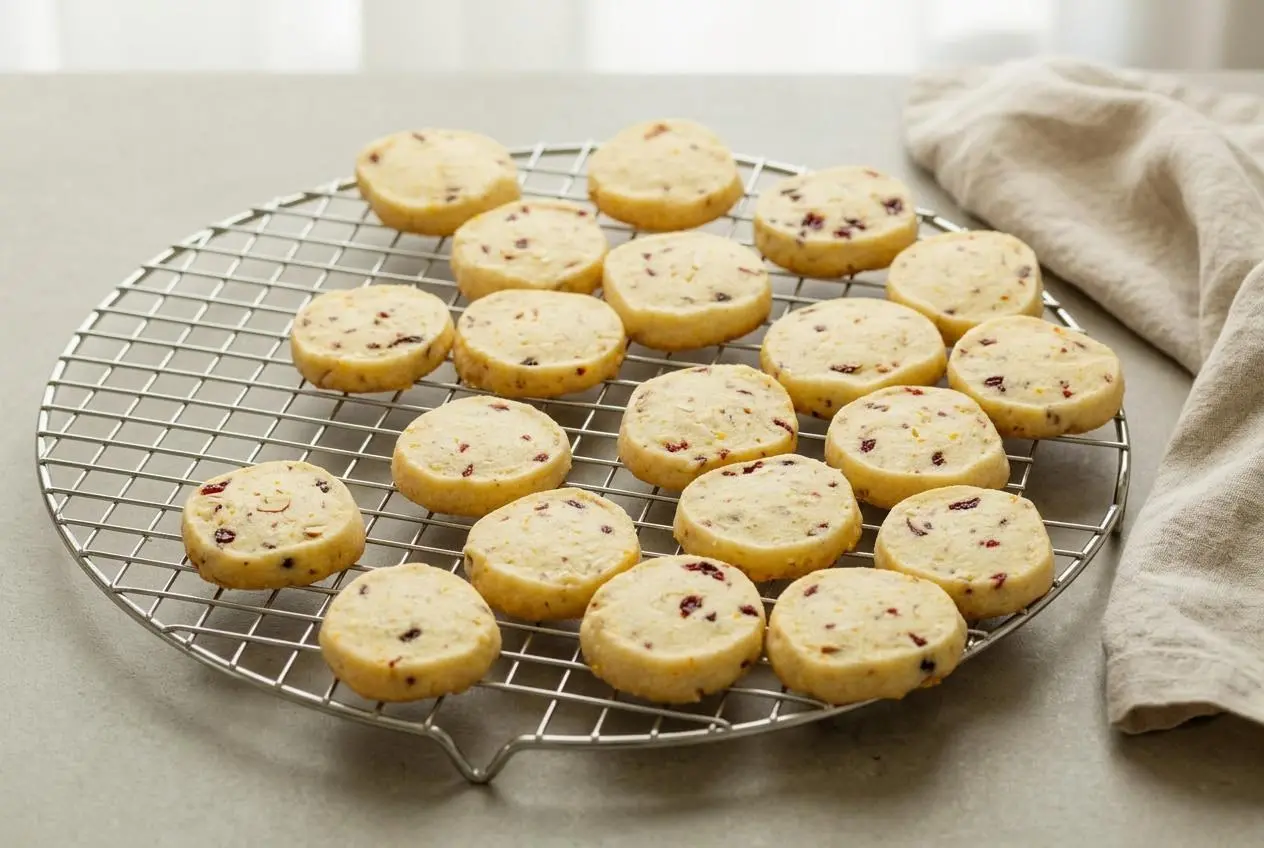
Let the cookies sit on the sheets for a few minutes, then move them to a wire cooling rack to cool completely. Right out of the oven they are delicate, but once they set, you’ll get that crisp snap and buttery crumble.
Secrets for a Perfect Crumb

The science of “short” dough: Shortbread is essentially a shortcrust style dough, meaning a high proportion of fat coats the flour and limits long gluten strands. In plain English, fat keeps the cookie tender and crumbly instead of stretchy and chewy.
There’s a neat, science-forward explanation of how fat inhibits gluten strands during mixing and baking. That’s exactly what you are controlling when you mix only until the dough is smooth.
Precision is key: Cups work, but shortbread rewards weight-based thinking. If you like to bake with a scale, think about 225g butter and 200g sugar as a helpful reference point, and keep the flour measurement consistent so the dough stays pressable.
Altitude adjustments: At higher altitudes, moisture evaporates faster, and shortbread can dry out before it sets. A small tweak like adding a teaspoon of water to the dough can help, and some bakers also nudge the oven temperature slightly higher to set the shape sooner.
The temperature rule: Butter must be softened, not melted, especially after browning. When it is properly softened, it creams with sugar into a light base that bakes up crisp, instead of pooling into a greasy puddle.
The same “butter controls crumble” idea shows up in a good homemade crumble topping, where fat and flour create that sandy, snappy bite. Thinking about shortbread this way makes the texture feel a lot more predictable.
Pro Tips & Troubleshooting
Pro Tips
- Docking helps when baking shortbread as a slab, a few fork pricks let steam escape and keep bubbles from forming.
- Use the spoon-and-level method for flour, fluff it, spoon it into the cup, then level, so the dough does not turn dry.
- If the dough looks stubbornly crumbly, warm hands can bring it together, a quick knead helps it form a cohesive ball.
- If you want extra insurance against sticking, parchment paper works nicely, especially if your cookie sheets run hot.
- For the cleanest texture, mix only until the flour disappears, a little restraint keeps the crumb tender.
Common Mistakes to Avoid
- Microwaving butter to “soften” it often melts the edges, and that partial melt can cause spreading and greasy cookies.
- Overmixing after the flour goes in builds structure like bread dough, and shortbread should never taste tough.
- Starting with cold butter prevents proper aeration during the creaming method, leading to dense cookies with less snap.
Serving & Storage

Creative Serving Ideas
I love these with Earl Grey, the bergamot plays beautifully with browned butter, and a dark roast coffee is equally cozy. For a dessert table, shortbread belongs next to other butter-forward classics like buttery pound cake, the textures complement each other in the best way.
For a grown-up finish, dip half of each cooled cookie in melted dark chocolate, then dust with flaky sea salt. They also make a dreamy base for Millionaire’s Shortbread, that crisp layer under caramel and chocolate is pure magic, especially alongside a slice of rich chocolate cake for chocolate lovers.
Storage and Make-Ahead Tips
Store fully cooled cookies in an airtight container at room temperature for up to two weeks. For food-safety minded guidance, resources on safe storage for cookies can help you match freshness with your kitchen’s conditions.
For make-ahead baking, freeze the raw dough for up to 3 months, wrapped well to prevent freezer odors. Thaw until it is pressable again, then bake as directed so you still get that delicate snap.
The Joy of the Perfect Shortbread
When these come out of the oven, the kitchen smells like toasted butter and warm vanilla, and the first bite gives you that clean snap before it melts away. Keep the butter properly softened after browning, stop mixing as soon as the dough comes together, and you’ll have shortbread cookies that feel like a little holiday, anytime.

Shortbread Cookies With Browned Butter

Equipment
- Electric Mixer
- Heat-safe bowl
- Cookie press
- Cookie sheets
- Wire cooling rack
Ingredients
- 2 cups butter, softened
- 1 cup white sugar
- 2 teaspoons vanilla extract
- 4 cups all-purpose flour
Instructions
Brown the Butter, Then Bring It Back to Softened
- Melt the butter over medium heat until it foams. Watch closely as it turns golden brown and smells like toasted nuts and caramel. Pour it into a heat-safe bowl to stop the cooking, then chill it until it returns to a softened, solid state that indents when pressed.
- While the butter is chilling, prepare your bowls and cookie sheets so you can move quickly once the dough is mixed.
Preheat and Cream for Airy Texture
- Preheat your oven to 350 degrees F (180 degrees C). Ensure the oven is fully heated so the cookies set properly before the butter can run.
- Combine the softened brown butter and sugar in a large bowl. Beat with an electric mixer on medium speed for 3 to 4 minutes until the mixture is pale and fluffy like frosting.
- Mix in the vanilla extract until fully incorporated and the batter is fragrant.
Finish the Dough, Press, and Bake
- Gradually add the flour, mixing only until the dough comes together and is smooth. Avoid overmixing to ensure a tender, crumbly texture.
- Pack the dough into a cookie press and press onto ungreased cookie sheets, spacing them about 1 1/2 inches apart.
- Bake at 350 degrees F (180 degrees C) for 10 to 12 minutes, or until the edges are just barely golden while the centers remain pale.
Cool Gently for a Clean Snap
- Let the cookies rest on the sheets for a few minutes before transferring them to a wire cooling rack to cool completely and set.