Roast ripe tomatoes at 450°F until softened and browned, combine them with sautéed onion, garlic, broth, and basil, then blend until smooth for a deeply flavored soup.
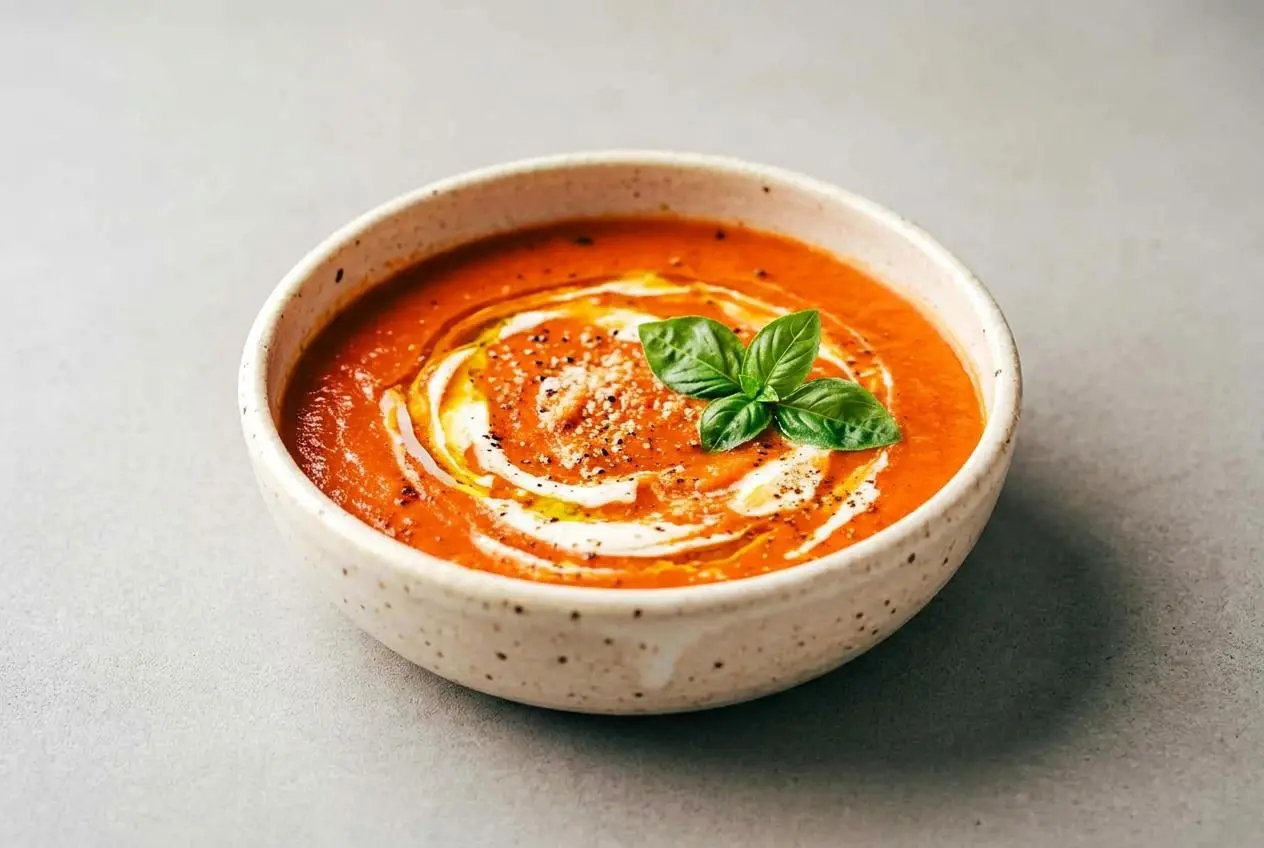
This roasted tomato soup turns ripe tomatoes into a warm, smoky bowl with concentrated sweetness, mellow garlic, and a fresh basil finish.
As the tomatoes collapse and their edges darken, the kitchen starts smelling like dinner is already solved. The silky orange-red finish is worth the blender cleanup.
Wash and dry the tomatoes before cutting so excess surface moisture does not dilute the roasting juices.
Why Roasting Tomatoes Creates Superior Soup
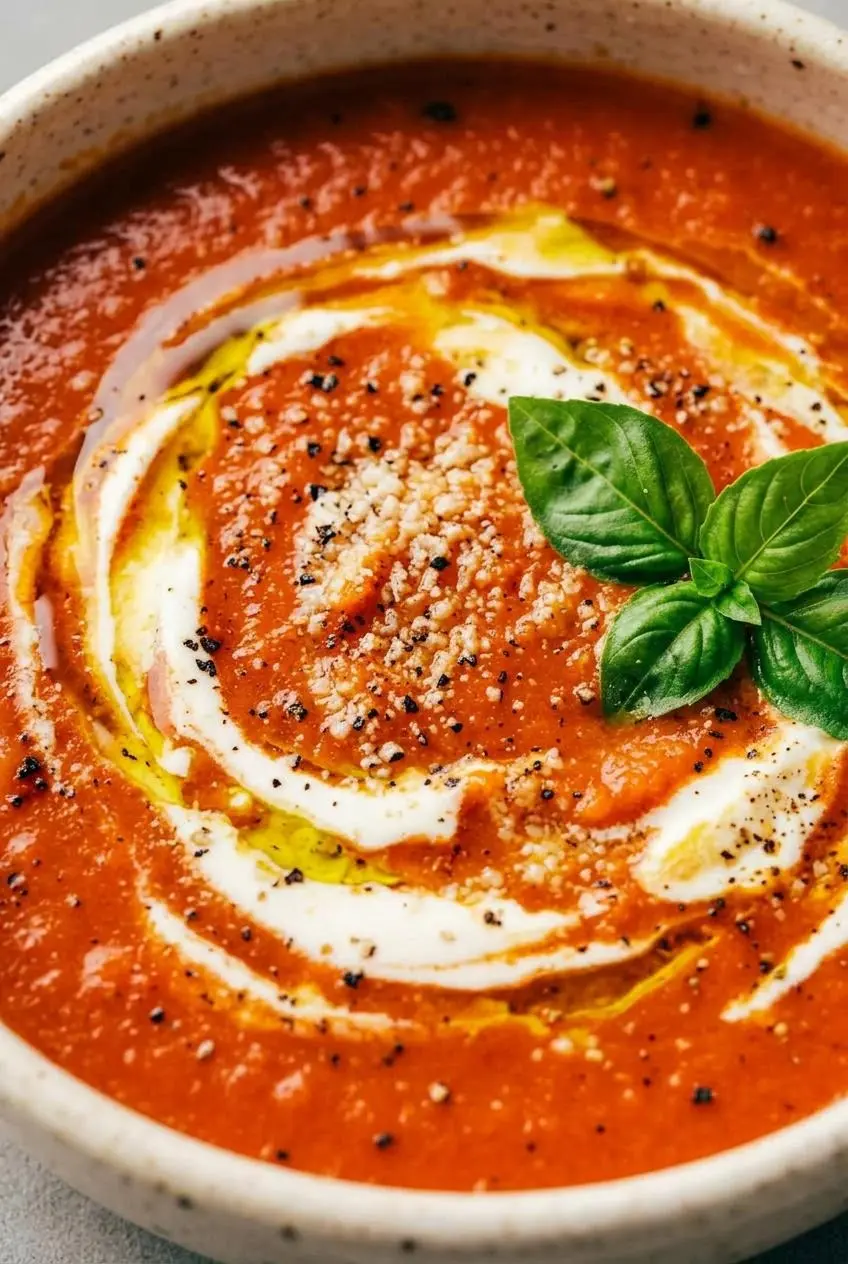
Roasting gives tomato soup the depth that simmering raw tomatoes alone cannot match. At 450°F, moisture cooks off quickly while the tomato sugars concentrate and caramelize around the edges.
The tomatoes should look collapsed, blistered, and a little wrinkled, with browned spots where their cut sides meet the pan. Those concentrated juices bring sweetness and savory richness without needing added sugar. Their skins also soften enough to blend smoothly into the soup.
High heat creates a fuller flavor because it reduces excess water before the tomatoes meet the broth. A classic homemade tomato soup made primarily on the stovetop can be comforting, but roasting gives this version a darker, richer tomato backbone.
Set the baking sheet on the center rack so hot air can circulate around the tomatoes. Crowding them into a deep pan traps steam, which softens them but limits the browned edges that make roasted soup taste special.
Essential Ingredients and Their Flavor Roles
Each ingredient shapes the soup’s balance: tomatoes create body and brightness, olive oil adds richness, aromatics build savory depth, and basil gives the finished bowl a clean herbal lift.
- 3 1/2 pounds ripe tomatoes (any small- to medium-sized tomatoes will do)
- 3 tablespoons olive oil (divided)
- fine sea salt and freshly-cracked black pepper
- 1 large white or yellow onion (diced)
- 5 cloves garlic (minced)
- 3/4 teaspoon smoked paprika
- 1/4 teaspoon crushed red pepper flakes
- 2 1/2 cups vegetable broth
- 1/2 cup loosely-packed fresh basil leaves
- optional toppings: freshly-grated Parmesan
Ripe tomatoes provide the main texture and their natural acidity. Olive oil helps their surfaces brown and later emulsifies into the soup for a rounder mouthfeel. Vegetable broth loosens the puree without covering the tomatoes, while smoked paprika adds gentle smokiness.
Fresh basil keeps the flavor from becoming too heavy. Add it with the tomatoes and broth rather than cooking it for a long time, so it stays fragrant. Parmesan is optional, but its salty nuttiness works beautifully over a warm bowl.
I choose tomatoes that feel heavy for their size and smell faintly fragrant near the stem; they usually roast into a fuller, sweeter puree.
Handle tomatoes on a clean board after washing them, and keep hands and surfaces clean while prepping fresh produce to help reduce contamination risks during cooking and handling.
Selecting the Right Tomato Varieties
Any ripe small or medium tomato works here, but mixing varieties can improve both body and sweetness.
- Roma and plum tomatoes: Dense flesh and lower water content make a thicker soup with less reduction needed. Their skins are moderately firm but soften well in the oven.
- San Marzano-style plum tomatoes: Meaty interiors and a balanced flavor create a smooth, concentrated base when they are ripe and fresh.
- Campari tomatoes: Juicier than Roma tomatoes, with bright sweetness and a thin skin that purées easily.
- Cherry tomatoes: High natural sweetness and delicate skins add jammy flavor. They are especially useful when larger tomatoes taste pale or under-ripe.
Cherry tomatoes also build the same sweet, concentrated character found in roasted cherry tomato sauce. Use them as part of the tomato mix rather than relying on unripe slicing tomatoes for the entire pot.
Aromatics, Herbs, and Seasoning Balance
Onion brings sweetness once it turns translucent, while garlic adds a sharper savory layer. Add the garlic after the onion has softened so it can perfume the oil without scorching. Smoked paprika gives the soup a gentle campfire-like depth, and crushed red pepper flakes provide background warmth rather than full heat.
The broth should support the tomatoes, not turn the soup into a generic vegetable purée. Taste after blending, then adjust with salt, black pepper, or a touch more smoked paprika. Basil belongs near the end of the cooking process, where its fresh green aroma can still come through.
Step-by-Step Cooking Method With Success Cues
- Heat the oven to 450°F, then quarter the tomatoes, or halve them if small, and place them cut-side up on a baking sheet with 2 tablespoons of olive oil, salt, and black pepper.
Roast for 30 to 40 minutes, until the tomatoes are very soft with blistered, caramelized edges, then set the baking sheet on a wire rack. - Warm the remaining 1 tablespoon olive oil in a large stockpot over medium-high heat and cook the diced onion for 5 minutes, stirring now and then.
The onion should soften and look translucent around the edges without taking on dark color. - Add the minced garlic, smoked paprika, and crushed red pepper flakes, then stir frequently for 2 minutes.
The spices should sizzle gently and smell warm and fragrant, while the garlic remains pale rather than browned. - Pour in the vegetable broth, fresh basil, and all roasted tomatoes along with the juices collected on the baking sheet.
Stir until the pot holds an even red mixture with the basil beginning to wilt into the hot liquid. - Blend the soup with an immersion blender until it reaches the texture you enjoy.
As the olive oil emulsifies, the color shifts from bright red toward a velvety orange-red and the soup becomes glossy. - Taste and adjust with more salt, black pepper, or smoked paprika, then ladle the soup into bowls and add Parmesan if desired.
The finished soup should taste rounded and smoky, with basil still noticeable beneath the roasted tomato flavor.
Safe Blending for Velvety Texture
An immersion blender is the easiest option because you can purée directly in the stockpot with less transferring. Keep the blender head submerged before switching it on, and move it slowly through the soup so it blends evenly without spraying hot liquid.
For a countertop blender, work in small batches rather than filling the jar high with hot soup. Remove the center cap from the lid, cover the opening loosely with a folded kitchen towel, and hold the lid in place while blending. Steam expands quickly in a sealed blender, so giving it a vent helps prevent pressure from forcing hot soup upward.
Blend until the soup is fully smooth for a creamy finish, or leave a few soft tomato flecks for a more rustic bowl. If the soup thickens more than you like after blending, loosen it gradually with broth rather than adding a large amount at once.
Troubleshooting Flavor, Acidity, and Texture
- Soup tastes too sharp or sour: Roast until the tomatoes have browned around the edges, since caramelization naturally softens harsh acidity. If it still tastes pointed, stir in 1/4 teaspoon baking soda. It may fizz and foam briefly as it reacts with the acid. Taste again before adding anything else. A small splash of aged balsamic vinegar or an optional swirl of cream can also round out the flavor.
- Soup is thin or watery: Juicy tomatoes can release more liquid than expected. Simmer gently until the soup reduces to your preferred consistency, stirring occasionally. For extra body without cream, blend in cooked white cannellini beans until smooth.
- Soup feels grainy: Continue blending, especially if the tomato skins have not fully broken down. A high-speed countertop blender creates the smoothest finish when used carefully, and a fine-mesh strainer can remove stubborn bits.
- Soup tastes bitter: Garlic or spices likely browned too much in the pot. Keep the heat at medium-high rather than cranking it up, and stir the garlic-spice mixture frequently during its brief cooking time.
- Soup tastes flat: Add salt in small increments and taste between additions. A little black pepper or smoked paprika can wake up the flavor without masking the tomatoes.
Storage and Reheating Best Practices
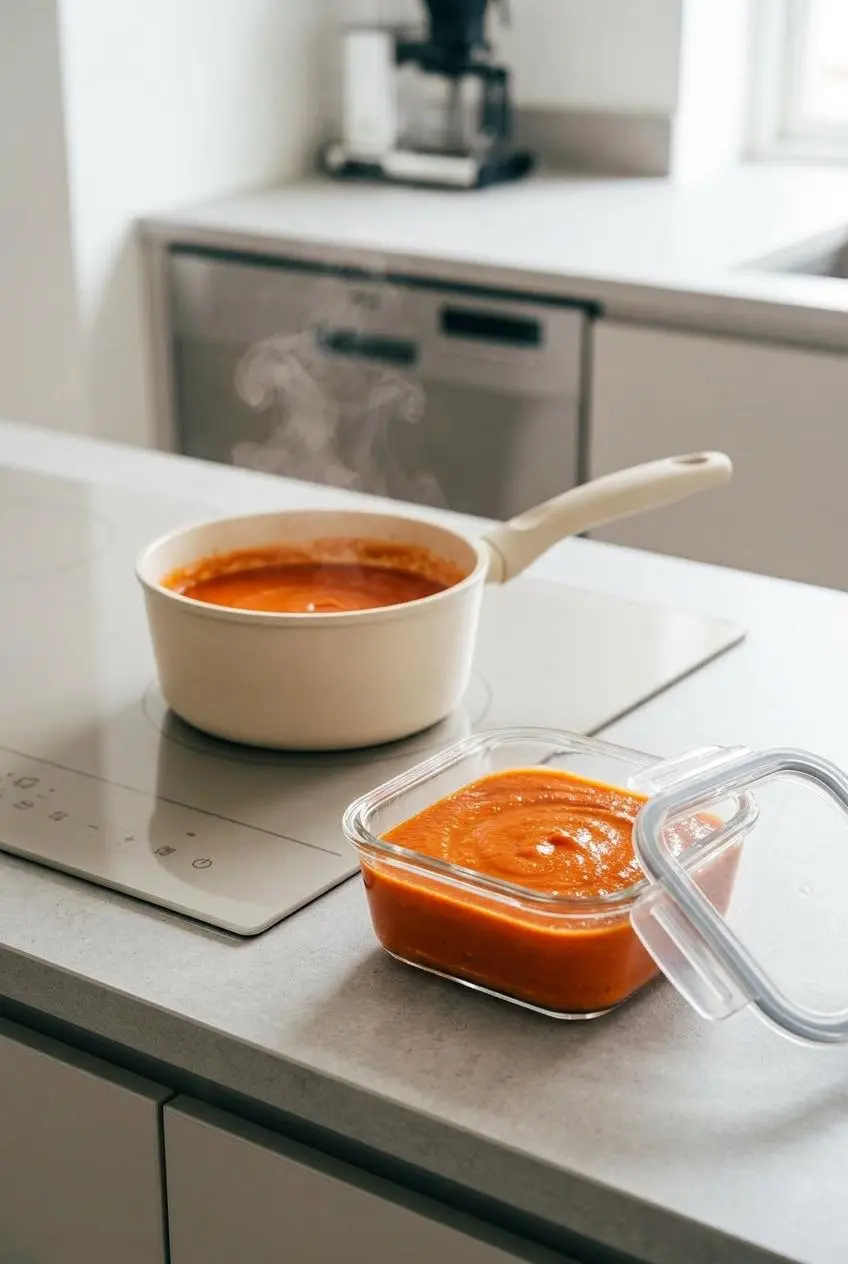
Let leftover soup cool before transferring it to clean, airtight containers and refrigerating it. Keep Parmesan and other fresh toppings separate, then add them after reheating so they retain their best texture and flavor.
Warm soup gently in a saucepan over medium-low heat, stirring often along the bottom. This protects the tomato solids from scorching and helps the basil flavor stay fresh. If the soup has thickened while chilled, add a small splash of broth as it warms.
Creamy additions can separate when held or reheated, so stir cream, yogurt, or plant-based alternatives in near the end of warming when possible. For portioned leftovers, reheat only what you plan to serve and keep the rest covered and chilled.
Delicious Serving Ideas and Variations
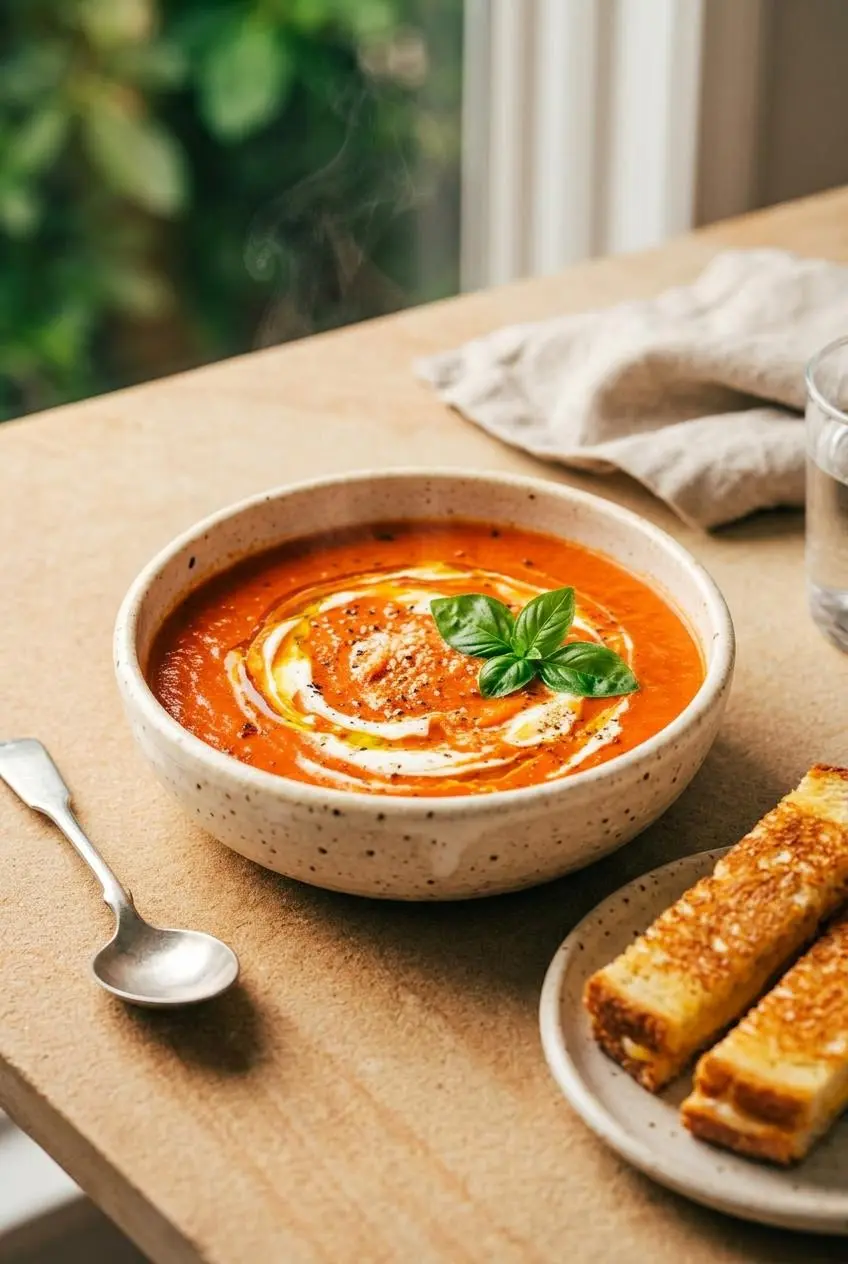
This soup makes a satisfying meal with something crisp, cheesy, or hearty alongside it. Keep the toppings simple enough that the roasted tomato flavor remains the focus.
- Grilled cheese dippers: Cut a crisp artisan sourdough grilled cheese into bite-sized pieces for dunking.
- Herb croutons: Add toasted bread cubes tossed with olive oil and dried herbs for crunch.
- Fresh finishing touches: Try torn basil, shaved Parmesan, cracked black pepper, or a drizzle of good olive oil.
- Protein boost: Top bowls with roasted chickpeas or crispy bacon for a more substantial dinner.
Creamy Roasted Tomato Basil Version
For a silkier finish, stir heavy cream, half-and-half, or whole-milk Greek yogurt into the hot soup after taking it off the heat. Add dairy gradually and avoid boiling afterward, which helps preserve a smooth texture in the acidic tomato base.
If you enjoy a more lush herb-forward bowl, this approach follows the same cozy direction as creamy tomato basil soup, while keeping the roasted tomatoes front and center.
Dairy-Free and Vegan Adaptations
The main soup is naturally vegan when you skip Parmesan. For optional richness, stir in full-fat canned coconut milk, cashew cream, or unflavored oat milk after blending. Coconut milk adds a subtle sweetness, while cashew cream gives the most neutral, creamy result.
Choose unsweetened plant-based additions so the tomato, basil, and smoked paprika remain balanced. A drizzle of olive oil and extra basil can provide plenty of richness without dairy.
Roasted Tomato Red Pepper Variation
For a sweeter, smokier variation, roast two seeded red bell peppers alongside the tomatoes. Their soft flesh blends into the soup easily and gives it a deeper red color with mild natural sweetness.
This version pairs especially well with grilled cheese or crisp croutons. Keep the same seasoning at first, then taste after blending before deciding whether it needs extra smoked paprika or salt.
Conclusion
Roasting transforms ripe tomatoes into a fuller, sweeter soup with smoky edges and a naturally rich texture. Fresh basil keeps every bowl bright, even after the tomatoes have developed deep oven flavor.
Pay attention to the browned edges, blend with care, and season only after tasting. A warm bowl and something crunchy on the side make an excellent plan for dinner.
Frequently Asked Questions
What Are the Best Tomatoes to Use for Roasted Tomato Soup?
Roma and plum tomatoes are excellent choices because their dense flesh makes a thicker soup. Fresh San Marzano-style tomatoes also offer meaty texture and balanced flavor. Mix in ripe cherry or Campari tomatoes when you want extra sweetness and softer skins. Avoid relying entirely on pale, under-ripe slicing tomatoes, which can taste watery and sharp after roasting.
How Do You Reduce Acidity in Homemade Tomato Soup?
Roast the tomatoes until their edges brown, which concentrates their natural sugars and rounds out the flavor. Stir in 1/4 teaspoon baking soda if the soup still tastes overly acidic. A brief bubbling reaction is normal. For a gentler finish, add a small splash of balsamic vinegar or an optional swirl of heavy cream. Taste after each adjustment so the soup stays balanced rather than overly sweet or muted.
Can I Use Canned Tomatoes if Fresh Tomatoes Are Out of Season?
Yes. Drain whole canned San Marzano tomatoes, toss them with olive oil, and spread them on a parchment-lined baking sheet. Roast at 425°F for 25 minutes before adding them to the onion, seasonings, broth, and basil. Canned tomatoes may be softer and more acidic than peak-season fresh tomatoes, so taste after blending and adjust the seasoning carefully.
Can You Freeze Roasted Tomato Soup?
For the best texture, keep the soup in airtight containers and add dairy only when warming a portion to serve. Freezing and thawing can affect the texture of creamy tomato soups, so a dairy-free batch is generally the better choice when you want to preserve the soup for later.
Roasted Tomato Soup

Equipment
- Immersion Blender
- Dutch oven
- Baking Sheet
Ingredients
- 3 1/2 pounds ripe tomatoes any small- to medium-sized tomatoes will do
- 3 tablespoons olive oil divided
- fine sea salt and freshly-cracked black pepper
- 1 large white or yellow onion diced
- 5 cloves garlic minced
- 3/4 teaspoon smoked paprika
- 1/4 teaspoon crushed red pepper flakes
- 2 1/2 cups vegetable broth
- 1/2 cup loosely-packed fresh basil leaves
- freshly-grated Parmesan optional toppings
Instructions
- Heat the oven to 450°F, then quarter the tomatoes, or halve them if small, and place them cut-side up on a baking sheet with 2 tablespoons of olive oil, salt, and black pepper. Roast for 30 to 40 minutes, until the tomatoes are very soft with blistered, caramelized edges, then set the baking sheet on a wire rack.
- Warm the remaining 1 tablespoon olive oil in a large stockpot over medium-high heat and cook the diced onion for 5 minutes, stirring now and then. The onion should soften and look translucent around the edges without taking on dark color.
- Add the minced garlic, smoked paprika, and crushed red pepper flakes, then stir frequently for 2 minutes. The spices should sizzle gently and smell warm and fragrant, while the garlic remains pale rather than browned.
- Pour in the vegetable broth, fresh basil, and all roasted tomatoes along with the juices collected on the baking sheet. Stir until the pot holds an even red mixture with the basil beginning to wilt into the hot liquid.
- Blend the soup with an immersion blender until it reaches the texture you enjoy. As the olive oil emulsifies, the color shifts from bright red toward a velvety orange-red and the soup becomes glossy.
- Taste and adjust with more salt, black pepper, or smoked paprika, then ladle the soup into bowls and add Parmesan if desired. The finished soup should taste rounded and smoky, with basil still noticeable beneath the roasted tomato flavor.