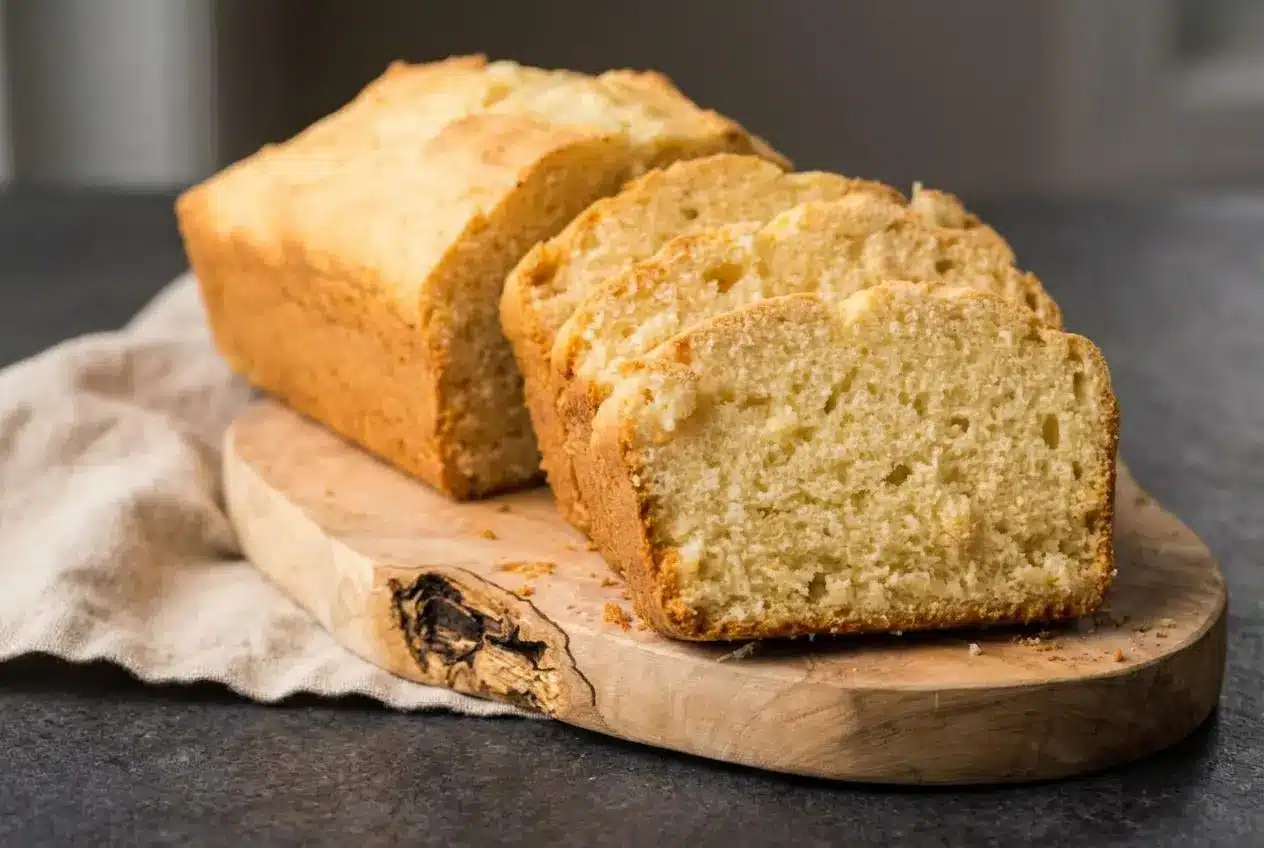
Golden, sugar-dusted ricotta zeppole are quick Italian fritters with ricotta mixed into the batter. Baking powder replaces yeast, so there’s no proofing, just a thick, scoopable mixture that fries into crisp outsides and tender centers.
These little Italian doughnut holes bring together creamy ricotta, vanilla, and a generous powdered sugar finish. The recipe takes 30 minutes total, with the zeppole cooking in batches rather than all at once.
The appeal is that first warm bite: a delicate crust giving way to a soft ricotta crumb. Gentle mixing and steady oil heat make the difference. Watch the batter, not just the clock.
Set your thermometer and paper towel-lined draining plate within reach before you begin frying.
Key Ingredients and Why Each One Matters
Each ingredient helps shape the texture and flavor: flour provides structure, ricotta brings moisture and richness, baking powder creates lift, and vanilla adds aroma. Salt balances the sweetness, while frying oil forms the golden crust and powdered sugar finishes it.
- 2 cups all-purpose flour
- 2 teaspoons baking powder
- 1 teaspoon salt
- 2 tablespoons granulated sugar
- 2 large eggs
- 1 cup ricotta cheese
- 1 teaspoon vanilla extract
- ½ cup milk (whole or 2%)
- vegetable oil (for frying)
- powdered sugar (for dusting)
Whole-milk ricotta is a useful choice for a rich flavor and moist crumb. Eggs bind the mixture, while milk loosens it enough to scoop. Small ricotta curds are fine; you don’t need to beat the wet mixture until every speck disappears.
Flour gives the fritters enough structure to hold their shape. Baking powder supplies lift without yeast or proofing, but that convenience means you should fry promptly after mixing. Sugar sweetens the batter lightly, leaving room for the powdered sugar coating.
Choose a neutral vegetable oil labeled for frying so its flavor doesn’t compete with the ricotta and vanilla. A candy or deep-fry thermometer gives you much better control than guessing from the surface of the oil.
I check the ricotta for pooled liquid before measuring; a soft mound tells me more about its moisture than the brand name does.
Does Your Ricotta Need Draining?
Ricotta moisture varies by brand and container. If yours holds a soft mound without a puddle of whey, it usually needs no extra attention. Cheese that spreads loosely or sits in visible liquid benefits from optional draining in a fine-mesh strainer.
Use reduced free liquid as the endpoint, not a fixed draining time. Keep the recipe’s 1 cup amount unchanged. Don’t compensate for watery cheese by adding extra flour or reducing the milk, since either change can alter the finished crumb.
How to Make Ricotta Zeppole Step by Step
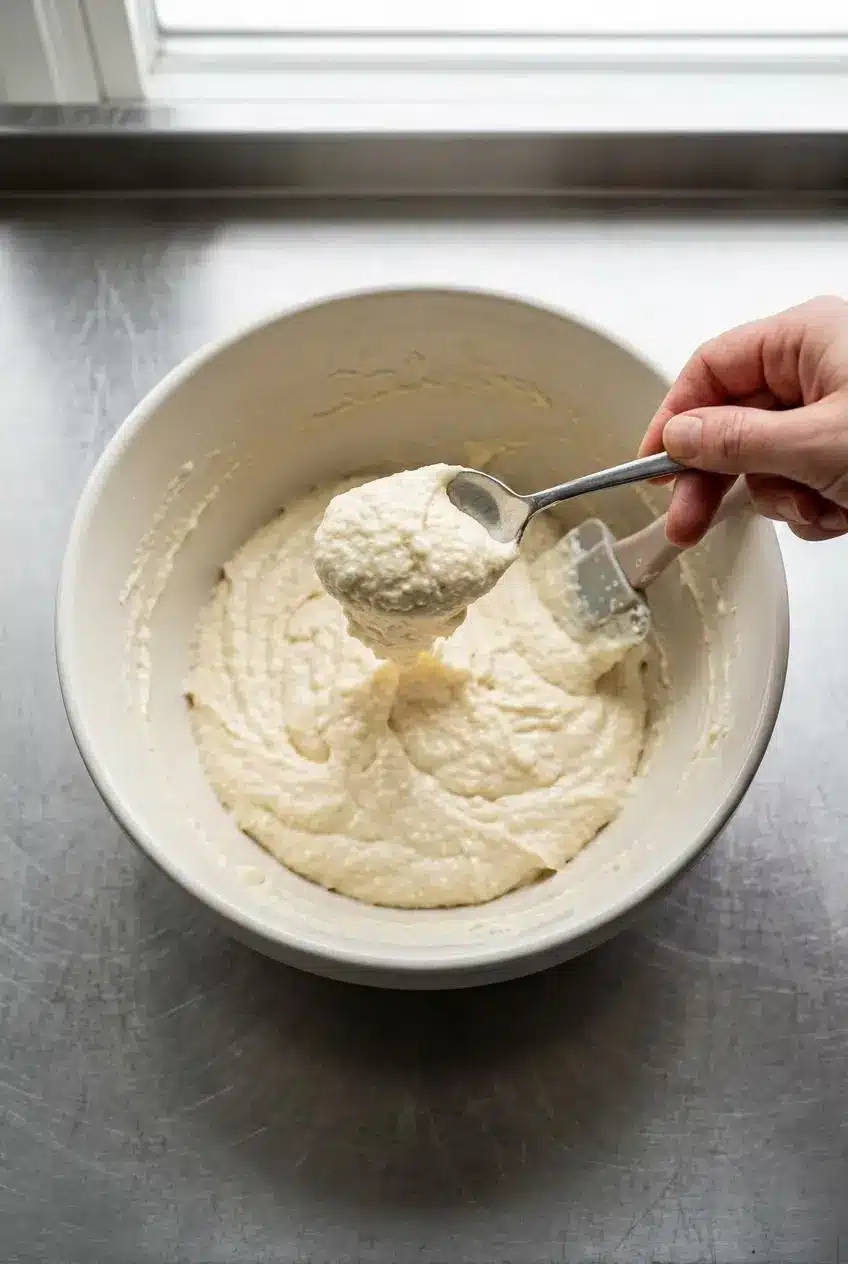
Separate mixing helps distribute the leavening evenly, and a light hand keeps the fritters tender. The finished batter should cling to a spoon and fall in sticky portions rather than pour in a stream.
Prep: 15 minutes · Cook: 15 minutes · Total: 30 minutes · Yield: 24 zeppole
- Distribute the baking powder, salt, and granulated sugar throughout the flour with a whisk in a large mixing bowl.
The dry mixture should look uniform, without visible pockets of baking powder. - Use another bowl to whisk the eggs with the ricotta, vanilla, and milk into an evenly blended mixture.
A creamy consistency is the goal, though small soft ricotta curds can remain. - Fold the wet mixture into the dry mixture gradually, stopping as soon as the flour disappears.
The combined batter should feel thick and sticky, with enough body to cling to the spoon. - Bring about 2 inches of vegetable oil to 350°F (175°C) in a deep, heavy-bottomed pot or skillet, monitoring it with a candy thermometer.
Keep the thermometer reading steady at the target before adding batter. - Release tablespoon-sized scoops into the oil with a small cookie scoop or two spoons, leaving room between them, and fry for 2–3 minutes per side while turning with a slotted spoon.
The portions should expand into puffed fritters with a golden-brown crust. - Lift each cooked fritter out with the slotted spoon and transfer it to a paper towel-lined plate.
Excess surface oil will drain away rather than collect beneath the crust. - Let the zeppole cool slightly before sifting powdered sugar generously over them.
The coating should remain visible instead of immediately dissolving against the hot surface. - Bring the zeppole to the table while they’re still warm.
The exterior will be at its crispest, with a soft, moist ricotta center.
Keep the portions consistent rather than aiming for perfectly round balls. A small spring-loaded scoop makes that easier, but two spoons work well too. Irregular little edges are part of the charm; oversized centers are harder to cook evenly.
Expert Frying Tips and Common Mistakes to Avoid
Most texture problems begin with oil temperature, portion size, or handling the batter too much. Change the cause for the next batch rather than trying to correct everything with extra frying.
How to Keep Oil Temperature Steady at 350°F
The target is 350°F, not a broad range. Hotter oil can brown the outside before the center cooks, especially when portions are too large. Adding batter lowers the temperature, so leave space between fritters and check the thermometer between batches.
Let the oil return to the target before adding more batter. Adjust the burner as needed rather than leaving it at one setting throughout. The pot retains heat, so a small adjustment can be more useful than a sudden jump to high heat.
Without a thermometer, a small drop of batter gives only a rough readiness cue: steady bubbling and gradual browning are more promising than weak bubbling or immediate darkening. Appearance cannot confirm an exact temperature, and this method calls for a thermometer. Never test hot oil with water.
Zeppole may rotate as they puff, but don’t rely on them to turn themselves. Use the slotted spoon to expose both sides to the oil.
Troubleshooting Greasy, Dense, or Raw-Centered Zeppole
- Greasy crusts: Cool oil or overcrowding can leave fritters heavy. Give the next batch more room and let the oil recover before scooping.
- Brown outside, wet inside: Excessive heat or oversized portions can cook the crust too quickly. Return to the target temperature and tablespoon-sized scoops.
- Dense fritters: Delayed frying can reduce lift because baking powder begins reacting after hydration. Fry the mixed batter promptly rather than setting it aside.
- Tough crumb: Too much stirring develops the flour’s structure. Stop combining as soon as no dry flour remains.
- Wet powdered sugar: A very hot surface melts the coating. Follow the slight-cooling step before dusting.
A moist ricotta crumb should still look set. Glossy, wet batter in the middle is different, and crust color alone doesn’t establish that the center has cooked. If the first fritter reveals an uncooked center, use that information to correct heat and portion size before continuing.
Ricotta Zeppole Flavors, Coatings, and Sweet Fillings
Keep these optional finishes separate from the batter recipe so you can choose between fragrant citrus, a different coating, or a creamy filling.
Bright Lemon Ricotta Zeppole
For an optional lemon variation, add finely grated fresh lemon zest to the wet mixture before combining it with the dry ingredients. Its fragrant oils brighten the rich ricotta without adding the extra liquid that lemon juice would bring.
Orange zest offers a rounder citrus aroma. Choose either direction without changing the milk quantity.
How to Fill Zeppole With Sweet Ricotta Cream, Jam, or Nutella
Ricotta already belongs in this batter; a filling is a separate optional finish. For sweet ricotta cream, mix additional drained ricotta with powdered sugar and vanilla until smooth, adjusting the sweetness to taste. A thick cream stays inside more easily than a watery one.
Let the zeppole cool before splitting and spoon-filling them, or pipe filling into a small opening. Nutella or a thick fruit spread, such as homemade peach jam, offers another optional direction. Use a restrained amount so the delicate fritter can hold it.
- Powdered sugar: Keep the classic finish by dusting after the zeppole cool slightly.
- Optional cinnamon sugar: Roll the fried zeppole while warm so the coating adheres.
- Optional filled finish: Add cream, jam, or Nutella after cooling rather than putting it into the raw batter.
Ricotta Zeppole vs. Yeast and St. Joseph Zeppole
The name covers several styles of Italian pastry, so ricotta isn’t a universal requirement.
- Ricotta zeppole: This quick, scoopable batter contains ricotta and uses baking powder for lift.
- Yeast zeppole: Festival versions, including styles associated with San Gennaro, use a risen yeast dough.
- St. Joseph zeppole: These use choux pastry, with cream commonly added as a filling or topping rather than ricotta mixed into this type of batter.
Serving Warm Zeppole and Reviving Leftovers

Freshly fried zeppole offer the strongest contrast between crisp crust and tender center. Plan to serve batches warm rather than holding everything until the last fritter leaves the pot.
Powdered Sugar, Dipping Bowls, and Coffee
Allow slight cooling before dusting, then set out optional bowls of warm chocolate sauce, honey, or fruit preserves. Espresso or strong coffee balances the sweet finish nicely.
For a brunch spread, blueberry ricotta breakfast cake provides a baked companion while you serve the zeppole fresh from the pot.
Can the Batter Wait?
Fully mixed batter isn’t a good make-ahead choice because waiting can reduce its lift. For smoother preparation, organize the equipment and measure ingredients separately before combining them.
This soft, sticky batter also isn’t suited to a direct air-fryer conversion. Hot oil surrounds each portion and quickly sets its shape; circulating air doesn’t support the loose mixture in the same way.
How to Store and Reheat Leftover Zeppole
Keep warm serving separate from leftover storage. Once cooled, place leftovers in a covered container and refrigerate rather than leaving them on the serving plate, especially if you’ve added ricotta cream. Expect the crust to soften.
For unfilled leftovers, gentle oven warming can help firm the exterior and warm the center, though it won’t recreate the fresh-fried texture. Add a fresh dusting after slight cooling if needed. Keep cream-filled zeppole chilled and avoid treating them like unfilled fritters when reheating.
Conclusion
Ricotta zeppole deliver a tender, rich center without yeast or proofing. Their golden crust and powdered sugar finish make them equally welcome at brunch or dessert.
Keep the batter thick, mix gently, and give the oil time to recover between batches. Serve them warm, with a little sugar and room for one more.
Frequently Asked Questions
Are Zeppoles Made With Ricotta?
Yes, this quick version includes ricotta directly in the batter. Other zeppole styles use yeast dough or choux pastry. An optional sweet ricotta filling is separate from the cheese already in these fritters.
Can I Make Ricotta Zeppole in the Air Fryer?
This batter isn’t suitable for a direct air-fryer conversion. It’s soft and sticky, and it needs surrounding hot oil to set its shape and puff as it cooks.
Can I Prepare the Zeppole Batter Ahead of Time?
Fry it promptly after mixing for better lift. You can organize equipment and measure ingredients separately beforehand, but storing the fully combined batter isn’t a good substitute for that preparation.
What Does Zeppole Mean in Italian and How Do You Pronounce It?
Pronounce it ZEP-oh-leh. The term refers to Italian fritters or fried pastries, with several regional styles rather than one single dough or filling.
How Do You Make Sweet Ricotta Filling for Zeppole?
Mix additional drained ricotta with powdered sugar and vanilla until smooth and thick. Spoon or pipe the optional cream into cooled zeppole; don’t take ricotta away from the batter to make it.
How Do I Store and Reheat Leftover Zeppole?
Keep cooled leftovers covered and refrigerated, with particular care for cream-filled ones. Gently warm unfilled zeppole in the oven to improve their texture, then cool slightly before dusting again. They won’t regain all their original crispness.

Ricotta Zeppole

Equipment
- Deep Fry Stainless Steel Thermometer
Ingredients
- 2 cups all-purpose flour
- 2 teaspoons baking powder
- 1 teaspoon salt
- 2 tablespoons granulated sugar
- 2 large eggs
- 1 cup ricotta cheese
- 1 teaspoon vanilla extract
- ½ cup milk (whole or 2%)
- vegetable oil (for frying)
- powdered sugar (for dusting)
Instructions
- Distribute the baking powder, salt, and granulated sugar throughout the flour with a whisk in a large mixing bowl. The dry mixture should look uniform, without visible pockets of baking powder.
- Use another bowl to whisk the eggs with the ricotta, vanilla, and milk into an evenly blended mixture. A creamy consistency is the goal, though small soft ricotta curds can remain.
- Fold the wet mixture into the dry mixture gradually, stopping as soon as the flour disappears. The combined batter should feel thick and sticky, with enough body to cling to the spoon.
- Bring about 2 inches of vegetable oil to 350°F (175°C) in a deep, heavy-bottomed pot or skillet, monitoring it with a candy thermometer. Keep the thermometer reading steady at the target before adding batter.
- Release tablespoon-sized scoops into the oil with a small cookie scoop or two spoons, leaving room between them, and fry for 2–3 minutes per side while turning with a slotted spoon. The portions should expand into puffed fritters with a golden-brown crust.
- Lift each cooked fritter out with the slotted spoon and transfer it to a paper towel-lined plate. Excess surface oil will drain away rather than collect beneath the crust.
- Let the zeppole cool slightly before sifting powdered sugar generously over them. The coating should remain visible instead of immediately dissolving against the hot surface.
- Bring the zeppole to the table while they’re still warm. The exterior will be at its crispest, with a soft, moist ricotta center.