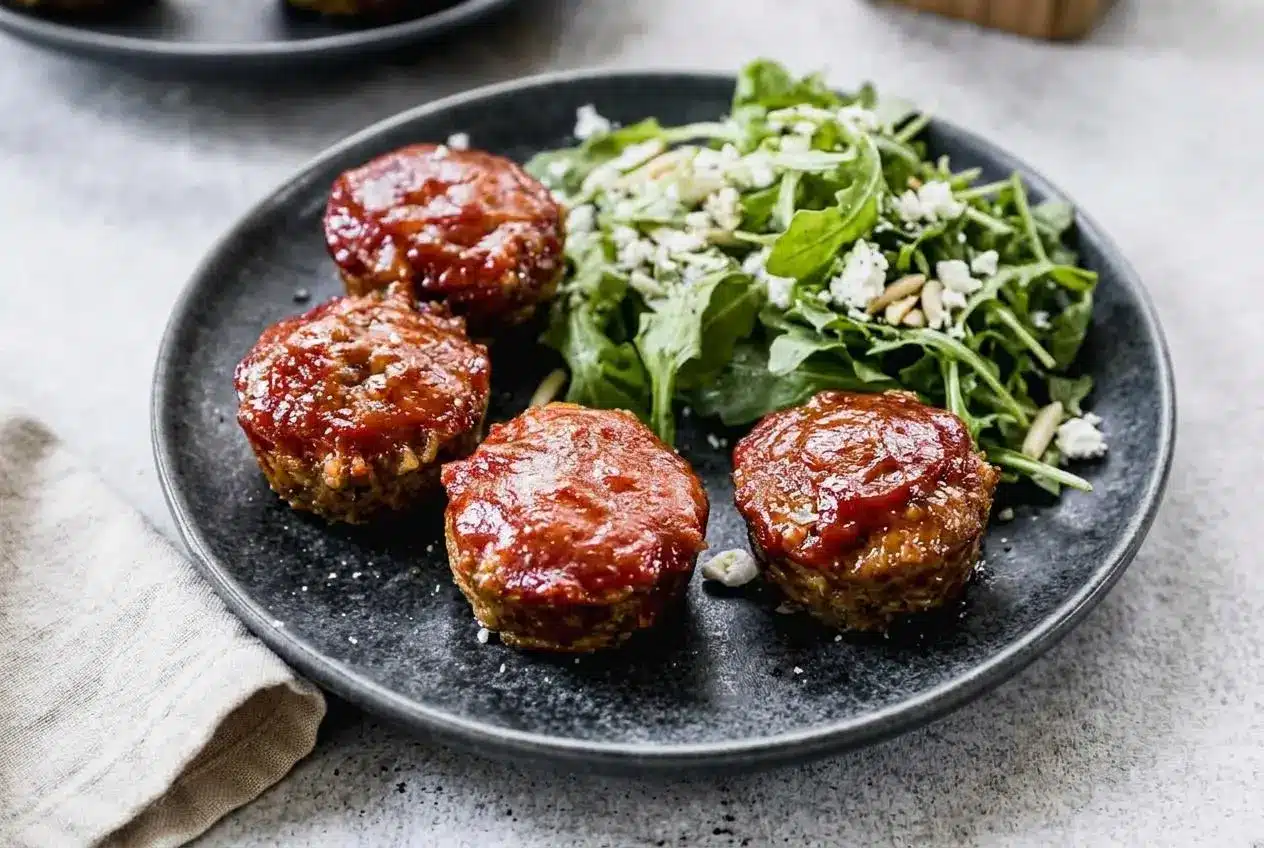
Mini meatloaves bake in a muffin tin at 350 °F for 25 to 30 minutes. Check the center with a thermometer, and cook ground beef to 160 °F before serving.
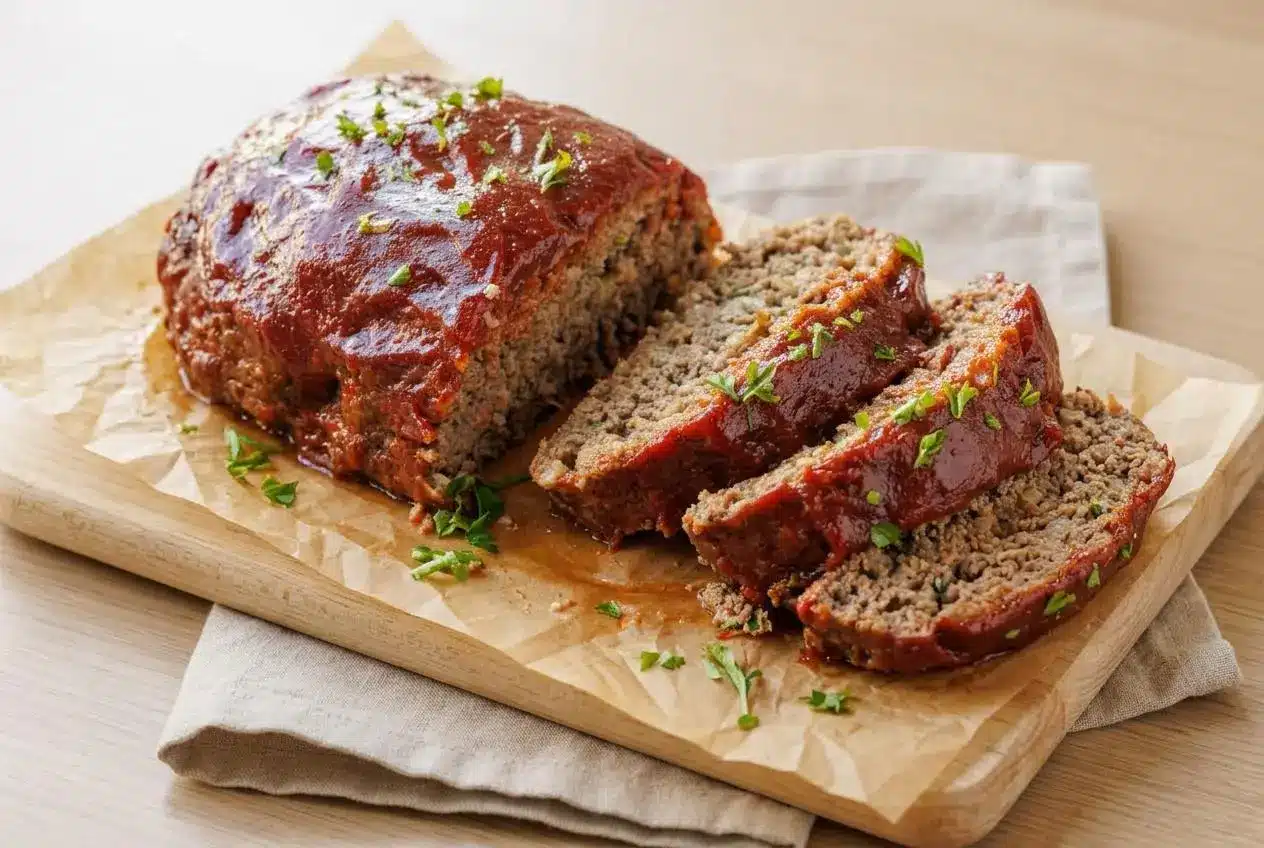
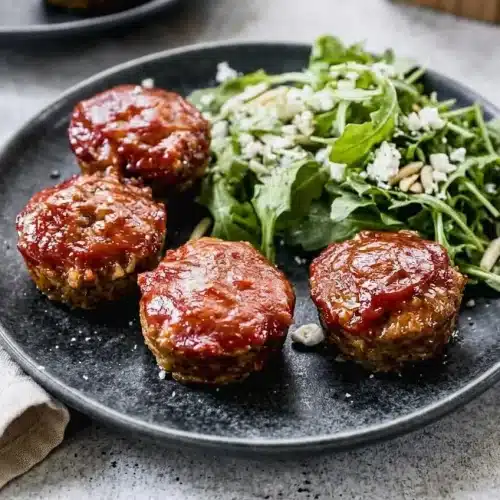
This mini meatloaf recipe turns classic comfort food into 12 tender, glazed portions with plenty of savory flavor in every bite.
The sweet ketchup glaze sets over gently rounded tops while the beef stays juicy underneath. The grease-blotting trick makes all the difference.
Set the muffin tin on a rimmed baking sheet if you want an easier transfer in and out of the oven.
Why These Mini Meatloaves Beat a Traditional Loaf
Individual portions solve the main challenge of a large meatloaf: the center takes much longer to cook than the edges. Muffin wells create smaller, evenly sized portions that finish faster and give everyone a share of the sticky-sweet glaze.
Compared with a full ground beef meatloaf, these mini portions are especially handy for busy dinners. They bake in roughly half the time, cool quickly enough to serve without a long wait, and make portioning easy for kids, lunch packing, or dinner for one.
The muffin tin also gives the meatloaves a soft, moist interior. Each cup holds the shape while the top edges brown lightly. There is no slicing, no crumbling loaf pan, and no argument over who gets the end piece with the most glaze.
Ingredients for Mini Meatloaf
Every ingredient contributes to a tender structure, savory depth, or the sweet-tangy glaze that balances the richness of the beef.
- 1 1/2 pounds lean ground beef (,or ground turkey (680 grams))
- 2/3 cup panko bread crumbs (, or regular breadcrumbs (100 grams))
- 1/2 cup onion (chopped, (70 grams))
- 1 Tablespoon barbecue sauce
- 1 Tablespoon mustard
- 1/2 teaspoon garlic powder
- 1 1/2 teaspoons chili powder
- 1/2 teaspoon salt
- 1/2 teaspoon freshly ground black pepper
- 1 egg (, lightly beaten)
- 1/3 cup light brown sugar (73 grams)
- 1/2 cup ketchup (120 grams)
- 2 teaspoon dijon mustard
- 1/4 teaspoon ground nutmeg
The beef brings richness, while panko and egg create a cohesive, tender crumb. Onion, barbecue sauce, mustard, garlic, and chili powder give the meat savory character without overpowering it. Brown sugar, ketchup, Dijon, and nutmeg form a glaze with sweetness, acidity, and gentle warmth.
I like to chop the onion quite finely so it softens into the meatloaf and does not leave large crunchy pockets in the finished portions.
Selecting the Best Meat Blend
Ground beef around 85/15 or 90/10 gives the best balance of flavor and moisture for muffin tin meatloaf. Beef with a little fat stays tender as it bakes, while very fatty beef can leave more rendered fat around the edges of each cup.
Lean ground turkey works as an optional swap, but it needs gentle handling because it can become dry when packed tightly or cooked beyond its target temperature. Keep the mixture loose and stop cooking as soon as the center is done.
Binders: Panko, Oats, and Panade
Panko breadcrumbs absorb flavorful juices released by the meat and help keep the texture tender instead of dense. The lightly beaten egg binds the mixture so each mini loaf holds together when lifted from the pan.
Do not knead the mixture as if it were bread dough. Mix only until the ingredients look evenly distributed, with no streaks of egg or piles of crumbs. Overmixing compresses the proteins and can make the texture firm and rubbery.
For a different meatloaf style, some cooks use a milk-soaked breadcrumb panade for extra softness. This version gets its structure from dry panko and egg, so keep that approach separate rather than changing the main mixture.
Certified gluten-free panko or finely ground rolled oats can replace regular panko in an optional gluten-free version. Use the same amount so the binder remains balanced.
The Sweet and Tangy Glaze Balance
The glaze works because its flavors pull in different directions. Brown sugar caramelizes lightly, ketchup adds familiar tomato tang, Dijon brings sharpness, and nutmeg adds a subtle warm finish behind the sweetness.
Wait to add the glaze until after the first bake. Sugar can darken too quickly if it spends the entire cooking time in the oven, while a later glaze layer stays glossy and clings to the meatloaf instead of slipping into the pan.
How to Make Mini Meatloaf in a Muffin Tin
- Heat the oven to 350 °F before preparing the meat mixture.
Starting with a fully heated oven helps the small loaves cook evenly from the beginning. - Stir the brown sugar, ketchup, Dijon mustard, and nutmeg together in a small bowl.
The glaze should look smooth and thick enough to coat the back of a spoon. - Combine the ground beef, panko, chopped onion, barbecue sauce, mustard, garlic powder, chili powder, salt, pepper, and lightly beaten egg in a large bowl.
Use clean hands, a meat chopper, or a large spoon and stop mixing as soon as everything is evenly combined. - Divide the mixture among the 12 muffin cups and shape each portion with a gentle rounded top.
A light dome keeps the meat tender and leaves room for rendered grease around the outer edge. - Bake the portions for 15 minutes, then remove the pan and blot visible grease from the tops with paper towels.
The tops should look set but will not yet be fully cooked through. - Spoon the glaze generously over each portion and return the pan to the oven for 10 to 15 minutes.
The glaze should look shiny and lightly set when the meatloaves are ready. - Let the mini meatloaves sit briefly in the pan before lifting them out and serving.
The resting time helps the juices settle so the portions stay moist when cut.
The two-stage bake protects the glaze and improves the finished texture. Blotting the surface after the first 15 minutes removes excess rendered fat without squeezing moisture from the meat itself, giving the sauce a clean surface to cling to.
Muffin Pan vs. Sheet Pan: Choosing Your Method
A muffin tin gives the most consistent portions, but a rimmed baking sheet can work when you prefer more browned edges. Choose the pan that matches the texture you want.
- Muffin tin: Each portion keeps a tidy shape with a moist, gently steamed interior. The wells collect rendered fat at the sides, so blotting before glazing matters.
- Rimmed baking sheet: Shape individual mini loaves with space between them for more exposed edges and deeper browning. Rendered fat can flow away more easily, but the outer surface can dry faster.
- Timing difference: Free-form loaves on a sheet pan may finish 3 to 5 minutes sooner than muffin-cup portions. Check the center rather than relying on the clock alone.
- Best everyday choice: Use the muffin tin when you want equal portions, a softer crumb, and easy serving.
Baking Time, Temperature, and Doneness Signs
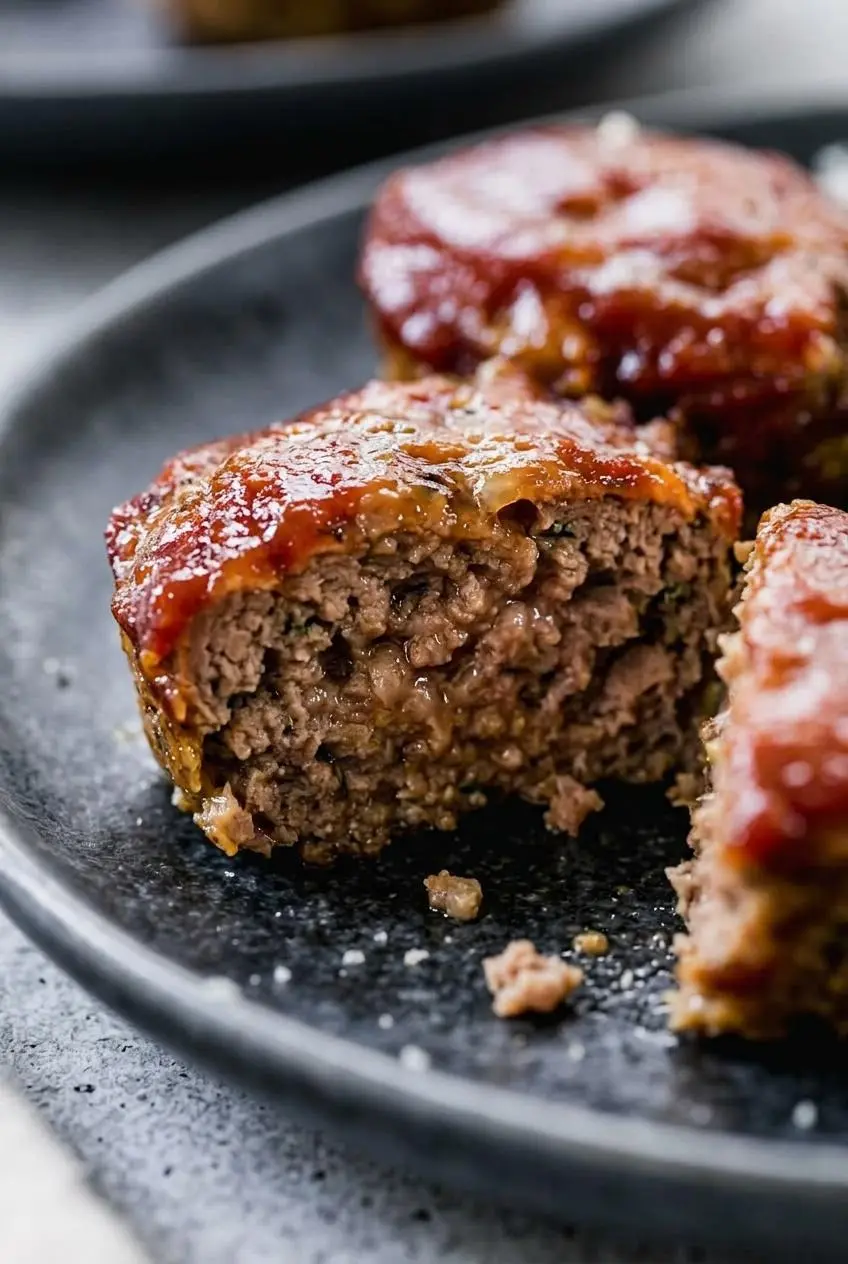
At 350 °F, mini meatloaves usually need 25 to 30 minutes total. At 375 °F, they generally finish in 20 to 25 minutes, although the higher heat can darken the sugary glaze faster. For this version, 350 °F gives the glaze time to set without scorching.
Use an instant-read thermometer in the center of one loaf instead of judging doneness by surface color. Ground beef should reach 160 °F, while ground turkey should reach 165 °F, as outlined for minimum internal cooking temperatures for ground meat and poultry.
The first 15-minute bake is where the grease management happens. Once the tops have set, blot away the visible fat, then add the glaze. This keeps the sauce from sliding off and helps it form a glossy, sweet-savory coating.
After baking, leave the loaves in the tin for 5 minutes before removing them. That short rest lets the juices settle and makes the portions easier to lift without breaking.
Pro Tips for Tender, Never-Dry Meatloaf
- Dense or tough texture: The meat was likely mixed or packed too firmly. Fold just until combined, then place it into the cups with a light touch.
- Greasy tops: Beef naturally releases fat as it cooks. Blot the top after the first bake, before adding the glaze, rather than trying to drain the entire muffin cup.
- Sticking to the pan: Lightly oil the muffin cups or use narrow parchment strips as handles. Heavy greasing can leave the bottoms oily, so a thin coating is enough.
- Dry edges: Avoid overbaking and use a thermometer in the center. The glazed tops may look deeply colored before the center reaches the right temperature.
- Runny glaze: Blot the meatloaves first, then spoon on the glaze in an even layer. A cleaner surface helps it stay in place.
- Crumbly portions: Make sure the egg and panko are distributed evenly through the beef. Those two ingredients provide the structure that holds each portion together.
Flavor Twists and Dietary Adaptations
Keep the core mixture as written, then use these optional changes when you want a different flavor or need an ingredient adjustment.
- Smoky apple cider glaze: Brush on an apple cider and smoked paprika glaze reduction during the final 10 minutes for a deeper tang and a warm, smoky finish.
- Cheddar center: Tuck a small cube of sharp cheddar into the middle of each portion before baking for a melted center. For another cheese-filled dinner idea, try stuffed meatloaf.
- Pork and beef blend: Replace part of the beef with ground pork for a richer, softer texture. Watch the rendered fat closely and blot before glazing.
Lean Ground Turkey Adaptation
Use 93/7 ground turkey in place of beef if you prefer a lighter option. Mix gently, shape with a loose hand, and check the center early so the turkey reaches its proper doneness temperature without drying out.
Turkey has a milder flavor, so the barbecue sauce, mustard, onion, and glaze become even more noticeable. The result is still savory and comforting, with a slightly leaner bite.
Gluten-Free Breadcrumb Substitutions
For gluten-free muffin tin meatloaf, replace the panko with certified gluten-free panko or finely ground rolled oats in a 1:1 ratio. Both choices help absorb juices and hold the portions together.
Check the labels on the barbecue sauce, mustard, ketchup, and Dijon as well. The meatloaves should still be mixed gently and shaped loosely so the gluten-free binder does not become compacted.
Handling Leftover Portions
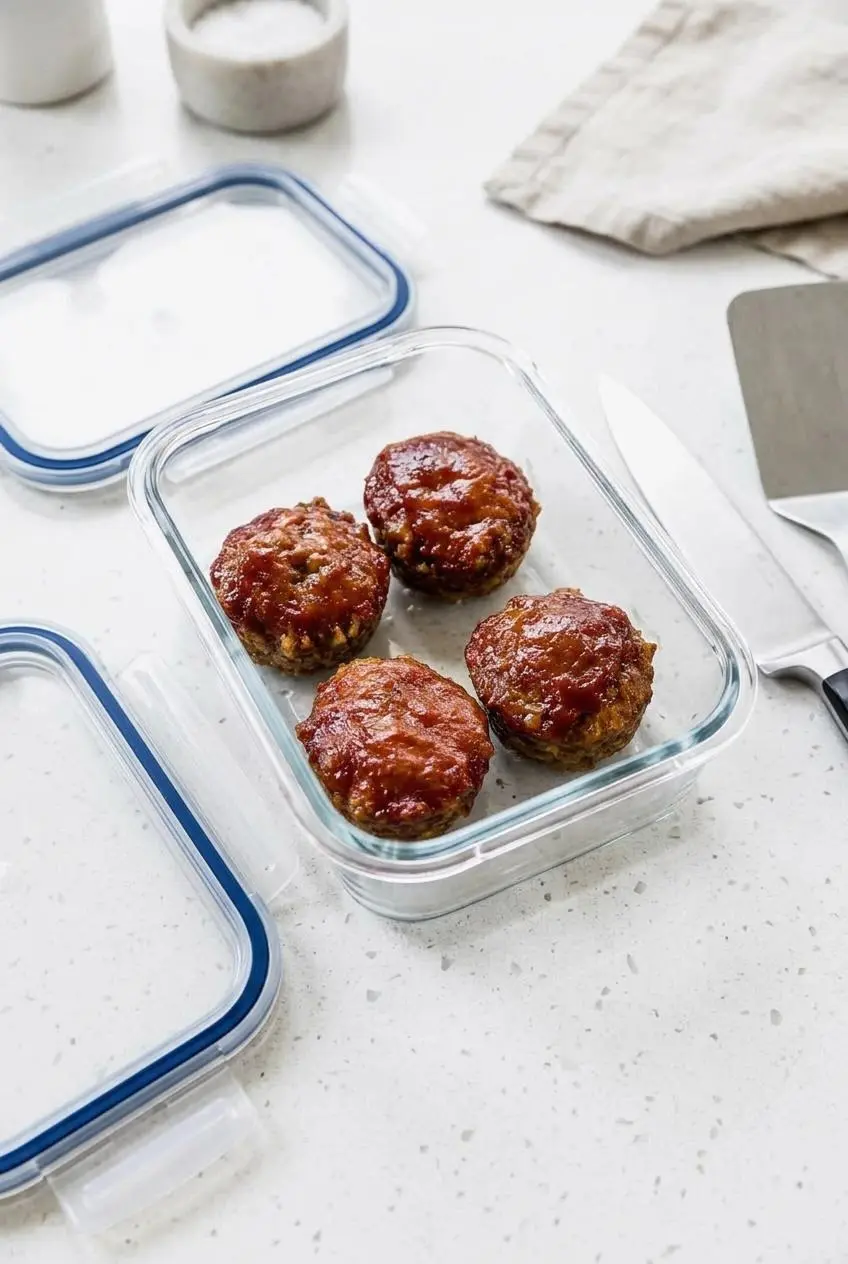
For meal planning, bake the portions, cool them promptly, and keep them covered in an airtight container in the refrigerator. Reheat a single portion gently, covered to hold in moisture, and add a little extra glaze if the surface looks dry.
This recipe does not include a tested freezing schedule, so avoid relying on an unverified freezer timeline. If you prepare portions ahead, keep raw meat chilled and cook it soon after shaping rather than leaving it out while assembling other parts of dinner.
For a quick lunch, slice a chilled mini loaf and tuck it into a small sandwich with lettuce and extra ketchup glaze. The individual size makes it especially convenient when you want meatloaf flavor without reheating a full dinner portion.
What to Serve with Mini Meatloaf
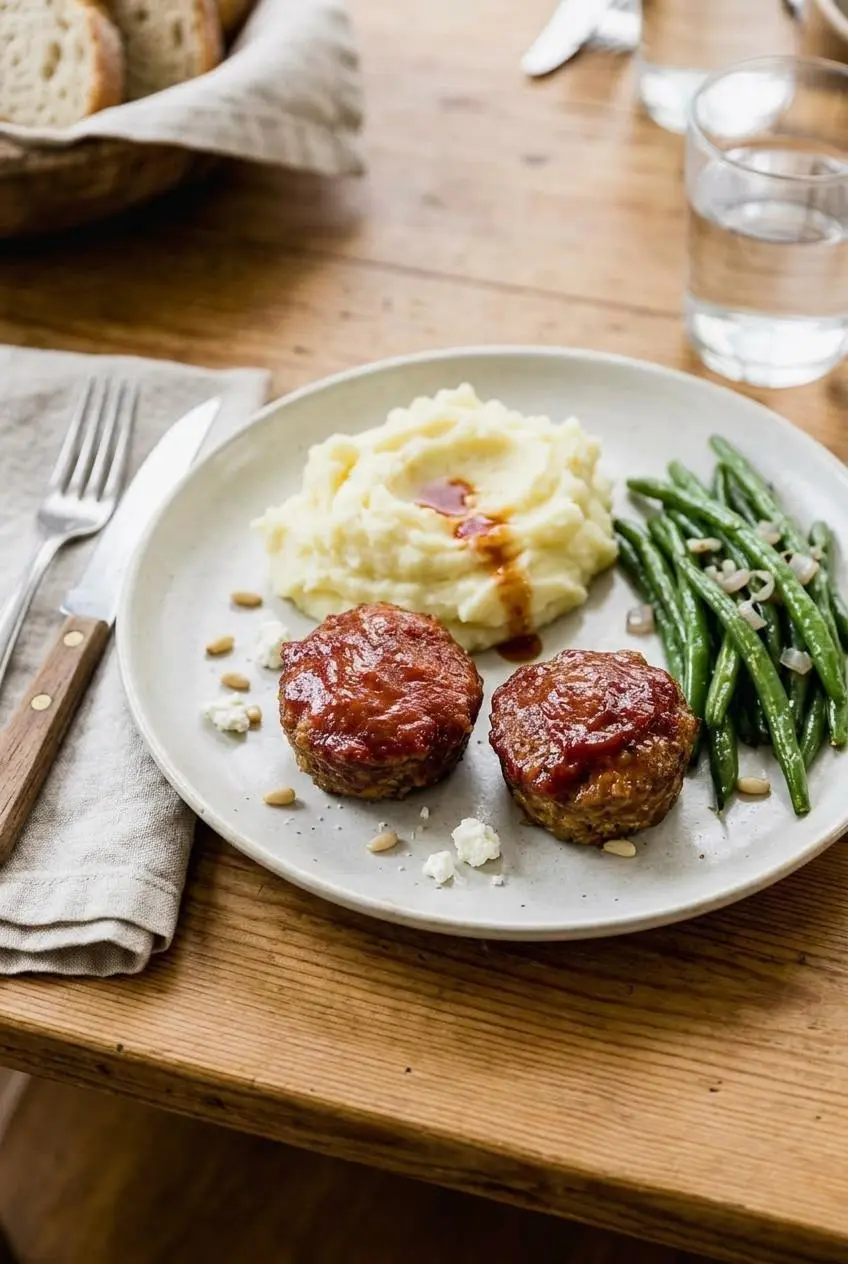
These glazed portions pair well with sides that can catch a little extra sauce. Build a classic comfort-food plate or add vegetables for a more balanced weeknight meal.
- Creamy garlic mashed potatoes make a soft, savory base for the glaze.
- Buttery roasted green beans add a fresh, crisp contrast.
- Steamed broccoli florets work well when you want a lighter vegetable side.
- Warm dinner rolls are useful for swiping up sauce from the plate.
- Crispy steak fries bring a hearty crunch that works especially well with the sweet-tangy topping.
Conclusion
Mini meatloaves bring all the cozy appeal of a traditional meatloaf to the table in quick, portioned servings. The tender beef, rounded muffin-tin shape, and sweet-savory glaze make them an easy fit for busy dinners.
Remember to blot the rendered grease before glazing so the sauce stays glossy and clings where it belongs. Serve them hot with your favorite comfort-food sides and enjoy the extra time you saved.
Frequently Asked Questions
How Long Do You Cook a Mini Meatloaf for in the Oven?
At 350 °F, mini meatloaves take 25 to 30 minutes total. Bake them for 15 minutes first, blot any visible grease, add the glaze, then finish baking until the centers are done. At 375 °F, they generally take 20 to 25 minutes. Use a thermometer in the center rather than relying only on the browned glaze.
How Do You Keep Mini Meatloaves From Falling Apart?
Use the egg and panko breadcrumbs as written because they bind the meat and absorb juices. Mix until the ingredients are evenly distributed, but do not knead the mixture. Let the loaves rest in the muffin tin for 5 minutes after baking. This helps them firm up before you remove them.
Can I Freeze Mini Meatloaves Before Baking?
This recipe does not include a tested freezing method or timeline for unbaked mini meatloaves. For make-ahead convenience, shape the portions shortly before cooking and keep the raw meat chilled until it goes into the oven. If you need leftovers for later meals, cool the baked portions promptly, store them covered in the refrigerator, and reheat gently to protect their moisture.
Why Did My Mini Meatloaf Muffins Turn Out Greasy?
Ground beef releases fat as it cooks, especially if the meat has a higher fat content. Choose 85/15 or 90/10 beef for a good balance of flavor and manageable rendered fat. After the first 15 minutes of baking, use paper towels to blot the visible grease from the tops. Add the glaze only after that step so it can stick and caramelize properly.
Mini Meatloaf Recipe

Equipment
- Standard 12-cup muffin tin
- Large Mixing Bowl
- Paper towels
- Meat Thermometer
Ingredients
- 1 1/2 pounds lean ground beef , or ground turkey (680 grams)
- 2/3 cup panko bread crumbs , or regular breadcrumbs (100 grams)
- 1/2 cup onion chopped, (70 grams)
- 1 Tablespoon barbecue sauce
- 1 Tablespoon mustard
- 1/2 teaspoon garlic powder
- 1 1/2 teaspoons chili powder
- 1/2 teaspoon salt
- 1/2 teaspoon freshly ground black pepper
- 1 egg , lightly beaten
- 1/3 cup light brown sugar (73 grams)
- 1/2 cup ketchup (120 grams)
- 2 teaspoon dijon mustard
- 1/4 teaspoon ground nutmeg
Instructions
- Heat the oven to 350 °F before preparing the meat mixture. Starting with a fully heated oven helps the small loaves cook evenly from the beginning.
- Stir the brown sugar, ketchup, Dijon mustard, and nutmeg together in a small bowl. The glaze should look smooth and thick enough to coat the back of a spoon.
- Combine the ground beef, panko, chopped onion, barbecue sauce, mustard, garlic powder, chili powder, salt, pepper, and lightly beaten egg in a large bowl. Use clean hands, a meat chopper, or a large spoon and stop mixing as soon as everything is evenly combined.
- Divide the mixture among the 12 muffin cups and shape each portion with a gentle rounded top. A light dome keeps the meat tender and leaves room for rendered grease around the outer edge.
- Bake the portions for 15 minutes, then remove the pan and blot visible grease from the tops with paper towels. The tops should look set but will not yet be fully cooked through.
- Spoon the glaze generously over each portion and return the pan to the oven for 10 to 15 minutes. The glaze should look shiny and lightly set when the meatloaves are ready.
- Let the mini meatloaves sit briefly in the pan before lifting them out and serving. The resting time helps the juices settle so the portions stay moist when cut.