On weekday mornings, my kitchen runs on pure momentum, coffee in one hand, lunch in the other. A mason jar salad sounds like the perfect meal prep hero, until you open it midweek and the greens are limp and sad.
After plenty of trial and error, I learned the mason jar salad is less “dump and go” and more simple kitchen science. When you layer it with intention, you get a crisp, bright lunch that stays fresh for days, and it looks downright gorgeous on the fridge shelf.
Why You’ll Love This Recipe
The Grain-Barrier Seasoning Method: In my kitchen, the biggest breakthrough was seasoning cooked grains with a tiny slick of olive oil and citrus zest, it creates a moisture shield that helps keep everything snappy instead of soggy.
Five-day meal prep that still tastes alive: With the right layering in a wide-mouth mason jar, you can prep once and eat well all workweek, the greens stay perky and the vinaigrette behaves.
Built-in balance: The structure naturally nudges you toward sturdy vegetables, protein, grains, and leafy greens, so the jar eats like a real lunch, not a “desk snack.”
Pretty enough to crave: Those vertical layers are not just for show, they make healthy choices feel easy when you can actually see the colors.
Ingredients and Substitutions

This ingredient list is intentionally simple, it’s a flexible template you can repeat all week. Think in layers: wet at the bottom, sturdy in the middle, and leafy greens packed on top.
Ingredients
- 2-3 tbsp salad dressing
- 1/2 cup sturdy vegetables
- 1/2 cup protein
- 2 tbsp cheese
- 1/4 cup cooked grains
- 2 tbsp extras
- 1 1/2 cups leafy greens
Ingredient Notes & Substitutions
Sturdy vegetables: Think carrots, bell peppers, chickpeas, or chopped broccoli, they hold their shape and won’t weep into the jar. Save softer, watery vegetables like cucumbers and tomatoes for higher layers, or eat them same-day.
Protein: Grilled chicken, salmon, hard-boiled eggs, and baked tofu all work beautifully. I reach for something well-seasoned because it perfumes the whole jar as it chills.
Leafy greens: Kale is the tank of the leafy greens world and stays crisp for days, while spinach is tender and more delicate. Hydroponic lettuce can be wonderfully clean and crisp, but it bruises easier, so pack it snugly and keep it bone-dry.
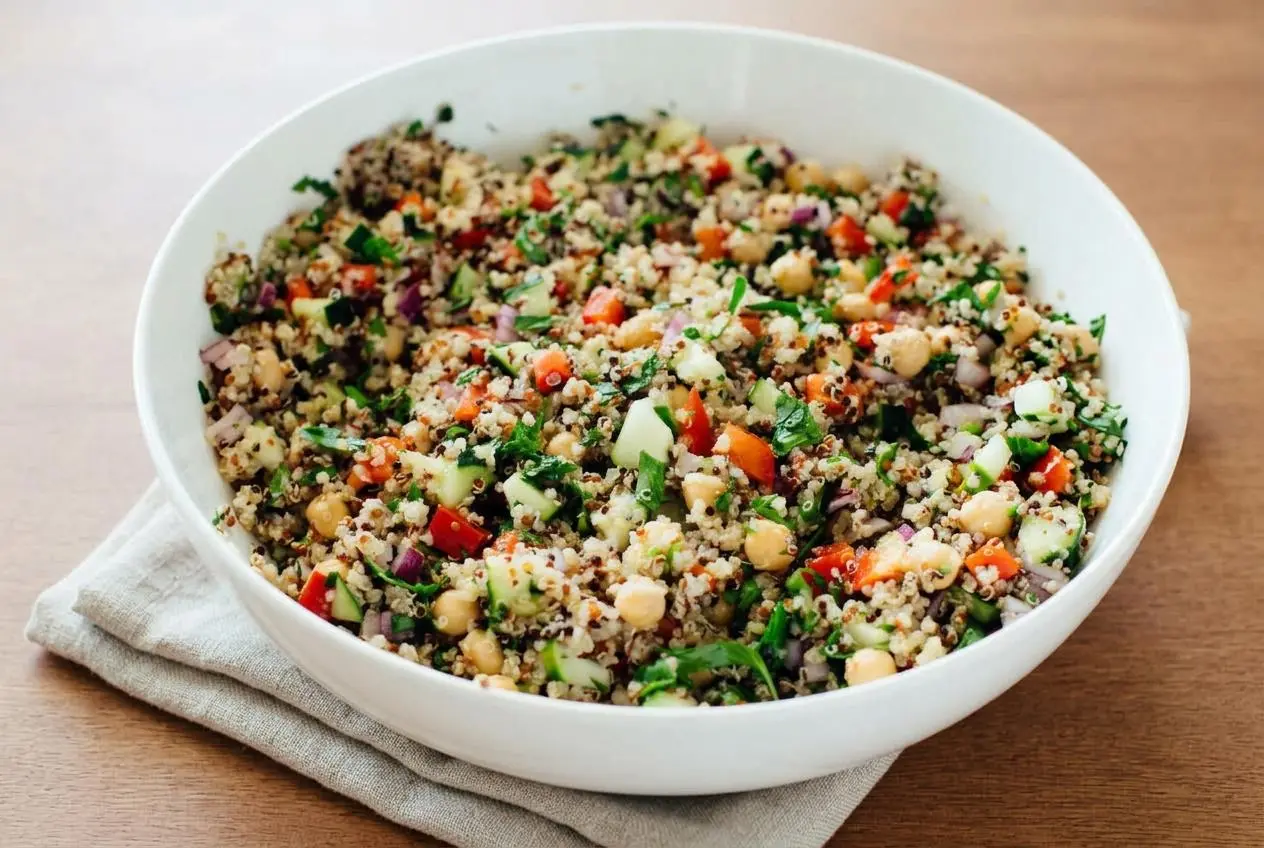
Cooked grains: Quinoa, farro, or rice are all fair game, as long as they’re fully cooled before they go in. Warm grains create steam, and steam is the sworn enemy of crisp salad.
Cheese: Crumbled feta, shredded cheddar, or grated Parmesan each give a different vibe. If you’re skipping dairy, you can lean on extra seeds or a punchier dressing for that “finish.”
Extras: Nuts and seeds bring crunch, but they soften if they sit in humidity. If you want them ultra-crisp, keep them separate and add right before eating.
How to make mason jar salad
Build the flavor base
Start with a wide-mouthed 32-oz mason jar and pour the dressing straight into the bottom. You want that glossy puddle to stay put, so it only touches ingredients that can handle it.
Layer the sturdy middle
- Spoon in your sturdy vegetables so they sit directly on the dressing, this is your physical barrier against sogginess.
- Add the protein next, then sprinkle in the cheese, so the jar already smells savory before you even add greens.
The grain barrier and the greens cap
- Toss your cooked grains with a tiny bit of oil and citrus zest, then add them as a fragrant, zippy “seal” in the middle.
- Scatter in your extras, then pack the remaining space tightly with leafy greens, about 1 1/2 cups, pressing gently to reduce airy pockets.
Seal and chill
Close the jar with a lid and refrigerate immediately. When you open it later, the greens should look dry and vibrant, not shiny or damp.
The Secret to Professional Freshness

Five-day shelf life starts with a clean jar, not just a quick rinse. I wash with hot soapy water, rinse well, and let it air-dry fully so no hidden moisture clings to the glass.
For extra peace of mind during meal prep, basic sanitizing food-contact surfaces practices reduce cross-contamination risks. It’s the unglamorous step that keeps your fridge lunches dependable.
If you must eat straight from the jar, use my “centrifuge” shake: hold the jar upright, leave a little headspace, and shake in short, confident pulses. You’re aiming to pull dressing upward without slamming the greens into paste.
Dressing ratios matter more than people think. Tender greens like arugula need less dressing because they wilt quickly, while tougher leafy greens like kale can handle more without collapsing.
Kale gets special treatment in my kitchen. I massage it with a drop of oil until it turns darker and feels a bit silky, then layer it in, that small step softens the fibers so each bite feels pleasant instead of chewy.
When your sturdy vegetables include chickpeas, you get bonus body and staying power in the jar, and the nutritional profile of chickpeas helps explain why they’re so satisfying. They also act like little sponges for flavor, especially near a tangy vinaigrette.
Pro Tips & Troubleshooting
Pro Tips
- Stick with 32 oz wide-mouth mason jar sizes, they’re easier to fill and empty without a mess.
- Plastic lids are worth it because acidic vinaigrette can rust metal lids over time.
- Cool cooked proteins and cooked grains completely before layering, trapped heat creates steam that wilts leafy greens.
- Dry greens aggressively with a salad spinner or paper towels, moisture control is everything.
- Pack the greens firmly to minimize air pockets and slow oxidation during anaerobic storage.
- When you want a hearty, sturdy-veg layer idea, cowboy caviar holds up beautifully for days. It stays punchy and crisp, even near dressing.
Common Mistakes to Avoid
- Letting dressing touch the leafy greens from the start, it breaks the whole barrier system.
- Putting soft vegetables too low where they can leak water and turn everything limp.
- Storing jars horizontally in a bag, they must stay upright to protect the dressing foundation.
- Overfilling the jar so there’s no room to shake or tumble into a bowl later.
- Using narrow-mouth jars that trap ingredients, making you stir and crush the greens.
Serving & Storage Advice

Serving Ideas
The best eating experience is dumping the jar into a big bowl, then tossing so every leaf gets lightly dressed. The textures stay crisp, and you actually taste the layers you built.
A final squeeze of lemon or a handful of fresh herbs wakes everything up right before lunch. If you love maximum crunch, add croutons on the day you eat, not before.
If you’re into bold Southwest flavors, Southwestern pasta salad makes a great meal-prep companion for the week. It scratches the same zesty itch when you want a break from greens.
Storage and Make-Ahead Instructions
Stored cold and upright, these jars keep a reliable 5-day shelf life in the fridge. The two big factors are dryness and that layered, low-air structure that slows spoilage.
Avocado can work, but it needs strategy. Toss cubes with lime juice, then “bury” them in the middle layers away from oxygen, usually between protein and grains.
For the freshest results, the science behind avocado postharvest handling explains why browning accelerates with air exposure. Keeping it tucked inside the jar and chilled makes a noticeable difference.
Freezing is a no-go for most mason jar salad builds, the water in vegetables expands and the texture turns mushy when thawed. If you want freezer prep, freeze cooked grains and proteins separately, then build fresh jars later.

Master The Mason Jar Salad: The Grain-barrier Secret

Equipment
- 32 oz wide-mouth mason jar
- Plastic mason jar lid
Ingredients
- 2-3 tbsp salad dressing
- 1/2 cup sturdy vegetables carrots, chickpeas, or broccoli
- 1/2 cup protein grilled chicken, salmon, or tofu
- 2 tbsp cheese feta, cheddar, or parmesan
- 1/4 cup cooked grains fully cooled quinoa, farro, or rice
- 2 tbsp extras nuts or seeds
- 1 1/2 cups leafy greens kale, spinach, or hydroponic lettuce
Instructions
Build the flavor base
- Pour your favorite salad dressing directly into the bottom of a clean 32-oz wide-mouth mason jar, ensuring the liquid stays at the base.
Layer the sturdy middle
- Add the sturdy vegetables like carrots or chickpeas first. These act as a physical moisture barrier to protect the other ingredients from the dressing.
- Spoon in your chosen protein followed by the cheese. This keeps the savory elements in the center of the jar.
The grain barrier and the greens cap
- Toss your fully cooled cooked grains with a small amount of oil and citrus zest, then add them to the jar to create a fragrant seal.
- Scatter your extras on top of the grains, then pack the leafy greens tightly into the remaining space, pressing down gently to remove air pockets.
Seal and chill
- Close the jar tightly with a lid and refrigerate immediately. Store upright until you are ready to serve.
Notes
Nutrition
Conclusion
Once you taste a mason jar salad that’s still crisp on day five, it’s hard to go back. The Grain-Barrier Seasoning Method is the little chef trick that keeps the middle layers bold, fragrant, and protected from moisture.
Keep the template, swap the flavors, and let your fridge become your best lunch plan. When you want a grain-forward spin, Mexican quinoa salad fits right into this same layering logic.