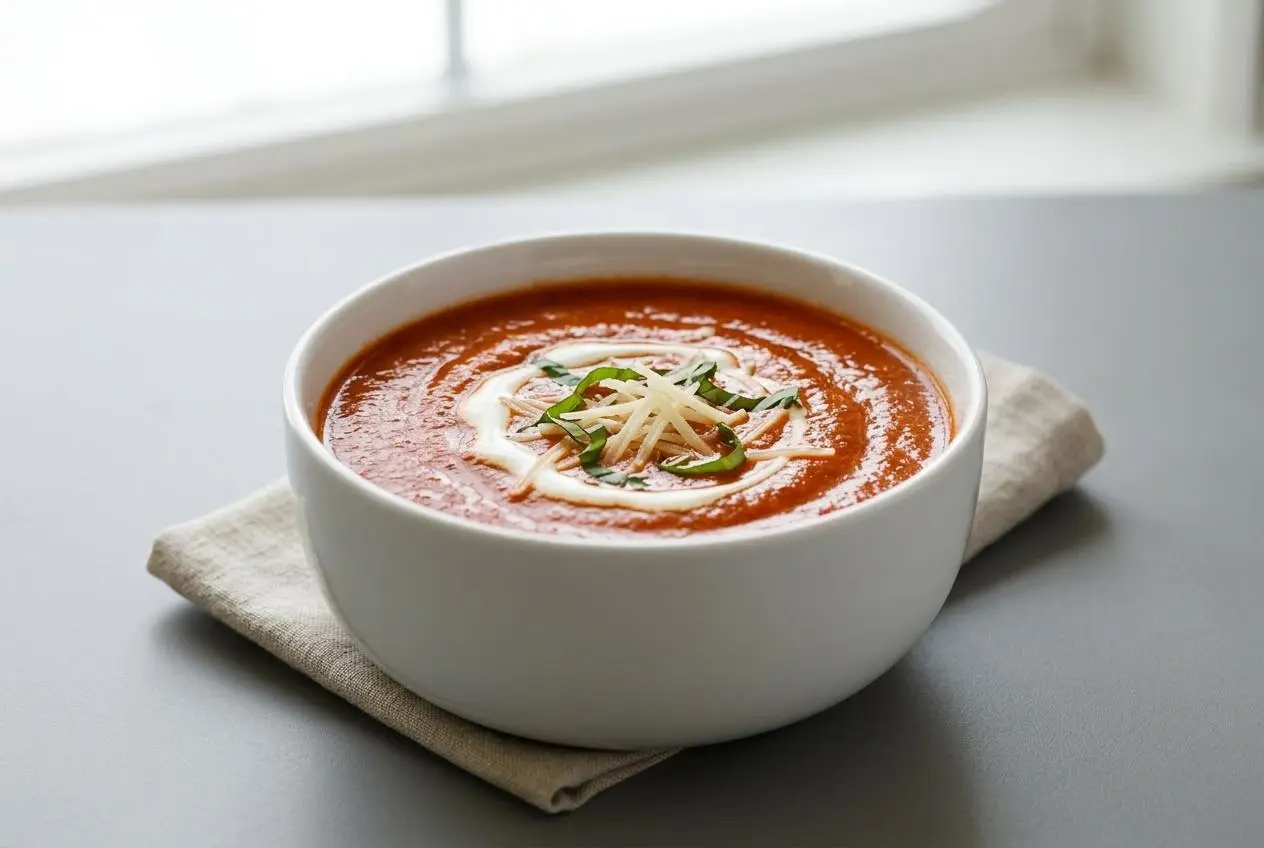
Roast ripe tomatoes, garlic, onion, and bell pepper at 450°F, then blend them with chicken broth and fresh herbs for a smooth, deeply flavored soup. Finish with optional cream for extra richness.
Homemade tomato soup gets its cozy, savory flavor from high-heat roasting, which concentrates the tomatoes while softening their sharp edges. Garlic and onion turn fragrant and sweet as they roast beside the tomatoes.
The result is velvety without feeling heavy, with a little char around the edges for depth. That roasted finish makes all the difference.
Choose a large rimmed baking sheet so the vegetables can roast in an even layer instead of steaming in a crowded pile.
Essential Ingredients for Homemade Tomato Soup
Each ingredient supports the soup’s flavor, aroma, texture, or balance, from the tomatoes’ sweetness to the broth’s savory body and the optional cream’s silky finish.
- 3 pounds ripe tomatoes
- 4 cloves garlic (peeled)
- 1/2 onion (diced)
- 1/2 red bell pepper (diced)
- 2 tablespoons olive oil
- salt and black pepper (to taste)
- 1/2 teaspoon dried basil
- 1/2 teaspoon dried oregano
- 2 cups chicken broth
- 2 tablespoons fresh herbs (such as basil, parsley, oregano)
- 1/4 cup shredded Parmesan cheese (for garnish, optional)
- 1/2 cup heavy whipping cream (optional)
- thinly sliced fresh basil leaves (for garnish, optional)
Ripe tomatoes provide the soup’s main body, while the red bell pepper lends gentle sweetness that helps soften natural acidity. Onion and garlic bring savory depth, olive oil carries the roasted flavors, and broth gives the blended soup a satisfying, spoon-coating consistency. Cream is optional, but it rounds out tart edges beautifully.
I look for tomatoes that feel heavy for their size and smell faintly sweet near the stem, since they usually roast into a fuller, less watery soup.
Fresh vs Canned Tomatoes: Which to Choose?
Fresh Roma or plum tomatoes are a great choice when tomatoes are ripe, fragrant, and deeply colored. Their firmer flesh contains less excess moisture than very juicy slicing tomatoes, so the soup develops a concentrated flavor after roasting. Vine-ripened tomatoes also work well when they taste sweet enough to enjoy raw.
Roasting fresh tomatoes creates caramelized spots and lightly blistered skins that add a mellow, almost jammy quality. Peeling is optional because a strong blender or immersion blender can break down the skins into the finished soup.
Canned whole or crushed San Marzano tomatoes are a dependable alternative when fresh tomatoes are bland or out of season. They provide consistent tomato flavor and make a useful stovetop variation, though they will not have the same charred, roasted character as the sheet-pan method.
The Role of Aromatics, Fats, and Broth
Onion and garlic supply the savory backbone. As they roast, their harsh raw flavor fades and their natural sweetness becomes more noticeable. The diced bell pepper works in the same direction, adding sweetness without making the soup taste sugary.
Olive oil helps the vegetables roast evenly and gives the puree a smoother feel. Chicken broth loosens the roasted vegetables into a soup while contributing savory depth. For the cleanest flavor, simmer acidic tomato soup in stainless steel or an enameled Dutch oven rather than unlined aluminum cookware.
How to Make Homemade Tomato Soup Step by Step
Roasting first gives the tomatoes a richer flavor than a quick stovetop simmer alone. Wash whole tomatoes under running water before cutting them, a handling practice that helps reduce surface contamination from fresh produce. Washing and hygienic handling of fresh produce are especially helpful before the tomatoes go onto the baking sheet.
- Heat the oven to 450°F.
Give the oven time to reach full heat so the vegetables roast and brown rather than soften slowly. - Rinse the tomatoes, peel them if desired, and cut smaller tomatoes in half while cutting larger ones into quarters or eighths.
Keep the pieces fairly similar in size so they soften and caramelize at about the same pace. - Spread the tomatoes, garlic, onion, bell pepper, olive oil, salt, black pepper, dried basil, and dried oregano across a large rimmed baking sheet.
Coat the vegetables lightly with oil and leave room around them for the edges to brown. - Roast for 25 minutes, stirring after 15 minutes, then switch the oven to broil for 3 to 4 minutes.
Stop when several tomato skins show dark blistered spots and the garlic smells mellow and fragrant. - Bring the chicken broth to a boil, add the roasted vegetables and fresh herbs, then blend until completely smooth before stirring in the heavy cream if using.
Use an immersion blender, or blend in small batches with the lid vented and covered with a towel so steam can escape safely. - Serve the soup with Parmesan cheese, croutons, or a drizzle of heavy cream.
The finished puree should look glossy and coat the back of a wooden spoon without feeling thick or pasty.
If the soup seems thicker than you like after blending, stir gently and assess it before adding anything else. The texture often relaxes once the hot puree settles for a moment. If it feels thin, continue blending thoroughly first, since tiny vegetable pieces can make a soup seem looser than it really is.
Secrets to Balancing Acidity and Fixing Common Mistakes
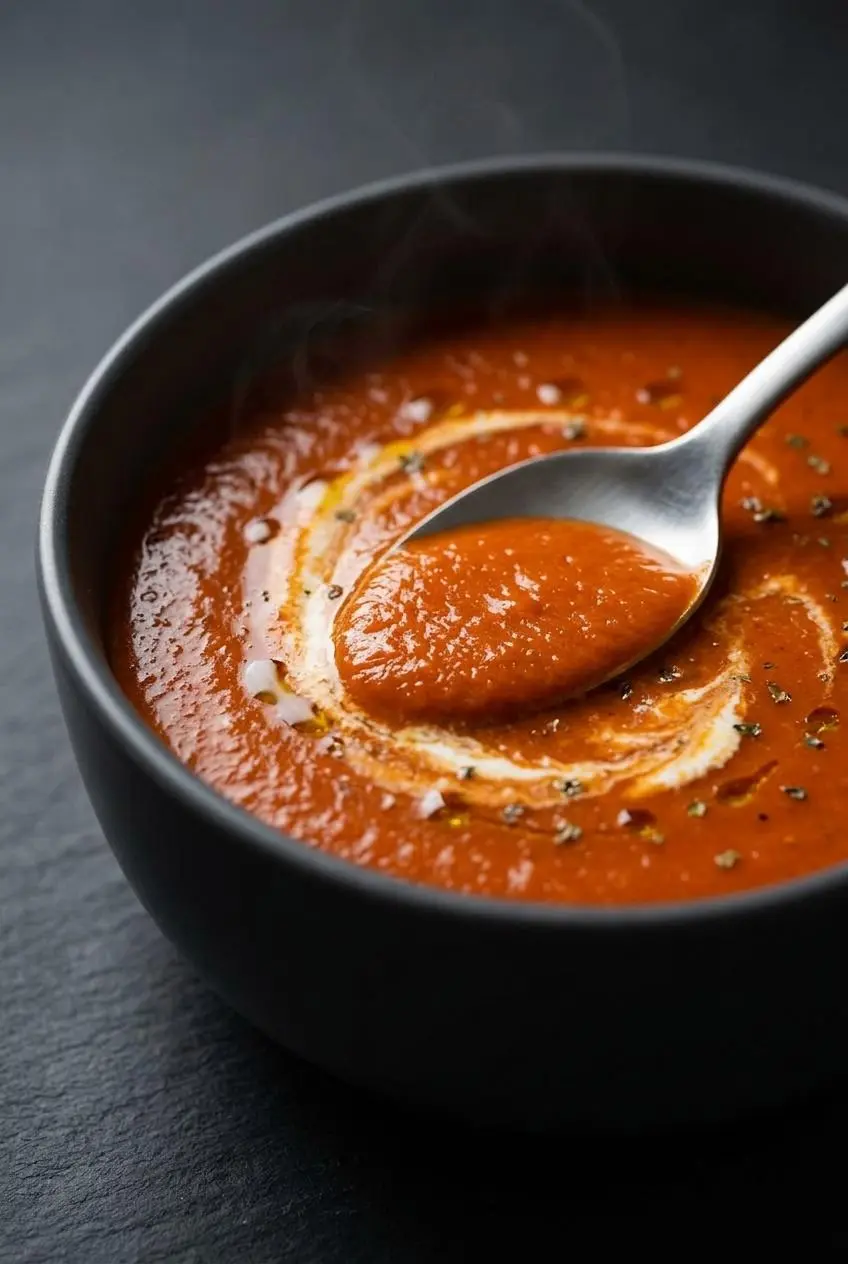
Tomatoes naturally vary in sweetness and acidity, so tasting after blending matters more than reaching for sugar automatically. Roasting helps by concentrating natural sugars and reducing excess moisture, while fat softens the perception of sharp acidity on the palate.
- The soup tastes too sharp: Start with a small pat of butter or the optional heavy cream, then taste again. Fat rounds off acidity more gracefully than adding a large amount of sugar.
- The soup still tastes sour after cream: Blend in a little roasted carrot if you have it, or use a tiny pinch of baking soda. Add cautiously, because too much baking soda can leave an unpleasant, soapy taste.
- The soup tastes metallic: Acidic tomatoes can react with unlined aluminum or bare cast iron. Use stainless steel, enameled cast iron, or another non-reactive pot for a cleaner tomato flavor.
- The soup tastes flat: Add salt and black pepper gradually, then let the fresh herbs do their work. Basil, parsley, or oregano brighten the finish without making the soup aggressively herbal.
- The cream looks separated: Blend the soup first, lower the heat, and stir in cream gently. Avoid a hard boil after dairy goes in, which can make the texture look grainy.
- The soup became overly reduced: Stir in additional broth gradually until the soup returns to a pourable, spoon-coating consistency.
Think of acidity adjustment as a sequence: roast for sweetness first, use fat for roundness second, and reach for a tiny pinch of baking soda only when the soup still tastes noticeably sharp. That approach keeps the tomato flavor bright instead of burying it.
Recipe Variations and Dietary Adaptations
These optional changes keep the roasted tomato character intact while giving you a practical path for different seasons, ingredients, and dietary needs.
Pantry 30 Minute Canned Tomato Version
When ripe tomatoes are unavailable, use two 28-ounce cans of whole peeled or crushed San Marzano tomatoes with their juices. Skip the sheet-pan roasting and simmer the tomatoes on the stovetop with softened onion, garlic, dried herbs, broth, and olive oil until the flavors come together, then blend until smooth.
This version has a cleaner, more direct tomato flavor and works well for a fast weeknight meal. If you enjoy a more herb-forward bowl, this fresh tomato basil soup offers another way to lean into basil’s sweet, aromatic side.
Rich Dairy-Free and Vegan Version
For a dairy-free version, use vegetable broth in place of chicken broth and leave out the Parmesan and heavy cream. Unsweetened canned coconut milk can bring a soft, rich texture, while soaked blended cashews create a more neutral creamy finish.
Both options are optional and change the character slightly. Coconut milk adds a faint tropical richness, while cashews keep the flavor closer to a traditional creamy tomato soup. Taste before adding extra seasoning because vegetable broth can vary in saltiness.
Roasted Red Pepper and Tomato Soup
For a sweeter, deeper pepper flavor, add an extra roasted red bell pepper to the vegetables before blending. A teaspoon of browned tomato paste is another optional booster when you want more savory depth without changing the soup’s smooth texture.
These additions work particularly well when tomatoes are tart or less ripe. Keep the bell pepper in balance, though, so the soup still tastes like tomato soup rather than a pepper puree.
Storage and Reheating Instructions
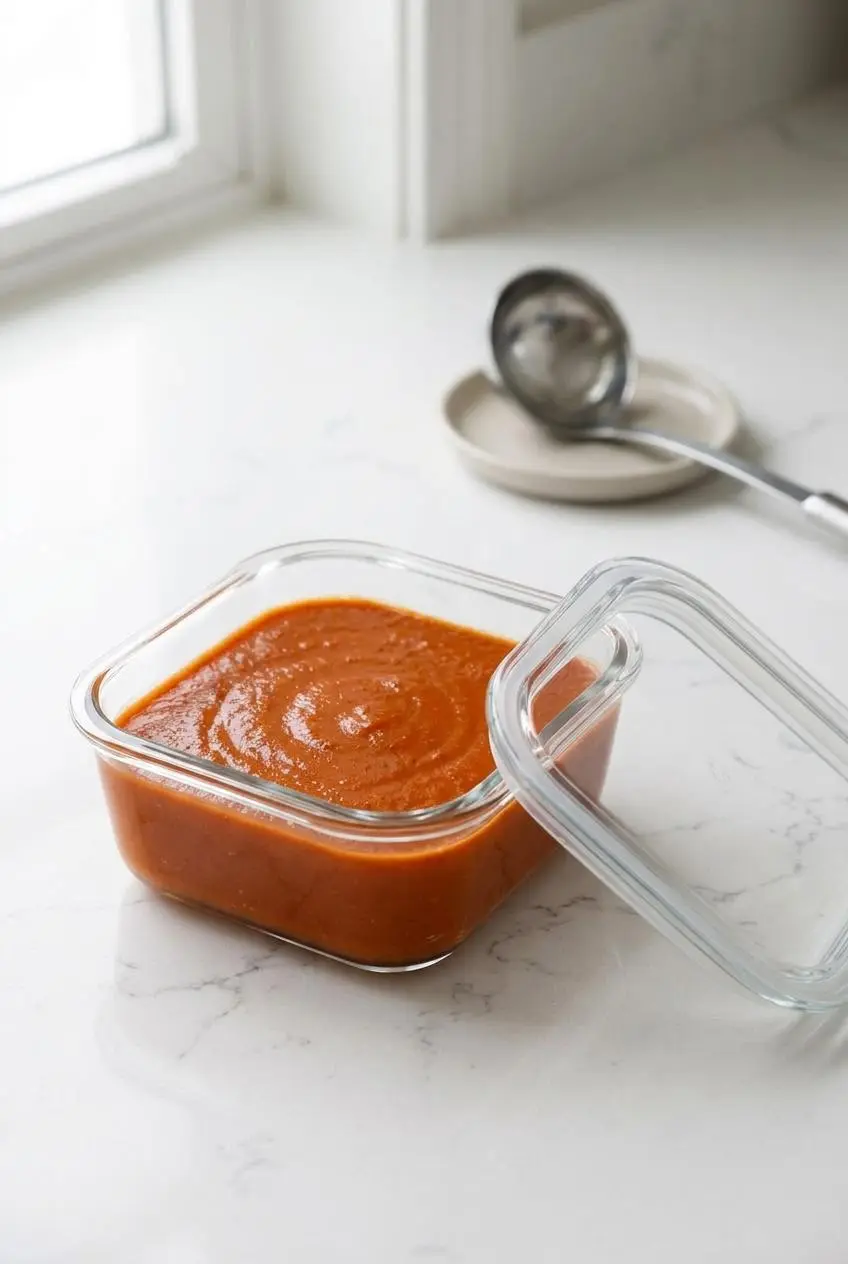
Cool leftover soup before transferring it to airtight glass containers, then keep it chilled. Dairy ingredients and leftovers should stay refrigerated at 40°F or below, as outlined in safe refrigeration practices for dairy and leftovers.
Reheat the soup gently on the stovetop over medium-low heat, stirring often until hot throughout. If the soup contains heavy cream, avoid a vigorous boil to help preserve its smooth texture. Reheat only the portion you plan to serve when possible, and add fresh basil or Parmesan at the table for the best finish.
If you want to store a tomato portion for longer, keep the cream separate when practical. Dairy can change texture after thawing, so adding cream after the tomato mixture is warmed helps the final bowl stay smoother.
Serving Suggestions and Delicious Pairings
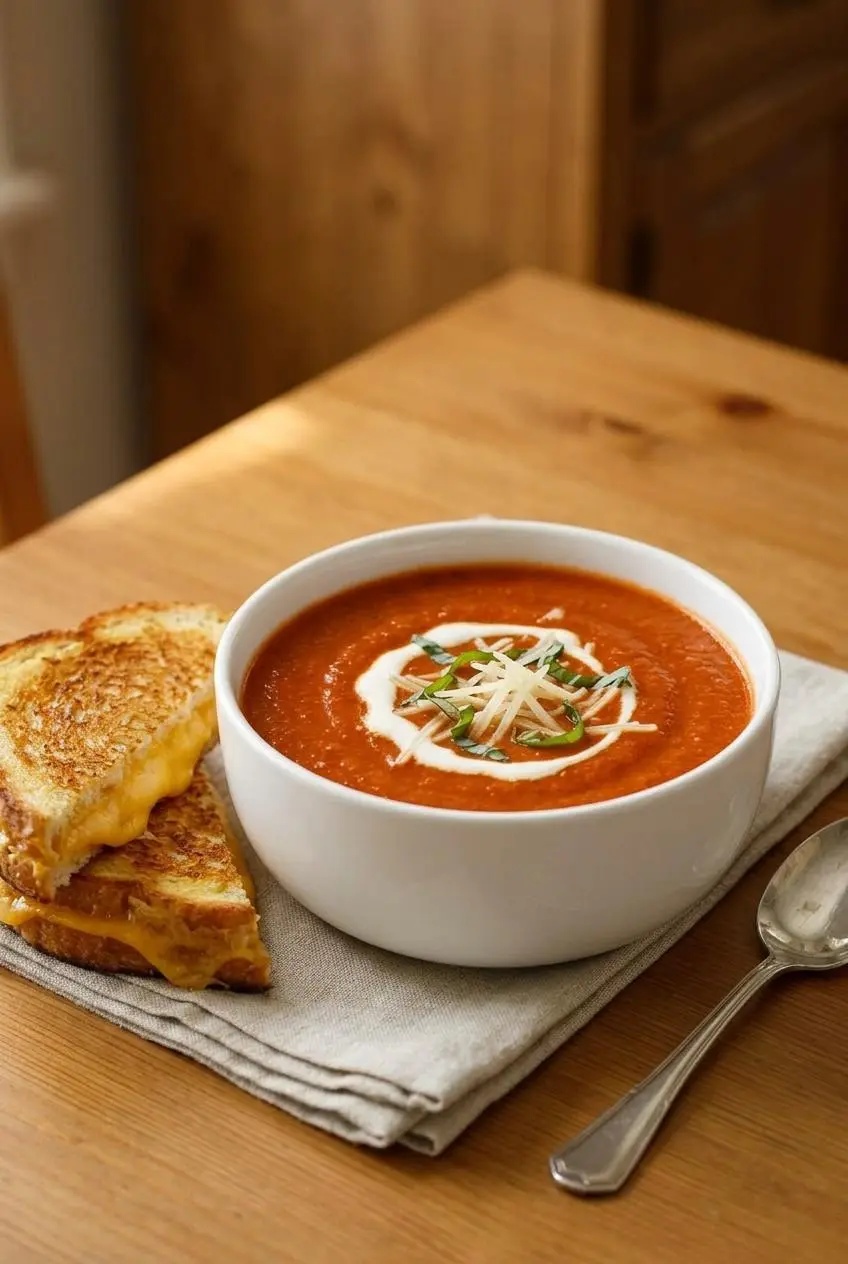
A warm bowl of tomato soup becomes a full comfort-food meal with something crisp, cheesy, or hearty alongside it.
- Sourdough grilled cheese: Use sharp cheddar, Gruyère, or a mix of both for a golden sandwich that stands up to dipping.
- Golden garlic croutons: Toss toasted bread cubes with garlic and herbs for crunch that holds its texture better than packaged croutons.
- Parmesan ribbons: Shave Parmesan over each bowl so it softens into the hot soup without disappearing completely.
- Fresh basil and olive oil: Tear basil leaves over the surface and finish with a small drizzle of extra-virgin olive oil for a brighter aroma.
- Crusty artisan bread: Serve thick slices for scooping up every last bit of the silky tomato puree.
For a more substantial dinner, pair the soup with a grilled cheese cut into narrow strips for easy dipping. The contrast between crisp bread and smooth soup is hard to improve on.
Conclusion
Roasting gives tomato soup its deepest flavor, turning ripe tomatoes, onion, garlic, and bell pepper into a sweet-savory base with lightly charred edges. Blend thoroughly, use a non-reactive pot, and adjust acidity with fat or gentle sweetness rather than lots of sugar.
Whether you use fresh tomatoes at their peak or take the canned-tomato shortcut, this soup rewards a little attention to roasting, blending, and final seasoning. Serve it hot with something crunchy for a comforting meal.
Frequently Asked Questions
What Is the Secret to Cutting Acidity in Homemade Tomato Soup?
Start by roasting the tomatoes at high heat, which concentrates their natural sugars and softens raw-tasting acidity. Use a stainless steel or enameled pot to avoid metallic flavors, then finish with butter or the optional heavy cream if the soup still tastes sharp. If needed, a tiny pinch of baking soda can help neutralize excess acidity. Add it gradually and taste after each addition so the tomato flavor stays lively.
Can I Use Canned Tomatoes Instead of Fresh Tomatoes?
Yes. Two 28-ounce cans of whole peeled or crushed San Marzano tomatoes with their juices make a dependable alternative. Simmer them with onion, garlic, herbs, olive oil, and broth, then blend for a smooth stovetop version. Canned tomatoes give the soup a consistent flavor when fresh tomatoes are out of season. The finished soup will be less roasted in character, but still rich and satisfying.
Why Does My Tomato Soup Taste Metallic?
Tomatoes are acidic and can react with unlined aluminum or bare cast iron, producing a harsh metallic taste. Use stainless steel, enameled cast iron, or another non-reactive pot for simmering and blending. If the metallic flavor has already developed, changing the pot will prevent more reaction, but the existing flavor may remain noticeable. A little cream or butter can soften sharpness, though it will not fully erase a strong metallic taste.
Can I Freeze Homemade Tomato Soup?
This method does not provide a validated freezing timeline. If you choose to freeze leftover tomato soup, leave out the heavy cream when possible because dairy can separate and become grainy after thawing. Warm the tomato portion gently after thawing, then stir in cream just before serving if you want a richer finish. Store the soup in a tightly sealed container and avoid repeated thawing and reheating.
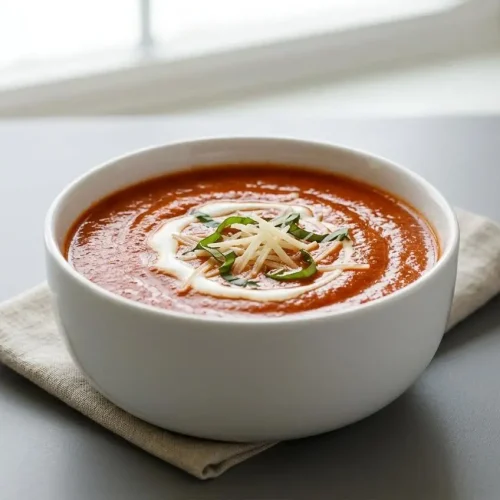
Homemade Tomato Soup

Equipment
- Rimmed baking sheet
- blender or hand blender
- Large Pot
Ingredients
- 3 pounds ripe tomatoes
- 4 cloves garlic peeled
- 1/2 onion diced
- 1/2 red bell pepper diced
- 2 tablespoons olive oil
- salt and black pepper to taste
- 1/2 teaspoon dried basil
- 1/2 teaspoon dried oregano
- 2 cups chicken broth
- 2 tablespoons fresh herbs such as basil, parsley, oregano
- 1/4 cup shredded Parmesan cheese for garnish, optional
- 1/2 cup heavy whipping cream optional
- thinly sliced fresh basil leaves for garnish, optional
Instructions
- Heat the oven to 450°F. Give the oven time to reach full heat so the vegetables roast and brown rather than soften slowly.
- Rinse the tomatoes, peel them if desired, and cut smaller tomatoes in half while cutting larger ones into quarters or eighths. Keep the pieces fairly similar in size so they soften and caramelize at about the same pace.
- Spread the tomatoes, garlic, onion, bell pepper, olive oil, salt, black pepper, dried basil, and dried oregano across a large rimmed baking sheet. Coat the vegetables lightly with oil and leave room around them for the edges to brown.
- Roast for 25 minutes, stirring after 15 minutes, then switch the oven to broil for 3 to 4 minutes. Stop when several tomato skins show dark blistered spots and the garlic smells mellow and fragrant.
- Bring the chicken broth to a boil, add the roasted vegetables and fresh herbs, then blend until completely smooth before stirring in the heavy cream if using. Use an immersion blender, or blend in small batches with the lid vented and covered with a towel so steam can escape safely.
- Serve the soup with Parmesan cheese, croutons, or a drizzle of heavy cream. The finished puree should look glossy and coat the back of a wooden spoon without feeling thick or pasty.