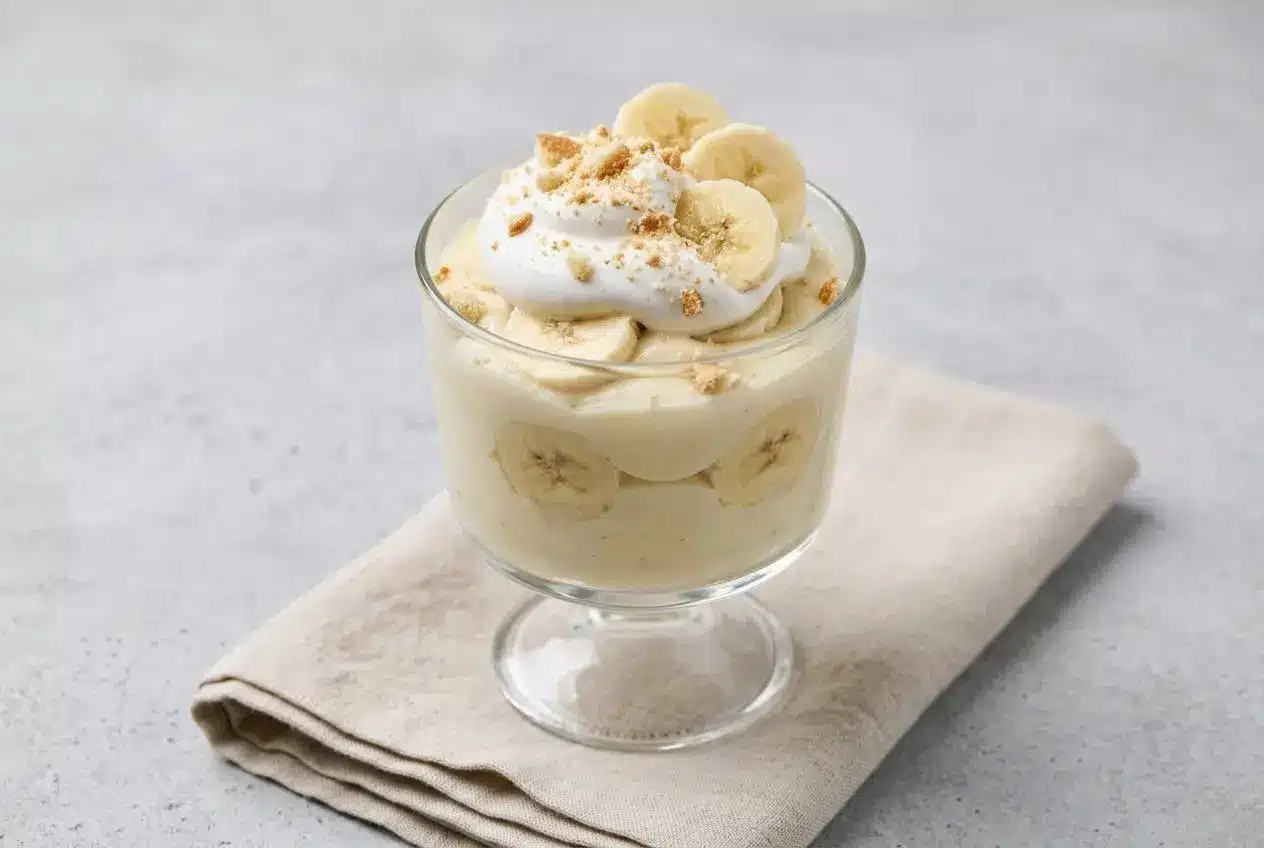
High-protein banana pudding blends cottage cheese, vanilla protein powder, and pudding mix into a creamy no-cook dessert with up to 40 g of protein per serving.
High-Protein Banana Pudding gives a classic comfort dessert a thick, spoonable texture without turning on the stove. The blended cottage cheese base tastes rich once the vanilla and banana flavors settle in.
It satisfies a sweet craving without the usual sugar crash, and the layers of wafers and whipped topping keep it feeling like dessert. The silky blender trick makes all the difference.
Use a high-speed blender rather than a food processor so the cottage cheese curds disappear into a smooth, pale cream.
What Makes This High-Protein Banana Pudding Work
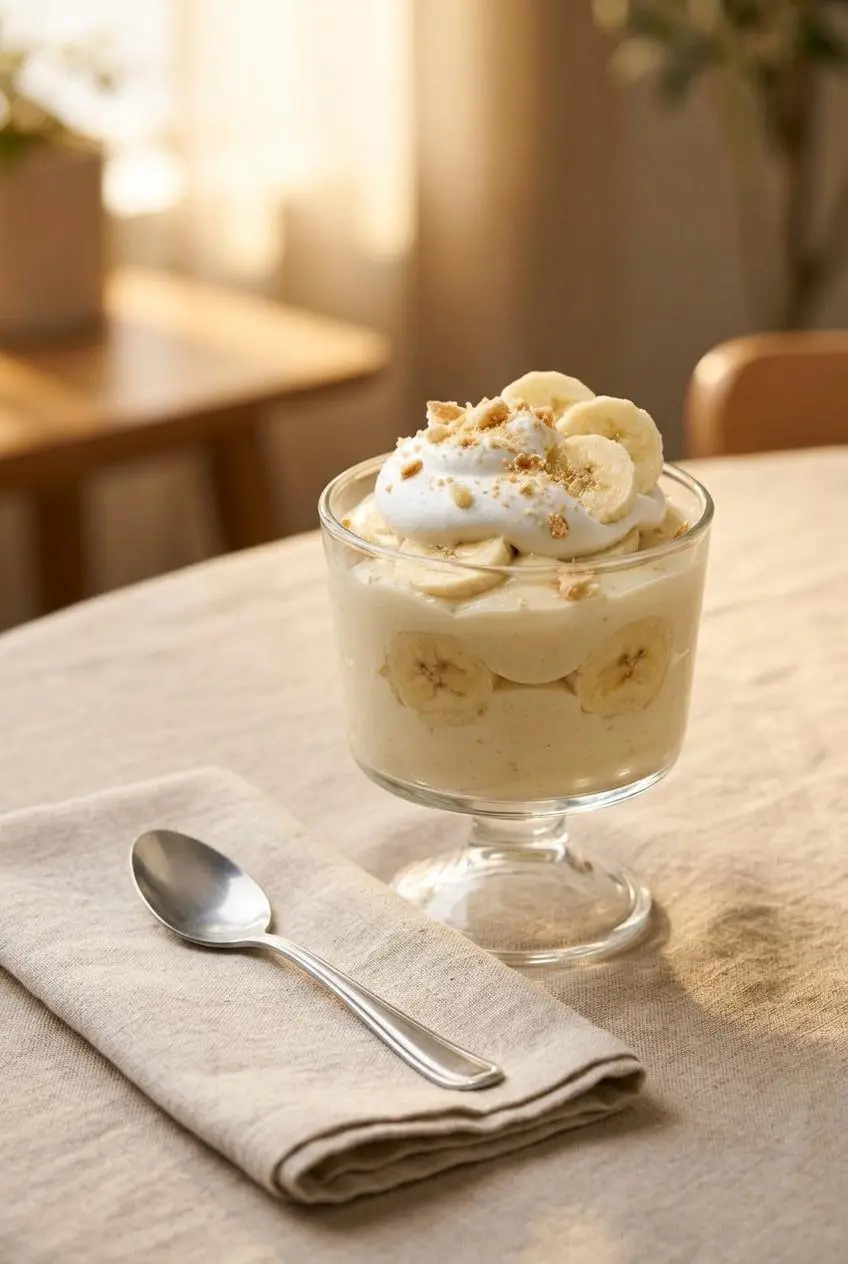
This dessert gets its protein from cottage cheese and vanilla protein powder, while banana pudding mix gives the mixture its familiar flavor and thick texture. The result is creamy, sweet, and comforting rather than chalky or overly “protein-forward.”
Unlike classic banana pudding, this version relies on a blended dairy base instead of a cooked custard. Cottage cheese adds body, protein powder reinforces the dessert-like vanilla flavor, and the pudding mix helps everything hold together in neat layers.
The key is blending until the mixture looks completely uniform. Once the curds break down, the base becomes glossy and thick enough to support the wafers and whipped topping instead of sliding around the glass.
Essential Ingredients for High-Protein Pudding
Each ingredient contributes to the pudding’s creamy structure, banana flavor, sweetness, thickness, or crunchy finish, so the layers taste balanced rather than heavy.
Base
- 2 cups cottage cheese
- 1/4 cup vanilla protein powder
- 2 1/2 tablespoons banana pudding mix
- 1 to 2 tablespoons maple or sugar-free syrup
- 1 teaspoon vanilla extract
- 1/2 banana
- 1 to 2 tablespoons milk
Topping
- 2 tablespoons crushed wafers
- 1/4 cup whipped topping
- banana slices
Cottage cheese creates the thickest, richest base once blended smooth. Vanilla protein powder builds flavor and protein, while banana pudding mix absorbs moisture and helps the mixture look more opaque and pudding-like. Maple or sugar-free syrup lets you adjust sweetness without overwhelming the banana and vanilla.
I prefer a banana that is yellow with only a few brown speckles, since an overly ripe banana can make the vanilla flavor taste muted and overly fragrant.
Choosing Your Base: Yogurt vs. Cottage Cheese
Cottage cheese is the stronger choice when you want a thick, high-protein pudding with a mild flavor. Its curds contain less free liquid than many yogurts, so once they are fully blended, they create a dense, creamy base that holds its shape well.
Plain Greek yogurt works as a direct swap if you prefer its tangier taste and smoother starting texture. It needs less blending, but it may create a softer pudding and can offer less protein depending on the product you choose. For another creamy yogurt-based option, try this Greek yogurt bowl.
Choose vanilla protein powder with a flavor you genuinely enjoy. Some sweetened powders can taste very strong after blending, so start with the smaller amount of syrup and add more only if the pudding needs it.
Why Thick Bases Work Better
A thick blended base gives the pudding mix something substantial to cling to. Starting with milk alone can leave the mixture loose, especially when the protein powder does not thicken well. Cottage cheese gives you more control because milk becomes an adjustment, not the foundation.
How to Make Silky Smooth Protein Banana Pudding
Blend the cottage cheese first, then add the dry ingredients. This order prevents gritty curds and helps the pudding mix hydrate evenly instead of forming stubborn little lumps.
- Blend the cottage cheese in a high-speed blender until it becomes completely smooth.
Stop when no visible curds remain and the mixture looks creamy and glossy. - Add the vanilla protein powder, banana pudding mix, syrup, and vanilla extract to the smooth cottage cheese.
Blend until the base turns slightly thicker and more opaque, with an even pale color. - Check the consistency, then blend in milk gradually if the pudding feels too dense.
Add the milk one tablespoon at a time so the mixture stays thick and spoonable. - Divide crushed wafers between two glasses, then add whipped topping and banana pudding over the crumbs.
Keep the layers distinct so every spoonful has creaminess and crunch. - Repeat the layers and finish each glass with whipped topping, crushed wafers, and a banana slice.
The top should look softly piled with a little wafer texture still visible. - Cover the finished pudding and refrigerate it before serving.
Chilling gives the layers time to firm up and lets the vanilla-banana flavor taste more settled.
If the pudding looks loose immediately after blending, pause before adding more powder. The pudding mix needs a moment to hydrate, and the texture often becomes noticeably thicker as it rests in the refrigerator.
Dietary Swaps and Substitutions
These changes are optional and will alter the flavor or texture slightly, so keep the main method the same.
- Dairy-free option: Use a thick plant-based Greek-style yogurt and a plant-based vanilla protein powder. The pudding may be tangier and softer than the cottage cheese version, so add milk cautiously.
- Gluten-free option: Choose gluten-free vanilla wafers for the topping. Keep them separate until serving if crunch matters most.
- Lower-sugar option: Use sugar-free syrup and a protein powder with a sweetness level you like. If the powder has a strong artificial sweetener finish, use less syrup and let vanilla and banana carry more of the flavor.
- Chocolate variation: For a cocoa-forward dessert, make a separate batch of chocolate protein pudding rather than adding unsourced ingredients to this banana version.
Troubleshooting Texture and Consistency
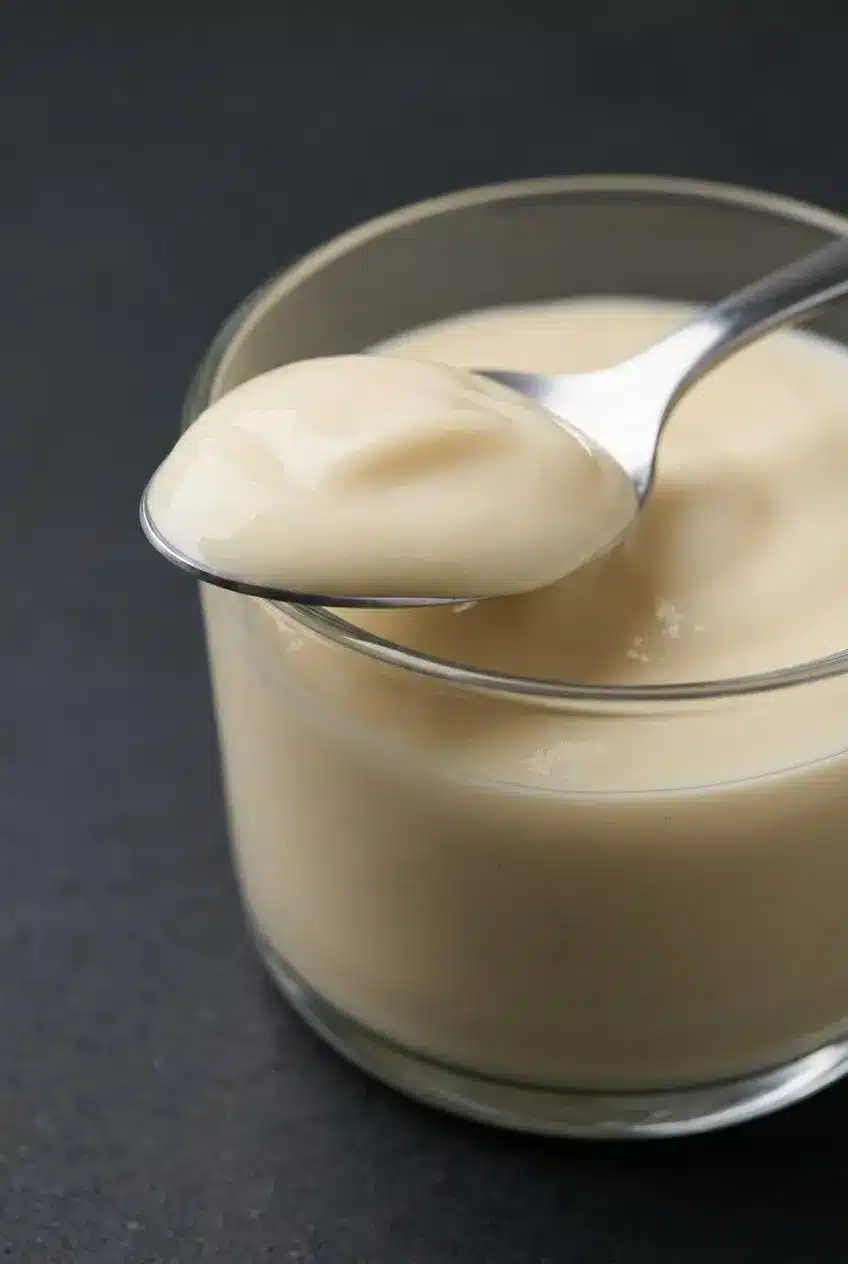
Most texture problems come down to blending power and liquid control. A high-speed blender gives cottage cheese enough force to become silky, while a food processor often leaves tiny curds that make the pudding feel grainy.
Blend the cottage cheese for at least 60 seconds before adding the remaining ingredients. The mixture should lose its lumpy appearance and become smooth enough that it coats the blender sides evenly.
For the freshest-looking finish, add banana slices only when you are ready to assemble or serve. If the banana smells heavily fermented or very sharp, save it for baking instead, such as protein banana bread.
How to Fix Grainy or Thin Pudding
- Grainy pudding: The cottage cheese was not blended long enough. Blend again in a high-speed blender until the curds disappear and the mixture looks glossy.
- Thin pudding: Too much milk was added too quickly, or the protein powder did not help thicken the blend. Refrigerate the pudding to let the mix hydrate, then avoid adding more liquid unless needed.
- Too-thick pudding: Blend in milk one tablespoon at a time. Stop as soon as the pudding moves easily from the blender but still mounds on a spoon.
- Chalky flavor: The protein powder may be overpowering the banana and vanilla. Use less syrup at first, then adjust sweetness gradually after blending.
- Brown banana slices: Slice the banana close to serving time and place the slices on top last.
Storage and Meal Prep Guidelines
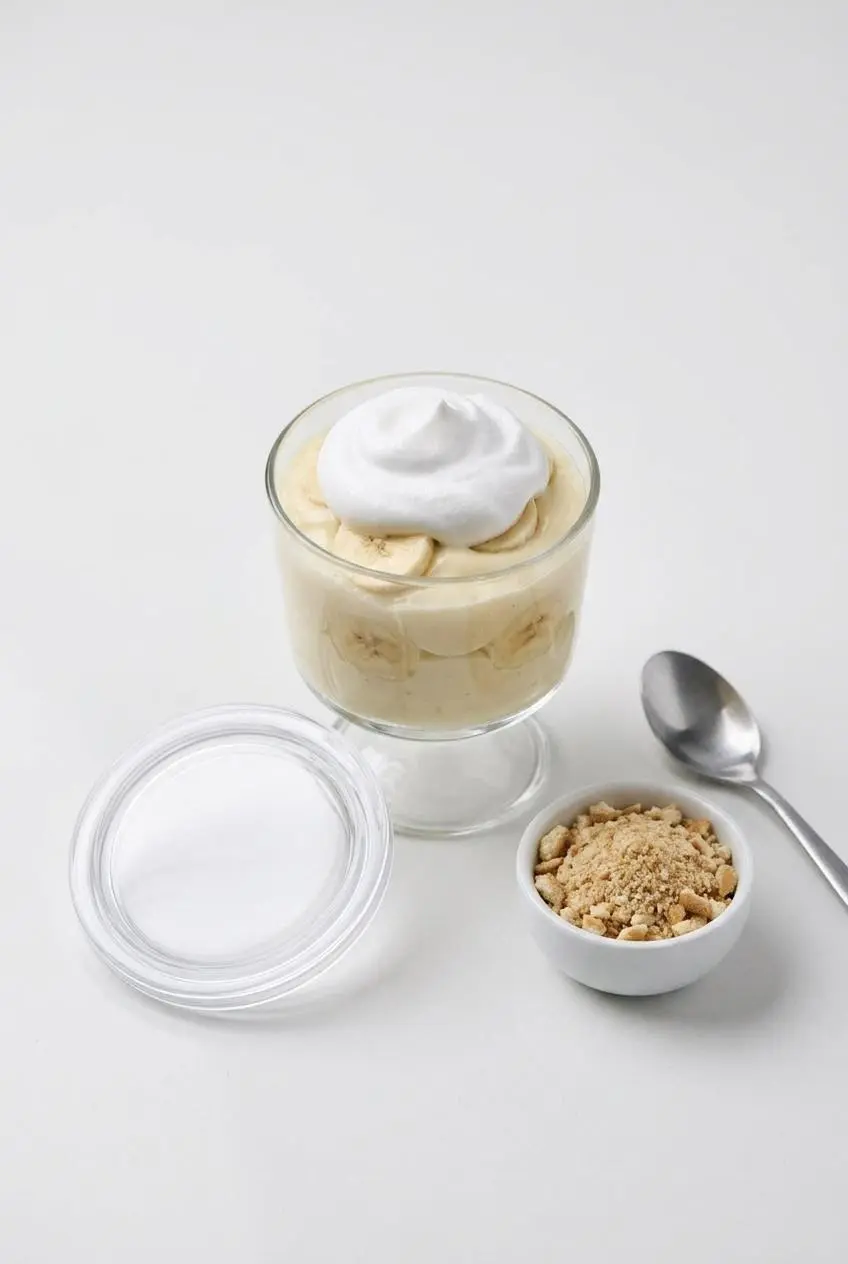
Keep the assembled pudding covered in an airtight container and chilled. Because it contains cottage cheese, whipped topping, and milk, keep it refrigerated at 40°F or below.
For the best texture, store crushed wafers separately and add them when serving. They absorb moisture quickly when layered directly against the pudding, which turns their crisp crunch into a soft cake-like texture.
You can blend the pudding base, portion it into jars or glasses, and add the toppings later. This approach keeps the creamy layer chilled while protecting the wafer texture and keeping the banana slices looking fresher.
Make-Ahead and Storage Checklist
- Cover the pudding tightly before refrigerating so it does not pick up odors from other foods.
- Keep crushed wafers in a separate dry container until serving for the best crunch.
- For extra crispness, toast the crushed wafers in a dry skillet for 2 minutes, then cool them completely before layering.
- Add banana slices close to serving time to reduce browning.
- Discard the pudding if its smell, flavor, or texture changes noticeably.
Conclusion
This creamy pudding turns cottage cheese and vanilla protein powder into a dessert that feels rich enough for a real sweet craving. The layered wafers and whipped topping give it that familiar banana pudding finish.
Blend the cottage cheese until every curd disappears, then add milk slowly only if needed. A smooth base makes every layer better.
Frequently Asked Questions
Are High Protein Puddings Healthy?
They can fit into a balanced eating routine when you want a dessert with more protein and less sugar than many traditional puddings. This version includes cottage cheese and protein powder, which make it more filling than a standard pudding cup. Choose ingredients that fit your dietary needs, especially if you are sensitive to dairy or sugar substitutes.
Can I Use Greek Yogurt Instead of Cottage Cheese?
Yes. Plain Greek yogurt can replace cottage cheese in the blended base. It creates a tangier flavor and usually needs less blending because it starts smooth. The finished pudding may be softer and may provide less protein depending on the yogurt used.
How Much Protein Does Banana Pudding Have?
Traditional banana pudding is generally much lower in protein because it relies on custard, milk, and cookies. This version provides 40 g of protein per serving based on the listed nutrition information. The final amount can vary with the cottage cheese, protein powder, and topping brands you choose.
Why Did My Protein Pudding Turn Out Watery?
Watery pudding usually means too much milk went in before the pudding mix had time to thicken the blend. Add milk very slowly, one tablespoon at a time, and stop once the pudding reaches a spoonable consistency. A protein powder with a thin texture can also make the mixture less stable.
What Is the Highest Protein Dessert?
Desserts made with blended cottage cheese and protein powder can provide a substantial protein boost while keeping a creamy texture. Options like this pudding can reach 30 g to 40 g of protein per serving depending on the ingredients used. The most satisfying choice is one with a flavor and texture you enjoy enough to make again.
High-Protein Banana Pudding

Equipment
- Vitamix Blender
Ingredients
Base
- 2 cups cottage cheese
- 1/4 cup vanilla protein powder
- 2 1/2 tablespoons banana pudding mix
- 1 to 2 tablespoons maple or sugar-free syrup
- 1 teaspoon vanilla extract
- 1/2 banana
- 1 to 2 tablespoons milk
Topping
- 2 tablespoons crushed wafers
- 1/4 cup whipped topping
- banana slices
Instructions
- Blend the cottage cheese in a high-speed blender until it becomes completely smooth. Stop when no visible curds remain and the mixture looks creamy and glossy.
- Add the vanilla protein powder, banana pudding mix, syrup, and vanilla extract to the smooth cottage cheese. Blend until the base turns slightly thicker and more opaque, with an even pale color.
- Check the consistency, then blend in milk gradually if the pudding feels too dense. Add the milk one tablespoon at a time so the mixture stays thick and spoonable.
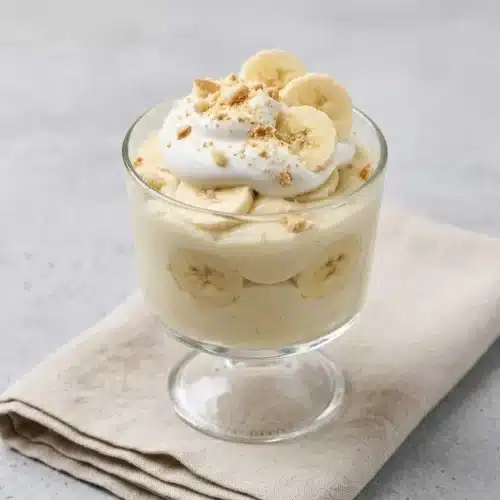
- Divide crushed wafers between two glasses, then add whipped topping and banana pudding over the crumbs. Keep the layers distinct so every spoonful has creaminess and crunch.
- Repeat the layers and finish each glass with whipped topping, crushed wafers, and a banana slice. The top should look softly piled with a little wafer texture still visible.
- Cover the finished pudding and refrigerate it before serving. Chilling gives the layers time to firm up and lets the vanilla-banana flavor taste more settled.