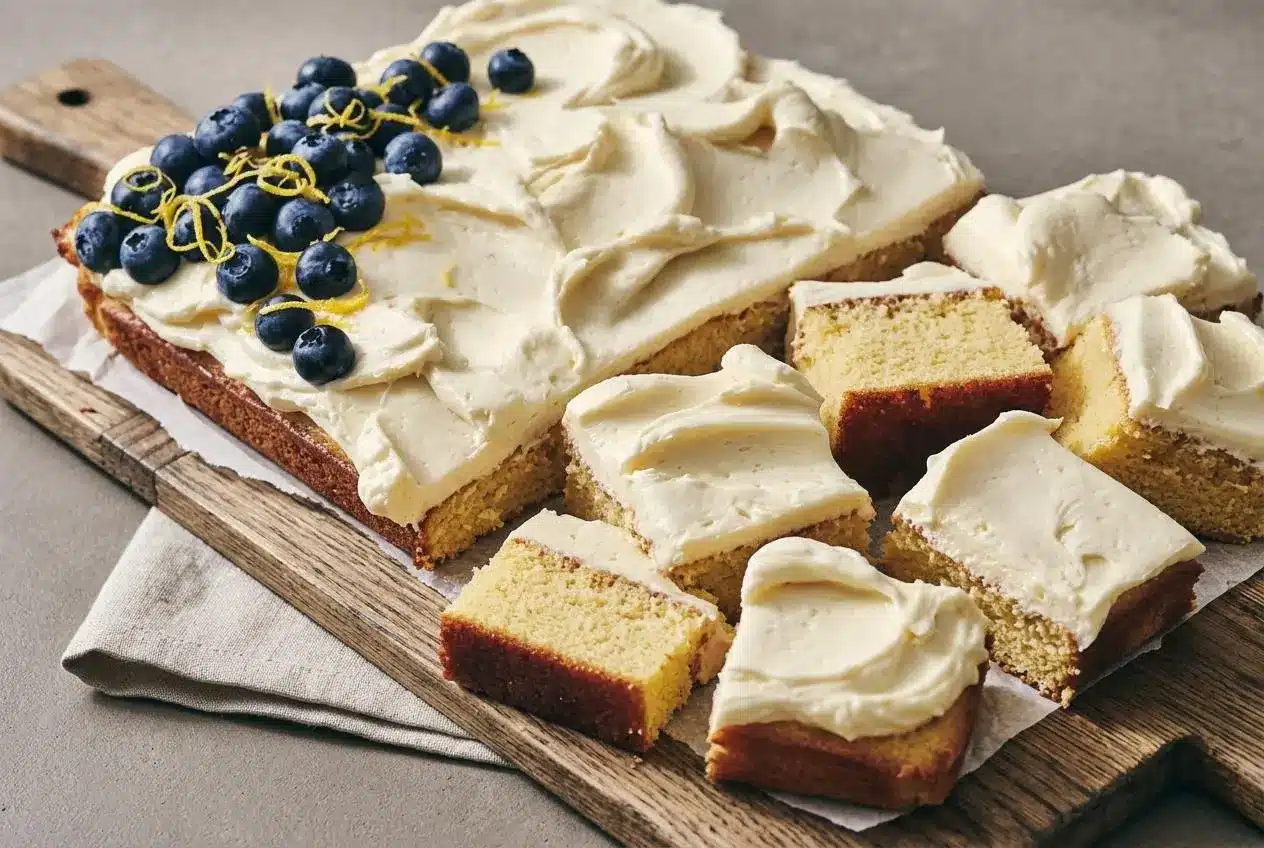
Warm vanilla milk and melted butter give hot milk cake its buttery aroma and moist, fine-grained crumb. This American sponge cake combines whipped whole eggs with hot milk, then bakes into a tender cake ready for slicing or frosting.
Unlike a cake that starts with creamed butter, hot milk cake builds its airy structure by beating eggs and sugar together. Butter adds flavor, oil contributes tenderness, and the warm milk turns the thick mixture into a smooth, pourable batter.
Make a deeper cake for generous squares or a thin sheet for a dessert crowd. Either way, the vanilla flavor works beautifully with berries, chocolate, or caramel. The first trick is in the mixing bowl.
Keep a flexible spatula beside the mixer so you can reach the thick batter hiding at the bottom of the bowl.
Why Hot Milk Makes the Best Cake Texture
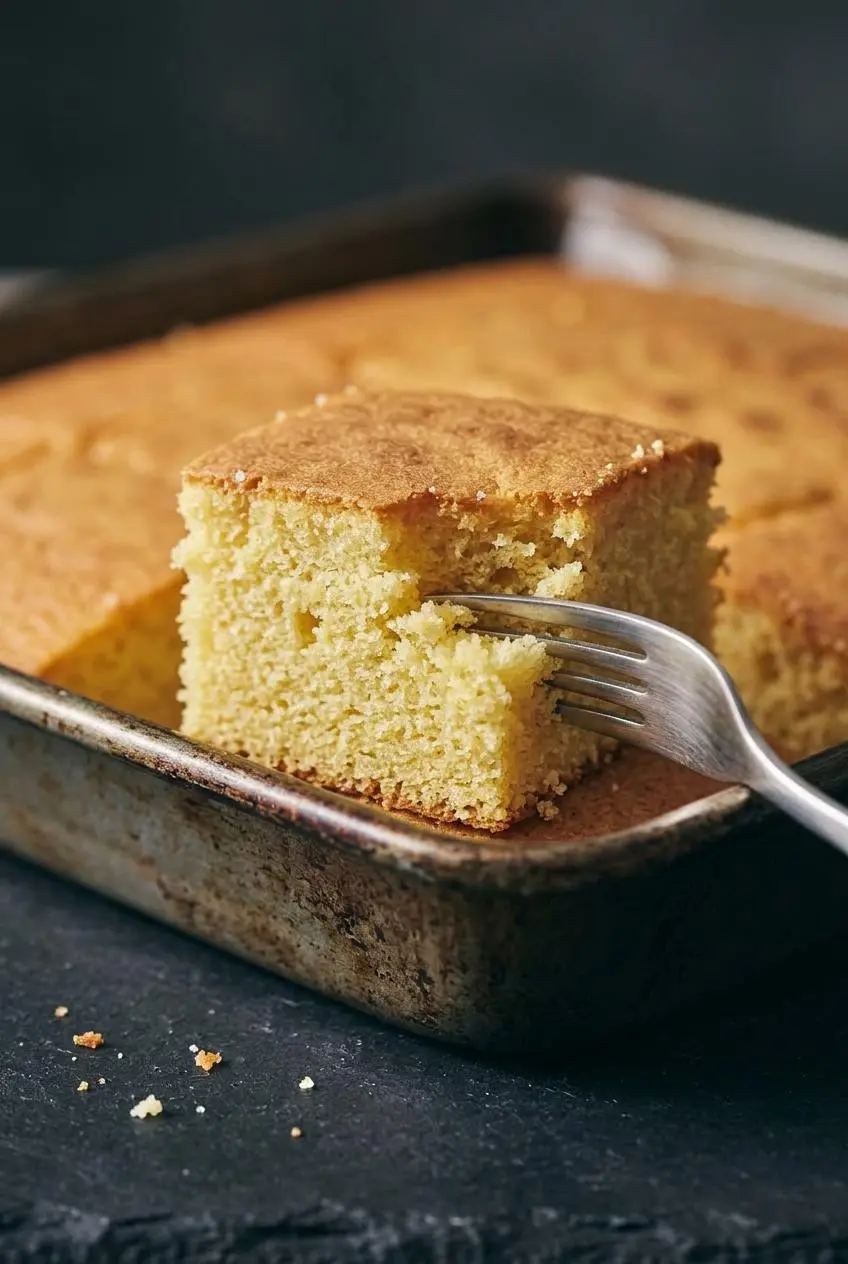
Heating the milk lets you distribute melted butter throughout the batter without creaming solid fat. The warm liquid loosens the egg-and-flour mixture, producing a thin batter that bakes into a fine-textured sponge.
The cake’s lift comes from two partners: air beaten into the eggs and baking powder. Hot milk supports the mixing method, but it can’t replace a well-whipped egg mixture. Stop heating when the milk first reaches a boil rather than letting it bubble away and reduce.
Butter brings rich dairy flavor, while neutral oil helps the crumb feel soft rather than firm. That combination gives this vintage American cake its useful middle ground: light enough to serve plain, yet substantial enough for sauce or frosting.
For another vanilla dessert, try a classic yellow cake. Here, the whipped whole eggs and warm liquid are the defining techniques.
Key Ingredients and Their Roles
Eggs and flour build the sponge’s structure, sugar adds sweetness and tenderness, and baking powder supplies lift. Milk, butter, and oil contribute moisture and richness, while vanilla and salt round out the flavor.
- 2 cups (397g) granulated sugar
- 4 large eggs, at room temperature
- 1/3 cup (67g) vegetable oil or canola oil
- 2 cups (240g) King Arthur Unbleached All-Purpose Flour
- 1 1/4 teaspoons table salt
- 2 teaspoons baking powder
- 4 tablespoons (57g) unsalted butter
- 1 cup (227g) milk, (whole milk preferred)
- 2 teaspoons King Arthur Pure Vanilla Extract
Eggs and sugar: Beating these together traps air and creates the foam that supports the sponge. Room-temperature eggs blend readily and help you reach a pale, thick consistency. Sugar also softens the finished crumb, so reducing it changes more than sweetness.
Milk, butter, and oil: Whole milk adds richness to the liquid mixture. Unsalted butter gives you control over seasoning and supplies the buttery flavor, while vegetable or canola oil adds tenderness without competing with the vanilla. Keep both fats rather than treating them as interchangeable.
Flour, baking powder, and salt: All-purpose flour gives the cake enough structure to slice neatly. Baking powder helps expand the batter during baking, and table salt balances the sugar. Measure the flour carefully: excess flour makes this sponge heavier and drier.
Vanilla: Adding it to the heated milk-and-butter mixture distributes its aroma throughout the batter.
I set the eggs out as I gather the equipment so they can lose their refrigerator chill before whipping.
How to Make Hot Milk Cake Step by Step
This recipe makes 24 pieces from one 9×13-inch cake or one thinner half-sheet cake. Have an electric mixer, saucepan, spatula, and cooling rack ready.
- Set the oven to 325°F and grease a 9×13-inch pan at least 2 inches deep, or line the bottom of a 13×18-inch half-sheet pan with parchment and grease its sides.
The deeper pan produces thicker squares; the half-sheet produces a thinner layer. - Whip the eggs with the sugar using an electric mixer at medium-high speed for about 2 minutes, then gradually beat in the oil.
Before adding the oil, look for a pale, fluffy mixture that falls from the beaters in thick ribbons. - Weigh the flour, or spoon it gently into a measuring cup and level it, then add it with the salt and baking powder and beat only until incorporated.
Scrape along the bowl’s sides and bottom, then mix briefly so no sticky pockets remain. - Heat the milk and butter in a saucepan over medium heat until boiling just begins, add the vanilla, then remove from the burner and stir until the butter melts.
The liquid should look uniform, with no solid butter remaining. - Run the mixer on low and pour the hot liquid gradually into the batter, then scrape the bowl and mix briefly.
A smooth, noticeably thin batter is the expected result. - Transfer the batter to the prepared pan and bake for 40 to 45 minutes for the 9×13-inch cake or 22 to 26 minutes for the half-sheet, rotating halfway through.
The center should feel set, spring back gently, and release a toothpick without wet batter. - Move the baked cake, still in its pan, onto a cooling rack.
The delicate crumb becomes easier to cut as the cake cools.
Whip the Eggs, Sugar, and Oil
Build the egg foam before adding oil. Look for the change in color and thickness, rather than watching the clock alone.
Fold in the Dry Ingredients
Use brief mixing rather than vigorous beating at this stage. A thorough scrape catches flour and egg mixture beneath the beaters.
Scald the Milk and Butter and Bake
Pour slowly so the hot liquid blends evenly. Don’t add flour to “fix” the thin batter; its consistency is intentional.
Tips for Success and Troubleshooting Common Mistakes
Most texture problems begin during measuring or mixing. These checkpoints help you catch them before the pan reaches the oven.
- Flat, heavy cake: Under-whipped eggs can leave the crumb dense and pound-cake-like. Give the eggs and sugar the full mixing time, and check that they look pale and thick before adding oil.
- Pale edges: Choose a light-colored metal pan for predictable browning. Glass, ceramic, and silicone behave differently and may leave paler sides at this temperature. Judge doneness at the center rather than baking longer just to darken the edges.
- Lumpy batter after adding milk: Pouring hot liquid in one rush makes even mixing harder. Keep the mixer low and use a gradual stream, then scrape the bowl to bring everything together.
- Dry or tough crumb: Scooping flour directly with the measuring cup can pack in excess. Weigh the flour or spoon it lightly into the cup and sweep the top level without pressing down.
- A thin batter that seems wrong: Resist adding extra dry ingredients. The hot milk loosens the mixture substantially; smooth and pourable is correct.
- Uneven baking: Rotate the pan halfway through the stated baking time. Near the end, check the middle, since a firm edge doesn’t mean the center has finished baking.
Pan Sizes, Variations, and Serving Ideas
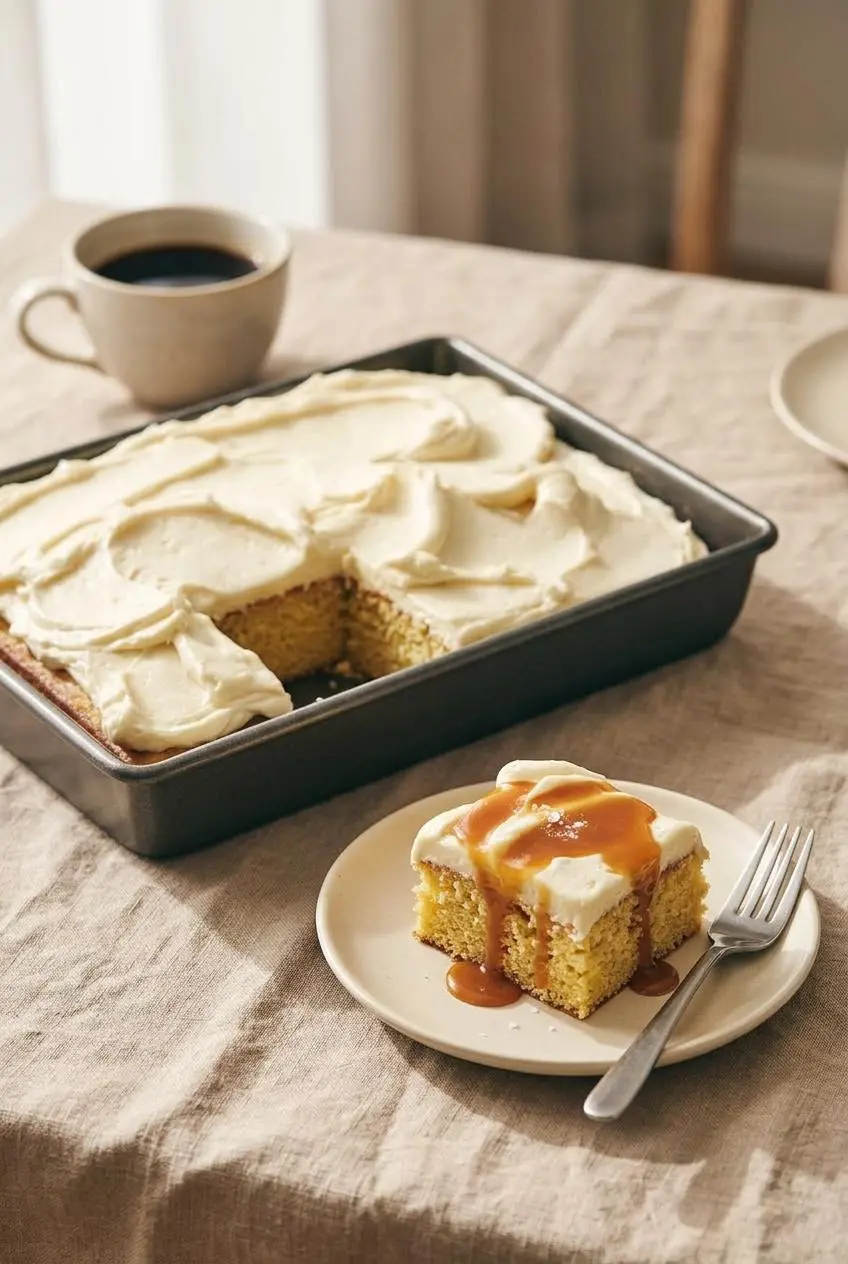
Choose your pan before mixing. The two sheet-cake options use the same batter, while the round layers and cupcakes are optional adaptations.
Pan Conversion Guide (9×13, Sheet Pan, Round Layers, and Cupcakes)
- 9×13-inch cake: Use a greased metal pan at least 2 inches deep and bake at 325°F for 40 to 45 minutes.
- 13×18-inch half-sheet: Line the bottom with parchment, grease the sides, and bake at 325°F for 22 to 26 minutes.
- Round layers: Divide the batter between two greased, parchment-lined 8-inch or 9-inch round metal pans. At 325°F, begin checking at 25 minutes; the suggested range is 25 to 30 minutes, but batter depth and pan size affect the finish.
- Fudge-frosted cupcakes: Divide among 24 paper-lined muffin cups and bake at 350°F for about 20 minutes. Let them cool before adding fudge icing or chocolate ganache.
For every shape, use the set-center and clean-toothpick cues rather than treating a timer as the final verdict.
Flavor Variations (Brown Butter, Citrus, Tea-Infused, and Chocolate)
Keep flavor experiments separate from the ingredient list above, especially when they change the batter’s moisture balance.
- Brown butter: Browning the butter before adding milk creates a toasted, nutty aroma. It also evaporates moisture, so consider this an adaptation rather than an identical swap with a guaranteed result.
- Citrus: Rub orange or lemon zest into the sugar before whipping it with the eggs. This releases fragrant oils without adding extra liquid.
- Tea-infused milk: Steep Earl Grey or chai in warm milk, remove the tea, and continue with the heating stage. Avoid reducing the milk while infusing it.
- Warm spice: A vanilla bean or freshly grated nutmeg can perfume the heated milk. Keep the flavor gentle so it complements the buttery crumb.
- Chocolate: Cocoa absorbs liquid and changes the flour balance, so casually adding it can dry out the sponge. For a dependable chocolate finish without reformulating the batter, use fudge icing or ganache.
Best Frostings, Sauces, and Serving Ideas
- For coffee or tea: Serve warm squares plain or dust with powdered sugar.
- For a richer dessert: Spoon warm caramel over each portion and finish with flaked sea salt, or use glossy hot fudge.
- For fruit lovers: Add macerated berries and whipped cream, or cube the cake for a fruit trifle.
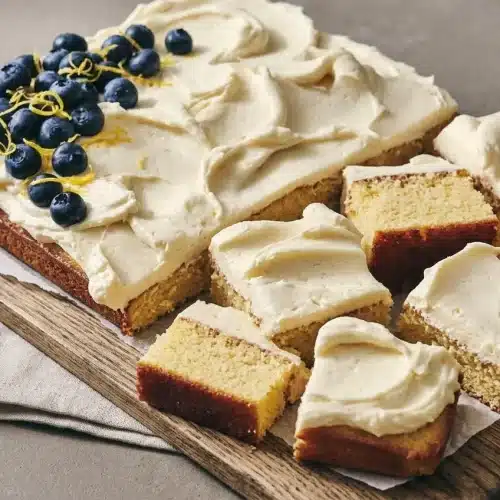
- For celebrations: Cool completely before frosting. A little salt in a very sweet buttercream helps balance it without changing the cake batter.
For a specifically milk-soaked dessert, try rose milk cake rather than guessing at a soaking mixture for this sponge.
How to Store the Cake
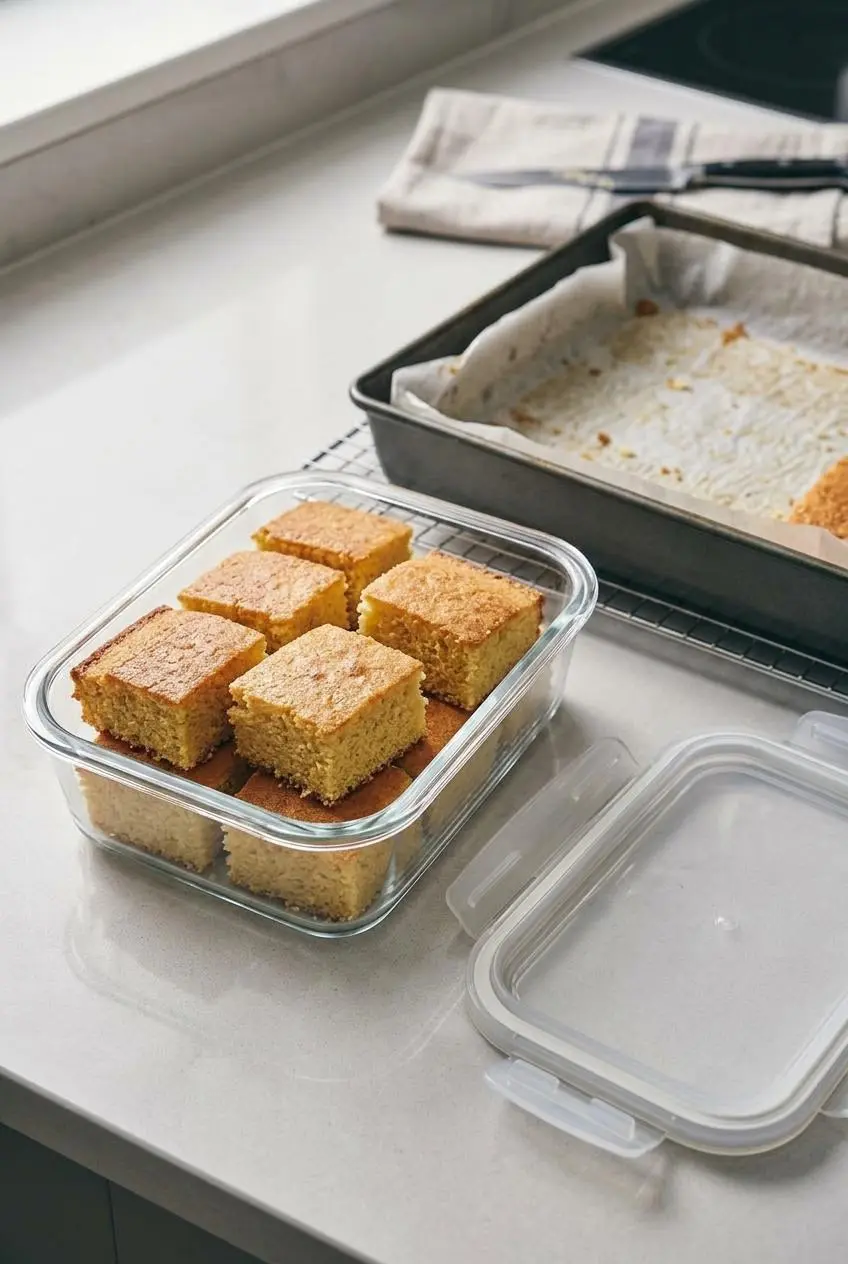
Let the cake cool completely before covering it. Trapping steam against a warm cake can make the surface sticky, while leaving cut squares exposed dries their edges.
Keep the plain cake in a tightly closed container. Baked cakes without cream fillings don’t require refrigeration; added fillings and toppings can change how you need to store the finished dessert.
If you refrigerate it, protect the sponge with an airtight cover rather than leaving it uncovered. Store sauces separately when practical, and add them when serving to preserve the cake’s texture.
Conclusion
Hot milk cake delivers a soft, fine-grained vanilla crumb without creaming butter. Whip the eggs and sugar thoroughly, measure the flour carefully, and pour the heated milk in gradually.
Serve the first squares plain to enjoy their buttery flavor, then try salted caramel or berries. A tender sponge leaves plenty of room for your favorite finish.
Frequently Asked Questions
What Does Hot Milk Do to a Cake?
It melts the butter and helps distribute it evenly through the batter. The warm liquid also loosens the thick egg-and-flour mixture, creating the pourable consistency that bakes into this fine-grained sponge.
What Is Old-Fashioned Hot Milk Cake?
It’s a vintage American sponge cake made with whipped whole eggs and heated milk. Unlike a creamed-butter cake, it builds its initial aeration by beating eggs with sugar.
Can I Bake This Cake in 8-Inch Round Pans for a Layer Cake?
Yes, divide the batter between two greased, parchment-lined round metal pans. Use the optional conversion above, and check each center for spring-back and a clean toothpick before removing the layers.
How Should I Store Leftover Hot Milk Cake?
Cool it completely, then keep it tightly covered to protect the crumb. Plain cake and cake topped with cream need different handling, so let the filling or topping determine whether refrigeration is necessary.
Hot Milk Cake

Equipment
- 9 x 13 pan
- 13′ x 18′ half-sheet pan
- electric or stand mixer
- Saucepan
- Cooling Rack
Ingredients
- 2 cups (397g) granulated sugar
- 4 large eggs at room temperature
- 1/3 cup (67g) vegetable oil or canola oil
- 2 cups (240g) King Arthur Unbleached All-Purpose Flour
- 1 1/4 teaspoons table salt
- 2 teaspoons baking powder
- 4 tablespoons (57g) unsalted butter
- 1 cup (227g) milk (whole milk preferred)
- 2 teaspoons King Arthur Pure Vanilla Extract
Instructions
- Set the oven to 325°F and grease a 9×13-inch pan at least 2 inches deep, or line the bottom of a 13×18-inch half-sheet pan with parchment and grease its sides. The deeper pan produces thicker squares; the half-sheet produces a thinner layer.
- Whip the eggs with the sugar using an electric mixer at medium-high speed for about 2 minutes, then gradually beat in the oil. Before adding the oil, look for a pale, fluffy mixture that falls from the beaters in thick ribbons.
- Weigh the flour, or spoon it gently into a measuring cup and level it, then add it with the salt and baking powder and beat only until incorporated. Scrape along the bowl’s sides and bottom, then mix briefly so no sticky pockets remain.
- Heat the milk and butter in a saucepan over medium heat until boiling just begins, add the vanilla, then remove from the burner and stir until the butter melts. The liquid should look uniform, with no solid butter remaining.
- Run the mixer on low and pour the hot liquid gradually into the batter, then scrape the bowl and mix briefly. A smooth, noticeably thin batter is the expected result.
- Transfer the batter to the prepared pan and bake for 40 to 45 minutes for the 9×13-inch cake or 22 to 26 minutes for the half-sheet, rotating halfway through. The center should feel set, spring back gently, and release a toothpick without wet batter.
- Move the baked cake, still in its pan, onto a cooling rack. The delicate crumb becomes easier to cut as the cake cools.