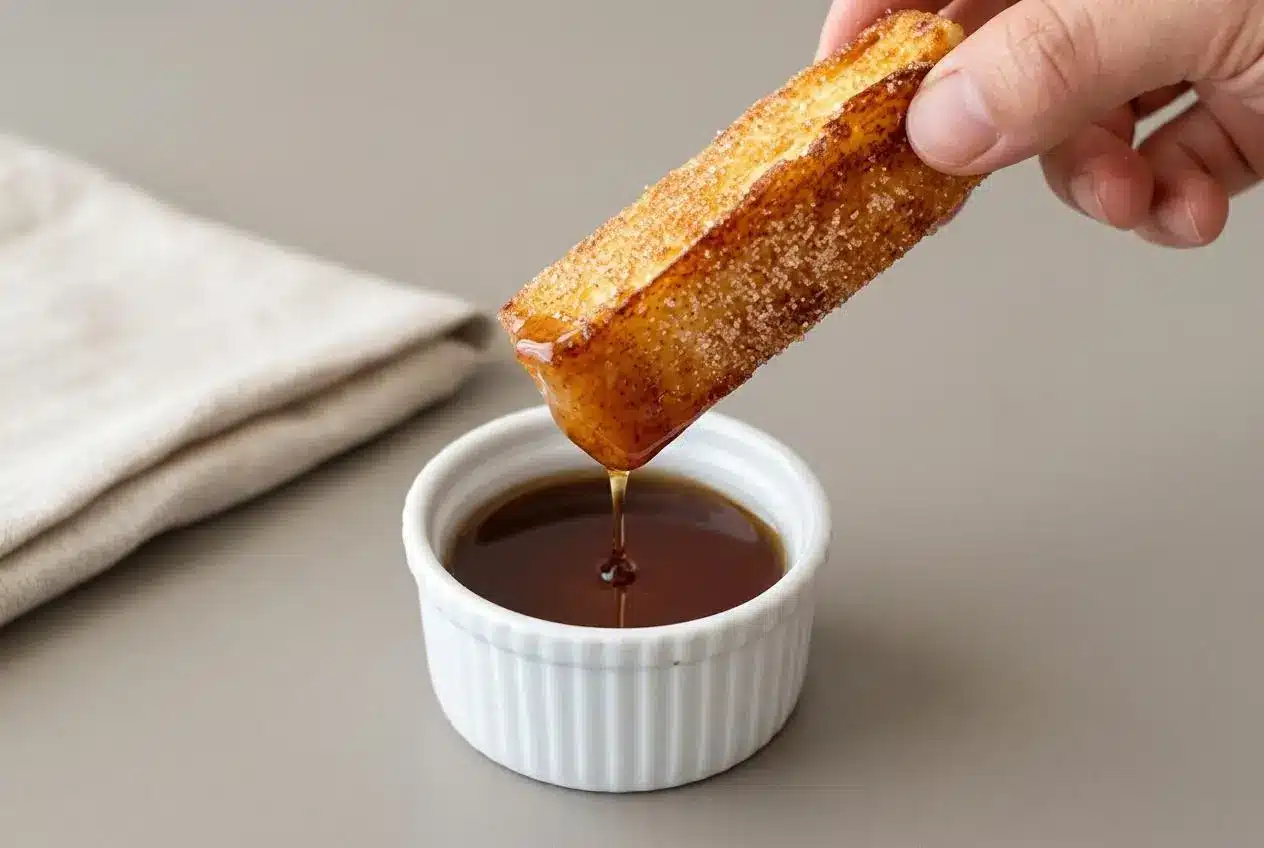
French toast sticks are made by slicing thick day-old bread into batons, rolling them briefly in an egg-and-milk custard, searing them in sizzling butter until golden brown, and tossing them immediately in cinnamon sugar for a crunchy, doughnut-like crust.
Crispy edges and a pillowy, custardy center make homemade french toast sticks the ultimate weekend breakfast. Cutting thick bread into handheld batons turns standard French toast into an irresistible finger food that is built for generous dunking.
The secret to keeping every piece light and crisp rather than heavy lies in a rapid custard dip that protects the bread structure. Once you see how quickly these come together in a single pan, morning breakfast routines become wonderfully effortless.
Listen for the foaming butter in the skillet to quiet down slightly before adding the bread so each baton browns evenly without absorbing excess fat.
Key Ingredients and Custard Balance
Every ingredient in this recipe serves a dedicated structural or textural purpose, balancing moisture absorption, browning potential, and spiced sweetness across every baton.
- 4 thick slices white bread, preferably stale
- 2 eggs
- 1/4 cup milk
- Salt
- 1/3 cup white sugar
- 1 tsp cinnamon powder
- 3 tbsp butter
- Maple syrup to serve
The choice of bread dictates the entire structural outcome of the dish. Thick-cut white bread, Texas toast, or sturdy brioche french toast loaves provide the density needed to absorb rich custard without sagging or breaking when lifted with tongs. Stale bread works best because dry bread fibers pull in just enough liquid to create a tender, custard-like middle while the exterior develops a firm, golden seal.
The ratio of two eggs to a quarter-cup of milk creates a rich custard that coats evenly without turning rubbery or excessively eggy. White sugar paired with ground cinnamon forms a classic dusting that clings to the residual surface butter, mimicking the crunch of fresh churros or cinnamon sugar doughnuts.
For those looking to adapt the recipe for dietary preferences, simple substitutions work seamlessly without changing the method:
- Swap whole dairy milk for unsweetened oat milk or almond milk to keep the custard light.
- Use plant-based block butter with a high melting point for pan searing.
- Choose thick gluten-free white bread, ensuring it is slightly toasted beforehand to enhance crumb firmness.
I always slice my bread batons about one inch wide so they stay sturdy enough for heavy syrup dipping without flopping over.
How to Make French Toast Sticks Step-by-Step
Executing this recipe requires quick movement and good heat management to achieve an evenly browned exterior and a delicate center.
- Trim the outer crusts from every slice of bread and slice each piece lengthwise into three equal batons.
Neat, uniform batons ensure even heat distribution and consistent browning across all sides. - Whisk the eggs, milk, and a pinch of salt together in a wide, shallow bowl until fully blended and streak-free.
A completely smooth custard prevents patches of cooked egg white from appearing on the bread. - Stir the ground cinnamon and granulated sugar together across the surface of a wide, flat rimmed plate.
Spreading the spiced sugar widely allows you to roll multiple hot batons in a single quick motion. - Heat a large skillet over medium-high heat and melt two tablespoons of the butter until it bubbles and coats the pan.
The butter should sizzle vigorously and begin to subside before any bread touches the cooking surface. - Roll the bread sticks swiftly through the egg mixture for roughly two seconds, allow excess liquid to drip off, and place them into the hot skillet in two spaced batches.
Moving quickly prevents the interior of the bread from becoming overly saturated and mushy. - Sear the batons for several minutes, turning them onto each of their four sides until every edge turns deep golden brown.
The batons should feel firm to the touch with tongs and release a rich, toasted aroma as they cook. - Lift the cooked sticks directly from the hot skillet onto the spiced sugar plate and toss them thoroughly to coat every side.
The residual heat and melted butter on the crust melt the sugar crystals slightly, creating an immediate glossy adhere. - Add the remaining tablespoon of butter to the skillet, melt it completely, and cook the second batch of coated sticks.
Fresh butter ensures the second round cooks with the same golden crispness and clean flavor as the first. - Transfer the warm cinnamon-coated batons to a serving platter and present them alongside warm maple syrup for dipping.
The sugar coating remains crunchiest when enjoyed fresh from the pan.
Alternative Cooking Methods: Oven and Air Fryer
While frying in a skillet delivers an exceptional butter-basted crust, alternative appliances offer incredible convenience for morning prep or when serving larger breakfast gatherings. You can also explore a make-ahead french toast casserole when you need an entirely hands-off morning bake, but adjusting your equipment for batons gives wonderful variety.
Oven-Baked Sheet Pan Method for Crowds
Baking on a sheet pan lets you prepare dozens of sticks simultaneously without standing over a stove. Preheat your oven to 350 degrees F and line a large baking sheet with parchment paper. Arrange the custard-dipped sticks in a single layer with space between each piece, then brush the tops lightly with melted butter. Bake for roughly 20 minutes, flipping each piece at the 10-minute mark so both sides achieve a light golden brown color. Toss them in cinnamon sugar immediately after pulling them from the oven.
Air Fryer Method for Maximum Crispness
The air fryer circulates dry, intense heat rapidly around the bread, producing an exterior that is remarkably crunchy. Preheat your air fryer to 375 degrees F and coat the basket lightly with cooking spray. Arrange the dipped sticks in a single layer without overcrowding the basket. Cook for 5 to 7 minutes, shaking the basket or turning the sticks halfway through cooking. Once they emerge golden and crisp, brush them lightly with melted butter and roll them in the cinnamon sugar mixture immediately.
Essential Cooking Tips and Troubleshooting
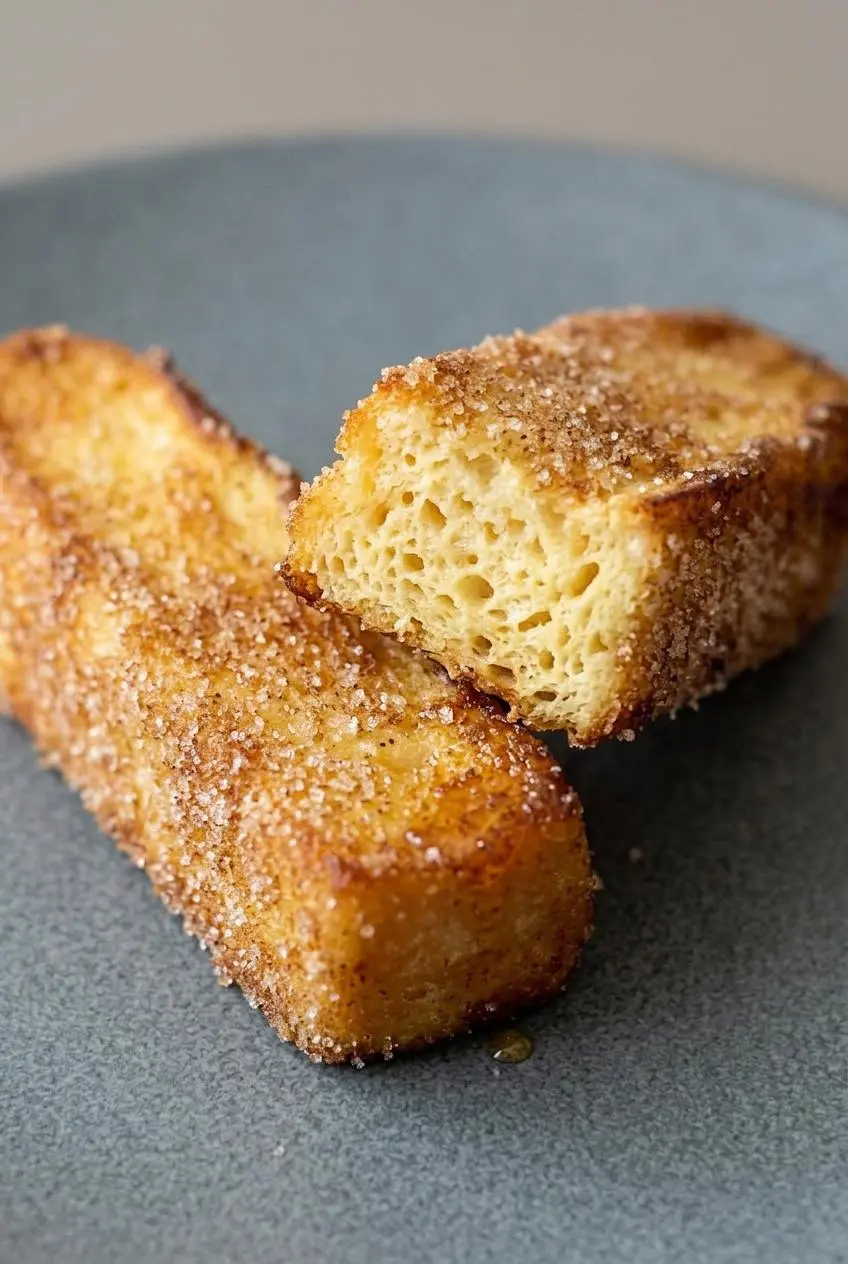
Achieving ideal texture in finger-food breakfasts comes down to understanding moisture control and heat regulation. Unlike standard classic french toast slices that benefit from a longer custard soak, thin sticks have far more surface area relative to their volume.
- Soggy middle: This occurs when fresh sandwich bread absorbs too much liquid or sits in the egg mixture for more than two seconds. Always choose day-old sturdy bread and use a rapid roll-and-lift motion.
- Burnt butter or scorched sugar: If the butter browns too quickly before the bread cooks through, your skillet is too hot. Lower the heat to medium and wipe the pan between batches to remove darkened butter solids.
- Sugar refusing to stick: The cinnamon sugar needs residual hot surface fat to adhere properly. Roll the sticks the instant they leave the pan, or brush cooled batons lightly with melted butter before tossing.
- Floppy sticks: Cutting slices too thinly causes batons to collapse under their own weight. Keep cuts at least one inch wide to maintain rigid, dip-ready finger food.
Freezing, Storage, and Reheating Guide
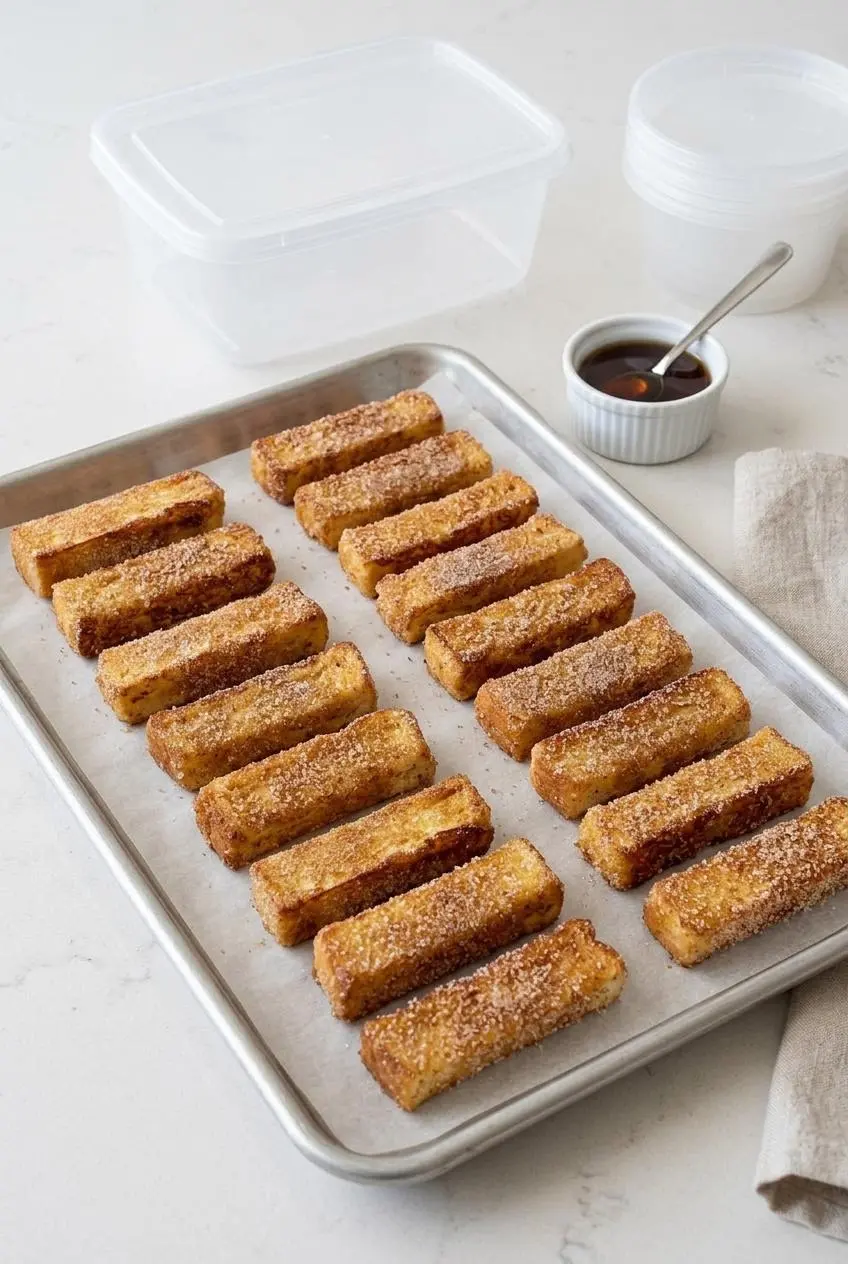
Proper storage maintains the balance between a soft interior and crisp exterior while keeping egg-based dishes in prime condition. Following established standards for safe egg dish preparation and refrigeration helps maintain quality and freshness throughout the week.
Store any leftover cooked sticks in a sealed airtight container in the refrigerator. To prevent moisture buildup from softening the cinnamon crust, allow the sticks to cool completely to room temperature before closing the container lid.
How to Flash Freeze for Breakfast Meal Prep
Flash freezing prevents individual sticks from clumping together into a solid block, letting you pull out individual portions on busy weekday mornings:
- Place fully cooked and sugar-coated sticks onto a baking sheet lined with parchment paper, ensuring none of the pieces touch.
- Freeze the tray uncovered until the batons are completely firm to the touch.
- Transfer the solid sticks into an airtight freezer storage bag, press out excess air, and label the container.
Crispy Reheating Methods: Oven, Toaster, and Air Fryer
Reheating frozen sticks requires dry radiant heat rather than steaming. Avoid using the microwave, as steam softens the crumb and makes the crust chewy and limp.
- Air fryer: Warm frozen sticks at 375 degrees F for 3 to 5 minutes until hot and crunchy.
- Toaster oven: Bake at 375 degrees F for 5 to 7 minutes on a small baking rack.
- Standard toaster: Place wide batons directly into wide toaster slots on medium-low heat for a single cycle.
Delicious Dipping Sauces and Serving Ideas
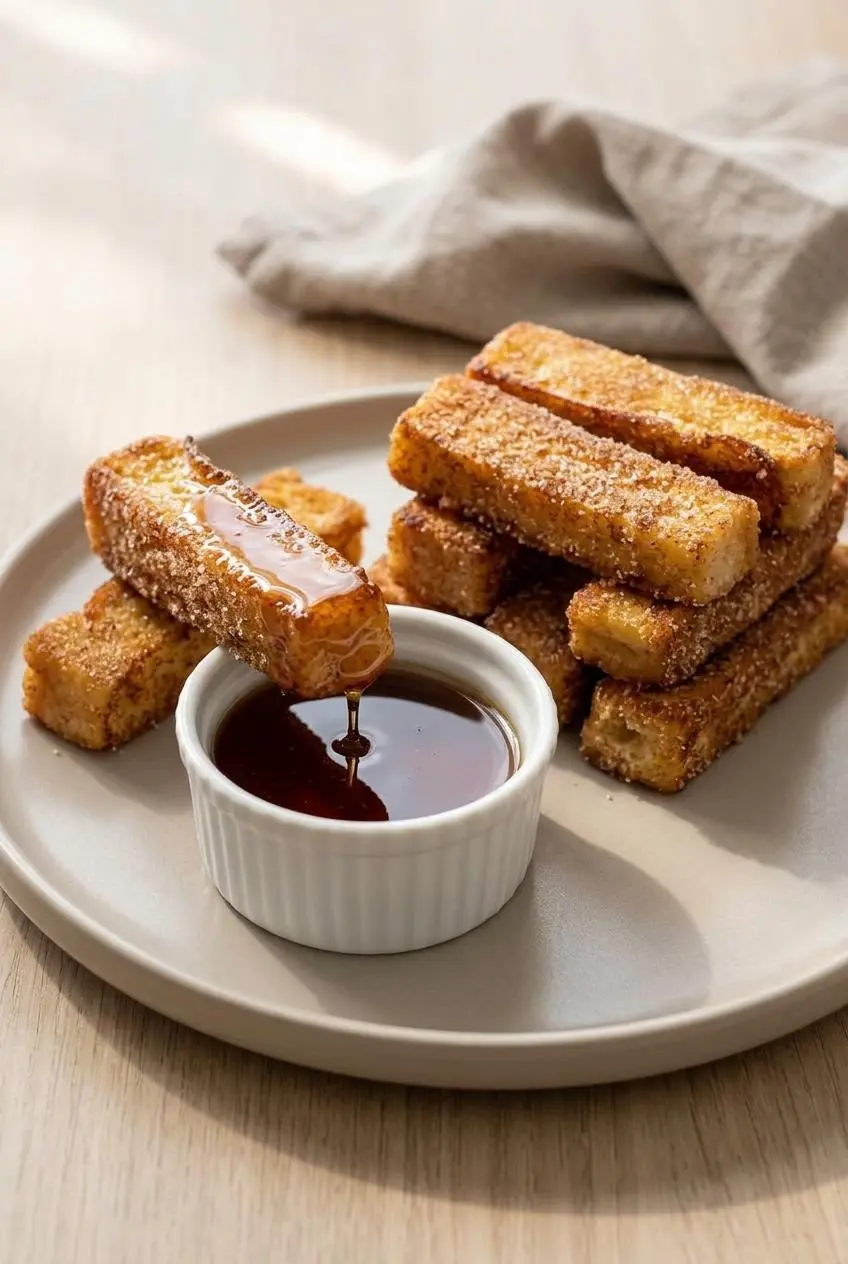
While pure warm maple syrup is the timeless standard for dunking, offering a variety of dipping sauces turns breakfast into a playful spread. Warm berry compotes made from simmered raspberries or blueberries offer a tart contrast to the spiced sugar coating. For an indulgent brunch presentation, provide small dipping bowls filled with warm vanilla Greek yogurt, melted chocolate hazelnut spread, or rich french hot chocolate for dipping.
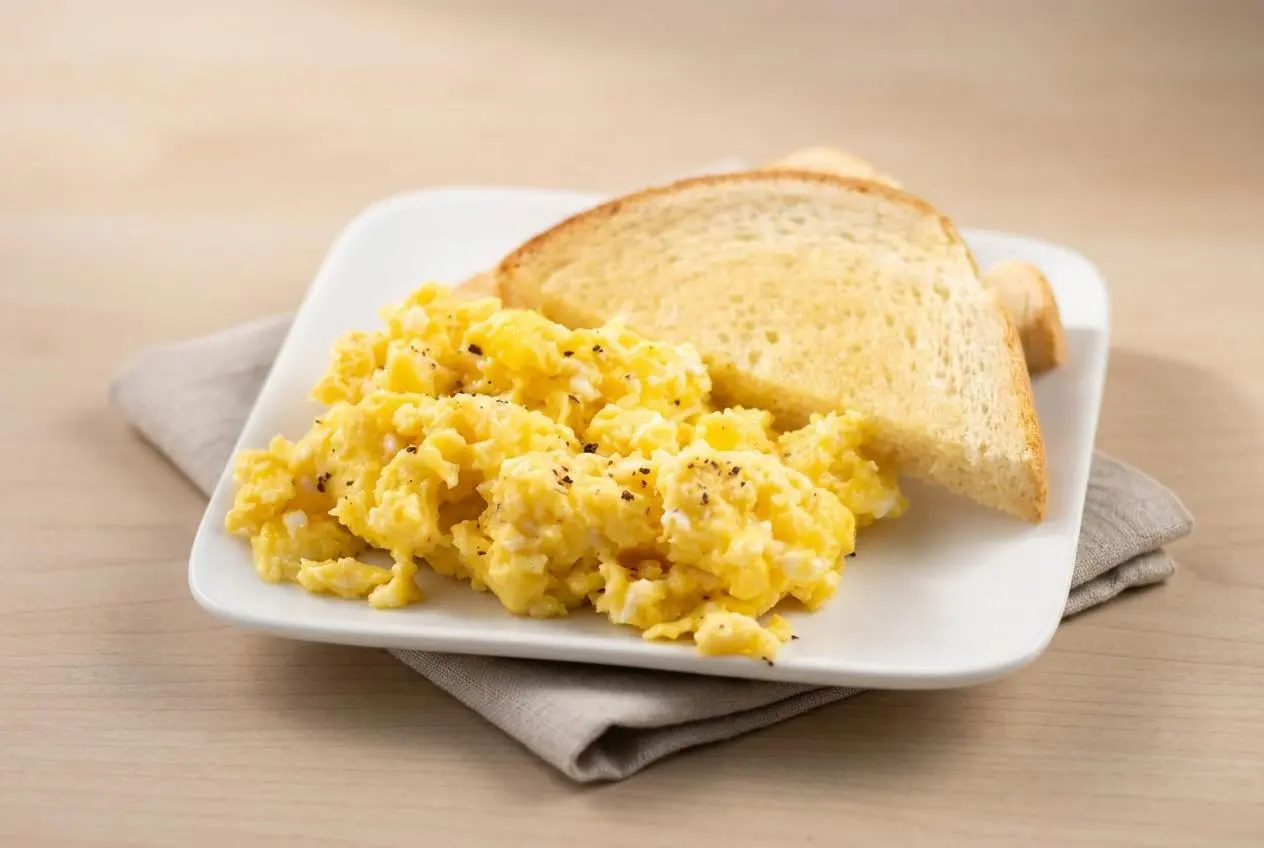
To round out a complete morning meal, balance the sweetness of the sticks with savory protein sides. Crisp thick-cut smoked bacon, seasoned pork breakfast sausage links, or fluffy scrambled eggs pair naturally alongside a bowl of fresh sliced strawberries and blackberries.
Conclusion
Making homemade french toast sticks delivers a texture contrast that frozen store-bought versions simply cannot match. Thick slices of sturdy bread, a quick roll through rich custard, and a sizzling butter sear create a pillowy center surrounded by a crisp cinnamon crust.
Whether you cook a quick skillet batch for the family or freeze a large tray for effortless morning prep, these golden batons make breakfast feel special. Set out warm syrup bowls, gather your favorite sides, and enjoy every crunchy, sweet bite.
Frequently Asked Questions
What is the best bread for french toast sticks?
Thick-cut day-old brioche, challah, or Texas toast works best. Sturdy bread varieties with a tight, dense crumb absorb custard without collapsing, allowing the batons to stay rigid enough for dipping.
Why are my french toast sticks soggy in the middle?
Sogginess is usually caused by soaking the bread too long or using thin sandwich bread. Slices should only receive a rapid two-second roll in the custard bowl so liquid coats the exterior without saturating the bread core.
How do you freeze and reheat homemade french toast sticks?
Freeze cooked, coated sticks in a single layer on a parchment-lined baking sheet until solid, then store them in an airtight freezer bag. Reheat them directly from frozen in a 375 degree F air fryer or toaster oven for several minutes until crispy.
Can I bake french toast sticks in the oven instead of frying?
Yes. Arrange dipped batons on a parchment-lined sheet pan, brush them with melted butter, and bake at 350 degrees F for about 20 minutes, turning once halfway through. Toss them in cinnamon sugar as soon as they leave the oven.
Cinnamon French Toast Sticks

Equipment
- Large skillet or frying pan
- Shallow dipping bowl
- Shallow coating plate
Ingredients
- 4 thick slices white bread preferably stale
- 2 eggs
- 1/4 cup milk
- Salt
- 1/3 cup white sugar
- 1 tsp cinnamon powder
- 3 tbsp butter
- Maple syrup to serve
Instructions
- Trim the outer crusts from every slice of bread and slice each piece lengthwise into three equal batons. Neat, uniform batons ensure even heat distribution and consistent browning across all sides.
- Whisk the eggs, milk, and a pinch of salt together in a wide, shallow bowl until fully blended and streak-free. A completely smooth custard prevents patches of cooked egg white from appearing on the bread.
- Stir the ground cinnamon and granulated sugar together across the surface of a wide, flat rimmed plate. Spreading the spiced sugar widely allows you to roll multiple hot batons in a single quick motion.
- Heat a large skillet over medium-high heat and melt two tablespoons of the butter until it bubbles and coats the pan. The butter should sizzle vigorously and begin to subside before any bread touches the cooking surface.
- Roll the bread sticks swiftly through the egg mixture for roughly two seconds, allow excess liquid to drip off, and place them into the hot skillet in two spaced batches. Moving quickly prevents the interior of the bread from becoming overly saturated and mushy.
- Sear the batons for several minutes, turning them onto each of their four sides until every edge turns deep golden brown. The batons should feel firm to the touch with tongs and release a rich, toasted aroma as they cook.
- Lift the cooked sticks directly from the hot skillet onto the spiced sugar plate and toss them thoroughly to coat every side. The residual heat and melted butter on the crust melt the sugar crystals slightly, creating an immediate glossy adhere.
- Add the remaining tablespoon of butter to the skillet, melt it completely, and cook the second batch of coated sticks. Fresh butter ensures the second round cooks with the same golden crispness and clean flavor as the first.
- Transfer the warm cinnamon-coated batons to a serving platter and present them alongside warm maple syrup for dipping. The sugar coating remains crunchiest when enjoyed fresh from the pan.