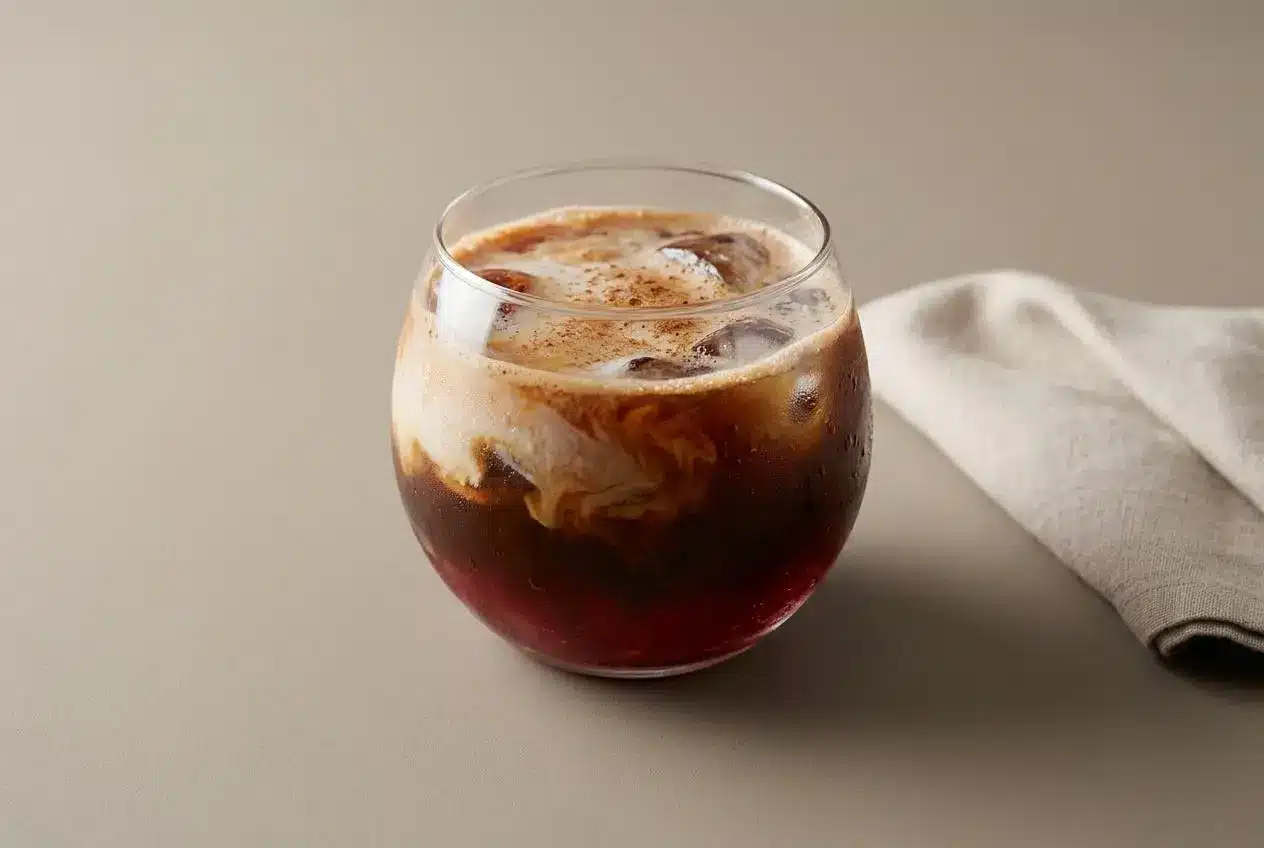
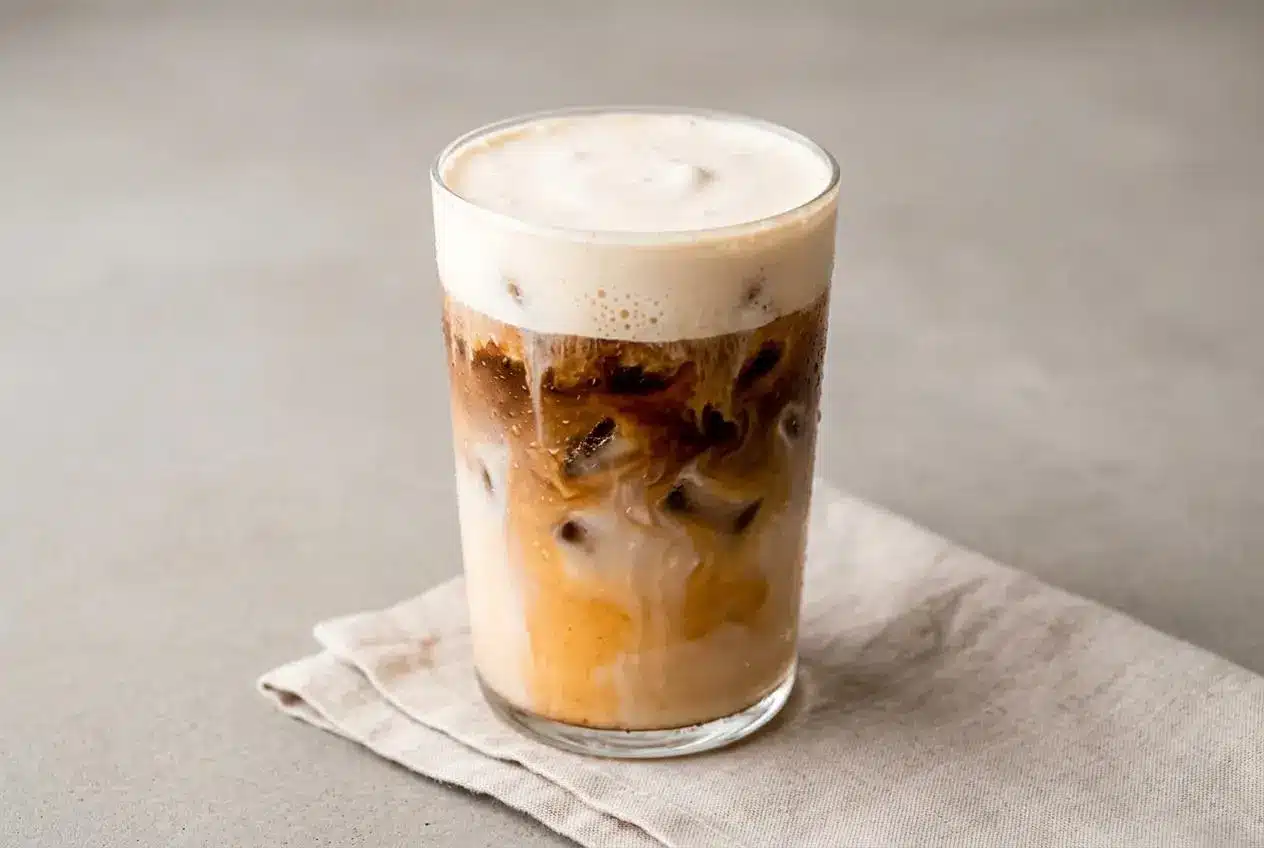
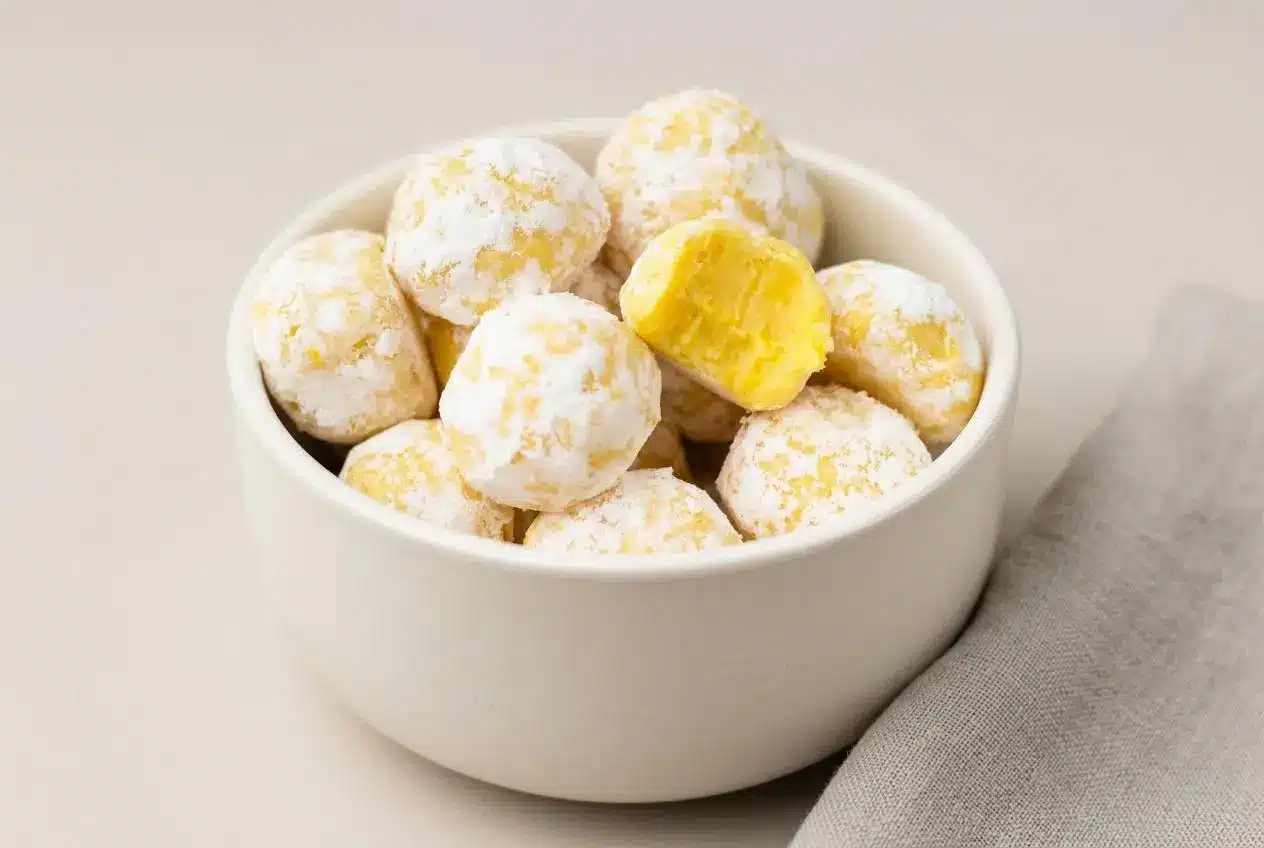
At home, bubble tea nights are a little ritual, the clink of ice, the perfume of tea, and that moment you bite into a pearl that finally has the right snap. This crystal boba recipe is my go-to when I want translucent, jewel-like pearls without driving across town and paying shop prices for toppings.
It’s perfect for anyone who loves bubble tea toppings and wants that clean “crystal” look with a gentle chew. Once you get the rhythm of the cold oil method, you’ll feel like you’re doing a bit of molecular gastronomy right on your kitchen counter.
Why You’ll Love This Recipe
Authentic “Q” texture: In my kitchen, agar agar powder alone can set too brittle, and gelatin alone can feel like candy. The balance here gives you that satisfying snap followed by bounce, the closest homemade version I’ve had to high-end shop pearls.
Crystal clear aesthetics: These pearls set into glossy, translucent beads that catch the light like little marbles. In a glass of tea they look downright fancy, even if you’re drinking it in pajamas.
Cost-effective bubble tea toppings: A batch costs a fraction of what you’d spend adding pearls at a boba shop. Once you’ve made them once, you’ll start keeping coconut water in the pantry “just in case.”
Customizable base and sweetness: Coconut water keeps the pearls pale and clean-tasting, and you can steer the sweetness where you like it. If you want the vegan “Q” twist, swapping to Konjac powder gives a chewier, more Taiwanese-style bite.
Ingredients and Substitutions

These ingredients work like a little team, the tea perfumes the base, sugar rounds it out, and the agar plus gelatin create that clear set that still has life when you bite.
Ingredients
- 12 g agar powder
- 10 g unflavored gelatin powder
- 9 g Adagio Peach Bellini tea
- 1 kg coconut water
- 100 g sugar
- 80 ml vegetable oil
- 2 kg water
- 2 trays ice
Ingredient Notes & Substitutions
Agar powder: This is the backbone of crystal boba, a seaweed-based gelling agent that sets firm and clean. That signature “crunch” or brittle snap people associate with crystal boba comes from agar being fully activated with heat.
Unflavored gelatin powder vs. Konjac powder: Gelatin is easy to find in the US and gives a softer chew, like a tender gummy. For a 100% vegan version with a chewier, more authentic Taiwanese “Q” texture, swap the 10 g unflavored gelatin powder for Konjac powder, keeping everything else the same.
Adagio Peach Bellini tea: This tea is there for aroma as much as flavor, think bright peachy notes that keep the pearls from tasting flat. If you prefer perfectly clear pearls, keep the infusion light so the liquid stays pale.
Coconut water: Coconut water gives you a clear, naturally sweet base that helps the pearls look like glass. Cloudy liquids will still set, but you’ll lose that crystal look.
Vegetable oil: This is the heart of the cold oil method, it helps each droplet round out into a sphere before the icy bath locks the shape in place. Neutral oil works best so the pearls rinse clean.
Sugar: Sugar isn’t only sweetness, it also helps the pearls feel less harsh on the bite. White sugar keeps the finished boba looking as transparent as possible.
How to make crystal boba recipe
Infuse the coconut water base
- Bring the coconut water up to 212°F, then add the Adagio Peach Bellini tea and let it steep for 10 minutes. You’ll smell a soft peach fragrance blooming as the steam rises, that’s exactly what you want.
- Strain well and discard the tea leaves, then let the liquid cool slightly so it’s still warm but no longer aggressively steaming. A careful strain keeps the base clear, which is what makes the pearls look like tiny crystals.
Build the gel mixture and hydrate it
- Back in the pot, combine the agar powder and unflavored gelatin powder thoroughly before they touch the liquid. This dry-mixing step matters, it helps prevent clumps that can turn into cloudy specks later.
- Whisk the mixed powders into the warm coconut water tea until you don’t see dry pockets, then let the pot sit for ten minutes. During this rest, the powders hydrate and you’ll notice the mixture looks slightly thicker around the edges.
Activate, then set up the cold oil bath
- Set the pot over low heat and simmer for five minutes, stirring constantly so nothing catches at the bottom. The mixture should look glossy and uniform, and it should smell lightly fruity, not scorched.
- Turn off the heat, but keep stirring for another five minutes. This extra stirring off-heat helps the agar fully dissolve and sets you up for pearls that hold their shape instead of turning fragile.
- In a large bowl, combine the water, ice, and vegetable oil. You want it truly icy, with a clear oil layer floating on top, that cold shock is what makes the pearls firm up fast.
Drip, set, rinse
- Pour the warm mixture into a squeeze bottle, then drip it into the cold oil bath, one drop at a time. Each droplet should round up like a little bead before it sinks, looking like tiny glass gems as they set.
- Once the pearls have set, they’ll sink to the bottom, then you can strain them out. Rinse thoroughly until they feel clean and no longer slick, because even a thin oil film can dull the flavor in your drink.
The Secret to Authentic Texture

Temperature control matters more than people expect. Keep the mixture warm while you’re dripping, because if it cools too much inside the squeeze bottle, it will set early and you’ll be fighting jelly instead of making pearls.
The cold oil method explained is simple once you see it happen. The oil encourages a round shape through surface tension, then the icy bath helps the agar set quickly, which is why this spherification-style technique works so well for crystal boba.
Agar vs. gelatin vs. konjac is the texture triangle. Agar sets firm and can feel brittle, which is the same reason an agar fruit jelly has that clean, sliceable bite.
Gelatin makes things tender and elastic, while Konjac powder brings that signature rubbery bounce people call “Q.” If you want shop-style chew and a vegan gelatin approach, Konjac is the upgrade I reach for.
Pro Tips & Troubleshooting
Pro Tips
- A syringe or squeeze bottle helps you control droplet size, which means more evenly shaped pearls and more consistent chew.
- For maximum clarity, stick with white sugar and clear coconut water, and strain the tea well so you don’t trap tiny particles in the gel.
- Finished pearls behave better when they’re soaked in a light flavored syrup, like honey or lychee, because it adds shine and helps prevent sticking.
- Keep the mixture warm, not boiling, while you drip. Warm enough to flow smoothly is the sweet spot.
Common Mistakes to Avoid
- Boiling too vigorously can evaporate liquid and throw off the ratio, which often leads to pearls that feel rock-hard instead of pleasantly snappy.
- Cutting the simmer short can leave agar under-activated, so pearls may set weakly or break apart when rinsed.
- If the mixture starts setting inside the bottle, a hot water bath for the bottle can gently loosen it back to a liquid so you can keep dripping.
- If your oil and water bath is not icy enough, droplets can deform, stick together, or flatten before they set.
Serving & Storage

Creative Serving Ideas
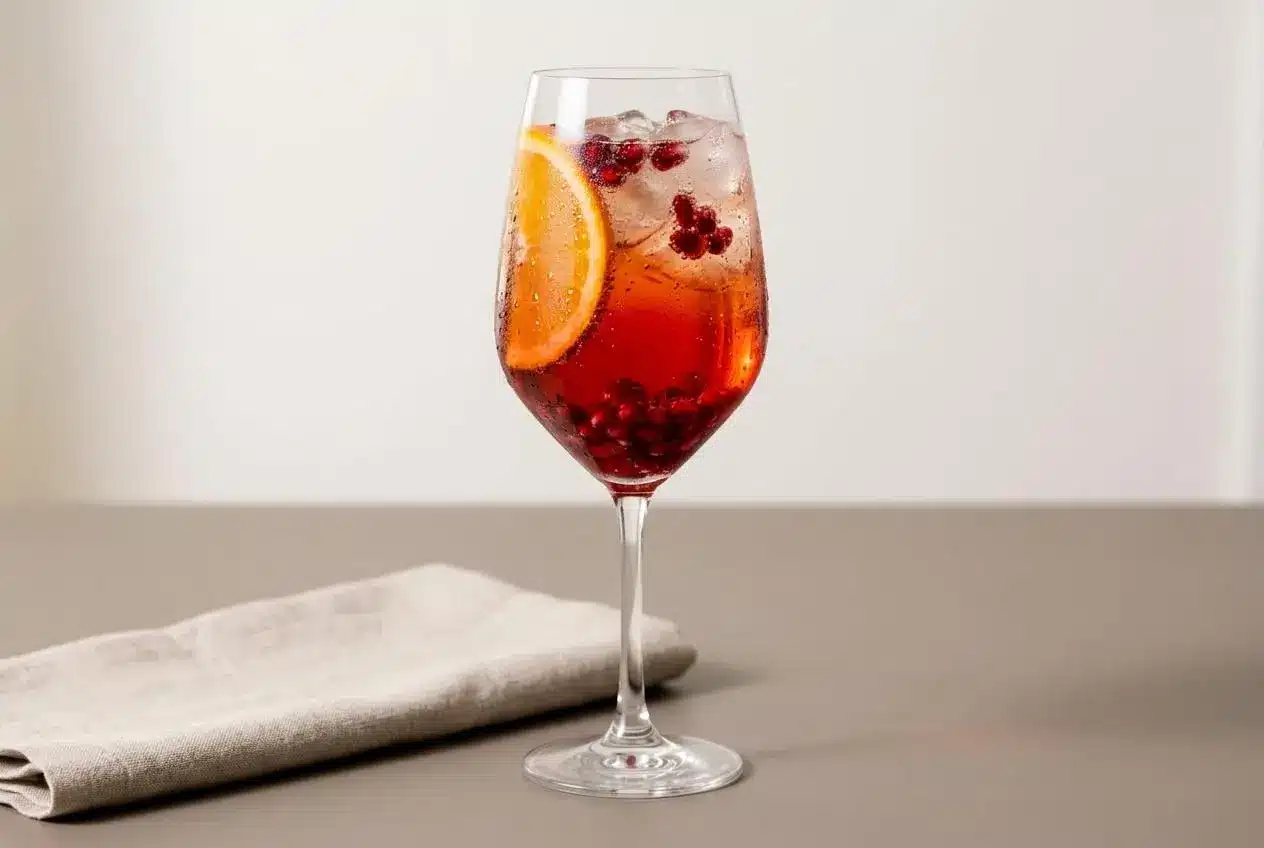
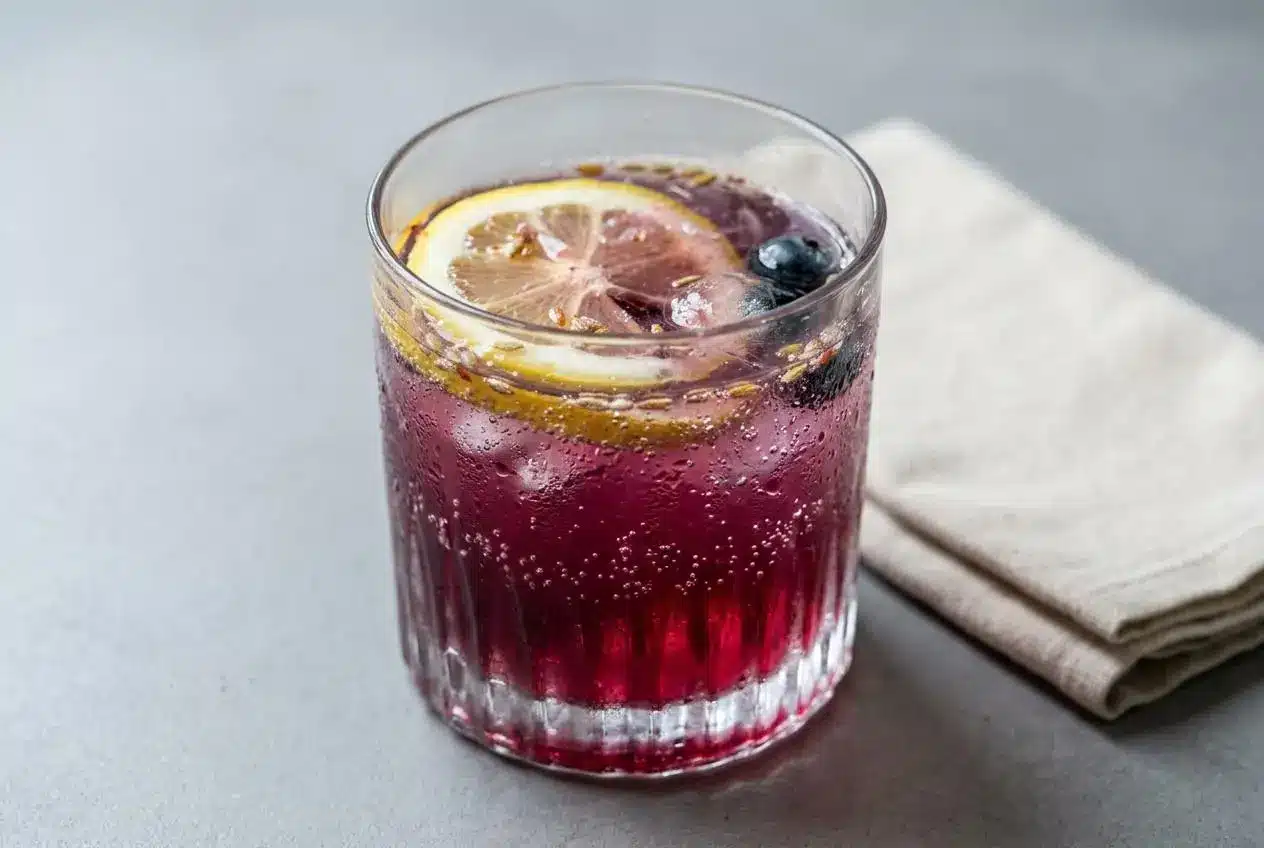
Classic bubble tea: Crystal boba is gorgeous in milk tea and fruit tea, especially when the pearls stay nearly transparent. That same pop of texture is fun in a creamy drink like a vanilla protein shake, where the pearls feel like a little treat between sips.
Dessert toppings: I love scattering a spoonful over shaved ice, frozen yogurt, or fruit bowls for contrast. They’re also a playful topping on silky Asian sweets like ginger milk pudding, where the snap of the pearls breaks up the custardy softness.
Storage & Make-Ahead
Short shelf life: Crystal boba is at its best fresh, when the pearls still have that bright snap and spring. Stored in the fridge in simple syrup, they keep well for up to 48 hours.
Texture warning: Cold air can make the pearls shrink or firm up over time. A brief soak in warm water before serving can soften the bite and bring back some of that just-made chew.

Homemade Crystal Boba Recipe

Equipment
- Squeeze bottle
- Pot
- large bowl
- Strainer
Ingredients
- 12 g agar powder
- 10 g unflavored gelatin powder
- 9 g Adagio Peach Bellini tea
- 1 kg coconut water
- 100 g sugar
- 80 ml vegetable oil
- 2 kg water
- 2 trays ice
Instructions
Infuse the coconut water base
- Bring the coconut water up to 212°F, then add the Adagio Peach Bellini tea and let it steep for 10 minutes to bloom the fragrance.
- Strain the liquid well and discard the tea leaves, allowing the base to cool slightly until it is no longer aggressively steaming.
Build the gel mixture and hydrate it
- Combine the agar powder and unflavored gelatin powder thoroughly in a separate vessel before they touch the liquid to prevent clumping.
- Whisk the mixed powders into the warm coconut water tea until no dry pockets remain, then let the pot sit for ten minutes to hydrate.
Activate, then set up the cold oil bath
- Set the pot over low heat and simmer for five minutes, stirring constantly until the mixture looks glossy and uniform.
- Turn off the heat but continue stirring for another five minutes to help the agar fully dissolve and ensure a firm set.
- In a large bowl, combine the water, ice, and vegetable oil to create an icy bath with a clear oil layer floating on top.
Drip, set, rinse
- Pour the warm mixture into a squeeze bottle, then drip it into the cold oil bath one drop at a time so each droplet rounds into a bead.
- Once the pearls sink and set, strain them out and rinse thoroughly until they feel clean and free of any oil film.
Notes
Nutrition
Conclusion
When you nail this crystal boba recipe, the reward is immediate, that little snap, that gentle chew, and pearls that look like they belong in a shop display case. If you’re chasing the most authentic “Q,” the agar and Konjac powder route is the trick that makes it feel truly special.
Once you’ve got the method down, play with your tea infusions and syrup soaks, and make your home drink station feel like your favorite boba counter.