There’s a moment I’m always chasing in my kitchen, that warm, toasty corn aroma you catch from a good street taco stand, where the tortillas are soft, steamy, and ready to fold without a single crack. Store-bought corn tortillas can get the job done, sure, but too often they bend like cardboard and taste like the package.
This method is my dependable way to get corn tortillas that stay tender and flexible, even on a standard home stove. If your dough usually dries out, splits at the edges, or sticks to the plastic, this little approach fixes the heartbreak.
Why You’ll Love This Recipe
The Golden Glow: In my kitchen, a tiny touch of honey or agave nectar helps those beautiful toasted spots show up faster on a hot Cast Iron Skillet, even when the heat isn’t perfectly even.
Ultimate Pliability: That hint of natural sugar holds onto moisture, so the tortilla bends and folds without snapping, the kind of softness you want for tacos, tostadas, and breakfast wraps.
Traditional Flavor, Smarter Hydration: Masa Harina already brings deep corn flavor through nixtamalization, and warm water simply helps it bloom into a dough that feels smooth and alive.
Ingredients and Substitutions

These corn tortillas are beautifully simple, just masa, hot water, and salt. When each one is treated well, the flavor turns sweetly corny and the texture stays soft and flexible.
Ingredients
- 1 cup masa harina
- ¾ cup hot tap water
- ½ teaspoon kosher salt
Ingredient Notes & Substitutions
Masa Harina vs. Cornmeal: These aren’t interchangeable, because Masa Harina is made from nixtamalized corn, meaning the corn is treated with Calcium Hydroxide, also called slaked lime, then dried and ground. Cornmeal is just ground corn, and it will give you a gritty dough that won’t press or puff the same way.
Masa Harina Sourcing: When I want a deeper, earthier corn perfume, I reach for heirloom-style options like Masienda. The difference shows up in the aroma the moment hot water hits the flour, more like fresh corn than plain Corn Flour.
Water Quality: If your tap water smells strongly of chlorine, filtered water makes a noticeable difference. Clean water lets the corn flavor come forward, especially since this recipe is so minimal.
Plastic Bag vs. Parchment Paper: I like the plastic-bag rounds because they peel cleanly when the dough is hydrated correctly. Parchment Paper can work too, but if it’s too stiff it sometimes encourages cracking at the edges.
How to make corn tortillas
Mix and hydrate the masa
- In a large bowl, combine the masa harina with the hot tap water and kosher salt, then use your fingers to mix. At first it looks shaggy, then it starts to clump, and the scent turns sweet and corny as it hydrates.
- Knead for a few minutes until the dough feels like smooth modeling clay or putty, not crumbly and not tacky. If it feels sandy, work in a little more water a teaspoon at a time, and if it feels sticky, dust in a little more masa harina until it behaves.
- Cover the bowl with a damp towel and let the dough rest for 20 to 30 minutes. This pause is where the starch finishes drinking, and you’ll feel the dough become softer and more cohesive.
Set up your press and warming station
- Cut a resealable plastic bag into 2 rounds the same size as your tortilla press and set them nearby. Then drape a clean kitchen towel over a pie dish, this is where the cooked tortillas will steam and relax.
Press, peel, and handle the tortillas
- Place 1 plastic round on the bottom of the tortilla press. Pinch off dough and roll it into a 1 1/2-inch, about 1-ounce ball, then set it in the center and press lightly to anchor it.
- Lay the second plastic round on top, close the press, and push the lever down until the tortilla is a thin, even disc. When you open it, the edges should look smooth, not cracked and jagged.
- Peel off the top plastic, then use your index finger at the edge to flip the tortilla onto your other hand. Peel away the remaining plastic slowly, if the tortilla sags like a soft sheet, you’re in the perfect zone.
Cook with the three-step flip for the puff
- Slide the tortilla into a hot, dry skillet over medium- to medium-high heat and let it cook for 30 to 45 seconds, until the surface looks set and you smell toasted corn. Flip and cook the second side for 1 minute, you should see freckles of golden color develop.
- Flip again and press once or twice with a spatula until it puffs up slightly, then cook 30 seconds. Give it one last flip and cook 5 to 10 seconds, just long enough to finish with a little extra toast.
- Transfer the tortilla immediately to the towel-lined dish and fold the towel over it, keeping that steam trapped. Repeat with the remaining dough, stacking and wrapping as you go, then leave the stack wrapped at least 15 minutes so they turn soft and supple.
Secrets for Tortilla Perfection

Weight over volume: Cups are convenient, but masa can pack differently every time. When I’m chasing perfect consistency, I weigh in grams so the masa-to-water ratio stays steady, and the dough feels the same batch after batch.
Temperature control: The skillet has to be properly hot or the tortilla will dry out before steam can build inside. Medium-high heat is the sweet spot, and you want that first side to set quickly within the 30 to 45 seconds.
Cast iron longevity: Dry-cooking can make a seasoned pan look dull if it’s left dusty. Once the skillet cools, I wipe it clean and add a whisper of oil, so the seasoning stays supple instead of brittle.
That corn flavor matters the way it does in Mexican cornbread and other corn staples. When the corn is good, you taste it even with just salt.
Pro Tips & Troubleshooting
Pro Tips
- Cook a tiny “tester tortilla” first, so you can adjust moisture or heat before pressing the whole batch.
- If you want extra-soft tortillas, a teaspoon of lard or oil is a lovely variation, especially for breakfast tacos.
- Keep the dough under a damp towel the entire time, because a dry surface turns into cracks when you press.
- Little scraps can be fried into quick chips, which pair beautifully with creamy corn dip for a snack while you cook.
Common Mistakes to Avoid
- Skipping the 20 to 30 minute rest, which leaves a gritty, sandy mouthfeel and weaker structure.
- Letting the dough sit uncovered, even briefly, because dry edges split during pressing and peeling.
- Cooking on a pan that is not hot enough, which prevents the tortilla from puffing and can make it stiff.
- In high-altitude or very dry climates, adding up to an extra tablespoon of water can help fight rapid evaporation.
Serving & Storage

Serving Ideas
For classic tacos, I love these with carnitas, or with chorizo and eggs when the morning needs something hearty. The tortillas stay bendable, so you can fold them without fighting tears.
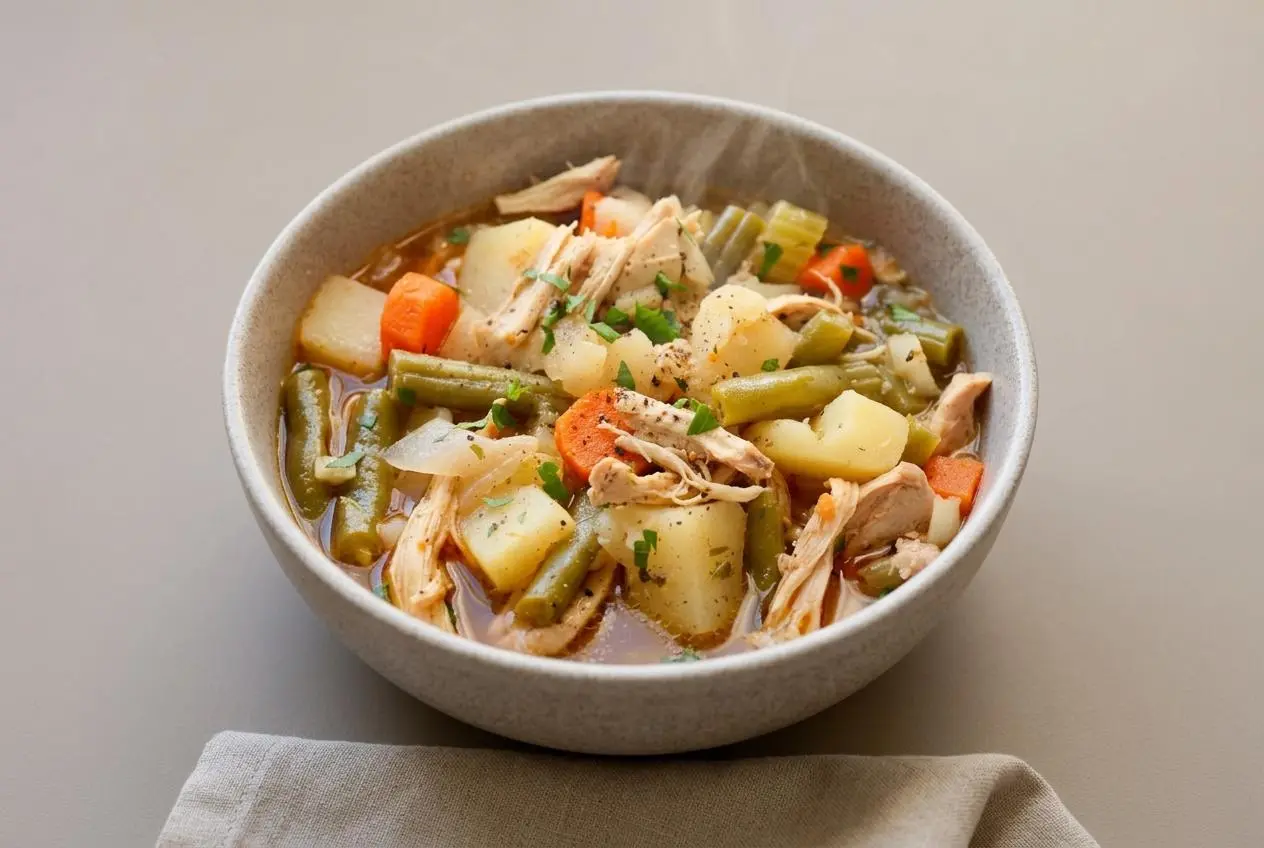
A warm tortilla also belongs next to gallo pinto at breakfast, because the soft corn is perfect for scooping. That same scoopable magic works with a chicken rice bowl when you want street-corn flavors at home.
Day-old tortillas shine as tostadas and chilaquiles, fry them crisp for a base, or simmer crunchy pieces in salsa until they turn tender at the edges. The corn aroma gets even toastier after frying.
Storage & Make-Ahead
Store cooked tortillas in an airtight bag in the fridge for up to 3 days. Keep them well sealed, because they pick up fridge odors quickly.
To reheat, a quick kiss on a gas flame gives a charred edge, or use a damp paper towel in the microwave for speed. Either way, reheating is about bringing back steam, not drying them out.

Soft Homemade Corn Tortillas

Equipment
- Tortilla Press
- Cast Iron Skillet
- large bowl
- Resealable Plastic Bag
Ingredients
- 1 cup masa harina
- ¾ cup hot tap water
- ½ teaspoon kosher salt
Instructions
Mix and hydrate the masa
- In a large bowl, combine the masa harina with the hot tap water and kosher salt. Use your fingers to mix until the dough starts to clump and smells sweet.
- Knead for a few minutes until the dough feels like smooth modeling clay. If it is sandy, add water by the teaspoon. If sticky, add a little more masa harina.
- Cover the bowl with a damp towel and let the dough rest for 20 to 30 minutes to allow the starch to fully hydrate.
Set up your press and warming station
- Cut a resealable plastic bag into two rounds the size of your press. Drape a clean kitchen towel over a dish to create a steam station for the finished tortillas.
Press, peel, and handle the tortillas
- Pinch off dough and roll into a 1.5-inch ball (about 1 ounce). Place it between the plastic rounds in the center of the press.
- Close the press and push the lever down to create a thin, even disc with smooth edges. Peel away the plastic carefully.
Cook with the three-step flip for the puff
- Slide the tortilla onto a hot, dry skillet over medium-high heat. Cook for 30 to 45 seconds until the surface sets. Flip and cook for 1 minute until golden freckles appear.
- Flip again and press with a spatula to encourage a puff, cooking for 30 seconds. Give it a final 5 to 10 second flash flip.
- Transfer immediately to the towel-lined dish and wrap tightly. Let the stack rest for at least 15 minutes to become soft and supple.
Notes
Nutrition
Conclusion
Once you respect two things, hydration and heat, corn tortillas stop being mysterious and start being a weekly habit. That tiny honey or agave twist is subtle, but it rewards you with better color, a softer bite, and fewer cracked edges.
If you fall in love with the process, play with blue or yellow masa, or add that little spoon of fat for extra tenderness. The best tortilla is the one you can fold, fill, and eat while it’s still warm.