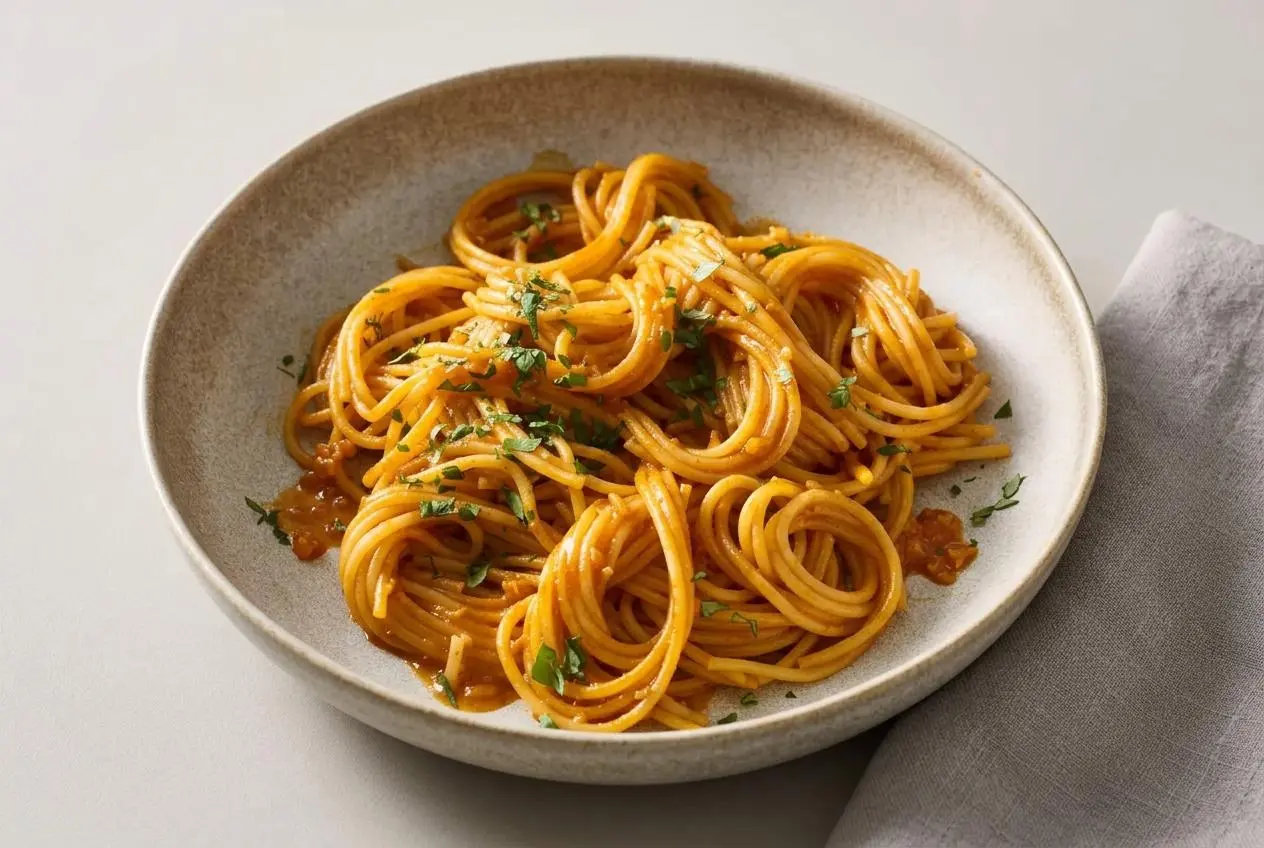
Gochujang butter noodles combine chewy pasta, softened garlic, fermented Korean chili paste, butter, honey, and vinegar in a glossy, spicy-sweet sauce. This recipe serves four and takes about 25 minutes, including prep, with no heavy cream needed.
Garlic sizzling gently in melted butter sets the tone for gochujang butter noodles: fragrant, savory, and rich, with enough tang to keep every bite lively. The chili paste gives the sauce depth as well as heat.
You’ll cook the sauce while the pasta boils, then bring everything together with butter and reserved cooking water. The trick isn’t adding more richness. It’s getting that glossy coating to cling.
Set a measuring cup beside the colander before you start so you remember to save the pasta water.
Flavor Profile and Why This Recipe Works
Expect a savory, garlicky bite followed by chili warmth, rounded sweetness, and a clean vinegar finish. Gochujang brings fermented depth that makes this sauce taste more layered than plain chili butter.
Butter softens the impression of heat without erasing it. Honey rounds out the chili paste and sharp vinegar, helping the reduced sauce form a glaze. The vinegar keeps that sweetness and richness from becoming heavy.
The finish depends on texture as much as flavor. Stirring butter into hot pasta with starchy cooking water helps distribute the fat through the liquid, creating an emulsion: a unified coating rather than separate sauce and oil.
The technique shares some common ground with garlic butter pasta, but gochujang, honey, and vinegar take the flavor in a spicy, tangy direction. You want each strand coated, with no greasy puddle underneath.
Ingredients for Gochujang Butter Noodles
Pasta provides chew, butter adds richness, and garlic builds aroma. Gochujang supplies savory heat, while honey and vinegar balance sweetness and acidity. Salt and pepper sharpen the flavor, and the optional herbs add freshness.
- 1 pound spaghetti or other long pasta
- 6 tablespoons unsalted butter
- 12 garlic cloves, finely chopped (about ⅓ cup)
- Salt and pepper
- ¼ cup gochujang paste (not sauce)
- ¼ cup honey
- ¼ cup sherry vinegar or rice vinegar
- Finely chopped cilantro or thinly sliced scallions (optional)
Unsalted butter lets you control seasoning alongside the salt already present in gochujang. Fresh garlic supplies a full, aromatic flavor; gentle cooking mellows its raw bite without introducing the bitterness of scorched pieces.
Sherry vinegar contributes a rounded, fruity tang. Rice vinegar gives a cleaner, lighter finish. Honey balances either choice and helps the reduced mixture coat the pasta instead of tasting sharply acidic.
Reserved pasta cooking water supplies both moisture and starch. It loosens the concentrated sauce while helping the butter blend into it. Cilantro or scallions, if you use them, provide a fresh contrast to the warm garlic and chili.
I prefer to keep the final portion of butter cold until tossing; it melts gradually into the hot noodles while the sauce comes together.
Key Ingredients and Smart Swaps
Choose the chili paste carefully before making other substitutions. Its concentration determines both the flavor and the sauce’s consistency.
Gochujang Paste vs. Gochujang Sauce
Gochujang paste is thick, concentrated, and fermented. It commonly comes in a tub and holds its shape on a spoon. A ready-to-use gochujang sauce pours more readily and may contain added water, sweeteners, vinegar, or other seasonings.
Check the label rather than relying on the package alone. Paste can come in different containers, and a red bottle doesn’t tell you how concentrated its contents are.
Use paste here. A diluted condiment changes the starting balance of liquid, sweetness, and acidity, so it may produce a thinner or sweeter coating. Paste already contains several ingredients from its fermentation process; it doesn’t need to be an unsweetened, single-ingredient product.
Choosing the Right Pasta or Asian Noodles
Dried spaghetti works well because its firm chew stands up to the bold sauce, and its cooking water provides useful starch. Other long noodles work too, but follow their package directions rather than the spaghetti cooking time.
- Fresh ramen: A springy option that often cooks quickly, so have the sauce nearly ready before boiling it.
- Instant ramen: Skip the seasoning packet and keep the noodles slightly firm before tossing them with the sauce.
- Udon: Thick, bouncy strands give the dish a particularly chewy texture; loosen them according to the package directions.
- Soba: Its earthy flavor changes the character of the dish, and some brands call for rinsing after cooking, so follow the label’s handling instructions.
For a single-serving instant ramen version, scale down the sauce rather than using the full four-serving batch with one portion of noodles. Different noodle products release different amounts of starch, so add cooking water gradually and judge the coating as you toss.
Butter and Acid Balancing Roles
If salted butter is what you have, hold back on added salt during the garlic stage and taste the finished noodles before seasoning further. Gochujang brands vary in saltiness, making the final taste check especially important.
The butter used for garlic cooking should melt gently; the final portion blends into the pasta off the heat. That separation gives you aromatic garlic at the beginning and a smooth finish at the end.
Sherry vinegar and unseasoned rice vinegar are the listed choices. Apple cider vinegar is an optional alternative with a more pronounced apple tang. Avoid treating seasoned rice vinegar as interchangeable without checking its added sugar and salt.
Freshly chopped garlic gives the clearest aromatic flavor here. Jarred minced garlic can bring acidity or a different texture, depending on the product, so expect the finished sauce to taste somewhat different.
How to Make the Gochujang Butter Noodles
Allow 5 minutes for prep and about 20 minutes for cooking. Have a large pot, skillet, spatula, and colander ready, and prepare the sauce while the pasta cooks.
- Cook the spaghetti in a large pot of boiling water for the time directed on its package.
A strand should have the package’s intended doneness, with a firm bite rather than a mushy center. - Scoop out 1 cup of cooking water before draining, then place the drained spaghetti back in the pot.
The reserved cloudy water will help loosen the sauce and blend in the butter. - During the pasta cooking time, heat 4 tablespoons butter in a skillet over medium-low, add the chopped garlic and a generous seasoning of salt, and stir occasionally for 1 to 3 minutes.
Look for fragrant, softening garlic that remains pale, with no browned edges. - Mix the gochujang, honey, and vinegar into the garlic butter, then use medium-high heat to simmer the mixture for 3 to 4 minutes while stirring continuously.
The sauce should become noticeably more concentrated as its sweet, tangy chili aroma develops. - Draw the spatula through the sauce along the skillet bottom and take the skillet off the heat once the cleared path remains open for about 3 seconds.
A path that closes immediately indicates the sauce still needs more reduction. - Add the reduced sauce and the remaining 2 tablespoons butter to the spaghetti pot, then stir briskly until the butter melts.
The strands should begin taking on an even, shiny coating as the butter blends through the sauce. - Work in small splashes of reserved cooking water as needed, tossing vigorously between additions, then taste and adjust with salt and pepper.
Stop adding water when the noodles separate easily and the sauce clings without looking watery. - Finish with cilantro or scallions if using, and serve immediately.
The noodles should reach the bowl glossy and evenly coated, without a separate layer of oil.
Pro-Tips for a Flawless Emulsion
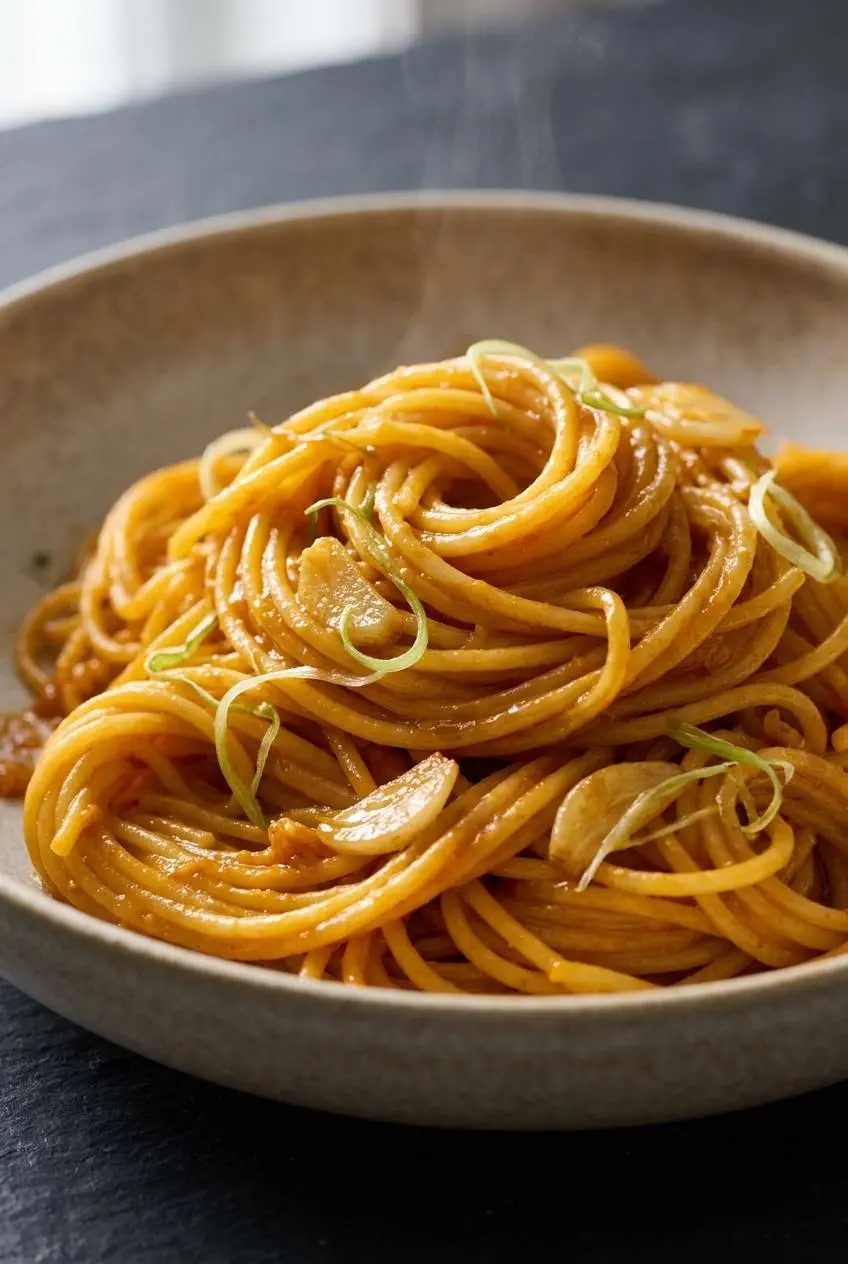
A glossy sauce needs enough moisture and active stirring, not more butter. Use these cues to correct the texture before serving.
- Greasy or separated sauce: Excess heat can encourage the butter to separate; remove the pot from direct heat and stir briskly with a small splash of reserved cooking water.
- Dry, tangled noodles: The sauce may be too concentrated; add cooking water gradually while tossing until the strands loosen.
- Watery coating: Too much water at once can dilute the glaze; toss thoroughly before adding more, and use the reduction test before combining sauce and pasta.
- Browned garlic: The skillet is too hot for this stage; lower the heat before it scorches, since water won’t remove a burnt flavor.
- Overly salty noodles: Salted butter, salty chili paste, and added seasoning can accumulate; taste before the final salt addition rather than seasoning automatically.
Don’t vigorously boil the finished noodles after adding the last butter. The pasta already supplies heat to melt it, and brisk stirring helps the fat and liquid blend together. A sudden sheen on the strands is your cue that the coating is coming together.
Keep scraping the skillet bottom during reduction. Honey and thick chili paste can catch if left unattended, even while the surface still looks fluid.
Dietary Swaps: Vegan and Gluten-Free Variations
These optional adaptations change the ingredients, not the goal: tender garlic, balanced chili flavor, and a coating that stays with the noodles.
Plant-Based Butter and Agave Substitutions
For a vegan version, choose plant-based block butter and replace the honey with agave nectar or maple syrup. Check the pasta and gochujang labels for ingredients that don’t fit your dietary needs.
Block-style plant butter is a useful choice because spreadable products can behave differently when heated. Water content varies by brand, so follow the spatula trail cue rather than adding a fixed amount of extra cooking time.
Agave keeps the flavor fairly neutral, while maple syrup adds a recognizable caramel-like note. Either changes the sweetness slightly, so taste the finished sauce before making further adjustments.
Gluten-Free Pasta and Starch Considerations
Use gluten-free spaghetti, such as a rice-based or corn-based variety, and select gochujang specifically labeled gluten-free. Switching the noodles alone isn’t enough because some chili pastes contain wheat or barley ingredients.
Follow the pasta package closely and taste a strand as it approaches doneness. Reserve cooking water as usual, but add it cautiously: some gluten-free varieties produce water that thickens the sauce quickly.
Keep tossing gentle enough to avoid breaking fragile strands. If the sauce becomes gummy, pause before adding more starch-heavy water and reassess the consistency.
Serving Suggestions and Balanced Pairings
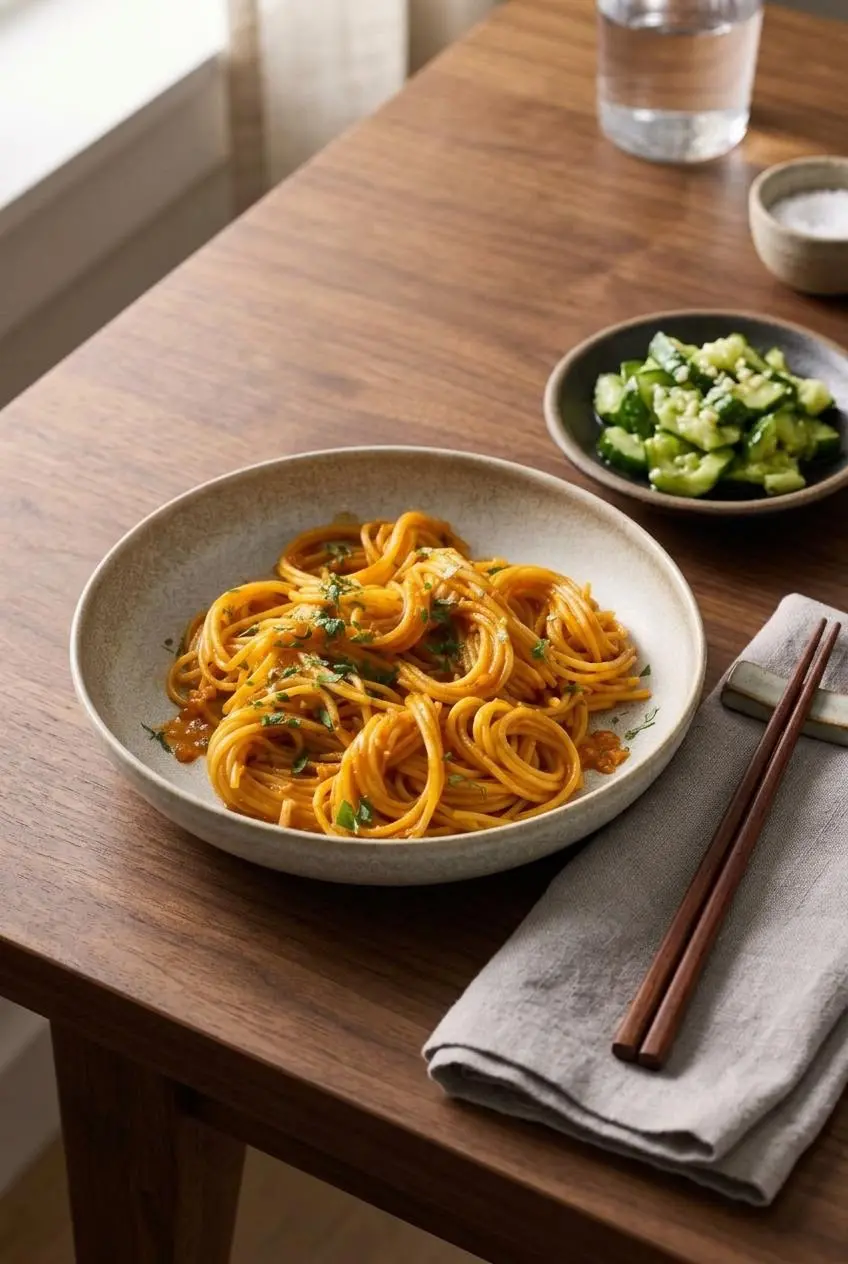
Serve the noodles with something crisp or fresh to contrast with their buttery coating. Add a protein topping when you want a more substantial dinner.
Protein Additions: Eggs, Tofu, and Chicken
- Crispy tofu: Pan-seared cubes bring a firm, crisp contrast; add toasted sesame seeds for optional nutty crunch.
- Eggs: A jammy boiled egg adds a soft center and richness, while a firmer-cooked egg gives a less saucy finish.
- Chicken: Sliced grilled chicken pairs well with the glaze without needing another strongly flavored sauce.
- Shrimp: Serve seared shrimp on top, or try garlic butter shrimp when you want to echo the garlic flavor.
Optional toasted sesame seeds, crushed roasted peanuts, or torn nori add texture and savory contrast. A little toasted sesame oil changes the aroma noticeably, so keep it restrained rather than letting it overwhelm the garlic.
Refreshing Vegetable Side Dishes
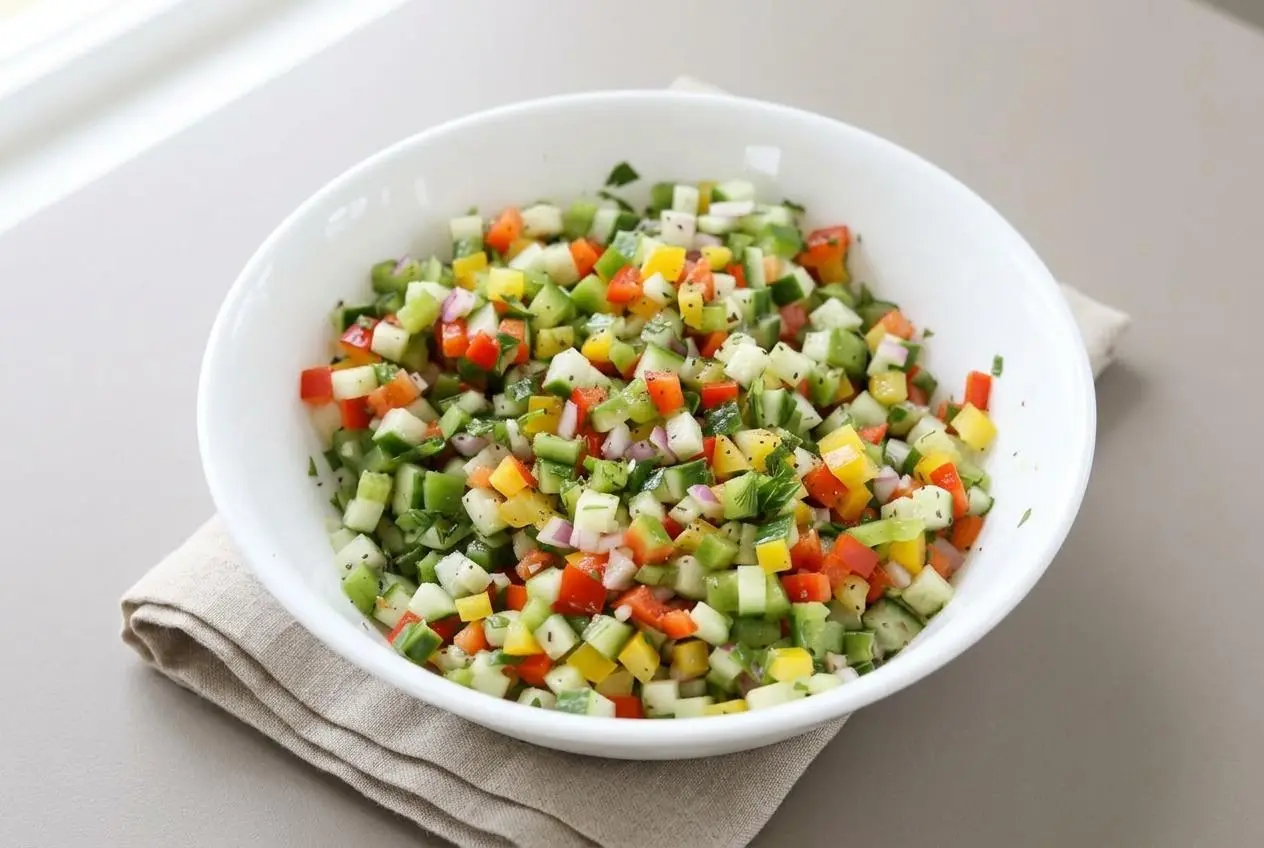
- Smashed cucumber salad: Crisp cucumbers with garlic and a vinegar dressing provide a cooling contrast to the chili sauce.
- Quick-pickled radishes: Their crunch and tartness break up the rich noodles.
- Steamed baby bok choy: Tender leaves and juicy stems offer a mild side, with an optional drizzle of sesame oil.
Keep vegetable dressings lighter than the noodle sauce. You already have butter, sweetness, and heat in the bowl; the side dish can focus on crunch and acidity.
Storing and Reheating Without Sauce Separation
Freshly tossed noodles have the best coating, but you can restore some of that texture when reheating leftovers. Refrigerate leftovers promptly in a covered container, and keep fresh herbs and crunchy toppings separate.
For stovetop reheating, place the noodles in a skillet over low heat with a splash of water. Toss gently as they warm, adding more water only if the strands remain tight or the sauce looks oily. Heat through without driving off all the added moisture.
If using a microwave, choose reduced power and pause to stir frequently. Add a splash of water before warming, and redistribute the noodles so the center and edges heat more evenly. Aggressive heating can leave hot, oily patches while other parts remain cool.
An airtight lid limits drying, but it doesn’t establish a universal refrigerator shelf life. Storage depends on handling and refrigeration conditions; don’t treat the sauce’s appearance or smell as proof that leftovers are suitable to eat.
Conclusion
Gentle garlic cooking, proper sauce reduction, and reserved pasta water turn butter and gochujang into a glossy coating in about 25 minutes. Honey and vinegar keep the heat balanced without heavy cream.
Use the spatula trail as your guide, then customize the meal with a protein topping and a crisp vegetable side. Keep that cup of pasta water handy until the noodles are in the bowls.
Frequently Asked Questions
What Is the Difference Between Gochujang Paste and Gochujang Sauce?
Gochujang paste is a thick fermented chili concentrate. Ready-to-use sauce is usually thinner and may contain additional water, sweeteners, and vinegar. Use paste for the intended sauce thickness and flavor balance.
Can I Use Ramen Noodles Instead of Spaghetti?
Yes, fresh or instant ramen works. Follow the noodle package directions, discard any seasoning packet, and keep the noodles slightly firm before tossing. For one serving, scale down the sauce rather than using the full batch.
How Do I Fix a Broken or Greasy Butter Sauce?
Take the noodles off direct heat, add a small splash of reserved cooking water, and stir or toss vigorously. Repeat gradually if needed, stopping when the coating looks uniform and glossy.
How Long Do Leftover Gochujang Butter Noodles Last in the Fridge?
There isn’t one storage limit that accounts for every handling situation. Refrigerate leftovers promptly in a covered container, keep them chilled, and follow applicable leftover-storage guidance. Reheat with a splash of water to help restore the coating.
Gochujang Butter Noodles

Equipment
- Large Pot
- Skillet
- Spatula
- Colander
Ingredients
- 1 pound spaghetti or other long pasta
- 6 tablespoons unsalted butter
- 12 garlic cloves finely chopped (about ⅓ cup)
- Salt and pepper
- ¼ cup gochujang paste not sauce
- ¼ cup honey
- ¼ cup sherry vinegar or rice vinegar
- Finely chopped cilantro or thinly sliced scallions optional
Instructions
- Cook the spaghetti in a large pot of boiling water for the time directed on its package. A strand should have the package’s intended doneness, with a firm bite rather than a mushy center.
- Scoop out 1 cup of cooking water before draining, then place the drained spaghetti back in the pot. The reserved cloudy water will help loosen the sauce and blend in the butter.
- During the pasta cooking time, heat 4 tablespoons butter in a skillet over medium-low, add the chopped garlic and a generous seasoning of salt, and stir occasionally for 1 to 3 minutes. Look for fragrant, softening garlic that remains pale, with no browned edges.
- Mix the gochujang, honey, and vinegar into the garlic butter, then use medium-high heat to simmer the mixture for 3 to 4 minutes while stirring continuously. The sauce should become noticeably more concentrated as its sweet, tangy chili aroma develops.
- Draw the spatula through the sauce along the skillet bottom and take the skillet off the heat once the cleared path remains open for about 3 seconds. A path that closes immediately indicates the sauce still needs more reduction.
- Add the reduced sauce and the remaining 2 tablespoons butter to the spaghetti pot, then stir briskly until the butter melts. The strands should begin taking on an even, shiny coating as the butter blends through the sauce.
- Work in small splashes of reserved cooking water as needed, tossing vigorously between additions, then taste and adjust with salt and pepper. Stop adding water when the noodles separate easily and the sauce clings without looking watery.
- Finish with cilantro or scallions if using, and serve immediately. The noodles should reach the bowl glossy and evenly coated, without a separate layer of oil.