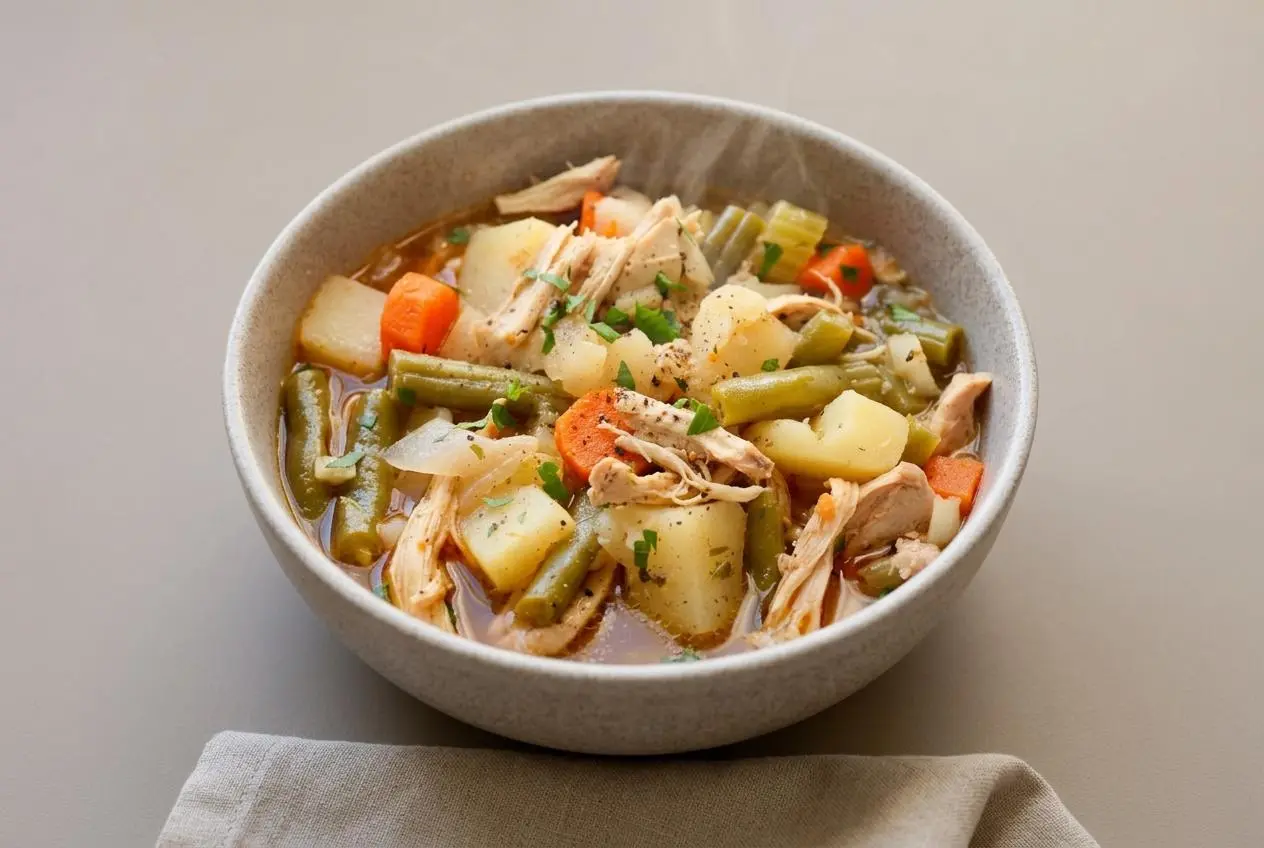
Make chicken stew by combining chicken, vegetables, tomato paste, herbs, and broth in a 6-quart slow cooker. Cook covered on Low for 5 to 6 hours or High for 3 hours, check doneness, then shred the chicken and stir it back into the savory broth.
Slow Cooker Chicken Stew brings together tender chicken, hearty potatoes, and sweet carrots in an aromatic herb broth. When the lid comes off, the steam carries the scent of garlic and Italian seasoning, with a spoonable dinner waiting underneath.
No browning is required, and the potatoes help give the broth body as everything cooks. Choose thighs for juicy shreds or breasts for a leaner texture, then adjust the finish to suit your bowl. The potato choice makes a difference.
Cut the potatoes into evenly sized chunks so you don’t end up with firm centers alongside pieces that have fallen apart.
Essential Ingredients and Practical Substitutions
Each ingredient contributes something useful: chicken gives the stew substance, vegetables add sweetness and texture, broth supplies moisture, and tomato paste deepens the savory flavor. Garlic, herbs, salt, and pepper bring the whole pot into balance.
- 1 lb. boneless skinless chicken thighs or boneless skinless chicken breasts
- 3 cups chicken broth or substitute with chicken stock or vegetable stock
- 2 tablespoons tomato paste
- 1 small yellow onion peeled and minced
- 2 large potatoes preferably russet or Yukon gold (about 3 cups when diced)
- 2 cloves garlic diced
- 2 stalks celery diced
- 3 medium carrots sliced
- 1 cup green beans sliced
- 1½ tablespoons dried Italian seasoning homemade or store-bought
- 1 teaspoon sea salt or more/less, as desired
- ½ teaspoon black pepper or more/less, as desired
Onion, celery, and carrots form the aromatic combination often called mirepoix. Here, they soften directly in the broth rather than cooking in a skillet first. Carrots bring sweetness, celery adds a gentle savory edge, and onion rounds out the flavor.
Tomato paste adds concentrated savory depth and a warm reddish tint without turning this into a tomato stew. Stir it into the liquid during assembly so you don’t leave a concentrated pocket at the bottom. Garlic and Italian seasoning give the broth its recognizable herbal aroma.
Chicken broth keeps the flavor poultry-forward. Chicken stock also works, while vegetable stock shifts the flavor toward the vegetables and herbs. Their salt levels vary, so taste the finished stew before adding more seasoning.
Potatoes provide both hearty bites and natural thickening. Green beans add another texture, although they become quite soft when cooked from the beginning. A later addition is an optional choice if you prefer firmer beans.
I’d choose potato chunks with similar thickness over perfectly neat cubes; even sizing matters more than tidy corners here.
Choosing the Right Chicken: Thighs versus Breasts
Boneless skinless chicken thighs are the more forgiving choice for this stew. Their higher fat content and connective tissue help them stay moist as they soften, making them well suited to pulling apart into tender shreds.
Breasts work too, but they have less margin for extra cooking. Check them earlier rather than assuming they need the longest end of the cooking range. Once they reach the temperature target below, avoid extending their cooking just to make them easier to shred.
Bone-in thighs can suit slow braising, but they add the work of removing bones and may cook differently. Boneless chicken keeps this version straightforward and lets you return clean shreds directly to the vegetables.
Best Potato Varieties for Slow Simmering
Yukon Gold potatoes are less starchy than Russets and tend to hold their shape better. Choose them when you want distinct, buttery-tasting potato pieces with reasonably clean edges after cooking.
Russets release more starch and break down more readily. They’re useful when you prefer a thicker, more rustic broth, but they need gentle handling once tender. Vigorous stirring can turn softened cubes into mashed potatoes.
Aim for potato chunks about 1 inch across. Keep the carrots evenly cut too, without making them paper-thin. The goal is vegetables that yield easily to a fork while still giving you something to bite.
Step-by-Step Cooking Guide for Slow Cooker Chicken Stew
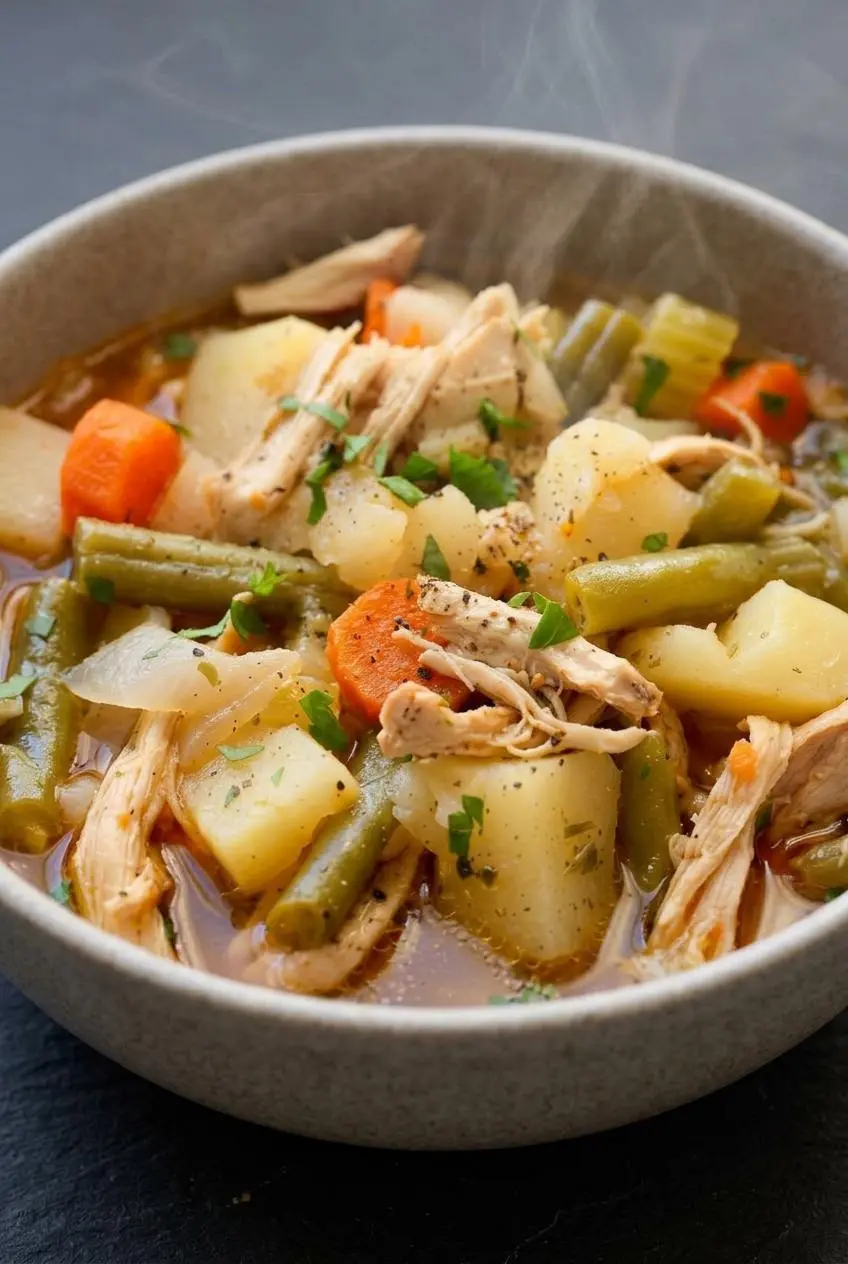
This is a no-sear method: prepare the vegetables, assemble the pot, and let the covered cooker do the work. It makes 4 servings, with about 10 minutes of preparation and 3 hours of cooking on High, for a total of 3 hours 10 minutes.
Start with fully thawed chicken and keep it refrigerated until assembly. Before shredding, verify a minimum internal temperature of 165°F in the thickest part with a food thermometer; tenderness and color alone don’t confirm doneness.
- Prepare the vegetables by mincing the garlic and onion, dicing the potatoes and celery, cutting the carrots evenly, and slicing the green beans into 1/2-inch pieces.
Similar-sized potato pieces will soften more evenly than a mixture of tiny cubes and large chunks. - Combine the vegetables, broth, tomato paste, Italian seasoning, salt, and pepper in a 6-quart slow cooker, then tuck the chicken among the vegetables.
The liquid should surround the ingredients, but it does not need to cover every part of the chicken. - Close the lid and select Low for 5 to 6 hours or High for 3 hours.
At the end of cooking, the potatoes and carrots should yield to a fork, and the chicken should meet the thermometer target above. - Lift the lid away from your face, transfer the cooked chicken to a cutting board, pull it apart with two forks, and return the shreds to the pot.
The chicken should separate readily into moist strands as aromatic steam rises from the stew. - Fold the chicken through the broth and vegetables, taste for seasoning, and add salt or pepper as desired before ladling into bowls.
Each serving should contain tender vegetables and chicken with enough savory broth to spoon around them.
You can also shred the chicken directly in the cooker with two forks. For the alternate mixer method, use a stand mixer fitted with the paddle attachment at medium speed, stopping once the chicken separates into shreds. Avoid continuing until the meat becomes finely broken down.
Layering Ingredients for Even Heat
Place the potatoes and carrots toward the bottom, then nestle the chicken over and among the vegetables. Dense roots take longer to soften than the aromatics, so positioning them near the heated crock helps them cook evenly.
Slow cookers heat through the crock, while hot liquid and trapped steam distribute that heat through the food. You don’t need to submerge the chicken completely or add extra broth to cover it. Keeping the lid closed maintains the moist cooking environment.
Use the specified 6-quart cooker as your starting point. A much larger vessel spreads the ingredients more shallowly and may behave differently, so pay attention to tenderness rather than the clock alone.
Low versus High Temperature Guidelines
Low takes 5 to 6 hours; High takes 3 hours. Both settings work for this recipe. Low provides a gentler route to tender thighs, while High is useful when you need the shorter cooking schedule.
The settings aren’t precise stovetop temperatures, and cookers vary. Begin checking at the earlier end of the Low range, especially with breasts. If the chicken is done but the vegetables remain firm, remove the chicken temporarily and let the vegetables finish before returning it.
Keep the lid in place between checks. Repeated opening releases heat and makes the cooking schedule less predictable.
Troubleshooting and Common Cooking Mistakes
Most texture problems come from extra liquid, uneven cuts, or cooking beyond the point of tenderness. Use the fix that matches the problem rather than adding more seasoning or thickener automatically.
- Watery broth: A covered cooker loses little moisture, so extra broth can leave the stew soup-like. For optional thickening, whisk equal parts cornstarch and cold water until smooth, then stir the slurry into the hot stew during the final 30 minutes. Let it heat through before deciding whether it needs more.
- Thin broth without an added starch: Mash some fully cooked potato pieces against the side of the crock and stir them through the liquid. This adds body while preserving most of the vegetable chunks.
- Lumpy thickener: Dry starch dropped into hot broth can clump before it disperses. Mix it with cold water first; the smooth slurry spreads through the liquid before the starch thickens.
- Mushy potatoes or carrots: Tiny cuts and extended cooking can make vegetables disintegrate. Use evenly sized potato chunks, avoid very thin carrot slices, and stir gently once everything softens.
- Dry chicken: Breasts are especially sensitive to extra cooking. Check them earlier, stop cooking once done, and fold the shreds into the broth rather than leaving them exposed.
- Raw frozen chicken: Thaw poultry before slow cooking. Frozen chicken can heat too slowly during the cooker’s gradual warm-up; choosing High does not replace proper thawing.
- Cooking takes longer than expected: Frequent lid lifting lets accumulated heat escape. Save checks for the expected finishing window rather than opening the cooker to stir throughout cooking.
- Flat or overly salty flavor: Taste after shredding, when the chicken and potato starch have mixed through the broth. Add seasoning gradually, especially when using salted stock.
Cornstarch gives the broth a smoother finish, while mashed potato creates a more rustic texture. Neither needs to turn this into gravy. If you prefer a deliberately thicker chicken dinner, chicken and gravy is another option.
Variations and Flavor Options
These adaptations are optional and stay separate from the ingredient list and cooking method above. Choose a finish that suits your meal rather than combining every addition in one pot.
Creamy Chicken Stew Finish
For a richer broth, stir in a splash of heavy cream during the final 15 minutes of cooking. Add it gently and let it warm through without encouraging a hard boil.
Unsweetened coconut cream offers a dairy-free alternative, though it brings a noticeable coconut flavor. Either finish changes the broth from light and savory to more velvety; it does not replace checking the chicken’s doneness.
Quick Rotisserie Chicken Adaptation
Rotisserie chicken can replace the raw poultry, but the vegetables still need time to become tender. Cook the broth and vegetables first rather than expecting precooked chicken to shorten the potatoes’ cooking time.
Use properly chilled leftovers and heat the meat thoroughly on the stovetop before stirring it into the stew during the final 20 minutes. Treat that window as a texture choice, not a guarantee that cold leftovers will reheat adequately in the cooker.
This approach also works with cooked shredded chicken. Keeping already-cooked poultry out of the long cooking cycle helps prevent dry, stringy meat.
Gluten-Free Broth Adjustments
The listed ingredients don’t require wheat flour, but check the broth, stock, and seasoning labels if you need a gluten-free meal. Use products labeled for your dietary needs rather than assuming every brand has the same formulation.
For optional thickening, mash or puree some cooked stew vegetables. Arrowroot is another option: blend it with cold water before adding it, follow the product’s directions, and avoid prolonged boiling. Vegetable thickening keeps the texture rustic; added starch makes it smoother.
Bright Citrus and Dijon Accent
Stir in a little Dijon mustard and fresh lemon zest just before serving for a brighter finish. Dijon adds tang and mild pungency, while zest contributes citrus aroma without adding much liquid.
Taste after each addition. The goal is to lift the chicken and herbs, not make mustard the main flavor.
Storage and Make-Ahead Instructions
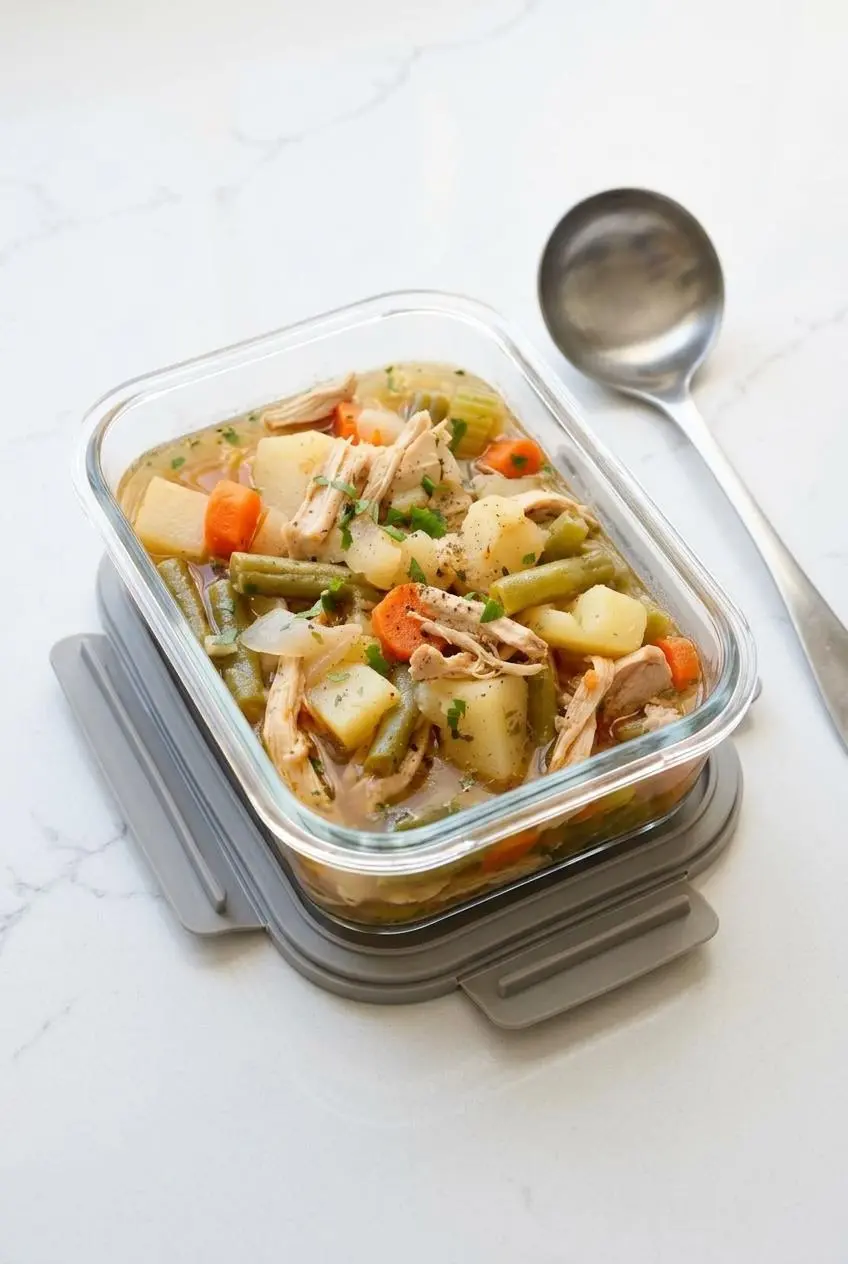
Divide leftovers into shallow airtight containers rather than leaving a deep potful to cool on the counter. Refrigerate within two hours and keep refrigerated leftovers for up to 4 days using prompt cooling and chilled storage.
For advance preparation, cut the vegetables and keep them refrigerated separately from the raw chicken. Keep the poultry chilled until you’re ready to assemble and start the cooker. Store the dry seasoning separately so the components are ready without leaving perishable ingredients out.
Reheat the portion you need in a saucepan with a splash of broth if the potatoes have absorbed liquid. Warm it thoroughly, stirring gently and reaching underneath the vegetables so the center heats evenly. Avoid forceful stirring, which can break softened potatoes into the broth.
Use the stovetop rather than a slow cooker to reheat chilled stew. Bring the liquid to a boil and check that the chicken and vegetables are hot throughout before serving.
Serving Suggestions and Hearty Sides
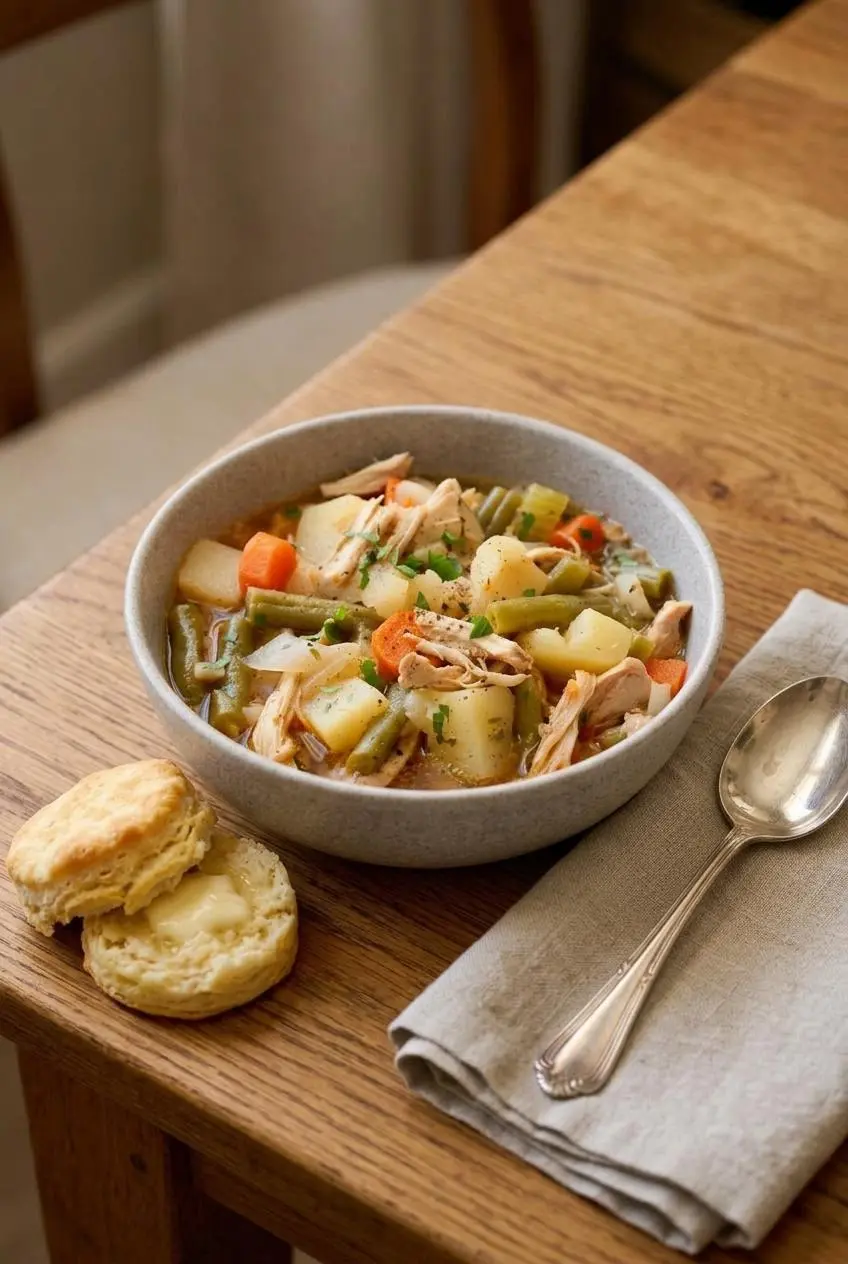
The chicken and potatoes make this a substantial bowl on their own, so choose sides for contrast or for soaking up the broth.
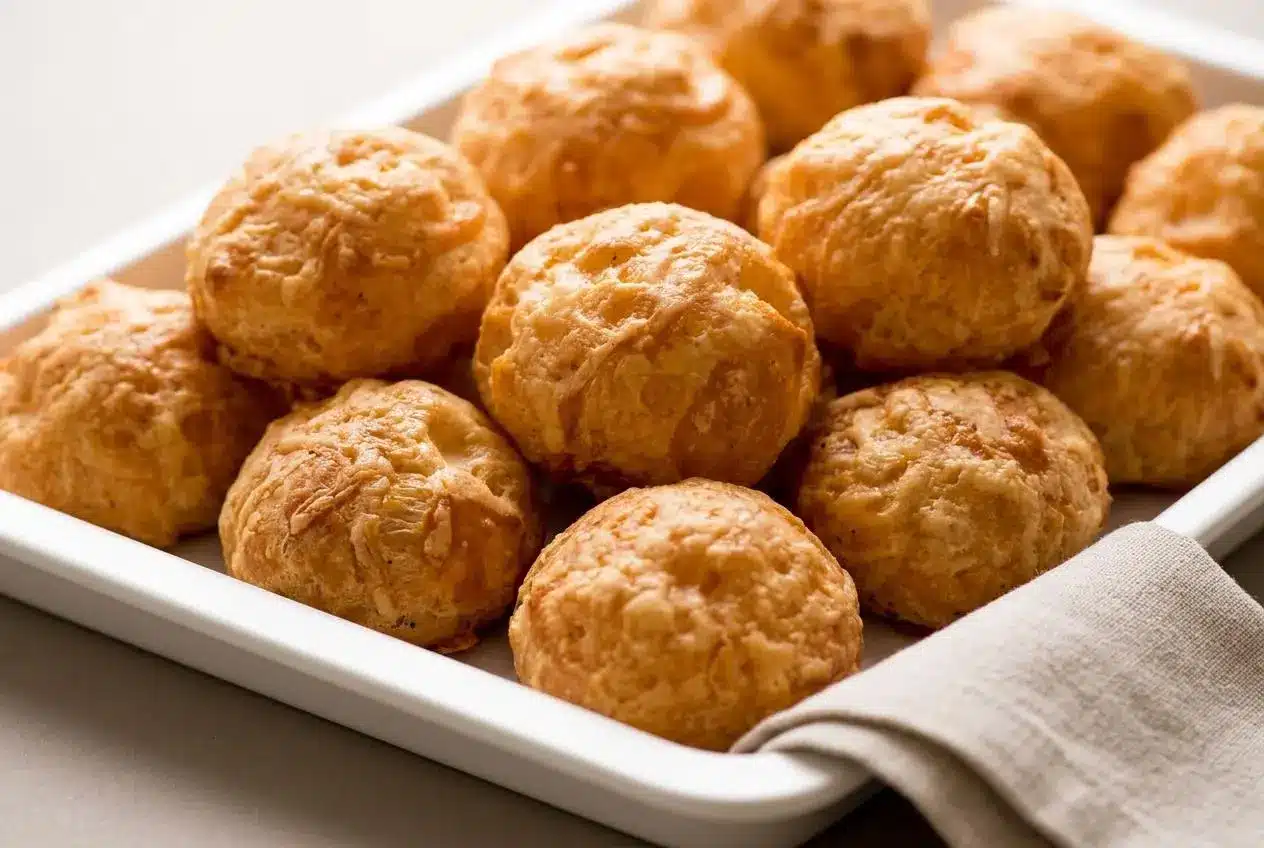
- Warm buttermilk biscuits: Split them alongside the bowl or ladle stew over them when you want them to absorb the savory liquid.
- Crusty sourdough bread: Serve on the side to keep the crust crisp until you’re ready to dip.
- A bright green salad: Toss mixed greens with lemon vinaigrette for a crisp, acidic contrast to the soft vegetables.
- Fresh herbs: Finish individual bowls with flat-leaf parsley or minced chives for fresh flavor and color.
For a larger family-style spread, slow cooker cheddar corn adds a sweet, creamy vegetable side. Keep the stew portions modest if you’re also serving biscuits or bread.
Conclusion
This chicken stew delivers a comforting dinner without a separate browning step. Even vegetable cuts, the right potato choice, and careful timing help keep the chicken tender and the broth satisfying.
Choose Low when your schedule allows, keep the lid closed, and let the finished texture guide the final check. Serve it warm with something crisp or crusty alongside.
Frequently Asked Questions
Is It Safe to Put Raw Chicken Directly into the Slow Cooker?
Yes, raw, fully thawed chicken can cook directly in this stew with proper handling and verified doneness. Keep it chilled until assembly, start cooking promptly, and use the thermometer target explained above. Do not start with raw frozen chicken; thaw it before slow cooking.
How Can I Thicken My Chicken Stew If It Turns Out Watery?
Use an optional slurry of equal parts cornstarch and cold water, stirred in during the final 30 minutes. For thickening without an added starch, mash some tender potato chunks into the broth. Add thickener gradually and let it heat through before adding more.
What Is the Best Cut of Chicken for Slow Cooker Stew?
Boneless skinless chicken thighs are the most forgiving choice for moist, easily shredded meat. Breasts also work, but check them earlier and avoid extending their cooking once done. Boneless cuts save you the extra work of removing bones before serving.
Can I Use Frozen Vegetables in Crock Pot Chicken Stew?
Yes, tender frozen vegetables such as green beans or peas can be an optional convenience swap. Add them during the final 20 to 30 minutes and check that they’re hot and tender before serving. Start the fresh potatoes and carrots at the beginning, since dense root vegetables need longer to soften.
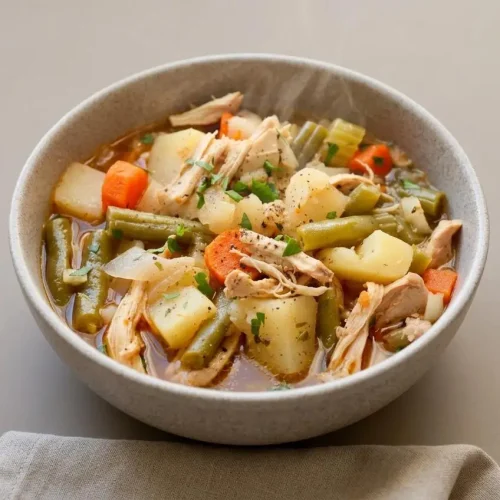
Slow Cooker Chicken Stew

Equipment
- Crock Pot 6-quarts or larger
Ingredients
- 1 lb. boneless skinless chicken thighs or boneless skinless chicken breasts
- 3 cups chicken broth or substitute with chicken stock or vegetable stock
- 2 tablespoons tomato paste
- 1 small yellow onion peeled and minced
- 2 large potatoes preferably russet or Yukon gold (about 3 cups when diced)
- 2 cloves garlic diced
- 2 stalks celery diced
- 3 medium carrots sliced
- 1 cup green beans sliced
- 1½ tablespoons dried Italian seasoning homemade or store-bought
- 1 teaspoon sea salt or more/less, as desired
- ½ teaspoon black pepper or more/less, as desired
Instructions
- Prepare the vegetables by mincing the garlic and onion, dicing the potatoes and celery, cutting the carrots evenly, and slicing the green beans into 1/2-inch pieces. Similar-sized potato pieces will soften more evenly than a mixture of tiny cubes and large chunks.
- Combine the vegetables, broth, tomato paste, Italian seasoning, salt, and pepper in a 6-quart slow cooker, then tuck the chicken among the vegetables. The liquid should surround the ingredients, but it does not need to cover every part of the chicken.
- Close the lid and select Low for 5 to 6 hours or High for 3 hours. At the end of cooking, the potatoes and carrots should yield to a fork, and the chicken should meet the thermometer target above.
- Lift the lid away from your face, transfer the cooked chicken to a cutting board, pull it apart with two forks, and return the shreds to the pot. The chicken should separate readily into moist strands as aromatic steam rises from the stew.
- Fold the chicken through the broth and vegetables, taste for seasoning, and add salt or pepper as desired before ladling into bowls. Each serving should contain tender vegetables and chicken with enough savory broth to spoon around them.