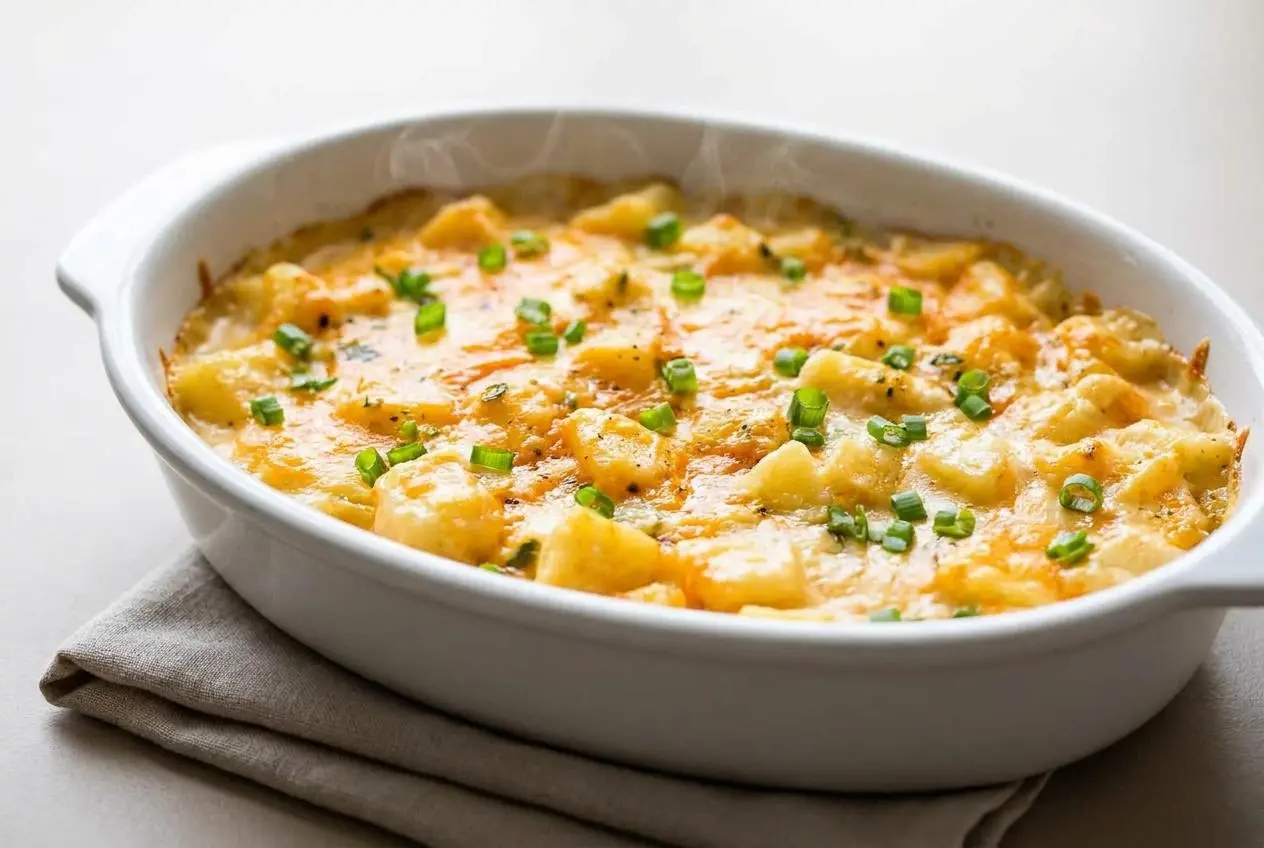
For great cheesy potatoes, combine 3 pounds of thawed hash browns or parboiled fresh potatoes with sour cream, cheddar cheese, and condensed soup, then bake uncovered at 375 °F until hot, browned, and bubbling.
This cheesy potatoes recipe is a creamy potato casserole with sour cream, cheddar, and a savory soup base that turns rich and cozy in the oven. You can make it with fresh potatoes or thawed hash browns, depending on what fits your day.
The flavor lands right in that sweet spot between sharp cheese, buttery richness, and tangy sour cream. The top gets golden, the edges bubble, and the center stays soft and scoopable. That crispy edge is worth chasing.
If you use frozen hash browns, thaw them all the way and pat them dry well before mixing so the casserole stays creamy instead of watery.
Why You Will Love This Cheesy Potatoes Recipe
This is the kind of side dish that disappears fast because it hits all the right notes. Sharp cheddar brings deep cheesy flavor, sour cream adds that signature tang, and the butter rounds everything out so the casserole tastes rich without feeling flat.
It is also flexible. You can go with fresh potatoes for a more classic casserole texture or use frozen hash browns when you want to save prep time. Either way, it works well for holiday dinners, potlucks, and weeknight meals with roasted chicken or pork chops.
If you want a heartier dinner idea built around the same comfort-food vibe, cheesy ranch potatoes take things in a more main-dish direction.
Ingredients for This Creamy Side Dish
Each ingredient has a real job here, from building a thick, creamy sauce to giving the casserole tang, melt, color, and that soft potato texture that holds together in each scoop.
- 3 pounds potatoes (or 30 ounces country style hash browns, thawed)
- 1/4 cup melted butter
- 1 cup sour cream
- 10.5 ounces condensed cream of chicken soup (or cheddar cheese soup, 1 can)
- 1/4 cup sliced green onions (or 1 teaspoon onion powder)
- 2 cups shredded cheddar cheese (divided)
Potatoes bring the starch that gives the casserole body and helps the sauce cling instead of sliding to the bottom. Melted butter adds richness and helps the mixture feel silky. Sour cream gives the dish its signature tang and keeps the creamy base from tasting too heavy.
The condensed soup acts as a shortcut binder, bringing savory flavor and structure in one step. Green onions lighten the richness with a fresh onion bite. Cheddar is the main flavor driver, and sharp cheddar gives the biggest payoff with the least muddiness.
I always reach for a block of sharp cheddar and grate it myself here because it melts smoother and tastes fuller than most bagged shreds.
Ingredients Explained: The Creamy Sauce & The Potatoes
This casserole works because starch and fat support each other. The potato starch helps the sauce hold together, while the butter, sour cream, soup, and cheese create a creamy coating that bakes into a cohesive casserole instead of separating into oily puddles.
Selecting Your Potatoes
Russet potatoes give you a fluffier, softer bite because they are higher in starch. They absorb the creamy mixture well, which makes the casserole feel classic and extra cozy. The tradeoff is that they can fall apart if you boil them too long.
Yellow potatoes hold their shape a bit better and give you a slightly denser, creamier texture. They are a good choice if you want neater cubes and less risk of mushiness.
For a sliced, layered style of potato bake, potatoes au gratin are the better direction. This casserole is different because the potatoes are cubed or shredded and folded into a thicker sauce.
The Perfect Cheese Blend
Fresh-grated sharp cheddar melts more smoothly because it does not carry the same anti-caking coating that many pre-shredded cheeses do. That matters in a casserole like this, where you want the sauce to look glossy and unified instead of grainy or oily.
Sharp cheddar also stands up better to the richness of the sour cream and soup. Mild cheddar can work, but the flavor lands softer. If you love the cheesy sour cream combo in a more stuffed and fluffy format, twice baked potatoes scratch that same itch.
How to Prep Your Potatoes: Fresh vs. Frozen
The best choice depends on whether you want convenience or a more classic potato bite. Both options work, but the prep changes the final texture a lot.
For fresh potatoes, peel them if you are using baking potatoes or russets, then cut them into 1/2-inch pieces. Start them in cold salted water, making sure the water sits about 1 inch above the potatoes. Bring the pot to a boil, then lower to a gentle boil and cook for 12 to 14 minutes. You want them fork tender, but not fully soft. A fork should slide in with a little resistance at the center. If the cubes crumble when you stir them, they have gone too far.
For frozen hash browns, thaw them completely first. Then press or pat away as much surface moisture as you can with paper towels. Check for icy patches, cold clumps, or pooled liquid in the bowl and remove all of it before mixing. Skipping that drying step is the fastest way to end up with a loose, watery casserole.
- If your casserole turns runny, the usual cause is wet hash browns or overboiled fresh potatoes.
- If the sauce looks greasy, the usual cause is overheated or poor-melting cheese. Fresh-grated cheddar helps.
- If the texture feels mushy, the potatoes were likely boiled past the fork-tender stage.
Fresh Potatoes vs. Frozen Hash Browns
Fresh potatoes take more prep, but they give you a more distinct potato texture and a heartier casserole. They are great when you want visible chunks and a more homemade feel.
Frozen hash browns are faster and easier, and they blend into the creamy mixture for a softer, more uniform bake. They are especially handy when you are cooking for a crowd or trying to get holiday sides organized without juggling another pot for too long.
How to Make Cheesy Potatoes
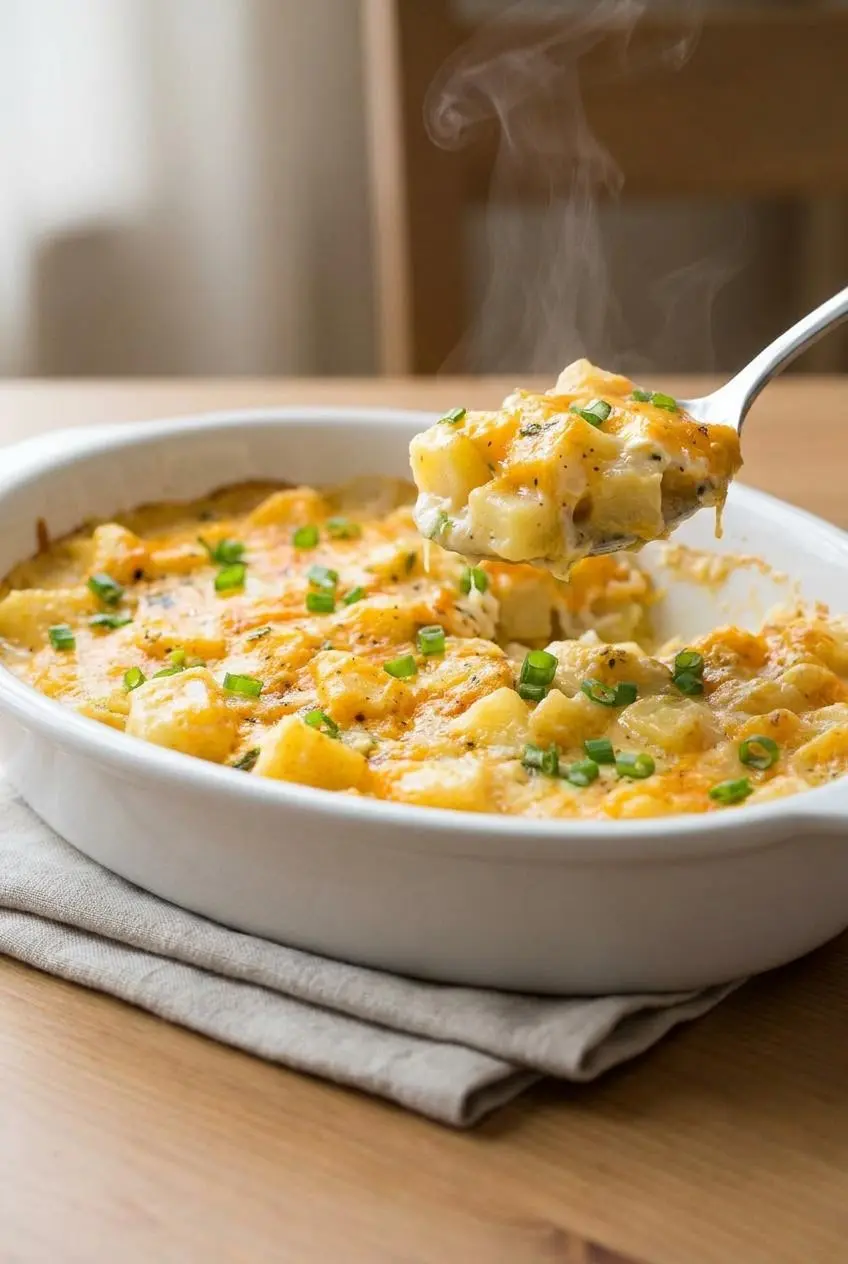
- Heat the oven to 375 degrees F and grease a 9×13 inch baking dish.
The dish should be ready before the filling is mixed so the potatoes can go in while the mixture is still warm and easy to spread. - If you are using baking potatoes or russets, peel them and cut them into 1/2-inch pieces.
Keep the pieces fairly even so they cook at the same rate and finish with a consistent bite. - Place the cut potatoes in a medium saucepan, cover with cold salted water by about 1 inch, and bring to a boil before reducing to a gentle boil for 12 to 14 minutes.
Drain when the potatoes are fork tender with a little resistance left in the center, then let them cool slightly so they do not break apart in the bowl. - Whisk the melted butter, sour cream, condensed soup, and green onion together in a medium bowl, then stir in 1 1/2 cups cheese and the slightly cooled potatoes.
The mixture should look thick, creamy, and evenly combined, with no separate streaks of sour cream or soup left behind. - Spoon the warm potato mixture into the prepared baking dish and spread it into an even layer.
An even layer helps the casserole heat through evenly and brown across the top instead of just around the edges. - Scatter the remaining 1/2 cup cheese over the top and bake for 28 to 30 minutes.
Pull it when the edges are bubbling and the top is browned in spots with melted cheese across the surface.
How to Make Cheesy Potatoes From Scratch (No Canned Soup)
If you want the same creamy result without condensed soup, make a quick white sauce and use it in place of the can. This gives you more control over flavor and texture, and it still fits the casserole nicely.
Melt 3 tablespoons of butter in a saucepan, whisk in 3 tablespoons of flour, and cook briefly until the mixture looks smooth and lightly foamy. Slowly whisk in 1 cup chicken broth and 1 cup whole milk, adding them gradually so the sauce stays smooth. Keep whisking over medium heat until it thickens enough to coat the back of a spoon.
Once the sauce is thick and warm, use it where the soup would normally go. Then continue with the casserole as written. If you like, you can stir in a pinch of ground mustard powder or a small splash of hot sauce to sharpen the flavor and cut through the richness without changing the personality of the dish.
Baking Cues for the Ultimate Golden-Brown Crust
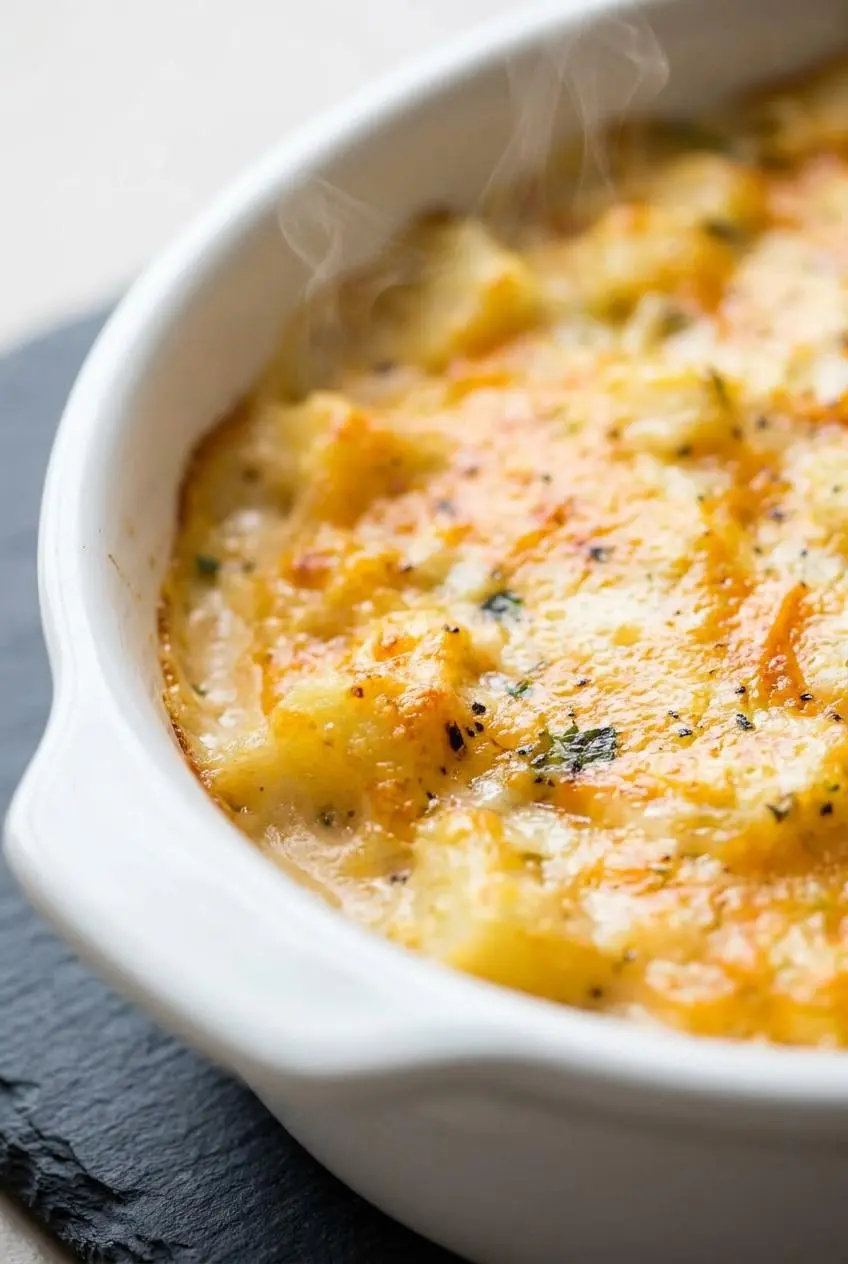
Bake this casserole uncovered. That is what lets extra moisture cook off so the top can brown and the edges can bubble instead of steam.
Use the center oven rack for the most even heat. The casserole is ready when you see bubbling around the edges, melted cheese across the top, and browned spots that look toasty rather than pale.
If you add a crunchy topping and it starts browning too quickly, loosely tent the dish with foil for the rest of the bake. Keep the foil lifted slightly so the topping is protected without trapping too much steam and softening the crust.
Make-Ahead, Freezing, and Reheating Instructions
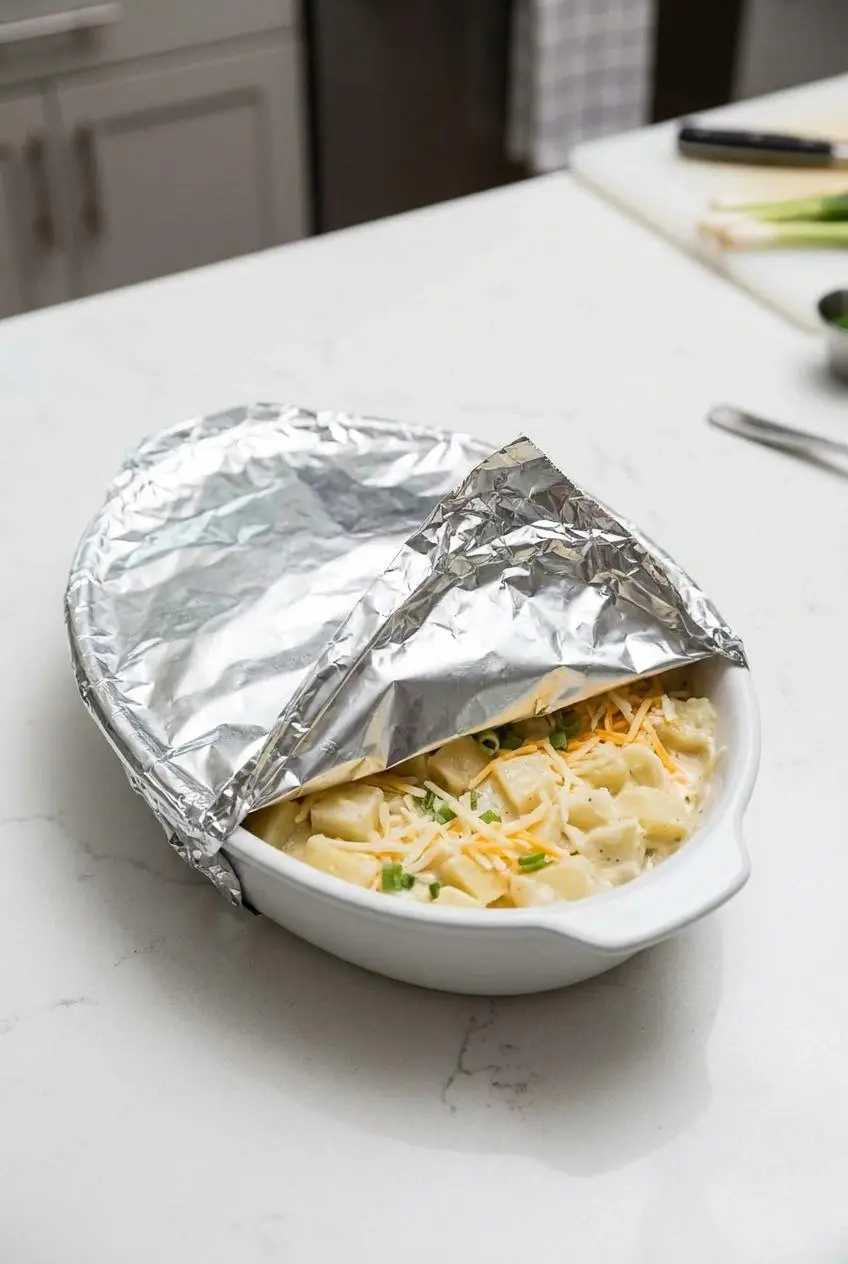
You can assemble the casserole up to 48 hours ahead, cover it tightly, and keep it refrigerated until baking. If you plan to add a crunchy topping, wait until just before the dish goes into the oven so the topping stays crisp instead of softening in the fridge.
You can also freeze the unbaked casserole for up to 2 months. Leave off any cornflake or cracker topping before freezing, wrap the dish well, and thaw it overnight in the refrigerator before baking.
To reheat leftovers in the oven, warm them at 350 °F until hot in the center so the top has a chance to crisp again. A slow cooker also works for gentle reheating when you need the dish to stay warm for serving. For food safety, leftovers should reach 165 °F for casseroles and leftovers.
Once the casserole has cooled, cover and refrigerate any leftovers promptly. Keeping the refrigerator at 40 °F or below for perishable foods helps protect texture and freshness.
Add Some Crunch: The Cornflake and Cracker Variations
If you love contrast in a creamy casserole, a crunchy topping is the move. It adds texture, gives the top more color, and makes each serving feel a little more special.
Classic Cornflake Topping
Crushed cornflakes tossed with melted butter make a crisp, classic topping with plenty of golden crunch. Scatter them over the casserole right before baking so they stay dry and toast properly in the oven.
Buttery Cracker Topping Option
Crushed buttery crackers, including Ritz or even saltines, give you a richer and slightly saltier finish. Toss them with melted butter, then sprinkle them over the top just before the casserole goes into the oven.
Tips for the Ultimate Crispy Topping
Use one topping, not both, so the crust stays distinct instead of heavy. Add it only at the last minute if the casserole has been assembled ahead. If the top browns faster than the center heats through, tent loosely with foil and keep baking until the casserole is bubbling.
Conclusion
This casserole earns its place because it is creamy, cheesy, flexible, and easy to scale for a family dinner or a holiday table. Fresh potatoes give it a more classic bite, while thawed hash browns make prep much faster.
If you remember one thing, let it be this: dry thawed hash browns well and grate your cheddar fresh if you can. Those two small choices make the texture much better, and the golden top gets even more satisfying.
Frequently Asked Questions
Should I cook my cheesy potatoes covered or uncovered?
Bake them uncovered. That lets extra moisture evaporate instead of collecting on the surface. You get a better golden-brown top and crisper edges. If a crunchy topping browns too fast, tent loosely with foil rather than covering the dish from the start.
Can I make cheesy potatoes the night before?
Yes, you can assemble them ahead. Cover the casserole tightly and refrigerate it for up to 48 hours before baking. Wait to add cornflakes or crackers until right before it goes into the oven. That keeps the topping from turning soft.
What can I use instead of condensed soup?
A quick homemade white sauce works well. Start with equal parts butter and flour to make a roux. Whisk in chicken broth and whole milk slowly until the sauce is smooth and thick. Use it in place of the condensed soup once it coats the back of a spoon.
Can you freeze cheesy potatoes before baking?
Yes, this works best before baking. Freeze the assembled casserole without the crunchy topping. Wrap it tightly and freeze for up to 2 months. Thaw it overnight in the refrigerator, then add the topping just before baking if you want crunch.
Cheesy Potatoes Recipe

Equipment
- 9×13-inch baking dish
- Medium saucepan
- Medium bowl
- Whisk
Ingredients
- 3 pounds potatoes (or 30 ounces country style hash browns, thawed)
- 1/4 cup melted butter
- 1 cup sour cream
- 10.5 ounces condensed cream of chicken soup (or cheddar cheese soup, 1 can)
- 1/4 cup sliced green onions (or 1 teaspoon onion powder)
- 2 cups shredded cheddar cheese (divided)
Instructions
- Heat the oven to 375 degrees F and grease a 9×13 inch baking dish. The dish should be ready before the filling is mixed so the potatoes can go in while the mixture is still warm and easy to spread.
- If you are using baking potatoes or russets, peel them and cut them into 1/2-inch pieces. Keep the pieces fairly even so they cook at the same rate and finish with a consistent bite.
- Place the cut potatoes in a medium saucepan, cover with cold salted water by about 1 inch, and bring to a boil before reducing to a gentle boil for 12 to 14 minutes. Drain when the potatoes are fork tender with a little resistance left in the center, then let them cool slightly so they do not break apart in the bowl.
- Whisk the melted butter, sour cream, condensed soup, and green onion together in a medium bowl, then stir in 1 1/2 cups cheese and the slightly cooled potatoes. The mixture should look thick, creamy, and evenly combined, with no separate streaks of sour cream or soup left behind.
- Spoon the warm potato mixture into the prepared baking dish and spread it into an even layer. An even layer helps the casserole heat through evenly and brown across the top instead of just around the edges.
- Scatter the remaining 1/2 cup cheese over the top and bake for 28 to 30 minutes. Pull it when the edges are bubbling and the top is browned in spots with melted cheese across the surface.