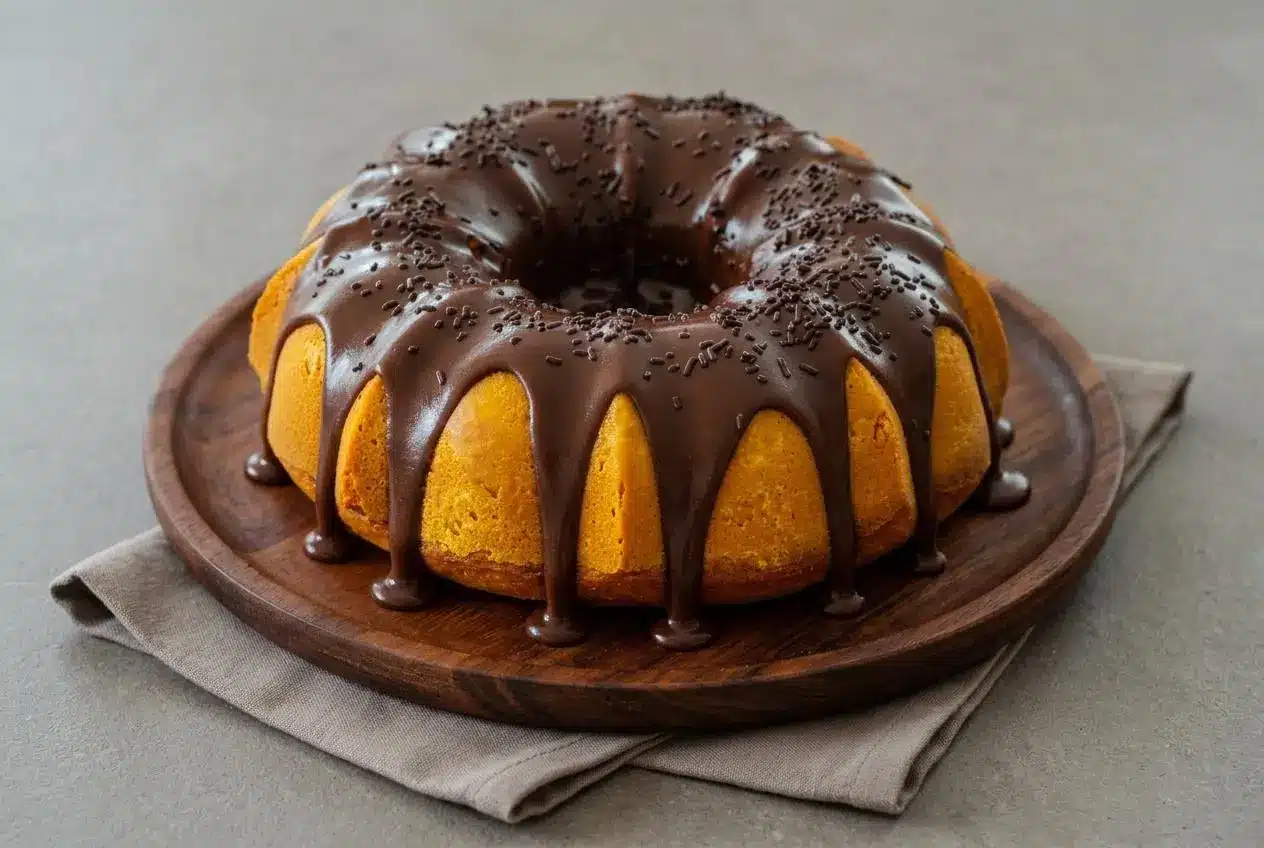
Brazilian carrot cake, or Bolo de Cenoura, is a blender cake made with pureed carrots for a bright orange crumb and topped with a smooth chocolate brigadeiro glaze instead of cream cheese frosting.
Brazilian Carrot Cake is softer, smoother, and more vivid than the spiced American version. The carrots are blended right into the wet batter, which gives the cake its signature color and a moist, even crumb.
If you like the contrast of mellow carrot sweetness and shiny chocolate on top, this cake delivers. The key is simple: weigh the carrots, fold in the flour by hand, and watch the glaze texture closely.
Grease and flour every curve of the bundt pan well, because this batter bakes up tender and deserves a clean release.
What Is Brazilian Carrot Cake (Bolo de Cenoura)?
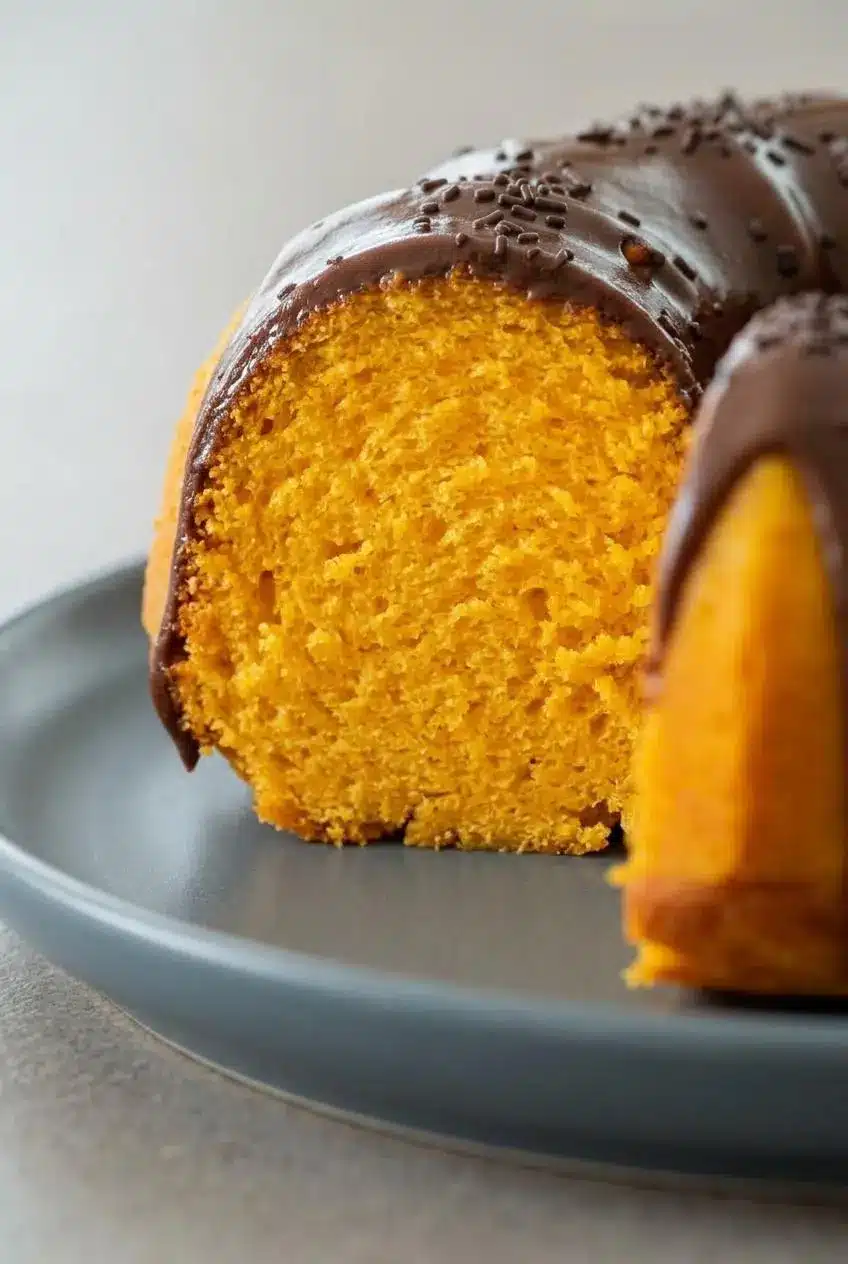
This cake is all about texture. Instead of grated carrots, raw carrot chunks are blended with eggs, sugar, oil, and salt until completely smooth, then mixed with flour and baking powder to make a bright orange batter.
It also skips the usual extras you might expect from American carrot cake. There’s no cinnamon, no nutmeg, no raisins, and no nuts. The finish is a rich chocolate brigadeiro glaze that pours over the top and sets into a soft, fudgy coating.
The result is cleaner in flavor and silkier in crumb. It tastes like carrot and chocolate, plain and simple, which is exactly the point.
Ingredients
Each ingredient has a job here, from building the cake’s vivid color and moist crumb to creating a glossy glaze with real chocolate depth.
For the Cake
- 300g (10.6 ounces) peeled carrots, cut into chunks
- 3 large eggs
- 1 3/4 cups sugar
- 1 cup vegetable oil
- Pinch of salt
- 2 cups flour, sifted
- 1 tablespoon baking powder, sifted
For the brigadeiro
- 3 ounces bittersweet chocolate, chopped
- 1 can (14 ounces) sweet condensed milk
- 2 tablespoons unsalted butter
- 1/2 cup heavy cream
- Chocolate sprinkles (optional)
The carrots are the biggest variable, so the weight matters more than the piece count. At 300g (10.6 ounces), you get enough carrot flavor, moisture, and color without making the batter heavy. Eggs help the cake rise and hold together, while oil keeps the crumb soft even after it cools.
Sifted flour and baking powder keep the batter smooth and lighter, especially since this is a blender cake. Bittersweet chocolate gives the brigadeiro a deeper, silkier finish than cocoa powder alone, and heavy cream turns classic brigadeiro from chewy fudge into a pourable glaze.
I like to choose carrots that feel firm and look deeply orange, because sweeter carrots usually give the cake a fuller flavor and better color.
How to Make Brazilian Carrot Cake
This method works best when you treat it in two stages: blend the wet base until completely smooth, then fold in the dry ingredients gently so the crumb stays light.
Preparation
- Heat the oven to 350 degrees F and position a rack in the center, then butter and flour a 10-inch bundt pan thoroughly.
The pan should look evenly coated in every groove so the cake can release cleanly later. - Add the carrots, eggs, sugar, oil, and salt to a blender and process until the mixture is very smooth, then pour it into a large bowl and whisk in the sifted flour and baking powder by hand.
The blended base should fall in a thick ribbon and look uniformly orange, with no dry streaks left once the flour is mixed in. - Transfer the batter to the prepared pan and bake for about 50 minutes.
The cake is ready when a toothpick inserted in the center comes out clean and the top sounds lightly hollow when tapped. - Set the pan on a rack and cool the cake for 10 minutes, then run a butter knife around the edges, tap the pan firmly, give it a gentle shake, and invert onto a cooling rack.
If the cake is ready to release, you’ll feel it loosen slightly before it drops out. - For the brigadeiro, cook the chocolate, sweet condensed milk, and butter in a saucepan over medium-low heat, stirring constantly, until thickened and the mixture briefly exposes the bottom of the pan, about 10 minutes, then stir in the heavy cream until smooth.
The finished glaze should look glossy and thick enough to coat a spoon but still flow easily when poured. - Move the cooled cake to a serving platter, pour the brigadeiro over the top, and finish with chocolate sprinkles if desired.
Let the glaze settle for a few minutes so it clings to the cake instead of running straight off.
How Brazilian Carrot Cake Differs from American Carrot Cake
If you grew up with a spice-heavy carrot cake, this version may surprise you in the best way. The biggest difference is the carrot itself: Brazilian carrot cake uses pureed carrots blended into the batter, while American versions usually rely on grated carrots for a more textured crumb.
- Brazilian carrot cake has a smooth, uniform crumb instead of visible carrot shreds.
- It does not include cinnamon, nutmeg, raisins, or nuts.
- It is topped with chocolate brigadeiro glaze rather than cream cheese frosting.
- The flavor is cleaner and more focused on sweet carrot, vanilla-like cake notes, and chocolate.
That blender method also changes the look of the cake. You get an even orange color all the way through, not flecks of carrot throughout the slice.
The Science of a Fluffy Blender Cake
This is the section that saves the cake from turning dense. Blender cakes are forgiving in some ways, but they can become heavy fast if the carrot amount is off or the flour gets overmixed.
Weighing the carrots is the most important move here. Carrot size varies a lot, and using too much adds extra water and extra weight to the batter. That can slow the rise and leave the center damp or gummy. Sticking to 300g (10.6 ounces) keeps the carrot flavor strong without tipping the balance.
The oil matters too. It coats the flour and helps keep the crumb soft and moist instead of dry or bready. Because the carrots are pureed, their moisture spreads evenly through the batter instead of sitting in little pockets the way grated carrots can.
The flour should never go into the blender. High-speed mixing develops gluten too aggressively, which makes the cake tight and rubbery rather than fluffy. Fold the sifted flour and baking powder in by hand with a whisk just until the batter is smooth.
Think of the blender as the tool for emulsifying the wet ingredients, not for making the full batter. Once the flour joins the bowl, gentle mixing wins.
Blender vs. Food Processor for Cake Batter
For this recipe, a blender is the better tool because it completely purees the carrots into the wet mixture. That smooth puree distributes moisture, natural sweetness, and color evenly through the batter.
A food processor usually leaves tiny carrot bits behind. Those little pieces are not a disaster, but they can make the crumb less uniform and a bit heavier. The cake still tastes good, yet it loses that classic smooth, almost velvety texture that makes Bolo de Cenoura stand out.
If your blender struggles, stop and scrape it down rather than adding extra liquid. The mixture should blend into a thick, glossy ribbon, not a watery puree.
How to Make Perfect Pourable Brigadeiro
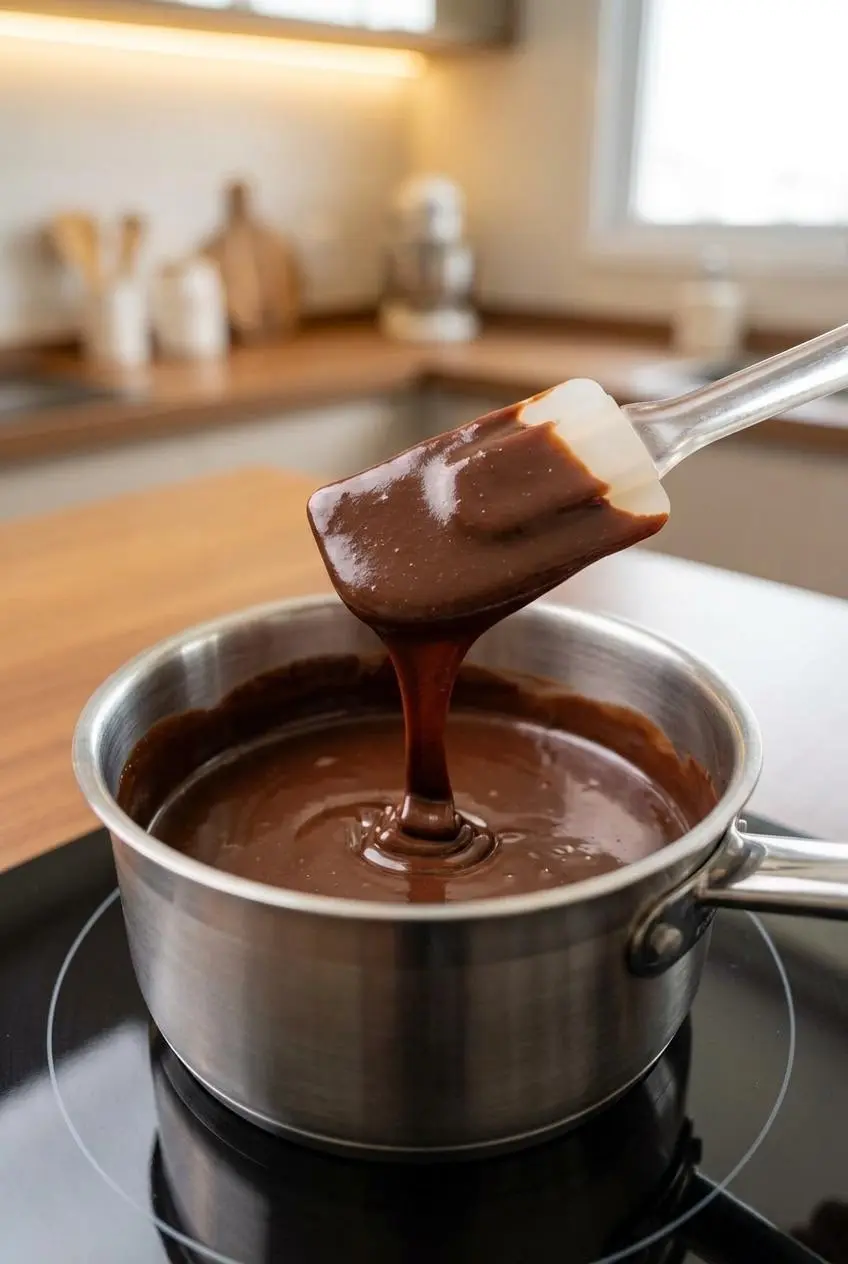
A good brigadeiro glaze should pour slowly, settle over the curves of the cake, and stay soft enough to slice cleanly. The trick is using medium-low heat and watching for the right texture before it goes too far.
Start with the chocolate, sweet condensed milk, and butter in the saucepan. Stir constantly and keep the heat gentle so the sugars do not catch on the bottom. When the mixture thickens and you can briefly see the bottom of the pan as the spatula moves through it, the brigadeiro base is ready.
Heavy cream is what changes it from classic spoonable fudge into glaze. Once you stir the cream in, the mixture loosens, turns shinier, and becomes smooth enough to pour over the cake in one glossy layer.
If you want a deeper chocolate note, a tiny pinch of espresso powder can go into the glaze as an optional twist. It won’t make the cake taste like coffee, but it can make the chocolate taste fuller.
If the brigadeiro cooks too long and turns too stiff, don’t panic. Stir in a small splash of heavy cream off the heat until it relaxes back into a pourable consistency. If it cools and firms up more than you want, warm it gently and stir again until glossy.
For the best finish, pour the warm glaze over a cooled cake. That way it sits on top instead of soaking into the crumb.
Troubleshooting Your Blender Carrot Cake
Most problems with this cake come down to moisture, mixing, or pan prep. Here are the fixes that matter most.
- Dense or heavy crumb: Too many carrots are usually the culprit, especially when they are measured by count instead of weight. Use 300g (10.6 ounces) and fold the flour in by hand.
- Gummy texture: Flour blended into the wet base can overwork the gluten. Keep the dry ingredients out of the blender and whisk only until combined.
- Wet center: This batter is naturally moist and can trap steam if pulled too early. Bake until the center tests clean and the cake sounds lightly hollow when tapped.
- Dry edges: An oven that runs hot can brown the outside before the center finishes. If this happens often, check your oven calibration with a separate oven thermometer.
- Glaze turned thick like candy: It stayed on the heat too long. Add a little more cream and stir until it loosens.
How to Prevent the Cake from Sinking
This batter needs steady heat early on, so avoid opening the oven door too soon. If the structure has not set yet, a rush of cooler air can cause the center to collapse.
Wait until the cake looks fully puffed and the surface has lost its wet sheen before checking. Then use a toothpick near the center, and listen for that light hollow sound when you tap the top. If the middle sinks after baking, the most likely causes are underbaking, too much carrot moisture, or an oven that runs cool.
Secrets to Unmolding a Bundt Cake
A beautiful bundt shape depends on prep more than luck.
- Brush softened butter into every curve, seam, and center tube.
- Dust the pan well with flour, turning it until all surfaces are coated.
- For very detailed pans, fine breadcrumbs can work as an optional alternative to flour and create a barrier that helps release the cake.
- Let the baked cake rest for exactly 10 minutes before inverting. Too early and it may tear, too late and it may stick.
- Tap the pan firmly and give it a gentle shake before turning it out.
Skip relying on cooking spray alone for a complicated bundt pan. This is one place where old-school butter and flour really earn their keep.
Alternative Pan Sizes and Baking Times
You can absolutely bake this cake in other pans if that’s what you have. Just expect the baking time to change because the batter depth changes.
Baking in a Round Cake Pan vs. a Bundt Pan
A bundt pan gives you more surface area and a slightly faster center bake, while a round pan holds the batter deeper. If you use an 8-inch or 9-inch round cake pan, start checking earlier than the full bundt time and watch the center closely for doneness.
The batter should still be mixed exactly the same way: blend the wet ingredients smooth, then fold in the dry ingredients by hand. If you enjoy smaller-format carrot cakes, a carrot cake loaf is another good shape to keep in mind for a different bake.
Sheet Pan Carrot Cake
For a standard 9×13-inch rectangular pan, grease the pan well and reduce the baking time to about 35 to 40 minutes. Because the batter sits in a shallower layer, it bakes faster and is easier to portion for gatherings.
This version won’t have the classic bundt look, but it is very practical for potlucks, holiday dessert tables, or casual family serving. If you like that easy slice-and-share format, carrot cake bars follow the same crowd-friendly idea.
Gluten-Free Bolo de Cenoura
You can try this cake with a standard 1-to-1 gluten-free baking flour blend as an optional variation. Keep the carrot weight the same and watch the batter texture, since some blends absorb moisture differently and may bake a little more delicately.
Mix gently and avoid overhandling, just as you would with the wheat flour version. The crumb may be a touch more fragile, but the bright carrot flavor and chocolate glaze still work beautifully.
Storage and Make-Ahead Instructions
This cake keeps its texture best when it is cooled completely and stored covered so the crumb does not dry out. Once the brigadeiro is on top, keep the cake in an airtight container.
You can leave it at room temperature for up to three days, or refrigerate it for longer storage. Because the batter contains eggs and the glaze contains dairy, careful handling and prompt chilling when needed matter for food safety and freshness, as outlined in safe handling, prompt refrigeration, and thorough cooking of eggs.
Make It Ahead Without the Glaze
If you want to break up the work, bake the cake first and add the brigadeiro closer to serving time. That keeps the glaze glossy and helps prevent it from soaking into the cake while it sits.
Wrap the cooled cake well so it holds onto its moisture, then glaze it once you’re ready to serve.
How to Reheat Brigadeiro Glaze
If the glaze firms up too much, warm it gently in short microwave bursts or over low heat on the stove. Stir between each warm-up so it loosens evenly and turns smooth again.
For leftover glazed slices, a brief warm-up softens the brigadeiro and brings back that just-poured feel. Keep it gentle, because overheating can make the glaze separate or stiffen later.
Perfect Pairings for Afternoon Tea
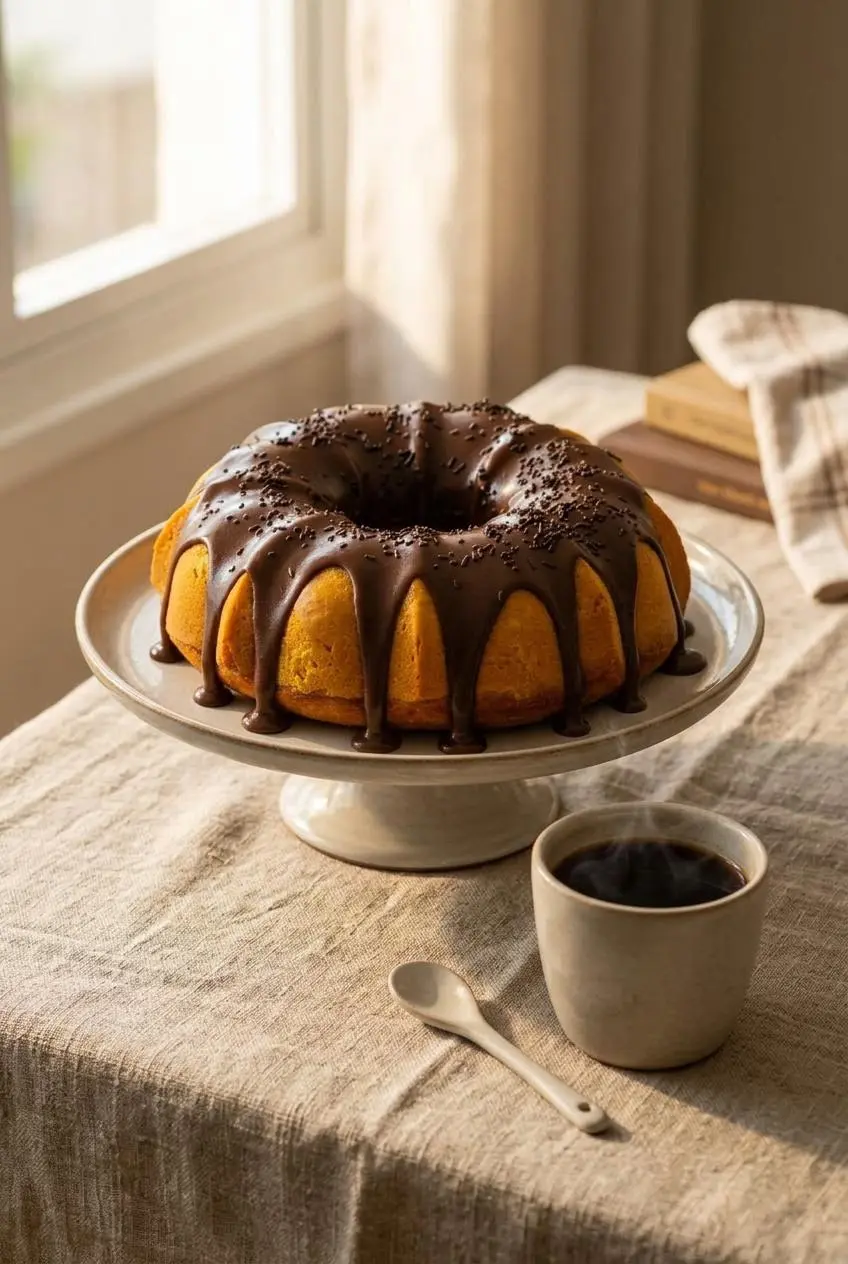
This cake is especially good with strong black coffee, which balances the sweet chocolate topping and lets the carrot flavor come through. Hot tea works well too if you want something softer alongside it.
Serve it slightly warm or at room temperature for the best texture. It also fits beautifully on an Easter dessert table if you want something festive without going full spice-cake mode.
Conclusion
This cake stands out because it’s smooth, bright, and deeply chocolatey without being fussy. Weighing the carrots, blending only the wet ingredients, and folding the flour in by hand are the big steps that keep it fluffy.
Once you nail the batter and the glaze texture, the rest feels easy. A glossy slice with coffee in hand is a very good way to spend the afternoon.
Frequently Asked Questions
Why did my carrot cake turn out heavy and dense?
Too much carrot is the most common cause, especially if you measured by piece count instead of weight. Stick to 300g (10.6 ounces). The other big cause is blending in the flour, which can overwork the gluten and make the crumb gummy. Fold the dry ingredients in by hand just until combined.
Can I make this cake in a standard rectangular pan?
Yes. A 9×13-inch greased baking dish works well for this batter. Reduce the baking time to about 35 to 40 minutes and check the center for doneness. The cake will be flatter than a bundt version, but it’s very easy to slice and serve.
How do I get my bundt cake out of the pan without it breaking?
Butter every crevice of the pan well, then dust it with flour. Fine breadcrumbs are also a good optional choice for detailed pans. After baking, cool the cake for exactly 10 minutes, run a butter knife around the edges, tap the pan firmly, and then invert. That short cooling window makes a big difference.
Should I refrigerate the cake after adding the brigadeiro?
You can keep it at room temperature for up to three days if it is stored airtight. Refrigeration is also fine if you want to hold it longer. If you chill it, wrap it well so the cake does not dry out, and let slices warm slightly before serving for the softest texture.
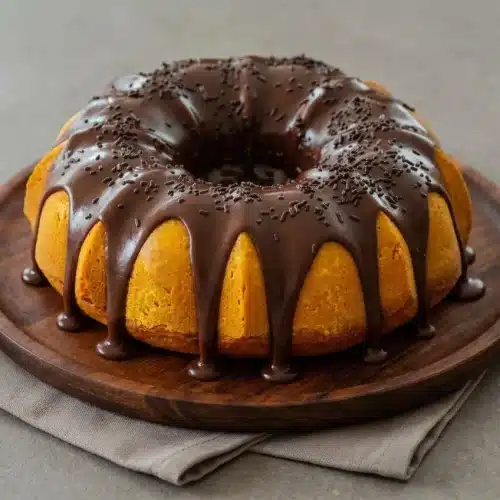
Brazilian Carrot Cake

Equipment
- Blender
- 10-inch bundt pan
- Large Mixing Bowl
- Hand whisk
- Saucepan
- Spatula
Ingredients
For the Cake
- 300 g peeled carrots, cut into chunks 10.6 ounces
- 3 large eggs
- 1 3/4 cups sugar
- 1 cup vegetable oil
- Pinch of salt
- 2 cups flour, sifted
- 1 tablespoon baking powder, sifted
For the brigadeiro
- 3 ounces bittersweet chocolate, chopped
- 1 can sweet condensed milk 14 ounces
- 2 tablespoons unsalted butter
- 1/2 cup heavy cream
- Chocolate sprinkles optional
Instructions
Preparation
- Heat the oven to 350 degrees F and position a rack in the center, then butter and flour a 10-inch bundt pan thoroughly. The pan should look evenly coated in every groove so the cake can release cleanly later.
- Add the carrots, eggs, sugar, oil, and salt to a blender and process until the mixture is very smooth, then pour it into a large bowl and whisk in the sifted flour and baking powder by hand. The blended base should fall in a thick ribbon and look uniformly orange, with no dry streaks left once the flour is mixed in.
- Transfer the batter to the prepared pan and bake for about 50 minutes. The cake is ready when a toothpick inserted in the center comes out clean and the top sounds lightly hollow when tapped.
- Set the pan on a rack and cool the cake for 10 minutes, then run a butter knife around the edges, tap the pan firmly, give it a gentle shake, and invert onto a cooling rack. If the cake is ready to release, you’ll feel it loosen slightly before it drops out.
- For the brigadeiro, cook the chocolate, sweet condensed milk, and butter in a saucepan over medium-low heat, stirring constantly, until thickened and the mixture briefly exposes the bottom of the pan, about 10 minutes, then stir in the heavy cream until smooth. The finished glaze should look glossy and thick enough to coat a spoon but still flow easily when poured.
- Move the cooled cake to a serving platter, pour the brigadeiro over the top, and finish with chocolate sprinkles if desired. Let the glaze settle for a few minutes so it clings to the cake instead of running straight off.