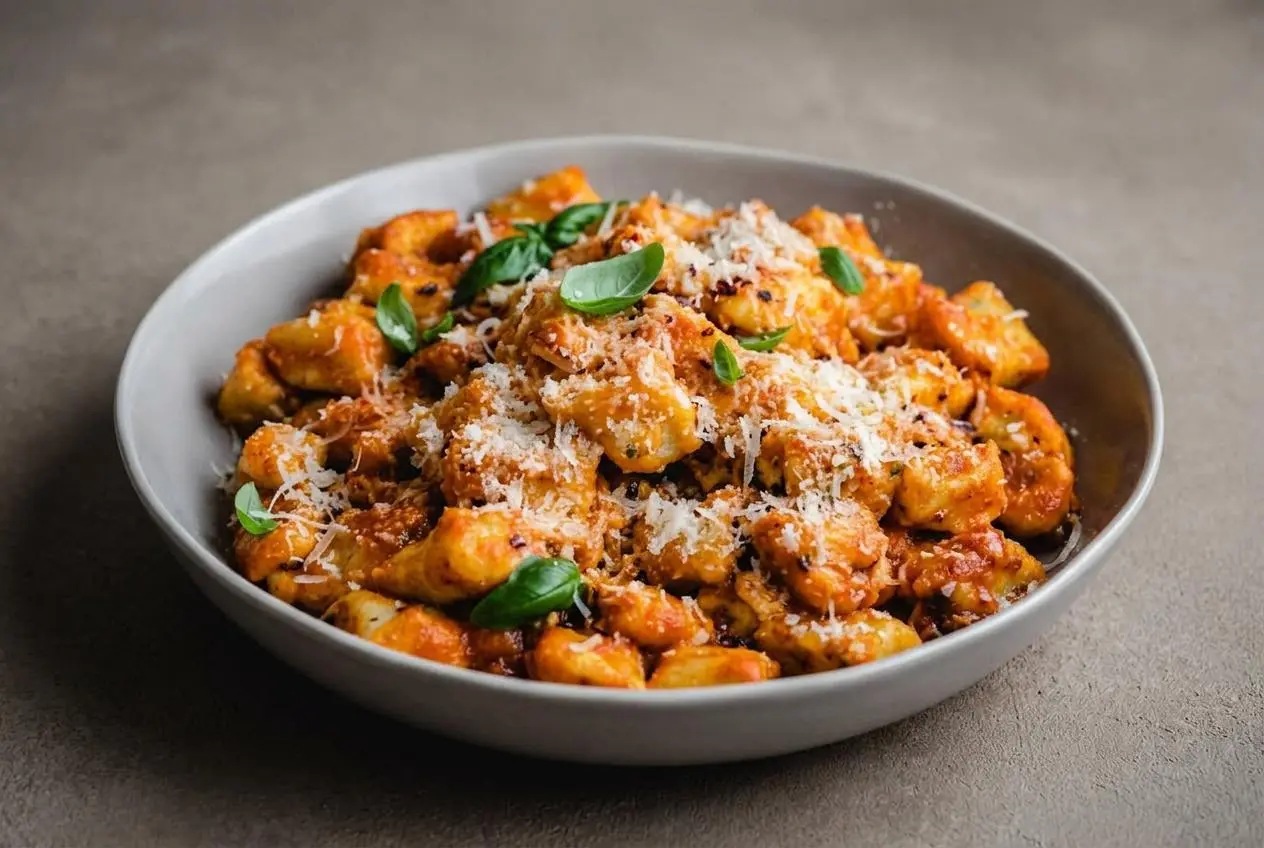
Ricotta gnudi are creamy, pillowy Italian cheese dumplings made with ricotta, parmesan, eggs, and flour. Pronounced NYOO-dee, they resemble ravioli filling without the pasta wrapper. This quick version takes about 28 minutes, including roughly 3 minutes of cooking.
The pleasure here is the tender center: soft cheese held together with enough flour to shape and boil. You don’t need to cook potatoes or roll pasta sheets, but you do need to control the ricotta’s moisture.
Blotting the cheese and mixing gently make these dumplings approachable for a weeknight dinner. Choose bright tomato sauce or nutty brown butter, then handle the pieces lightly. The texture starts with the towels.
Set out a large plate and paper towels before opening the ricotta so you can remove excess whey before mixing.
What Are Ricotta Gnudi and How Do They Compare to Gnocchi?
Gnudi means “naked” in Tuscan Italian, a reference to ravioli-like filling served without its pasta covering. The names gnudi and ricotta gnocchi overlap, especially for flour-bound cheese dumplings like these.
Ricotta Gnudi vs Potato Gnocchi
- Main ingredient: Ricotta gnudi begin with cheese; potato gnocchi begin with cooked potatoes.
- Texture: These gnudi have a creamy, tender center. Potato gnocchi can be delicate too, with a more potato-forward texture.
- Preparation: Ricotta needs moisture removal, while potato gnocchi require cooking and preparing the potatoes before mixing.
- Common pitfalls: Wet ricotta can weaken gnudi. Excess moisture, flour, or mixing can make either dough difficult to handle or dense.
Traditional Semolina Gnudi vs Quick Flour-Bound Gnudi
Some traditional preparations surround soft ricotta portions with semolina and give them a long rest to develop a thin outer layer. Other gnudi recipes use different binders and shaping methods.
Here, flour goes directly into the mixture. You roll the dough into ropes and cut rectangles, which makes shaping and cooking possible without an extended resting stage. No semolina coating is needed.
Key Ingredients and Why Each One Matters
Ricotta provides creamy richness, parmesan adds savory depth, and eggs and flour give the dumplings structure. Salt and pepper balance the cheese, optional aromatics add fragrance, and your chosen sauce supplies the finishing flavor.
- 1 15-ounce container (about 2 cups) whole milk ricotta cheese
- 3/4 cup freshly grated parmesan cheese, plus more for serving
- 2 large eggs
- 1 cup all purpose flour, plus more for dusting
- 1 teaspoon Kosher salt
- 1/4 teaspoon black pepper
- Optional aromatic mix-ins such as lemon zest, fresh basil, fresh sage, and/or grated garlic
- Sauce of choice, to serve
Whole milk ricotta supplies the richness that defines the filling. Parmesan brings saltiness and dry cheese solids, while the seasonings keep the mild ricotta from tasting flat. The aromatic additions are optional; choose them to complement your sauce.
I prefer to judge blotted ricotta by its matte surface rather than by how dry the top towel looks.
Choosing Ricotta That Will Not Make the Dough Watery
Whole milk ricotta suits this recipe’s creamy texture, but fat percentage alone doesn’t tell you how wet the cheese will be. Supermarket tubs vary considerably, so check the actual consistency rather than assuming one style needs no blotting.
Fresh basket-style ricotta may be well drained but can still hold whey. Impastata is generally denser and smoother, though moisture still varies. Ingredient labels offer clues about formulation, but stabilizers alone don’t predict how every product will behave.
Use the paper-towel method regardless of style. The goal is cheese that holds a mound rather than spreading into a wet puddle.
Freshly Grated Parmesan, Eggs, and the Flour Balance
Freshly grated parmesan distributes well through the dough and contributes savory flavor without coarse shreds. Packaged grated cheese varies in texture and formulation, so it won’t always behave identically.
Eggs help bind the mixture as it cooks, and flour supplies structure for rolling and boiling. Start with the listed amount. Adding flour until the dough feels completely dry can turn tender cheese pillows into heavy dumplings, especially if you mix aggressively.
How to Make Ricotta Gnudi Step by Step
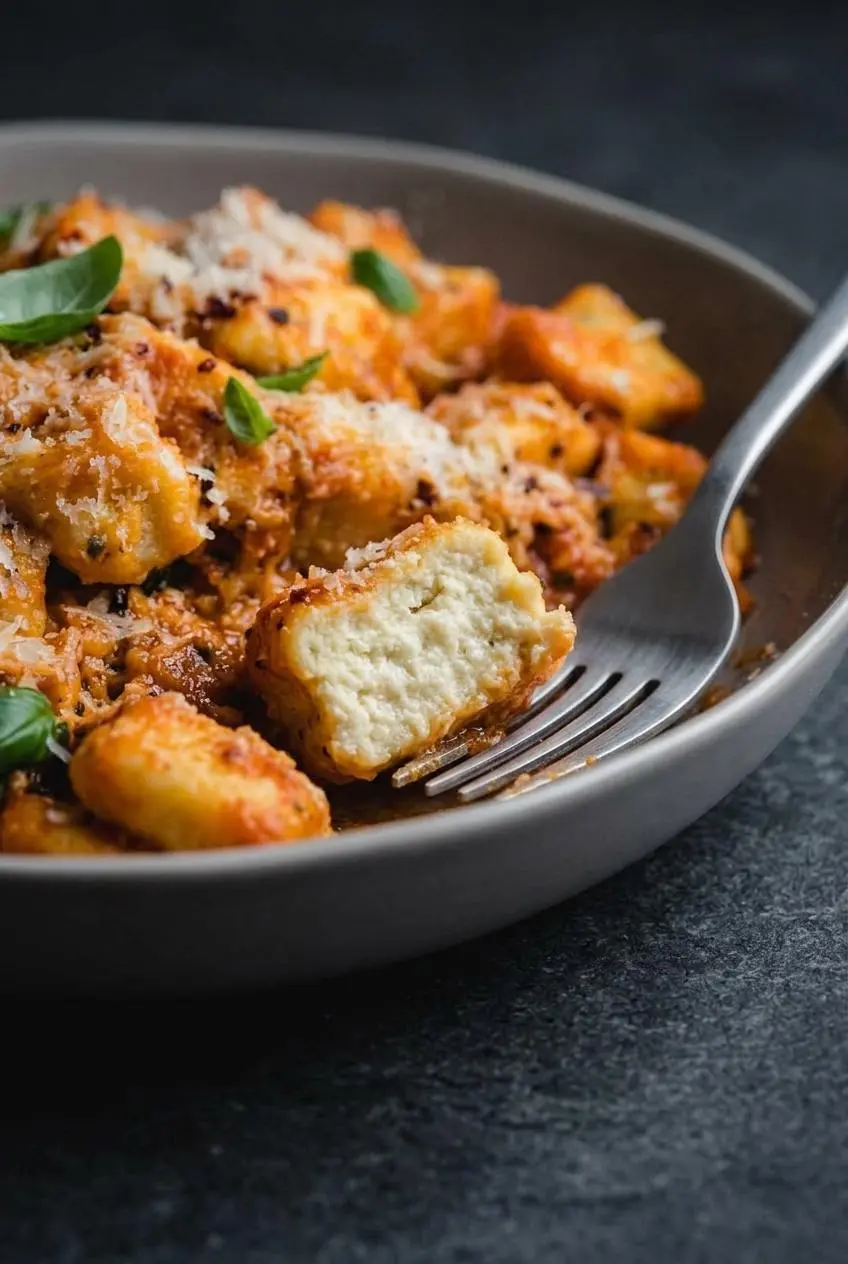
Plan on 25 minutes of preparation, 3 minutes of cooking, and 28 minutes total for 4 servings. Wetter ricotta or slower shaping may extend preparation, and the cooking time is an estimate for fresh pieces.
- Sandwich an even layer of ricotta between 3 paper towels on a large plate and another 3 towels above, then press lightly to blot away whey.
The towels should become damp as the cheese loses its wet sheen. - Stir the blotted ricotta, parmesan, eggs, flour, salt, pepper, and any chosen optional aromatics together in a large mixing bowl, stopping once combined.
The finished mixture should hold together as a soft dough with a slightly sticky surface. - Start a large pot of salted water boiling while you move the dough onto a large, lightly floured cutting board, dust its surface, and divide it into four portions.
Each portion should remain soft but lift from the board with gentle handling. - Shape each portion into a thick rope and slice across it to make bite-sized rectangular dumplings.
The cut pieces should resemble small pillows, with enough surface flour to release from the board. - For the optional freeze-for-later route, arrange the uncooked pieces on a parchment-lined baking sheet, freeze until solid, and pack them into a large freezer bag.
Wait until the pieces feel firm throughout before bagging so they retain their separate shapes. - Lower the dumplings carefully into boiling water, cook for roughly one minute after they rise to the surface, then drain and gently coat with your chosen sauce.
Floating pieces should remain intact, with tender centers rather than a dense, floury interior.
Drain and Blot the Ricotta
Spread the cheese evenly so the towels contact more than its outer edges. Press gently rather than squeezing hard. As whey leaves the ricotta, the towels feel heavier and the cheese becomes less glossy, more matte, and slightly crumbly.
This stage controls moisture before flour enters the bowl. Better blotting reduces the temptation to compensate with repeated handfuls of flour.
Mix the Dough Gently
Stop stirring when the ingredients form a cohesive mixture. Think soft playdough with a tacky surface, not pourable batter or firm bread dough. Don’t knead it.
A little stickiness is normal. Evaluate the mixture with lightly floured fingers rather than expecting it to leave bare hands completely clean.
Roll and Cut Into Pillows
Dividing the dough into four portions keeps each rope manageable. Roll with light pressure and dust only where sticking interferes with shaping; a thick flour coating can work its way into the dough.
Cut reasonably similar pieces so they cook at a similar pace. At this point, either continue to boiling or follow the optional freezing route.
Boil Until Floating and Toss With Sauce
Keep the water boiling gently, not churning violently. Strong turbulence can knock delicate pieces against one another before their structure sets.
Use the floating-then-roughly-one-minute cue rather than treating the approximate cooking time as a stopwatch guarantee. Have the sauce warm and ready so the drained dumplings need minimal handling.
Expert Tips and Troubleshooting Common Gnudi Mistakes
Texture problems usually begin with moisture, flour, or handling. Diagnose the problem before changing the whole batch.
Why Gnudi Fall Apart in the Water
- Loose mixture: Excess whey can leave the dough too weak to hold its shape. Check whether it behaves like batter rather than a soft mound.
- Rough boiling: Reduce the heat if the water tosses pieces around forcefully. Gentle movement is enough.
- Uncertain structure: Optionally cook one test dumpling before committing the batch. If it breaks apart, reassess the mixture and water movement before cautiously adjusting flour.
Don’t add a large amount of flour automatically. A modest adjustment may help a slightly loose mixture, but it won’t reliably rescue every very wet dough without changing the texture.
Sticky, Crumbly, or Tough Dough
- Tacky but shapeable: This is expected. Lightly dust the board and your hands rather than trying to eliminate all stickiness.
- Smearing across the board: The mixture may be too wet. Check moisture and measurements before adding more flour.
- Cracking or crumbling: Recheck the measured ingredients and whether excess dusting flour has entered the mixture; work gently rather than kneading.
- Dense after cooking: Excess flour or prolonged mixing is a likely cause. More vigorous handling won’t restore tenderness.
When Piping or Brief Firming Can Help
For soft but cohesive dough, piping ropes onto a floured tray can be easier than rolling by hand. Chilling or freezer-firming until easier to handle is another optional approach before cutting.
These alternatives add handling time and aren’t required for the 28-minute method. Firming changes consistency temporarily; it doesn’t remove excess whey.
Best Sauces, Flavor Variations, and Serving Ideas
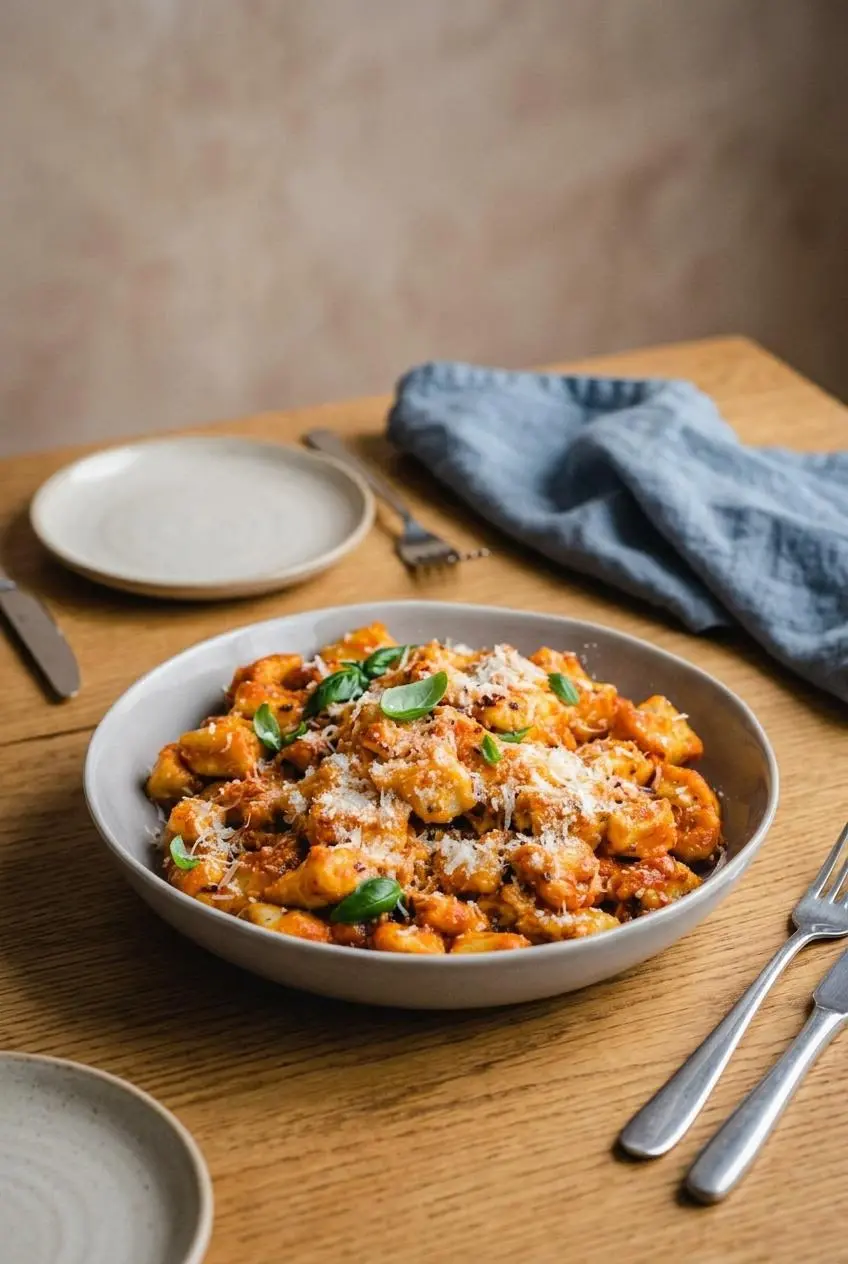
Choose a sauce that coats the dumplings without requiring vigorous stirring. Fold gently or spoon sauce over them instead of tossing forcefully.
Ricotta Gnudi With Brown Butter and Crispy Sage
For an optional brown butter sage sauce, heat butter until the milk solids turn golden brown and smell nutty, adding sage leaves to crisp in the butter. Watch the color closely and remove from the heat before the solids darken excessively.
Fold in the cooked dumplings gently. The buttery finish lets the mild ricotta flavor come through.
Warm Tomato Sauce for a Lighter Finish
Warm marinara or crushed tomato sauce offers a bright contrast to the rich cheese. Finish with optional basil and the extra parmesan listed for serving.
If desired, reserve a splash of starchy cooking water before draining. Add it gradually when the sauce needs loosening so it coats rather than clumps around the dumplings.
For a heartier dinner, spoon a little rich beef ragu over the gnudi instead of stirring them through a heavy pot of sauce.
Pan-Seared and Baked Casserole Options
For golden edges, let boiled dumplings drain well, then finish gently in brown butter and sage. Give them space and allow a surface to color before turning, preserving the soft center.
For a casserole finish, boil them using the full doneness instruction first, then arrange in sauce and bake until the dish is hot. Avoid excessive sauce and prolonged baking, which can soften the dumplings too much.
Another optional direction pairs freshly grated nutmeg and lemon zest in the dough with a post-boil brown-butter sage sear. These additions and finishing actions are variations, not required steps.
Spinach and Herb Variations for Ricotta Gnudi
Optional greens and aromatics change the flavor, but added moisture still needs careful control.
Spinach and Ricotta Gnudi
Use cooked spinach that you’ve squeezed thoroughly, then chopped finely. It should release no dripping liquid when squeezed; wet greens can loosen the cheese mixture and weaken the dumplings.
No tested spinach quantity is provided here, so treat this as variation guidance rather than a complete spinach formula. The pairing has the same savory appeal as spinach and ricotta cannelloni, without the pasta wrapper.
- Lemon zest: Choose it for fresh citrus aroma without adding lemon juice to the dough.
- Basil or sage: Chop finely for an herbal accent that complements your sauce.
- Grated garlic: Add optionally for savory depth, remembering that its flavor can dominate mild ricotta.
How to Freeze, Store, and Reheat Ricotta Gnudi
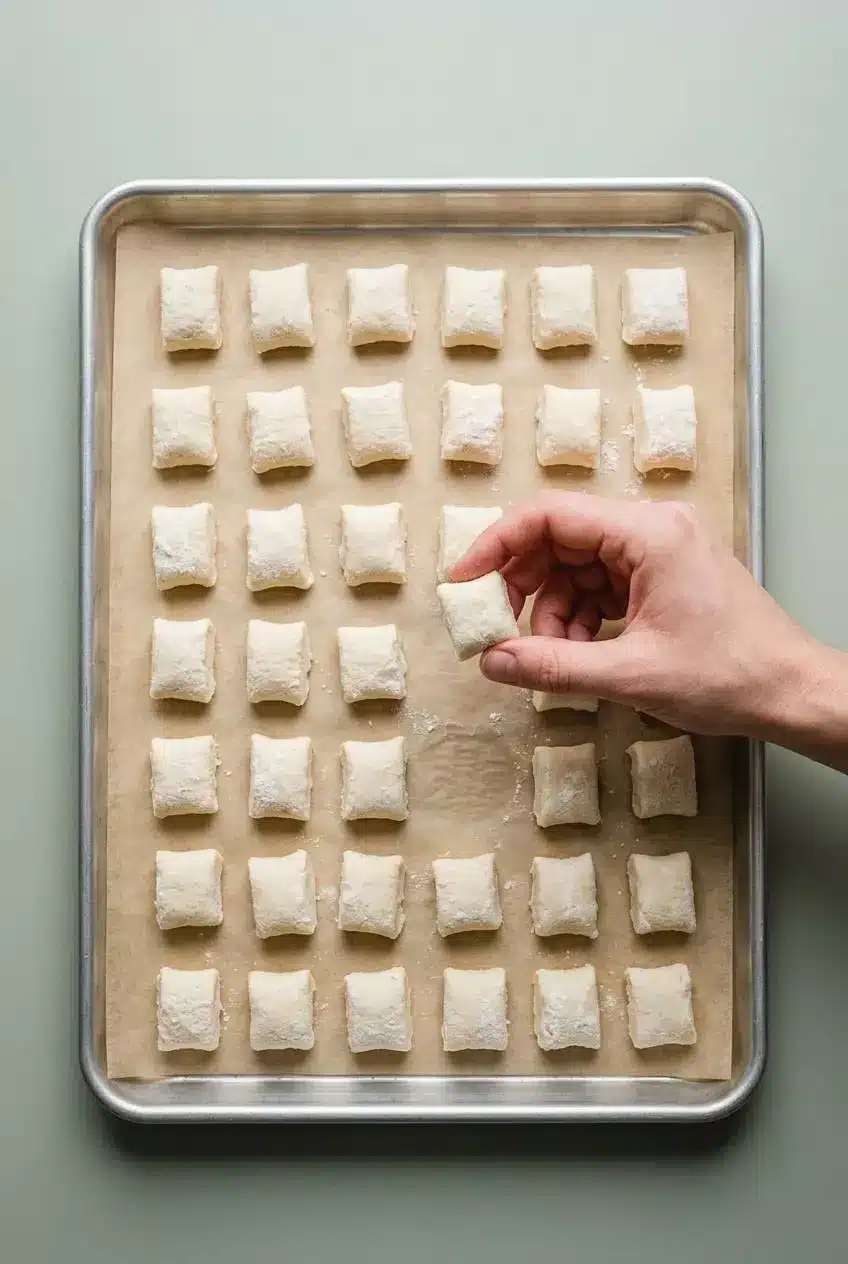
Freeze uncooked pieces for a future meal, and treat cooked leftovers gently to protect their delicate texture.
Freeze Uncooked Gnudi for a Future Dinner
Arrange the shaped pieces separately on a parchment-lined baking sheet and freeze until solid. Transfer the firm dumplings to a large freezer bag and store for up to 3 months. Freezing them separately first helps prevent one large clump.
Cook Frozen Gnudi Without Thawing
Add frozen pieces directly to gently boiling salted water rather than thawing them first. Follow the same floating-then-roughly-one-minute cooking cue. Frozen dumplings may take longer than fresh ones, so don’t apply the fresh cooking estimate rigidly.
Keep Cooked Leftovers Tender
Refrigerate cooked leftovers promptly in a covered container. For reheating, warm them gently in sauce until hot throughout, using low heat and minimal stirring.
Reheat the portion you plan to serve rather than repeatedly warming the whole batch. Rough stirring and prolonged heating can break or soften the dumplings.
Conclusion
Creamy, pillowy gnudi depend on well-blotted ricotta, restrained mixing, and gently boiling water. Keep the dough soft rather than chasing a completely dry surface.
Serve them with bright tomato sauce, nutty sage butter, or an optional crisp-edged finish. Have the sauce ready and give those tender pillows a gentle landing.
Frequently Asked Questions
What Is the Difference Between Gnudi and Ricotta Gnocchi?
The names often overlap. Some traditional gnudi preparations use a semolina coating and an extended rest, while ricotta gnocchi commonly incorporate flour directly. This quick version uses flour in the dough and rope-shaped cutting.
What Does Gnudi Mean in Italian and How Do You Pronounce It?
Say NYOO-dee. The Tuscan word means “naked,” referring to the idea of ravioli filling without its surrounding pasta wrapper.
If You Bake Ricotta Gnudi in a Casserole, Do You Boil Them First?
Yes, for these dumplings, complete the boiling method before adding them to a casserole. Keep the roughly one-minute cooking period after floating, then handle gently during the optional baked finish.
Is Ricotta Gnudi Healthier Than Potato Gnocchi?
There isn’t a universal winner. These dumplings use cheese and eggs, while potato gnocchi use a potato-based dough. Portion size, the specific recipe, and sauce affect the comparison; no nutrition calculation is provided here.
Can I Pipe the Ricotta Dough or Chill It Before Cutting?
Yes, piping ropes or firming soft dough before cutting can help with handling. Both are optional alternatives to rolling. Chilling doesn’t remove excess moisture, so start with properly blotted ricotta.
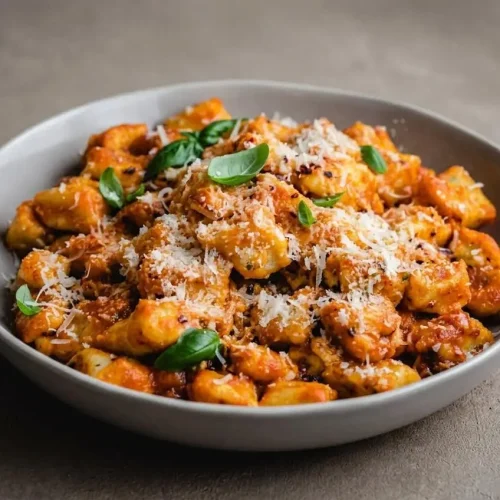
Ricotta Gnudi

Equipment
- Paper towels
- large plate
- Large Mixing Bowl
- Large Pot
- Cutting board
- Parchment-lined baking sheet
- large freezer bag
Ingredients
- 1 15-ounce container whole milk ricotta cheese (about 2 cups)
- 3/4 cup freshly grated parmesan cheese plus more for serving
- 2 large eggs
- 1 cup all purpose flour plus more for dusting
- 1 teaspoon Kosher salt
- 1/4 teaspoon black pepper
- Optional aromatic mix-ins such as lemon zest, fresh basil, fresh sage, and/or grated garlic
- Sauce of choice to serve
Instructions
- Sandwich an even layer of ricotta between 3 paper towels on a large plate and another 3 towels above, then press lightly to blot away whey. The towels should become damp as the cheese loses its wet sheen.
- Stir the blotted ricotta, parmesan, eggs, flour, salt, pepper, and any chosen optional aromatics together in a large mixing bowl, stopping once combined. The finished mixture should hold together as a soft dough with a slightly sticky surface.
- Start a large pot of salted water boiling while you move the dough onto a large, lightly floured cutting board, dust its surface, and divide it into four portions. Each portion should remain soft but lift from the board with gentle handling.
- Shape each portion into a thick rope and slice across it to make bite-sized rectangular dumplings. The cut pieces should resemble small pillows, with enough surface flour to release from the board.
- For the optional freeze-for-later route, arrange the uncooked pieces on a parchment-lined baking sheet, freeze until solid, and pack them into a large freezer bag. Wait until the pieces feel firm throughout before bagging so they retain their separate shapes.
- Lower the dumplings carefully into boiling water, cook for roughly one minute after they rise to the surface, then drain and gently coat with your chosen sauce. Floating pieces should remain intact, with tender centers rather than a dense, floury interior.