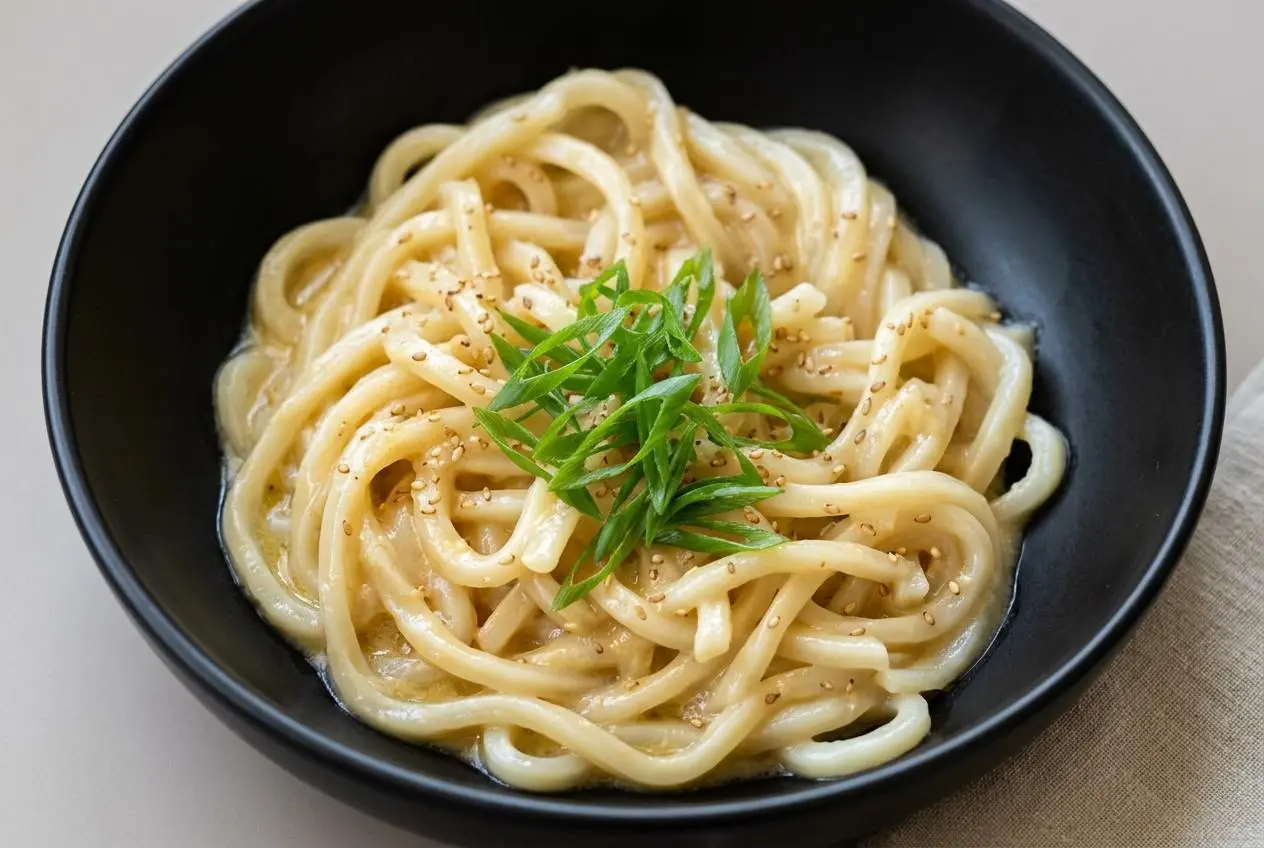
For a fragrant, savory bowl of miso butter noodles, cook chewy udon while making a pan sauce with butter, garlic, white miso, and warm cornstarch water. Whisk until smooth, then toss everything together for a glossy meal ready in 10 minutes.
Miso Butter Noodles pair bouncy udon with a rich, garlicky sauce that needs no cream. White miso adds savory depth and gentle sweetness, while green onion and toasted sesame seeds brighten each bite.
This single-serving bowl works well for a quick lunch or dinner when you want something comforting without much cooking. The trick is controlling the heat rather than adding more butter. Watch for that satiny sheen.
Set the whisk beside the skillet before you start so you can work the miso into the butter without leaving the garlic unattended.
Key Ingredients and Their Flavor Roles
Udon brings chew, butter adds richness, and miso supplies savory depth. Garlic and green onion build aroma, sesame seeds add a nutty finish, and cornstarch with water helps the sauce cling. Salt lets you adjust the final seasoning.
- 1 block frozen udon noodles (~9 oz each)
- 2 tbsp butter
- 1 tbsp white miso paste
- 1 tsp freshly minced garlic
- 1 green onion
- toasted sesame seeds
- 1 tsp corn starch
- 1/3 cup warm water
- salt
Unsalted butter gives you more control over the seasoning because miso already contributes saltiness. Salted butter also works, but taste the finished sauce before adding salt.
The green onion does two jobs: its white portion softens alongside the garlic, while its green portion adds freshness at the end. Toasted sesame seeds bring a little texture against the silky noodles.
For a vegan version, optionally replace the dairy butter with plant-based butter and check the noodle and miso labels for animal-derived ingredients. Choose a plant-based butter you enjoy tasting, since its flavor will come through clearly.
I prefer finely minced garlic here because larger pieces can stay sharp-tasting during the brief cooking time.
Choosing the Right Miso Paste
White miso, often labeled shiro miso, is a good match for butter because its generally mild, slightly sweet flavor leaves room for the garlic and onion. Brands vary, so taste a little before cooking rather than assuming every tub has the same intensity.
Yellow miso can give the sauce a more assertive savory character. Red miso tends to taste deeper and stronger, so start with less if you substitute it, then adjust after tasting. Color alone doesn’t tell you exactly how salty a particular miso will taste.
A tub of white miso is also useful for homemade miso soup when you want a lighter way to enjoy its savory flavor.
The Power of Starch Water
The cornstarch slurry makes the sauce more cohesive without cream. Cornstarch disperses in water rather than truly dissolving, so stir the mixture again before pouring it into the skillet if it has settled.
As starch thickens the watery part of the sauce, it helps keep the butter from collecting into separate oily pools. Whisking distributes the fat throughout that liquid, creating a sauce that coats rather than merely wets the noodles.
Starchy pasta cooking water can serve a similar purpose in optional pasta adaptations, but its starch concentration varies. The measured slurry here gives frozen udon a more predictable coating without relying on cloudy cooking water.
Choosing the Best Noodles: Udon vs Italian Pasta
Frozen udon suits the quick cooking schedule and gives this bowl its distinctive bounce. Other noodles work as optional swaps, but follow their package directions and allow for a different total cooking time.
- Frozen Sanuki udon: Thick, springy strands give gentle resistance when bitten and stand up well to tossing.
- Fresh udon: Soft, thick noodles also catch the sauce well; check them closely so they don’t become overly tender.
- Ramen: Thinner, often wavy strands make a lighter-textured bowl and can tangle if tossed roughly.
- Spaghetti or bucatini: Long durum wheat pasta offers a firmer bite and releases useful starch into its cooking water.
- Linguine or fettuccine: Broad strands carry a generous coating of sauce, giving the dish a more pasta-like feel.
For dried spaghetti, boil until al dente following the package directions, reserve some cooking water, then drain. Taste that water before using it to loosen the sauce, since heavily salted water can push a miso sauce too far.
If you enjoy garlic butter pasta, spaghetti is a familiar starting point. Udon gives a plumper, more elastic bite, while Italian pasta feels firmer and less yielding.
Don’t assume every noodle releases the same amount of starch. Frozen and packaged udon cooking water may be less useful for sauce thickening than water from dried wheat pasta; keep the cornstarch slurry for the udon method below.
How to Make the Miso Butter Noodles Step by Step
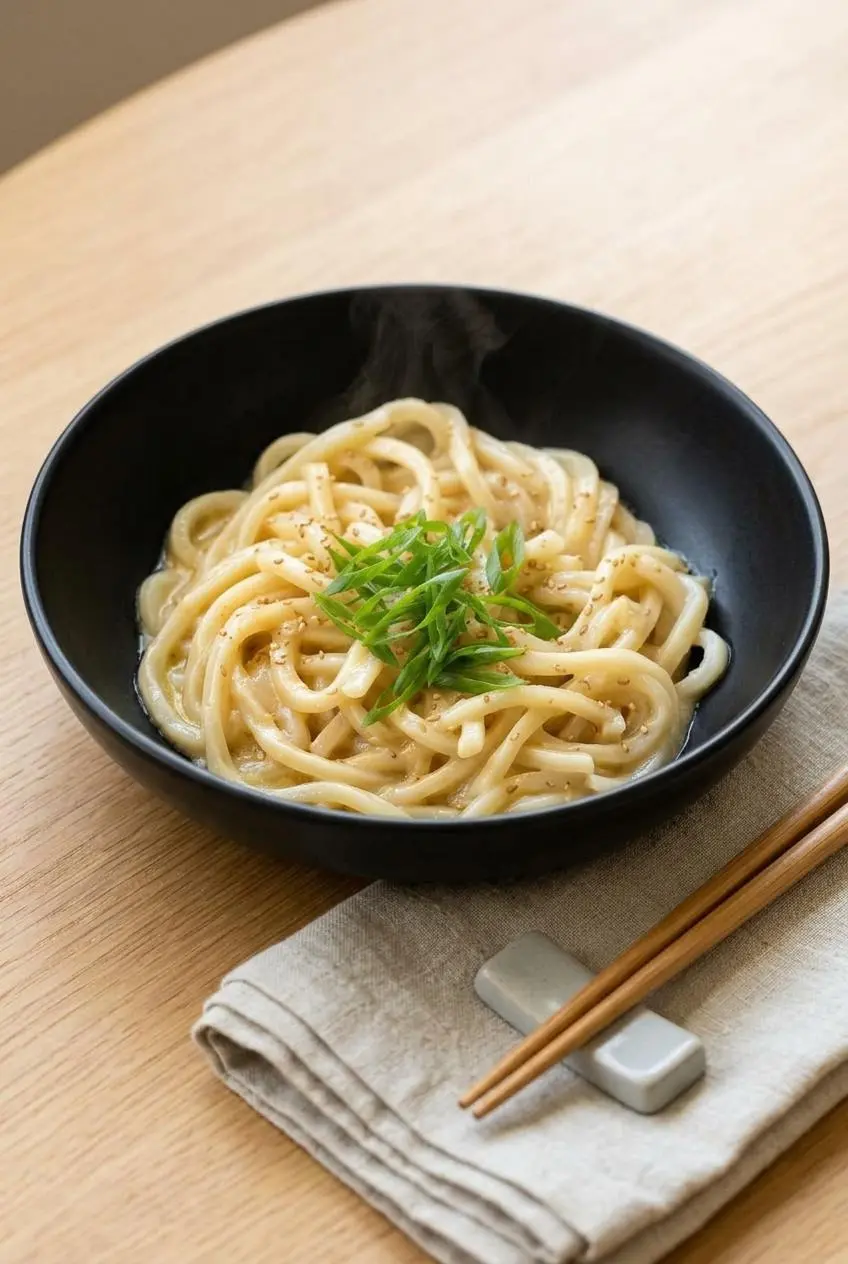
Allow 5 minutes for prep and 5 minutes for cooking. You’ll need a large pot, skillet, knife, and preferably a flat whisk; cook the noodles while you prepare the sauce so neither has to wait long.
- Bring a large pot of water to a boil and cook the frozen udon according to its package directions while you work on the sauce.
Check for separated strands with a springy bite rather than a soft, collapsing texture. - Slice the green onion thinly, keep the white and green pieces separate, and stir the cornstarch into the warm water.
The slurry should look uniformly cloudy, with no dry pockets of starch. - Melt the butter in a warmed skillet over medium to medium-low heat, then stir in the garlic and white onion pieces for 1–2 minutes.
Look for softened onion and a rounded garlic aroma while keeping the garlic pale, not brown. - Work the miso into the buttery mixture with a flat whisk, using brisk strokes to break up the paste.
Keep the heat gentle and continue until no distinct lumps of miso remain. - Switch off the burner and whisk the stirred cornstarch-water mixture into the skillet.
The sauce should become uniform, with a glossy surface instead of separate butter puddles. - Adjust the consistency by adding water one tablespoon at a time if thick, or returning the skillet to medium-low heat to reduce if thin.
A ready sauce flows around the pan while leaving a light coating on the whisk. - Taste the sauce and add a little salt only if desired.
Look for a balanced buttery, savory flavor rather than a sharply salty finish. - Drain the udon, toss it energetically through the sauce, and transfer it to a bowl topped with sesame seeds and the reserved green onion.
Each strand should carry an even, shiny coating, with little loose sauce left in the skillet.
Mastering the Glossy Sauce Emulsion and Fixing Mistakes
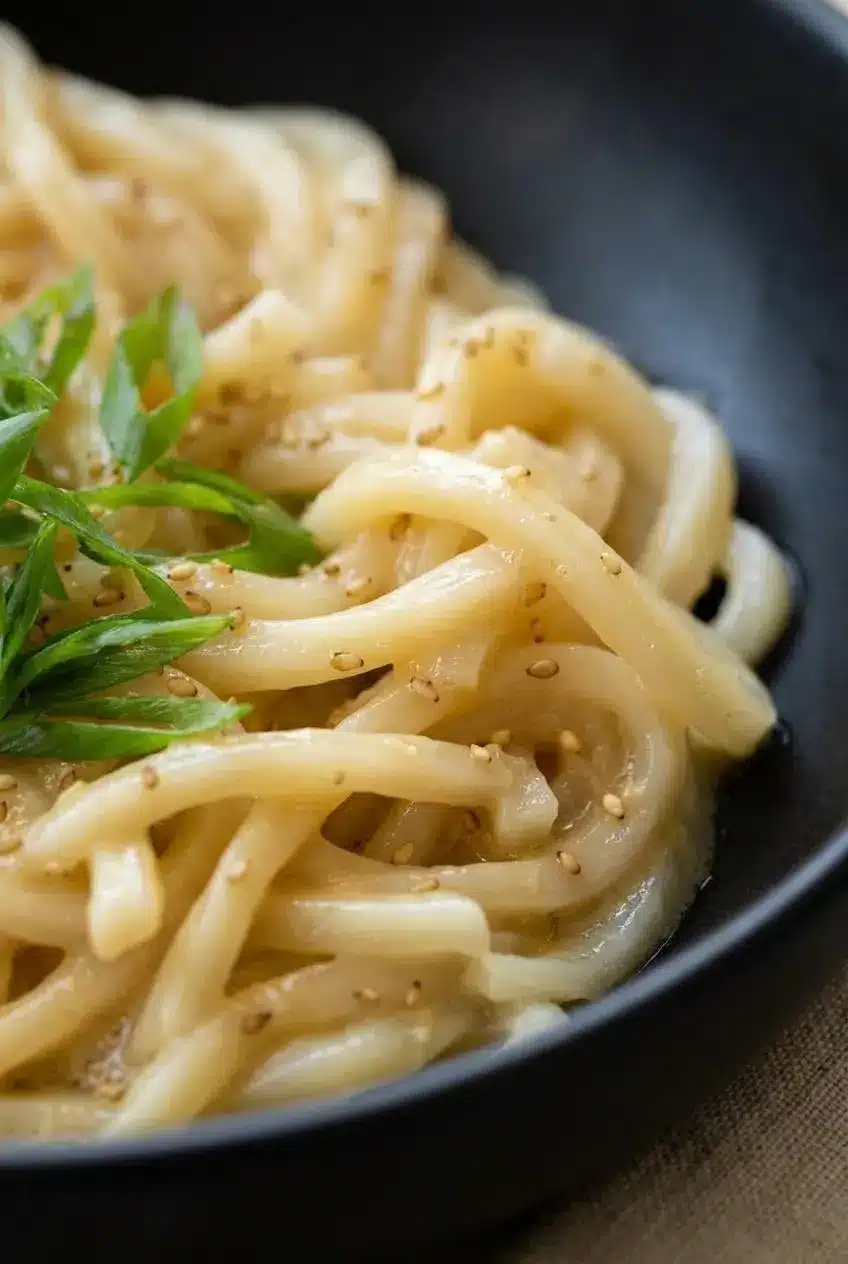
A glossy sauce needs enough liquid, some starch, and active whisking or tossing. Butter supplies fat, while the water carries the dispersed miso; starch helps the liquid hold that fat more evenly.
A hard boil can evaporate water quickly and leave the sauce greasy. Keep the heat gentle, especially when adjusting the consistency, and serve once the noodles look evenly coated.
- Oily or separated sauce: Excess heat or too little liquid can leave butter pooling around the edges; take the skillet off the burner and whisk in a splash of warm starch water until the sauce comes together.
- Miso lumps: Dense paste needs more agitation; press and whisk the lumps against the skillet before adding noodles, loosening with warm water if needed.
- Watery sauce: The starch may need more gentle heat, or the noodles may have carried excess water; return the skillet to medium-low heat and stir until the sauce lightly coats the strands.
- Overly thick sauce: Reduction or cooling can make it cling too heavily; loosen it gradually with warm water while tossing.
- Too salty: Miso and salted butter can compound the seasoning; stop adding salt and loosen with water, or add unsalted noodles to spread the seasoning across more food.
- Harsh garlic flavor: Browning can overpower this mild sauce; lower the heat sooner next time and watch the garlic’s color as closely as its aroma.
A little unsalted butter can soften the perception of saltiness, but it doesn’t remove salt and may make the bowl heavier. Water or additional unsalted noodles usually offers a better balance.
Delicious Variations and Protein Add-ins
Keep the sauce and noodle method unchanged, then choose optional additions that bring contrast. Cook substantial vegetables or proteins separately so they don’t crowd the brief sauce-making stage.
- Egg topping: A jammy egg adds a soft, rich center; for more serving inspiration, try noodles with eggs.
- Pan-fried tofu: Crisp edges contrast nicely with the soft sauce-coated udon.
- Seared salmon: Serve alongside the noodles or flake over the bowl without breaking it up during tossing.
- Greens: Sauté shredded cabbage or wilt baby spinach separately, then fold it through the finished noodles.
- Toasted white sesame paste: Whisk a little into the butter for a nuttier, fuller-bodied sauce.
- Savory-sweet adjustment: A touch of low-sodium soy sauce and brown sugar changes the flavor profile; taste first because the miso already brings saltiness and sweetness.
Garlic Parmesan Miso Pasta
Use spaghetti or bucatini for this optional variation. Fold freshly grated Parmesan into the miso butter sauce off heat, loosening with reserved pasta water as needed.
Finely grated cheese incorporates more readily than coarse shreds. Taste before adding salt because Parmesan adds another salty element.
Miso Butter Mushroom Noodles
Sauté sliced shiitake or cremini mushrooms in butter until golden, then add the garlic and continue with the miso sauce. Let the mushrooms release their moisture before building the sauce so the finished bowl doesn’t turn watery.
Shiitakes bring a pronounced woodsy flavor, while cremini mushrooms offer a gentler earthy contrast.
Spicy Chili Crisp Miso Udon
Finish the dressed udon with your choice of chili crisp, sriracha, or Japanese togarashi. Chili crisp adds crunch and oil, sriracha brings tangy heat, and togarashi gives a dry, aromatic finish.
Add gradually and taste between additions, especially with salty chili condiments.
Storage, Reheating, and Lunchbox Tips
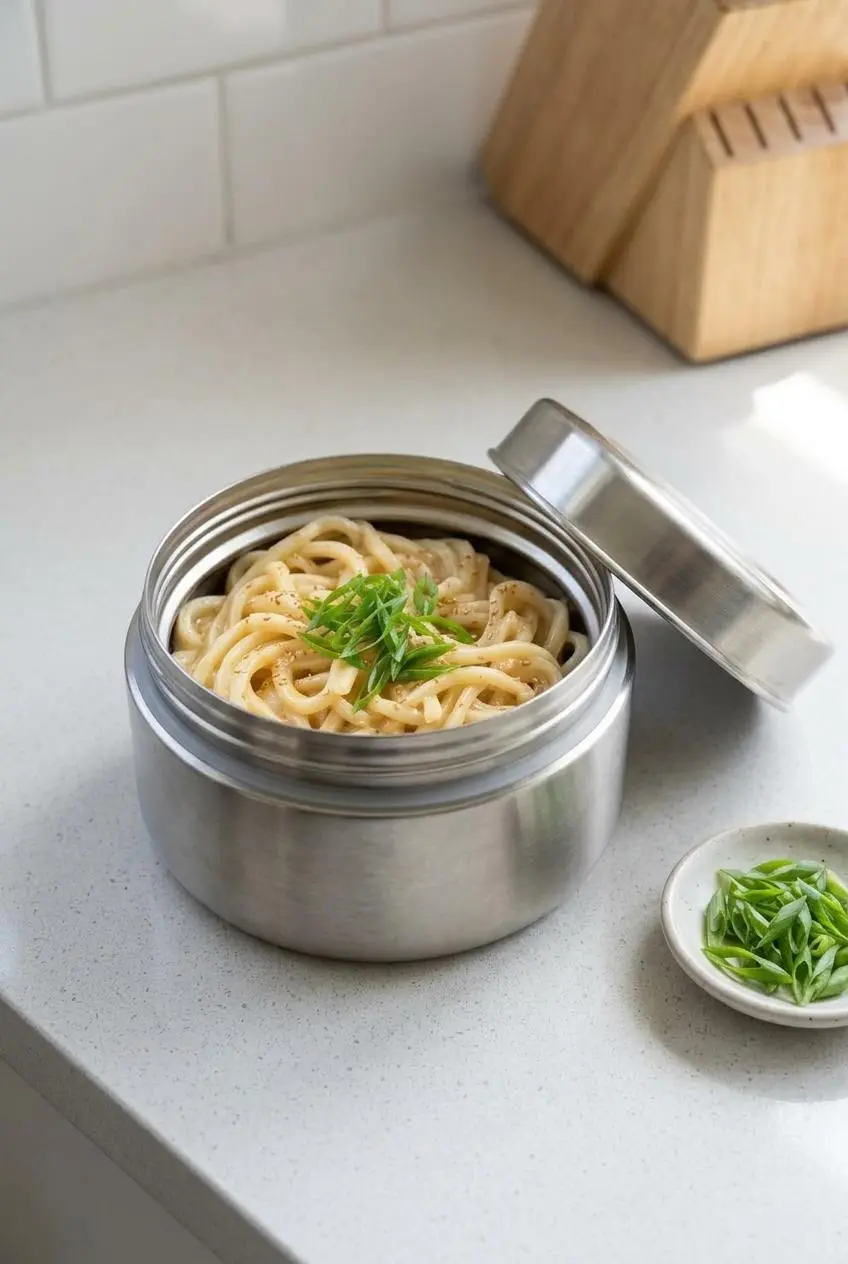
The sauce tastes silkiest freshly tossed, but leftovers need moisture rather than extra fat. Refrigerate them promptly in a covered container, keeping sesame seeds and fresh green onion separate when practical.
For reheating, place the noodles in a skillet with a splash of water and warm gently over low heat. Toss as the sauce loosens, adding more water only as needed; let the strands relax before trying to pull them apart.
For a hot lunch, prewarm an insulated food container with hot water following its manufacturer’s directions, empty it, then add thoroughly heated, well-coated noodles and close the lid. Use a container intended for hot food, and follow its holding instructions rather than assuming any thermos will maintain suitable conditions.
Pack fresh garnishes separately and add them when eating. Good sauce coverage helps limit sticking, but the noodles may still feel firmer than they do straight from the skillet.
Conclusion
These 10-minute noodles bring together chewy udon, fragrant garlic, and the savory richness of white miso and butter. Optional noodle swaps and toppings let you shape the bowl around what you have.
Keep the heat gentle, whisk away the miso lumps, and loosen the sauce before it gets heavy. Aim for shiny strands, then enjoy them while they’re warm.
Frequently Asked Questions
Can I Use Red Miso Instead of White Miso for Butter Noodles?
Yes, but start with less because red miso can taste considerably stronger. Taste the sauce before adding more miso or salt; the right adjustment depends on the brand.
How Do You Keep Miso Butter Noodles From Getting Sticky in a Lunchbox?
Toss thoroughly so every strand has a coating of sauce, and loosen a thick sauce before packing. For a hot lunch, use a prewarmed insulated food container and follow its manufacturer’s holding instructions.
What Is the Best Way to Reheat Leftover Miso Butter Noodles Without Drying Out?
Warm them gently in a skillet over low heat with a splash of water. Toss as the sauce loosens, rather than pulling apart firm, cold noodles.
Which Pasta Shapes Work Best if I Do Not Have Udon Noodles?
Spaghetti, bucatini, linguine, and fettuccine all work well as optional swaps. Cook according to the package directions and reserve cooking water to help adjust the sauce.
What Does Miso Butter Sauce Taste Like?
It tastes buttery, deeply savory, and gently sweet, with a fragrant garlic background. Toasted sesame seeds add nuttiness, while green onion gives the rich sauce a fresh finish.
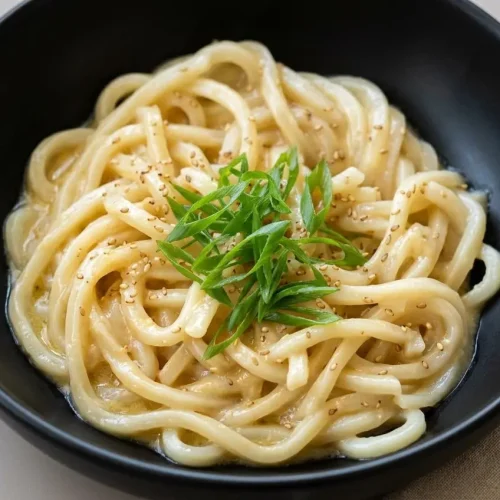
Miso Butter Noodles

Equipment
- Large Pot
- Skillet
- Flat whisk
- Chef knife
Ingredients
- 1 block frozen udon noodles (~9 oz each)
- 2 tbsp butter
- 1 tbsp white miso paste
- 1 tsp freshly minced garlic
- 1 green onion
- toasted sesame seeds
- 1 tsp corn starch
- 1/3 cup warm water
- salt
Instructions
- Bring a large pot of water to a boil and cook the frozen udon according to its package directions while you work on the sauce. Check for separated strands with a springy bite rather than a soft, collapsing texture.
- Slice the green onion thinly, keep the white and green pieces separate, and stir the cornstarch into the warm water. The slurry should look uniformly cloudy, with no dry pockets of starch.
- Melt the butter in a warmed skillet over medium to medium-low heat, then stir in the garlic and white onion pieces for 1–2 minutes. Look for softened onion and a rounded garlic aroma while keeping the garlic pale, not brown.
- Work the miso into the buttery mixture with a flat whisk, using brisk strokes to break up the paste. Keep the heat gentle and continue until no distinct lumps of miso remain.
- Switch off the burner and whisk the stirred cornstarch-water mixture into the skillet. The sauce should become uniform, with a glossy surface instead of separate butter puddles.
- Adjust the consistency by adding water one tablespoon at a time if thick, or returning the skillet to medium-low heat to reduce if thin. A ready sauce flows around the pan while leaving a light coating on the whisk.
- Taste the sauce and add a little salt only if desired. Look for a balanced buttery, savory flavor rather than a sharply salty finish.
- Drain the udon, toss it energetically through the sauce, and transfer it to a bowl topped with sesame seeds and the reserved green onion. Each strand should carry an even, shiny coating, with little loose sauce left in the skillet.