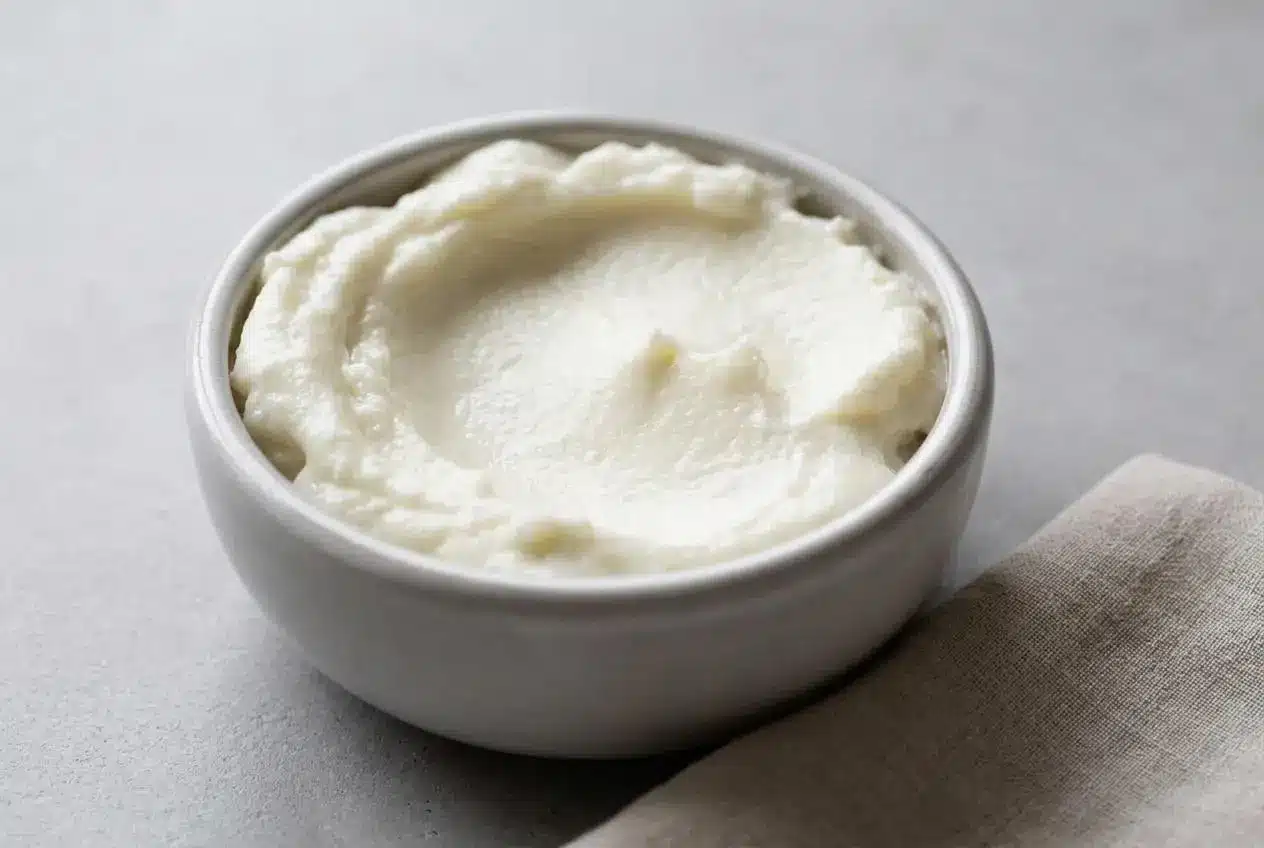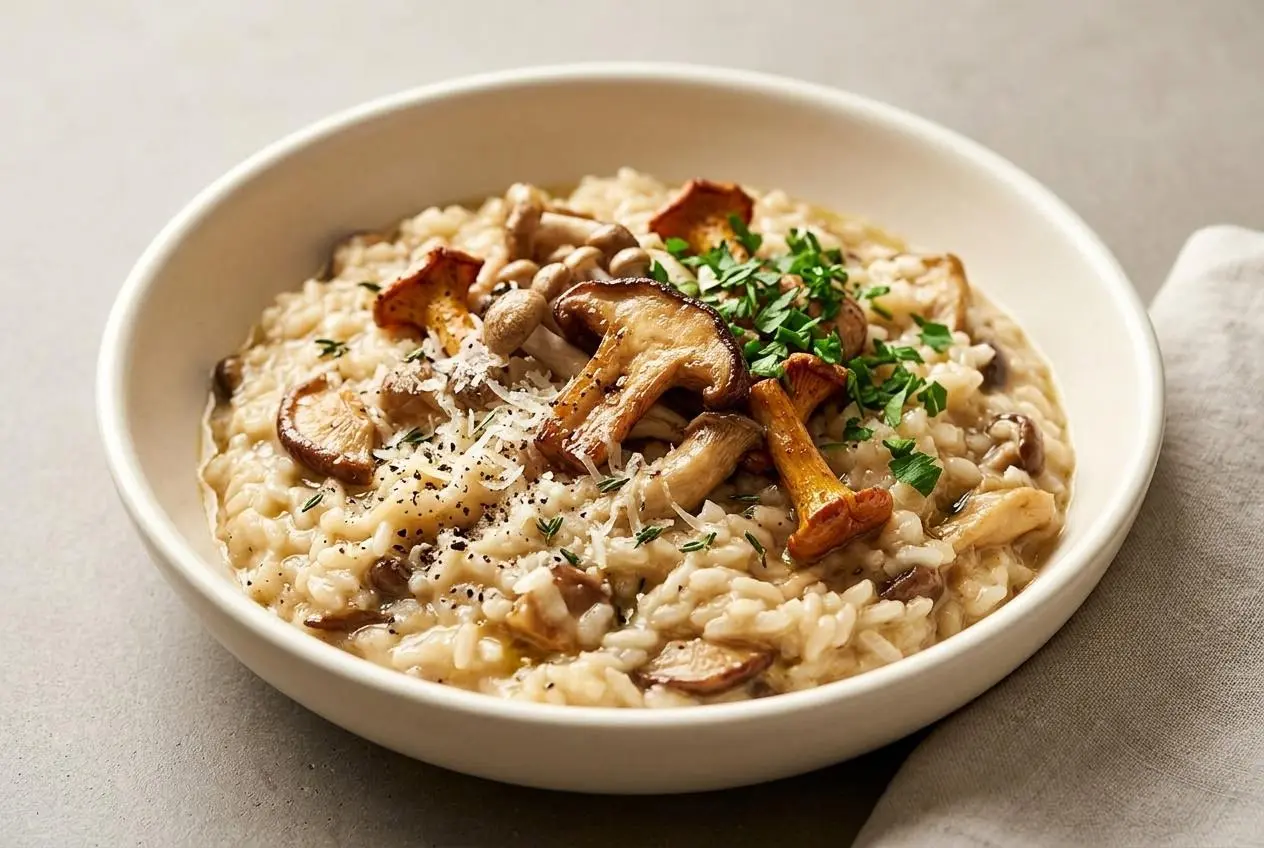
Authentic creamy risotto comes from gradually adding warm broth while the rice releases starch, creating a velvety sauce around al dente grains without heavy cream.
This mushroom risotto recipe brings together earthy browned mushrooms, thyme, white wine, and creamy Arborio rice in one deeply savory pan.
The aroma of mushrooms sizzling in olive oil sets the tone, while the final cheese finish gives every spoonful a restaurant-worthy flow. The glossy finish is the payoff.
Keep the vegetable broth at a quiet simmer in a saucepan beside the stove so each addition keeps the rice cooking steadily.
Essential Ingredients for Restaurant-Quality Mushroom Risotto
Each ingredient builds a specific part of the dish: mushrooms provide savory depth, Arborio creates body, broth supplies moisture, wine adds brightness, and cheese finishes the risotto with richness and balance.
- 4 tablespoons extra-virgin olive oil
- 1½ pounds mixed mushrooms (chopped)
- ¾ teaspoon sea salt (plus more to taste)
- Freshly ground black pepper
- 1 medium yellow onion (chopped)
- 2 garlic cloves (finely chopped)
- 1 tablespoon fresh thyme leaves
- 1½ cups uncooked Arborio rice (rinsed)
- ⅔ cup dry white wine
- 5 cups warmed vegetable broth
- ½ cup grated pecorino or Parmesan cheese (plus more for serving)
- Chopped fresh parsley (for garnish)
Olive oil gives the mushrooms enough heat contact to brown well, while onion, garlic, and thyme create a fragrant savory foundation. The wine lifts browned flavor from the pan, and warmed broth helps the rice expand evenly instead of tightening up between additions.
I wipe mushrooms with a damp towel rather than soaking them, because dry surfaces brown more readily and keep their concentrated flavor.
Selecting the Right Rice: Arborio vs. Carnaroli
Arborio is the classic choice here because its broad, short grains release starch readily as they cook and stir together. That starch, especially amylopectin, thickens the broth into a sauce that clings to each grain.
Carnaroli is a worthwhile alternative when available. It tends to hold its shape a little more firmly and can be more forgiving if dinner runs late. Either variety should finish tender with a small, pleasant resistance at the center. Long-grain rice will not create the same creamy suspension.
Building Umami: Best Fresh and Wild Mushroom Combinations
Mixed mushrooms make the flavor more interesting than a single variety. Cremini mushrooms bring dependable earthy depth, shiitakes add a deeper savory edge, and oyster mushrooms stay tender with a meaty bite.
For a more elaborate version, use chanterelles, maitakes, or porcini alongside cremini. Their woodsy character works especially well when the risotto is the centerpiece of a dinner party meal.
Broth and Wine: The Foundations of Acidity and Depth
Warm vegetable broth keeps the pan gently bubbling and supports steady starch release. Low-sodium broth gives you more control at the end, when the cooking liquid has reduced and flavors taste more concentrated.
A crisp dry white wine, such as Pinot Grigio or Sauvignon Blanc, brings acidity that keeps the finished risotto from tasting heavy. To skip wine, deglaze with warmed vegetable broth and a squeeze of fresh lemon juice instead. The result will be softer and less wine-forward, but still balanced.
Mastering the Classic Risotto Technique Step by Step
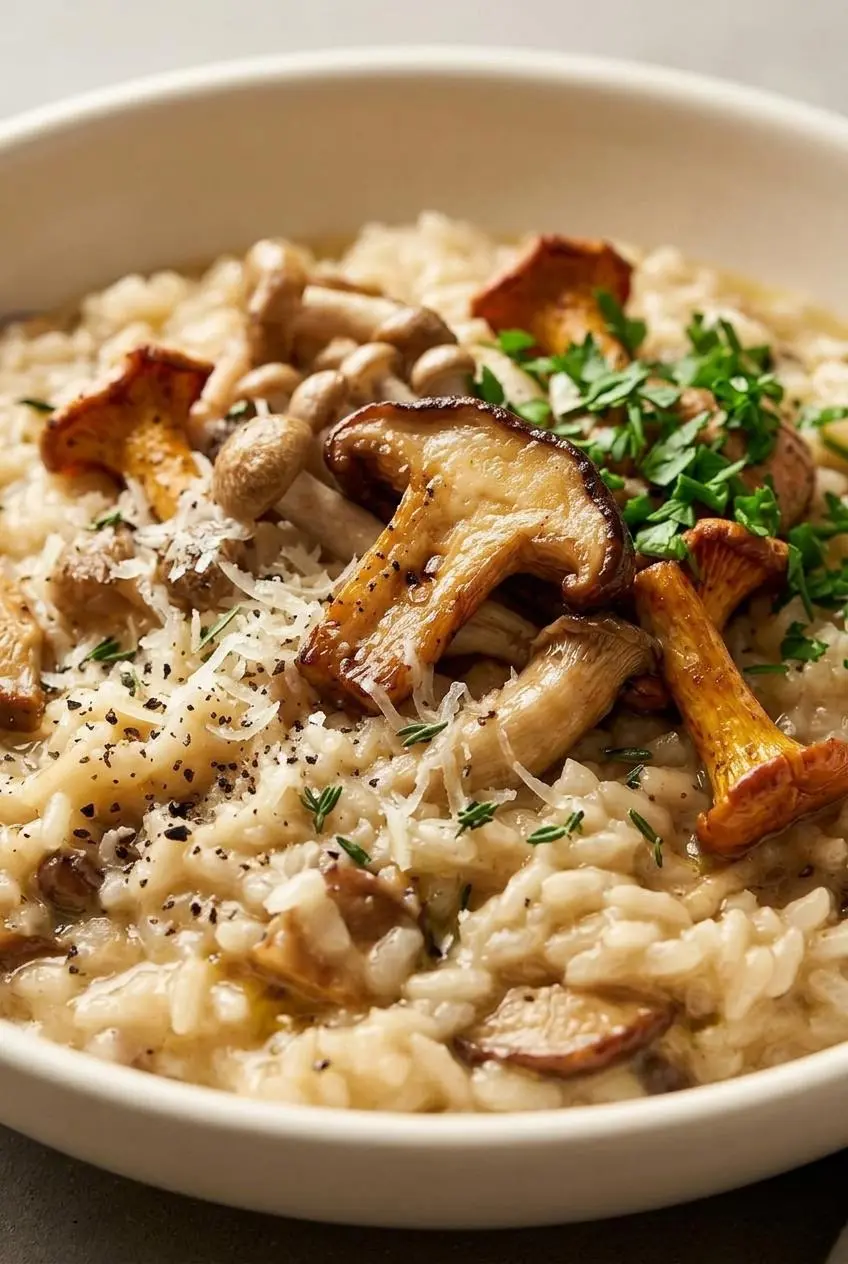
Risotto needs attention, not nonstop panic-stirring. Use a wide Dutch oven or deep skillet, keep the heat moderate, and stir often enough to release starch and prevent sticking while the grains absorb each addition.
- Warm 2 tablespoons of the olive oil in a Dutch oven or large, deep skillet over medium heat, then add the mushrooms with ½ teaspoon salt and several grinds of pepper.
Cook for 8 minutes, stirring occasionally, until the mushrooms are soft and browned; work in batches if the pan looks crowded, then set them aside. - Wipe out the pan, heat the remaining 2 tablespoons olive oil, and cook the onion with the remaining ¼ teaspoon sea salt for 5 to 8 minutes before adding garlic, thyme, and rice for 1 minute.
The onion should be soft, and the rice should crackle lightly with translucent edges before you pour in the wine and cook it for 1 to 3 minutes until mostly absorbed. - Add warmed broth ¾ cup at a time, stirring continuously and waiting until each portion is absorbed before adding more; stir in two-thirds of the mushrooms with the final addition.
The risotto is ready when the grains are creamy with a slight al dente bite and the spoon leaves a glossy trail through the pan. - Stir in the cheese, taste, and adjust the seasoning, then divide the risotto among bowls and finish with the reserved mushrooms, parsley, and more cheese if desired.
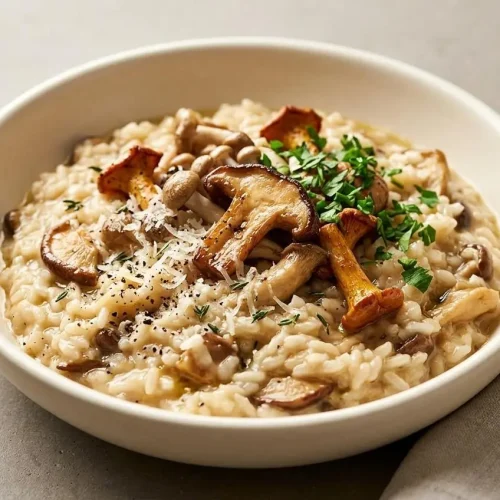
The finished risotto should settle into a soft, flowing pool rather than stand in a stiff mound.
Searing Mushrooms Without Steaming
Give the mushrooms room. A crowded pan traps the moisture they release, leaving them gray and rubbery instead of golden. Cook in batches when needed, and resist moving them constantly during the first moments in the pan.
Listen for a lively sizzle rather than a wet simmer. Once their moisture evaporates, the mushrooms begin to brown and develop the concentrated, nutty flavor that carries through the whole dish. Reserve some of the best golden pieces for the top.
Toasting the Grains and Deglazing the Pan
After the onion softens, the rice gets a brief toast with garlic and thyme. This stage is called tostatura, and it gives the grains a faintly crackly sound, translucent rims, and a chalky center.
When the wine hits the pan, it should sizzle and loosen the browned bits left behind by the vegetables. Stir across the bottom as it reduces so those flavorful bits become part of the risotto instead of staying stuck to the pan.
The Gradual Broth Addition and Agitation Method
Add broth in the stated ¾-cup portions instead of pouring it in all at once. Each addition gives the rice time to absorb liquid while the grains rub together and release starch into the pan.
Stir continuously during the broth stage, but keep the motion calm and steady. As the risotto thickens, the wooden spoon will meet a little glossy resistance. Add the next portion only when the previous one has mostly disappeared into the rice.
Mantecatura: The Finishing Emulsion
The final cheese stir is the moment that turns cooked rice and broth into risotto. Take the pan off the heat before working in the grated pecorino or Parmesan so the cheese melts into the starch-rich liquid instead of clumping.
Stir with purpose until the risotto looks shiny and loose. Italians call this flowing texture all’onda, or “like a wave.” When ladled into warm shallow bowls, it should spread gently outward on its own.
Troubleshooting Common Risotto Pitfalls
Most risotto problems come down to liquid temperature, pan crowding, or serving a few minutes too late. These practical fixes can bring the texture back into balance.
Rescuing Chalky or Underdone Rice Grains
- Problem: The rice is still hard in the center after the broth is gone. Fix: Heat water or additional low-sodium broth separately, then add it ½ cup at a time over medium-low heat, stirring gently until the grains reach a tender al dente bite.
- Problem: The outside feels soft but the middle tastes chalky. Fix: Keep the heat gentle and continue with warm liquid. High heat can reduce the pan too quickly before the grain centers have time to soften.
Correcting Soupy or Overly Dense Consistencies
- Problem: The risotto is thick, sticky, or stodgy at serving time. Fix: Beat in 2 tablespoons of warm broth just before plating until it loosens into a creamy wave.
- Problem: The risotto looks runny. Fix: Simmer gently and stir for an extra 2 minutes to let excess surface liquid cook away without overworking the grains.
- Problem: The mushrooms look watery and pale. Fix: Brown them in uncrowded batches over medium heat, allowing moisture to evaporate before stirring frequently.
Balancing Salt and Acidity Levels
Season carefully early on because broth and cheese can become more pronounced as the risotto reduces. If the dish tastes flat or heavy, a tiny squeeze of fresh lemon juice can sharpen the mushroom flavor without making the risotto taste lemony.
If it becomes too salty, avoid adding more cheese and loosen it with unsalted warm broth or water. Taste again only after the texture has settled, since a very thick risotto can taste saltier than one with the proper loose finish.
For an alcohol-free version, use warmed broth with lemon juice in place of the wine. It will still lift the pan’s browned flavors and add needed contrast to the rich rice.
Make-Ahead Guidelines, Storage, and Reheating
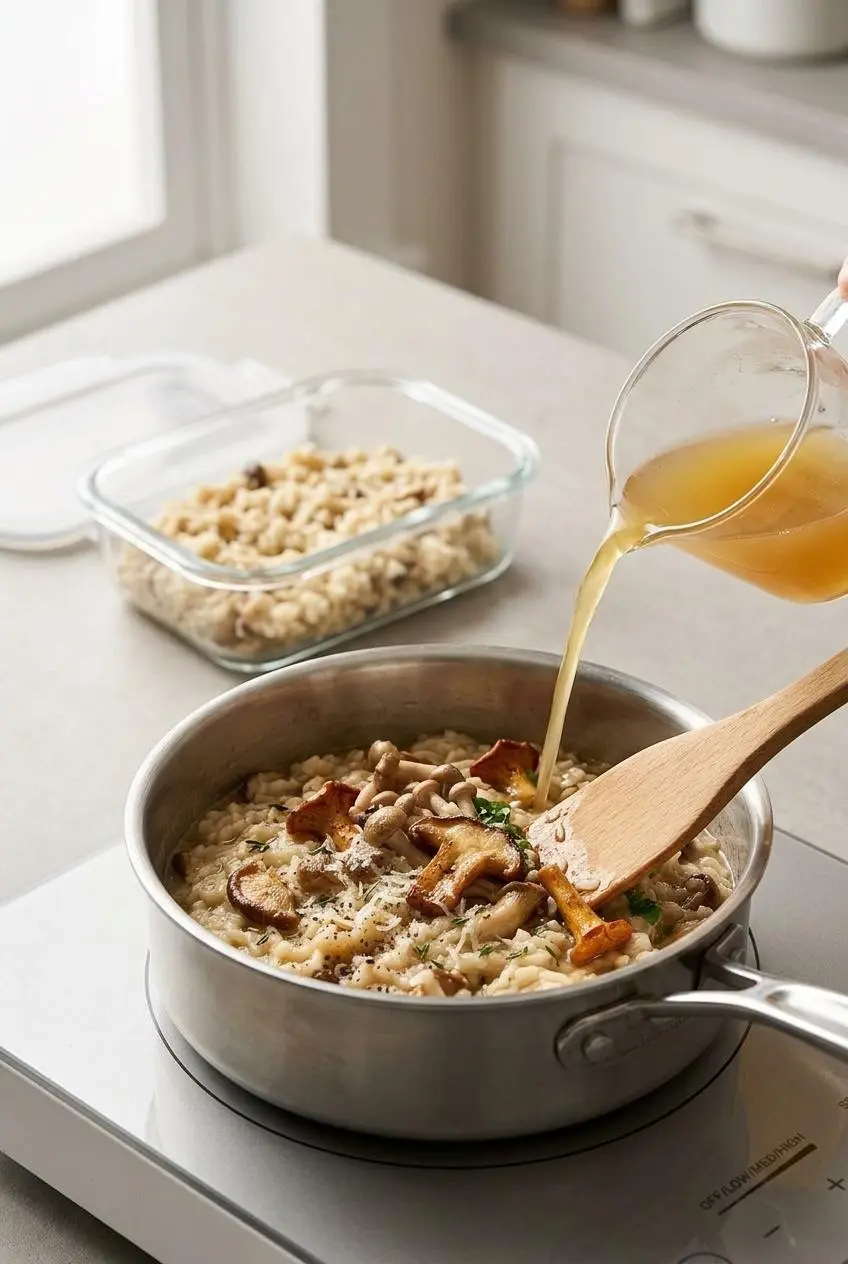
Risotto is at its silkiest straight from the pan, but leftovers can still be enjoyable with gentle handling. Cool any extra risotto promptly in a shallow container, cover it in an airtight container once chilled, and keep it refrigerated.
Reheat only the portion you plan to serve in a saucepan over medium-low heat. Add a splash of warmed broth or milk and stir until the rice relaxes into a creamy consistency again. High heat can make the grains catch before the center warms through.
For a dinner gathering, prep the mushrooms, onion, garlic, parsley, and broth beforehand, then cook the rice close to serving. Chilled risotto can also become arancini: shape it around mozzarella, coat it, then cook until the outside is crisp and golden.
Flavor Variations and Serving Suggestions
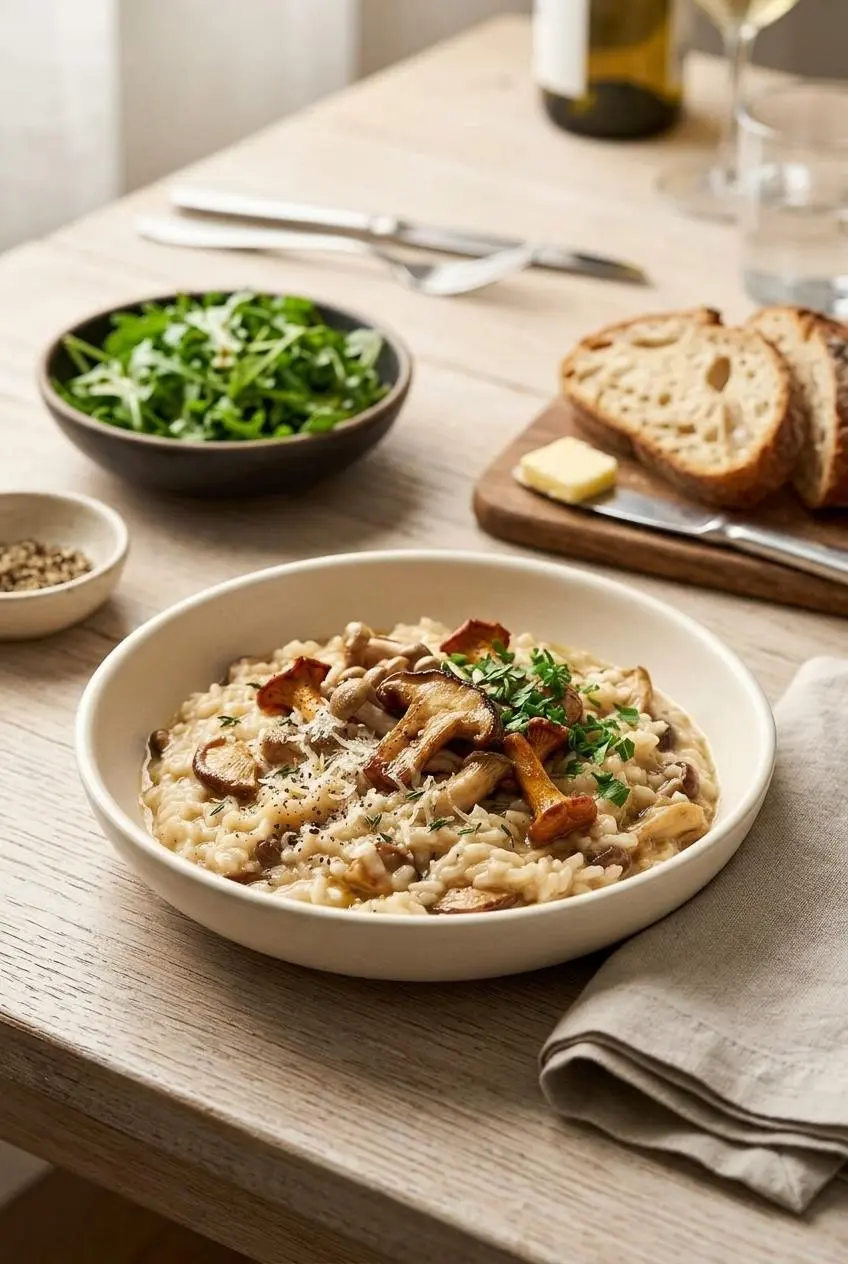
Keep the mushroom risotto as written, then use these ideas when you want a seasonal change or a fuller meal around it.
Mushroom and Sweet Green Pea Risotto
Fold sweet green peas into the risotto during the final 2 minutes of cooking. Their bright color and gentle sweetness cut through the earthy mushrooms, while fresh herbs such as parsley or chives keep the finish lively.
Wild Forest Blend With Chanterelles and Shiitakes
Replace part of the mixed mushrooms with chanterelles, porcini, shiitakes, or maitakes for deeper, woodsy flavor. These varieties make the risotto feel especially suited to an occasion meal, though cremini mushrooms alone can still deliver plenty of depth when browned properly.
Dairy-Free Swaps and Serving Pairings
For a dairy-free option, leave out the cheese and finish the risotto with extra-virgin olive oil plus nutritional yeast or plant-based Parmesan. The texture will remain creamy from the rice starch, though the flavor will be less sharp and salty.
- Serve with a peppery arugula salad in a light lemon vinaigrette for fresh contrast.
- Offer warm crusty sourdough alongside the bowls for scooping up the savory sauce.
- Make it a fuller meal beside tender roast beef, where the mushroom risotto works beautifully as a rich side.
- For another cozy mushroom-centered dinner, try creamy mushroom gnocchi.
If you enjoy a brighter finish, fold in finely grated lemon zest with cold butter after removing the pan from the heat. It adds fragrance and extra sheen without changing the risotto’s earthy character.
Conclusion
Great mushroom risotto comes from patient broth additions, deeply browned mushrooms, and a confident final stir that turns rice, broth, and cheese into a glossy sauce.
Serve it while it still flows softly across the bowl, and use lemon zest at the end when you want a brighter finish. That small detail makes the mushroom flavor sing.
Frequently Asked Questions
What Is the Best Mushroom Variety to Use for Mushroom Risotto?
A blend of cremini, shiitake, and oyster mushrooms gives an excellent mix of savory flavor, firm bite, and tender texture. Cremini or baby bella mushrooms provide dependable earthy depth. Shiitakes add a more intense savory quality. Oyster mushrooms contribute a soft, meaty texture.
Can You Make Creamy Mushroom Risotto Without Adding Heavy Cream?
Yes. The creaminess comes from starch released by Arborio rice as it cooks with warm broth and is stirred. Cheese enriches the finish, but heavy cream is unnecessary. A proper final stir creates a glossy emulsion rather than a thick cream sauce. Heavy cream can mute the mushroom flavor and make the dish feel heavier.
How Do You Fix Risotto if the Rice Remains Crunchy After Stock Runs Out?
Warm water or extra low-sodium broth in a separate pot, then add it to the risotto ½ cup at a time over low heat. Stir gently after each addition. Wait until the liquid absorbs before deciding whether the rice needs more. Stop when the center is tender with a slight al dente resistance.
Can Mushroom Risotto Be Made Ahead of Time and Reheated Smoothly?
Risotto tastes best when finished just before serving, but refrigerated leftovers can be revived smoothly on the stove. Reheat over medium-low heat with warmed broth or milk. Stir until the rice loosens and regains a soft, flowing texture. For entertaining, prepare the vegetables and broth ahead, then cook the rice close to mealtime.
Mushroom Risotto Recipe

Equipment
- Dutch oven or large deep skillet
- Saucepan
- Ladle
Ingredients
- 4 tablespoons extra-virgin olive oil
- 1½ pounds mixed mushrooms chopped
- ¾ teaspoon sea salt plus more to taste
- Freshly ground black pepper
- 1 medium yellow onion chopped
- 2 cloves garlic finely chopped
- 1 tablespoon fresh thyme leaves
- 1½ cups uncooked Arborio rice rinsed
- ⅔ cup dry white wine
- 5 cups warmed vegetable broth
- ½ cup grated pecorino or Parmesan cheese plus more for serving
- Chopped fresh parsley for garnish
Instructions
- Warm 2 tablespoons of the olive oil in a Dutch oven or large, deep skillet over medium heat, then add the mushrooms with ½ teaspoon salt and several grinds of pepper. Cook for 8 minutes, stirring occasionally, until the mushrooms are soft and browned; work in batches if the pan looks crowded, then set them aside.
- Wipe out the pan, heat the remaining 2 tablespoons olive oil, and cook the onion with the remaining ¼ teaspoon sea salt for 5 to 8 minutes before adding garlic, thyme, and rice for 1 minute. The onion should be soft, and the rice should crackle lightly with translucent edges before you pour in the wine and cook it for 1 to 3 minutes until mostly absorbed.
- Add warmed broth ¾ cup at a time, stirring continuously and waiting until each portion is absorbed before adding more; stir in two-thirds of the mushrooms with the final addition. The risotto is ready when the grains are creamy with a slight al dente bite and the spoon leaves a glossy trail through the pan.
- Stir in the cheese, taste, and adjust the seasoning, then divide the risotto among bowls and finish with the reserved mushrooms, parsley, and more cheese if desired. The finished risotto should settle into a soft, flowing pool rather than stand in a stiff mound.