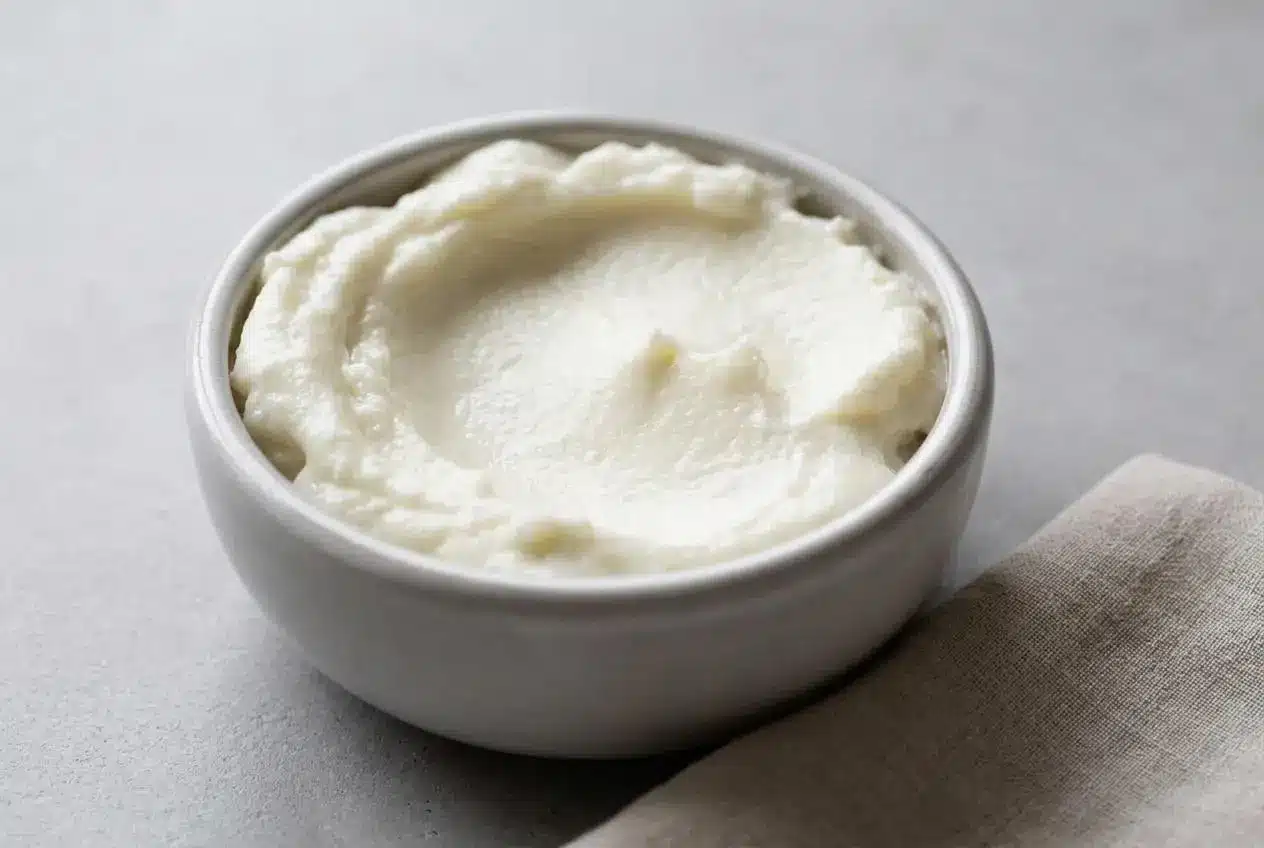
Traditional garlic sauce, or Lebanese toum, is an airy eggless emulsion of fresh garlic, salt, neutral oil, and lemon juice whipped into a fluffy white spread.
This garlic sauce has the sharp, savory aroma and bold bite of a great shawarma-shop spread, with a stable texture that stays light instead of greasy.
Fresh lemon lifts the raw garlic’s heat, while a patient oil drizzle builds that pale, whipped finish. The first creamy spoonful is the payoff.
Set out the oil and lemon juice before starting so you can keep the processor running without rushing the emulsion.
What Is Traditional Garlic Sauce (Toum)?
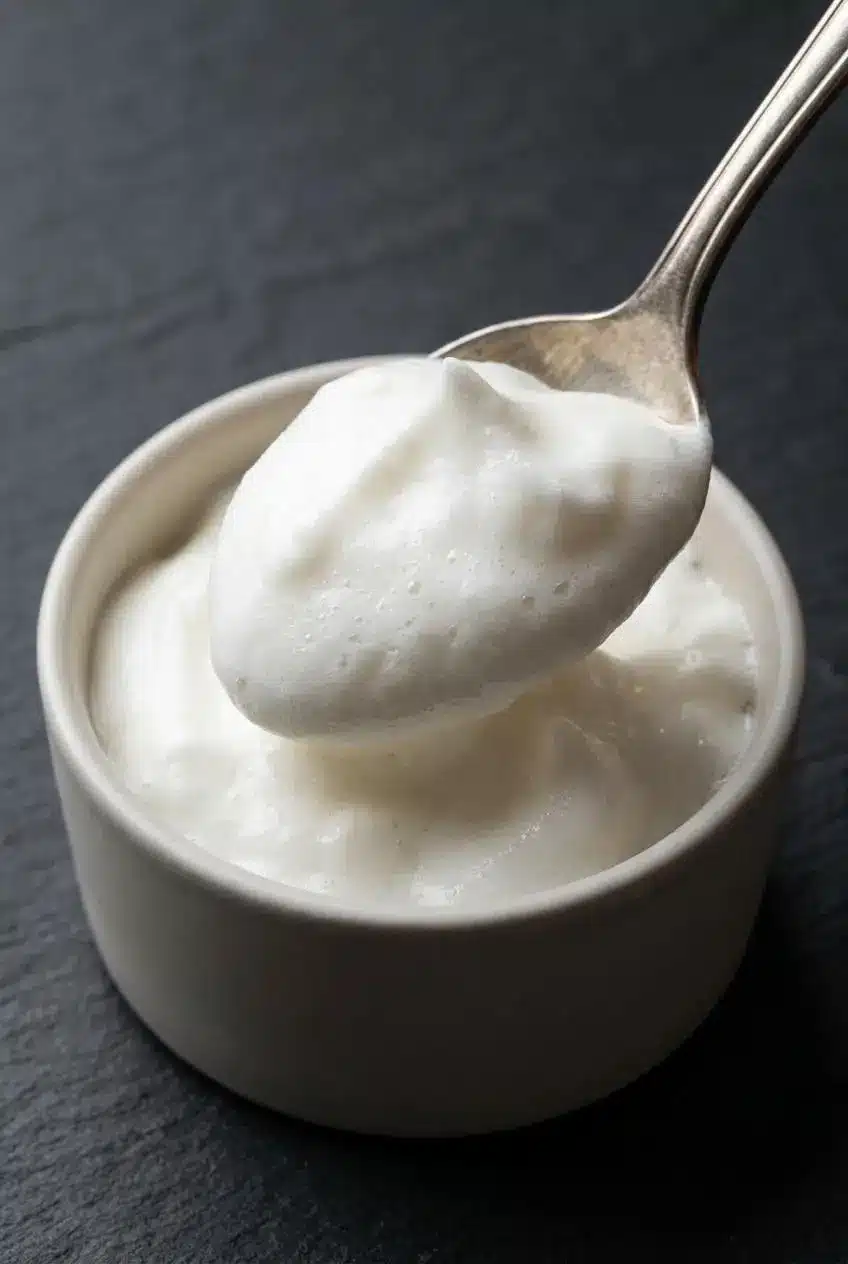
Toum is the classic Lebanese garlic spread served with shawarma, grilled meats, and potatoes. It contains no eggs or dairy. Instead, finely crushed garlic provides the moisture and natural structure that suspend tiny oil droplets into a thick emulsion.
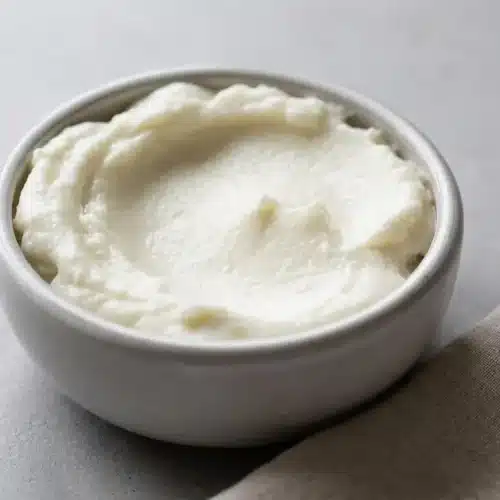
When it works, toum looks snow-white to pale ivory, glossy, and fluffy enough to mound on a spoon. It tastes intensely garlicky at first, then bright and balanced from lemon juice. Unlike classic garlic aioli, which uses egg as a binder, toum depends entirely on garlic, oil, salt, and citrus.
Essential Ingredients for Authentic Garlic Sauce
Each ingredient shapes the finished spread: garlic builds flavor and structure, salt helps create a smooth paste, oil gives body, and lemon brings brightness and balance.
- 1 cup garlic cloves (peeled)
- 2 teaspoons coarse salt
- 3 cups neutral oil (such as vegetable or canola)
- ½ cup lemon juice
Fresh, plump garlic cloves matter here because they blend into a moist paste that can hold the oil. Jarred minced garlic often has added liquid and a flatter flavor, so it does not behave the same way in this cold emulsion. Coarse salt adds a little friction as the blade works, helping break the garlic down more completely.
Neutral oil lets the garlic remain the main flavor. Fresh lemon juice cuts through the richness and helps the spread taste lively rather than heavy.
I slice every clove lengthwise before blending and pull out any green center, even a small one, because it can bring an unpleasant bitter edge to raw garlic.
Selecting Fresh Garlic and Removing Germs
Choose firm garlic heads with tight skins and no soft, damp, or shriveled spots. Split each peeled clove lengthwise and lift out any green sprout in the center. Those sprouts can taste especially harsh in a raw spread, where there is no cooking step to soften their flavor.
Take a minute to inspect the cloves rather than trying to hide a bitter one under extra lemon. Good garlic should smell sharp and clean, not musty or fermented.
Choosing the Right Neutral Oil
Canola, sunflower, safflower, and standard vegetable oil all give toum a clean flavor and pale color. Their mild profiles let the garlic and lemon come through clearly while the oil forms the creamy body of the spread.
Skip extra virgin olive oil for this method. Fast processor blades can make its flavor taste bitter and leave the sauce darker and less delicate. A neutral oil may sound less glamorous, but it gives toum the flavor it is meant to have.
How to Make Authentic Garlic Sauce at Home
The key is to build the emulsion slowly. Garlic begins as a rough paste, turns creamy after the first small additions of oil, then becomes thick and billowy as the remaining oil and lemon juice go in.
- Cut the garlic cloves lengthwise and remove every green sprout before adding the cloves to the processor.
Clean, sprout-free cloves give the finished spread a clearer, less bitter garlic flavor. - Add the garlic and coarse salt to a food processor and process for 1 minute, then scrape the bowl well.
The mixture should look like a damp, finely minced paste with no large pieces clinging to the sides. - Run the processor and add 1 to 2 tablespoons of oil in a very slow stream, then stop to scrape down the bowl before repeating with another 1 to 2 tablespoons.
Once the garlic looks pale and creamy instead of wet and grainy, the emulsion has started to form. - Keep the processor running and gradually add the remaining oil, alternating it with the lemon juice, until everything is incorporated over about 15 minutes.
The sauce should become thick, glossy, and fluffy, with the texture of softly whipped cream. - Spoon the finished toum into a clean glass container.
The recipe makes about 4 cups of pale, airy garlic spread.
Scrape the bowl whenever garlic paste rides up the sides, especially early on. If the processor bowl feels warm from the motor, pause briefly before continuing. Keeping the mixture cool helps the oil stay suspended; a single ice-cold water drop during the final stream can help if the sauce starts to look slack.
Troubleshooting Common Garlic Sauce Mistakes
Most toum problems come down to oil speed, temperature, or garlic preparation. A successful batch stays thick and unified, while a broken one looks thin with shiny oil pooling around watery garlic.
- It turned runny or separated: The oil likely went in too quickly before the garlic had formed a stable base. Stop adding oil and rebuild the emulsion with one of the rescue methods below.
- It feels greasy but not fluffy: The early oil additions were too large. Continue slowly only after the mixture looks creamy and cohesive around the blade.
- It tastes bitter: Green garlic sprouts or olive oil are usually the culprits. Use sprout-free cloves and a neutral oil next time.
- The processor gets hot: Motor friction can loosen the emulsion. Pause when the bowl warms, then continue once it feels cooler.
Rescuing a Broken Emulsion
Do not throw away split toum. Put a chilled egg white in a clean food processor bowl and process it until foamy, then very slowly stream the broken sauce into it. The fresh foam gives the oil droplets a new structure to cling to.
For an egg-free rescue, process one crushed ice cube in a clean bowl, then add the separated sauce in a thin stream. Go slowly again. The sauce should shift from oily and loose to pale, creamy, and unified.
Preventing Harsh Garlic Burn
Fresh raw garlic can taste aggressively hot right after processing. Lemon helps soften that first sharp edge, and chilling the finished spread before serving gives the flavors time to settle into a rounder, more savory bite.
If the garlic is painfully harsh, resist adding more oil to hide it. Extra oil can dilute the flavor but may make the spread heavy. Serve a smaller dollop alongside food instead.
Quick Creamy Garlic Sauce Alternative
When you need a fast dip and do not want to run a food processor, make a yogurt-based garlic sauce instead. It is creamy and mellow, but it is a different condiment from traditional eggless toum.
Quick Yogurt Garlic Dip
Whisk whole-milk Greek yogurt with real mayonnaise, finely grated fresh garlic, lemon juice, and a pinch of salt until smooth. The yogurt and mayonnaise bring immediate creaminess, while the grated garlic keeps its flavor fresh and direct.
This version takes about 5 minutes and works well for casual grilled meals, sandwiches, and vegetable platters. For another cooling yogurt-based option, try creamy tzatziki sauce.
Flavor Twists and Dietary Swaps
- Spiced Mediterranean sauce: Stir smoked paprika, dried oregano, and cracked black pepper into the yogurt version for a warm, tangy dip with roasted meats and potatoes.
- Fresh herb blend: Fold in minced parsley, dill, or chives for a greener, fresher flavor that suits crisp vegetables.
- Vegan creamy spread: Whisk grated garlic and lemon juice into plant-based mayonnaise for an egg-free, dairy-free alternative with a smooth sandwich-spread texture.
Serving Ideas for Homemade Toum
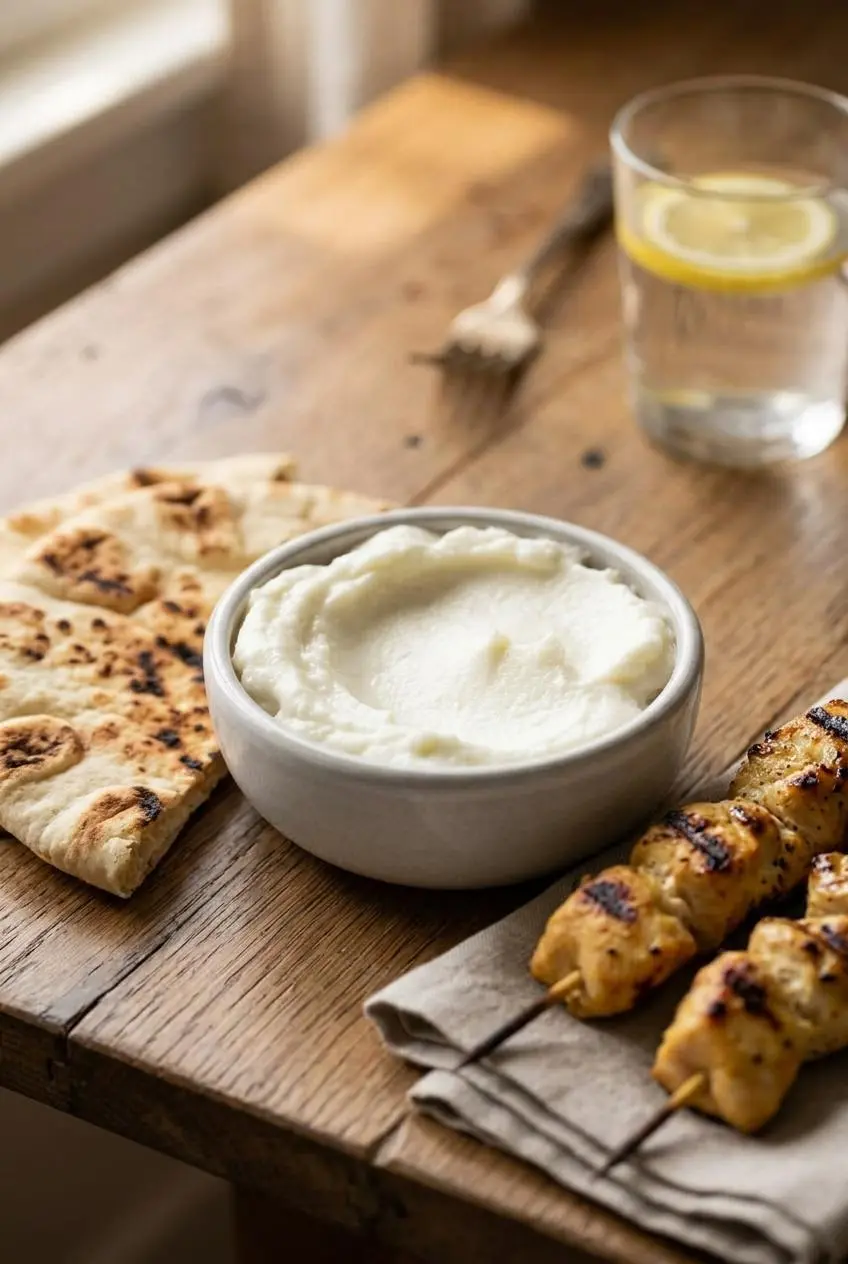
Toum’s concentrated flavor goes far, so start with a small spoonful and add more as you eat. It is especially good where smoky, browned, or crispy foods need a bright creamy contrast.
- Spread it inside warm chicken shawarma pita wraps.
- Serve it with chicken shish tawook, lamb kebabs, grilled skewers, or ribeye steak.
- Use it as a dip for roasted potato wedges, French fries, or grilled vegetables.
- Bring it to the table with warm garlic knots when you want a soft, savory dipper.
Storage Guidelines and Food Safety
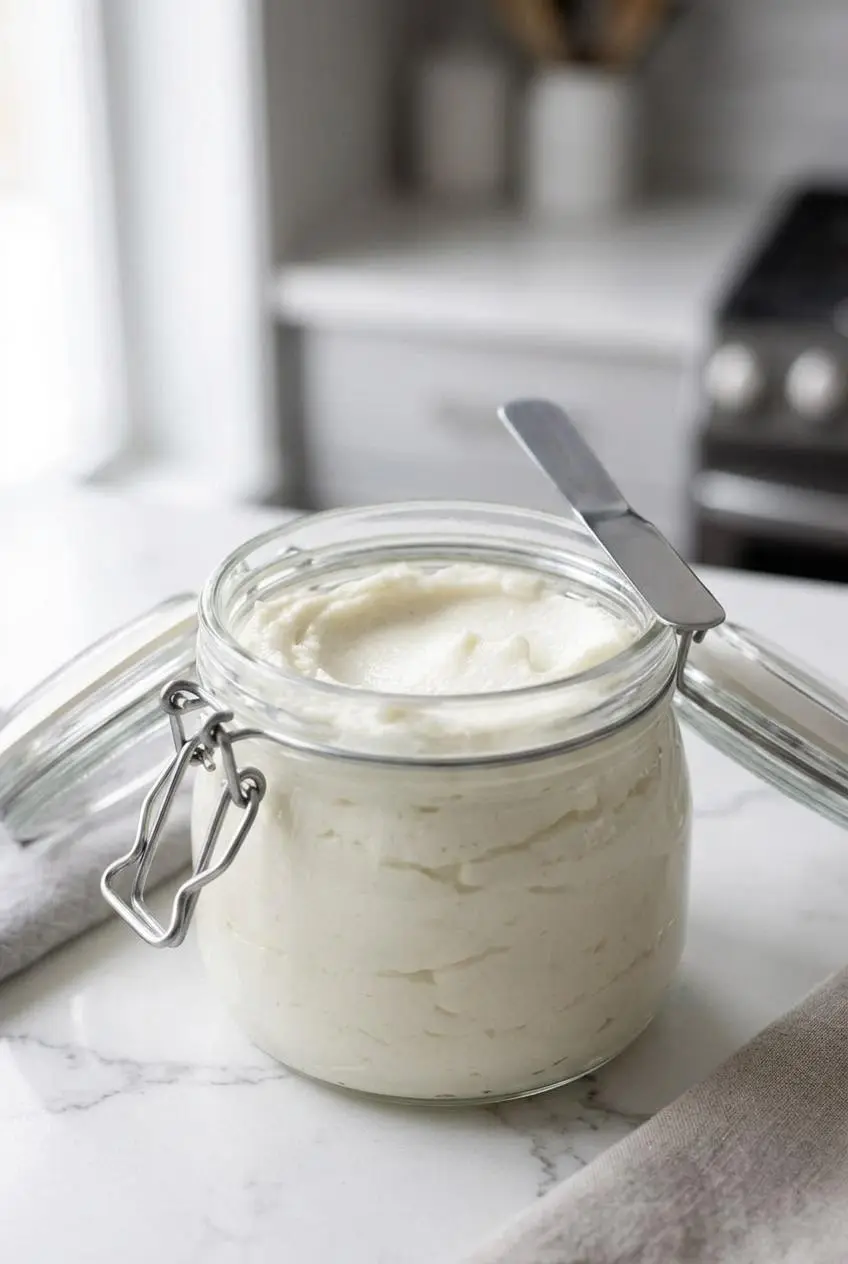
Transfer toum to a clean, airtight glass jar and keep it chilled rather than leaving it on the counter. Raw garlic mixed with oil can create conditions that raise botulism concerns at room temperature, so keep the sauce at 40°F or lower and use it within 4 days, following refrigerated garlic-in-oil storage limits.
Freezing is an option for garlic-in-oil mixtures when longer storage is needed, but toum may lose some of its whipped texture as it thaws. Portion it into small containers so you only thaw what you plan to use, then whisk gently if the emulsion looks slightly separated.
Conclusion
Homemade toum rewards patience. Start with fresh, sprout-free cloves, make a very fine garlic paste, and give the first spoonfuls of oil plenty of time to build the emulsion.
Once the sauce turns pale, glossy, and billowy, you have a bold spread ready for shawarma, grilled meats, and crisp potatoes. Keep a small bowl nearby for every bite.
Frequently Asked Questions
What Is the Secret to Getting Garlic Sauce Thick and Fluffy?
Process the garlic and salt into a very fine paste before adding oil. Add the first oil in tiny, slow drizzles while the processor runs. Wait for a pale, creamy texture before increasing the flow of oil. Alternate lemon juice with the remaining oil to keep the emulsion light and stable.
Can I Use Olive Oil to Make Traditional Toum?
No. Extra virgin olive oil can turn bitter under fast food processor blades and may darken the sauce. Use canola, sunflower, safflower, or standard vegetable oil for the clean flavor and pale color associated with traditional toum.
How Do You Fix Garlic Sauce That Has Broken or Turned Liquid?
Start with a clean processor bowl. Blend a chilled egg white until foamy, or process one crushed ice cube, then add the broken sauce back in a very slow stream. That gradual addition gives the emulsion a chance to reform instead of separating again.
How Long Does Homemade Garlic Sauce Keep in the Fridge?
Keep homemade toum in a clean, sealed glass container at 40°F or lower and use it within 4 days. That timing follows safe refrigerated garlic-in-oil storage limits.
What Is the Difference Between Toum and Garlic Mayo?
Toum is an eggless Lebanese emulsion made from garlic, salt, neutral oil, and lemon juice. Garlic mayo uses egg yolk or prepared mayonnaise as its main binder, so it tastes milder and has a different texture from the intensely pungent, airy character of toum.
Garlic Sauce

Equipment
- Food processor
Ingredients
- 1 cup garlic cloves (peeled)
- 2 teaspoons coarse salt
- 3 cups neutral oil (such as vegetable or canola)
- ½ cup lemon juice
Instructions
- Cut the garlic cloves lengthwise and remove every green sprout before adding the cloves to the processor. Clean, sprout-free cloves give the finished spread a clearer, less bitter garlic flavor.
- Add the garlic and coarse salt to a food processor and process for 1 minute, then scrape the bowl well. The mixture should look like a damp, finely minced paste with no large pieces clinging to the sides.
- Run the processor and add 1 to 2 tablespoons of oil in a very slow stream, then stop to scrape down the bowl before repeating with another 1 to 2 tablespoons. Once the garlic looks pale and creamy instead of wet and grainy, the emulsion has started to form.
- Keep the processor running and gradually add the remaining oil, alternating it with the lemon juice, until everything is incorporated over about 15 minutes. The sauce should become thick, glossy, and fluffy, with the texture of softly whipped cream.
- Spoon the finished toum into a clean glass container. The recipe makes about 4 cups of pale, airy garlic spread.