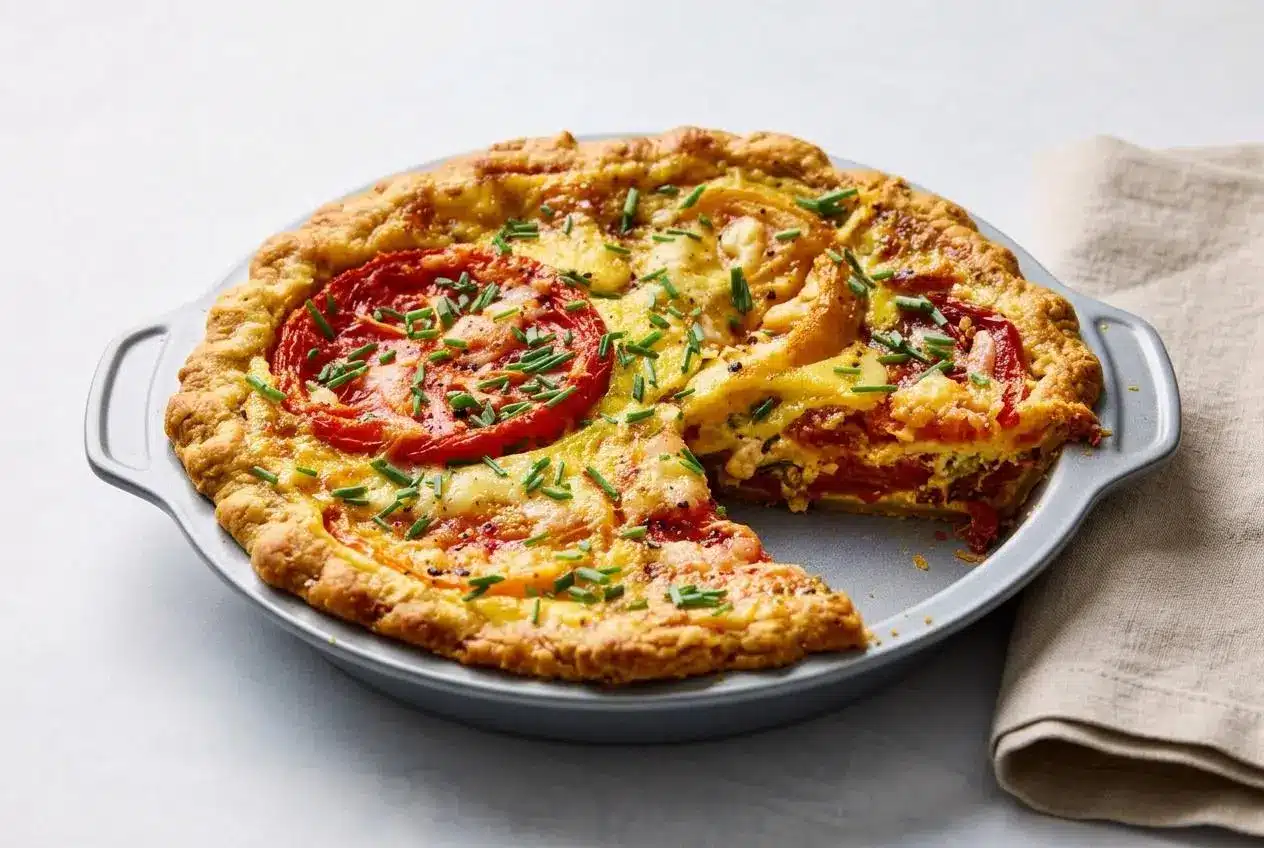
A classic tomato pie layers seasoned ripe tomatoes, fresh herbs, and a savory cheese custard in a crisp parbaked crust. Patient draining and a full rest create a golden slice that holds together cleanly.
This tomato pie recipe pairs sweet summer tomatoes with rich sharp Cheddar, tangy buttermilk, and plenty of fresh basil and chives. It is a savory Southern-style pie with a flaky crust and a softly set center.
The filling bakes until the edges bubble and the Cheddar browns, while the tomatoes stay bright and juicy instead of turning the crust to mush. The key is all in the moisture control.
Wash and dry the tomatoes well before slicing, then keep plenty of paper towels nearby for the salting step.
Ingredients for Tomato Pie
Each ingredient supports a distinct part of the pie, from flaky butter layers in the crust to fresh herbs, tangy custard, and the savory richness that balances ripe tomatoes.
Crust
- ⅓ cup/79 milliliters cold full-fat buttermilk
- 1 tablespoon cold water
- 2 ice cubes
- 1 ½ cups/192 grams all-purpose flour, plus more for rolling
- ¼ cup/14 grams chopped fresh chives
- 1 tablespoon sugar
- 2 teaspoons kosher salt (such as Diamond Crystal) or 1 teaspoon fine sea salt
- ½ teaspoon ground black pepper
- ½ cup/113 grams cold unsalted butter, cut into ½-inch cubes
Filling
- 1 ½ pounds heirloom tomatoes (about 4 medium)
- ½ teaspoon kosher salt such as Diamond Crystal) or ¼ teaspoon fine sea salt
- ½ cup/119 milliliters full-fat buttermilk
- ¼ cup/56 grams mayonnaise
- 1 large egg plus 1 egg yolk
- 1 tablespoon Dijon mustard
- ½ teaspoon ground black pepper
- 1 pinch ground cayenne (optional)
- ½ cup/15 grams chopped fresh basil
- ¼ cup/14 grams chopped fresh chives, plus more for serving
- 8 ounces/226 grams sharp Cheddar, grated (2 cups)
Cold buttermilk and butter make the crust tender and flaky, while basil and chives bring a clean herbal lift. Mayonnaise, egg, and yolk bind the filling into a creamy custard. Grate sharp Cheddar from a block for smoother melting and less oily separation.
I slice heirloom tomatoes about ½-inch thick so they keep their shape through baking rather than melting into the filling.
Choosing Between Roma, Beefsteak, and Heirlooms
Tomato choice changes both flavor and structure. Roma tomatoes have dense flesh, fewer seeds, and less liquid, so they are a dependable option when a firm slice matters most. Their flavor can be milder, so choose ripe ones with good color and a tomatoey aroma.
Heirlooms bring the sweetest, most complex summer flavor, but they tend to be juicy. Beefsteaks are similarly generous with juice and seeds. Both work beautifully here when salted, rested, and pressed dry before assembly. Avoid under-ripe tomatoes, which may be firm but will not bring enough flavor to carry the pie.
The Perfect Cheese Blend for Melting and Flavor
Sharp Cheddar gives this pie its savory depth and slight tang. Its fat also helps form a rich layer around the tomatoes, while the egg-and-buttermilk mixture keeps that richness from eating like a solid cheese blanket.
For an optional change, replace part of the Cheddar with fontina for a silkier melt or mozzarella for more stretch. Keep a substantial portion of sharp Cheddar in the blend so the filling retains its full flavor and does not become overly mild.
How to Make Savory Tomato Pie
The method has three jobs: build flaky layers, brown the crust thoroughly, and remove enough tomato juice for a filling that sets instead of leaks.
Make the crust
- Combine the buttermilk and cold water in a measuring cup, then add the ice cubes.
Keep this mixture cold while preparing the dry ingredients so the butter stays firm. - Whisk the flour, chives, sugar, salt, and pepper in a large bowl, then work in the butter with your fingertips.
Leave about half the butter in pea-size pieces and flatten the larger pieces into thin shards for flaky pockets. - Discard the ice cubes and add the cold buttermilk mixture to a well in the flour mixture, stirring with a fork until rough clumps form.
Stop while a few dry floury spots remain, because the dough will finish coming together during shaping and chilling. - Turn the dough onto a clean surface and press it into a 6-inch square with a bench scraper or straight edge.
If it seems unusually crumbly, sprinkle on a little water, using only enough to help the mass hold together. - Cut the square into four pieces, stack them, and press the stack into a mass about 2 inches thick.
This stacking creates distinct butter layers that bake into crisp, flaky sheets. - Wrap the dough loosely, roll it into a compact disc about 1 inch thick, and refrigerate for at least 2 hours or up to 2 days.
The chilled dough should feel firm and smooth enough to roll without smearing butter.
Parbake the crust
- Lightly tap the chilled dough with a rolling pin if needed, then roll it on a floured surface into a 12-inch round.
Roll from the center outward and rotate the dough often to keep the round even. - Set the dough in a 9-inch pie plate, letting it settle into the bottom and sides without pulling or stretching it.
Trim the edge to a ½-inch overhang, fold it under to the rim, crimp it, and prick the base and sides with a fork. - Freeze the shaped crust for about 20 minutes until very firm while heating the oven to 425°F.
A thoroughly chilled shell holds its shape and keeps the butter from melting too quickly. - Line the cold crust with foil, fill it with pie weights or dried beans, and place it on a rimmed baking sheet.
The weights support the sides and prevent the bottom from puffing as the pastry starts to bake. - Bake on the middle rack for 20 minutes, remove the foil and weights carefully, lower the oven to 350°F, and bake for 15 minutes more.
The finished shell should be golden brown across the bottom and sides, not merely pale at the edges. - Cool the crust completely in the pan on a wire rack.
A cool, fully baked shell gives the tomato filling its best chance of staying crisp underneath.
Make the filling and assemble
- Set the oven to 375°F and line a rimmed baking sheet with paper towels, then cut the tomatoes into ½-inch slices.
Arrange them in one layer, sprinkle with the salt, and let them stand while preparing the custard. - Whisk the buttermilk, mayonnaise, egg, egg yolk, Dijon mustard, black pepper, and cayenne, if using, in a medium bowl.
Mix until the custard looks smooth and lightly glossy, then fold in the basil and chives. - Press the tomato slices firmly with fresh paper towels before filling the crust.
The surfaces should feel tacky rather than wet, which means much of the loose juice has been removed. - Arrange half the tomatoes in the cooled crust, pour in the herb custard, and scatter the Cheddar evenly over it.
Lay the remaining tomato slices on top in overlapping rows and press them down gently. - Place the pie on a rimmed baking sheet and bake on the middle rack for 50 to 60 minutes, rotating it halfway through.
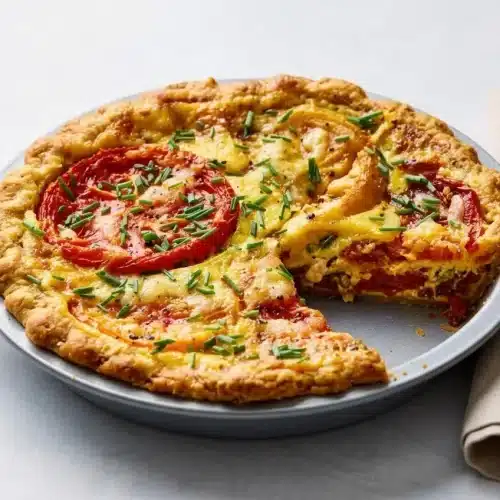
The filling should be set in the center, with bubbling golden edges and a deeply browned crust. - Loosely tent the pie with foil if the crust darkens before the filling has finished baking.
The foil should shield the rim without touching the cheese-topped surface. - Cool the pie completely for at least 1 hour, then finish with more chopped chives and slice.
The rest gives the custard time to firm up, so wedges come out clean instead of collapsing onto the plate.
Essential Steps to Prevent a Soggy Crust
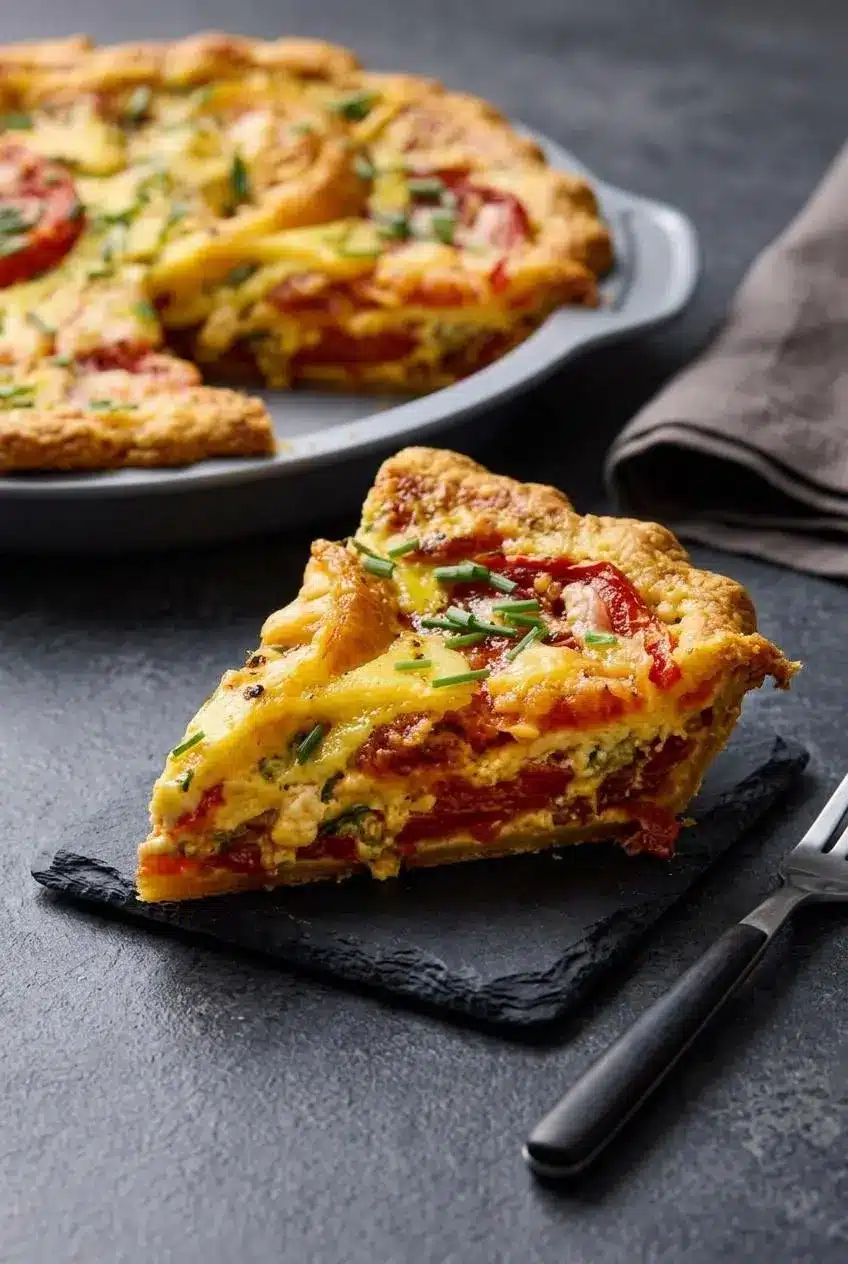
A crisp bottom comes from several small defenses working together. Salt the tomatoes, press away their liquid, and bake the crust until deeply golden before the filling ever touches it.
The Salting and Blotting Technique
Salt starts pulling moisture from cut tomatoes almost immediately. Spread the slices over paper towels, season them evenly, and let them rest for 10 minutes while the custard comes together. The towels catch the liquid rather than letting the tomatoes sit in it.
A colander works for draining chopped tomatoes, but paper towels are better for this sliced pie because they support each slice and make firm blotting easy. Press with clean paper towels until the tomatoes no longer look glossy with loose juice. This is the biggest difference between a neat wedge and a watery one.
- Wet tomatoes: They release liquid into the custard and soften the pastry. Salt and blot them before they enter the crust.
- Pale crust: It has not built a strong enough barrier against the filling. Continue blind baking until the entire shell turns golden.
- Loose slices: The pie was cut too soon. Give the filling its full hour to settle before serving.
If you enjoy a sharper savory layer, brush a very thin coating of Dijon mustard over the cooled crust before adding the tomatoes. A light butter brush is another optional barrier, but use either one sparingly so the pastry stays crisp rather than greasy.
Blind Baking Rules for Homemade and Store-Bought Crusts
The homemade buttermilk crust needs a firm chill, foil, and pie weights because its butter-rich layers need support as they set. Bake it fully before filling. Deep gold is the target, since a lightly parbaked shell will absorb tomato juice quickly.
A store-bought frozen pie shell can be a useful shortcut. Let it soften only enough to prick the base with a fork, line it with foil and weights, and bake it until the bottom is pale gold and dry to the touch before adding the filling. Follow the package directions when they differ for the specific shell.
Popular Variations and Customizations
Keep the main pie as written, then use these optional changes when you want a different flavor direction without losing the tomato-and-crust balance.
Bacon and Caramelized Onion Addition
For a fuller Southern-style filling, fold crisp crumbled bacon and slowly caramelized sweet onion into the cheese mixture before assembly. The bacon adds smoky saltiness, while soft onions bring sweetness that rounds out sharp Cheddar. Drain the bacon well so it does not add excess fat to the custard.
Italian Style Fontina and Thyme Twist
For a lighter Mediterranean direction, use fontina or provolone in place of the Cheddar, swap the chives for fresh thyme leaves, and finish the baked pie with a small drizzle of extra-virgin olive oil. The result is gentler and more herb-forward, closer in spirit to a savory tomato tart than a rich Southern mayonnaise pie.
Lightened Greek Yogurt Option
- Replace part of the mayonnaise with plain whole-milk Greek yogurt for a tangier filling.
- Replace all of the mayonnaise for a more pronounced yogurt flavor and a slightly softer custard.
- Keep the egg and egg yolk in place so the filling still has the structure it needs to set.
Storage, Make-Ahead, and Reheating
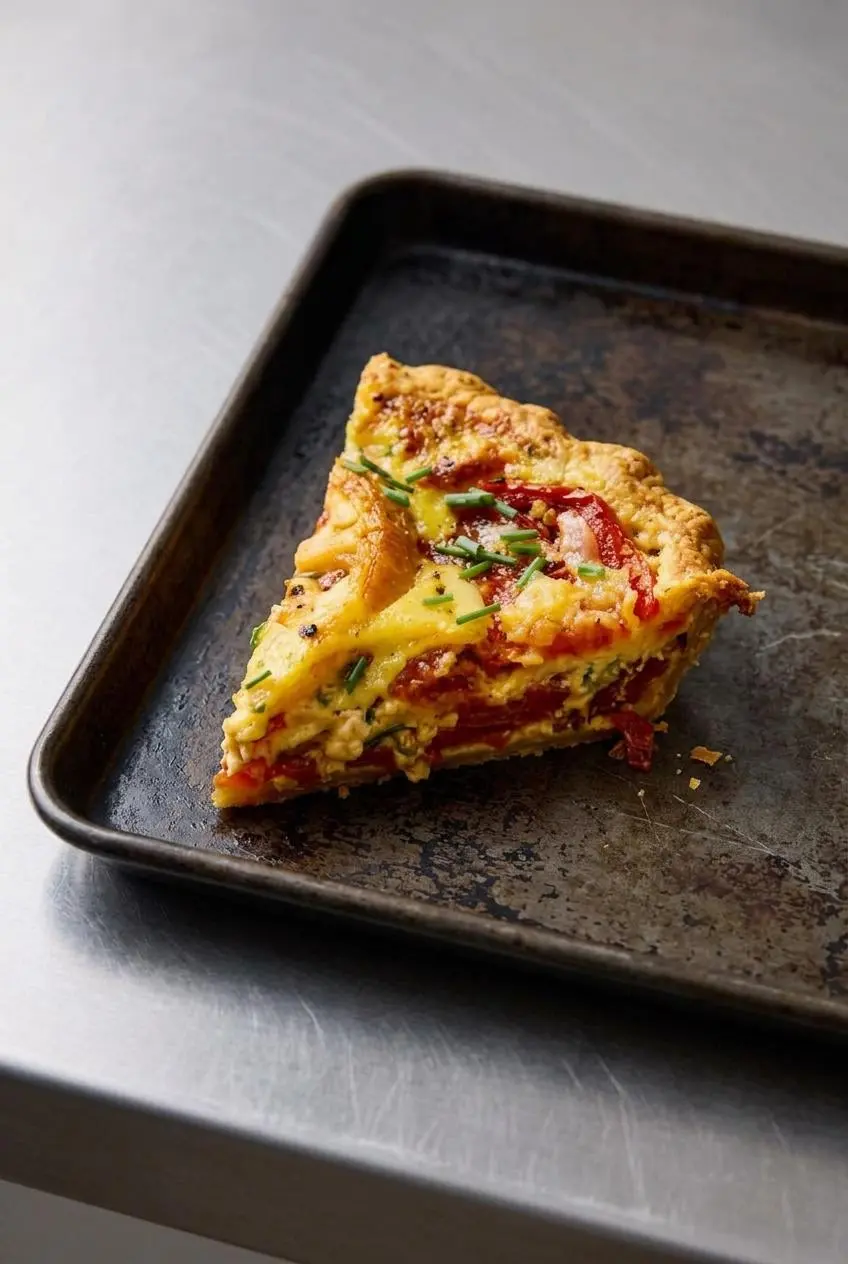
Let leftover pie cool fully, wrap individual slices or the pie plate tightly, and refrigerate it. The baked pie keeps in the refrigerator for up to 4 days.
To revive the bottom crust, warm slices in the oven on a preheated baking sheet rather than using the microwave. Gentle oven heat brings back some crispness without making the pastry rubbery. For make-ahead planning, prepare and chill the dough in advance, then bake and rest the pie before serving for the best texture.
I do not recommend freezing baked tomato pie. Tomatoes release more liquid after thawing, and the mayonnaise-based custard can separate, leaving the crust and filling softer than intended.
Serving Suggestions for Summer Gatherings
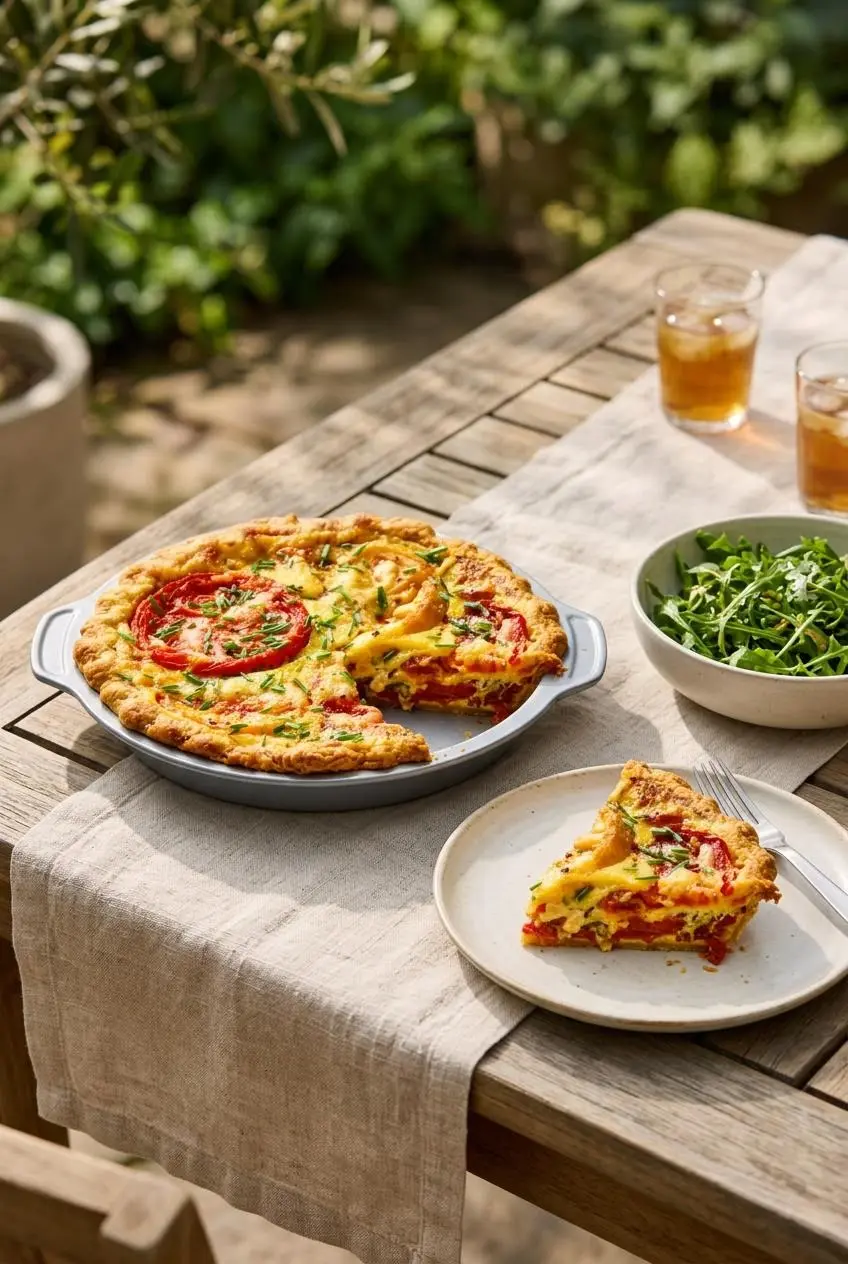
Tomato pie works warm or at room temperature for brunch, a cookout, or a casual summer dinner. Its buttery crust and savory cheese filling pair best with sides that bring crunch, acidity, or a clean fresh bite.
- Serve it with a peppery arugula salad dressed in lemon vinaigrette.
- Add sweet corn on the cob for an easy warm-weather plate.
- Bring a chilled cucumber tomato salad for a crisp, juicy contrast to the rich filling.
Conclusion
Tomato pie earns its place at the table with flaky pastry, sweet ripe tomatoes, browned Cheddar, and fragrant herbs. The filling tastes generous, but the technique stays focused.
Salt and blot the tomatoes, bake the crust until truly golden, and let the pie rest before the first cut. Those patient steps deliver the sturdy, savory slice you want.
Frequently Asked Questions
How Do You Keep Tomato Pie From Getting Soggy?
Salt the tomato slices and let them stand for 10 minutes. Press them firmly with paper towels until the surfaces feel dry rather than slick. Blind bake the crust until golden brown before adding any filling. Cool the crust completely so the hot custard does not soften it on contact.
What Kind of Tomatoes Are Best for Tomato Pie?
Roma tomatoes are a reliable choice because their flesh is dense and less watery. Ripe heirlooms and beefsteaks bring more dramatic summer flavor, but they need careful salting and blotting before baking. Use tomatoes that smell ripe and feel heavy for their size.
Can You Freeze Tomato Pie?
Freezing baked tomato pie is not recommended when crisp pastry and a creamy filling are the goal. Thawed tomatoes can release extra moisture, and the mayonnaise-based custard may separate. Refrigerating the baked pie is the better choice for preserving its texture.
Can I Make Tomato Pie Ahead of Time?
You can make the dough ahead and keep it chilled before rolling and baking. For the finished pie, bake it close to serving time when possible, then allow the full resting period so the filling slices cleanly. Warm leftover slices in the oven to help the crust regain its texture.
Tomato Pie Recipe

Equipment
- 9-inch pie plate
- Rolling Pin
- Rimmed baking sheet
- Pie weights or dried beans
Ingredients
Crust
- ⅓ cup cold full-fat buttermilk /79 milliliters
- 1 tablespoon cold water
- 2 ice cubes
- 1 ½ cups all-purpose flour /192 grams, plus more for rolling
- ¼ cup chopped fresh chives /14 grams
- 1 tablespoon sugar
- 2 teaspoons kosher salt (such as Diamond Crystal) or 1 teaspoon fine sea salt
- ½ teaspoon ground black pepper
- ½ cup cold unsalted butter /113 grams, cut into ½-inch cubes
Filling
- 1 ½ pounds heirloom tomatoes (about 4 medium)
- ½ teaspoon kosher salt such as Diamond Crystal) or ¼ teaspoon fine sea salt
- ½ cup full-fat buttermilk /119 milliliters
- ¼ cup mayonnaise /56 grams
- 1 large egg plus 1 egg yolk
- 1 tablespoon Dijon mustard
- ½ teaspoon ground black pepper
- 1 pinch ground cayenne (optional)
- ½ cup chopped fresh basil /15 grams
- ¼ cup chopped fresh chives /14 grams, plus more for serving
- 8 ounces sharp Cheddar /226 grams, grated (2 cups)
Instructions
Make the crust
- Combine the buttermilk and cold water in a measuring cup, then add the ice cubes. Keep this mixture cold while preparing the dry ingredients so the butter stays firm.
- Whisk the flour, chives, sugar, salt, and pepper in a large bowl, then work in the butter with your fingertips. Leave about half the butter in pea-size pieces and flatten the larger pieces into thin shards for flaky pockets.
- Discard the ice cubes and add the cold buttermilk mixture to a well in the flour mixture, stirring with a fork until rough clumps form. Stop while a few dry floury spots remain, because the dough will finish coming together during shaping and chilling.
- Turn the dough onto a clean surface and press it into a 6-inch square with a bench scraper or straight edge. If it seems unusually crumbly, sprinkle on a little water, using only enough to help the mass hold together.
- Cut the square into four pieces, stack them, and press the stack into a mass about 2 inches thick. This stacking creates distinct butter layers that bake into crisp, flaky sheets.
- Wrap the dough loosely, roll it into a compact disc about 1 inch thick, and refrigerate for at least 2 hours or up to 2 days. The chilled dough should feel firm and smooth enough to roll without smearing butter.
Parbake the crust
- Lightly tap the chilled dough with a rolling pin if needed, then roll it on a floured surface into a 12-inch round. Roll from the center outward and rotate the dough often to keep the round even.
- Set the dough in a 9-inch pie plate, letting it settle into the bottom and sides without pulling or stretching it. Trim the edge to a ½-inch overhang, fold it under to the rim, crimp it, and prick the base and sides with a fork.
- Freeze the shaped crust for about 20 minutes until very firm while heating the oven to 425°F. A thoroughly chilled shell holds its shape and keeps the butter from melting too quickly.
- Line the cold crust with foil, fill it with pie weights or dried beans, and place it on a rimmed baking sheet. The weights support the sides and prevent the bottom from puffing as the pastry starts to bake.
- Bake on the middle rack for 20 minutes, remove the foil and weights carefully, lower the oven to 350°F, and bake for 15 minutes more. The finished shell should be golden brown across the bottom and sides, not merely pale at the edges.
- Cool the crust completely in the pan on a wire rack. A cool, fully baked shell gives the tomato filling its best chance of staying crisp underneath.
Make the filling and assemble
- Set the oven to 375°F and line a rimmed baking sheet with paper towels, then cut the tomatoes into ½-inch slices. Arrange them in one layer, sprinkle with the salt, and let them stand while preparing the custard.
- Whisk the buttermilk, mayonnaise, egg, egg yolk, Dijon mustard, black pepper, and cayenne, if using, in a medium bowl. Mix until the custard looks smooth and lightly glossy, then fold in the basil and chives.
- Press the tomato slices firmly with fresh paper towels before filling the crust. The surfaces should feel tacky rather than wet, which means much of the loose juice has been removed.
- Arrange half the tomatoes in the cooled crust, pour in the herb custard, and scatter the Cheddar evenly over it. Lay the remaining tomato slices on top in overlapping rows and press them down gently.
- Place the pie on a rimmed baking sheet and bake on the middle rack for 50 to 60 minutes, rotating it halfway through. The filling should be set in the center, with bubbling golden edges and a deeply browned crust.
- Loosely tent the pie with foil if the crust darkens before the filling has finished baking. The foil should shield the rim without touching the cheese-topped surface.
- Cool the pie completely for at least 1 hour, then finish with more chopped chives and slice. The rest gives the custard time to firm up, so wedges come out clean instead of collapsing onto the plate.